

ASEAN NOW News
Admin
-
Joined
-
Last visited
-
 Newly released government documents show that Keir Starmer was warned that appointing Peter Mandelson as the United Kingdom’s ambassador to the United States could pose a “reputational risk” because of his association with convicted sex offender Jeffrey Epstein. Despite the warning, Starmer approved Mandelson’s appointment. The veteran Labour Party politician held the diplomatic post for nine months before being dismissed when new details about his relationship with Epstein emerged. The documents, released Wednesday, reveal that senior civil servants flagged concerns before the appointment was finalized. Don’t miss the latest headlines from Thailand and around the world. Get the Asean Now Briefing newsletter, delivered daily. Sign up here. Longstanding relationship highlightedA due diligence report prepared in December 2024 outlined a relationship between Mandelson and Epstein that spanned nearly two decades. According to the report, Mandelson helped arrange a meeting between Epstein and then–prime minister Tony Blair in 2002. The document also noted that Mandelson reportedly stayed at Epstein’s residence in 2009 while the financier was serving a jail sentence for sexual offenses involving a minor. The report cited a 2019 internal review commissioned by JPMorgan which described Epstein as having a particularly close relationship with both Mandelson and Prince Andrew. Officials also flagged earlier controversies from Mandelson’s time in government, including two resignations over financial matters and his role at the lobbying firm Global Counsel. Government says Mandelson misled officialsDespite the warnings, the appointment went ahead. Cabinet minister Darren Jones later told lawmakers that the due diligence process failed to reveal the full extent of Mandelson’s ties to Epstein. He said Mandelson had misled Starmer about the nature of the relationship. “Peter Mandelson should never have been afforded the privilege of representing this country,” Jones told members of the House of Commons. “The prime minister deeply regrets taking him at his word. It was a mistake.” Political fallout growsStarmer dismissed Mandelson in September after earlier documents revealed the former minister maintained contact with Epstein following his 2008 conviction. Further revelations emerged after a large collection of Epstein-related files was published by the U.S. Department of Justice earlier this year, intensifying scrutiny of Starmer’s decision. Opposition politicians have since accused the prime minister of a serious lapse in judgment. Ed Davey, leader of the Liberal Democrats, called the appointment a “catastrophic failure of judgment.” Meanwhile, Conservative lawmaker Alex Burghart said the prime minister should have recognized the risks from the information already presented in the due diligence report. Criminal investigation underwayMandelson is also facing a police investigation into allegations that he shared sensitive government information with Epstein when he served as business secretary following the 2008 financial crisis. He was arrested at his home in London on February 23 on suspicion of misconduct in public office. Police later released him without bail conditions while the investigation continues. Mandelson has denied wrongdoing and has not been charged. Authorities say he does not face allegations of sexual misconduct. He has since resigned from the House of Lords and lost his ambassadorial salary of about £157,000 a year. Documents show he initially requested compensation totaling £547,000 after his dismissal, representing the remainder of his four-year contract. The government ultimately agreed to pay him £75,000. Join the discussion? Already a member? Adapted by ASEAN Now · Source · 11.03 2026
 -
Newly released government documents show that Keir Starmer was warned that appointing Peter Mandelson as the United Kingdom’s ambassador to the United States could pose a “reputational risk” because of his association with convicted sex offender Jeffrey Epstein. Despite the warning, Starmer approved Mandelson’s appointment. The veteran Labour Party politician held the diplomatic post for nine months before being dismissed when new details about his relationship with Epstein emerged. The documents, released Wednesday, reveal that senior civil servants flagged concerns before the appointment was finalized. Don’t miss the latest headlines from Thailand and around the world. Get the Asean Now Briefing newsletter, delivered daily. Sign up here. Longstanding relationship highlightedA due diligence report prepared in December 2024 outlined a relationship between Mandelson and Epstein that spanned nearly two decades. According to the report, Mandelson helped arrange a meeting between Epstein and then–prime minister Tony Blair in 2002. The document also noted that Mandelson reportedly stayed at Epstein’s residence in 2009 while the financier was serving a jail sentence for sexual offenses involving a minor. The report cited a 2019 internal review commissioned by JPMorgan which described Epstein as having a particularly close relationship with both Mandelson and Prince Andrew. Officials also flagged earlier controversies from Mandelson’s time in government, including two resignations over financial matters and his role at the lobbying firm Global Counsel. Government says Mandelson misled officialsDespite the warnings, the appointment went ahead. Cabinet minister Darren Jones later told lawmakers that the due diligence process failed to reveal the full extent of Mandelson’s ties to Epstein. He said Mandelson had misled Starmer about the nature of the relationship. “Peter Mandelson should never have been afforded the privilege of representing this country,” Jones told members of the House of Commons. “The prime minister deeply regrets taking him at his word. It was a mistake.” Political fallout growsStarmer dismissed Mandelson in September after earlier documents revealed the former minister maintained contact with Epstein following his 2008 conviction. Further revelations emerged after a large collection of Epstein-related files was published by the U.S. Department of Justice earlier this year, intensifying scrutiny of Starmer’s decision. Opposition politicians have since accused the prime minister of a serious lapse in judgment. Ed Davey, leader of the Liberal Democrats, called the appointment a “catastrophic failure of judgment.” Meanwhile, Conservative lawmaker Alex Burghart said the prime minister should have recognized the risks from the information already presented in the due diligence report. Criminal investigation underwayMandelson is also facing a police investigation into allegations that he shared sensitive government information with Epstein when he served as business secretary following the 2008 financial crisis. He was arrested at his home in London on February 23 on suspicion of misconduct in public office. Police later released him without bail conditions while the investigation continues. Mandelson has denied wrongdoing and has not been charged. Authorities say he does not face allegations of sexual misconduct. He has since resigned from the House of Lords and lost his ambassadorial salary of about £157,000 a year. Documents show he initially requested compensation totaling £547,000 after his dismissal, representing the remainder of his four-year contract. The government ultimately agreed to pay him £75,000. Join the discussion? Already a member? Adapted by ASEAN Now · Source · 11.03 2026 View full article
-
 The administration of Donald Trump estimates that the first six days of the war against Iran cost the United States at least $11.3 billion, according to a source familiar with a recent congressional briefing. The estimate was shared with lawmakers during a closed-door session for senators on Tuesday, as members of Congress continue pressing the administration for more details about the conflict. The Asean Now Briefing newsletter keeps you informed with all the latest news Sign up here. Officials stressed that the figure represents only an early estimate and does not reflect the full cost of the war so far. The number was first reported by The New York Times. Congressional aides said the White House is expected to request additional funding soon. Some officials have suggested the request could reach $50 billion, though others believe even that figure may underestimate the potential costs. So far, the administration has not released a public estimate of the total expense or a clear timeline for how long the conflict might continue. Speaking during a trip to Kentucky on Wednesday, Trump said the United States had already achieved major success in the war. “We won,” he said, while adding that American forces would remain involved until the mission is fully completed. The military campaign began on February 28 with coordinated airstrikes carried out by the United States and Israel against targets inside Iran. Since then, the conflict has expanded into neighboring Lebanon and has significantly disrupted global energy markets and shipping routes. The fighting has reportedly killed around 2,000 people, the majority of them in Iran and Lebanon. During briefings to lawmakers, administration officials said $5.6 billion worth of munitions were used in the first two days of strikes alone. Members of Congress have expressed concern that the rapid pace of operations could significantly drain U.S. military stockpiles. These concerns come at a time when the American defense industry is already struggling to meet high global demand for weapons and equipment. To address supply issues, Trump recently met with executives from seven major defense contractors as the U.S. Department of Defense works to replenish depleted stockpiles. Meanwhile, Democratic lawmakers are demanding greater transparency from the administration. Several have called for senior officials to testify publicly under oath about the strategy behind the war, including how long the conflict might last and what plans exist for Iran once fighting ends. Join the discussion? Already a member? Adapted by ASEAN Now · Source · 11.03 2026
 -
The administration of Donald Trump estimates that the first six days of the war against Iran cost the United States at least $11.3 billion, according to a source familiar with a recent congressional briefing. The estimate was shared with lawmakers during a closed-door session for senators on Tuesday, as members of Congress continue pressing the administration for more details about the conflict. The Asean Now Briefing newsletter keeps you informed with all the latest news Sign up here. Officials stressed that the figure represents only an early estimate and does not reflect the full cost of the war so far. The number was first reported by The New York Times. Congressional aides said the White House is expected to request additional funding soon. Some officials have suggested the request could reach $50 billion, though others believe even that figure may underestimate the potential costs. So far, the administration has not released a public estimate of the total expense or a clear timeline for how long the conflict might continue. Speaking during a trip to Kentucky on Wednesday, Trump said the United States had already achieved major success in the war. “We won,” he said, while adding that American forces would remain involved until the mission is fully completed. The military campaign began on February 28 with coordinated airstrikes carried out by the United States and Israel against targets inside Iran. Since then, the conflict has expanded into neighboring Lebanon and has significantly disrupted global energy markets and shipping routes. The fighting has reportedly killed around 2,000 people, the majority of them in Iran and Lebanon. During briefings to lawmakers, administration officials said $5.6 billion worth of munitions were used in the first two days of strikes alone. Members of Congress have expressed concern that the rapid pace of operations could significantly drain U.S. military stockpiles. These concerns come at a time when the American defense industry is already struggling to meet high global demand for weapons and equipment. To address supply issues, Trump recently met with executives from seven major defense contractors as the U.S. Department of Defense works to replenish depleted stockpiles. Meanwhile, Democratic lawmakers are demanding greater transparency from the administration. Several have called for senior officials to testify publicly under oath about the strategy behind the war, including how long the conflict might last and what plans exist for Iran once fighting ends. Join the discussion? Already a member? Adapted by ASEAN Now · Source · 11.03 2026 View full article
-
 Moscow Condemns Bryansk StrikeRussia has accused Ukraine and United Kingdom of carrying out what it described as a “terrorist attack” on the western Russian city of Bryansk. In a statement released Wednesday, the Russian Foreign Ministry condemned the deadly strike and alleged that missiles supplied by Britain had been used in the attack. The Asean Now Briefing newsletter keeps you informed with all the latest news Sign up here. Moscow claimed the strike violated international legal norms and accused London of crossing a dangerous line by supplying weapons that were allegedly used to target Russian territory. Claims of EscalationAccording to the ministry, the attack was intended to sabotage ongoing efforts toward a peace process in the war between Russia and Ukraine. Officials said the strike was part of a broader attempt to escalate the conflict rather than seek a negotiated settlement. The statement did not provide detailed evidence supporting the claim that British-made missiles were used in the attack. Growing TensionsThe accusation adds to mounting tensions between Moscow and Western governments over military support for Ukraine. Since the full-scale invasion of Ukraine by Russia in 2022, Western countries including the United Kingdom have provided Kyiv with weapons, training and financial assistance. Russia has repeatedly warned that such support risks widening the conflict. Join the discussion? Already a member? Adapted by ASEAN Now · Source · 11.03 2026
 -
Moscow Condemns Bryansk StrikeRussia has accused Ukraine and United Kingdom of carrying out what it described as a “terrorist attack” on the western Russian city of Bryansk. In a statement released Wednesday, the Russian Foreign Ministry condemned the deadly strike and alleged that missiles supplied by Britain had been used in the attack. The Asean Now Briefing newsletter keeps you informed with all the latest news Sign up here. Moscow claimed the strike violated international legal norms and accused London of crossing a dangerous line by supplying weapons that were allegedly used to target Russian territory. Claims of EscalationAccording to the ministry, the attack was intended to sabotage ongoing efforts toward a peace process in the war between Russia and Ukraine. Officials said the strike was part of a broader attempt to escalate the conflict rather than seek a negotiated settlement. The statement did not provide detailed evidence supporting the claim that British-made missiles were used in the attack. Growing TensionsThe accusation adds to mounting tensions between Moscow and Western governments over military support for Ukraine. Since the full-scale invasion of Ukraine by Russia in 2022, Western countries including the United Kingdom have provided Kyiv with weapons, training and financial assistance. Russia has repeatedly warned that such support risks widening the conflict. Join the discussion? Already a member? Adapted by ASEAN Now · Source · 11.03 2026 View full article
-
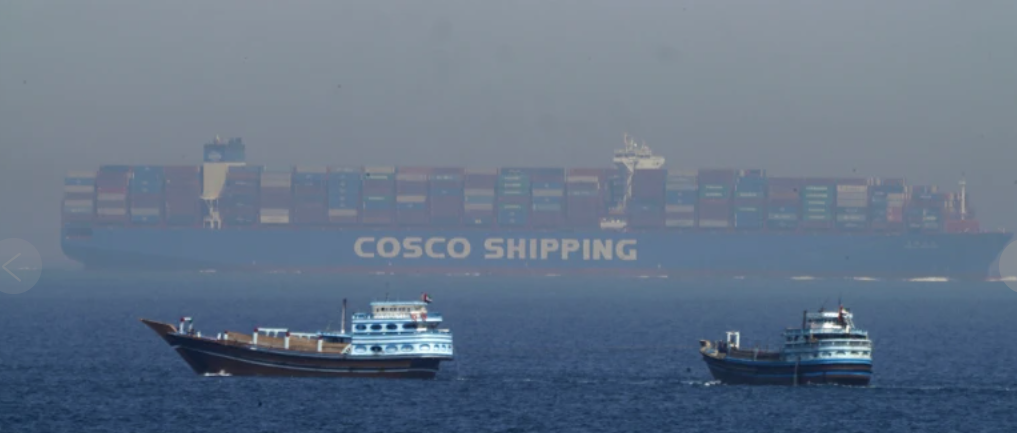 Attacks Raise Global Energy ConcernsAttacks on commercial vessels in the Persian Gulf continued on Wednesday as tensions surrounding the war involving Iran escalated and the critical Strait of Hormuz remained effectively closed. The United States said it had destroyed more than a dozen Iranian vessels suspected of laying naval mines, an effort aimed at preventing Tehran from fully sealing off the narrow maritime route. The passageway plays a crucial role in global energy supply, carrying a large share of the world’s oil and liquefied natural gas shipments. Get the latest headlines in your email Iran has vowed to block oil exports in the region, declaring it would not allow “even a single liter” of energy resources to reach its enemies. Meanwhile, Donald Trump said there were no confirmed reports that Iran had placed mines in the strait, though he warned of strong military retaliation if the waterway were formally closed. A Vital Artery for Global TradeThe Strait of Hormuz is a narrow channel connecting the Persian Gulf with the Gulf of Oman. At its narrowest point, the waterway measures about 33 kilometers (21 miles) across, making shipping lanes tight and difficult to navigate. Although the territorial waters of both Iran and Oman border the passage, the route is considered an international shipping corridor open to vessels from all countries. Nearby states such as the United Arab Emirates, home to the city of Dubai, also depend heavily on the strait for energy exports and trade. Approximately 20% of the world’s oil and natural gas shipments pass through the passage, making it one of the most strategically important maritime choke points on the planet. A Historic Trade RouteThe strait has played a key role in trade for centuries. Historically, goods such as ceramics, silk, textiles and ivory travelled through the region along maritime routes linking Asia with the Middle East and Europe. In the modern era, the strait serves as the primary export route for oil and gas from countries including Saudi Arabia, Kuwait, Iraq, Qatar, Bahrain, the United Arab Emirates and Iran. Much of this energy supply is shipped to Asian markets, particularly China. Although pipelines in Saudi Arabia and the UAE allow some oil exports to bypass the strait, most energy shipments from the Gulf still rely on this narrow route. Rising Attacks on ShippingSince the war began, attacks targeting vessels in and around the Strait of Hormuz have increased significantly. According to the International Maritime Organization, at least 12 incidents involving merchant vessels had been recorded as of Wednesday. The organization’s secretary-general, Arsenio Dominguez, said that at least seven sailors had been killed during these incidents. Meanwhile, the British military-run United Kingdom Maritime Trade Operations center reported 17 separate security incidents in the wider region, including the Persian Gulf and the Gulf of Oman. Of those reports, 13 were confirmed attacks and four were categorized as suspicious activity. The incidents involved a variety of vessels including tankers, cargo ships and tugboats. Global Shipping DisruptedAlthough the Strait of Hormuz has not been formally declared closed, the rising attacks have effectively halted most commercial traffic. Major shipping companies have already suspended operations in the area. The Danish shipping giant Maersk announced it had stopped sending vessels through the strait until further notice. Other major ocean carriers, including Hapag-Lloyd, CMA CGM and MSC, have issued similar warnings. According to logistics expert Tom Goldsby of the University of Tennessee, many vessels are now stranded in the Persian Gulf. Around 400 oil tankers are currently idle in the region as companies wait for the security situation to improve. Insurance and Military PlansTo help restore confidence in shipping through the region, the United States is introducing a reinsurance program through the U.S. International Development Finance Corporation. The program would cover up to $20 billion in losses related to damage to ships or cargo caused by the conflict. Political risk insurance is intended to protect companies from financial losses caused by war, violence or unstable political conditions. Marine insurers had previously begun cancelling policies or sharply increasing rates for ships operating in the area. Trump has also suggested the U.S. Navy could escort oil tankers through the strait if necessary. Meanwhile, a separate initiative led by France aims to organise multinational naval escorts once the most intense phase of the conflict subsides. Join the discussion? Already a member? Adapted by ASEAN Now · Source · 11.03 2026
 -
Attacks Raise Global Energy ConcernsAttacks on commercial vessels in the Persian Gulf continued on Wednesday as tensions surrounding the war involving Iran escalated and the critical Strait of Hormuz remained effectively closed. The United States said it had destroyed more than a dozen Iranian vessels suspected of laying naval mines, an effort aimed at preventing Tehran from fully sealing off the narrow maritime route. The passageway plays a crucial role in global energy supply, carrying a large share of the world’s oil and liquefied natural gas shipments. Get the latest headlines in your email Iran has vowed to block oil exports in the region, declaring it would not allow “even a single liter” of energy resources to reach its enemies. Meanwhile, Donald Trump said there were no confirmed reports that Iran had placed mines in the strait, though he warned of strong military retaliation if the waterway were formally closed. A Vital Artery for Global TradeThe Strait of Hormuz is a narrow channel connecting the Persian Gulf with the Gulf of Oman. At its narrowest point, the waterway measures about 33 kilometers (21 miles) across, making shipping lanes tight and difficult to navigate. Although the territorial waters of both Iran and Oman border the passage, the route is considered an international shipping corridor open to vessels from all countries. Nearby states such as the United Arab Emirates, home to the city of Dubai, also depend heavily on the strait for energy exports and trade. Approximately 20% of the world’s oil and natural gas shipments pass through the passage, making it one of the most strategically important maritime choke points on the planet. A Historic Trade RouteThe strait has played a key role in trade for centuries. Historically, goods such as ceramics, silk, textiles and ivory travelled through the region along maritime routes linking Asia with the Middle East and Europe. In the modern era, the strait serves as the primary export route for oil and gas from countries including Saudi Arabia, Kuwait, Iraq, Qatar, Bahrain, the United Arab Emirates and Iran. Much of this energy supply is shipped to Asian markets, particularly China. Although pipelines in Saudi Arabia and the UAE allow some oil exports to bypass the strait, most energy shipments from the Gulf still rely on this narrow route. Rising Attacks on ShippingSince the war began, attacks targeting vessels in and around the Strait of Hormuz have increased significantly. According to the International Maritime Organization, at least 12 incidents involving merchant vessels had been recorded as of Wednesday. The organization’s secretary-general, Arsenio Dominguez, said that at least seven sailors had been killed during these incidents. Meanwhile, the British military-run United Kingdom Maritime Trade Operations center reported 17 separate security incidents in the wider region, including the Persian Gulf and the Gulf of Oman. Of those reports, 13 were confirmed attacks and four were categorized as suspicious activity. The incidents involved a variety of vessels including tankers, cargo ships and tugboats. Global Shipping DisruptedAlthough the Strait of Hormuz has not been formally declared closed, the rising attacks have effectively halted most commercial traffic. Major shipping companies have already suspended operations in the area. The Danish shipping giant Maersk announced it had stopped sending vessels through the strait until further notice. Other major ocean carriers, including Hapag-Lloyd, CMA CGM and MSC, have issued similar warnings. According to logistics expert Tom Goldsby of the University of Tennessee, many vessels are now stranded in the Persian Gulf. Around 400 oil tankers are currently idle in the region as companies wait for the security situation to improve. Insurance and Military PlansTo help restore confidence in shipping through the region, the United States is introducing a reinsurance program through the U.S. International Development Finance Corporation. The program would cover up to $20 billion in losses related to damage to ships or cargo caused by the conflict. Political risk insurance is intended to protect companies from financial losses caused by war, violence or unstable political conditions. Marine insurers had previously begun cancelling policies or sharply increasing rates for ships operating in the area. Trump has also suggested the U.S. Navy could escort oil tankers through the strait if necessary. Meanwhile, a separate initiative led by France aims to organise multinational naval escorts once the most intense phase of the conflict subsides. Join the discussion? Already a member? Adapted by ASEAN Now · Source · 11.03 2026 View full article
-
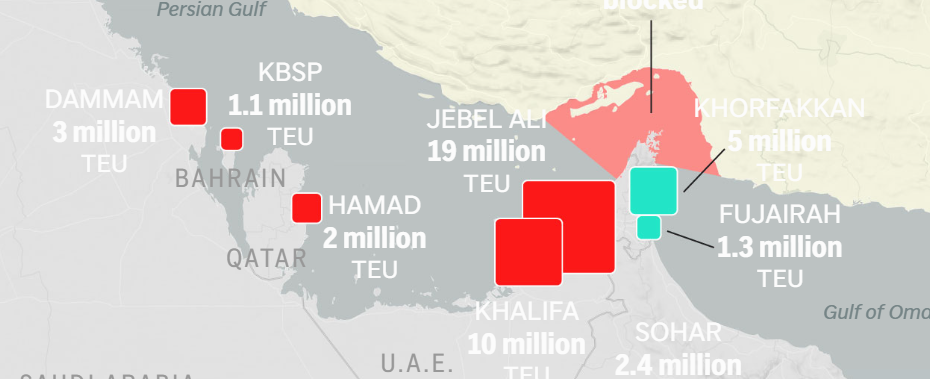 Vital Oil Route Effectively ClosedThe war involving Iran, Israel and the United States has effectively shut down shipping through the Strait of Hormuz, one of the world’s most important energy corridors. Get the latest headlines in your email The narrow waterway off Iran’s coast connects the Persian Gulf to global markets and carries a significant share of the world’s oil and liquefied natural gas. With traffic through the passage now severely disrupted, gasoline prices have begun rising worldwide as energy supplies tighten. Governments are already discussing plans to reopen the strait once the fighting subsides. International Plans to Restore ShippingIn Europe, Emmanuel Macron is leading an international effort to prepare for the reopening of the shipping route. The France president has proposed deploying naval forces to escort oil tankers and cargo vessels through the strait once conditions allow. The idea is to ensure that energy shipments and global trade can resume safely after hostilities ease. However, military analysts warn that attempting such an operation while fighting continues would be extremely dangerous. Retired French naval officer Pascal Ausseur said sending ships through the strait during active conflict would leave them highly exposed. “In today’s context, sending warships or civilian vessels into the Strait of Hormuz would be suicidal,” he said. Even if a ceasefire were agreed, he added, the situation would remain risky. Lessons From Red Sea OperationsNaval forces from several countries already have experience protecting commercial shipping in hostile waters. Warships from France, United States and United Kingdom have previously escorted merchant vessels through attacks in the Red Sea carried out by Iran-backed Houthi militants from Yemen. During those operations, warships used a combination of machine guns, naval cannons and advanced air-defence systems to intercept incoming missiles and drones. For example, the French frigate French frigate Alsace shot down three ballistic missiles while escorting a container ship in 2024. Its commander at the time, Jérôme Henry, said repeated attacks placed intense pressure on crews and left sailors with little rest. Iran Presents Greater ThreatExperts warn that reopening the Strait of Hormuz could prove far more difficult than protecting shipping in the Red Sea. Iran possesses a significantly more advanced military than the Houthi forces that targeted vessels in recent years. According to assessments by the U.S. Defense Intelligence Agency, Iran has anti-ship cruise missiles capable of reaching vessels throughout the strait and nearby waters. The country also has access to drones, naval mines, long-range missiles and fast attack craft that could be used to target shipping. Retired French vice admiral Michel Olhagaray said the level of threat would require a much larger and more sophisticated military presence to counter. Before commercial vessels could safely return, he said, many of Iran’s offensive systems along the coastline would likely need to be neutralised. No Quick SolutionEven with military escorts and surveillance, analysts say reopening the strait safely would require extensive monitoring and intelligence gathering. Navies would need to maintain constant patrols and carefully track potential threats before allowing tankers to resume transit. Until hostilities decline significantly, Olhagaray warned, shipping through the Strait of Hormuz will remain extremely hazardouss “That will not happen at all — not at all — in the near future,” he said. Join the discussion? Already a member? Adapted by ASEAN Now · Source · 11.03 2026
 -
Vital Oil Route Effectively ClosedThe war involving Iran, Israel and the United States has effectively shut down shipping through the Strait of Hormuz, one of the world’s most important energy corridors. Get the latest headlines in your email The narrow waterway off Iran’s coast connects the Persian Gulf to global markets and carries a significant share of the world’s oil and liquefied natural gas. With traffic through the passage now severely disrupted, gasoline prices have begun rising worldwide as energy supplies tighten. Governments are already discussing plans to reopen the strait once the fighting subsides. International Plans to Restore ShippingIn Europe, Emmanuel Macron is leading an international effort to prepare for the reopening of the shipping route. The France president has proposed deploying naval forces to escort oil tankers and cargo vessels through the strait once conditions allow. The idea is to ensure that energy shipments and global trade can resume safely after hostilities ease. However, military analysts warn that attempting such an operation while fighting continues would be extremely dangerous. Retired French naval officer Pascal Ausseur said sending ships through the strait during active conflict would leave them highly exposed. “In today’s context, sending warships or civilian vessels into the Strait of Hormuz would be suicidal,” he said. Even if a ceasefire were agreed, he added, the situation would remain risky. Lessons From Red Sea OperationsNaval forces from several countries already have experience protecting commercial shipping in hostile waters. Warships from France, United States and United Kingdom have previously escorted merchant vessels through attacks in the Red Sea carried out by Iran-backed Houthi militants from Yemen. During those operations, warships used a combination of machine guns, naval cannons and advanced air-defence systems to intercept incoming missiles and drones. For example, the French frigate French frigate Alsace shot down three ballistic missiles while escorting a container ship in 2024. Its commander at the time, Jérôme Henry, said repeated attacks placed intense pressure on crews and left sailors with little rest. Iran Presents Greater ThreatExperts warn that reopening the Strait of Hormuz could prove far more difficult than protecting shipping in the Red Sea. Iran possesses a significantly more advanced military than the Houthi forces that targeted vessels in recent years. According to assessments by the U.S. Defense Intelligence Agency, Iran has anti-ship cruise missiles capable of reaching vessels throughout the strait and nearby waters. The country also has access to drones, naval mines, long-range missiles and fast attack craft that could be used to target shipping. Retired French vice admiral Michel Olhagaray said the level of threat would require a much larger and more sophisticated military presence to counter. Before commercial vessels could safely return, he said, many of Iran’s offensive systems along the coastline would likely need to be neutralised. No Quick SolutionEven with military escorts and surveillance, analysts say reopening the strait safely would require extensive monitoring and intelligence gathering. Navies would need to maintain constant patrols and carefully track potential threats before allowing tankers to resume transit. Until hostilities decline significantly, Olhagaray warned, shipping through the Strait of Hormuz will remain extremely hazardouss “That will not happen at all — not at all — in the near future,” he said. Join the discussion? Already a member? Adapted by ASEAN Now · Source · 11.03 2026 View full article
-
 Preliminary Inquiry Points to US ResponsibilityA preliminary investigation by the United States military has reportedly concluded that an American missile strike was responsible for the deadly bombing of an elementary school in Iran earlier this year. Get the latest headlines in your email According to reporting by The New York Times, citing US officials familiar with the inquiry, the strike on 28 February that destroyed Shajarah Tayyebeh Elementary School was the result of a targeting error by US military planners. Iranian authorities say at least 175 people were killed in the attack, most of them children, making it one of the deadliest incidents involving civilian casualties during the current conflict. Missile Strike Linked to Targeting ErrorThe preliminary findings indicate that the strike involved a Tomahawk cruise missile launched during US operations in the region. Investigators reportedly believe officers at United States Central Command created the coordinates for the strike using outdated intelligence data supplied by the Defense Intelligence Agency. The mistake appears to have caused the missile to hit the school building rather than its intended target. The school is located in the town of Minab near facilities used by Iran’s Islamic Revolutionary Guard Corps naval forces. Although the school building had once been part of the wider military complex, satellite imagery shows it had been separated from the base by walls for nearly a decade and displayed clear signs of being an educational facility. Tehran’s Claims Gain SupportThe preliminary findings appear to support claims made by Iranian officials that the United States carried out the strike. Tehran previously released video footage of a missile hitting the area as well as images of debris said to include fragments of US-made weapon components. Independent analysts had already suggested the evidence strongly pointed to American involvement. Trump Blamed IranDespite the growing evidence, US President Donald Trump publicly blamed Iran for the bombing. “In my opinion, based on what I’ve seen, that was done by Iran,” Trump said last week, arguing that Iranian weapons were inaccurate. He did not present any evidence to support the claim. US military spokespeople have not repeated the president’s accusation and have instead said the incident remains under investigation. Pentagon Maintains SilenceOfficials have declined to comment in detail while the inquiry continues. In a brief statement, the Pentagon said: “The incident is under investigation.” A spokesperson for US Central Command also said it would be inappropriate to discuss the findings until the investigation is complete. The inquiry has not yet been finalised, and officials say further details may emerge as the investigation continues. Join the discussion? Already a member? Adapted by ASEAN Now · Source · 11.03 2026
 -
Preliminary Inquiry Points to US ResponsibilityA preliminary investigation by the United States military has reportedly concluded that an American missile strike was responsible for the deadly bombing of an elementary school in Iran earlier this year. Get the latest headlines in your email According to reporting by The New York Times, citing US officials familiar with the inquiry, the strike on 28 February that destroyed Shajarah Tayyebeh Elementary School was the result of a targeting error by US military planners. Iranian authorities say at least 175 people were killed in the attack, most of them children, making it one of the deadliest incidents involving civilian casualties during the current conflict. Missile Strike Linked to Targeting ErrorThe preliminary findings indicate that the strike involved a Tomahawk cruise missile launched during US operations in the region. Investigators reportedly believe officers at United States Central Command created the coordinates for the strike using outdated intelligence data supplied by the Defense Intelligence Agency. The mistake appears to have caused the missile to hit the school building rather than its intended target. The school is located in the town of Minab near facilities used by Iran’s Islamic Revolutionary Guard Corps naval forces. Although the school building had once been part of the wider military complex, satellite imagery shows it had been separated from the base by walls for nearly a decade and displayed clear signs of being an educational facility. Tehran’s Claims Gain SupportThe preliminary findings appear to support claims made by Iranian officials that the United States carried out the strike. Tehran previously released video footage of a missile hitting the area as well as images of debris said to include fragments of US-made weapon components. Independent analysts had already suggested the evidence strongly pointed to American involvement. Trump Blamed IranDespite the growing evidence, US President Donald Trump publicly blamed Iran for the bombing. “In my opinion, based on what I’ve seen, that was done by Iran,” Trump said last week, arguing that Iranian weapons were inaccurate. He did not present any evidence to support the claim. US military spokespeople have not repeated the president’s accusation and have instead said the incident remains under investigation. Pentagon Maintains SilenceOfficials have declined to comment in detail while the inquiry continues. In a brief statement, the Pentagon said: “The incident is under investigation.” A spokesperson for US Central Command also said it would be inappropriate to discuss the findings until the investigation is complete. The inquiry has not yet been finalised, and officials say further details may emerge as the investigation continues. Join the discussion? Already a member? Adapted by ASEAN Now · Source · 11.03 2026 View full article
-
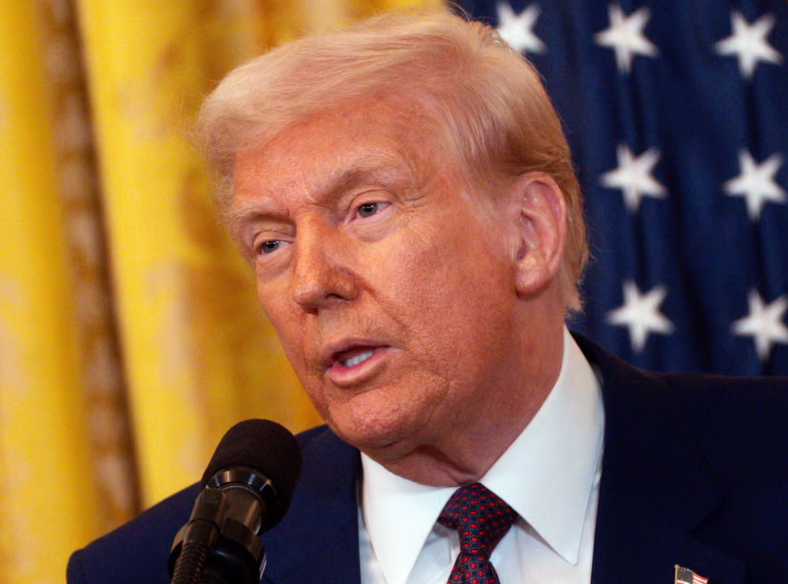 Emergency Oil Release PlannedThe United States will release 172 million barrels of oil from its strategic petroleum reserve in an effort to lower global energy prices following supply disruptions linked to the war involving Iran, Israel and the US. Get the latest headlines in your email US energy secretary Chris Wright said the move forms part of a wider coordinated release announced by the International Energy Agency. The agency said its 32 member countries had collectively agreed to release around 400 million barrels of oil to stabilise markets affected by the conflict. Release to Begin Next WeekWright said the US portion of the release will begin next week and is expected to take about 120 days to complete. The goal is to ease pressure on global supply and help bring down fuel prices, which have surged amid fears of disruptions to Middle East oil exports. In a statement, Wright accused Iran of “manipulating and threatening the energy security of America and its allies”. Trump Supports Reserve UseEarlier in the day, President Donald Trump confirmed that the government planned to draw from the country’s emergency oil reserves. “We’ll do that, and then we’ll fill it up,” Trump said. “Right now, we’ll reduce it a little bit, and that brings the prices down.” Join the discussion? Already a member? Adapted by ASEAN Now · Source · 11.03 2026
 -
Emergency Oil Release PlannedThe United States will release 172 million barrels of oil from its strategic petroleum reserve in an effort to lower global energy prices following supply disruptions linked to the war involving Iran, Israel and the US. Get the latest headlines in your email US energy secretary Chris Wright said the move forms part of a wider coordinated release announced by the International Energy Agency. The agency said its 32 member countries had collectively agreed to release around 400 million barrels of oil to stabilise markets affected by the conflict. Release to Begin Next WeekWright said the US portion of the release will begin next week and is expected to take about 120 days to complete. The goal is to ease pressure on global supply and help bring down fuel prices, which have surged amid fears of disruptions to Middle East oil exports. In a statement, Wright accused Iran of “manipulating and threatening the energy security of America and its allies”. Trump Supports Reserve UseEarlier in the day, President Donald Trump confirmed that the government planned to draw from the country’s emergency oil reserves. “We’ll do that, and then we’ll fill it up,” Trump said. “Right now, we’ll reduce it a little bit, and that brings the prices down.” Join the discussion? Already a member? Adapted by ASEAN Now · Source · 11.03 2026 View full article
-
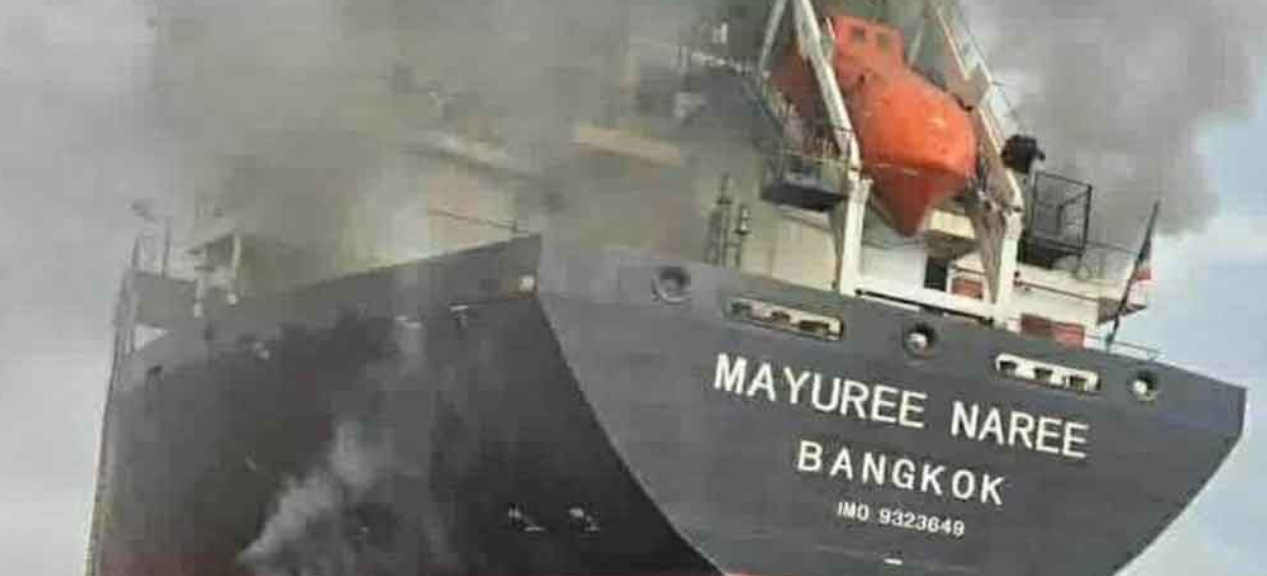 Crew Forced to Abandon VesselA Thai-flagged cargo ship was attacked shortly after passing through the Strait of Hormuz on 11 March 2026, forcing its entire crew to abandon the vessel during an emergency at sea. The ship was sailing in the Arabian Sea after departing from the United Arab Emirates when it reportedly came under fire at about 11:30am. According to early reports, the strike hit the rear section of the vessel, severely damaging the engine room and sparking a fire. The damage left the ship unable to operate. As the blaze spread and the situation onboard worsened, the captain ordered the crew to abandon ship. All 23 crew members were safely evacuated from the vessel. Fire and Severe Damage ReportedThe attack caused major destruction in the engine room located at the stern of the ship, triggering a fire that quickly spread through the affected area. With the vessel disabled and flames continuing to burn, it became unsafe for crew members to remain onboard. The emergency evacuation was carried out to ensure the safety of all personnel. Authorities have not reported any fatalities or injuries among the crew. Responsibility Still UnclearOfficials say it is still unclear who was responsible for the attack or what type of weapon was used. Investigators have begun examining the incident, including the vessel’s route and possible security threats in the region. No group or country has claimed responsibility so far. Strategic Shipping RouteThe Strait of Hormuz is one of the most strategically important maritime corridors in the world, connecting oil and gas producers in the Gulf region to international markets. A large share of global energy shipments and commercial trade passes through the narrow waterway each day. Because of its economic significance, any attack on vessels operating in the surrounding waters is closely monitored by international maritime authorities. Investigation UnderwayRegional maritime safety agencies have been notified and are coordinating support for the evacuated crew. Authorities are also working to assess the condition of the damaged vessel and determine whether it can be salvaged. Investigators are expected to examine whether the attack may be linked to broader tensions affecting shipping routes in the region. Further updates are expected once officials complete their initial assessments and gather additional information about the incident. Join the discussion? Already a member? Adapted by ASEAN Now · Source · 11.03 2026