



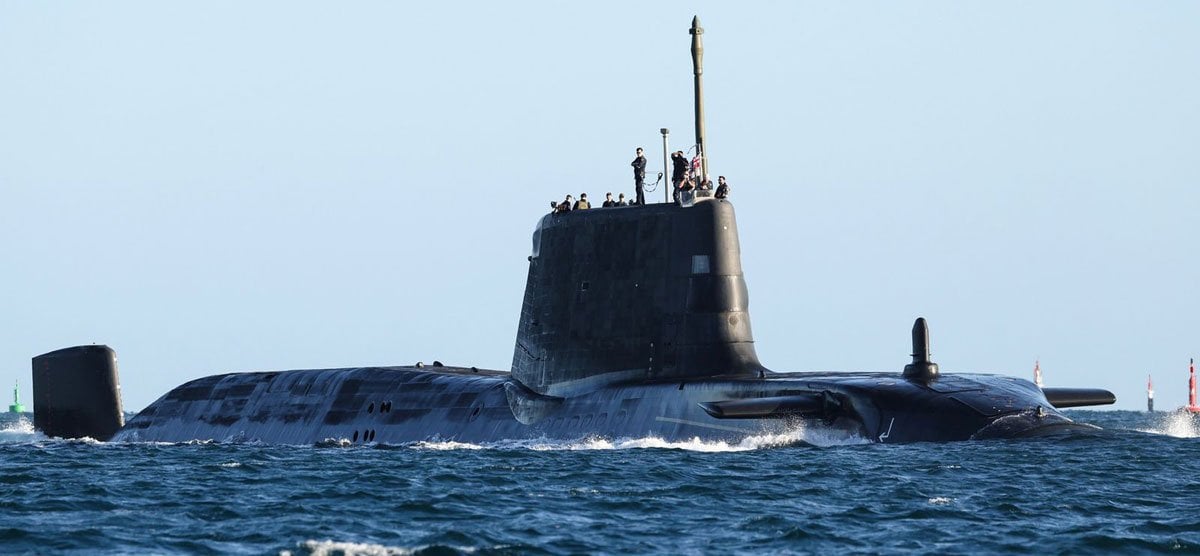

Andy Burnham said ongoing investment in the UK’s next generation of nuclear submarines will help protect Britain for decades and support jobs and apprenticeships, as he visited Barrow-in-Furness where new vessels are being built.
Speaking ahead of the visit, the prime minister said security depends not only on what the UK builds, but also on who is responsible for delivering it and who benefits from the work. He linked the programme to economic activity in towns and regions where defence spending has long been a key employer.
Funding For The Dreadnought Replacement
The government’s plans to replace the current fleet are set to receive £8.4bn to keep the programme moving towards bringing the new submarines into service.
The Dreadnought-class submarines are intended to replace the four Vanguard-class vessels currently in service since 1992. Those Vanguard submarines carry Trident missiles and provide the UK with a nuclear deterrent. The Vanguard boats are due to be retired in the 2030s, while the Dreadnoughts are expected to enter service at the same time.
The programme has taken 20 years to reach its current stage. It was first announced in 2006 by then Labour prime minister Tony Blair, and MPs formally approved the construction in 2016.
Thursday’s announcement of £8.4bn was described as the start of what is being called the fourth phase of the project. The spending is said to have been planned in advance and included in the Defence Investment Plan published in the final days of Sir Keir Starmer’s government.
That plan sets out £63.6bn over the next four years for the Defence Nuclear Enterprise, with £47bn earmarked for work to sustain the nuclear submarine force. This includes continuing with the Dreadnought programme, beginning preparation for what may replace it in around 30 years, upgrading naval dock facilities, and supporting manufacturing activity.
Jobs, Apprenticeships And Skills
Burnham used the Barrow visit to argue that defence spending can deliver economic returns. He said submarines produced in the town will protect the UK “for decades to come”, adding that 47,000 jobs and apprenticeships associated with the work would affect employment beyond Barrow.
The government says the current nuclear defence spending supports around 47,000 British jobs, and that this is forecast to rise to 65,000 by 2030. It also forecasts 22,000 apprenticeships by 2035.
Since becoming prime minister, Burnham has said he wants to reduce the number of young people not in employment, education or training, and he has announced funding to support people beginning apprenticeships.
Defence Spending Targets And Procurement Changes
Burnham also pointed to wider defence spending commitments. He said he wants to meet the UK’s obligations, including a Nato target of spending 3.5% of national income by 2035. He also faces pressure over a separate pledge to raise defence spending to 3% of GDP.
John Healey resigned as defence secretary under Sir Keir Starmer’s leadership after frustration that there was no clear timeline for meeting the 3% target. Healey is now chancellor, leaving Burnham and the Treasury tasked with finding the extra funding required to fulfil the pledges.
The prime minister also said the government’s public procurement process will place more emphasis on firms offering 45-day work placements. He told the Jimmy’s Jobs of the Future podcast that contracts would include “more social value weighting”, with a specific focus on those placements, citing experience as Greater Manchester mayor when he oversaw growth in such offerings by private companies.
However, the announcement did not set out how far the procurement changes would go, how they would be implemented, or how many firms would be expected to take part.
Opposition Response
Conservative shadow defence secretary James Cartlidge welcomed progress on the submarine programme but accused Burnham of failing to commit to fully funding defence.
Liberal Democrat defence spokesperson James MacCleary called for defence bonds to raise dedicated funding to rebuild capabilities across the armed forces.
Reform UK’s Danny Kruger dismissed the announcement as a “rehashed spending plan” and said it did not address what he described as a crisis in the UK’s nuclear programme. Green Party Westminster leader Ellie Chowns questioned spending billions on “weapons that must never be used”.
Join the discussion? 

30 July 2026
-
 1
1
Recommended Comments
Create an account or sign in to comment