



Leaderboard
There are no members to show
Popular Content
Showing content with the highest reputation since 07/04/2023 in Articles
-
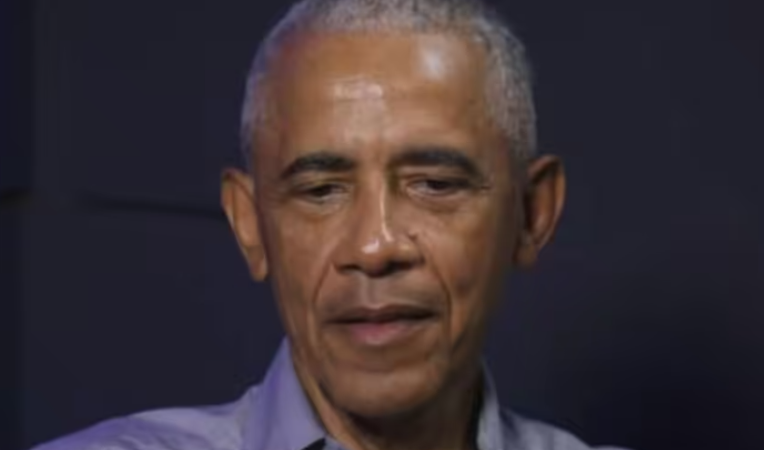 Former President Barack Obama has shared his belief in extraterrestrial life, confirming that aliens are real, but he firmly denies any association with Area 51 harboring them. In a recent podcast interview, Obama tackled the persistent theories surrounding the secretive military base in Nevada. Get the latest headlines in your email Obama stated, “They’re real, but I haven’t seen them – and they’re not being kept in Area 51.” These remarks shed light on a subject that has intrigued the public for decades and adds a rare presidential perspective to the ongoing discourse. Established during the Cold War, Area 51 has long been rumored to conceal alien technology and UFOs. The CIA only acknowledged the base's existence in 2013, but conspiracy theories continue to thrive. Obama’s comments aim to dispel these myths, suggesting that if any such secrets existed, they would not be hidden from a sitting president. During his conversation with political commentator Brian Tyler Cohen, Obama recalled asking about aliens upon entering office, driven by scientific curiosity rather than politics. His interest underscores the enduring human fascination with the unknown. In the same interview, Obama didn’t shy away from critiquing modern political developments, which he described as a “circus.” He compared recent national security rhetoric to historic nativist movements, stressing the need for systemic reform over reactionary responses. Obama’s statements on alien life and Area 51 contribute significant insight into public discussions, encouraging a balance between curiosity and skepticism. He advocates for a more rational and informed approach to the topic of extraterrestrial life. Key Takeaways Obama affirms belief in aliens but denies Area 51 connections. Area 51’s existence was confirmed by the CIA in 2013, sparking ongoing myths. Obama urges systemic reform in light of current political challenges. Join the discussion? Already a member? Adapted by ASEAN Now · Source · 15 Feb 20266 points
 -
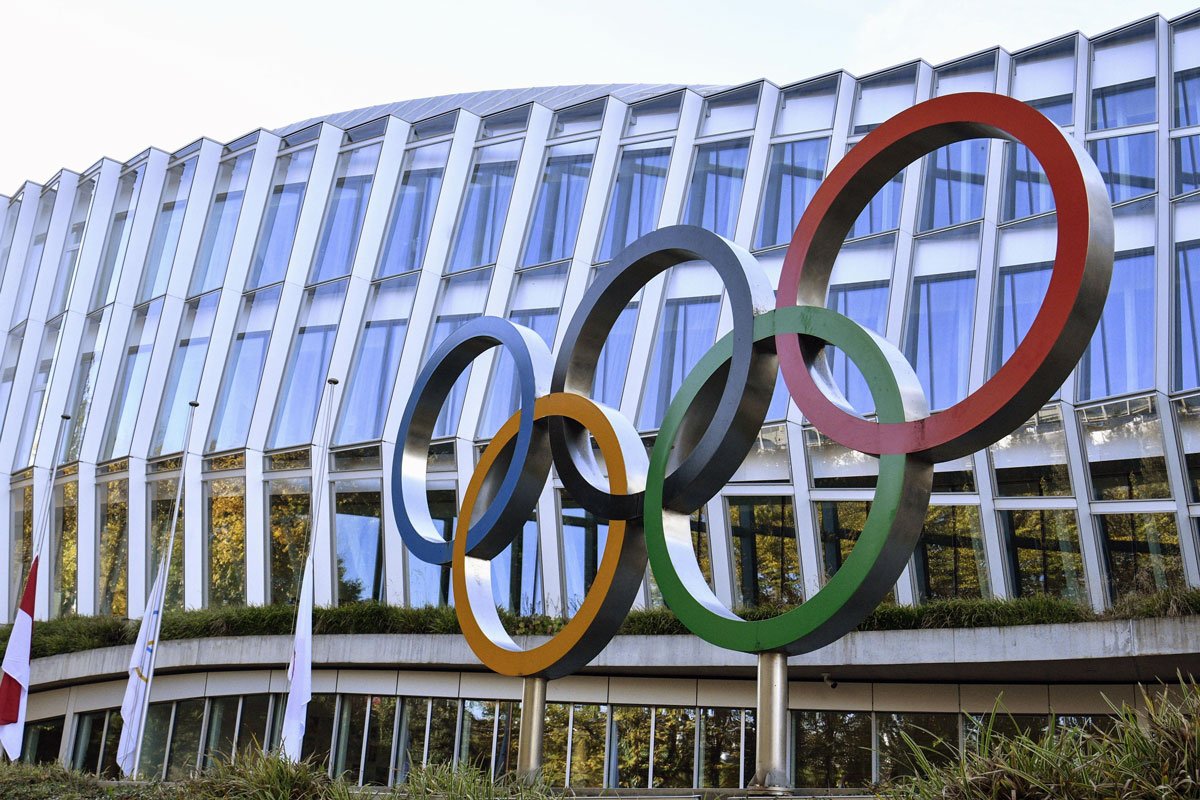 The International Olympic Committee has barred transgender women from competing in women’s events at the Olympic Games under a new eligibility policy adopted Thursday. The rule limits participation in female categories at Olympic competitions to biological females. The policy will apply to all IOC events, including both individual and team sports. IOC adopts new eligibility ruleUnder the framework, athletes competing in women’s categories must undergo a gene test once during their career to determine eligibility. The screening looks for the SRY gene, a DNA segment typically found on the Y chromosome and associated with male sex development before birth. The IOC said the change aims to “protect fairness, safety and integrity” in women’s sport. Policy ahead of Los Angeles OlympicsThe rule will take effect for the 2028 Summer Olympics in Los Angeles. IOC President Kirsty Coventry said the policy reflects the narrow margins that determine results at elite competition. She said the organisation concluded it would not be fair for athletes born male to compete in female Olympic categories. Coventry, a two-time Olympic swimming champion, launched a review on protecting the female category shortly after taking office. The IOC had previously allowed international sports federations to set their own rules on transgender participation. Several governing bodies had already introduced restrictions in recent years. Before the 2024 Summer Olympics in Paris, federations overseeing athletics, swimming and cycling had barred transgender women who had undergone male puberty from women’s events. Debate over eligibility and biologyThe IOC document states that people born male experience several testosterone surges during development, including in the womb, early infancy and adolescence. According to the organisation’s research, these differences create physical advantages in sports involving strength, endurance or power. The document estimates male performance advantages of about 10–12% in many running and swimming events and more than 20% in throwing and jumping disciplines. In explosive power activities such as punching sports, the difference can be significantly higher, the report said. The gene test approved by the IOC may involve saliva samples, cheek swabs or blood tests and is intended to provide what the organisation described as the most accurate and least intrusive method currently available. The policy does not apply retroactively and does not affect grassroots or recreational sports programmes. Impact on athletes and reactionsIt remains unclear how many transgender women compete at the Olympic level. No athlete who transitioned from male competed in the women’s category at the Paris Games. The most prominent example was Laurel Hubbard of New Zealand, who competed in weightlifting at the 2020 Summer Olympics in Tokyo but did not win a medal. The policy also affects athletes with differences in sex development (DSD), including South African runner Caster Semenya, whose long-running legal challenge to eligibility rules reached the European Court of Human Rights. The issue has been widely debated in international sport and was also addressed politically in the United States. Donald Trump signed an executive order titled “Keeping Men Out of Women’s Sports,” which threatened funding cuts for organisations allowing transgender athletes in women’s competitions. The IOC decision is likely to face criticism from human rights advocates and activist groups concerned about mandatory gender screening. Join the discussion? Already a member? Adapted by ASEAN Now. Source 27 March 20265 points
 -
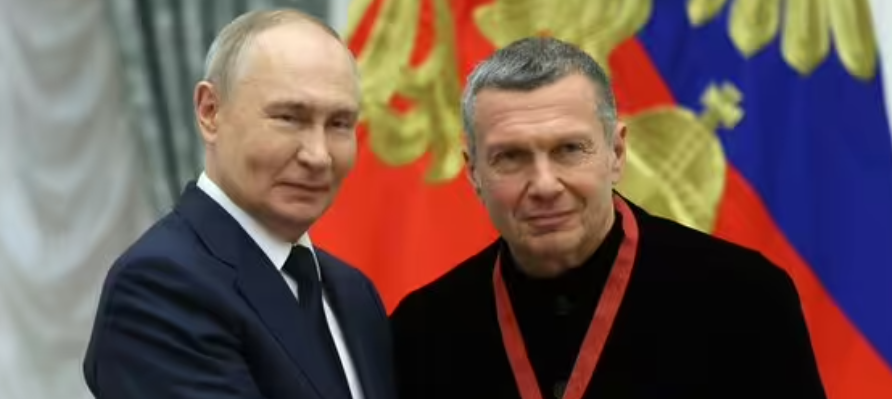 Russian broadcaster threatens NATO with deadly consequencesIn a chilling warning, Russia has escalated its rhetoric against NATO, including the UK, amid the ongoing conflict in Ukraine. Vladimir Solovyov, a Russian TV host and ally of Vladimir Putin, issued an alarming message about the repercussions if NATO troops enter Ukraine to support the nation under Russian assault. Recently, the Kremlin agreed to a temporary pause on Kyiv attacks after a reported request from US President Donald Trump. However, this truce, limited to Kyiv, ended on February 1. Meanwhile, Russian strikes on Ukraine’s Zaporizhzhia region resulted in injuries and damage, illustrating the intensity of ongoing hostilities. Solovyov, speaking on his program 'The Evening With Vladimir Solovyov', taunted NATO Secretary General Mark Rutte after his visit to Ukraine, mocking his encouragement to the besieged nation. Solovyov’s warning was explicit: “If NATO troops come in, we’ll kill all of you.” Drawing from State Duma deputy Pyotr Tolstoy’s comments, Solovyov doubled down on this threat, adding a foreboding tone to the escalating tensions. Russian attacks using ballistic missiles targeted Ukraine's energy sector, affecting thousands and exacerbating winter hardships. Despite a brief pause agreed upon by Moscow and Washington, the region continues to suffer in frigid conditions. Solovyov's threats came alongside UK and France's plans to possibly deploy peacekeeping forces to Ukraine post-ceasefire, following a deal between Sir Keir Starmer and Emmanuel Macron. This agreement outlines European troop deployment and UK initiatives to bolster Ukraine’s military resilience through protected weapons facilities and arm supplies. Despite these geopolitical maneuvers, Solovyov's rhetoric casts a shadow on international efforts to stabilize the region. His remarks reflect broader tensions as Russia maintains its aggressive posture, invoking global concern over potential conflict escalation. The aggressive broadcast underlines the gravity of the situation, with international parties closely monitoring developments. Tensions remain high as diplomatic and military strategies unfold, shaping the future of the conflict in Ukraine. Key Takeaways Russian TV host threatens NATO with severe consequences. UK and France plan potential troop deployment post-ceasefire. Conflict in Ukraine continues amidst geopolitical tensions. Adapted by ASEAN Now from Source 2026-02.065 points
 -
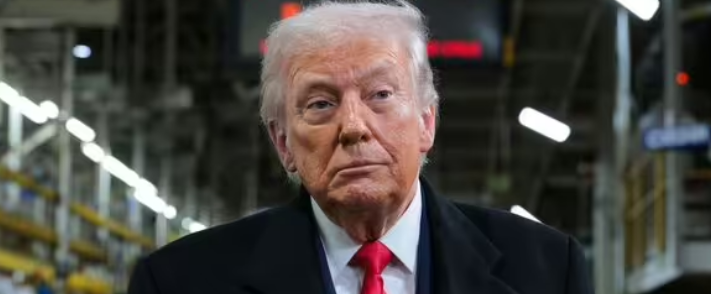 CNN has just dropped a bombshell alert! Donald Trump's presidency is in peril, warned a senior analyst in a shocking new announcement. Could this be déjà vu for Trump, echoing former president Joe Biden’s struggles? A dramatic shift in Trump’s recent focus has stirred up speculation. CNN’s John Berman spotlighted the President's sudden attention to Greenland, immigration, and especially Minnesota. What gives? Speculation is rife that these could be perceived weak points for the administration. But CNN’s chief data analyst, Harry Enten, tells a different tale. The real issue? The economy! According to Enten, the White House has been shadowboxing with what they thought were main contenders. As Susie Wiles, Trump's chief of staff put it, everyone believed in a laser focus on boosting the economy. Now, Trump is racing to Iowa, aiming to rally support as furious questions swirl around his immigration policies. The economy, with its thorny inflation issues, stands at the center of the political storm. Enten delivered the gut-punch: Joe Biden’s presidency was gutted by the economy. Could Trump be next? Exciting reactions erupt everywhere. Analysts are buzzing and critics are sharpening their swords as Trump's economic strategies take the spotlight. The question: Will his presidency survive the fierce winds of economic turmoil? What's next for Trump? He's not backing down. A renewed campaign focus promises intense battles ahead. Hold on tight for a tumultuous ride! Key Takeaways Trump's presidency may repeat Biden's economic downfall! His focus shift raises eyebrows and fiery debates. Will economic woes be Trump’s undoing? Adapted by ASEAN Now from Source 2026-01-275 points
 -
 The father of a teenage boy accused of carrying out a deadly school shooting in Georgia has been found guilty of second-degree murder and other charges, in a closely watched case examining parental responsibility in mass shootings. After about two weeks of testimony, jurors deliberated for only a few hours before convicting 54-year-old Colin Gray on more than two dozen counts related to the 4 September 2024 attack at Apalachee High School. Get the latest headlines in your email Gray had faced 29 charges, including second-degree murder, involuntary manslaughter and reckless conduct. Under Georgia law, second-degree murder includes causing the death of a child by committing cruelty to children. He pleaded not guilty to all counts. Prosecutors argued that Gray acted with “criminal negligence” by giving his 14-year-old son, Colt Gray, access to a firearm and ammunition despite warning signs that the teenager posed a danger to others. Four killed in 2024 attackColt Gray is accused of fatally shooting two students and two teachers with an assault-style rifle at the high school. He faces 55 charges, including four counts of malice murder and four counts of felony murder, and is being prosecuted as an adult. He has pleaded not guilty and is awaiting trial. The victims were identified as teachers Richard Aspinwall, 39, and Christina Irimie, 53, along with students Mason Schermerhorn and Christian Angulo, both 14. Another teacher and eight students were wounded in the attack. During the trial, prosecutors contended that Colin Gray provided his son with access to the weapon after receiving sufficient warning that the teenager could harm others. The defense argued that the father did not believe his son would carry out such an attack and should not be held criminally responsible for his actions. Broader legal trendThe case is part of a growing number of prosecutions targeting parents in connection with school shootings carried out by their children. In 2024, the parents of a Michigan high school shooter were each convicted of involuntary manslaughter and later sentenced to between 10 and 15 years in prison. Legal experts say such cases reflect an evolving approach by prosecutors who seek to hold adults accountable when they are alleged to have enabled minors’ access to weapons. According to the Associated Press, Colin Gray faces up to 30 years in prison. He will be sentenced at a later date. The verdict marks a significant development in efforts to address responsibility beyond the individual shooter, as communities and lawmakers continue to grapple with how to prevent school violence. Join the discussion? Already a member? Adapted by ASEAN Now · Source · 03.03 20264 points
 -
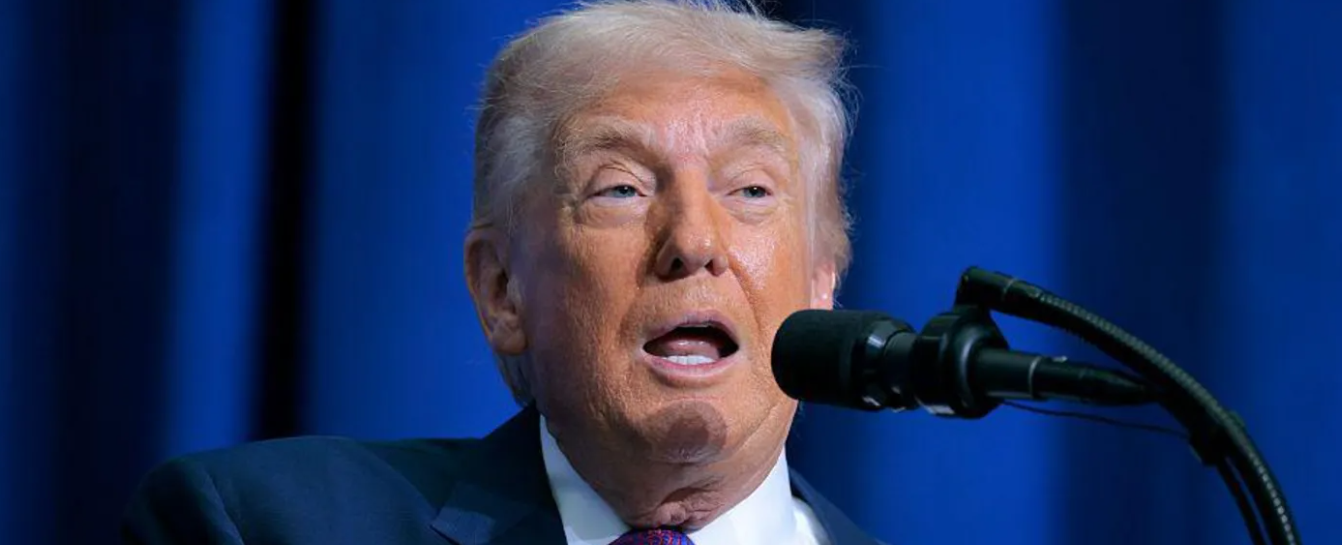 President Donald Trump has issued a stark warning, stating the world has "probably 10 days" to see if a deal with Iran can be reached before potential military action. At the inaugural Board of Peace meeting in Washington, Trump emphasized the urgency, warning of consequences if a meaningful agreement isn't secured. Get the latest headlines in your email Negotiations between US and Iranian officials have recently shown progress in Switzerland. Special Envoys Steve Witkoff and Jared Kushner, Trump's son-in-law, reportedly had productive discussions. However, Trump acknowledged the difficulties in dealing with Iran's nuclear program, reiterating his hope for a diplomatic resolution. The White House's increased military presence in the Middle East includes the USS Abraham Lincoln aircraft carrier. Despite this buildup, the UK has not permitted the US to use its bases for potential strikes on Iran. Iran has bolstered its military defenses, with Supreme Leader Ayatollah Ali Khamanei issuing warnings to US forces via social media. US intelligence has observed Iran reinforcing its military sites, heightening tensions. Congressional opposition to potential military action is growing. Democrat Ro Khanna and Republican Thomas Massie plan to invoke the 1973 War Powers Act to force a vote, aiming to curtail presidential powers in committing to armed conflict. Past attempts to limit such powers have faced resistance, as seen with Senate Republicans blocking a similar resolution regarding Venezuela. Khanna cautioned against catastrophe, pointing out Iran's complex society and military capabilities. The idea is to prevent unnecessary risks to US troops in the region. The Board of Peace, originally aimed at resolving the Israel-Hamas conflict, now appears to extend beyond, possibly sidelining the UN. As the deadline approaches, global attention focuses on whether diplomacy will prevail or if the region could face further instability. Key Takeaways Trump sets 10-day deadline for deal with Iran. Military tensions rise, UK withholding base support. Congress seeks to limit executive military action. Join the discussion? Already a member? Adapted by ASEAN Now · Source · 19 Feb 20264 points
 -
 Ryan Routh sentenced for trying to kill Trump at golf clubRyan Routh, 59, has received a life sentence for attempting to assassinate President Donald Trump at the Trump International Golf Club in West Palm Beach, Florida, in September 2024. Convicted last year, Routh's attack targeted Trump, then a presidential candidate. US Secret Service agents thwarted Routh’s attempt, spotting the rifle barrel before firing at him. He fled but was soon captured nearby. Judge Aileen Cannon highlighted the severity of Routh's plot, stating his actions undeniably warranted the life sentence. "He took steps over months to assassinate a major Presidential candidate," Cannon noted, emphasizing his lack of remorse. Routh, pleading not guilty, chose to represent himself during the trial that began on September 8. His erratic courtroom behavior included challenging Trump to golf and making bizarre historical references. Following his guilty verdict, Routh attempted self-harm but was prevented by US marshals. Despite no clear sightline to Trump during the incident, agents found a semiautomatic rifle with a scope where he hid. Routh left behind notes detailing assassination plans and Trump appearances. The trial was marked by Routh’s disjointed closing statement, touching on unrelated topics. Prosecutor John Shipley stressed the evidence against Routh, illustrating how dangerously close he came to executing his plan. The Florida incident was the second attempt on Trump's life in 2024. Earlier in July, a gunman opened fire at a rally in Butler, Pennsylvania, resulting in deaths and injuries, including Trump himself. The shooter, Thomas Crooks, 20, was killed on-site by officers. This case underlines the intense security challenges faced by Trump and the steadfast protection efforts by law enforcement agencies. Key Takeaways Ryan Routh receives life sentence for attempting Trump's assassination. Conviction follows identification of detailed plans and weapon recovery. 2024 saw multiple assassination attempts on Trump. Adapted by ASEAN Now from Source 2026-02.044 points
 -
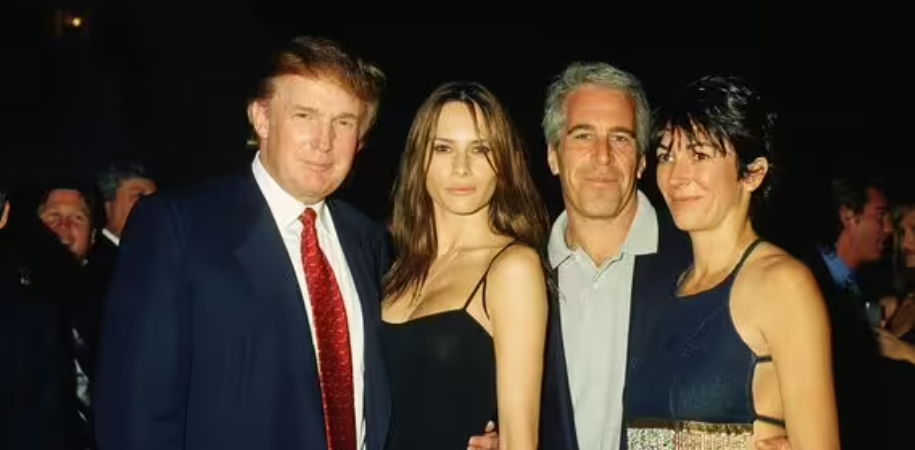 Trump: Files prove radical left's hoped-for scandal is false Donald Trump wasted no time addressing the release of the bombshell Epstein files. Following a massive document dump by the US Department of Justice, the former president claimed the papers "absolve" him, despite featuring his name multiple times. In typical Trump fashion, he declared the documents' revelations were the opposite of what “the radical left” desired. The files, containing millions of pages, were made public by the DOJ. They included various emails and clippings, but no evidence supporting accusations against Trump. Despite being heavily mentioned, the documents didn’t substantiate wrongdoing, as many allegations were deemed baseless by investigators. Trump, speaking confidently, said, "I didn't see it myself but important people told me it absolves me." His name appeared throughout the massive trove, mixed with other items like federal investigators' emails from August of last year. Yet, none of these could be verified with concrete evidence. The Justice Department was clear. A statement noted the potential presence of "fake or falsely submitted" materials within the files. It specifically labeled claims against Trump as "unfounded and false", indicating they were nothing but sensational distractions submitted before the 2020 election. Trump has consistently denied any link to Epstein's alleged crimes. While his prior relationship with Epstein, spanning the late 1980s to early 2000s, is public knowledge, nothing yet proves any complicity in Epstein’s heinous acts. Back in 2002, Trump called Epstein a "terrific guy" with a preference for young women, a label that haunts him to this day. Now, Trump's assertion that this release proves a political witch hunt is underway casts a long shadow. Is this the end of the story, or just the beginning of another heated political battle? Key Takeaways DOJ released files mentioning Trump, but no proof of wrongdoing. Trump claims files absolve him, contrary to "radical left's" hopes. DOJ warns of "fake or falsely submitted" content in files. Adapted by ASEAN Now from Source 2026-02.014 points
 -
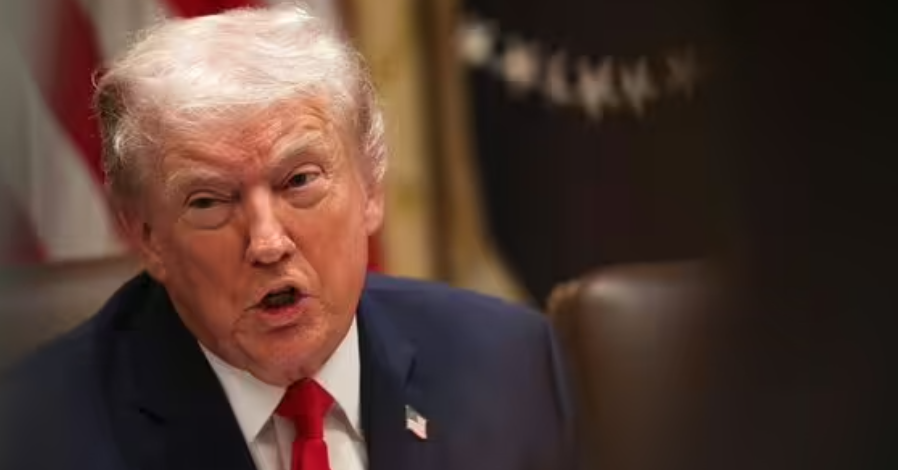 The Epstein files saga just got messier! A stunning twist unfolded as explosive documents naming Donald Trump vanished briefly from the Department of Justice's website. Panic and conspiracy theories spread like wildfire online as users noticed the disappearance, but fear not—the files are back online The drama began with the release of a jaw-dropping 3 million pages from the Epstein files. Included in this shocking drop were about 2,000 videos and 180,000 images. Social media erupted when the files vanished mere minutes after publishing, fueling fiery reactions and pointed fingers. One user on X exclaimed: "Holy s***, this page seems to have vanished from the #EpsteinFiles they just released!" But soon after, whispers of censorship and dark motives were quashed as the files resurfaced. Let's dig into the backstory. The Epstein files, burdens with secrets and scandal, have been a hot topic forever. Donald Trump’s name appearing in these files turned the heat up to full blast. Forget any conclusions of wrongdoing, the mere association is creating tidal waves. Outcry was rampant, with one wild claim suggesting a woman was forced into a lurid situation with Trump 35 years ago. Social media users didn’t hold back, accusing the DOJ of misinformation and sinister motives. How are people reacting? Experts advise caution, while online conspiracy theorists run rampant. A storm of anger and disbelief dominates, raising questions about transparency and political agendas. The Department of Justice tried to calm the waters, stating documents might include fake submissions and highlighting that allegations against Trump lack substance. But public suspicion remains sky-high. Eyes are now glued to what comes next. Will this lead to further shocking revelations? Scandals anyone? With names like Bill Clinton also involved, the intrigue grows, and the potential fallout is monumental. Key Takeaways: Bombshell files naming Trump vanish, then reappear, sparking chaos. Social media users fling accusations at the DOJ for alleged deletions. DOJ clarifies claims against Trump are unsubstantiated. Adapted by ASEAN Now from Source 2026-01-304 points
 -
 A viral scandal has erupted! Malinda Rose Cook, a nurse, was fired by Virginia Commonwealth University (VCU) Health after posting controversial TikTok videos. Her posts suggested dangerous tactics for harming ICE agents. The healthcare worker urged fellow medics to paralyze federal officers using potent anesthetics and concoctions. Cook landed in hot water after sharing multiple clips. She suggested injecting ICE agents with muscle relaxants like succinylcholine. This substance, usually used in surgeries, paralyzes muscles—including the ones we need to breathe! Misuse could be catastrophic. Her advice didn't stop there. Cook encouraged protestors to use poison ivy water and even sabotaged dates with laxatives. It was enough for VCU Health to take immediate action, suspending and then firing her. The hospital confirmed the dismissal and reported the case to law enforcement, meeting all legal obligations. Why such extreme advice? Cook's actions come amidst uproar over the deadly shooting of Alex Pretti by an ICE officer in Minneapolis. The incident has sparked national outrage, further fueled by Cook’s inflammatory suggestions. Cook's TikTok videos were removed, but not before a compilation surfaced on X, stirring even more controversy. The account Libs of TikTok questioned why VCU Health employed such a person, igniting a social media storm. Cook remains silent on the issue, despite attempts to reach her. The fallout is immense. The Administration faces criticism for defending officers prematurely in numerous shooting incidents, as highlighted by a Washington Post expose. The frustration is palpable as the community reacts to Pretti’s death with heightened scrutiny on federal actions. As protests continue, largely peaceful but vocal, the pressure mounts on federal bodies. Demonstrators rally against the fatal consequences of government crackdowns, thrusting Pretti’s shooting into the spotlight. What's next? Investigations continue amidst public outrage, with Pretti’s death scrutinized heavily. Witness videos contradict official claims, depicting Pretti as unarmed and pinned before being shot. These shocking revelations amplify demands for accountability and justice. Key Takeaways: Nurse fired for TikTok advice on harming ICE agents. Outrage over Alex Pretti’s shooting fuels tensions. Contradictory evidence casts doubt on federal claims. Adapted by ASEAN Now from Source 2026-01-284 points
 -
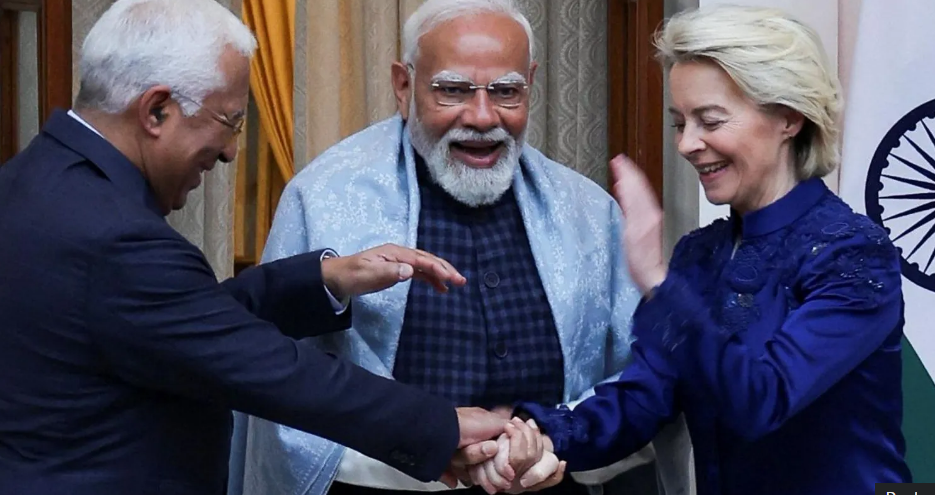 The India-EU trade deal, dubbed the "mother of all deals," is rocking the global trade stage. But lurking in the background is the shadow of Donald Trump’s unpredictable tactics, propelling nations toward strategic alliances. As the European Union remains India's largest trade partner, clocking $142.3bn in goods in 2024, it's a testament to their robust relationship. Yet, this long-awaited trade pact had been stuck in a negotiation rut for two decades. Why the sudden breakthrough? Enter Donald Trump. His aggressive tariff moves have stirred a global buzz, pushing countries to secure alliances elsewhere. The United States slapped a harsh 50% tariff on Indian goods over their continued oil dealings with Russia. In a similar vein, EU countries also faced Trump's tariff threats over political disagreements, like his ambitious Greenland acquisition plans. Trump's whims have prompted India and the EU to seek shelter with each other, stepping into a potent trade partnership. Michael Kugelman from the Atlantic Council points to Trump's erratic moves as a catalyst for India and the EU pushing through their differences to secure this landmark agreement. Global dynamics continue to shift. Canadian Prime Minister Mark Carney, having warned of a "rupture" in international order, recently engaged with China, irking Trump. UK’s Keir Starmer is also pursuing fresh ties with Beijing. The India-EU deal is just one stone in the shifting geopolitical mosaic, declaring independence from Trump's economic grip. Despite the triumph, obstacles lie ahead. The trade pact, while concluded in negotiations, faces the scrutiny of legal reviews and the demanding process of ratification by member states and the European Parliament. Experts express concern about complex issues like intellectual property rights and carbon emissions, which could stall progress. European and Indian business communities have celebrated the deal. Fredrik Persson, president of BusinessEurope, calls it a vital "first step," emphasizing that diligence in implementation is crucial. Meanwhile, Chris Philp's critique of the government's control over immigration amplifies the pressing narrative. Trump’s heavy-handed approach has amassed international criticism, driving nations like India and the EU to adapt and shield themselves through collaborative partnerships. Mark Linscott, a senior trade adviser, highlights unresolved issues that could challenge the execution of this ambitious deal. From intellectual rights to agriculture and sustainability, these are hurdles yet to be tackled. The geopolitical chessboard is realigning. For India, partnering with the EU is a strategic move to counterbalance China's trade dominance, a feat envisaged with US backing initially. The EU, too, sees India as a vital ally in its bid to reduce dependency on China. Their cooperation sends a clear signal: cooperation is the answer to global uncertainties. As Modi and Ursula von der Leyen exchanged agreements, they declared a unified vision against weaponized trade. This partnership isn't just about commerce; it's a blueprint for shared prosperity in a volatile world, buffering against the tempestuous trade climate ushered in by the Trump administration. US Treasury Secretary Scott Bessent’s critical remarks are telling—this deal rattles Washington. His comments about the EU "financing the war against themselves" by trading with India reflect the tension. India's longstanding ties with Russia for military hardware remain a sticking point, but they don't overshadow potential EU market access. The India-EU trade agreement, amid Trump's tariffs, is a clever geopolitical maneuver, positioning both powers to wield influence through collaboration. As negotiations transition to ratification, the world watches and waits. Key Takeaways India-EU deal disrupts Trump's trade influence. Global dynamics are realigning amid US tariff tensions. Legal and political hurdles remain post-negotiation. Adapted by ASEAN Now from Source 2026-01-274 points
 -
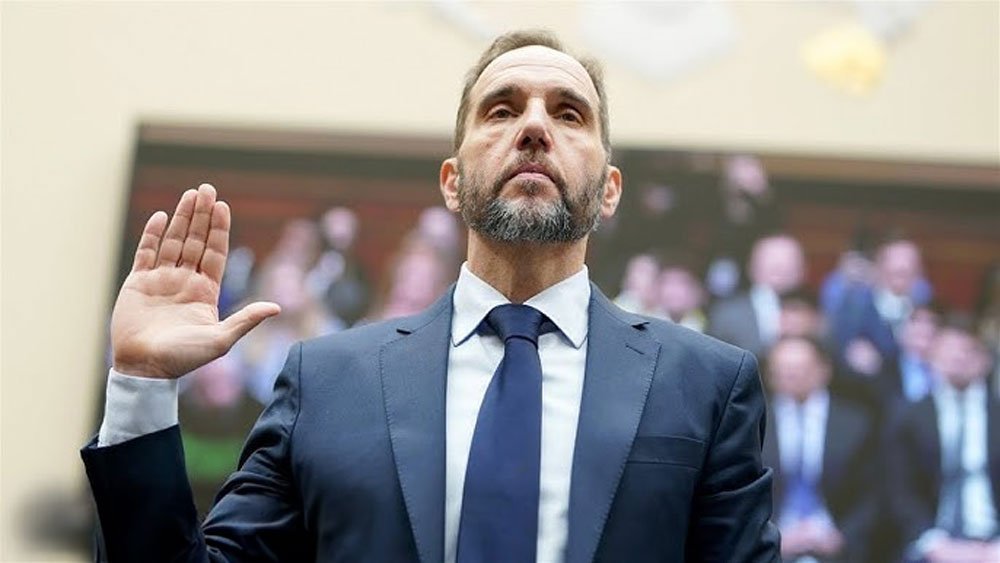 In a gripping testimony, US special counsel Jack Smith publicly claimed that President Donald Trump was involved in the 6 January 2021 Capitol riot. His bold declarations came before a congressional committee, stating he possessed “proof beyond a reasonable doubt” implicating Trump in two major investigations. One focused on alleged attempts to overturn the 2020 election, and the other involved claims of retaining classified documents improperly. Smith’s testimony was the first public account following private disclosures now released in a 255-page transcript. Despite Trump pleading not guilty, the cases were dismissed once he regained the presidency last year. The hearing, held by a Republican-led committee, turned contentious, with Republicans alleging political bias and criticising Smith's investigative methods, while Democrats applauded Smith's efforts. Smith remained firm, asserting his decision to charge Trump was based on substantial evidence that could secure convictions. He argued that Trump was undeniably the pivotal figure responsible for 6 January’s chaos. Smith stated, “The attack that happened at the Capitol...does not happen without him.” Despite potential repercussions, Smith anticipated continuous targeting by Trump and allied officials. Attorney General Pam Bondi's alleged closeness to Trump raised concerns for Smith, who remained defiant against potential intimidation. The Office of the Special Counsel has begun an investigation into Smith, though its focus remains undisclosed and it lacks criminal prosecutorial authority. Publicly, Trump retaliated, labelling Smith “Deranged” on social media and demanding legal repercussions for Smith's actions. This came as partisan divides were evident during the hearing. Republicans shifted blame for the riot towards Capitol Police leadership rather than Trump, prompting emotional responses from four former Capitol Police officers present. Smith contested Trump’s mass pardon of individuals involved in the 6 January events, especially those charged with violent acts. Post-testimony, he expressed disbelief and concern over such clemency. Meanwhile, Trump attacked Smith's past and methods, questioning his legal standing and suggesting political partiality. Smith’s statements have reignited discussions about accountability for the riot and preventative measures against future unrest. Legal and political communities are closely monitoring these developments. The situation underlines the enduring political tensions surrounding the Capitol events and their implications for Trump's legacy, reported the BBC. Key Takeaways: Jack Smith accused Trump of instigating the 6 January Capitol riot. Smith anticipated targeted legal repercussions but remained resolute. Trump's controversial pardoning riot-involved individuals was criticised. Adapted by ASEAN Now from BBC 2026-01-234 points
 -
3 points
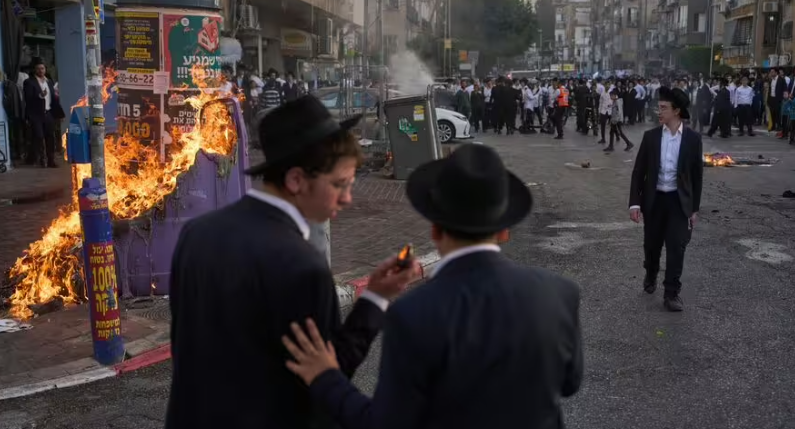 Violent clashes erupted in Bnei Brak, an ultra-Orthodox city near Tel Aviv, as thousands protested proposed conscription laws that would mandate military service for the ultra-Orthodox community. Video footage captured the tension as police escorted two female IDF soldiers away from the scene while crowds pursued them through the streets. Get the latest headlines in your email Prime Minister Benjamin Netanyahu condemned these acts, describing the rioters as an “extreme minority” that does not represent the broader haredi community. He asserted, “We will not allow anarchy, nor will we tolerate any harm to IDF servicemen and security forces.” The protests come amid ongoing tensions over legislation challenging the broad exemptions traditionally granted to the ultra-Orthodox community. Many in Bnei Brak have organized repeated demonstrations, arguing that full-time religious study is their greatest duty, opposing mandatory military enlistment. The issue has reopened deep-seated societal divisions, intensified by Israel’s conflict with Gaza. On Sunday, the violence intensified, leading to at least 23 arrests. Protesters destroyed a bus, set police motorcycles on fire, and overturned a patrol vehicle. Reports from Ziratnews confirmed that three police officers were injured, while broadcasters covering the events were also attacked. Netanyahu’s remarks underscored the government’s commitment to maintaining law and order during these disturbances. Approximately 1.3 million ultra-Orthodox Jews make up about 13% of Israel’s population, and the proposed military service changes have sparked significant controversy and debate. The unrest in Bnei Brak coincided with continued violence in Gaza, where 11 Palestinians were reported killed in Israeli strikes over 24 hours. Among the casualties were five men in Khan Younis. The escalated military actions were confirmed as responses to multiple ceasefire violations. Tel Aviv District Commander Sargaroff noted that the IDF soldiers in Bnei Brak had not coordinated their visit ahead of time, complicating security efforts in such a tense environment. Police have continued to maintain a strong presence near Jabotinsky Street, aiming to prevent further violence as protestors persist in blocking transport routes. Observers warn that without a resolution, future protests could escalate further and may turn more violent. Key Takeaways Riots over conscription laws result in violent clashes in Bnei Brak. Proposed laws challenge traditional military service exemptions for the ultra-Orthodox. Government pledges to uphold law and order amid escalating tensions. Join the discussion? Already a member? Adapted by ASEAN Now · Source · 15 Feb 20263 points
 -
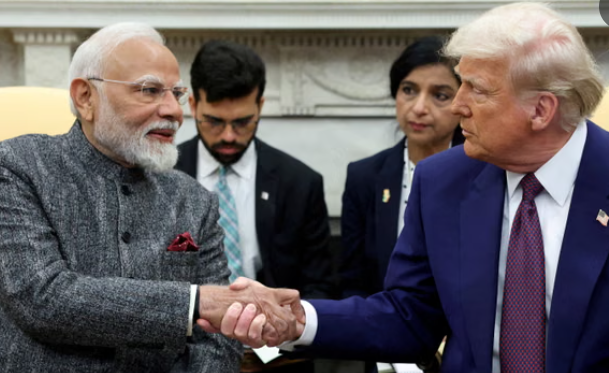 Trump cuts tariffs after India vows to stop Russian oilDonald Trump announced a significant trade deal with India, claiming Prime Minister Narendra Modi agreed to stop buying Russian oil. This follows months of U.S. pressure on India, a major Russian oil purchaser. After a call with Modi, Trump declared on Truth Social that this move would help end the war in Ukraine. Modi, on X (formerly Twitter), celebrated the tariff news, avoiding mention of oil purchases. India has relied on imports of cheaper Russian oil amid global tensions over the Ukraine conflict. With the new agreement, Trump claims India will increase oil imports from the U.S. and "potentially" Venezuela. U.S. tariffs on Indian exports will drop from 25% to 18%, with India expected to eliminate barriers against U.S. goods. A 25% tariff from last summer will also be removed. Modi praised Trump’s leadership, emphasizing global peace. Modi's relationship with Putin remains, with previous assurances of ongoing Russian oil supplies. However, India has reduced its Russian oil intake from 1.2 million to 800,000 barrels per day. Trump also stated that Modi committed to over $500bn in purchases from the U.S., covering energy, tech, and agriculture. Trump touted the strong U.S.-India relationship, claiming both leaders are action-oriented. The agreement signals a shift in global trade dynamics, with implications for the energy market and international diplomacy. As details emerge, the global community watches how this strategic partnership will influence the geopolitical landscape. Key Takeaways Trump claims India halts Russian oil for tariff cuts. U.S.-India tariffs set to drop significantly. India reportedly pledges $500bn in U.S. purchases. Adapted by ASEAN Now from Source 2026-02.023 points
 -
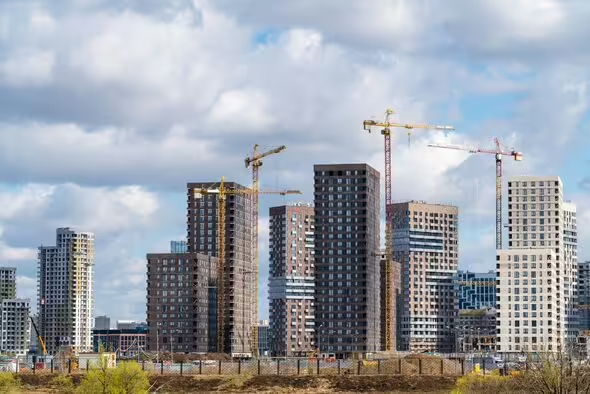 Russian economy suffers under Western sanctionsRussia's economy is reeling as construction firms topple under crippling debts. Sanctions have hit hard, causing revenue shortfalls in crucial sectors like oil and gas. Vital oil and gas revenues plummeted by a fifth last year, leaving industries like construction facing the abyss. Russian construction companies are collapsing, with debts escalating alarmingly. The Russian paper Izvestia flagged three major firms nearing bankruptcy, totalling almost £900,000 in debts. SC Donstroy, based in Rostov-on-Don, succumbed to bankruptcy with debts of 11 million rubles (£105,000). LLC "STEK" followed suit, declared bankrupt last year owing 39 million rubles (£373,000). Stroyproekt Group teeters on the brink, while Regionstroy has already succumbed with debts around 43 million rubles (£402,000). Ukraine’s foreign intelligence warns of deeper economic woes, describing Russia as trapped between recession and surging prices. According to them, Russia’s Central Bank's strict policies have strangled business growth, plunging the economy into stagnation. Adding salt to the wound, the budgetary constraints loom large. Tax changes have decreased incentives, and maintaining high spending in 2025 despite tumbling revenues is worsening the deficit. The financial pressure mounts relentlessly, and industries are buckling. The construction sector isn't the only victim. Housing developers and the coal industry are also suffering as interest rates soar. The spectre of bankruptcy is spreading, further showcasing the economic turmoil engendered by Western sanctions. As the outlook dims, analysts and economists watch closely, assessing how Russia will navigate this financial storm. The situation seems dire, with no immediate relief in sight. The collapse of these industry giants serves as a stark reminder of the far-reaching impact of global economic policies. Key Takeaways Russian construction firms face massive bankruptcy risks. Western sanctions have severely impacted oil, gas revenues. Economic policies have contributed to deepening stagnation. Adapted by ASEAN Now from Source 2026-02.023 points
 -
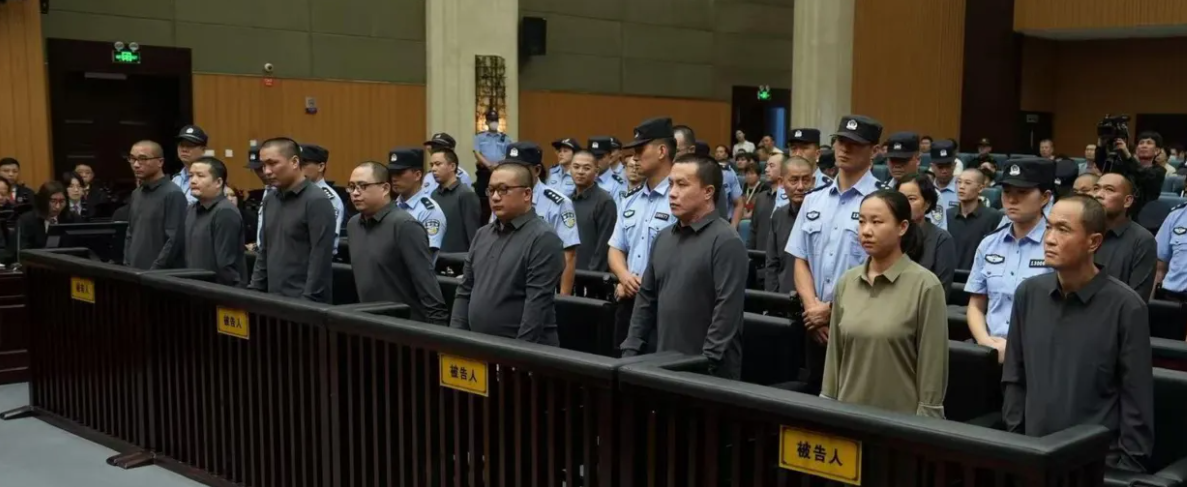 China has acted with stunning swiftness, executing 11 members of an infamous crime family operating out of Myanmar. This dramatic move highlights China's hardline stance on organized crime and corruption. Human rights groups confirm China leads the world in executions, keeping exact figures under wraps. The Ming family's nefarious influence spanned over a decade in Myanmar's Shan state, a hotspot of illicit activities. Their rise to power followed a military operation in 2009, led by Myanmar's now coup leader, General Min Aung Hlaing, ousting ethnic insurgents dominating since the 1980s. Once in control, the Ming, Bau, Wei, and Liu clans shifted from narcotics to gambling and sophisticated online fraud. They maintained tight ties with Myanmar's military elite. Notably, in December 2021, Min Aung Hlaing publicly honored the Liu patriarch, underscoring the deep connections between the families and power structures. For years, these clans ran brutal scam operations in Laukkaing. Thousands of Chinese workers were duped with promises of jobs, only to be trapped in vicious labor scams, known as "pig-butchering." Reports of torture and abuse soared, with social media abuzz with cries for justice. The infamous Crouching Tiger Villa, run by the Mings, hit headlines in October 2023. During a desperate escape attempt, guards killed several Chinese nationals, sparking outrage. Chinese authorities had seen enough. In an extraordinary twist, with reported Chinese support, the MNDAA and allies stormed Laukkaing, recapturing it from Myanmar's army. Their mission was clear: eradicate the scam epidemic. As a result, they nabbed clan leaders, turning over 60 members to Chinese authorities. Tragically, Ming Xuechang, the crime family's patriarch, committed suicide during his capture, adding a dark endnote to a sinister saga. The swift executions underscore a harsh message: China won't tolerate criminal empires exploiting its citizens. While the crackdown sends shockwaves, questions loom over Myanmar's military connections to such syndicates. Looking forward, the MNDAA's bold move emboldens others fighting organized crime. China’s robust actions may signal more aggressive anti-corruption measures, as Beijing draws a line in the sand. Key Takeaways China's justice delivered fast—no leniency for notorious criminals. Allies stormed Laukkaing, ending a decade-long crime reign. Crackdown spotlights Myanmar military's ties to crime clans. Adapted by ASEAN Now from Source 2026-01-293 points
 -
3 points
 From February 2, Pornhub will block UK access for new users due to strict age verification laws under the Online Safety Act (OSA). Only existing account holders can view content, as Aylo, Pornhub's parent company, claims the legislation forces users to riskier sites. Aylo reported a 77% traffic drop after the law change, criticizing the OSA for missing its protective goal. Despite this, Ofcom asserts the measures successfully shield minors. "Porn services must implement age checks or block UK access," stated an Ofcom spokesperson. Alex Kekesi of Aylo called the decision difficult, highlighting persistent access to thousands of unregulated sites. While the OSA pushed for compliance, Kekesi argues VPNs allow both adults and children to bypass restrictions, undermining law effectiveness. Solomon Friedman from Ethical Capital Partners blames the legislation over its enforcement, pointing out regulatory limitations. Emma Drake from Bird and Bird notes that while the determined seek alternatives, many minors are deterred by barriers. Calls for device-level controls by giants like Apple and Microsoft are increasing. Cybersecurity expert Chelsea Jarvie advocates for layered protection, emphasizing no single measure suffices. Ofcom, however, continues to enforce the current rules. As VPN downloads surged post-verification requirements, efforts in the House of Lords target restricting VPN access for children, underscoring the complexity of safeguarding online environments. Friedman underlines the need for better legislative frameworks, highlighting that current policies cannot fully succeed in preventing underage access. Meanwhile, the Department for Science, Innovation and Technology emphasizes the importance of robust age assurance in keeping adult content accessible while protecting minors. Emma Drake suggests device-level barriers offer potential for future regulation, provided privacy concerns are addressed. Meanwhile, Ofcom encourages tech industry innovation to tackle age verification challenges effectively. Debate continues on balancing access with safety, as stakeholders seek improved strategies to curb underage exposure without driving users to darker internet corners. Key Takeaways Pornhub restricts UK access due to age verification laws. Critics claim regulations drive users to unregulated sites. Device-level controls and VPN issues remain central to the debate. Adapted by ASEAN Now from Source 2026-01-273 points
 -
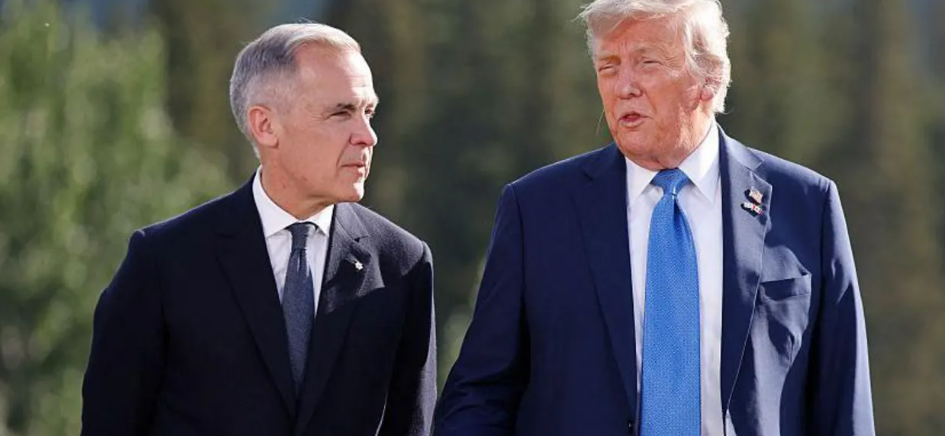 President Donald Trump has unleashed a storm by threatening a colossal 100% tariff on all Canadian goods if they buddy up with China. The bombshell dropped as Trump took to Truth Social, sending shockwaves from Ottawa to Beijing. Canada's Prime Minister Mark Carney recently struck a "strategic partnership" with China, agreeing to lower tariffs. Initially, Trump gave it a thumbs up, calling it "a good thing". But now, he's singing a different tune! Last week’s tension soared when Carney fired shots at the US-led world order at Davos. In a fiery rebuttal, Trump claimed Canada survives solely due to the US. To turn up the heat, he yanked an invite for Canada to join his Board of Peace—no love lost there! Diplomatic daggers are out as Trump's message railed against any possible Canada-China pact. "Drop Off Port" for Chinese goods? Trump won’t have it! However, Canada isn’t backing down. Trade Minister Dominic LeBlanc dismissed any rumors of a China deal, focusing on global partnerships instead. He claims they’ve only resolved some tariff issues—nothing more, nothing less. The China-Canada agreement, achieved mere days ago, promises to slash levies on Canadian canola oil from 85% to a mere 15%. Meanwhile, Canada will reduce taxes on Chinese EVs to 6.1%, paving the way for smoother trade waters with Beijing. This breakthrough aims to diversify Canadian trade, amidst Trump’s fluctuating tariffs. Carney calls it setting up for a "new world order". What's next in this trade showdown? With Canada's moves raising eyebrows, keep watching as tensions simmer! Key Takeaways: Trump’s tariff threat shocks Canada-China relations. Carney challenges US dominance at Davos, sparking Trump’s ire. Canada-China deal slashes key tariffs, shaking up global trade. Adapted by ASEAN Now from BBC 2026-01-243 points
 -
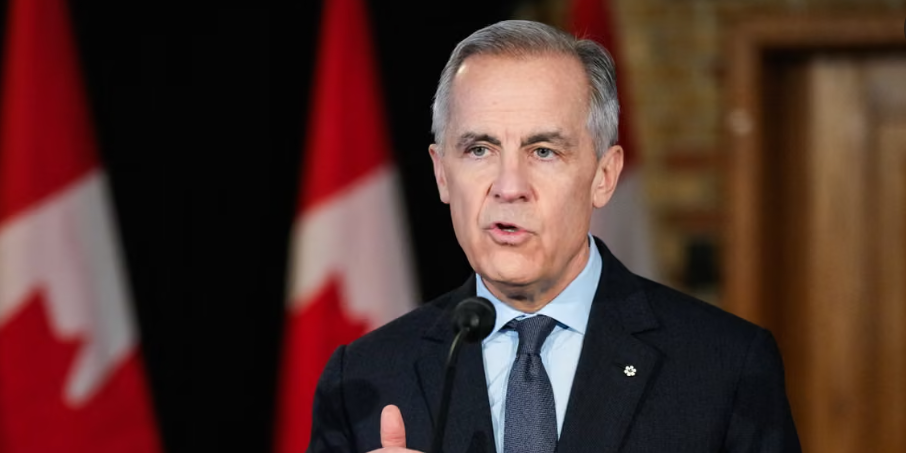 In a stirring address, Canadian PM Mark Carney urged the nation to become a "beacon to a world that’s at sea," emphasizing unity and resilience against global challenges. The national address at Quebec City’s historic fortress spotlighted Canada’s role amid dramatic geopolitical shifts and domestic struggles. Dubbed the ‘Carney Doctrine’, his speech followed a broader World Economic Summit message in Davos. Carney critiqued the breakdown of rules-based order, denouncing economic coercion by powerful nations. Despite the narrower focus in Quebec, Carney defended Canadian values, asserting the nation’s potential to lead the world towards progress and justice. In a pointed response to US President Donald Trump, who suggested Canada’s economy thrived thanks to American generosity, Carney declared, “Canada thrives because we are Canadian. We are masters of our home. This is our country.” He acknowledged the longstanding partnership with the US but emphasized Canadian independence and strength. His blunt international critique has earned global praise but domestic pushback, particularly from Conservatives who argue his trade missions to China and Qatar have been distractions. They claim these missions have yielded little investment, diverting attention from pressing home issues. Facing mounting challenges, Carney pledged swift action on the nation’s cost-of-living crisis and advancing crucial infrastructure projects. Yet, the specter of sovereignty referendums in Alberta and Quebec looms, testing national unity. Carney acknowledged Canada's troubled past with Indigenous peoples, calling for genuine reconciliation as a pathway to true unity. He urged embracing Canada’s diverse history while working towards a fair and inclusive future. After delivering his speech, Carney shared a light-hearted moment with Bonhomme, Quebec's iconic winter carnival figure, symbolizing national unity amid his political duties. Carney remains in Quebec for cabinet meetings and briefings ahead of parliament's return, with his governing Liberals just one seat shy of a majority. Key Takeaways: Carney calls for Canada to be a global beacon amidst world chaos! Defiant response to Trump emphasizes Canadian independence! Domestic focus as Carney faces economic and political challenges! Adapted by ASEAN Now from The Guardian 026-01-223 points
 -
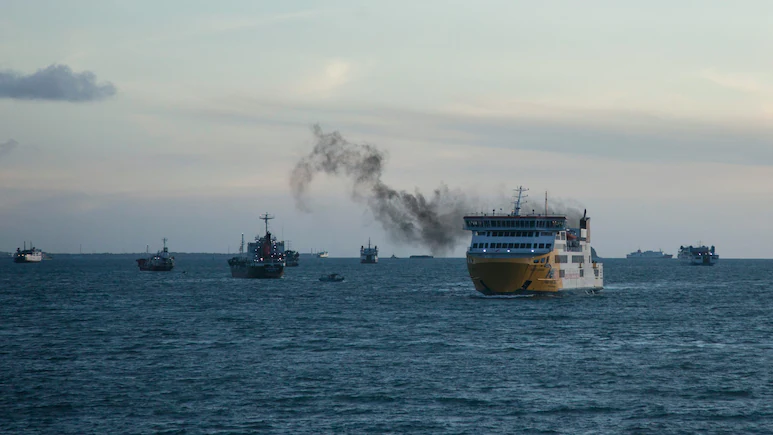 Iran has indicated that only “non-hostile” vessels will be allowed to pass through the strategically critical Strait of Hormuz, according to a report citing a communication to international shipping authorities. Get today's headlines by email In a letter circulated to members of the International Maritime Organization (IMO), Iran’s foreign ministry said ships could continue transiting the waterway if they coordinated with Iranian authorities and were not linked to countries it considers hostile. Conditions Set for TransitThe communication reportedly stated that vessels associated with the United States, Israel or other parties involved in military actions against Iran would not qualify for what it described as “innocent” or “non-hostile” passage. The report, first published by the Financial Times, has not been independently verified. Impact on Global Energy SupplyThe Strait of Hormuz is a vital route for global energy shipments, with roughly one-fifth of the world’s oil and liquefied natural gas typically passing through the narrow channel. Since the escalation of conflict involving Iran, shipping traffic through the strait has been severely disrupted, contributing to volatility in global energy markets and concerns over supply shortages. Iran said its actions were “necessary and proportionate” measures aimed at preventing adversaries from using the route to support military operations. Strategic and Legal ImplicationsThe restrictions outlined by Tehran could have significant implications for international shipping and maritime law, particularly regarding the principle of free navigation through key waterways. The International Maritime Organization, based in London, oversees global maritime safety and security and includes 176 member states. Its role may become increasingly important as tensions affect shipping routes. Ongoing TensionsThe announcement comes amid heightened regional tensions following recent military strikes and retaliatory actions involving Iran and its adversaries. With access to the Strait of Hormuz now uncertain for some vessels, the situation remains fluid, and further developments could have far-reaching consequences for global trade and energy markets. Join the discussion? Already a member? Adapted by ASEAN Now. Source 25 March 20262 points
 -
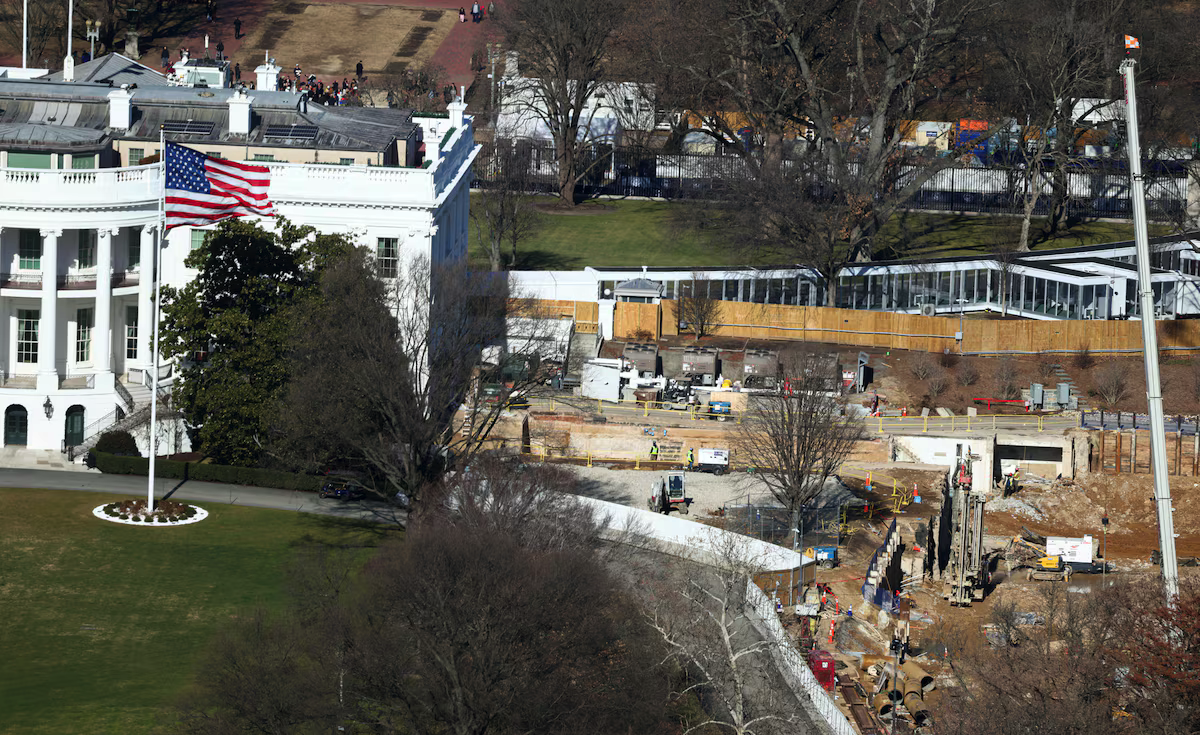 A U.S. federal judge has raised fresh concerns over the legality of President Donald Trump’s plan to construct a large ballroom at the White House, as he considers a renewed effort by preservation groups to halt the project. During a hearing on Tuesday, Richard Leon of the U.S. District Court expressed scepticism about the legal arguments presented by the Justice Department in defence of the $400 million development. He pointed to inconsistencies in the administration’s reasoning, describing the case as marked by “shifting theories” from the outset. Get today's headlines by email The planned ballroom, a 90,000-square-foot venue intended for state functions and major events, is being built on the site of the demolished East Wing. Construction began in October and is expected to continue through 2028, with most funding reportedly coming from private donors. Dispute over legal authorityHowever, the National Trust for Historic Preservation has challenged the project in court, arguing that it violates federal requirements. The group says the administration failed to seek congressional approval and did not carry out mandated reviews or allow for public consultation. Lawyers representing the preservationists accused the government of providing inconsistent explanations about who holds authority over the project. Attorney Thaddeus Heuer told the court officials had created confusion over several months before now, arguing that construction has progressed too far to be stopped. Government defends projectIn response, Justice Department lawyer Yaakov Roth maintained that the project rests on both public and private authority, describing it as having a “dual source of funding and dual source of authority.” Judge Leon appeared unconvinced, calling that interpretation a “brazen” reading of the law. He emphasised the symbolic importance of the White House, describing it as an “iconic” national landmark and noting that the president acts as a steward rather than an owner of the property. Ongoing legal battleThe courtroom exchange follows an earlier ruling in which Leon declined to block construction, citing procedural shortcomings in the preservationists’ initial complaint. He invited the group to revise its case, leading to the current legal challenge. In his previous opinion, Leon noted that the administration had initially suggested constitutional grounds for the project before later abandoning that argument, further complicating the legal landscape. The preservation group has now filed an updated complaint, again seeking to stop the construction. Government lawyers have urged the court not to intervene, citing national security considerations and practical difficulties in halting work already underway. Decision expected soonThe dispute has drawn criticism from historians, preservation advocates and some lawmakers, particularly over the demolition of the East Wing and the perceived bypassing of established procedures. Judge Leon indicated that he aims to issue a decision by the end of the month, which could determine whether construction continues or faces further legal obstacles. Join the discussion? Already a member? Adapted by ASEAN Now. Source 18 March 20262 points
 -
 The administration of Donald Trump estimates that the first six days of the war against Iran cost the United States at least $11.3 billion, according to a source familiar with a recent congressional briefing. The estimate was shared with lawmakers during a closed-door session for senators on Tuesday, as members of Congress continue pressing the administration for more details about the conflict. The Asean Now Briefing newsletter keeps you informed with all the latest news Sign up here. Officials stressed that the figure represents only an early estimate and does not reflect the full cost of the war so far. The number was first reported by The New York Times. Congressional aides said the White House is expected to request additional funding soon. Some officials have suggested the request could reach $50 billion, though others believe even that figure may underestimate the potential costs. So far, the administration has not released a public estimate of the total expense or a clear timeline for how long the conflict might continue. Speaking during a trip to Kentucky on Wednesday, Trump said the United States had already achieved major success in the war. “We won,” he said, while adding that American forces would remain involved until the mission is fully completed. The military campaign began on February 28 with coordinated airstrikes carried out by the United States and Israel against targets inside Iran. Since then, the conflict has expanded into neighboring Lebanon and has significantly disrupted global energy markets and shipping routes. The fighting has reportedly killed around 2,000 people, the majority of them in Iran and Lebanon. During briefings to lawmakers, administration officials said $5.6 billion worth of munitions were used in the first two days of strikes alone. Members of Congress have expressed concern that the rapid pace of operations could significantly drain U.S. military stockpiles. These concerns come at a time when the American defense industry is already struggling to meet high global demand for weapons and equipment. To address supply issues, Trump recently met with executives from seven major defense contractors as the U.S. Department of Defense works to replenish depleted stockpiles. Meanwhile, Democratic lawmakers are demanding greater transparency from the administration. Several have called for senior officials to testify publicly under oath about the strategy behind the war, including how long the conflict might last and what plans exist for Iran once fighting ends. Join the discussion? Already a member? Adapted by ASEAN Now · Source · 11.03 20262 points
 -
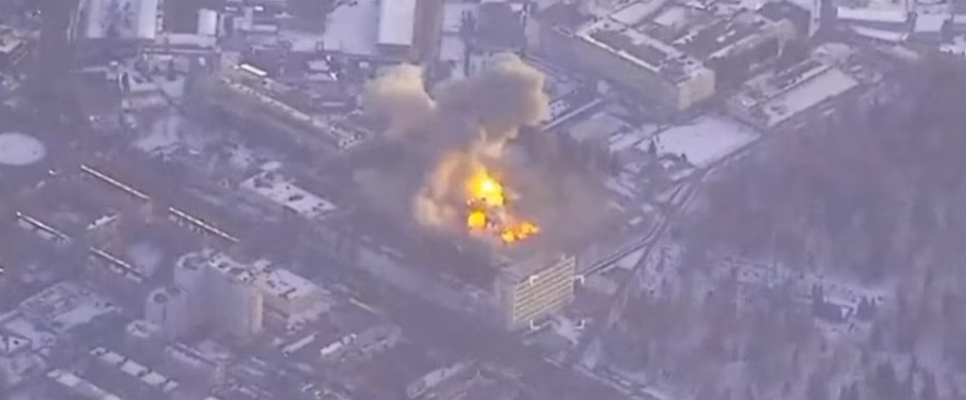 Moscow Condemns Bryansk StrikeRussia has accused Ukraine and United Kingdom of carrying out what it described as a “terrorist attack” on the western Russian city of Bryansk. In a statement released Wednesday, the Russian Foreign Ministry condemned the deadly strike and alleged that missiles supplied by Britain had been used in the attack. The Asean Now Briefing newsletter keeps you informed with all the latest news Sign up here. Moscow claimed the strike violated international legal norms and accused London of crossing a dangerous line by supplying weapons that were allegedly used to target Russian territory. Claims of EscalationAccording to the ministry, the attack was intended to sabotage ongoing efforts toward a peace process in the war between Russia and Ukraine. Officials said the strike was part of a broader attempt to escalate the conflict rather than seek a negotiated settlement. The statement did not provide detailed evidence supporting the claim that British-made missiles were used in the attack. Growing TensionsThe accusation adds to mounting tensions between Moscow and Western governments over military support for Ukraine. Since the full-scale invasion of Ukraine by Russia in 2022, Western countries including the United Kingdom have provided Kyiv with weapons, training and financial assistance. Russia has repeatedly warned that such support risks widening the conflict. Join the discussion? Already a member? Adapted by ASEAN Now · Source · 11.03 20262 points
 -
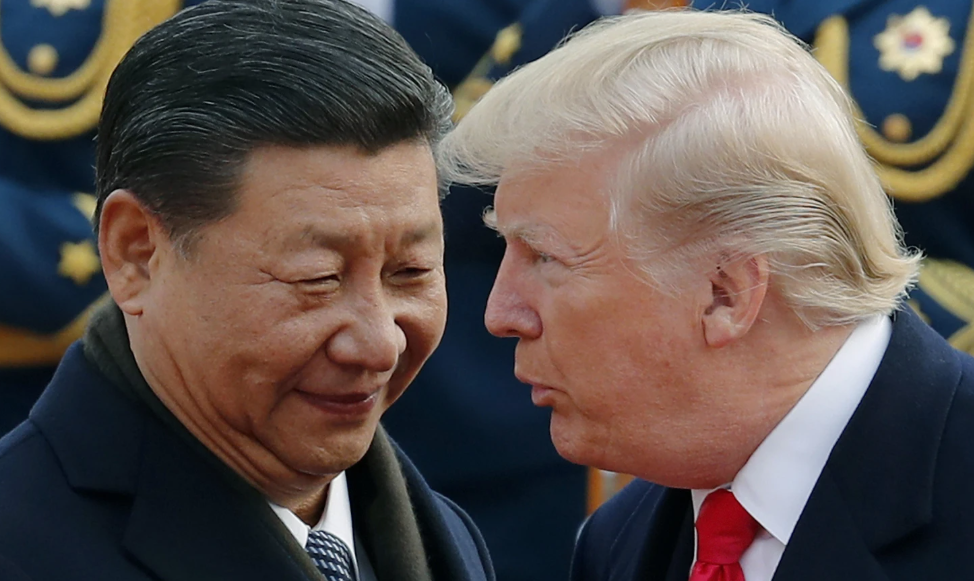 When the United States and Israel launched strikes on Iran, Beijing did not react immediately. Several hours later, China’s Foreign Ministry said it was “highly concerned,” called for an immediate halt to military operations and urged a return to dialogue. The following day, Foreign Minister Wang Yi condemned the attacks as unacceptable. The response was firm in tone but limited in substance — a pattern that reflects China’s broader foreign policy approach. Despite its expanding global footprint, Beijing has again chosen to stay on the sidelines militarily while positioning itself as a critic of force and a supporter of negotiations. Get the latest headlines in your email Strategic restraint over interventionChina’s armed forces have modernized rapidly in recent years. It has held joint military drills with Iran and established its first overseas naval base in Djibouti in 2017. Yet its primary security focus remains much closer to home, from Taiwan to the South China Sea. Beijing has occasionally stepped into Middle East diplomacy when it sees opportunity. In 2023, it helped broker a rapprochement between Iran and Saudi Arabia, a move widely seen as a sign of growing Chinese influence. But analysts say Beijing views U.S. military campaigns in Afghanistan and Iraq as cautionary examples of overreach. William Yang of the International Crisis Group said China is reluctant to project military power far beyond its immediate periphery or act as a security guarantor in volatile regions like the Middle East. Similarly, China has offered diplomatic and economic backing to Russia and Venezuela while avoiding direct military involvement in Ukraine or Latin America. Craig Singleton of the Foundation for Defense of Democracies described Beijing’s response to the Iran strikes as “predictably restrained,” underscoring the limits of its influence once hard power is in motion. U.S. ties take priority over IranChina’s measured stance also reflects the relative importance it assigns to its relationships. While Beijing maintains strong economic ties with Tehran, its relationship with Washington carries far greater weight, particularly on trade, technology and Taiwan. A highly anticipated visit by Donald Trump to Beijing to meet Chinese leader Xi Jinping is expected in the coming weeks. Analysts say Beijing is unlikely to jeopardize that summit over Iran. George Chen of The Asia Group said that while China may engage in rhetorical sparring with Washington, it has little incentive to escalate tensions. “U.S.-China relations are already complicated enough,” he said, adding that introducing another major flashpoint would benefit neither side. Energy security and regional risksChina is the largest importer of Iranian oil, taking in roughly 1.4 million barrels per day last year — about 13% of its total seaborne crude imports, according to data from Kpler. However, analysts say Beijing has prepared for potential disruptions by diversifying supply sources and building strategic reserves. The more pressing concern is not necessarily Iranian oil itself, but instability in the broader Gulf region. Any sustained disruption to shipping through the Strait of Hormuz — a key chokepoint for global oil and liquefied natural gas — would have far-reaching consequences for China’s energy security and economic stability. Attacks on Gulf energy infrastructure, including liquefied natural gas facilities, add to those worries. Unlikely to arm TehranDespite long-standing defense ties, experts say China is unlikely to provide significant military assistance to Iran. Muhammad Zulfikar Rakhmat of Indonesia’s Center of Economic and Law Studies said any support would likely be limited to existing defense arrangements rather than rapid battlefield aid. Beijing has repeatedly criticized the United States for supplying weapons to Ukraine, arguing that doing so prolongs conflicts. Providing arms to Iran would risk direct confrontation with Washington and undermine China’s carefully calibrated neutrality. James M. Dorsey of Nanyang Technological University noted that while Iran’s missile program has roots in Chinese technology, Beijing is likely to err on the side of caution rather than expand support. Ultimately, analysts say China’s response reveals a foreign policy guided less by ideological alignment and more by pragmatic calculation. Beijing appears determined to avoid entanglement in a distant war while safeguarding its economic interests and preserving space for diplomacy. Join the discussion? Already a member? Adapted by ASEAN Now · Source · 04.03 20262 points
 -
 Unreleased FBI Memos Detail Unverified Trump ClaimThree FBI memos from 2019 contain explicit but unsubstantiated allegations that President Donald Trump sexually abused a minor with the assistance of Jeffrey Epstein, according to a review by The Guardian. The documents were not included when the Department of Justice began releasing millions of Epstein-related files in December. Get the latest headlines in your email The memos describe four FBI interviews conducted on 24 July, 7 August, 22 August and 16 October 2019 at the Washington state law offices of attorney Barry Brandenburg. The Guardian obtained the missing FBI form 302 reports, which total 25 pages of agents’ notes. Only the first interview, in which Trump was not named, was included in the public release. An administration official confirmed the three missing reports are authentic. The Department of Justice told NPR that “nothing has been deleted” and said withheld material was duplicative or privileged. The same explanation was given to Breitbart. In a statement to The Guardian, an administration official said the accusations were listed as duplicative files in the SDNY records and were not legally required to be released under the Epstein Files Transparency Act. The official said the Department of Justice is continuing its review. The department did not immediately respond to a request for further comment. According to the memos, the woman told agents she was sexually abused by Epstein from about 1983, when she was 13 and living in Hilton Head Island, South Carolina. She alleged that when she was between 13 and 15, Epstein took her to a building in New York or New Jersey, where she met Trump and others. She claimed that when alone with Trump, he attempted to sexually assault her after making a remark about teaching her “how little girls are supposed to be”. She said she bit him and that he struck her and had her removed from the room. She also alleged that she heard Trump discuss blackmail and “washing money through casinos” with Epstein. The allegations have not been verified. The FBI did not bring charges related to her claims, and parts of her account contradict known details of Epstein’s life in the early 1980s. Trump has consistently denied wrongdoing related to Epstein and said last week, “I did nothing.” Mark Epstein told The Guardian he had no knowledge of his brother spending summers in Hilton Head in the early 1980s. There is no evidence that Trump and Epstein knew each other in 1983. Trump told New York magazine in 2002 that he had met Epstein 15 years earlier. The woman also alleged Epstein gave her alcohol, drugs and forced her to perform sexual acts. She claimed Epstein blackmailed her mother with explicit photographs, leading to embezzlement and a prison term in South Carolina. The Guardian said it was unable to corroborate the claimed prison case. In 2020, a Jane Doe with matching biographical details joined a lawsuit against Epstein’s estate but later dropped her claims. It is not known if a settlement was reached. Her lawyer in that case, Lisa Bloom, declined to comment. US Representative Robert Garcia said he reviewed unredacted files at the Department of Justice and could not find the reports. House Oversight Committee chair James Comer said lawmakers would examine claims that the allegations were removed from the database. Garcia wrote to Attorney General Pam Bondi seeking a full explanation for the withheld files. He said the Department of Justice had “illegally withheld” FBI interviews containing serious accusations. Join the discussion? Already a member? Adapted by ASEAN Now · Source · 26 Feb 20262 points
 -
 Iran is close to completing a purchase agreement with China for advanced anti-ship cruise missiles, as the U.S. positions a major naval force near Iran, signaling possible military actions. Details of the DealThe agreement for Chinese-made CM-302 missiles is almost finalized, with these missiles prized for their speed and capability to evade ship defenses. With a range of about 290 kilometers, they would significantly enhance Iran's military reach and threat to U.S. naval forces in the region. Negotiations, ongoing for over two years, gained momentum after a recent conflict between Israel and Iran. Senior Iranian officials, such as Deputy Defense Minister Massoud Oraei, have traveled to China to expedite discussions. Get the latest headlines in your email Strategic ImplicationsDanny Citrinowicz, a former Israeli intelligence officer, described this acquisition as a "gamechanger," offering Iran substantial new strike capabilities. However, the specifics of the deal, including the number of missiles and delivery timelines, remain undisclosed. An Iranian foreign ministry official stated the purchase fits within Iran's existing military agreements, and China’s Ministry of Foreign Affairs claims no awareness of these discussions. Regional DynamicsThis prospective sale underscores deepening military cooperation between China and Iran, complicating U.S. attempts to curb Iran’s missile and nuclear ambitions. China, along with Iran and Russia, routinely conducts joint naval exercises. The U.S. has responded by deploying significant forces, including the aircraft carrier USS Abraham Lincoln, near Iran. President Trump issued a stark ultimatum to Iran to consent to a nuclear agreement or face severe consequences within days. Military EnhancementsAcquiring the CM-302 missiles would significantly bolster Iran's arsenal, depleted by recent conflicts. Reports indicate Iran is also in negotiations with China for other military technologies, including surface-to-air missiles, anti-ballistic weapons, and anti-satellite systems. China was a major arms supplier to Iran in the 1980s, although such transfers dwindled due to international pressure. While Chinese firms have been accused of supplying missile materials to Iran, public confirmation of complete system deliveries is lacking. ConclusionAs regional tensions escalate, this missile deal signifies a notable shift in the power dynamics, showcasing China’s growing influence in an area traditionally dominated by U.S. military strength. The situation remains fluid, with potential implications for regional security and diplomatic relations. Join the discussion? Already a member? Adapted by ASEAN Now · Source · 24 Feb 20262 points
 -
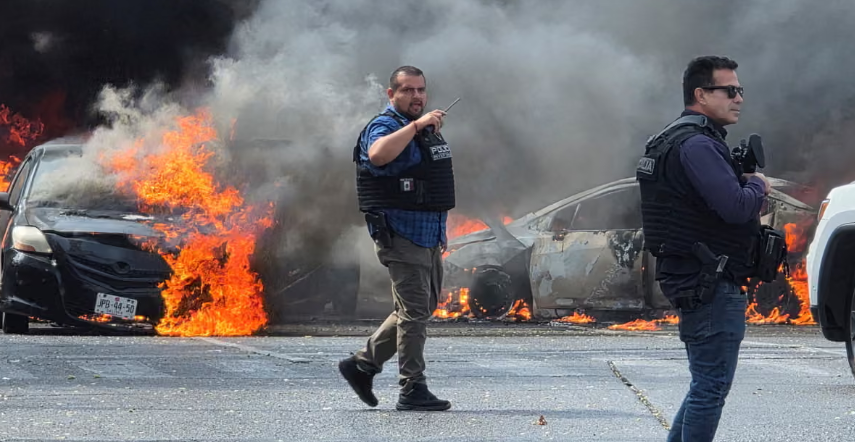 Nemesio Oseguera Cervantes, known as "El Mencho," was killed by Mexican security forces, confirmed by Mexico’s defense ministry. His death led to widespread violence, with torched vehicles and blocked highways across multiple states. Get the latest headlines in your email El Mencho, aged 59, was the leader of the Jalisco New Generation Cartel, Mexico’s most powerful criminal organization. Though less globally recognized than the Sinaloa cartel, his group is infamous for extreme violence and a significant arsenal. The US offered $15 million for his capture due to his alleged drug trafficking activities, including cocaine and fentanyl. US Deputy Secretary of State Christopher Landau praised the development, labeling El Mencho one of the most ruthless kingpins. Landau noted the operation's success as significant for Mexico, the US, and the world, reflecting pressure from US President Donald Trump over border concerns. El Mencho was killed during a special forces operation in Tapalpa, Jalisco. The military, with support from air force and intelligence, attempted to capture him. The confrontation resulted in the deaths of four cartel members on site and three en route to Mexico City, including El Mencho. Three military personnel were injured. The US provided intelligence that assisted in the operation. The Joint Interagency Task Force-Counter Cartel, which collects intelligence on drug cartels, contributed to the raid. The operation ignited chaos across eight Mexican states, including Jalisco, Guanajuato, and more. Violent roadblocks with burning vehicles were reported, and footage showed smoke rising over Puerto Vallarta. In Guadalajara, panic erupted with vehicles set ablaze and chaos spreading in the city, a 2026 World Cup host. Jalisco Governor Pablo Lemus Navarro urged citizens to stay indoors. Public transport was paused, and a warning against travel was issued. The US embassy in Mexico City advised US citizens in affected areas to shelter in place due to ongoing violence. The Canadian government issued similar warnings. Airlines canceled flights due to the unrest. Landau emphasized not losing resolve despite terror responses. Mexican President Claudia Sheinbaum assured coordination among state governments and advised citizens to stay informed and calm, maintaining that activities continue normally in most areas. Join the discussion? Already a member? Adapted by ASEAN Now · Source · 22 Feb 20262 points
 -
2 points
 Plans for prohibiting VPN access for under-18s are being considered by the UK government as part of efforts to bolster online safety following the Online Safety Act. Prime Minister Sir Keir Starmer announced the potential ban, aiming to prevent minors from bypassing new age restrictions implemented last year. Get the latest headlines in your email The Online Safety Act introduced mandatory age checks for various online platforms, including adult content sites, dating services, and gaming accounts. In response, VPN usage surged as individuals sought to circumvent these restrictions. VPNs, while legal, allow users to disguise their location and access age-gated content. The government is also contemplating measures to restrict children's use of online chatbots, following concerns about their misuse. Earlier this year, controversy arose around Elon Musk’s Grok AI chatbot, widely used on the social media platform X for creating fake images. Prime Minister Starmer emphasized the need for legal updates to match rapid technological changes, ensuring children's online safety. He remarked, “As a dad of two teenagers, I know the challenges and the worries that parents face making sure their kids are safe online. Technology is moving really fast, and the law has got to keep up.” Technology Secretary Liz Kendall supported the initiative, highlighting the urgency for protective measures. “We will not wait to take the action families need,” she stated, reaffirming the government’s commitment to acting swiftly. The consultation will also consider banning social media access for children and restricting “infinite scrolling.” Shadow Education Secretary Laura Trott criticized the proposal as insufficient, accusing the government of inaction regarding minors' access to social media. This initiative aligns with the broader goal of protecting children’s wellbeing while navigating rapid technological advancements and addressing online safety challenges. Key Takeaways UK considers banning VPNs for under-18s to enhance online protection. Measures respond to increased VPN use circumventing age restrictions. Government aims to update laws in line with technological progress. Join the discussion? Already a member? Adapted by ASEAN Now · Source · 15 Feb 20262 points
 -
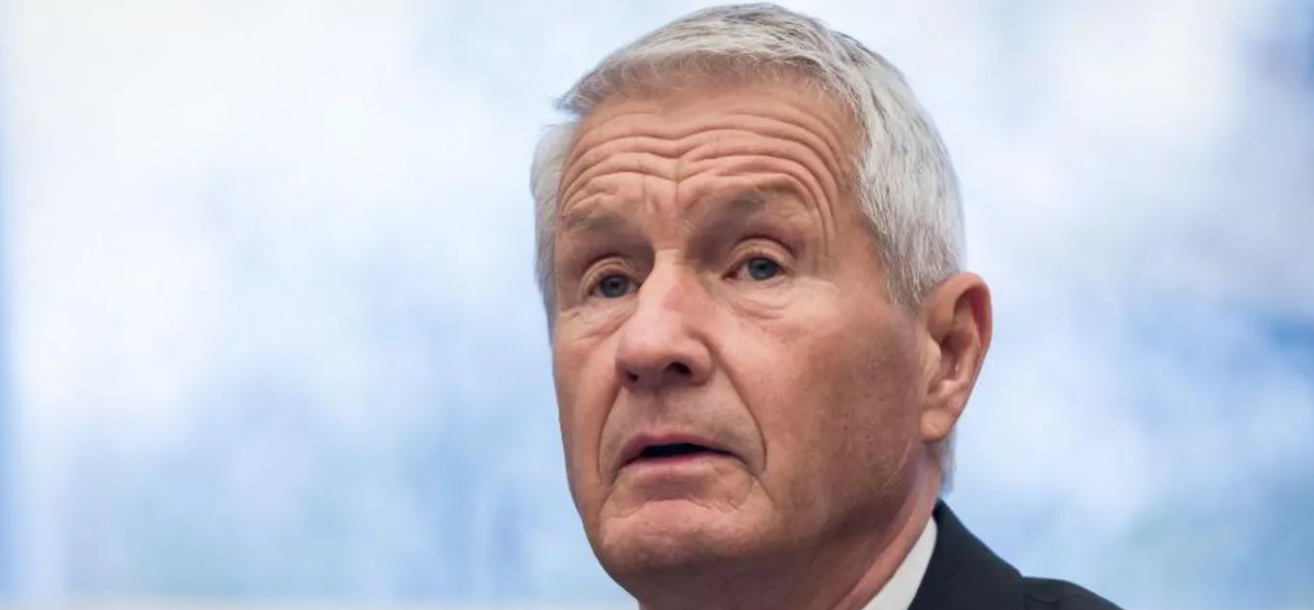 Jagland faces gross corruption chargesFormer Norwegian Prime Minister Thorbjørn Jagland has been charged with "gross corruption" due to connections with the infamous US sex offender Jeffrey Epstein, authorities revealed. Jagland denies any wrongdoing and is cooperating with investigations, according to his legal team. Get the latest headlines in your email Immunity was stripped from Jagland, formerly the head of the Norwegian Nobel Committee and secretary general of the Council of Europe. This move paved the way for charges after an Økokrim investigation into alleged corruption during his time from 2011 to 2018. Documents released by the US Government suggest that Jagland arranged personal visits to Epstein's residences in Paris, New York, and Palm Beach. Travel costs for these visits, uncovered in the "Epstein files," were reportedly covered by Epstein himself. Three properties linked to Jagland were searched by Økokrim, including his Oslo home. They're now set to interrogate him as further evidence unfolds. Reports also hint at a failed attempt by Jagland to secure a bank loan with help from Epstein, though it's unclear if this included in the charges. This incident embroils various figures, dragging Norway into the Epstein debacle. High-profile personalities from the country, like Crown Princess Mette-Marit and former diplomats, are being scrutinized. Mette-Marit apologised after it was revealed she maintained a friendship with Epstein for three years. Former diplomats Mona Juul and Terje Rød-Larsen face their investigations for "aggravated corruption." A will allegedly signed by Epstein suggested money transfers to Juul's children. Both deny wrongdoing and await legal clarifications. World Economic Forum's CEO, Borge Brende, ordered a review into his ties with Epstein, admitting to meetings but claiming ignorance of Epstein's criminal past. Brende welcomes this investigation as part of ongoing transparency efforts. The scandal widens. As Norwegian figures grapple with consequences, the reverberations of Epstein's connections continue to shake prominent circles on an international scale. Key Takeaways Former PM Jagland charged over Epstein links. Immunity revoked, property searches conducted. High-profile Norwegians caught in widening scandal. Join the discussion? Already a member? Adapted by ASEAN Now · Source · 12 Feb 20262 points
 -
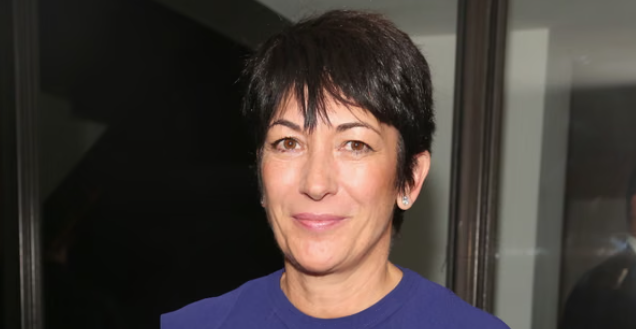 Ghislaine Maxwell's refusal to testify before Congress draws backlash.Ghislaine Maxwell chose silence over answers during a closed-door congressional deposition, invoking her Fifth Amendment right. This move has drawn sharp criticism, with Democratic Representative Robert Garcia questioning, “Who is she protecting?” Garcia, part of the oversight committee pushing to release Jeffrey Epstein’s investigative files, slammed Maxwell for providing no information about Epstein's network. He accused the Trump administration of giving her special treatment in a low-security prison, alleging a White House cover-up. Maxwell, currently serving a 20-year sentence for her involvement with Epstein, was advised by her attorney David Oscar Markus to remain silent. Markus stated that Maxwell's current habeas petition demonstrates her conviction was based on an unfair trial, hence her decision to invoke the Fifth. According to Markus, Maxwell is willing to reveal everything if granted clemency by President Trump. "Only she can provide the complete account," he insisted, suggesting that both Trump and Clinton are innocent of any wrongdoing related to Epstein. The White House, approached for comment, reiterated previous statements that pardoning Maxwell was not under consideration. Ro Khanna, another Democratic representative, pointed out inconsistencies in Maxwell’s stance. Previously, she willingly engaged in an interview with Trump’s Deputy Attorney General Todd Blanche without invoking her rights. Maxwell answered all questions without hesitation during that meeting, said her lawyer. This shift from openness to silence raises questions about her motivations and potential protections. Khanna had prepared pointed questions for Maxwell, seeking clarity on co-conspirators and secret settlements she once acknowledged. The Department of Justice claims no list of names exists, despite suspicions fueled by released documents and legal claims. Maxwell’s silence has intensified demands for transparency amid ongoing investigations. As her lawyer suggests the truth could emerge with clemency, the political and legal drama surrounding Epstein's network continues unabated. Key Takeaways: Maxwell refused to testify, invoking her Fifth Amendment rights. Her silence spurred allegations of a cover-up and raised questions. Calls for transparency in Epstein's investigation intensify. Adapted by ASEAN Now from Source 2026-02.092 points
 -
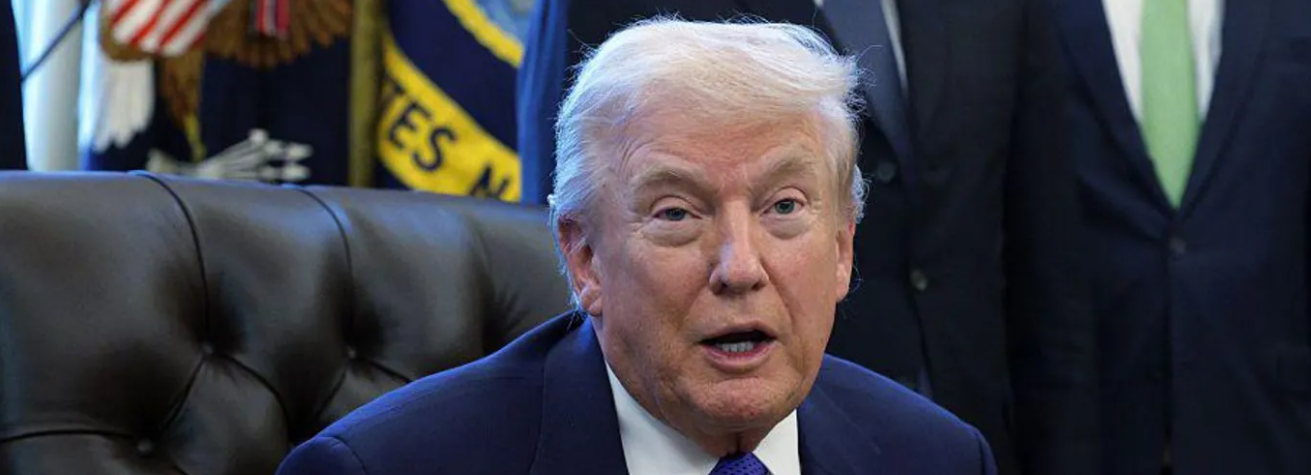 Trump Faces Backlash Over Racist Video Post US President Donald Trump has stirred controversy by sharing a social media video containing a racist clip of Barack and Michelle Obama. The footage portrayed them as apes and was featured at the end of a video discussing alleged voter fraud in the 2020 election. This action prompted Republican Senator Tim Scott, who is black, to urge Trump's removal of the post, deeming it "the most racist thing I've seen out of this White House." Initially, the White House defended the video as an internet meme and dismissed criticism as "fake outrage." However, growing pressure from Republican senators led to the clip’s removal from Trump's Truth Social account. A White House representative claimed a staffer had "erroneously" posted it. The clip also depicted other Democrats as animals, including Joe Biden as an ape. The Obamas have yet to comment, but the video’s distribution sparked fierce criticism, both publicly and within Trump’s party. Senator Scott expressed his hope that the post was fake, reinforcing the racism he perceived. Meanwhile, Republican Mike Lawler condemned the post as "incredibly offensive" and called for its immediate removal. Utah Senator John Curtis further criticized it as "blatantly racist." Reports indicated concerns about account access and post approval processes after Florida representative Byron Donalds contacted the White House, learning a staffer "let the president down." The White House Press Secretary defended the post, urging a focus on more pressing issues. Nonetheless, Derrick Johnson from the NAACP called it "disgusting," suggesting a distraction from other controversies like the Epstein case. Criticism extended beyond politicians. Ben Rhodes, a former Obama adviser, remarked on Trump's tarnished reputation compared to the Obamas’ legacy. Several lawmakers, including Illinois Governor JB Pritzker and California Governor Gavin Newsom, harshly criticized Trump's behavior. House Minority Leader Hakeem Jeffries described Trump as "vile," demanding Republicans denounce Trump’s actions. The debunked election claims in the video, part of a minute-long post, further fueled discontent. Trump's history of unfounded attacks on Obama, including false birther claims, added context to the uproar. The incident underscores persistent tensions surrounding Trump’s rhetoric and highlights ongoing debates over race, leadership, and accountability in the political arena. Key Takeaways Trump’s video sparked bipartisan outrage for racism. The White House claimed a staffer made an error. Calls for denouncement and accountability intensified. Adapted by ASEAN Now from Source 2026-02.062 points
 -
 Metropolitan Police investigate Mandelson for alleged misconductPeter Mandelson, former Labour minister and ex-US ambassador, is facing a criminal investigation by the Metropolitan Police. He stands accused of sharing sensitive government information with convicted sex offender Jeffrey Epstein. These allegations stem from a series of emails released by the US Department of Justice, which suggest Mandelson forwarded market-sensitive data to Epstein while serving as business secretary under Gordon Brown. Mandelson has not publicly responded to these claims, but sources say he maintains that he acted within the law and was not financially motivated. A spokesperson for the UK government has promised full cooperation with the ongoing police investigation. The scandal has prompted Mandelson to announce his intention to resign from the House of Lords. Earlier this week, both the Scottish National Party and Reform UK referred Mandelson to Scotland Yard. Subsequently, the UK government forwarded material to the police after reviewing emails linked to the 2008 financial crisis. Former Prime Minister Gordon Brown has also intervened, writing to Metropolitan Police Commissioner Sir Mark Rowley. Brown provided relevant information from September that questions the authenticity of Mandelson's correspondence with Epstein regarding asset sales during the financial collapse. He condemned the alleged actions as unpatriotic and damaging during a time of national economic crisis. Met Police Commander Ella Marriott confirmed the probe into a 72-year-old former government minister for misconduct in public office. The investigation follows a flood of reports, including a referral from the UK government. The police will continue to examine all pertinent information and have declined to comment further during the ongoing inquiry. This case adds another dimension to Mandelson’s controversial association with Epstein. It raises serious concerns about the potential compromise of government operations at a crucial time. The allegations have cast a shadow over Mandelson’s legacy and underscore the gravity of the accusations within governmental frameworks. While the investigation progresses, it highlights the importance of maintaining integrity in public office. The outcome could have far-reaching implications for transparency and accountability among public officials. The involvement of high-profile figures further underscores the case's significance as the public and media closely monitor developments. Key Takeaways Mandelson faces claims of leaking sensitive data to Epstein. Allegations involve details related to the 2008 financial crash. Former PM Brown and others call for thorough investigations. Adapted by ASEAN Now from Source 2026-02.042 points
 -
 Prince, Politicians, and Powerhouses Exposed in Epstein ScandalThe US Department of Justice has dropped a bomb on the world, releasing millions of once-hidden files related to the disgraced Jeffrey Epstein. Three million pages, 180,000 images, and 2,000 videos hit the public domain, raising the curtain on Epstein’s sordid connections and past crimes. This eye-popping release came six weeks post the deadline President Trump had set for sharing all Epstein-related documents with the public, sparking questions and intrigue across the globe. The files reveal a treasure trove of details about Epstein's prison life, his untimely death, and connections to high-ranking figures, including Ghislaine Maxwell's involvement in underage trafficking. The relationships Epstein maintained with the world’s elite add more spice to this already scandalous story. Emails emerge between Epstein and a mysterious figure known as "The Duke," potentially Andrew Mountbatten-Windsor. Discussions of secret dinners at Buckingham Palace and introductions to a young Russian woman have been unveiled. In a photograph from the files, Andrew appears kneeling over a woman, contradicting his prior denials of contact with Epstein post-2009. Calls for accountability echo in corridors of power. But will any heads roll? The Duke, having long denied wrongdoing, is left to face renewed public and media scrutiny. Former Duchess Sarah Ferguson also figures in the files, sharing warm exchanges with Epstein during his house arrest. Her affectionate words raise eyebrows, painting a complex picture of their relationship. Meanwhile, the Virgin Group's Richard Branson is named in exchanges humorously referencing a “harem,” which his team clarified referred to Epstein’s staff, not a scandalous implication. Epstein’s webs entangled Slovakian political figures too. National security adviser Miroslav Lajčák resigned after texts with Epstein emerged, despite no indication of wrongdoing. His abrupt exit was to protect political allies, showing the far-reaching impact of Epstein’s shadow. Financial records allege Epstein moved $75,000 to accounts linked to Lord Mandelson. The former UK ambassador, who denies memory of such transactions, regrets his ties to Epstein, saying he was duped by the financier’s charm. The surprises continue with US politics at the center. Trump appears hundreds of times in the files, while the FBI tracks dozens of tips about him, though none are corroborated. As usual, Trump bats away any allegations, dismissing them in conjunction with DOJ statements reinforcing their baseless nature. Glamorous figures like director Brett Ratner and tech magnate Elon Musk make appearances, with Musk’s humor-laden emails showing intrigue in Epstein’s island parties. Though Musk later dismissed attending, his correspondence could fuel further chatter. Bill Gates counters bizarre claims purportedly drafted by Epstein, which his spokesperson refutes as lies from a “disgruntled” source. Epstein’s attempts to allegedly tarnish Gates’ reputation only highlight the chaos Epstein crafted around him. The shockwaves extend to significant issues on victim privacy. Lawyer Gloria Allred criticizes the unintentional reveal of survivor identities in the released files. While some redactions were made, mistakes prove irreversible, as files spread online, victim anonymity caught in the crossfire. What’s next? Is this the final act in the Epstein saga? Deputy Attorney General Todd Blanche claims the file release process is complete, yet dissatisfaction lingers. Lawmakers like Ro Khanna question withholding nearly 2.5 million documents without explanation. Despite the DOJ’s declarations, private suspicions of shielded elites remain rife. The mystery regarding whether all has been unveiled persists. The storyline over Epstein's empire isn’t concluded yet, and for many, especially within Trump’s following, Epstein's reach still hints at broader hidden truths. Key Takeaways Millions of Epstein documents released by DOJ. High-profile figures implicated in released files. Uncertainty remains about the completeness of file release. Adapted by ASEAN Now from Source 2026-02.022 points
 -
 Disgraced socialite Ghislaine Maxwell has fired a new legal salvo. She claims 29 of Jeffrey Epstein's pals have been cushioned by secret Justice Department deals! Maxwell's dramatic habeas corpus petition, filed on December 17, argues these secret settlements snubbed her trial’s fairness, violating her constitutional rights. Maxwell's explosive court filing alleges 25 men, plus four known co-conspirators, inked discreet DOJ deals, escaping indictment. Maxwell, who was convicted for her role in Epstein's nefarious empire, claims these undisclosed settlements unfairly targeted her, while others lurked in the shadows. The shocking revelation hinges on Maxwell's assertion that this concealing compromised her trial. She argues that the hidden deals severed her right to a fair trial and insists if she'd known, she'd have summoned them to testify in her defense. Filing a slew of legal gambits, Maxwell charges the prosecutors with breaching Epstein's 2007 non-prosecution pact in Florida. She insists this agreement enveloped co-conspirators too, leaving her to face the music for political reasons alone. Currently serving a 20-year sentence in Texas, Maxwell was convicted in New York in 2021 for sex trafficking minors for Epstein between 1994 and 2004. Now, she's challenging her conviction seeking "extraordinary relief" via her habeas corpus petition. Meanwhile, the Justice Department is on the hook to reveal Epstein’s files, under a transparency mandate initiated by Trump and tangled in political webs. Attorney General Pam Bondi and her team are poring over mountains of documents, with the release date looming. Despite a tidal wave of opposition, including fury from Rep. Thomas Massie of Kentucky and Democrat Ro Khanna of California, the delay in releasing these files infuriates Capitol Hill. The pair blasted the DOJ for disregarding legal deadlines, even pushing Judge Paul Engelmayer to appoint a watchdog—an appeal he rejected. Judge Engelmayer acknowledged Epstein victims’ cries for transparency, urging Massie and Khanna to leverage Congress's power to hold the DOJ accountable. The saga is now hinged on promises and political clamor as lawmakers vow to dig deeper. The Supreme Court, having dismissed Maxwell's earlier appeal, leaves her clutching at straws with her bold collateral attack. These petitions are dramatic last resorts, piercing through only when new evidence or glaring judicial blunders surface. What's next in this tangled web of deceit and delay? All eyes are on the DOJ and Congress’s next moves. Will the truth finally breach the barricades? Key Takeaways: Maxwell accuses the DOJ of shielding Epstein's allies with secret deals. Capitol Hill is in uproar over DOJ's delay in releasing Epstein documents. Maxwell's legal maneuvers push the boundaries, seeking rare "extraordinary relief." Adapted by ASEAN Now from Source 2026-01-292 points
 -
 American democracy is on the verge of crisis, experts warn, as Donald Trump's second term hits its one-year mark. This dramatic shift has left historians and political scholars reeling with concern about whether the US can still claim its status as the world's oldest democracy. Have we moved into competitive authoritarianism? In a year marked by unprecedented moves, Trump has shocked even seasoned observers. His actions—dismantling federal agencies, purging civil servants, and firing watchdogs—bear hallmarks of authoritarian regimes. Congress is increasingly sidelined, judicial rulings fiercely contested, and dissent quashed. Political opponents face persecution, marginalized groups are scapegoated, and repression of dissent becomes the norm. Prominent scholars, including Steven Levitsky, have raised alarms about the US shifting to "competitive authoritarianism," where elections exist but disproportionally favor the ruling party. Is democracy in the US already past its tipping point? Or is there hope for a course correction? Trump’s power grab faces fewer barriers than during his previous term. Republican critics have been eradicated from the political landscape, with remaining voices stifled by fear of reprisal. The bypassing of Congress on spending and war powers is worrisome, as are his contentious international moves that leave European allies scrambling to adapt. Quantitative assessments paint a bleak picture. The "Bright Line Watch" initiative trails a severe decline in democratic health—down almost 30%. A collapse of this scale is rarely seen outside of coups. Nate Schenkkan cautions that distinguishing between mere partisan politics and disturbing authoritarian behaviors is crucial. Trump's sweeping changes haven’t gone without criticism, but the White House rebuffs claims of authoritarianism. Abigail Jackson, a spokesperson, rebuts by asserting that Trump's re-election reflects fulfilling a popular mandate. Yet, experts challenge this narrative, highlighting significant drops in US democracy ratings. Technocratic influences, like the appointment of Elon Musk, have further stirred fears about an oligarchic shift. Musk’s task of overhauling federal efficiency led to large-scale job cuts, alarming many and further distancing Trump from conventional autocratic strategies, which usually involve social safety expansions. Instead, cuts to public health and childcare programs provoke widespread criticism and concern for vulnerable communities. Despite these unsettling developments, resistance persists. Protests, known as the "No Kings" rallies, rise against Trump's authoritarian tendencies. Legal avenues prove fruitful, with many Trump policies stalling or reversing in court battles spearheaded by organizations like the ACLU, sustaining hope for change. The road ahead remains fraught as the 2026 midterms approach. Concerns heighten over potential manipulation of voting processes. Trump’s attempts to redraw congressional districts raise fears of entrenched gerrymandering, while increased military presence at polls as an intimidation tactic looms large. Experts urge sustained engagement and warn against complacency. The divide in public opinion is stark, with a majority believing Trump’s policy impacts have been largely negative—cited by a recent CNN poll where 58% labeled his first year a failure. Yet, Trump supporters argue these changes are part of necessary reforms to “restore law and order.” Moreover, the connection between Trump’s administration and tech billionaires raises additional alarms. Ruth Ben-Ghiat stresses that unlike typical oligarchs who influence from outside, Musk’s direct involvement within the government opens access to vital resources, including financial and data systems. Traditionally autocratic regimes expand social services to buy loyalty; Trump’s approach diverges notably, contributing to growing dissatisfaction across socio-economic demographics. However, ongoing resistance—from protests to legal challenges—suggests a robust, albeit fraught, opposition intent on restoring democratic norms. Looking forward, many scholars predict Trump's disregard for democratic norms will only intensify as elections near. The administration's aggressive stance toward peaceful protest and the manipulation of governmental agencies amplify fears of further authoritarian entrenchment. Yet, political scientists assert that democratic institutions must prove resilient through continued active engagement and voting. In summary, Trump’s presidency has tested the foundations of US democracy like never before. However, there remains a flicker of hope—expressed through legal resistance, organized protests, and the ballot box—that the tides might turn. As the narrative unfolds, the resilience of US democratic institutions and their ability to withstand these unprecedented challenges is a testament to their enduring strength. Key Takeaways Trump’s sweeping and authoritarian actions leave experts in shock, questioning the future of US democracy. Democratic health declines sharply, but resistance through protests and courts remains strong. Engaged citizenry and legal frameworks offer hope amid rising fears of authoritarianism. Adapted by ASEAN Now from The Guardian 026-01-212 points
 -
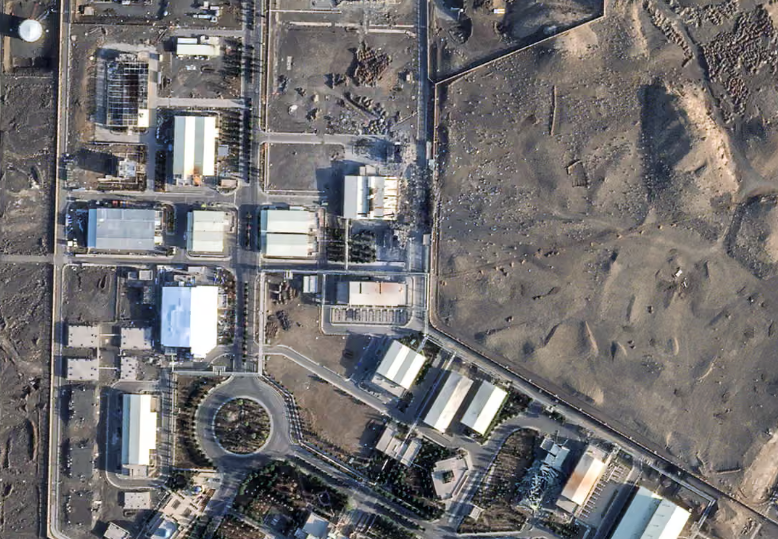 Washington Weighs High-Risk OperationThe administration of Donald Trump is reportedly considering deploying special forces into Iran to secure the country’s stockpile of highly enriched uranium (HEU), according to reports from US and Israeli officials. Experts say Iran currently possesses about 440 kilograms of highly enriched uranium — enough material to produce at least 10 nuclear warheads if further refined to weapons-grade levels. Get the latest headlines in your email Preventing Tehran from developing a nuclear weapon has been one of the central objectives cited by the US president in the ongoing war. US secretary of state Marco Rubio told Congress that the material would need to be physically removed to eliminate the threat. “People are going to have to go and get it,” Rubio said, suggesting that some form of direct intervention may ultimately be required. However, he did not provide details on how such an operation might be conducted. Special Forces Operation Under DiscussionReports indicate that officials in Washington and Israel have discussed the possibility of deploying special forces to seize or secure Iran’s uranium reserves. The mission could potentially involve troops from either or both countries, though no final decision has been announced. Military and nuclear experts say the operation would be extremely complex and dangerous. Retrieving nuclear material inside a hostile country during an active conflict would pose major logistical and security challenges. Facilities containing the uranium are heavily protected and, in some cases, built deep underground to withstand attacks. Uranium Stored in Underground FacilitiesAccording to Rafael Grossi, director general of the International Atomic Energy Agency (IAEA), a significant portion of Iran’s stockpile is stored in underground tunnels. Grossi said inspectors believe around 200 kilograms of highly enriched uranium are located at a nuclear complex near the city of Isfahan. Additional material is believed to be held at another facility in Natanz, one of Iran’s most important nuclear sites. Iran has recently constructed a new deeply fortified complex at Natanz known as Kuh-e Kolang Gaz La, which Western analysts often refer to as “Pickaxe Mountain”. The site is built deep inside a mountain, making it far more difficult to reach through airstrikes or conventional military attacks. High Risks and Strategic ChallengesExperts warn that any attempt to seize the uranium could carry significant risks. Such an operation would likely require troops to enter heavily defended facilities while managing radioactive materials safely. There is also the risk that Iran could attempt to move or hide the uranium if it believes foreign forces are preparing to capture it. In addition, securing and transporting the material out of Iran would require careful handling to avoid environmental or nuclear safety hazards. Analysts say the potential mission highlights how difficult it may be to fully eliminate Iran’s nuclear capabilities through military action alone. Key Objective of the WarThe fate of Iran’s enriched uranium has become one of the most critical strategic questions in the conflict. US officials argue that leaving the material inside Iran could allow the country to rebuild its nuclear programme even if many of its facilities are destroyed. For that reason, removing the stockpile entirely is being discussed as a possible final step to ensure Tehran cannot produce a nuclear weapon. Whether such a high-risk operation will actually take place remains unclear. But the discussions underline the growing urgency surrounding Iran’s nuclear programme as the war continues. Join the discussion? Already a member? Adapted by ASEAN Now · Source · 10.03 20261 point
 -
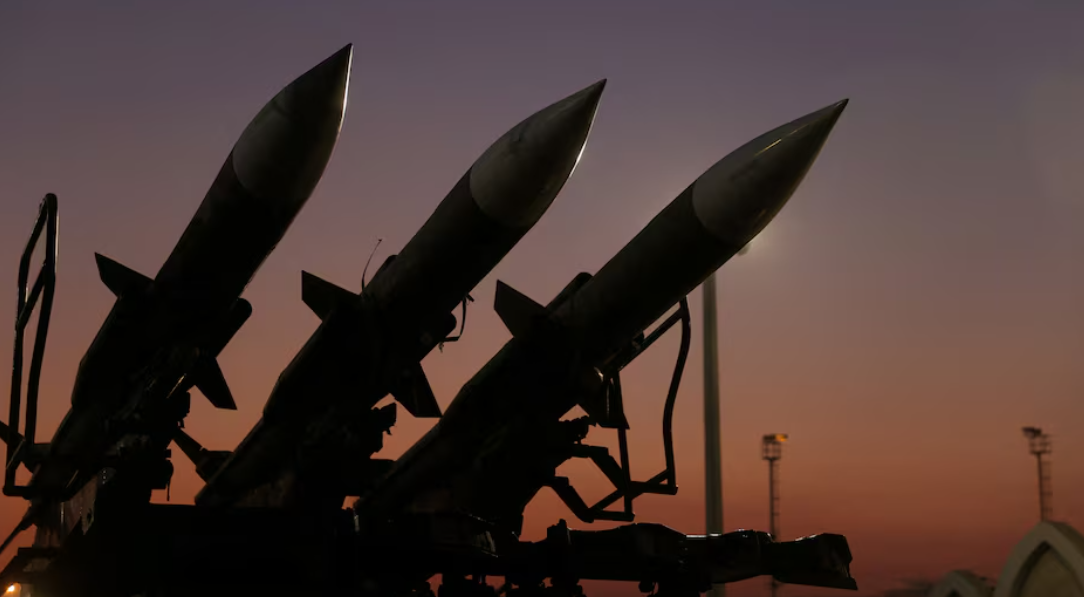 Tehran retaliates against U.S. and Israeli strikes while key partners limit support to diplomacyIran is increasingly isolated as it confronts intense military pressure from the United States and Israel, with longtime partners Russia and China offering little beyond diplomatic criticism and calls for restraint. The war intensified after Iranian Supreme Leader Ali Khamenei was killed in the opening strikes of the conflict. Since then, Tehran has responded by widening the scope of the confrontation, launching missiles and drones at targets across the Middle East and beyond. However, despite years of cooperation and shared opposition to Western influence, neither Vladimir Putin nor Xi Jinping has shown any sign of providing direct military support to Iran. Get the latest headlines in your email Iran expands the battlefieldIn retaliation for the U.S.-Israeli campaign, Iran has targeted military bases, energy infrastructure and strategic facilities across the region. Missile and drone strikes have reached as far as Cyprus, Azerbaijan, Turkey and several Gulf states. The attacks have also rattled global energy markets. Shipping disruptions in the Strait of Hormuz, which carries roughly 20% of the world’s oil supply, have forced tankers to divert or halt voyages altogether. With the route effectively shut down for large parts of commercial traffic, oil prices have surged and major economies are scrambling to secure alternative energy supplies. The growing disruption underscores the global consequences of the war, as energy flows from the Gulf remain critical for markets in Asia, Europe and beyond. Russia prioritises UkraineAnalysts say Moscow’s restrained response reflects a calculated decision to avoid direct confrontation with Washington. Russia has deepened ties with Iran over the past decade, cooperating on military technology, missile systems and regional security issues. But the Kremlin’s priorities remain focused on the ongoing war in Ukraine. “Putin has other priorities, and chief among them is Ukraine,” said Russia analyst Anna Borshchevskaya of the Washington Institute. Direct military involvement in Iran’s war with the United States would carry enormous risks for Moscow while offering little strategic benefit. Some Russian officials also acknowledge that the Middle East conflict is drawing international attention away from Ukraine — an outcome that may indirectly serve Moscow’s interests. Rising oil prices are another advantage. Higher global energy prices strengthen Russia’s war-time economy and increase revenue from its own exports. China’s cautious strategyChina’s response has also been carefully measured. Beijing has criticised the use of force and called for negotiations but has avoided taking steps that could entangle it militarily in the conflict. China has spent years expanding its diplomatic role in the Middle East while building strong economic partnerships across the region. However, its foreign policy generally avoids security commitments far from its core interests. Unlike the United States, whose alliances often include formal defence obligations, China prefers relationships centred on trade, investment and arms sales. This approach allows Beijing to maintain ties with multiple rival states at once — including Iran and its Gulf Arab neighbours — without being drawn into their conflicts. Analysts say the conflict may even offer strategic benefits for China. As U.S. forces focus resources on the Middle East, Beijing gains a clearer view of American military capabilities while avoiding direct involvement. Such insights could prove valuable as China continues to assess potential future conflicts closer to home, particularly around Taiwan and the South China Sea. Energy concerns remain for BeijingChina’s biggest vulnerability in the crisis is its heavy reliance on Middle Eastern energy supplies. About 45% of China’s imported oil passes through the Strait of Hormuz, making disruptions there a major concern for Beijing. However, the country has spent years building strategic petroleum reserves and diversifying suppliers. Experts say China also has significant volumes of Iranian oil already stored in tankers or storage facilities, giving it a short-term buffer against supply interruptions. Diplomacy instead of interventionWith military involvement unlikely, both Moscow and Beijing appear to be positioning themselves as potential diplomatic mediators. Chinese Foreign Minister Wang Yi has held calls with European and Middle Eastern leaders urging dialogue, while President Putin has also spoken with Gulf officials and Iranian representatives. At the same time, Russia appears careful not to tie its long-term strategy to the survival of Iran’s current leadership. Analysts point to Moscow’s approach in Syria as an example. Despite backing former president Bashar al‑Assad for years, Russia quickly adapted when political power shifted in the country, preserving its strategic military bases and regional influence. The same flexible approach may shape Moscow’s thinking toward Iran. For both Russia and China, Iran remains strategically useful as a counterweight to Western influence. But the current conflict highlights the limits of that partnership. As the war escalates, Tehran is discovering that even its closest geopolitical partners may be unwilling to fight on its behalf. Join the discussion? Already a member? Adapted by ASEAN Now · Source · 05.03 20261 point
 -
 A congressional committee has voted to subpoena U.S. Attorney General Pam Bondi to testify about the Justice Department’s handling of files related to convicted sex offender Jeffrey Epstein. The motion was introduced by Republican Representative Nancy Mace, who accused the Justice Department of orchestrating a “cover-up” in its release of investigative materials. The subpoena was approved by the House Oversight Committee with support from five Republicans and all Democrats on the panel. Get the latest headlines in your email “The Epstein case is one of the greatest cover-ups in American history,” Mace wrote on social media. “Three million documents have been released, and we still don’t have the full truth. Videos are missing. Audio is missing. Logs are missing.” Bipartisan frustrationThe Trump administration has faced mounting pressure from lawmakers across the political spectrum to release all remaining documents tied to the Epstein investigation. Although millions of records have been made public, critics argue that millions more remain undisclosed. Last November, Donald Trump signed legislation requiring the Justice Department to release materials from its Epstein investigations. However, the rollout of the documents sparked bipartisan backlash. Some lawmakers accused the department of failing to adequately redact identifying details of victims while shielding the names of individuals who were not victims. The Justice Department has denied wrongdoing, stating that “nothing has been deleted” and that withheld documents were duplicates, privileged materials, or part of ongoing federal investigations. The department did not immediately respond to requests for comment following the committee’s vote. High-profile testimonyThe Oversight Committee has already summoned several prominent figures as part of its inquiry. Last week, former President Bill Clinton and former Secretary of State Hillary Clinton testified before the panel in response to a subpoena. While neither Clinton has been accused of wrongdoing by Epstein’s victims, Bill Clinton’s name appears in investigative files, including photographs, linked to Epstein. The top Democrat on the committee, Representative Robert Garcia, has alleged that the Justice Department is withholding files that include accusations of sexual abuse of a minor involving Trump. Garcia said he personally reviewed documents containing the allegation that have not been made public. The escalating confrontation between Congress and the Justice Department underscores the enduring political and legal fallout from the Epstein case, years after his death in a New York jail in 2019. The committee has not yet announced a date for Bondi’s testimony. Join the discussion? Already a member? Adapted by ASEAN Now · Source · 04.03 20261 point
 -
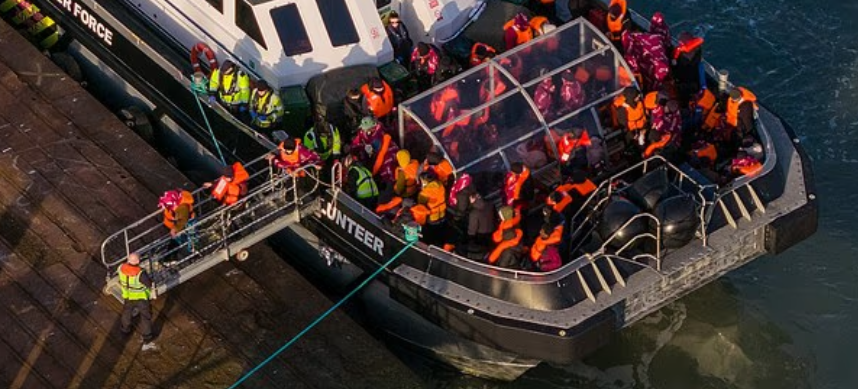 Rapid Migrant Processing Raises Security Concerns in UKMigrants arriving illegally on the UK’s Kent coast are facing minimal security checks, according to an investigation by the Daily Mail. Hundreds of migrants from France have been processed swiftly, sparking worries about the effectiveness of vetting procedures. Get the latest headlines in your email Temporary Relocation to RamsgateThe Home Office recently shifted the migrant arrival port from Dover to Ramsgate, located 20 miles away. This temporary move is said to have created what whistleblowers describe as a "dangerous" gap in security measures. Since February, migrants have been brought to Ramsgate by Border Force vessels including Typhoon, Defender, and Volunteer. They are subsequently transported three miles to the processing centre in Manston. Quick Processing TimesThe investigation found that the time from disembarkation to arrival at Manston is alarmingly short. For instance, on February 9, migrants arrived at Manston just 43 minutes after landing at the port. Other days showed similar processing times, with only brief checks being conducted. Upon arrival, migrants are typically at the port for around 30 minutes. During this time, they hand in lifejackets, receive fresh clothes, and undergo a basic weapons check before being moved to Manston. Processes at ManstonAt Manston, migrants can stay for up to three days. During this time, they undergo fingerprinting, identification checks, and security interviews. However, the interviews may last only 45 minutes. After this, migrants are sent to hotels or Home Office properties across the UK. A whistleblower highlighted issues at Manston, noting that it's not a secure detention facility. Some migrants have reportedly disappeared or been picked up by relatives, as the camp is not designed to detain individuals long-term. Previous Procedures at DoverPreviously, in Dover, strict procedures were in place. Migrants received thorough screenings and were questioned about their identities—a process that could take hours. This was aimed at identifying individuals with criminal records or ties to terrorism. Challenges in Identifying MigrantsThere are significant concerns about the identities of many migrants, who often travel without documentation. Many discard their passports before reaching the UK, which complicates efforts to ascertain their background and intentions. This issue was illustrated when a group arrived via the vessel Ranger, leaving Ramsgate on a coach less than 30 minutes after brief checks, without undergoing security interviews. Government ReactionsShadow Home Secretary Chris Philp has urged the Government to ensure comprehensive checks on migrants. Zia Yusuf, Reform UK's home affairs spokesman, emphasized the necessity of detaining and deporting illegal entrants immediately to maintain public safety. Despite these concerns, the Home Office stated that security-check processes have not been affected by the temporary relocation to Ramsgate. The operations, they claim, continue as usual. Rising NumbersAs of a recent Tuesday, 74 migrants arrived at Ramsgate, taking the year's total to 1,604. Estimates suggest that a single day's arrival of over 400 migrants could push the total number since January 1 to exceed 2,000. Join the discussion? Already a member? Adapted by ASEAN Now · Source · 26 Feb 20261 point
 -
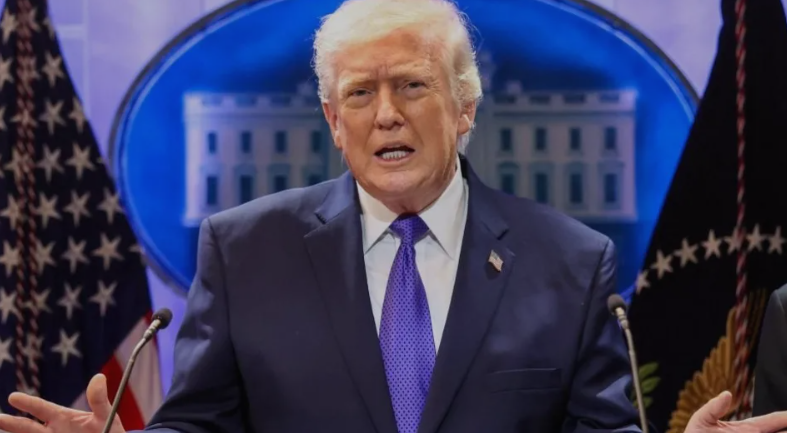 President Donald Trump has issued a stern warning to countries "playing games" with recent trade deals. This follows a Supreme Court decision that blocked many of his previously imposed tariffs. Get the latest headlines in your email In response, countries are reassessing their trade arrangements. The European Union announced the suspension of a deal ratified over the summer, while India postponed talks to finalize a separate agreement. On Truth Social, Trump warned that countries exploiting the ruling might encounter even higher tariffs. The Supreme Court decision overturned his tariffs from the previous year, imposed under the 1977 International Emergency Economic Powers Act, citing that the law did not authorize such measures. Trump reacted by proposing a new 15% global tariff, replacing the initial 10%. This new tariff, set to take effect Tuesday, exempts some products. However, it has left many countries uncertain about deals negotiated following his initial tariff measures. These deals often included lower levies in exchange for promises to facilitate American businesses abroad. The UK is actively seeking clarity on its trade agreement with the US, previously setting tariffs at 10%. UK Business and Trade Secretary Peter Kyle expressed concerns about the current uncertainty and assured that "all options" are being considered to protect UK interests. Bernd Lange, chair of the European Parliament's International Trade Committee, noted the suspension of deal ratification between the US and EU, highlighting increased uncertainty. The White House maintains its stance on trade, leveraging other legal avenues to continue imposing tariffs. Trump employed Section 122 to temporarily impose tariffs without Congressional approval, and launched investigations under Section 301, targeting specific unfair trade practices. These new tariffs will coexist alongside others on items like steel, aluminum, and cars, unaffected by the court ruling. US Trade Representative Jamieson Greer stated that the core of US trade policy remains unchanged, despite shifts in legal mechanisms. The uncertainty has impacted financial markets, leading to a 1% drop in the S&P 500. This is partly due to the ongoing trade uncertainty, which analysts expect to persist. The 15% tariffs are scheduled to expire after 150 days unless extended by Congress. However, Senate Democratic leader Chuck Schumer has pledged to oppose any efforts to extend them. Schumer criticized Trump's economic strategies as detrimental. Despite this, Trump maintains that congressional approval is not required for tariff implementation, asserting his authority to continue his trade agenda. Join the discussion? Already a member? Adapted by ASEAN Now · Source · 23 Feb 20261 point
 -
 Farah, a 21-year-old gay woman from Morocco, found herself back in hiding after being deported by the US to Cameroon, where homosexuality is illegal. Violence from her family forced her to flee Morocco initially. Although a US immigration judge granted her protection, Farah was deported under the Trump administration’s third-country deportation policy. Get the latest headlines in your email This policy aims to pressure undocumented migrants to leave the US and includes deporting individuals to countries they have never visited. Farah faced this situation despite her legal protection, raising concerns about due process and international law violations. Farah recounted how she and her partner first escaped Morocco for Brazil with the hope of reaching the US. They journeyed through six countries, seeking asylum at the US border. However, just days before a scheduled hearing, Immigration and Customs Enforcement (ICE) suddenly deported her to Cameroon, where she was detained alongside other non-Cameroonian deportees. Critics argue these deportations violate legal rights. Alma David, an immigration lawyer, highlighted that deportees were not clearly informed of their rights or options. The International Organization for Migration (IOM) has been accused of not providing sufficient alternatives for those deported. The US has agreements with countries such as Cameroon, Ghana, and Rwanda, offering financial incentives to accept third-country deportees. Reports indicate that the Trump administration spent $40 million to deport approximately 300 migrants under these agreements. After returning to Morocco, Farah lives in fear of being discovered by her family. She expressed frustration at being seen as a threat, emphasizing the significant contributions of immigrants to the US. Despite her ordeal, she remains hopeful for a better future. Farah’s story highlights a complex immigration issue, drawing attention to the challenges faced by asylum seekers under current policies. Join the discussion? Already a member? Adapted by ASEAN Now · Source · 22 Feb 20261 point
 -
 Banks plan alternative to US-based Visa, Mastercard systemsUK bank chiefs are set to meet and establish a UK-wide alternative to Visa and Mastercard. The meeting, chaired by Barclays’ UK chief executive, Vim Maru, is scheduled for Thursday, gathering City funders to finance a new payments company. The aim is to safeguard the UK economy from potential issues arising from dependencies on US-owned systems. Get the latest headlines in your email Historically discussed but never implemented, the initiative gained urgency following Trump’s recent NATO tensions. About 95% of UK transactions rely on Visa and Mastercard, heightening the stakes as cash becomes obsolete. An executive told the Guardian that severing ties with Visa and Mastercard could regress the UK back to a cash-dependent era, analogous to the 1950s. The situation in Russia, where sanctions led to reliance on these companies being compromised, highlights the possible disruption. European concerns echo similar sentiments, with EU politicians advocating for homegrown payment networks. A viral statement from Aurore Lalucq highlighted the risks of depending on US infrastructure, urging for a European alternative akin to Airbus. While the UK takes a less combative approach, Visa and Mastercard are involved in the initiative. Joining a consortium with Santander UK, NatWest, and others, they aim for a cooperative effort rather than unilateral action. UK officials emphasize the need for stronger backup systems rather than directly addressing US threats. Bank of England’s Sarah Breeden noted that additional payment systems could offer resilience amid growing cyber risks. Joe Garner, who previously advised on national payment strategies, underscored the necessity of this development regardless of political events. He asserted the idea was crucial both then and now. City funders are tasked with shaping legal structures and leadership for "DeliveryCo," while the Bank of England crafts infrastructure plans, slated for next year. The system is expected to launch by 2030. Visa expressed support for innovation and competition, aiming to ensure reliable, secure payment solutions. Mastercard reiterated its long-standing investment in the UK, highlighting its role in fostering commerce both locally and globally. While UK Finance declined comment, the Treasury was contacted, and the Bank of England refrained from commenting. Key Takeaways UK banks plan a new payment system amid geopolitical concerns. Visa and Mastercard are participating in the development initiative. New system aims to be operational by 2030 to enhance economic security. Join the discussion? Already a member? Adapted by ASEAN Now · Source · 16 Feb 20261 point
 -
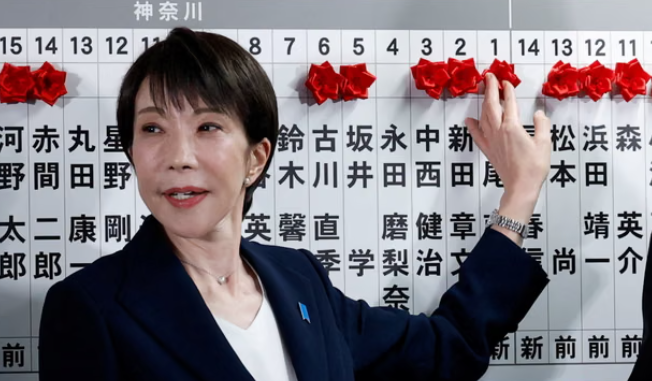 PM Sanae Takaichi achieves a commanding mandateJapan's political landscape has shifted dramatically. A landslide win in Sunday's elections has solidified Prime Minister Sanae Takaichi's power, as her coalition captures a supermajority in the lower house. Takaichi's Liberal Democratic Party (LDP) exceeded expectations by securing up to 328 of 465 seats. Coupled with the Japan Innovation Party, her coalition now holds a two-thirds majority, allowing them to bypass the upper house's influence. At the LDP headquarters, Takaichi was all smiles, marking each victory with a red ribbon amidst applause. This triumph is a seal of approval on her leadership since becoming Japan's first female prime minister. However, Takaichi's victory is just the beginning. Her handling of Japan's fiscal state and tensions with China over Taiwan remain under scrutiny. Her ambitious 21 trillion yen stimulus aims to tackle living costs, while her proposal to cut the sales tax on food has stirred market concerns. Japan is dealing with immense public debt, twice its GDP. Financial markets are wary, and the yen faces volatility. Takaichi reaffirms her commitment to resilient economic policies, stressing the balance of public and private investment. Takaichi’s diplomatic debut has been a trial by fire, with meetings alongside Trump and Xi Jinping. Her strong stance on Taiwan has irked Beijing, causing a halt in cultural exchanges. Yet, domestically, her firm posture is gaining support. President Trump praised Takaichi, lauding her dedication to a "Conservative, Peace Through Strength Agenda." Margarita Estévez-Abe, a politics expert, suggests Takaichi's win provides a chance to mend Sino-Japanese relations, with no immediate elections until 2028. Yet, the proposed tax cuts could quickly upset markets. Braving mid-winter conditions, voters turned out to support Takaichi. Snowstorms battered regions, but determined voters saw it through, albeit impacting turnout rates. Personal popularity has reversed the LDP’s fortunes, steering away from past scandals under previous leadership. Meanwhile, a fragmented opposition failed to present a formidable challenge, sinking further in the polls. Key Takeaways Takaichi's coalition secures a supermajority win. Her tax and fiscal plans provoke market caution. Tensions with China remain a key issue. Adapted by ASEAN Now from Source 2026-02.081 point
 -
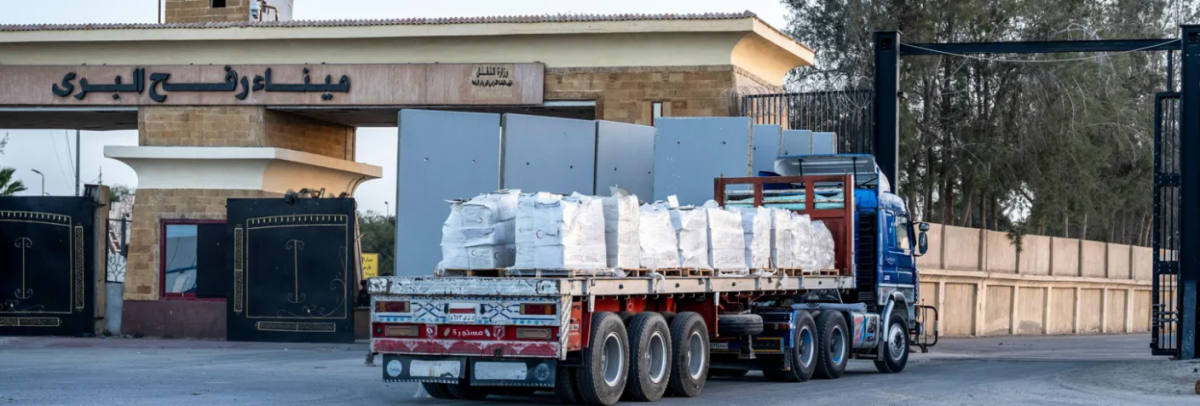 Gaza's key crossing with Egypt finally openThrilling news as the Rafah border crossing between Gaza and Egypt has swung open! After being mainly shut since May 2024, Palestinians can now cross this vital passage, seized by Israeli forces during intense conflict. This reopening marks a crucial part of US President Donald Trump's ceasefire plan between Israel and Hamas, initiated last October. Yet, crossing numbers stay tight. Just dozens each day will move in both directions. Shockingly, humanitarian aid and commercial goods are still blocked. For the 20,000 sick and wounded waiting in Gaza, the chance for treatment is sorely needed. Israeli reports reveal a tight grip on the crossing. Only 50 patients—with two relatives each—can exit daily. Meanwhile, 50 of the thousands who escaped during the war might return. The World Health Organization steps in, overseeing patient transfers from Hamas-controlled areas through Israeli military zones. They’ll manage bus transport to Rafah, under Israel's strict security oversight. Israeli Defence Minister Israel Katz made it clear: crossing the Yellow Line, marking Israeli territory, will be met with fierce resistance. So, tread carefully. This reopening has EU supervisors teaming up with local Palestinian staff to run operations, while Israel conducts remote checks. Trials kicked off successfully last Sunday. A Palestinian official disclosed that 30 staff made it to the Egyptian side, getting ready for full operations. Trump's elaborate 20-point peace proposal indicates that reactivating Rafah mirrors mechanisms from a previous ceasefire deal. Once Gaza's main exit, Rafah was critical for Palestinians during hostilities and essential for aid delivery before Israel took control in 2024. In December, Israel agreed Rafah should open. Yet, Egypt demanded two-way movement, allowing those who fled to come back. Delays occurred afterward, hinged on Hamas producing the body of the last dead Israeli hostage. Recently, Israel found Master Sgt Ran Gvili's remains, a victim of the infamous October 7th Hamas attack, which saw Israel retaliate fiercely. Gaza's Hamas health ministry reports the offensive led to over 71,790 Palestinian deaths. Key Takeaways Rafah crossing now open for movement. Limited crossings for people, not goods. WHO monitors patient transfers. Adapted by ASEAN Now from Source 2026-02.021 point
 -
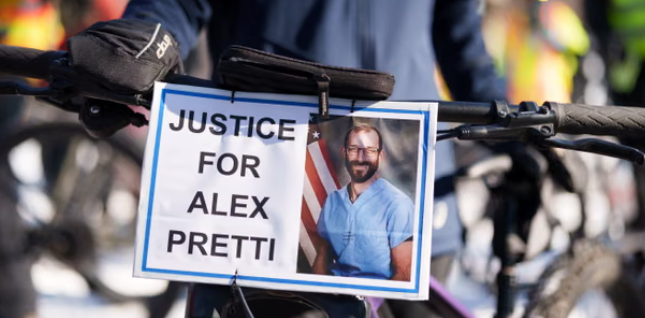 Shocking Twist in Minneapolis TragedyTwo federal agents have been named in the fatal shooting of Alex Pretti in Minneapolis. ProPublica reports that government documents identify the shooters as Jesus Ochoa, a border patrol agent, and Raymundo Gutierrez, an officer with Customs and Border Protection (CBP). The tragic confrontation unfolded last weekend, leaving Pretti dead and igniting a firestorm of protests. Calls for criminal investigations into federal immigration actions have surged. The Trump administration's false claims about the incident have added fuel to the fire. Both agents were involved in Operation Metro Surge, a sweeping immigration enforcement drive launched in December. Armed, masked agents, including Ochoa and Gutierrez, were part of a citywide operation in Minneapolis. Despite public outcry, CBP has refused to release the agents' names or further details. The agency’s silence has only intensified scrutiny, especially since this occurred days after another agent shot a protester, Renee Good. The secrecy around Pretti's death highlights the contentious debate over Trump’s immigration policies. Lawmakers across the aisle are now demanding transparency. They’re pushing for a thorough investigation into Pretti's killing. At 37, Pretti was an ICU nurse at a Veterans Affairs hospital, a fact that adds to the tragedy. This week, CBP informed select Congress members that two agents fired Glock pistols in the incident. However, the agents' names were omitted. The Department of Homeland Security, overseeing CBP, disclosed that Ochoa and Gutierrez are on leave. Public protests and increasing lawmaker pressure have resulted in the justice department launching a civil rights investigation. Records reveal Ochoa started with CBP in 2018, while Gutierrez joined in 2014. Gutierrez is part of a special response team for high-stakes operations. Both hail from south Texas, trained for challenging missions. Key Takeaways Two agents identified in Pretti’s shooting. CBP maintains silence, drawing criticism. Justice department opens civil rights probe. Adapted by ASEAN Now from Source 2026-02.011 point
 -
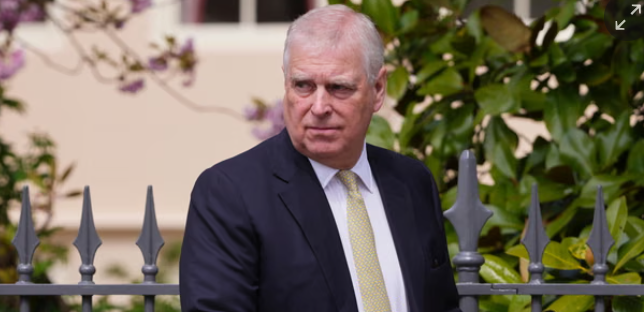 Keir Starmer demands Andrew face Congress over Epstein tiesIn a bold move, Prime Minister Keir Starmer has called for Andrew Mountbatten-Windsor to testify before the US Congress. This demand follows the release of damning files involving the late Jeffrey Epstein, a convicted sex offender. Mountbatten-Windsor, stripped of his royal titles last year, is tangled in this web of disgrace. While in Japan, Starmer faced questions from journalists. Should Andrew apologise to Epstein’s victims and disclose what he knows? The files released depict Andrew in compromising situations, including an unsettling photograph. These documents also link him to a 2010 invitation extended to Epstein for a visit to Buckingham Palace, two years after Epstein’s conviction. Last year, the US oversight committee sought Andrew’s deposition during its investigation into Epstein's case. Suhas Subramanyam criticised him, saying Andrew has been “hiding” from meaningful probes into the matter. Starmer was emphatic: “Epstein's victims must be our top priority. An apology? Up to Andrew. But testifying is essential. Anyone with information should share it.” The released documents paint a damning picture. Epstein offered to arrange a meeting for Andrew with a “clever, beautiful and trustworthy” Russian woman. Andrew was “delighted” at the prospect. He later walked with Epstein in Central Park, despite claiming his US trip was meant to sever ties following Epstein's conviction. Hollywood publicist Peggy Siegal reportedly organised a glitzy dinner in Andrew’s honour at Epstein’s residence during that New York visit. The guest list was star-studded, featuring Woody Allen and George Stephanopoulos. Meanwhile, Andrew allegedly continued sharing personal family photos with Epstein. Last year saw Andrew reaching a staggering £12 million settlement with Virginia Giuffre, who accused him of sexual misconduct. Despite the settlement, Andrew denied any wrongdoing, maintaining his innocence. Still, royal circles turned their backs on him and his ex-wife, Sarah Ferguson. The latter had once called Epstein “the brother [she] always wished for,” even accepting £15,000 from him to clear debts. Jeffrey Epstein died by suicide in 2019 while awaiting trial for fresh charges. Meanwhile, Ghislaine Maxwell, connected in this labyrinth of scandal, serves a 20-year sentence. Among the files, an email surfaces from Andrew to Maxwell dating back to 2005, embodying a close relationship. These revelations cause ripples beyond Andrew. Files indicate that Epstein financially assisted the husband of Labour peer Peter Mandelson. A £10,000 payment allegedly supported an osteopathy course. Key Takeaways Starmer urges Andrew to testify in US Congress. Andrew linked to more damning Epstein documents. £12 million settlement paid, innocence maintained. Adapted by ASEAN Now from Source 2026-02.011 point
 -
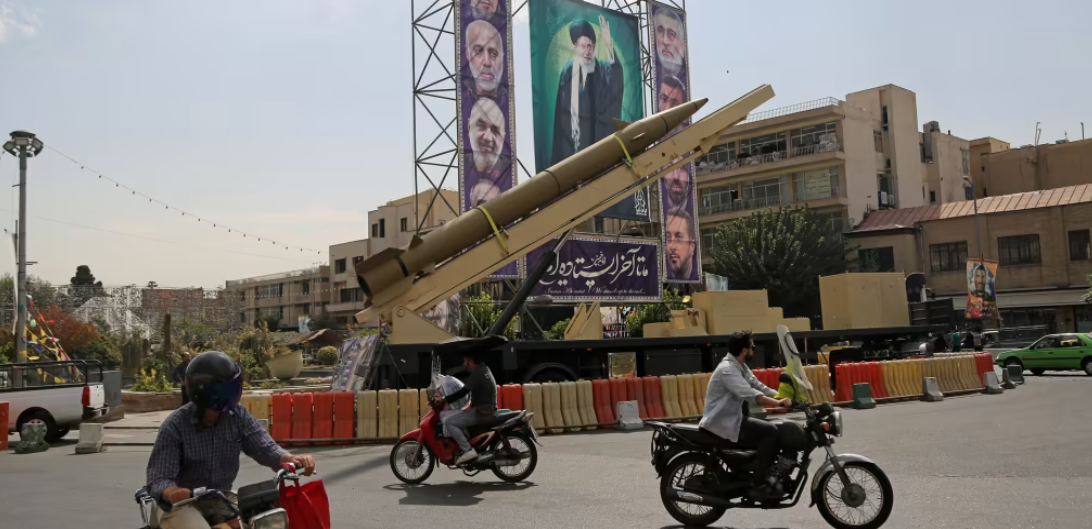 As President Trump escalates tensions with Iran! US carrier groups swarm the Middle East, and now Tehran's ready to unleash its wrath. Despite facing hits from Israel and homegrown unrest, Iran's grip on the region remains ironclad. Experts warn of a volatile riposte—a powder keg waiting to ignite! Iran has spent decades honing its military prowess, anticipating an American confrontation. Although it's outgunned, Tehran's focused on exacting a hefty toll. Think missile barrages, proxy mobilizations, and economic upheaval that could rattle markets globally. The question is: How will Iran wield its arsenal? Farzin Nadimi from the Washington Institute offers insight: "If Iran sees an existential threat, they'll throw everything they've got." Iran's missile capabilities are staggering—thousands of ballistic artifacts aimed at US bases and Israel. The June exchange with Israel was a grim preview, where waves of missiles ravaged defenses. Despite a drained stockpile, Iran is rebuilding furiously. Even aging jets pose a threat, with short to long-range missiles poised to reach far-flung targets. "We have 30,000–40,000 American troops within Iran's missile range," cautions US Secretary of State Marco Rubio. The reality? Iran’s military might complicates any decisive US offensive. But it doesn't stop there. Iran's network of allies is stirring too. Iraq’s militias and Lebanon's Hezbollah pledge allegiance in the event of an attack. Kataeb Hezbollah's leader calls for global loyalists to rally. The Houthis in Yemen remain defiant, hinting at fiery support for Iran. Yet, challenges loom. Hezbollah faces disarmament, and Iraqi militias grapple with government restraints. The Houthis, though battered, remain fierce, disrupting adversaries across the region. On the economic front, Iran's trump card—the Strait of Hormuz—is a ticking time bomb. This vital oil artery could choke global trade if Iran shifts to drastic measures. Closing the strait threatens global economic tremors, with energy prices skyrocketing. Even brief disruptions risk triggering a worldwide recession. Energy expert Umud Shokri highlights the danger: "Partial strait disruptions could spike prices and inflate costs globally." Iran’s naval prowess underpins this threat, with fleets and submarines lying in wait. Recalling past skirmishes, Tehran’s ability to menace shipping lanes isn’t new. Sea mines in the '80s and the 2019 tanker attacks echo Iran's maritime menace. Ominously, this very scenario could mark the flashpoint for war. Nadimi warns: The "next war might start… in the Strait of Hormuz." Tehran’s specter might soon loom over the world's oil veins, turning simmering tensions into full-blown conflict. Key Takeaways: Iran’s missile stock and allies are primed for a potent retaliation. The Strait of Hormuz is Tehran’s trump card, threatening global markets. Historical precedents loom, with Iran’s naval menace sparking fears anew. Adapted by ASEAN Now from Source 2026-01-291 point
 -
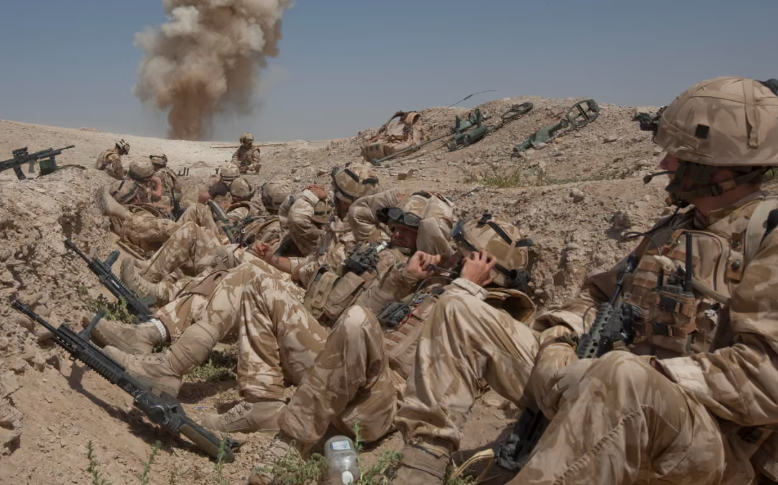 In a dramatic confrontation, Prime Minister Keir Starmer has fiercely criticized Donald Trump for his "insulting and frankly appalling" comments regarding British troops' involvement in Afghanistan. The former US President's unfounded claims that British and NATO soldiers avoided frontlines have ignited a firestorm of outrage among veterans and grieving families alike. The diplomatic spat escalates already tense relations with the US, following Trump's derogatory remarks earlier about the UK's decision to return the Chagos Islands to Mauritius. Starmer's sharp response underscores the deepening fault lines between the two nations, fueled by Trump's assertion that British troops lacked gratitude for US support, a claim seen by many as an affront to the heroic sacrifices made by soldiers. Starmer, speaking passionately, paid tribute to the 457 British service members who lost their lives in Afghanistan, describing their sacrifices as noble and worthy of the highest respect. His remarks highlight the sacrifices and injuries suffered by those on the frontlines, directly countering Trump's controversial claims. The Prime Minister emphasized the significance of the UK's "very close" alliance with the United States, despite the contentious comments. "Canada doesn’t live because of the United States. Canada thrives because we are Canadian. We are masters of our home," he stated, aiming to affirm the nation's independent strength and reiterating solidarity with American allies. Opposition figures from across the political spectrum were quick to denounce Trump's remarks. Conservative leader Kemi Badenoch labeled Trump’s statements as "flat-out nonsense," while Nigel Farage, leader of Reform UK, strongly sided with Starmer, calling Trump's views "wrong" and highlighting the bravery of British soldiers who served alongside American forces for two decades. Notably, the Liberal Democrats have called on Starmer to summon the US ambassador to address this affront to British troops, with leader Ed Davey condemning Trump's avoidance of military service during Vietnam and demanding a retraction of his offensive comments. "How dare he question their sacrifice," Davey exclaimed, urging others to stop idolizing Trump’s rhetoric. Defense Secretary John Healey further reinforced the narrative of camaraderie and sacrifice, reminding the public of the shared values that led to fighting side by side with US troops. “These heroes must be remembered for who they were: individuals willing to sacrifice everything for our nation," he declared, saluting their courage and dedication. Adding a personal touch, Prince Harry stepped into the fray with poignant reflections on his own tours in Afghanistan. Emphasizing the life-altering impact of the war, he urged that the sacrifices of soldiers "deserve to be spoken about truthfully and with respect." His comments resonated deeply, spotlighting the emotional scars carried by those who served. As tensions simmer, the lack of direct communication between Downing Street and Trump underscores the ongoing diplomatic dance. Yet, the implications of his divisive remarks continue to reverberate, calling into question the integrity of military alliances and the treatment of veterans. Key Takeaways: Starmer takes a stand against Trump’s "appalling" troop comments, demanding respect and recognition for soldiers. A wave of bipartisan outrage against Trump's claims underscores solidarity and respect for military sacrifices. Prince Harry offers a heartfelt reminder of the deep sacrifices made by troops, urging for truth and honor in their remembrance. Adapted by ASEAN Now from source 2026-01-231 point
 -
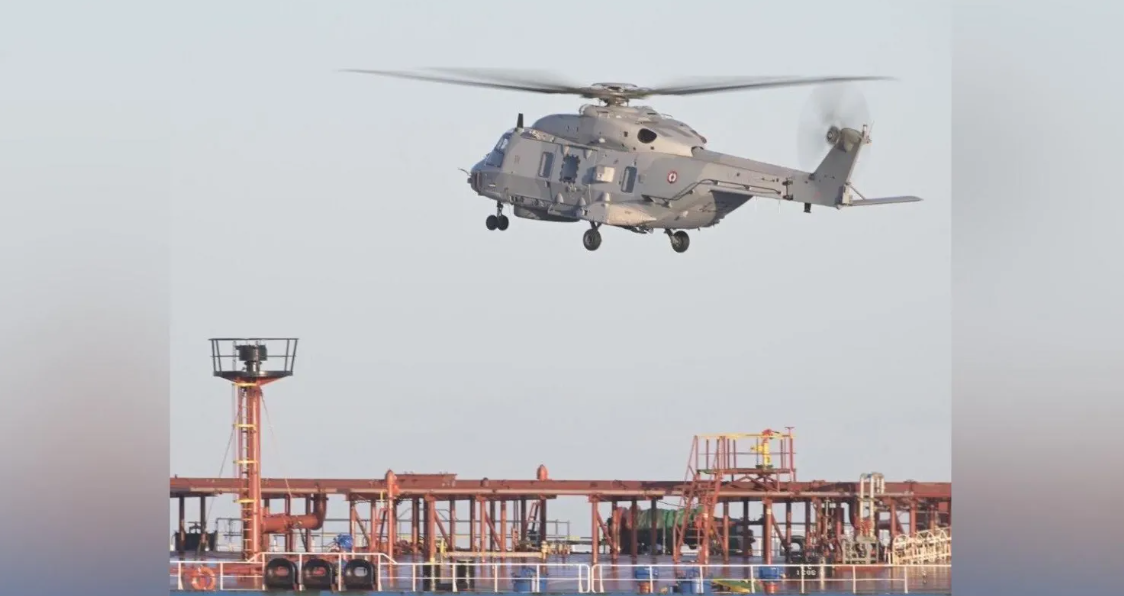 A shockwave hit the Mediterranean as France seized a Russian-linked oil tanker, "The Grinch," accused of slipping through international sanctions. This bold move aims to dismantle Russia's notorious "shadow fleet." In a high-seas drama, the French navy, backed by UK forces, pounced on the vessel. French President Emmanuel Macron revealed it was suspected of flying a false flag, confirming fears of illicit activity. The Grinch's arrest unveiled Moscow's covert network, used to dodge sanctions with old, obscurely-owned tankers. It was making waves from Murmansk under a suspicious Comoros flag. Caught off-guard, Russia's embassy in Paris claimed they weren't informed. Meanwhile, Macron tweeted France's commitment to enforcing international law while slamming the "shadow fleet" for funding aggression against Ukraine. UK Defence Secretary John Healy didn’t mince words. Praising the UK navy's role in tracking the ship, he vowed increased efforts to suffocate Putin’s war finances. Ukrainian President Zelensky applauded the crackdown. He urged for more decisive actions from Europe, questioning if the seized oil could be sold to aid Ukraine. Western nations rallied against Russian energy post-Ukraine invasion in 2022. British forces recently teamed up with the US to seize another Russian vessel in the Atlantic, escalating tensions with Moscow. This isn’t France’s first rodeo. Last October, they seized a sanctioned tanker, Boracay, underscoring how shadow fleets dodge sanctions for countries like Venezuela, Iran, and Russia. Fueling the drama, experts state one in five tankers aid this shadowy trade. A financial thriller is unfolding on the high seas. Key Takeaways: France seizes the Grinch in a daring operation against Russia's evasive tactics. Experts reveal one in five tankers help smuggle sanctioned oil! Zelensky demands Europe amp up their action against Russian aggression. Adapted by ASEAN Now from BBC 026-01-221 point
 -
 Despite criticisms about potential spying risks, the UK has approved China's plan for a massive new embassy in central London. Security Minister Dan Jarvis asserted that intelligence agencies played a significant role in the assessment, and he received assurances of effective risk management. The government has repeatedly delayed the approval, attempting to strike a balance between closer ties with Beijing and security concerns. Housing Secretary Steve Reed granted approval, subject to certain conditions. The embassy will be located at the Royal Mint Court, near sensitive fibre optic cables, which raises fears of possible infiltration of the UK’s financial system. However, the housing department stated there’s no evidence to suggest the embassy's presence would disrupt the cables, and no objections were raised by national security bodies. Dan Jarvis highlighted measures to boost cable resilience and cited national security benefits by consolidating China's diplomatic sites into one. Leaders from MI5 and GCHQ acknowledged that they cannot eliminate risks, but they have implemented a "proportionate" security package. Conditions include starting development within three years and establishing a local steering group to handle protests. The project has faced opposition from various parties. Conservatives, including Priti Patel, have criticised Keir Starmer for compromising national security, while Liberal Democrats warned of increased surveillance and threats to data security. Reform UK has labelled the decision a desperate attempt to appease China. Embassies hold diplomatic significance, serving as the primary communication channel between nations. At 20,000 square metres, the new Chinese embassy will be Europe's largest of its kind and a priority for Beijing, having purchased the site for £255 million in 2018. The government intervened in 2022, overturning the initial rejection due to safety concerns. Despite the potential advancement of UK-China diplomatic relations, the UK's own plans for redeveloping its Beijing embassy remain under consideration. Critics advocate for caution due to potential espionage and China's influence on dissidents abroad, despite Labor’s efforts for tighter trade alliances, as demonstrated by senior figures visiting China lately, reported the BBC. Key Takeaways The UK has approved China's embassy plans despite security worries. National security chiefs agree on mitigation steps for potential risks. Critics warn the move might enhance China's surveillance in the UK. Related Story: UK Poised to Green-Light Chinese Embassy Plans Amid Controversy Adapted by ASEAN Now from BBC 2026-01-211 point



This leaderboard is set to Bangkok/GMT+07:00