



Leaderboard
There are no members to show
Popular Content
Showing content with the highest reputation since 03/23/2026 in Articles
-
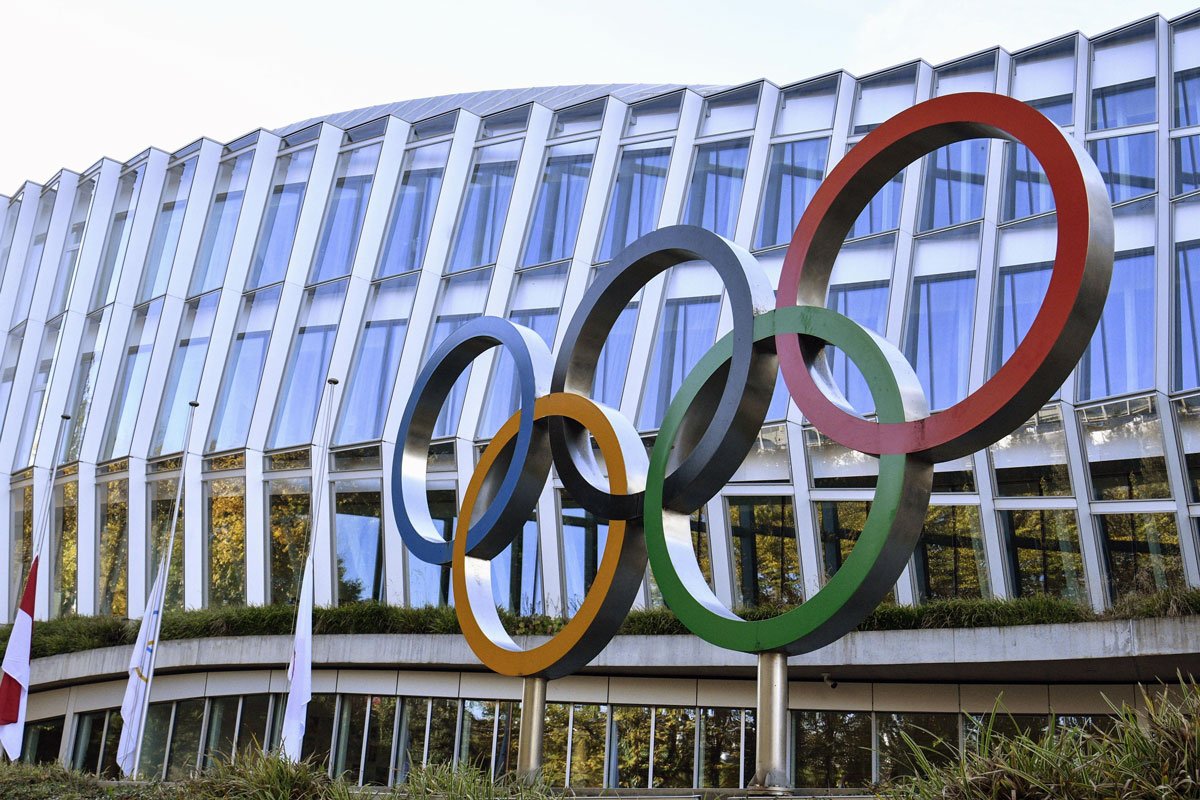 The International Olympic Committee has barred transgender women from competing in women’s events at the Olympic Games under a new eligibility policy adopted Thursday. The rule limits participation in female categories at Olympic competitions to biological females. The policy will apply to all IOC events, including both individual and team sports. IOC adopts new eligibility ruleUnder the framework, athletes competing in women’s categories must undergo a gene test once during their career to determine eligibility. The screening looks for the SRY gene, a DNA segment typically found on the Y chromosome and associated with male sex development before birth. The IOC said the change aims to “protect fairness, safety and integrity” in women’s sport. Policy ahead of Los Angeles OlympicsThe rule will take effect for the 2028 Summer Olympics in Los Angeles. IOC President Kirsty Coventry said the policy reflects the narrow margins that determine results at elite competition. She said the organisation concluded it would not be fair for athletes born male to compete in female Olympic categories. Coventry, a two-time Olympic swimming champion, launched a review on protecting the female category shortly after taking office. The IOC had previously allowed international sports federations to set their own rules on transgender participation. Several governing bodies had already introduced restrictions in recent years. Before the 2024 Summer Olympics in Paris, federations overseeing athletics, swimming and cycling had barred transgender women who had undergone male puberty from women’s events. Debate over eligibility and biologyThe IOC document states that people born male experience several testosterone surges during development, including in the womb, early infancy and adolescence. According to the organisation’s research, these differences create physical advantages in sports involving strength, endurance or power. The document estimates male performance advantages of about 10–12% in many running and swimming events and more than 20% in throwing and jumping disciplines. In explosive power activities such as punching sports, the difference can be significantly higher, the report said. The gene test approved by the IOC may involve saliva samples, cheek swabs or blood tests and is intended to provide what the organisation described as the most accurate and least intrusive method currently available. The policy does not apply retroactively and does not affect grassroots or recreational sports programmes. Impact on athletes and reactionsIt remains unclear how many transgender women compete at the Olympic level. No athlete who transitioned from male competed in the women’s category at the Paris Games. The most prominent example was Laurel Hubbard of New Zealand, who competed in weightlifting at the 2020 Summer Olympics in Tokyo but did not win a medal. The policy also affects athletes with differences in sex development (DSD), including South African runner Caster Semenya, whose long-running legal challenge to eligibility rules reached the European Court of Human Rights. The issue has been widely debated in international sport and was also addressed politically in the United States. Donald Trump signed an executive order titled “Keeping Men Out of Women’s Sports,” which threatened funding cuts for organisations allowing transgender athletes in women’s competitions. The IOC decision is likely to face criticism from human rights advocates and activist groups concerned about mandatory gender screening. Join the discussion? Already a member? Adapted by ASEAN Now. Source 27 March 20265 points
 -
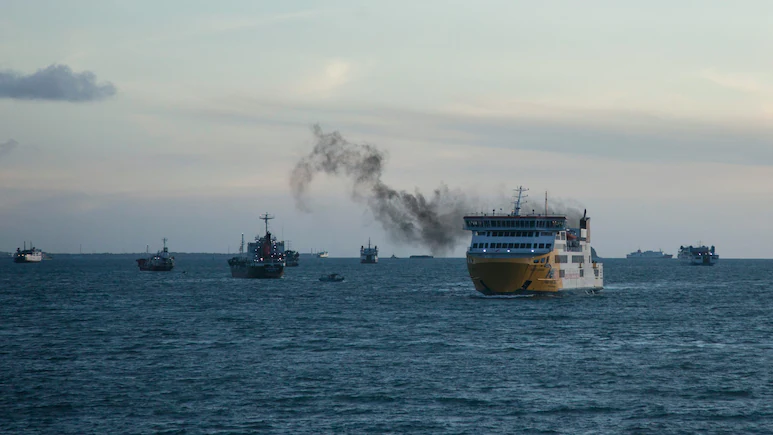 Iran has indicated that only “non-hostile” vessels will be allowed to pass through the strategically critical Strait of Hormuz, according to a report citing a communication to international shipping authorities. Get today's headlines by email In a letter circulated to members of the International Maritime Organization (IMO), Iran’s foreign ministry said ships could continue transiting the waterway if they coordinated with Iranian authorities and were not linked to countries it considers hostile. Conditions Set for TransitThe communication reportedly stated that vessels associated with the United States, Israel or other parties involved in military actions against Iran would not qualify for what it described as “innocent” or “non-hostile” passage. The report, first published by the Financial Times, has not been independently verified. Impact on Global Energy SupplyThe Strait of Hormuz is a vital route for global energy shipments, with roughly one-fifth of the world’s oil and liquefied natural gas typically passing through the narrow channel. Since the escalation of conflict involving Iran, shipping traffic through the strait has been severely disrupted, contributing to volatility in global energy markets and concerns over supply shortages. Iran said its actions were “necessary and proportionate” measures aimed at preventing adversaries from using the route to support military operations. Strategic and Legal ImplicationsThe restrictions outlined by Tehran could have significant implications for international shipping and maritime law, particularly regarding the principle of free navigation through key waterways. The International Maritime Organization, based in London, oversees global maritime safety and security and includes 176 member states. Its role may become increasingly important as tensions affect shipping routes. Ongoing TensionsThe announcement comes amid heightened regional tensions following recent military strikes and retaliatory actions involving Iran and its adversaries. With access to the Strait of Hormuz now uncertain for some vessels, the situation remains fluid, and further developments could have far-reaching consequences for global trade and energy markets. Join the discussion? Already a member? Adapted by ASEAN Now. Source 25 March 20262 points
 -
 European allies say Russia is providing more direct support to Iran than the United States has publicly acknowledged, according to diplomatic sources. Get today's headlines by email Officials from several European countries have privately and publicly told American counterparts that Moscow is materially assisting Iran’s military activities. They argue the conflict involving Iran is increasingly linked to the war in Ukraine, pointing to growing cooperation between Moscow and Tehran. Europe warns of deeper Russia–Iran cooperationA British official said defence ties between the two countries have expanded significantly in recent years. According to the United Kingdom’s assessment, Iran supplied Shahed drones to Russia for use in Ukraine and also transferred production expertise. The official said this exchange has contributed to advances in Iran’s drone warfare capabilities, although they could not confirm any recent transfer of hardware from Russia to Iran. France and Ukraine raise intelligence concernsJean-Noël Barrot, foreign minister of France, described the relationship between Moscow and Tehran as “two-way cooperation”. He said there are reasons to believe Russia is now supporting Iran’s military efforts, particularly operations that could target American interests. Volodymyr Zelenskyy, president of Ukraine, said Kyiv possesses what he described as “irrefutable evidence” that Russia is supplying signals and electronic intelligence to Iran. According to Zelenskyy, intelligence briefings indicated Russian satellites photographed several facilities linked to the United States and its allies across the Middle East. Locations cited included the joint US–UK military base on Diego Garcia as well as sites in Kuwait, Saudi Arabia, Turkey and Qatar. Zelenskyy made the remarks while visiting the United Arab Emirates, where he has promoted Ukrainian anti-drone technology to Gulf states concerned about Iranian attacks. Washington plays down impactSenior US officials have taken a more cautious public stance on the extent of cooperation between Russia and Iran. Marco Rubio, the US secretary of state, said Moscow’s actions were not affecting American military operations. “There is nothing Russia is doing for Iran that is impeding or affecting our operation or its effectiveness,” Rubio told reporters following a meeting of the Group of Seven countries. However, other Western officials have taken a stronger view. Kaja Kallas, the European Union’s top diplomat, said Russia is providing intelligence support that could help Iran target American personnel. She told G7 leaders that Moscow was helping Tehran gather intelligence and providing drone-related assistance. Broader security concerns among alliesJohn Healey, the UK defence secretary, told the BBC News he believed the “hidden hand” of Vladimir Putin could be seen behind Iran’s military activities. US defence secretary Pete Hegseth said the administration of Donald Trump was closely monitoring contacts between the countries. A recent assessment from the Office of the Director of National Intelligence said there is “selective cooperation” among Russia, Iran, China and North Korea. The report said the countries share a goal of countering US influence but stopped short of describing their relationship as a full alliance. Meanwhile, demand is increasing among Israel, Gulf states and Ukraine for US-made missile interceptors used to defend against incoming attacks. Rubio said current transfers of defensive equipment to Ukraine had not yet been affected by rising demand in the Middle East, although he acknowledged the United States could redirect weapons in the future if necessary. Join the discussion? Already a member? Adapted by ASEAN Now. Source 29 March 20261 point
 -
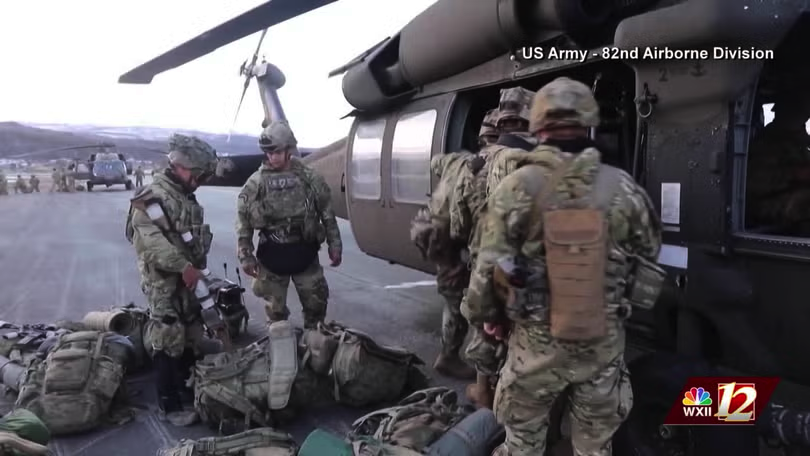 Donald Trump has approved the deployment of troops from the 82nd Airborne Division to the Middle East, according to US media reports, as tensions continue between Washington and Iran. Get today's headlines by email The decision places a contingent of elite US forces on high alert, with deployment expected potentially within hours. Officials cited in reports said the force would likely include a battalion from the 1st Brigade Combat Team, alongside Major General Brandon Tegtmeier, the division’s commander, and supporting staff. Rapid response forces on standbyBased at Fort Bragg, the 82nd Airborne Division is designed for rapid global response. The unit states it can deploy within 18 hours of receiving orders and specialises in parachute assaults and securing strategic objectives ahead of larger military operations. The move comes amid ongoing US engagement with Iran, although no specific timeline for troop movement has been confirmed. History of overseas deploymentsThe 82nd Airborne has played a central role in several major US military operations over recent decades. These include the Gulf War, Operation Enduring Freedom and Operation Iraqi Freedom, as well as missions in Afghanistan under Operation Freedom’s Sentinel. Its rapid deployment capability has made it one of the US military’s most frequently mobilised units during international crises. Personal impact on military familiesFormer soldiers say such deployments often come with little warning. Retired serviceman Marquis Johnson, who previously served in the division, described the experience as fast-moving and unpredictable. “Within 48 hours you’re pretty much out of there,” he said, noting that troops can be placed on standby and then deployed with minimal notice. Johnson added that the uncertainty can be particularly difficult for families, especially during periods of heightened global tension. He urged relatives of service members to remain supportive and prepared for sudden departures. “You can get the word at any moment,” he said, adding that families should cherish time together given the risks involved in military service. Unclear operational scopeOfficials have not disclosed the specific mission or location for the potential deployment. The presence of senior command staff suggests the operation could expand depending on developments in the region. The decision underscores Washington’s readiness to respond quickly to escalating conditions in the Middle East, though the extent of US involvement remains uncertain. Join the discussion? Already a member? Adapted by ASEAN Now. Source 25 March 20261 point
 -
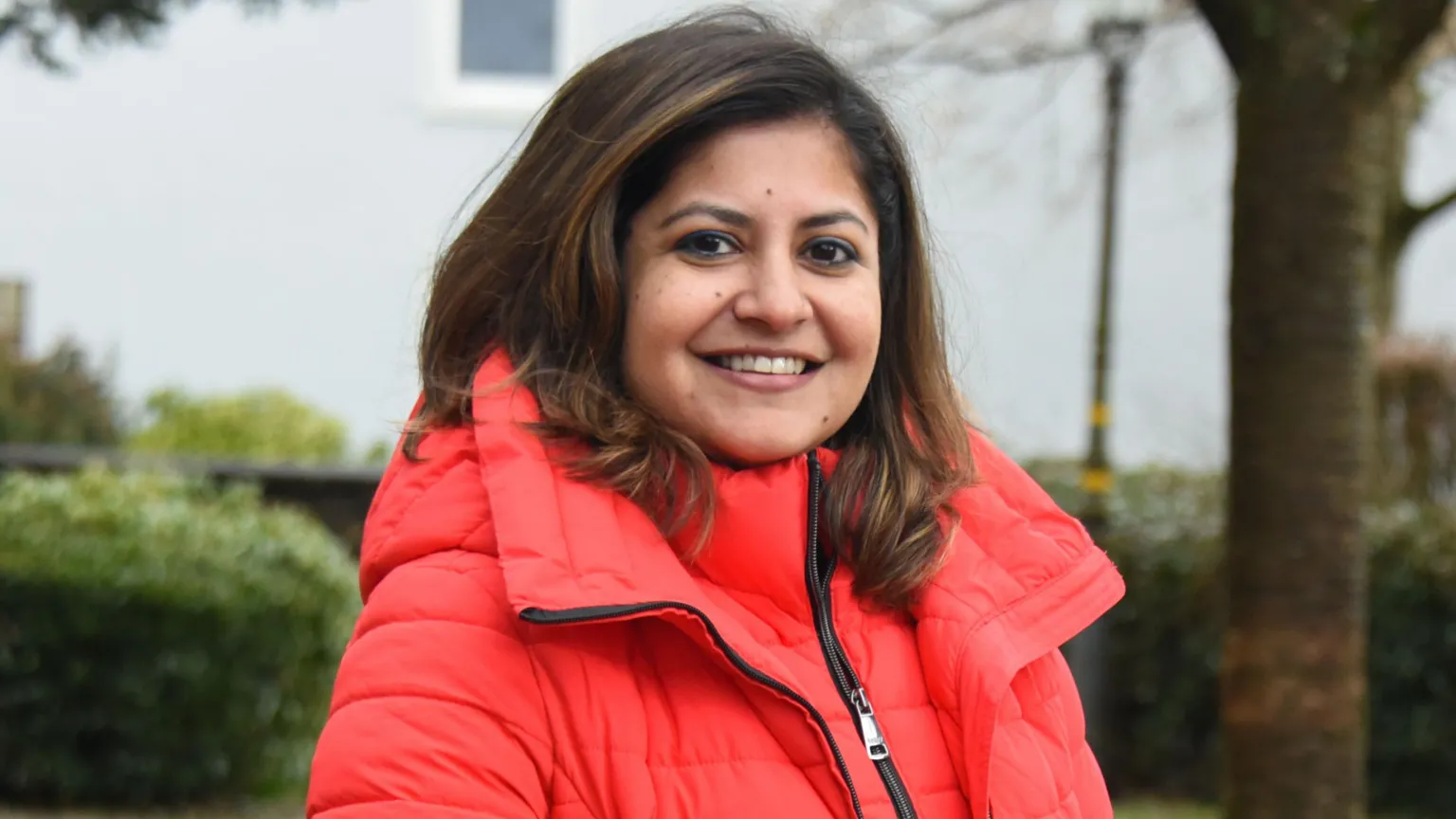 Germany is increasingly recruiting workers from India as it faces a deepening shortage of skilled labour, driven by an ageing population and a lack of younger domestic workers entering key trades. Get today's headlines by email A growing number of businesses across the country are struggling to replace retiring staff, prompting efforts to attract talent from abroad. According to a study by the Bertelsmann Foundation, Germany needs around 288,000 foreign workers annually to maintain its workforce. Without this, the labour pool could shrink by 10% by 2040. Recruitment Drive Expands Across SectorsOne early initiative began in 2021 when a German trade body received an enquiry from an Indian recruitment firm offering young candidates for vocational training. The proposal was taken up amid mounting concern from employers unable to fill vacancies. Initially focused on the struggling butchery sector, the scheme brought 13 young Indian trainees to Germany in 2022. Since then, the programme has expanded significantly, with around 200 Indian workers now employed in butcher shops alone. The initiative has since broadened into other professions, including construction, mechanics and baking. New recruitment efforts aim to bring hundreds more workers to Germany each year. This expansion has been supported by closer cooperation between the two countries, including a 2022 migration agreement designed to ease mobility for skilled workers. In addition, Germany increased its annual visa quota for Indian nationals from 20,000 to 90,000 at the end of 2024. Young Workers Seek Opportunities AbroadFor many of the recruits, the move offers better job prospects and higher wages than those available at home. India’s large youth population provides a significant pool of potential workers, with millions entering the labour market each year. Some young workers have opted for vocational training in Germany rather than pursuing university degrees in India, citing concerns over limited job opportunities and low pay. Despite the challenges of adapting to a new country, including long working hours and cultural differences, many report positive experiences and improved financial stability. The ability to support families back home is a key motivation. Businesses Rely On Overseas TalentGerman employers say the influx of foreign workers has become essential to sustaining their operations. In sectors such as butchery, where the number of businesses has declined sharply over the past two decades, overseas recruitment has helped prevent further closures. Local authorities are also turning to international hiring to fill gaps. Some municipalities are now recruiting workers from India for roles such as early childhood education, where shortages have become acute. Officials acknowledge that domestic solutions alone are unlikely to meet demand. As demographic pressures intensify, many see international recruitment as the only viable path forward. Join the discussion? Already a member? Adapted by ASEAN Now. Source 23 March 20261 point
 -
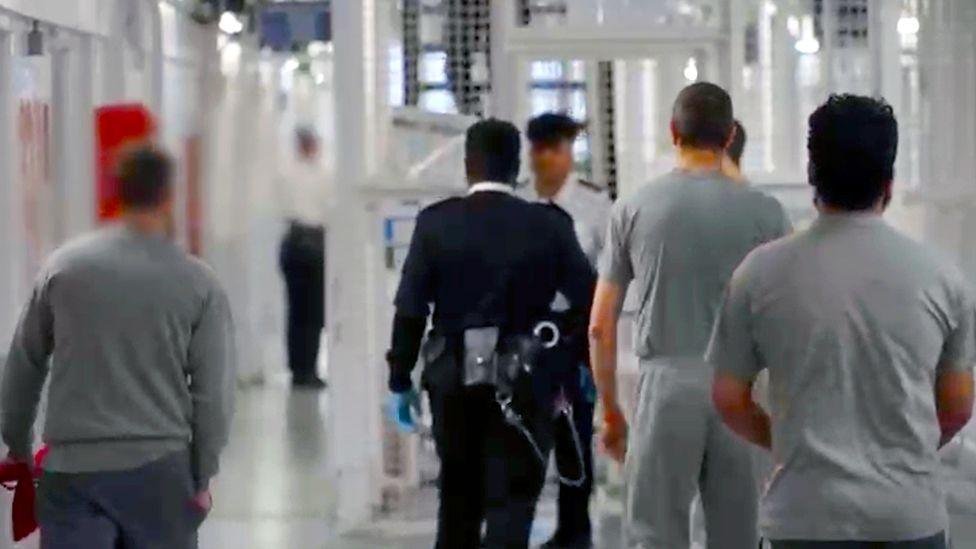 A major overhaul of sentencing rules has come into force in England and Wales, with most offenders facing prison terms of up to a year now set to receive suspended sentences instead. Get today's headlines by email The changes, introduced under the Sentencing Act 2026, are part of efforts to tackle chronic overcrowding in prisons and shift focus towards rehabilitation. From Monday, courts are expected to avoid handing down short custodial sentences except in limited or exceptional circumstances. The reform applies only to offenders convicted from this week onwards. Shift Away From Short Custodial TermsMinisters argue that short prison stays have little impact on reducing reoffending. Official data suggests more than 6,000 people are serving sentences of less than a year at any given time, with this group among the most likely to commit further crimes after release. The changes also allow judges to suspend prison sentences of up to three years, significantly expanding the use of alternatives to custody. Focus on RehabilitationSupporters of the reforms say community-based sentences offer a better chance of addressing underlying issues such as drug addiction or unstable living conditions. Former justice secretary David Gauke, who reviewed sentencing policy, backed the approach as part of broader efforts to ease pressure on the prison system. Legal representatives have also welcomed the move. Criminal Bar Association chair Riel Karmy-Jones said the changes could quickly reduce prison overcrowding and encourage earlier guilty pleas, helping to ease court backlogs. He added that prioritising prison space for serious offenders would improve rehabilitation outcomes and public safety in the long term. Additional Measures IntroducedThe legislation includes further adjustments aimed at reducing the prison population. Courts will now be able to delay sentencing for up to 12 months—double the previous limit—to give offenders time to address issues linked to their behaviour. Changes to bail rules are also expected to reduce the number of people held on remand. Currently, more than 16,000 individuals—around a fifth of the prison population—are awaiting trial in custody. However, the law does not clearly define what constitutes “exceptional circumstances", leaving that decision to judges and magistrates on a case-by-case basis. Join the discussion? Already a member? Adapted by ASEAN Now. Source 23 March 20261 point
 -
 An Afghan asylum seeker has been sentenced to 16 years in prison in the United Kingdom after abducting and raping a 12-year-old girl. Get today's headlines by email Ahmad Mulakhil, 23, was convicted of rape, child abduction, sexual assault and recording an indecent video following a trial at Warwick Crown Court. He had earlier admitted a separate count of raping a child under 13. Court convicts man of multiple offencesThe crimes occurred in July last year in Nuneaton and later triggered protests in the town. Judge Kristina Montgomery said the victim suffered serious psychological harm and ongoing trauma as a result of the attack. The girl had been left alone in a park in the dark after the assault, she said, and remained fearful her attacker might return. Mulakhil was ordered to serve 15 years in custody followed by an additional year on licence. Details of the attack presented at trialProsecutors said Mulakhil targeted the girl after encountering her earlier that day. Security camera footage shown in court captured him asking the victim her age before the attack. She told him she was 19, which the judge described as clearly untrue. Judge Montgomery told the court the jury had no doubt Mulakhil knew the girl was under 16. During the 10-day trial, jurors heard evidence from the victim describing the assault and saying the attacker laughed during the incident. The judge told Mulakhil his responsibility for the crime was at the highest level. She also noted that he had taken the girl to a secluded location before carrying out the assault, which increased the severity of the sentence. Mulakhil arrived in Britain by small boat about four months before the offences. Sentence and legal ordersAlongside the prison term, the court imposed an indefinite Sexual Harm Prevention Order and a permanent restraining order preventing Mulakhil from contacting the victim. The judge said the length of the sentence meets the threshold for deportation once he completes his prison term. Additional concurrent sentences were issued for related offences, including four years for child abduction and two years for recording the indecent video. Defence lawyer Marcus Harry told the court Mulakhil fled Afghanistan after coming under pressure from the Taliban. He said the defendant had intended to study economics at university. Judge Montgomery said she considered Mulakhil’s age, lack of previous convictions and his guilty plea to one charge when determining the sentence. Case sparks political debateThe case also prompted debate over how police disclose suspects’ nationality and immigration status. Two men were initially charged over the incident. A second defendant, Mohammad Kabir, was acquitted of all charges during the trial. The arrests led politicians including Nigel Farage, leader of Reform UK, to claim there had been a lack of transparency about the case. Warwickshire Police said at the time that national guidelines did not require forces to disclose nationality or immigration status once suspects were formally charged. Following the controversy, authorities encouraged police forces to consider releasing such information in high-profile investigations. Detective Chief Inspector Collette O'Keefe, who led the investigation, said the crime represented a serious breach of community values. She praised the victim for her courage in giving evidence, saying her testimony was crucial to securing the conviction. O’Keefe added that no prison term could erase the trauma the girl suffered, but expressed hope the verdict would mark the start of her path toward a safer and brighter future. Join the discussion? Already a member? Adapted by ASEAN Now. Source 28 March 20260 points
 -
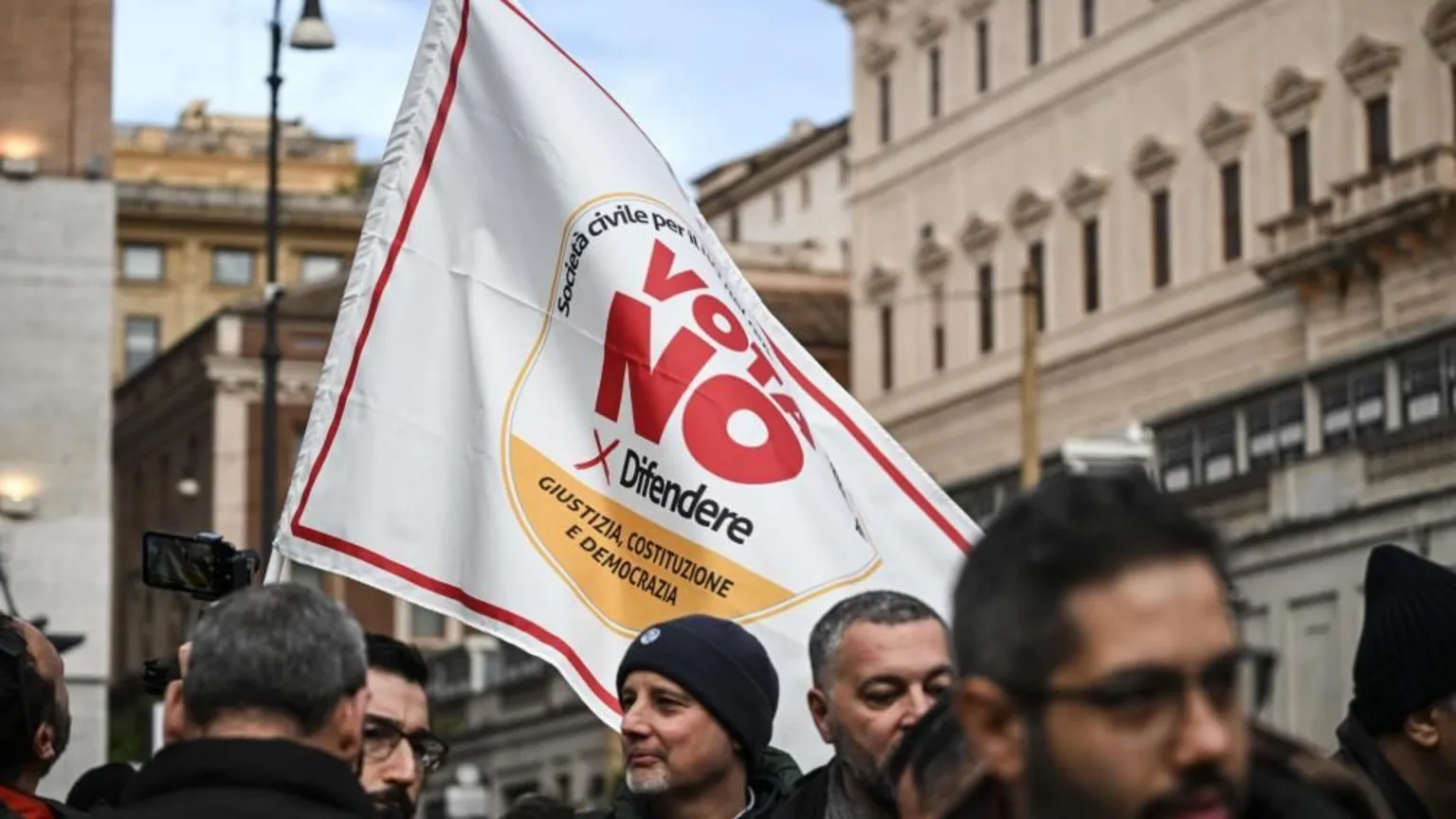 Italian Prime Minister Giorgia Meloni has faced her first major political defeat after voters rejected a proposed constitutional reform in a nationwide referendum. Get today's headlines by email Final results showed about 54% of voters opposed the changes, while 46% supported them. The outcome is widely seen as a blow to Meloni’s government after the vote became a broader test of her leadership. Reform Plan RejectedThe proposed reform aimed to introduce a clearer separation between judges and prosecutors within Italy’s legal system. It also included plans for separate governing bodies and a new disciplinary court. The government argued that these measures would strengthen judicial independence. However, opposition parties warned the changes could disrupt long-standing institutional balances and increase political influence over the judiciary. Despite the technical nature of the proposals, turnout reached nearly 60%. Analysts had suggested that higher participation might favour the government, but this did not translate into support for the reform. Vote Seen as Test of LeadershipAlthough Meloni insisted the referendum was about judicial reform rather than her premiership, the campaign increasingly took on the character of a wider judgement on her time in office. Even before the full results were confirmed, she acknowledged the outcome, saying voters had made their decision “with clarity". She also described the result as a missed opportunity to modernise the country. The defeat comes after a period of relative political stability under her right-wing coalition, which had until now avoided significant electoral setbacks. Opposition Senses OpportunityOpposition figures have interpreted the result as a sign of shifting public sentiment ahead of a general election expected next year. Elly Schlein, leader of the Democratic Party, said the vote demonstrated that an alternative to the current government exists. Former prime minister Matteo Renzi also weighed in, suggesting the government had lost its “momentum” and needed to respond more closely to voters’ concerns. Pressure Builds on GovernmentThe referendum defeat comes at a challenging time for Meloni. Economic concerns remain, with Italy facing sluggish growth and rising worries about energy costs linked to international tensions. Meloni has also maintained close ties with Donald Trump, whose policies and ongoing conflict in the Middle East have drawn mixed reactions in Italy. Unlike Renzi, who resigned after losing a constitutional referendum in 2016, Meloni has ruled out stepping down. However, the latest result has weakened her political standing and raised questions about her government’s future direction. The vote has also likely complicated plans for further institutional reforms, including proposals to introduce the direct election of the prime minister. With elections on the horizon, the outcome marks a significant shift in Italy’s political landscape, leaving Meloni in a more vulnerable position than at any point since taking office. Join the discussion? Already a member? Adapted by ASEAN Now. Source 24 March 2026-1 points

This leaderboard is set to Bangkok/GMT+07:00