AverageAussie
Member
-
Joined
-
Last visited
Everything posted by AverageAussie
-
The Epstein Files? 🤔
-
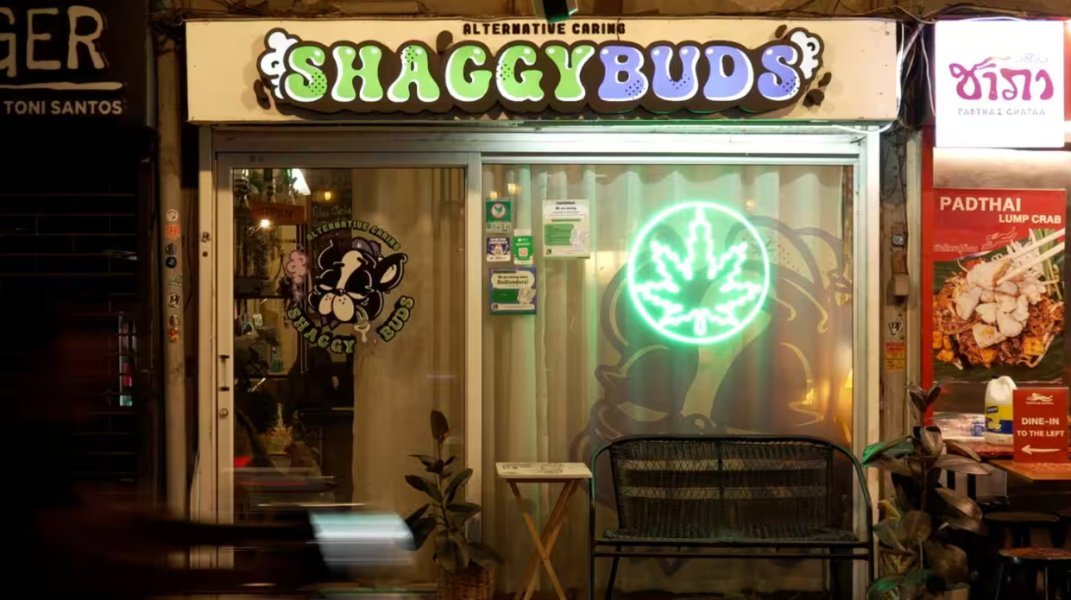
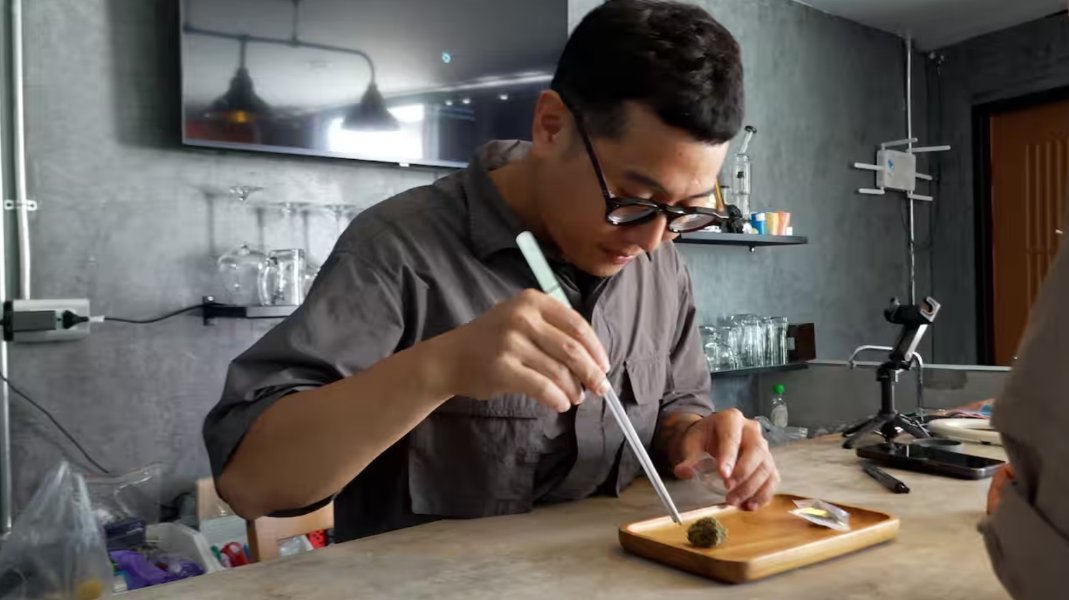
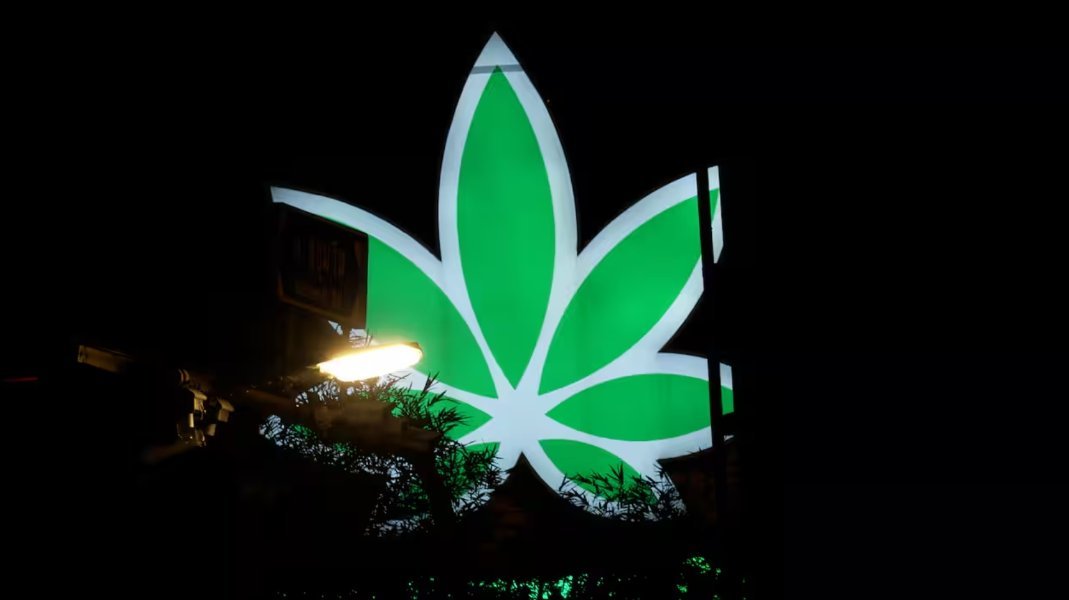
'They couldn't bear it': The city where cannabis shops are disappearing post-high More than 18,000 dispensaries that opened after Thailand decriminalised cannabis in 2022 are now facing imminent shutdown after the government's policy reversal. Thailand's cannabis industry is experiencing a painful comedown after the government announced it would recriminalise the drug after only three years. Source: SBS News For three years, downtown Bangkok has had a green glow. Neon cannabis leaves light up practically every corner; an inescapable marker of what quickly ballooned into a billion-dollar industry. More than 18,000 recreational marijuana shops sprang up, seemingly out of nowhere, when Thailand became the first Asian nation to decriminalise cannabis in 2022. Their glory days may have been short-lived. Last month, the government introduced new regulations restricting cannabis to medicinal use only, banning dispensaries from selling the drug to anyone without a prescription. Suradeth Wattanasoontornkul runs a small cannabis dispensary outside Bangkok's city centre. He says he's lost almost all his business. Source: SBS News It's now flagging more rules to come; planning to cut shop numbers back almost 90 per cent to 2,000 and require each one to have a doctor on site. "The customers are gone," cannabis shop owner Suradeth Wattanasoontornkul says. "They are scared. Everyone's business is going down." "The shop opposite us just closed. They probably couldn't bear it anymore." So far, there's no real evidence Thai authorities have started enforcing the new regulations, but Suradeth says the fear they will has scared most of his customers away. He used to sell more than $7,000 worth of cannabis every month. Last month, it dropped to less than $500. "We paid 5,000 baht ($240) to the government for a licence, but once we get that licence, they release new regulations and tell us the one we have is useless," Suradeth says. "Sure, you can hire a doctor, but the cost is very high, and not every doctor wants to work in a cannabis shop." The governmental feud fuelling recriminalisation Thailand's health minister says the reforms are about improving public safety and addressing rising cannabis addiction, but analysts say they are also wound up in Thailand's latest political crisis. In June, former Cambodian leader Hun Sen leaked the audio from a controversial phone call with Thai Prime Minister Paetongtarn Shinawatra, during which she appeared to make disparaging remarks about her own military's handling of the recent border crisis. Her political allies in the Bhumjaithai Party, which was the main driving force behind cannabis decriminalisation, withdrew from the coalition in outrage. Within a week, Shinawatra's Pheu Thai Party had moved to recriminalise the drug. The reversal on cannabis "has a lot to do with coalition dynamics and coalition politics," political analyst Thitinan Pongsudhirak from Chulalongkorn University in Bangkok, says. "The cannabis policy in Thailand is synonymous with the Bhumjaithai Party. It wanted to broaden its political base by decriminalising cannabis. So, suddenly, you had these cannabis shops mushrooming around Thailand, especially in Bangkok," he says. The Thai government has flagged plans to cut cannabis shop numbers back almost 90 per cent to 2,000 and require each one to have a doctor on site. Source: SBS News The industry experienced near-instant economic success; its value was already estimated above $1 billion, with the Thai Chamber of Commerce predicting that number could rise to $1.8 billion by the end of this year. Analysts believe tourists were behind much of the enthusiasm. "I think there was a public backlash against it," Pongsudhirak says. "The constituencies in favour of cannabis were limited; some vendors, proprietors, tourists, the hospitality industry. But the public sentiments at large are very sceptical. The Thais, being a predominantly Buddhist country, still frowned upon vices like this." Thailand's public health minister Somsak Thepsuthin says he eventually wants to relist cannabis as a category five narcotic, which would result in tougher penalties for recreational use and possession, including jail time. "We want to tell tourists they are welcome to enjoy Thailand's culture and nature, but Thailand should not be seen as a destination for recreational cannabis use," Thepsuthin recently said. "It affects children, causes nuisance from unwanted odours." An industry moving underground With the new restrictions widely unenforced and more regulations on the way, the industry has settled into a grey zone for now. Those trying to keep their businesses open say there is little clarity and a lot of confusion. Kitty Chopaka says cannabis dispensary owners are reporting a rise in tourists selling the drug to other tourists, suggesting the billion-dollar business is now moving underground. Source: SBS News "The health department is coming out with one set of information, the provinces are coming out with another set of information, when a lot of things are actually still on the drawing board," Kitty Chopaka from advocacy group Writing Thailand's Cannabis Future says. "The shops in the provinces where the health officers happen to be strict, they are now either shut down, or are being told 'We suggest you shut down until the rules are more concrete, but if you don't shut down we will come and do a little inspection where we're then probably able to suspend your licence'." Chopaka has been speaking with a network of dispensary owners almost daily as they try to navigate the changes. They have consistently been reporting a drop in sales since the prescription rules came into effect, but they do not believe that correlates with a drop in usage. Many believe tourists are now buying the drug from other tourists instead of the dispensaries. Some of the 18,000 registered shops have begun shutting down, while others are holding out to see if they might be one of the few that get to stay in business. "A lot of the small businesses are going to get removed, the small farms, the ones where the husband is the grower, the wife is the trimmer, then maybe the mother-in-law is the seller at the shop. Those guys are not going to exist anymore," Chopaka says. "I would say one small business is about ten lives you're dealing with. You've got the owner, the farms, the people who work in the shop, all of the production side of things. Each of them will have a family. And you times it by 18,000 — that's a lot of people." She says: "That's the sad part." Source: SBS News Published 25 August 2025 5:33 By Claudia Farhart https://www.sbs.com.au/news/article/thailand-cannabis-government-policy-reversal-shut-down/zhxue87ag
-
Anyone any outlets or shops that can etch a small sign (just 2 lines of 3 numbers, maybe 25 x 25mm) on plastic?
-
No enforcement and AFAIK not even any proper standards. However, my point is that the building owner (wherever the interview/ press briefing took place) could have taken the initiative by installing RCDs at the switch box and doing some regular inspection & testing of electrical appliances*. 99.9% chance this incident would never have happened. * my definition of "proactive"
-
If you have a home/condo and/or business you certainly have the ability (and responsibility) to make that part of the energy supply network safe. It's not rocket science; properly rated circuit breakers + RCDs + surge protection - and you should sleep a bit better. Up to the point of entry to the building, I'm inclined to agree with your statement.
-
Nothing will change until RCDs are mandatory everywhere. That's the only action that's 'proactive'.
-
Is anyone else using this app yet?
-
Suvarnabhumi immigration. don.mp4
-
60 Minutes in Australia produced this episode on Being's current situation last week. As you would expect, there's not a lot of in-depth analysis that you can compress into 21 minutes - but it does give a reasonably balanced summation for an audience usually less well informed. We'll have to wait for the movies that will follow in the few years to get more of an insight into the corporate culture.
-
A couple of brutal Boeing memes now doing the Social Media rounds. (Just ignore the appalling typos)


-
This may actually be a good thing. The report was triggered by an employee's alert about a compliance breach. As long as the said employee's career prospects aren't now compromised....
-
I did make this qualification: "maybe not the traditional landline phones." This might however not apply to corded VoIP services that will work with the "+" symbol in lieu of the international access code. The older PSTN handsets don't have provision for that symbol, whilst newer VoIP handsets with a display screen may have them.One thing to keep in mind....whilst Biden signed the bill, it was the Republican-dominated congress that got it there in the first place.Not at all. VPNs are a simple tools to collate all the data they need. Spy agencies them.Remember you need to use the "+" symbol, then the country code (66 for Thailand, 61 for Australia) and then the area code (minus the "0") and finally local number. That should work on all mobiles, but maybe not the traditional landline phones. Press "0" on your keypad and hold for about a second for the "+" symbol to appear.Just go to the bar well prepared. You should have at least something left over for the cops after paying the check-bin.
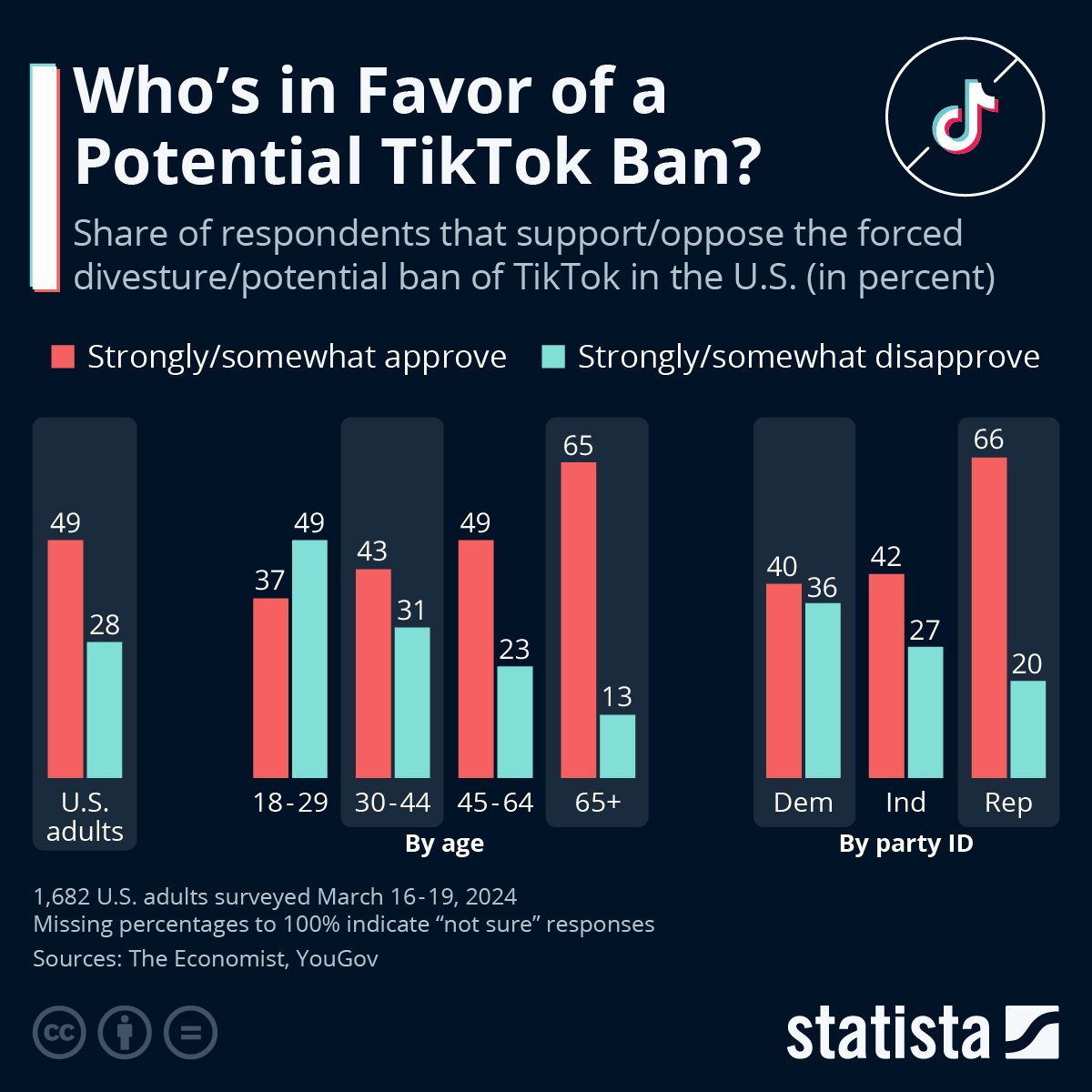
 He's no longer the CEO. In fact, I'm surprised that he allows himself to be seen in public and his dog hasn't run away from home. LinkNo problem. I am curious how you got on - and which call centre you got connected to. So do report back if you have a few minutes. My own experience with QF hasn't been great, sometimes waiting over an hour in a queue before getting through. That said, the standard of service once getting through to a human was 10/10. The new CEO has promised improvements, but that remains to be seen.As mentioned, yesterday was a public holiday in Australia. They don't provide a 24/7 call service and I suspect all their global numbers will redirect to a call centre based in Australia (or at the least a call centre working to their time zones). The lines open Monday - Friday at 8.30 am. Thailand would be 3 hours behind AEST - so 5.30am - try in about 15 minutes.Survey conducted March 16-19, 2024 - 1,682 US adults
 I have not been able to dial an Aussie "13" number from Thailand. Your only possibility for those numbers is to use a VoIP service based in Australia.Are you dialling 66 26326611 or +66 26326611 Yes, in Thailand you should be able to drop the "+66" - but you need to substitute that with a "0" i.e. 02 6326611 The "001..." might be a US number, but "toll free". Not sure how that would work if you are using a Thai carrier. The number that you have there is for their Frequent Flyer Line but you might also want to try +1 800 6114797 or failing that: 001 800 611 4797 That number was shown on their AU website. Keep in mind their hours are shown as 8.30am to 5pm, Monday to Friday (except public holidays). Allow for time differences. Yesterday was Anzac day in Australia, so that might explain your issues.Most people already subscribe to carry a tracking device in their pockets.Survey: What's the first thing that you do in the morning? instagram_1713425097046.mp4