
Social Media
Advanced Member
-
Joined
-
Last visited
Everything posted by Social Media
-
Israel's ongoing conflict saw a significant development when walkie-talkie bomb attacks in Lebanon prompted Defense Minister Yoav Gallant to announce a strategic shift towards the northern front, emphasizing Hezbollah as the new focus of military operations. This shift marks a new phase in the 11-month war that followed the Hamas attacks on October 7, last year. As Gallant explained, Israel is diverting military resources towards the Lebanese border. "The center of gravity is shifting to the north, by diverting resources and forces [there]," he stated, underscoring the new stage of the war and the challenges ahead. "It requires courage, determination, and perseverance from us," he added, signaling that Israel's attention is now firmly fixed on Hezbollah, a formidable adversary. While Gallant's remarks suggest a potential escalation, experts warn of the risks associated with a full-scale Israeli assault on Hezbollah. Such an operation could come with significant political ramifications, and many believe the United States may discourage Israel from launching an invasion. Despite this, Israel has reiterated its goal of returning approximately 60,000 evacuees to their homes in the north as part of its military objectives. Israeli Prime Minister Benjamin Netanyahu, in televised remarks, did not directly address the bombings or the possibility of war but reassured residents about their safety. "I already said that we would return the residents of the north securely to their homes and that is exactly what we will do," he asserted. The leader of Hezbollah, Hassan Nasrallah, is expected to respond to these developments in a televised speech, signaling that tensions between the two sides could escalate further. Hezbollah has also made its stance clear, with Seyed Hashem Safiuddin, head of Hezbollah's executive council, affirming that injured fighters would soon return to the frontlines. "These attacks will certainly be uniquely punished," Safiuddin warned, adding, "Revenge is inevitable." The exchange of rocket fire between Hezbollah and Israel has persisted since Israel retaliated against Gaza following the Hamas-led massacre, though the conflict has not yet escalated into a full-scale war. The recent wave of explosions in Lebanon involved remote-controlled devices, including radios, security doors, and solar power systems, detonated simultaneously across the country. This marked the second such attack in just two days. According to reports, Hezbollah operatives had become suspicious of the devices shortly before the blasts, which may have led the Israelis to act earlier than planned. "It was a use-it-or-lose-it moment," said one U.S. official to Axios. Some reports suggest that these explosives were intended for use only in the event of all-out war, raising concerns that Israel may now consider a ground invasion to prevent Hezbollah from regrouping after the shock of the attack. Israel's military actions in the north have already begun to intensify. The Israel Defense Forces redeployed its elite 98th division from Gaza to the Lebanese border and conducted several drills aimed at preparing for operations on northern terrain, including simulations of enemy incursions and battlefield evacuations. Major General Ori Gordin, commander of Israel's northern forces, expressed confidence in the readiness of his troops, stating they were at "peak readiness" and determined to "change the security reality as soon as possible." With Hezbollah's reputation as a more capable adversary than Hamas, this shift in focus has raised concerns. The Iranian-backed Shia group reportedly possesses between 100,000 and 150,000 rockets, which could be unleashed in the event of a full-scale conflict with Israel. As tensions rise, the prospect of a broader, more destructive confrontation looms over the region. Credit: Daily Telegraph 2024-09-20
-
In June 2024, Giorgia Meloni found herself at the center of global attention as she hosted the G7 summit in Apulia, southern Italy. Her vibrant performance, dancing to the traditional pizzica, symbolized the confidence of a rising political leader. Just days after a strong showing in the European elections, Meloni was emerging as one of Europe’s most prominent figures, a remarkable transformation for a politician who was once relegated to the fringes as the head of the small right-wing party, Brothers of Italy. Meloni's journey to respectability has been nothing short of impressive, winning over centrist parties in the EU and even receiving a warm welcome at the White House from Joe Biden. Her ability to navigate the complexities of European politics, while maintaining close ties to controversial leaders like Hungary’s Viktor Orbán, has baffled critics. Many, like author Roberto Saviano, labeled her a threat, calling her a “danger to Italy and the rest of Europe.” Yet Meloni has displayed a pragmatic streak, working with European Commission President Ursula von der Leyen and supporting Ukraine in its conflict with Russia—positions that deviate from the traditional pro-Putin sentiments of Europe’s right. Despite her success on the international stage, Meloni’s domestic challenges have exposed the undercurrents of her party’s origins. A scandal involving members of her party’s youth wing chanting fascist slogans and making racist remarks forced her to confront the lingering associations with Italy’s fascist past. She quickly condemned the behavior, calling it “completely incompatible” with Brothers of Italy’s platform. Critics like Giuseppe Provenzano of the Democratic Party accused her of hiding the true face of her party. However, others, including opposition member Roberto Giachetti, rejected the notion that Meloni herself was fascist. The ambiguity in Meloni’s politics, often referred to as “doppiezza” or doubleness, is a defining feature of her leadership. On one hand, she presents herself as a moderate on economic and foreign policy, yet on social issues like immigration and family policy, she strikes a more conservative, right-wing tone. Her campaign slogan, “We defend God, Fatherland, and Family,” echoes Italy’s fascist past, but she insists it also harkens back to Giuseppe Mazzini, a hero of Italy’s unification. Rather than focus on whether Meloni’s party is truly fascist, it may be more relevant to view her as a populist leader responding to modern challenges. She has tapped into widespread fears about immigration, global capitalism, and secularism, positioning herself as a defender of Italy’s traditional values. This appeal resonated with international leaders, such as UK Prime Minister Keir Starmer, who sought her advice on immigration policy despite objections from within his own Labour Party. Fabrizio Barca, an economist, situates Meloni within a broader neo-authoritarian trend sweeping Europe. He argues that decades of neoliberal policies, which have hollowed out social protections and exacerbated inequality, have created fertile ground for strong, charismatic leaders. Meloni’s success, much like Donald Trump’s in the U.S., lies in her ability to defend traditional identities rather than disrupt the economic status quo. Despite the controversies surrounding her, Meloni remains a skilled and disciplined politician. Her rise to power has been strategic, with Brothers of Italy growing from a minor player with just 2% of the vote to becoming Italy’s largest party with 26%. Unlike other right-wing leaders, she has carefully distanced herself from extreme factions such as Alternative for Germany, positioning herself as a mainstream conservative. Meloni’s political persona is built on a duality that resonates with different audiences. To the EU and international community, she is a moderate; on the campaign trail, she is a populist firebrand. She has cultivated an image of a tough yet relatable leader, emphasizing her working-class roots and using her first name, Giorgia, to connect with voters. As she wrote in her autobiography, “I am proud of being a woman of the people.” Meloni’s life story reflects her political complexity. Raised by a single mother in a working-class neighborhood, she was shaped by her early involvement with the far-right Movimento Sociale Italiano (MSI). Although she has distanced herself from the party’s fascist roots, she still carries with her the experiences of being part of a counterculture that felt embattled by Italy’s dominant left-wing politics. Ultimately, the question of whether Meloni is a closet fascist or a conservative democrat may not matter. What is clear is that she is a politician adept at navigating the shifting tides of modern politics, both in Italy and on the global stage. As she continues to shape her image, the world will watch closely to see which version of Giorgia Meloni emerges next. Credit: The Guardian 2024-09-20


-
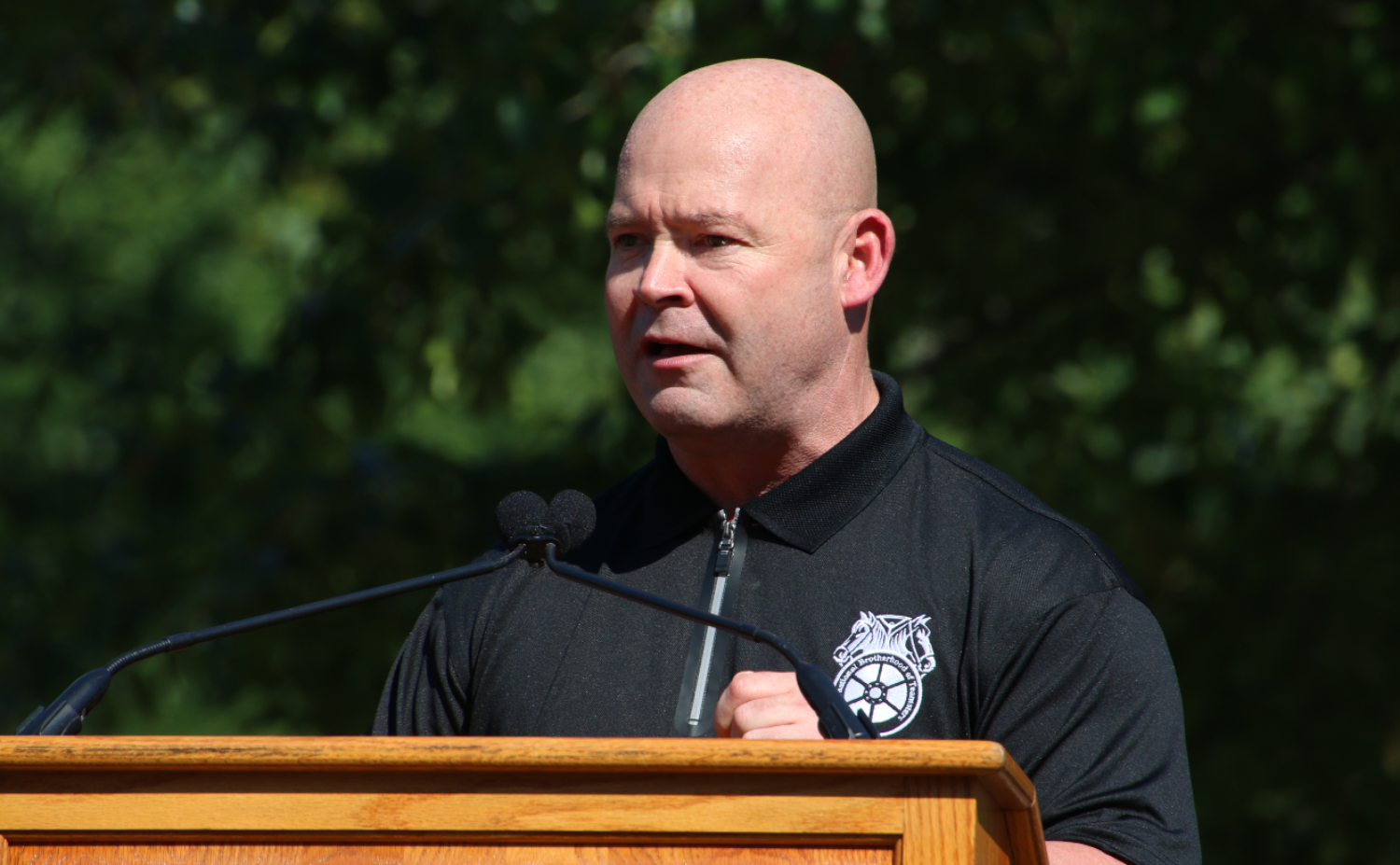
For the first time since 1996, the International Brotherhood of Teamsters, one of the most influential labor unions in America, has refrained from endorsing a U.S. presidential candidate. This decision marks a significant moment in the political landscape, especially as the union, which represents 1.3 million members across the U.S. and Canada, noted it received "few commitments on top Teamsters issues" from either Kamala Harris, the Democratic nominee, or Donald Trump, the Republican nominee. The union’s internal polling found "no definitive support" for either candidate, though two recent polls indicated a leaning toward Trump. This lack of endorsement presents a challenge for Harris, particularly as she seeks to win over working-class voters in critical swing states like Pennsylvania, Michigan, and Wisconsin. A potential endorsement could have rallied thousands of Teamsters to support her campaign in these key battlegrounds. Shortly after the announcement, several regional councils within the Teamsters, representing more than half a million members in states like Michigan, Wisconsin, Nevada, and California, announced their endorsement of Harris. The Harris campaign emphasized its broad support from "the overwhelming majority of organized labor" and highlighted the backing of many local Teamsters groups. Campaign spokesperson Lauren Hitt pointed out, "While Donald Trump says striking workers should be fired, Vice-President Harris has literally walked the picket line and stood strong with organized labor for her entire career." The union's membership, which includes a wide range of workers such as freight drivers, warehouse employees, and airline pilots, is known for its political diversity. Since taking over the union’s executive board in 2022, General President Sean O'Brien has sought to build relationships with both Republicans and Democrats. He has reached out to populist Republicans like Senators Josh Hawley and JD Vance, the latter now being Trump’s running mate. O’Brien’s efforts to court the Republican Party included a private meeting with Trump at his Mar-a-Lago estate in January, followed by a roundtable with the union’s board in Washington, D.C. After the meeting, Trump expressed confidence, saying he believed he had a "good shot" at earning the union’s endorsement. The Teamsters board also met with President Joe Biden before he withdrew from the race, as well as with third-party candidates Robert F. Kennedy Jr. and Cornel West. In a surprising move, the union made financial contributions to both the Democratic and Republican National Conventions earlier this year, marking its first donation to Republican candidates in years. O'Brien even delivered a prime-time address at the Republican National Convention (RNC), where he called Trump "one tough SOB," though he stopped short of endorsing him. Despite the friendly overtures, O’Brien later criticized Trump and campaign surrogate Elon Musk for suggesting that workers who strike should be fired. After speaking at the RNC, O’Brien was not invited to address the Democratic convention. Instead, rank-and-file members of the union represented the Teamsters at the event. Some Teamsters members, including the National Black Caucus and six local unions, have openly criticized O’Brien’s outreach to the right, choosing to endorse Harris independently. In a last-minute effort to win the union’s endorsement, Harris met with the Teamsters board earlier this week in a long-delayed roundtable. The New York Times described the meeting as "sometimes tense," though a union spokesperson disputed that characterization. During the conversation, Harris told the board, “I’m confident I’m going to win this. I want your endorsement, but if I don’t get it, I will treat you exactly as if I had gotten your endorsement.” The Teamsters' decision to stay neutral in the current election is a major blow to Harris and leaves Trump with a more divided labor landscape than expected. Credit: BBC 2024-09-20
-
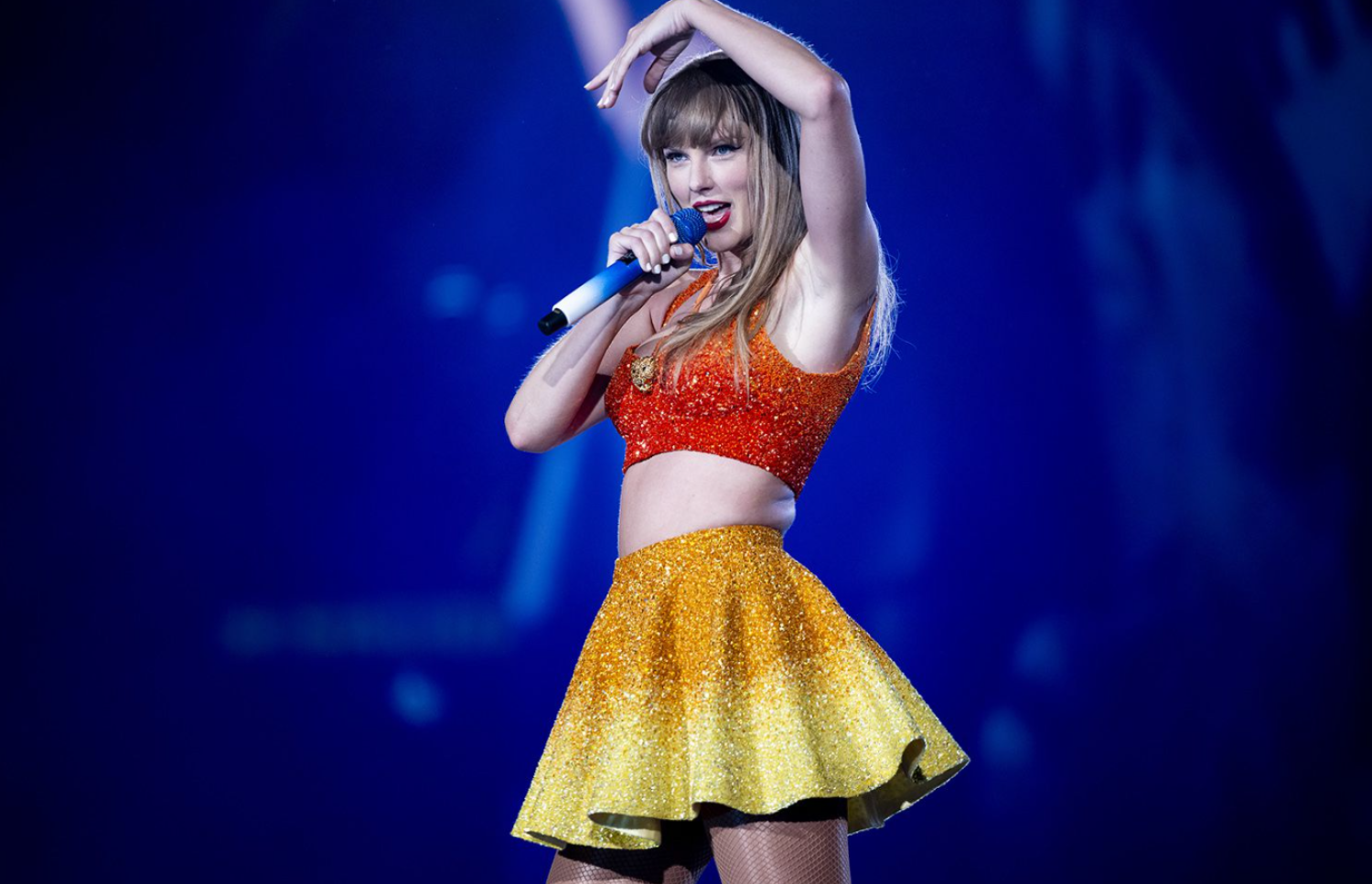
Donald Trump's recent outburst declaring "I HATE TAYLOR SWIFT" is more than just an ill-advised comment; it’s an unwinnable fight against a cultural force too powerful to be easily dismissed. Trump has never shied away from picking fights, but this one, involving the world’s biggest pop star, seems destined to backfire. So, why would he and his supporters provoke such an influential figure? The answer may lie in Trump's keen awareness of how deeply intertwined culture and politics are. Trump, himself a former reality TV star, knows that public figures with immense cultural sway—like Taylor Swift—can impact political landscapes. Unlike most celebrity endorsements, which often go unnoticed, Swift wields an unusual level of influence, much like Oprah Winfrey in her heyday. Her fan base spans generations, with crossover appeal from her country music beginnings to her current dominance as a pop icon. Swift's visibility is at an all-time high. With NFL season in full swing and Swift dating Kansas City Chiefs’ tight end Travis Kelce, the cameras follow her wherever she goes—especially when she’s cheering on the Chiefs. This added exposure means her presence is unavoidable, even for those uninterested in her music. But where Swift truly becomes a formidable opponent for Trump is in her ability to galvanize young voters. Young women in particular feel a deep connection to Swift, a bond that’s difficult to quantify but undeniable. Any attempts by parents or political figures to criticize or boycott her are futile. These fans, many of whom have reached voting age in the last four years, are poised to make an impact in the 2024 election. Swift’s influence isn’t about convincing middle-aged voters to change sides; it’s about inspiring young people, especially women, to register and vote. Swift's power is already showing. Reports have surfaced that her endorsement of Vice President Kamala Harris drove hundreds of thousands of new voter registrations on Vote.gov. And in key swing states, where just a few thousand votes can swing the outcome, Swift’s involvement could be pivotal. For instance, Wisconsin saw a surge in new voter registrations after Swift voiced her support for Harris, according to data from the Wisconsin Elections Commission. Trump’s attack on Swift could end up driving even more voters to the polls—voters who may not have otherwise been engaged politically. These include not only Swift's young fans but also groups Trump has struggled with: suburban women and others already uneasy about his politics. Harris and her running mate, Governor Tim Walz, have embraced the opportunity. In fact, Walz recently posted an Instagram video referencing Swift’s music and wearing one of her signature friendship bracelets, a playful yet strategic nod to her fans. As for Swift, she’s likely to continue handling Trump's attacks with her characteristic grace, “shaking it off” in public while her fans rally behind her. For Trump, picking a fight with the world’s biggest pop star may ultimately alienate voters he desperately needs—and in an election as tight as the upcoming one, those lost votes could make all the difference. Credit: The Hill 2024-09-20
-
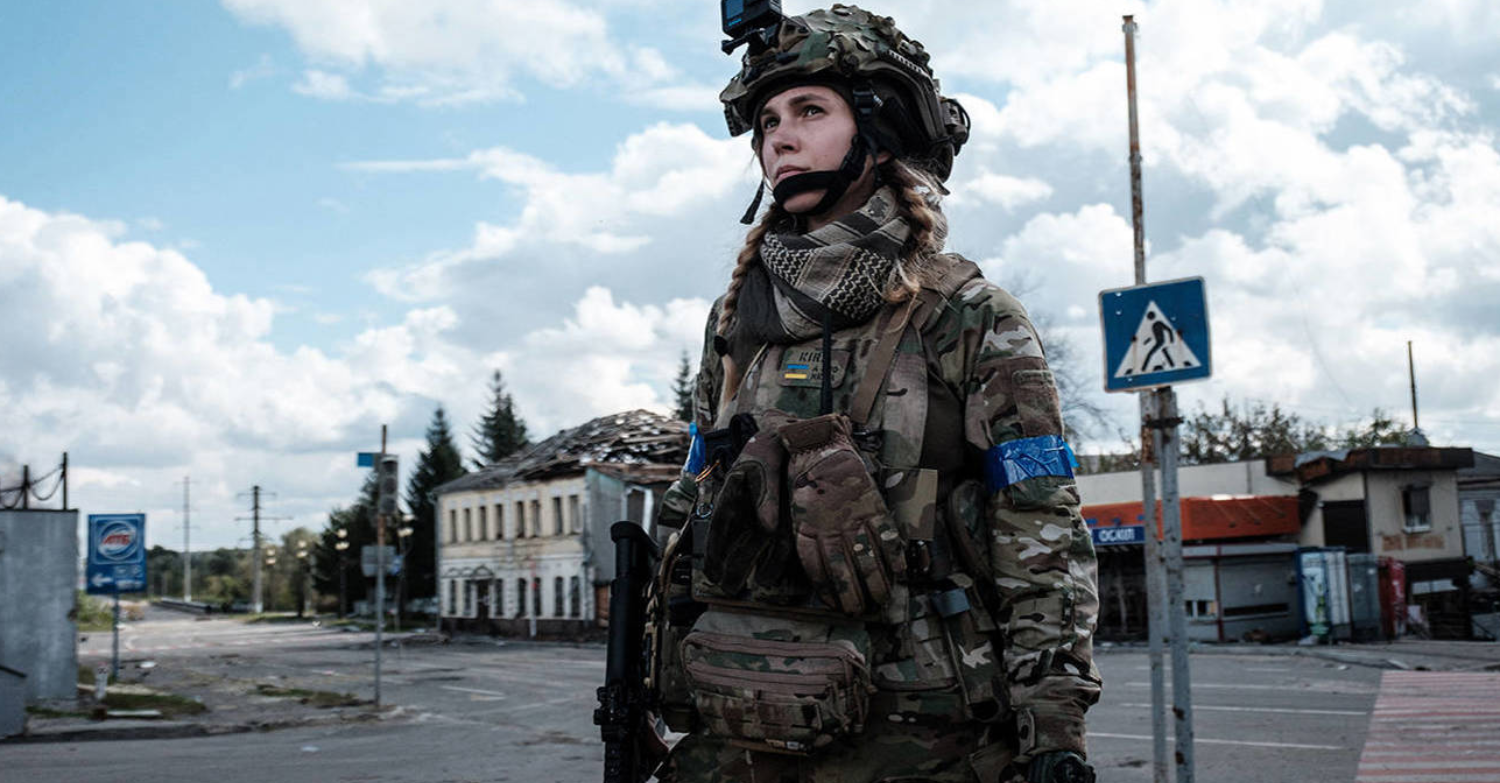
To secure a long-term peace in Ukraine, the world must convey to Vladimir Putin that he cannot dictate the outcome of this war. Ukraine’s security hinges on increased military support, a direct path to NATO membership, and global backing for President Volodymyr Zelensky’s peace initiative. Russian President Vladimir Putin has invaded Ukraine twice since 2014, refusing to acknowledge its sovereignty. Despite his repeated efforts to control the country, the Ukrainian people have resisted his aggression. After more than two years of relentless defense, it is evident that Ukrainians will not surrender to Russian dominance. However, despite their bravery, Putin’s destructive war continues. Without firm resolve from Ukraine’s allies, the conflict risks becoming a prolonged threat to European stability. Russia’s militarization poses a danger not just to Ukraine but to the entire world, with potentially devastating consequences. Already, the war has sent energy and food prices soaring globally and has threatened nuclear safety. By trampling on the core principles of international law, Russia has shaken the global order. To promote peace, it is essential for Ukraine’s allies to demonstrate that Putin will not control how this war concludes. A peace agreement must be founded on the principles of international law, backed by military aid that strengthens Ukraine on the battlefield, guarantees long-term security, and clears the way for its accession to NATO. While Putin seeks to extend the conflict, Ukrainian President Volodymyr Zelensky is working toward peace. This summer, Zelensky rallied representatives from over 90 countries in Switzerland to build support for his ten-point peace formula, which includes nuclear safety measures, addressing environmental consequences of the conflict, and calling for a full Russian withdrawal. Global pressure is key to reaching a peace deal, but a lasting resolution also requires strong security guarantees. Russia’s repeated violations of international law and human rights demonstrate that peace cannot rely on Putin’s promises alone. Ultimately, Ukraine’s ability to defend itself will determine the war’s outcome. Ukraine has every right to use long-range weapons against Russian missiles and drones that continue to kill civilians. “Limiting its ability to do so is essentially asking it to fight with one arm tied behind its back,” as Ukraine’s forces have proven their ability to use Western-supplied weapons responsibly. Allies must lift restrictions on the types of weapons supplied and how they can be used. In addition to immediate military aid, Ukraine’s allies must pledge long-term support, including financial resources and military equipment for as long as necessary. Already, more than 30 countries have provided long-term security guarantees through the Kyiv Security Compact. Now, it is time to ensure those commitments are upheld. Over the coming months, efforts will focus on implementing the guarantees, assessing new threats, and aligning Ukraine’s security with Europe’s broader defense goals. Preventing Putin from winning the peace requires more than promises. Allies should expand their support by training Ukrainian forces, sending civilian contractors or military teams to repair equipment on-site, and possibly establishing an extended air-defense shield over Western Ukraine. Each of these measures will bolster Ukraine’s position in future negotiations. Ultimately, the surest path to long-term peace in Europe is for Ukraine to join NATO. Leaving Ukraine in a vulnerable “grey zone” would only invite further aggression and instability. NATO must offer Ukraine a clear path to membership, sending a strong message to Putin that his war will not prevent Ukraine’s eventual accession. As Putin’s militarized Russia continues to threaten Europe, Ukraine and its allies must heed the ancient Roman maxim, “If you want peace, prepare for war.” Over the past two years, Ukraine has shown its determination to defend its freedom. Now, the international community must summon the courage to ensure that peace prevails. Anders Fogh Rasmussen, a former NATO secretary-general Credit: Project-Syndicate 2024-09-20
-
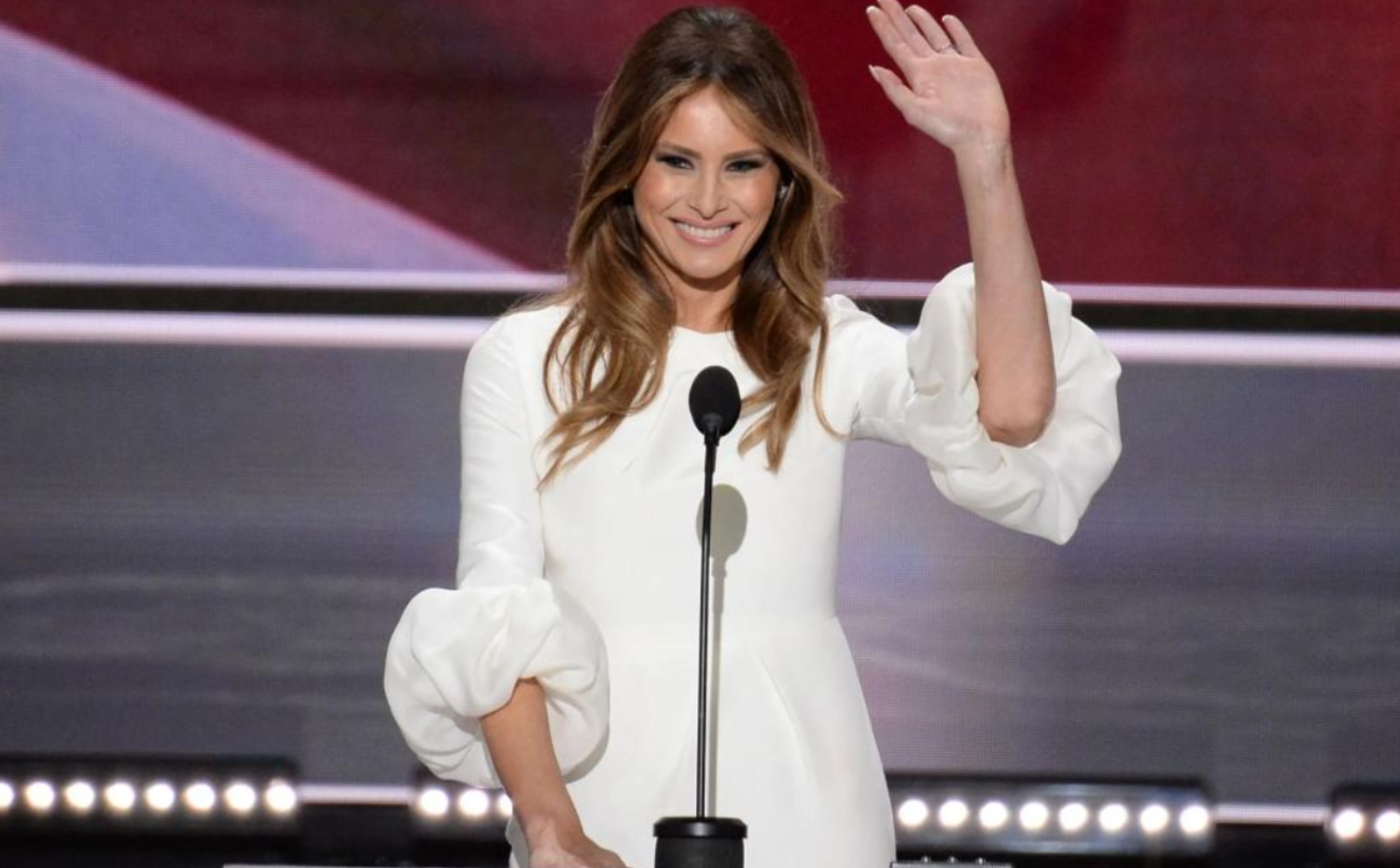
Melania Trump, the former First Lady, has openly defended her past nude modeling work, making a strong case for the celebration of the human body. In the latest promotional effort for her upcoming memoir, Trump used her Instagram platform to reflect on her modeling career, addressing the controversy that has followed her. Watch: This is not the first time Melania has stepped forward to promote her memoir, set for release on October 1. Typically private, she has shared a few video snippets on her social media platforms, each offering insight into her thoughts and experiences. In a previous post, she addressed the July 13 assassination attempt on her husband, Donald Trump, while raising questions about law enforcement’s role in the incident. Another post featured a nostalgic moment with her son, Barron, now 18, as she reflected on the joys and challenges of motherhood. Born in Slovenia in 1970, Melania began modeling as a young adult and continued to build a career in the industry. One of her most talked-about shoots occurred in 1995 when she posed nude for a French adult magazine. Five years later, she posed again, this time on Donald Trump's private jet for British GQ. At the time, she had been dating the real estate mogul for about two years. The couple would go on to marry in 2005. As the 2016 presidential election approached, many of these images resurfaced, sparking debates and raising questions about their appropriateness for a future First Lady. Photographer Antoine Verglas, who captured Melania’s 2000 GQ shoot, described her as someone who was selective about how much she revealed. "Melania was a very reserved person. She was definitely not someone who you would see in nightclubs or going out a lot," Verglas said, describing her as "pretty down to earth, very nice, very warm." Through her memoir and promotional videos, Melania Trump is reminding the world that her work, much like the artistic portrayals of the human form throughout history, is worthy of admiration rather than criticism. She stands firm in her belief that beauty, in all its forms, should be respected and honored. Credit: NYP 2024-09-20
-
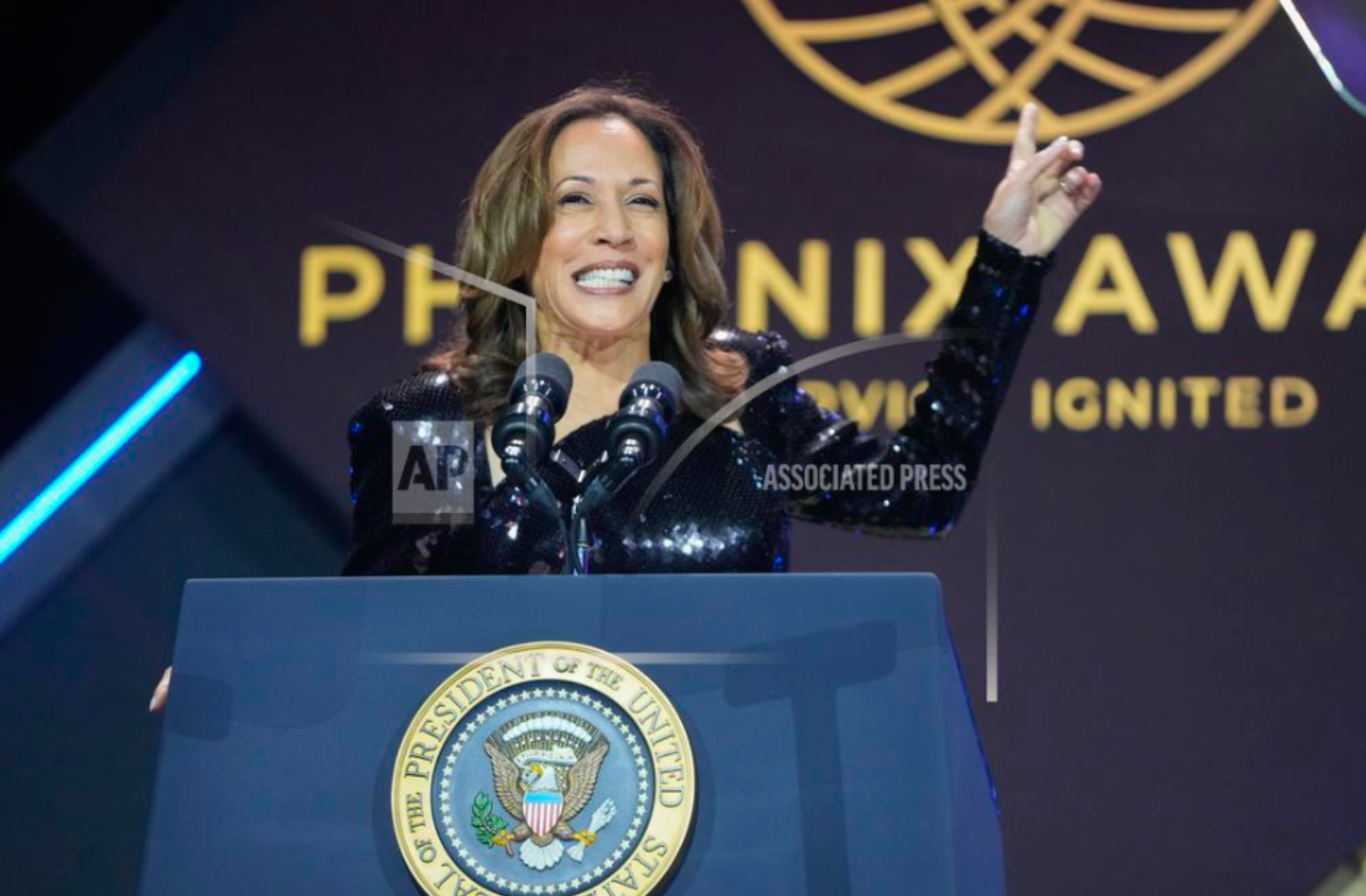
Progressive and immigration groups are voicing concern over Vice President Kamala Harris' recent pledges on border security, which many view as "harmful" and in line with a "MAGA anti-immigrant agenda." Yet, despite this discontent, these groups are largely standing by her in the race for the presidency. The urgency of preventing another Donald Trump administration has created a temporary sense of unity among Democrats, but immigration could fracture the party again if Harris wins the election in November. The issue is expected to be a central focus next year for both the White House and Congress, no matter the outcome of the November 5 election, due to the global migration crisis. Some progressives, however, are holding out hope that Harris' strong rhetoric on border control is merely a campaign strategy designed to secure a victory, and that, as president, she would revert to the more liberal positions she espoused during her 2020 campaign. Harris’ tenure in the Biden administration, spanning more than three years, has seen her shift from championing immigrant rights to adopting a more hawkish stance on border issues. She has signaled support for a bipartisan bill that failed in Congress but would heavily restrict asylum, continue border wall construction, and allocate historic levels of funding to detain undocumented immigrants. This current position contrasts with her earlier time as a California senator when, in 2017, she stated: "I know what a crime looks like. I will tell you: an undocumented immigrant is not a criminal." Furthermore, during her 2019 presidential run, Harris advocated for making illegal border crossings a civil, not criminal, offense. Several organizations have been vocal about opposing the border bill if Harris were to advance it as president. Kerri Talbot, executive director of the Immigration Hub, expressed her group’s opposition, saying, “If you take out the Ukraine aid that was originally part of the compromise, it’s just a Republican bill.” David Stacy of the Human Rights Campaign added that the bill “undermines asylum protections for LGBTQ+ people fleeing violence.” Oxfam America’s Gina Cummings and Sunil Varghese of the International Refugee Assistance Project also voiced opposition, citing concerns about reduced asylum access and outdated immigration policies. Yet, despite their opposition to the bill, these same groups remain supportive of Harris. Talbot, for instance, maintains trust in the vice president’s judgment, stating, “We all know and trust Harris to make the right decisions when she’s in office. I don’t think this bill will ever come up again, as is.” Harris herself has emphasized a balanced approach, arguing in a recent interview that “We can keep families together, and we can secure the border.” The reality is that many Democrats, although not in full agreement with Harris’ current immigration stance, are prioritizing unity in the face of Trump’s far more hawkish proposals. Trump has promised sweeping domestic raids and the largest deportation operation in U.S. history. California Senator Alex Padilla acknowledged the flaws in the border bill but reiterated his support for Harris, saying she “values keeping families together and providing a pathway to citizenship for long-term residents.” The progressive group Indivisible echoed this sentiment, pointing out that while they don’t back Harris on every position, “Stopping Trump is absolutely critical.” For now, Democrats are standing together, with the hope that Harris’ policies, should she win, will align more closely with the progressive values she once championed. Credit: AXIOS 2024-09-20
-
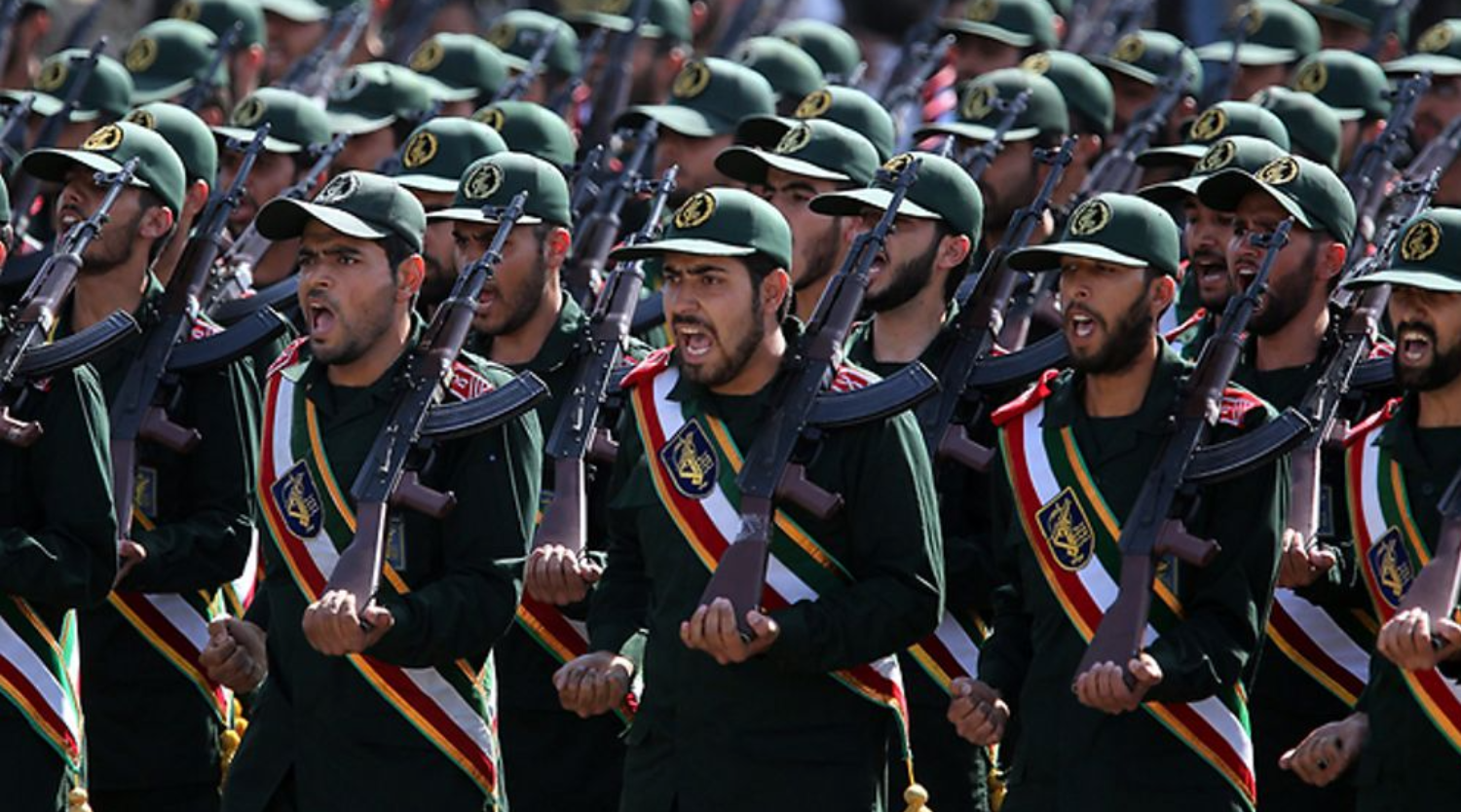
The October 7 attacks last year, where Hamas terrorists brutally murdered over 1,200 people and kidnapped 250 more, shocked the world. For many in the UK, the event might seem distant, but the reality is that the threat posed by Hamas, backed by Iran, is much closer to home. Iran’s Islamic Revolutionary Guard Corps (IRGC), with its £5 billion budget, is not only a menace in the Middle East but also in the UK. Iran seeks to destabilize the West, and the IRGC plays a significant role in advancing these goals. The Iranian regime, with its leadership regularly referring to the UK as "Little Satan" in comparison to the U.S., has made it clear that they wish to undermine British values and society. Iranian agents, with their connections to the IRGC, are actively involved in spreading division within British communities. The IRGC, responsible for global terrorism, has supported groups that intimidate Jewish people and others in the UK, making it essential for the British government to take decisive action. Iran is not just a local threat in the Middle East. The Houthis, backed by Iran, are attacking ships near the Suez Canal, vital for global trade, including Britain’s access to goods. More recently, Iran supplied 200 ballistic missiles to Russia, furthering Russia's war against Ukraine. Meanwhile, Russia is suspected of sharing nuclear knowledge with Iran, a regime openly calling for the destruction of Israel. The situation is made worse by China’s involvement, as it purchases large amounts of Iranian oil and provides economic backing to both Iran and Russia. China’s growing global influence and its economic maneuvers threaten democratic values around the world. Its strategy of indebting smaller nations and taking control of strategic assets, such as ports, poses a danger to global security. Keir Starmer, as the newly elected Prime Minister, has been faced with these immense global challenges. However, his early actions have raised concerns. Despite warnings from MI5 about the scale of Chinese espionage, his government has not labeled China a security threat. Labour’s talk of potentially handing over the Chagos Islands, a key strategic asset in the Indian Ocean, to Mauritius—a nation heavily influenced by China—adds to these worries. Reversing protections for free speech in universities and delaying defense spending increases are further signs of a troubling approach. On Iran, Starmer's government has been indecisive. In opposition, Labour promised repeatedly to designate the IRGC as a terrorist organization, with prominent figures like David Lammy affirming this stance. But now, they claim that climate change is a bigger threat than terrorism. To argue this to the victims of terrorism would be a hard sell. Instead of spending £11 billion on overseas climate aid, the government should focus on strengthening the military and boosting defense spending. As a former minister, I argued strongly for the proscription of the IRGC, alongside others like Sir Iain Duncan Smith. Unfortunately, internal opposition and Foreign Office resistance meant that these moves were blocked. But now Labour must follow through on its promise to proscribe the IRGC, for the sake of national security. In the UK, the IRGC has been linked to groups that promote division, radicalize communities, and intimidate people, including journalists. British security services have thwarted 15 assassination plots by Iran against UK residents in the last year. Banning the IRGC would give UK authorities the power to crack down on those affiliated with this terrorist organization, ensuring the safety of British citizens. Proscribing the IRGC is essential. It would send a clear message that Iran’s actions, both in the UK and globally, are unacceptable. The UK cannot afford to be passive. A failure to confront Iran now will only lead to greater challenges in the future, as history has repeatedly shown. The time for action is now. Credit: Daily Telegraph 2024-09-20
-
A couple of blatant anti-semitic rants have been removed along with a reply
-
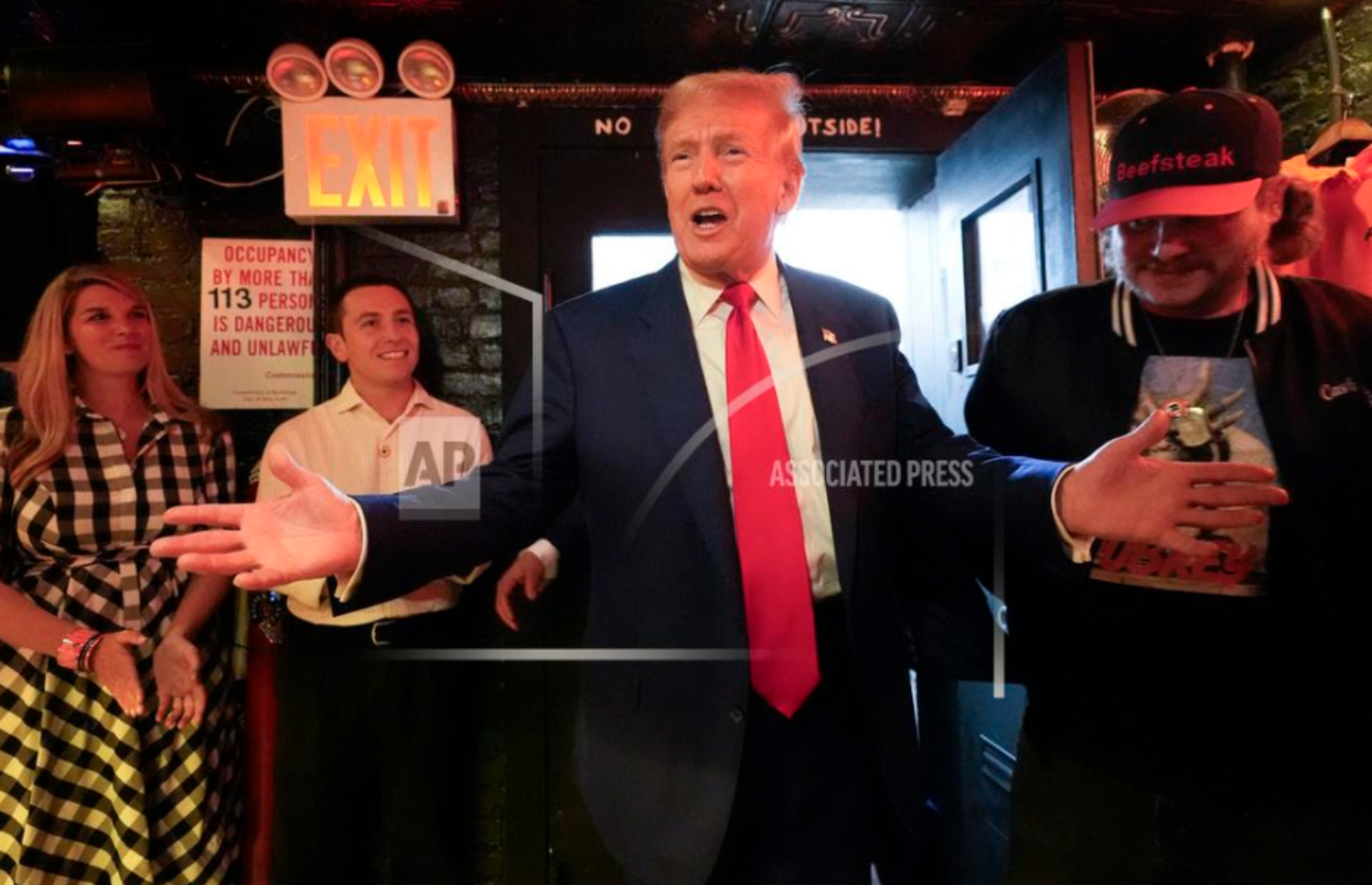
Iranian hackers reportedly distributed stolen information from Donald Trump’s electoral campaign to people linked with Joe Biden’s team, according to the FBI and US intelligence agencies. In late June and early July, the hackers sent unsolicited emails containing Trump campaign data to individuals associated with the Biden campaign, though there is no evidence these emails were acknowledged or responded to. This activity occurred before Biden dropped out of the presidential race, raising concerns about foreign interference in US elections. In August, US officials warned that Iran aimed to "stoke discord" and erode public trust in US institutions ahead of the November election. They reported that Iran, using social engineering tactics, had sought access to both Democratic and Republican campaigns, similar to methods employed by both Iran and Russia in other international elections. The FBI released a statement on Wednesday acknowledging that "Iranian malicious actors have continued their efforts since June to send stolen, non-public material associated with former President Trump’s campaign to US media organisations." Trump campaign spokeswoman Karoline Leavitt, when contacted by the BBC, claimed the hack was clear evidence of Iran’s interference in favor of Kamala Harris and Joe Biden. She added, "President Trump will restore his tough sanctions and stand against their reign of terror." Leavitt further called for Biden and Harris to clarify what they knew about the material sent to their associates. “What did they know and when did they know it?” she asked. Morgan Finkelstein, a spokesperson for the Harris-Walz campaign, responded that the campaign had cooperated with authorities from the moment they became aware of the hacks. She clarified that no material had been sent directly to the campaign, and what was received appeared to be a phishing attempt targeting personal emails. Finkelstein also condemned foreign interference, stating the campaign "condemns in the strongest terms" such activities. The FBI, having contacted the victims of the hack, is continuing its investigation to track and disrupt those responsible for the attack. This development comes amid renewed scrutiny over Trump’s security, following what appeared to be a second assassination attempt against him at his Mar-a-Lago golf club in Florida. Speaking about the incident, Trump told reporters, "I just have to lead my life" and expressed his determination to not let threats stop him from continuing his activities. The incident follows a previous attack in July, during a rally in Butler, Pennsylvania, where Trump was wounded by a gunman. US officials had cited an Iranian threat against Trump's life, prompting tighter security measures. Trump supporters expressed anger and concern over these incidents. At a rally in Long Island, Dina Glazer blamed Democrats and their rhetoric for the threats, while another supporter, Michelle Christ, voiced her fear that Trump was in "constant danger." As tensions rise and investigations continue, the situation remains fluid, with more details expected to emerge. Credit: BBC 2024-09-19
-
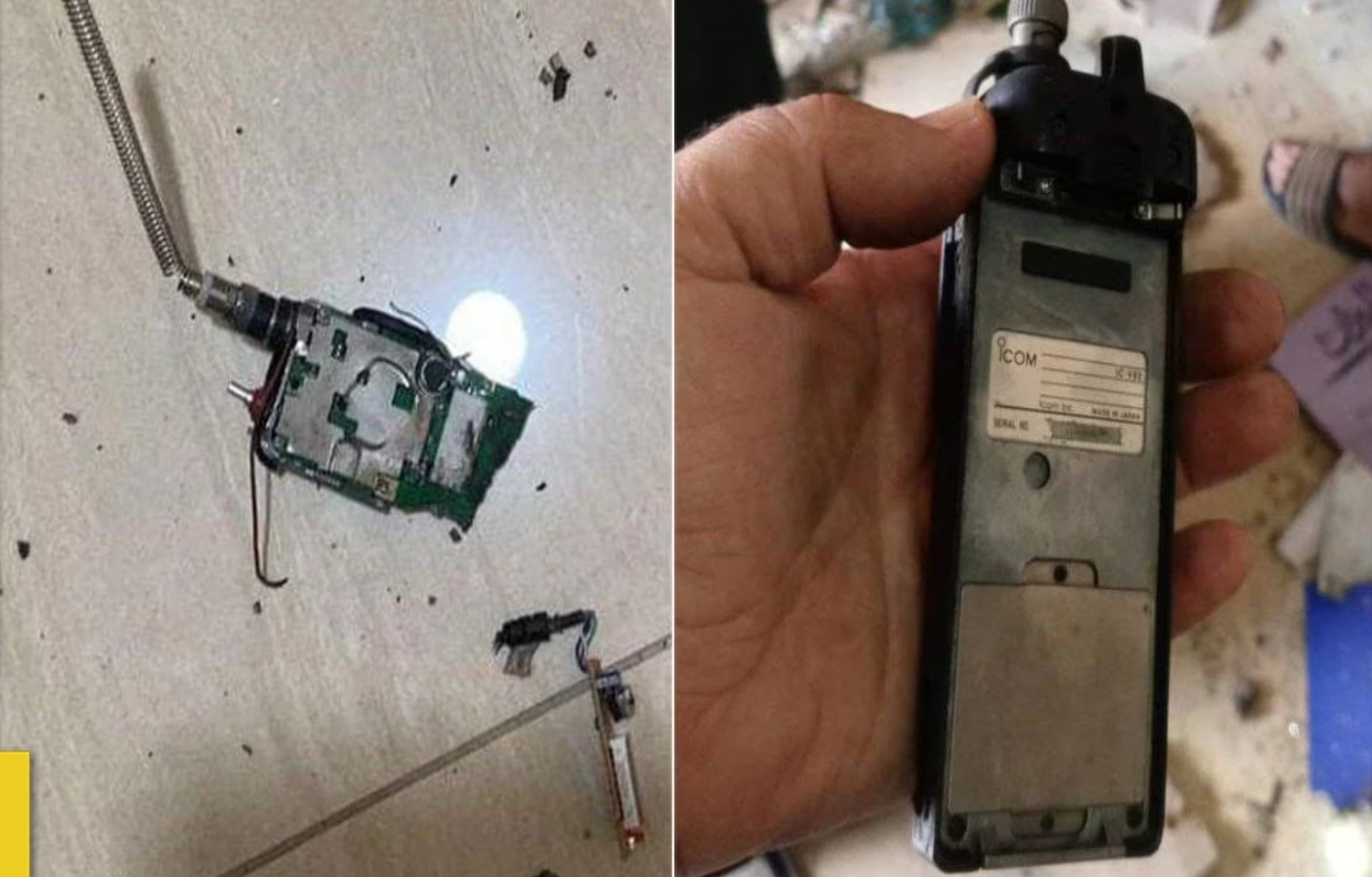
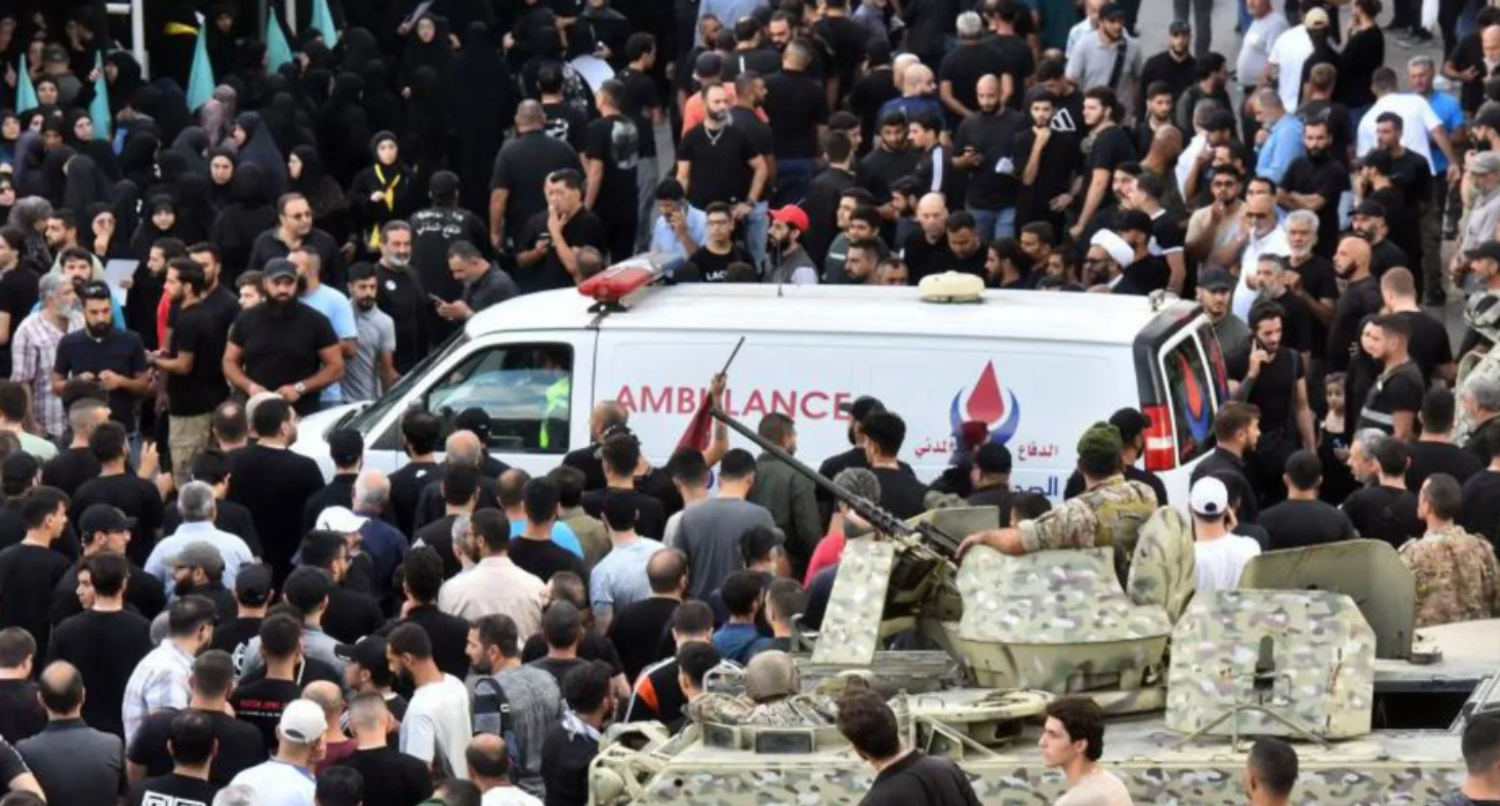
A fresh wave of explosions has shaken southern Beirut’s Dahiyeh district, a stronghold of Hezbollah, just as crowds gathered to mourn the victims of Tuesday’s devastating pager-bomb attacks. The latest explosion, captured in a chilling video, showed a man lying on the ground as panicked crowds fled, screaming in terror. The death toll from walkie-talkie blasts has risen to 20 so far – Lebanese health ministry says. We have not received an updated figure for how many have been injured, but Lebanon's health ministry earlier said it was at least 450 people. It is suspected that the pagers had been rigged with explosives and detonated remotely. Hezbollah distributed the devices over concerns that Israeli intelligence was using smartphones to track and target their members. As of Wednesday, it remains unclear how the second wave of walkie-talkie explosions was executed, but Hezbollah has openly blamed Israel, vowing retaliation. Israel, as is typical in these situations, has not commented. The tension between Hezbollah and Israel continues to escalate, with concerns that the violence could lead to an all-out war. Hezbollah, whose attacks on Israel began almost a year ago, claims to be acting in solidarity with Palestinians in Gaza. A ceasefire, however, remains a distant hope. At the funeral in Dahiyeh, mourners echoed a defiant sentiment despite the growing violence. One young man expressed his grief and resolve: “The pain is huge, physical and in the heart. But this is something we are used to, and we will continue with our resistance.” A 45-year-old woman was equally resolute, stating, “This will make us stronger. Whoever has lost an eye will fight with the other, and we are all standing together.” In response to the mounting violence, Israeli defense minister Yoav Gallant said the country was “at the start of a new phase in the war.” This statement came as the Israeli army’s 98th division was relocated from Gaza to Israel’s northern region, signaling potential further escalation with Hezbollah. Despite Hezbollah’s stated reluctance to engage in a full-scale conflict, Lebanon's ongoing economic crisis has left the country vulnerable, with many fearing a war is not in the nation's best interest. Nevertheless, many will be watching closely for Hezbollah leader Hassan Nasrallah’s public response, expected Thursday, which may give insight into the group’s next move. Credit: BBC 2024-09-19
-
A number of off topic, unsubstantiated, baiting and bickering posts have been removed along with the replies. There is additionally separate topics on the pager and walkie talkie explosions in Lebanon here: Pager Explosions in Lebanon Target Hezbollah Members 9 Dead Thousands Injured https://aseannow.com/topic/1338459-pager-explosions-in-lebanon-target-hezbollah-members-9-dead-thousands-injured/ Chaos Erupts in Lebanon as Walkie-Talkie Explosions Adds to Yesterdays Pager Blasts https://aseannow.com/topic/1338545-chaos-erupts-in-lebanon-as-walkie-talkie-explosions-adds-to-yesterdays-pager-blasts/
-
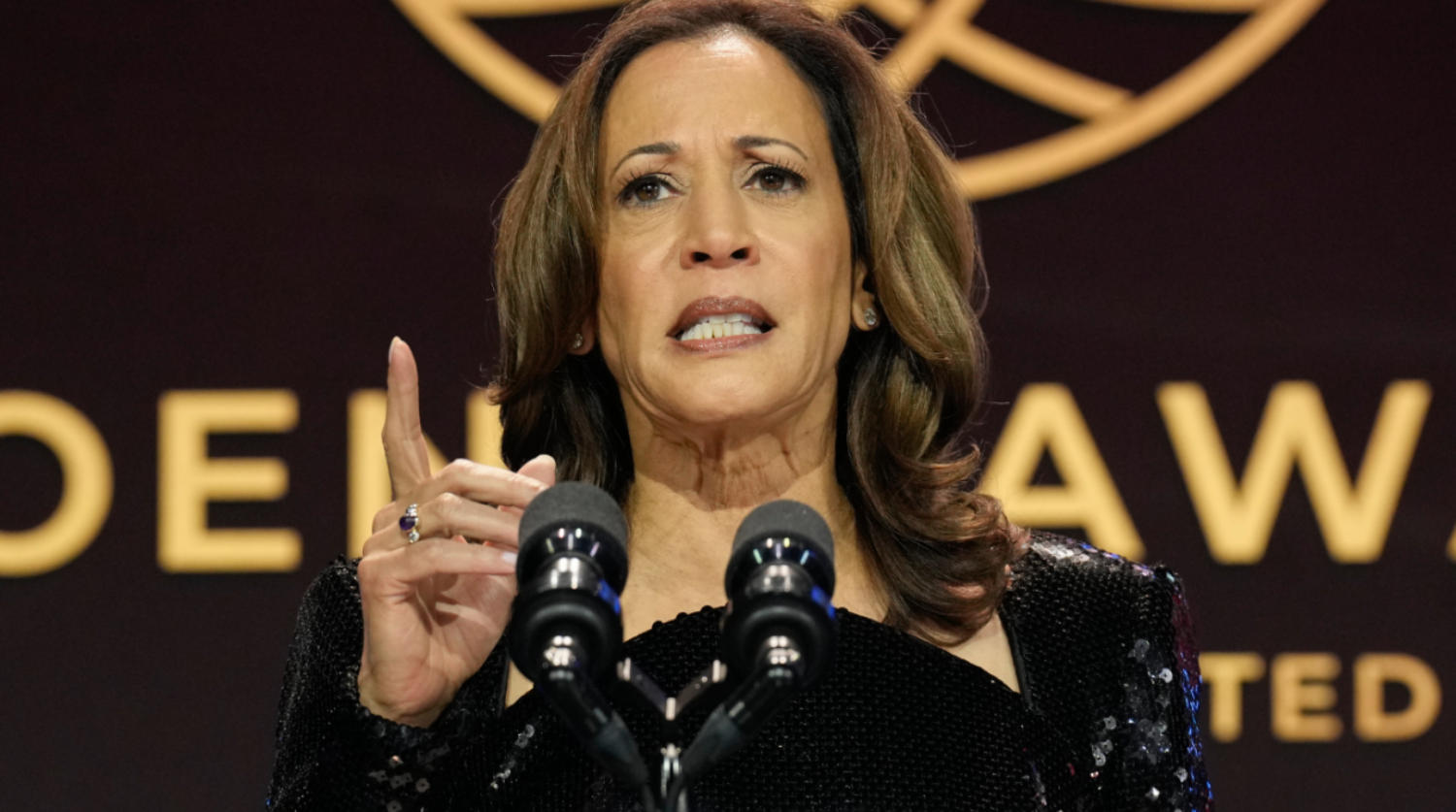
Russian propagandists have escalated their attacks on the presidential campaign of Vice President Kamala Harris, spreading disinformation through viral social media videos, according to Microsoft researchers. One particularly damaging video featured an actor falsely accusing Harris of a hit-and-run that paralyzed a young girl. Although the incident never happened, the video spread widely on X (formerly Twitter), reaching as many as 7 million views and gaining further traction on platforms like Facebook, TikTok, and YouTube. The video originated from a newly created San Francisco-based news outlet, which quickly disappeared after the video gained popularity. Despite its short lifespan, the false narrative resonated with social media users, shared by accounts with hundreds of thousands of followers. Another fabricated video promoted the idea that Harris had commissioned vulgar billboards in New York advocating for children to change their gender. This video also gained substantial attention, amassing hundreds of thousands of views. Microsoft researchers identified three Russian government-backed groups as the source of these smear campaigns. The groups have a history of creating provocative, fake content designed to generate outrage and sway public opinion. One of the groups, Microsoft noted, is particularly adept at creating scandalous claims and videos that dominate headlines. Another is expected to ramp up its targeting of the Harris campaign as the election approaches. These findings were part of Microsoft’s regular report on foreign attempts to influence U.S. elections. The company has warned that Russia’s disinformation efforts have not diminished despite previous exposure and attempts to disrupt their operations. In fact, the Kremlin seems undeterred by international scrutiny, even as Russian President Vladimir Putin has publicly claimed to support Harris. Meta, the parent company of Facebook and Instagram, recently took action by banning pages affiliated with the Russian state-controlled media outlet RT (formerly Russia Today). The U.S. government has imposed sanctions on RT, accusing it of engaging in intelligence and propaganda activities. Two RT employees were indicted by the Department of Justice for laundering millions of dollars through shell companies to covertly run a media firm in Tennessee, which posted videos by conservative influencers in an effort to undermine support for Ukraine. U.S. Secretary of State Antony Blinken has been vocal about the threat posed by Russian media outlets like RT, stating that they are no longer merely spreading propaganda but are actively involved in covert operations to influence elections. "They are engaged in covert influence activities aimed at undermining American elections and democracies, functioning like a de facto arm of Russia’s intelligence apparatus," Blinken said. In addition to disinformation campaigns, Microsoft’s report also detailed the activities of six Russian hacktivist groups believed to be working in collaboration with Russian intelligence agencies, such as the FSB and GRU. These groups, while claiming independence, seem to coordinate closely with the Russian government and offer a means of disseminating compromised information from hacking operations while maintaining plausible deniability. The U.S. Cybersecurity and Infrastructure Security Agency (CISA) and the FBI have also raised alarms, warning that foreign actors might attempt to falsely claim hacks of voter rolls or election-related materials to undermine public trust in the election process. Microsoft echoed this concern, urging caution in inflating the perceived threat posed by these groups, while also emphasizing the need for vigilance. In addition to Russian interference, the report highlighted the activities of a Chinese influence group. This group appears more focused on dividing Americans and creating confusion rather than backing a specific candidate. Microsoft pointed to a notable example following the attempted assassination of former President Donald Trump in Butler, Pennsylvania. After the incident, Chinese-operated accounts began rapidly sharing content from right-wing influencers and commentators, pushing narratives that implicated Democrats in the attack. These revelations underscore the ongoing threat of foreign interference in U.S. elections, as Russia and other countries continue to exploit social media and other platforms to spread disinformation, inflame tensions, and erode trust in democratic institutions. Credit: WP 2024-09-19
-
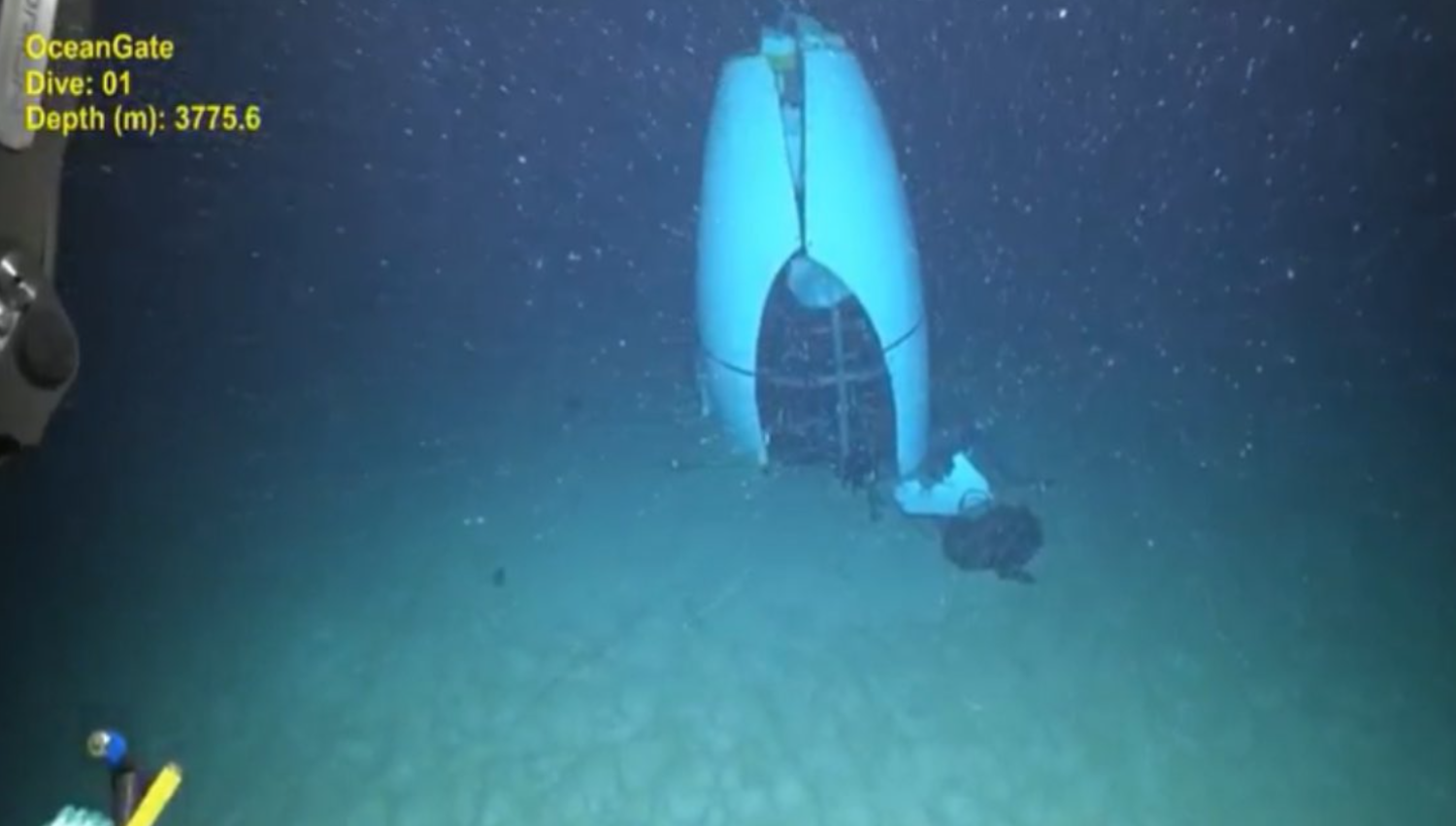
In a public hearing on the 2023 Titan submersible tragedy, a former employee of OceanGate, the company behind the ill-fated vessel, claimed the disaster was "inevitable" due to the company bypassing safety protocols. David Lochridge, OceanGate’s former operations director, testified before U.S. Coast Guard investigators, stating that he had raised concerns about potential safety issues before being dismissed in 2018. His warnings were ignored, culminating in the tragedy that claimed five lives when the Titan imploded during a descent to the Titanic wreck in June 2023. Investigators disclosed additional details, including communications between the Titan and its mother ship, the Polar Prince. Notably, one of the last messages from the submersible before it imploded read, "all good here." Officials also revealed that during its earlier dives to the Titanic in 2021 and 2022, the submersible had experienced 118 equipment issues. Specific incidents included its batteries dying, leaving passengers stranded inside the sub for 27 hours. The Titan tragedy claimed the lives of OceanGate CEO Stockton Rush, British explorer Hamish Harding, veteran French diver Paul Henri Nargeolet, British-Pakistani businessman Shahzada Dawood, and his 19-year-old son, Suleman. Following the incident, OceanGate suspended all exploration and commercial operations. Credit: BBC 2024-09-19
-
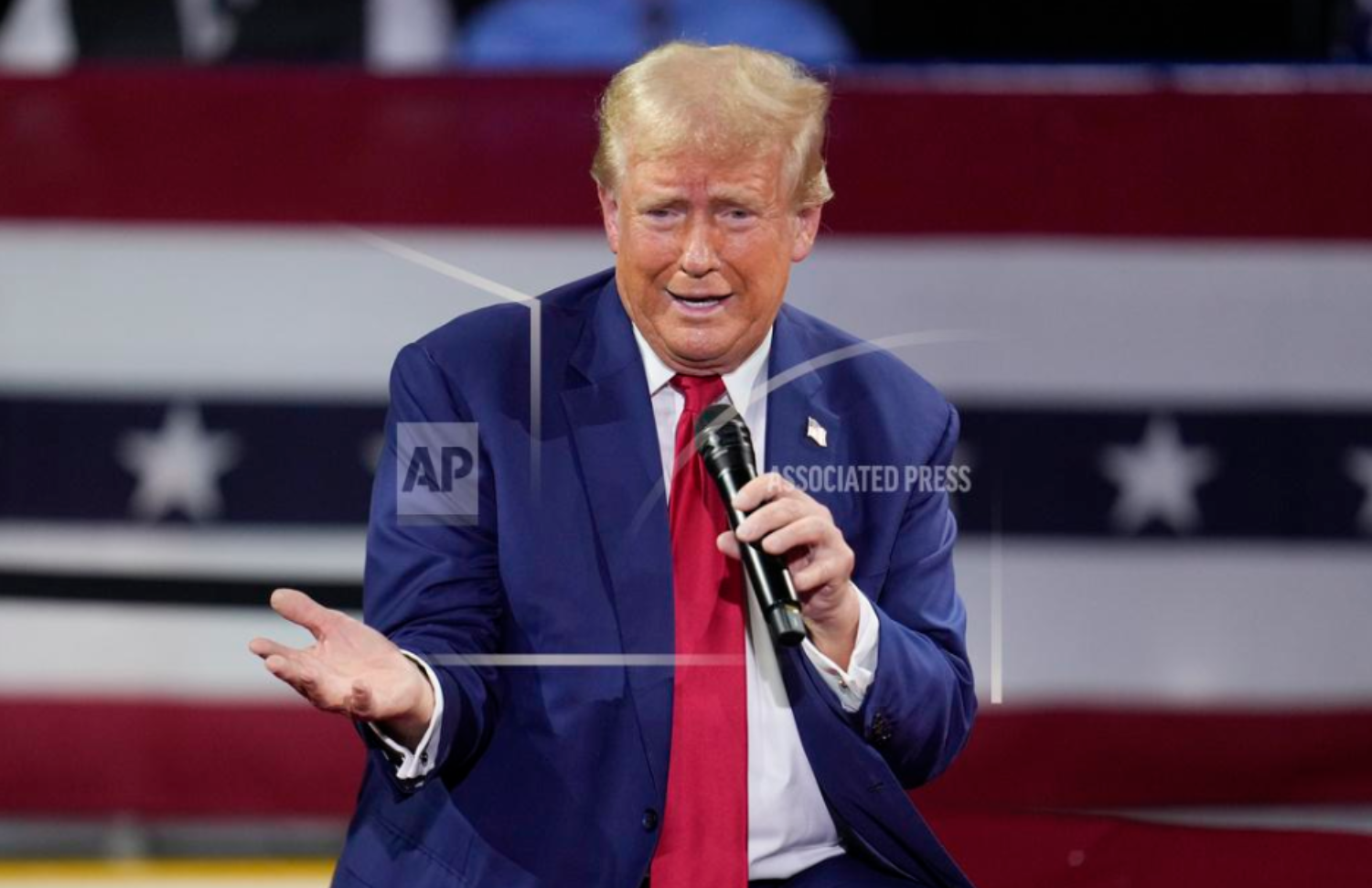
In a rare departure from his usual fiery rhetoric, Donald Trump appeared to embrace a more tempered tone during a rally in Flint, Michigan. With weeks left until the election, the likelihood of attacks ramping up remains, but for the moment, the former president seemed focused on lowering the political heat. "It’s a dangerous business being president," Trump remarked to loud applause inside the Dort Financial Center. The event marked Trump's first public appearance since his Florida golf course was the site of a dramatic security incident. Interviewed by Sarah Huckabee Sanders, his former press secretary and now the governor of Arkansas, Trump recounted the tense moments when shots were fired between holes five and six at his course in West Palm Beach. "I have to say, Secret Service did a hell of a job," he said, explaining how one agent spotted the suspect with a rifle. Trump then lightened the atmosphere by quipping, "Women are smarter than men," in reference to a female witness who snapped photos of the fleeing suspect's vehicle. As Trump retold the story, Secret Service agents stood vigilant on either side of the stage, carefully scanning the crowd for any signs of danger. At one point, Trump eagerly asked the agent who identified the gunman to stand up and be recognized by the crowd but quickly decided against it. Despite initially blaming Joe Biden and Kamala Harris for fueling violent rhetoric—an accusation made without evidence—Trump refrained from such claims during this rally. Instead, he spoke almost warmly about recent conversations with both the president and vice president. "President Biden was so nice," Trump shared. "I do feel he’s so, so nice." Regarding Kamala Harris, Trump said, "I got a very nice call from Kamala. It was very nice." Though some in the crowd shouted, “She’s a liar,” Trump dismissed the comment with a shake of his head. Brian Menasco, a local from Columbiaville, believes Trump was making an effort to lower the political temperature. "I think so," Menasco said. "I've wanted him to do that since 2016. He's amazing but sometimes I think, 'why has he said that?'" Trump's decision to hold the rally in Flint was deliberate. He had planned to visit Michigan before the apparent assassination attempt and sees the state as critical to his path back to the White House. After winning Michigan in 2016 and losing it to Biden four years later, regaining support in key swing states like Michigan is essential for Trump’s campaign. Flint, about an hour from Detroit, is infamous for its water crisis, which began in 2014 when lead contaminated the city’s water supply, resulting in at least 12 deaths and leaving lasting scars on the community. Known as "Vehicle City" due to its history with the auto industry, Flint's economy has suffered as manufacturing jobs declined. The North Dort Highway is still lined with businesses tied to cars, including repair shops and scrap metal yards. Gary Grundy, an independent voter, was at Trevor’s Tires, loading tyres into his SUV when asked about Trump's rally. He believes both Republicans and Democrats share the responsibility for dialing down political rhetoric. "When I heard, I was like, that's two attempts on his life, that’s kind of crazy," he said. "But the talk on both sides needs to be dialed down. So the rhetoric on both sides needs to calm down, it's collective responsibility." Not all attendees shared this view. Kristin Martinez, a Trump supporter, argued that Democrats bear some responsibility for inciting violence against Trump. "I really do think that they are responsible for, you know, maybe not calling out somebody to do it, but, you know, their words triggered somebody." Despite Trump's gestures towards civility, with less than two months until the election and political tensions high, the threat of further violence remains palpable. Credit: Sky News 2024-09-19
-
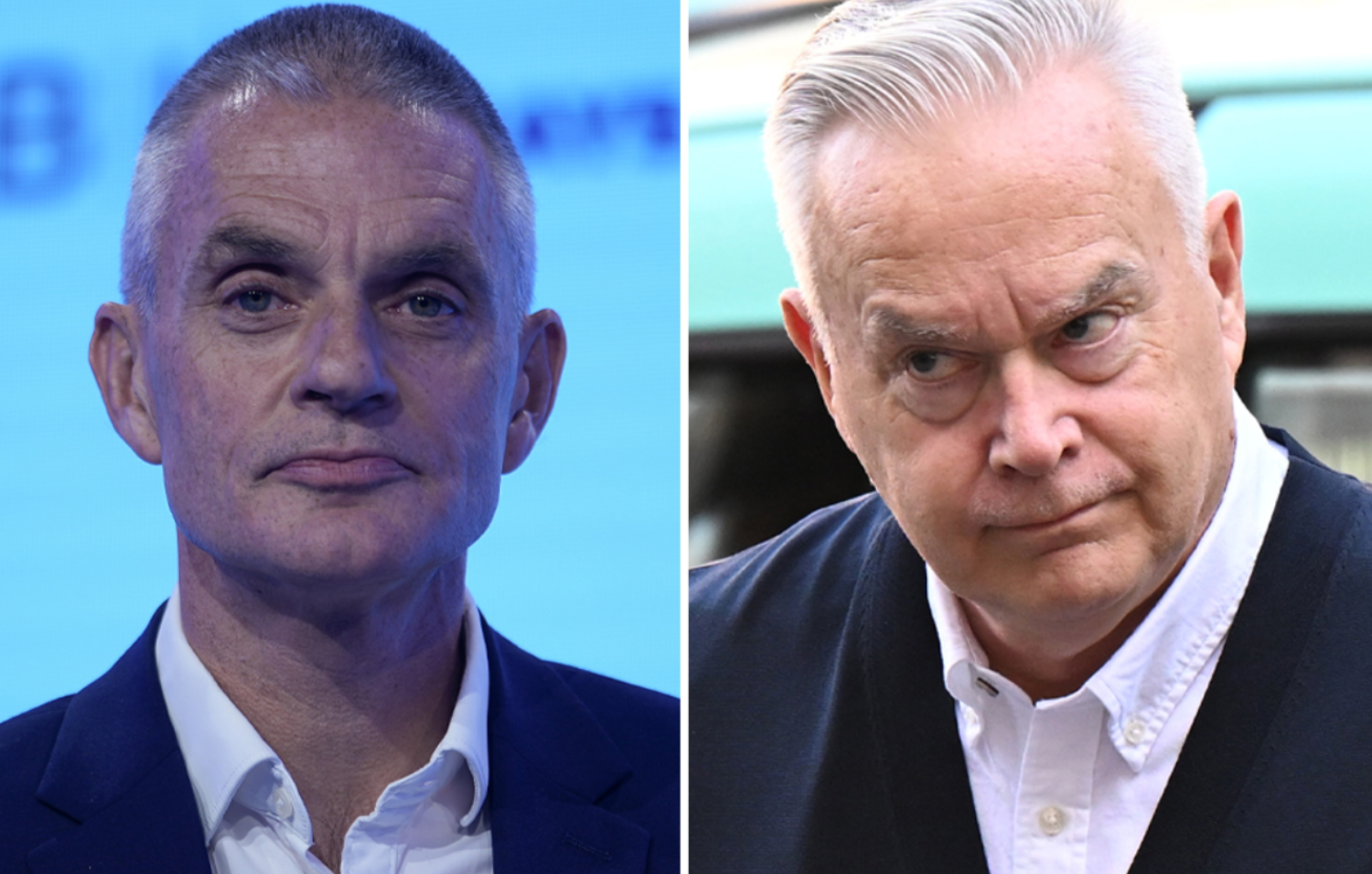
BBC Director-General Tim Davie has acknowledged that television stars have, in the past, been allowed to get away with "certain behaviours" within the workplace, an issue the corporation is actively working to address. This admission follows a series of high-profile scandals involving prominent figures within the organization. Davie made these remarks while addressing concerns that famous personalities receiving large salaries were being "indulged," with their actions often overlooked or excused. One of the most notable incidents involves Huw Edwards, once the BBC’s highest-paid news presenter, who was recently sentenced for child sex offences. Prior to this, complaints had surfaced from younger employees who alleged that Edwards had sent them inappropriate messages. Another BBC figure, Jermaine Jenas, known for his appearances on *Match of the Day* and *The One Show*, was recently dismissed after complaints surfaced about inappropriate messages he had sent. Additionally, Graziano Di Prima, a professional dancer on *Strictly Come Dancing*, departed the BBC following allegations that he had kicked his celebrity partner, raising concerns about a broader culture of bullying on the show. During an interview with the BBC’s Amol Rajan at the Royal Television Society conference, Davie reflected on the impact of these scandals. "There is no doubt that an affair like this impacts our reputation. We’re very mindful that people’s trust in the BBC is absolutely essential," he said. When questioned about the perception of preferential treatment for high-profile stars, Davie conceded that a disciplinary investigation into Edwards was halted after the presenter resigned. However, a broader review of the BBC’s workplace culture has been initiated. Davie acknowledged that, historically, the BBC may have excused the behaviour of certain creative talents. "There is still something about businesses where you’ve got these people... we often say that a person is creatively brilliant but it comes with certain behaviours," he remarked. He expressed a desire to shift the culture beyond excusing such conduct, stating, "One of the things I want to do in the next stage of this voyage as director-general – I really would love to be at a point where we really get beyond this. You use crisis to move yourself on." Pressed on whether star performers' bad behaviour was still being "indulged and excused," Davie admitted it remained "a constant work in progress." However, he emphasized that the workplace environment had evolved significantly, noting that over 50 percent of the BBC’s workforce is now female. "The environment is different. This is why it hurts so much when these things happen," he said. Davie also addressed the future of Edwards, making it clear that the disgraced presenter would not return to the BBC. "This man has just been convicted of appalling crimes and it’s pretty straightforward in my mind that I can’t see him working at the BBC again. It’s not a difficult question," he stated. While shocked by the revelations surrounding Edwards' "secret life," Davie clarified that the BBC would not entirely erase Edwards from its archives, given his significant role in covering major national events, including the announcement of Queen Elizabeth II’s death. "We never completely ban and rip someone out of the archive," he explained. Although Edwards’ material may not appear in day-to-day programming, Davie emphasized that removing all traces of such a prominent figure "doesn’t pass the common sense test." The BBC is also conducting a review into claims made by actress Amanda Abbington regarding her experiences on *Strictly Come Dancing*. Abbington has accused her dance partner, Giovanni Pernice, of being "abusive, cruel and mean" during rehearsals, allegations Pernice strongly denies. Davie indicated that the review was nearing completion, although it was not finalized before the new season of the dance show began. "Many things in life would be useful," Davie said wryly when asked if the review’s timing could have been better aligned with the show’s schedule. As the BBC faces scrutiny and works to rebuild trust, Davie’s comments highlight the ongoing effort to address misconduct and foster a safer, more accountable workplace culture. Credit: Daily Telegraph 2024-09-19
-
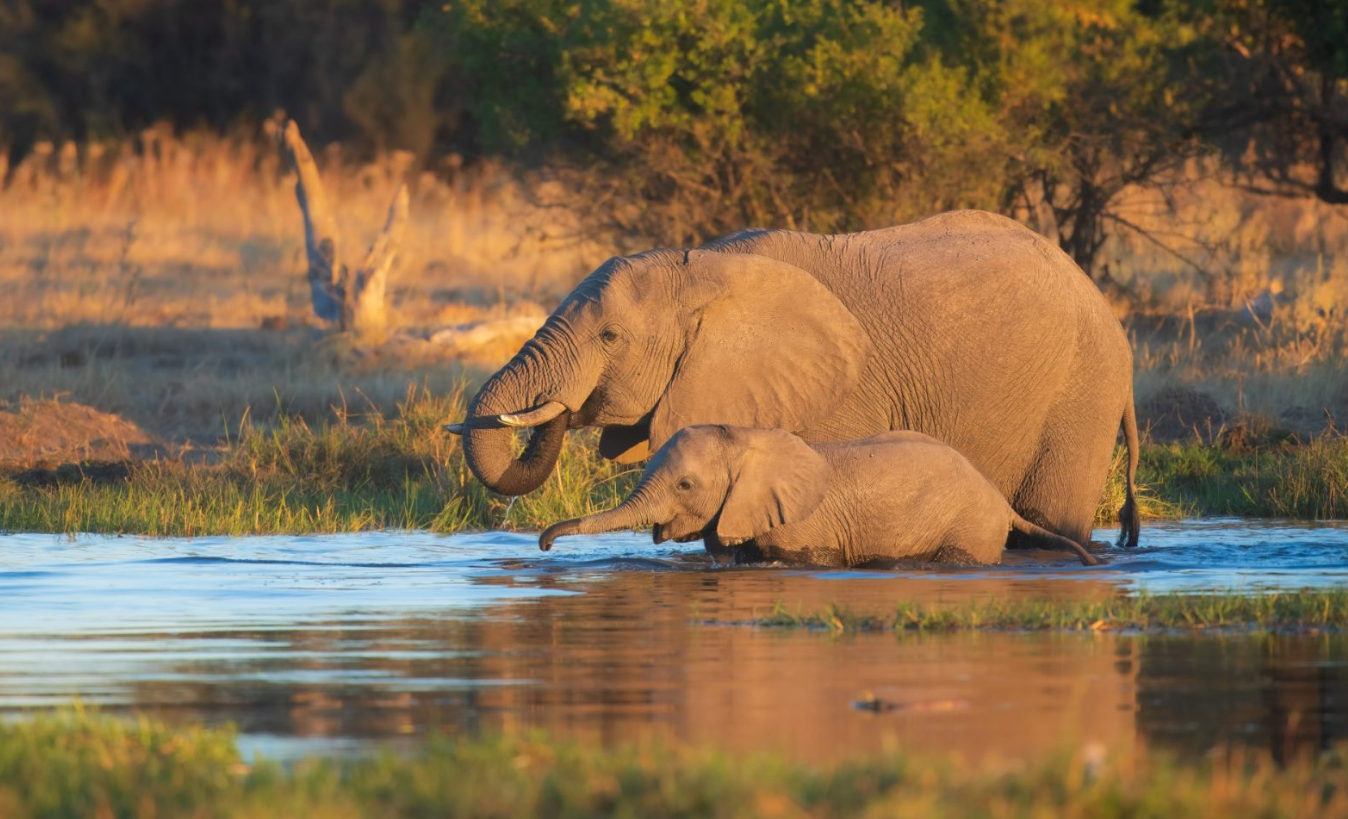
In response to a crippling drought, Zimbabwe and Namibia have announced plans to slaughter hundreds of wild elephants and other animals to provide much-needed food for their struggling citizens. The devastating drought, worsened by the El Niño weather phenomenon, has left many communities in these southern African countries facing severe hunger. On Monday, Zimbabwe's government disclosed its decision to allow the culling of 200 elephants, with the meat being distributed to vulnerable communities. Similarly, Namibia has begun killing over 700 wild animals, including 83 elephants, as part of a strategy revealed three weeks ago to address the food crisis. Tinashe Farawo, spokesperson for the Zimbabwe National Parks and Wildlife Management Authority, confirmed that permits would be issued to affected communities to hunt elephants. Additionally, the parks authority itself would conduct culling to meet the quota of 200 elephants. "We will start culling as soon as we have finished issuing out permits," Farawo stated. Farawo explained that the elephants will be taken from areas where their numbers have surpassed the capacity the environment can support. One such region is Hwange National Park in the arid western part of Zimbabwe, where humans and wildlife increasingly compete for scarce resources like food and water. The park currently hosts over 45,000 elephants but only has the capacity to sustain 15,000. Zimbabwe as a whole is home to roughly 100,000 elephants, double the population the country’s national parks can handle, according to park officials. In December, Zimbabwe's parks agency revealed that more than 100 elephants had already died due to the severe drought. Farawo warned that many more animals could perish from thirst and starvation as the country enters its hottest season. The drought situation, exacerbated by rising temperatures, has put immense pressure on wildlife and human populations alike. Zimbabwe's Environment Minister, Sithembiso Nyoni, voiced her support for the culling program during a Parliamentary session last week. “Indeed, Zimbabwe has more elephants than we need, more elephants than our forestry can accommodate,” Nyoni said. She added that the government was preparing to implement the culling and involve women in the process of drying and packaging the meat to ensure it reaches communities in need of protein. Namibia has also embarked on a large-scale culling operation. The Namibian government recently approved the killing of 723 animals, which includes not only elephants but also hippos, buffalos, zebras, impalas, and elands. These animals are sourced from five national parks, where the population of wildlife has grown beyond sustainable levels and has led to increased conflicts between humans and animals. Romeo Muyunda, spokesperson for Namibia's environment department, explained that the decision aligns with the country’s constitutional mandate to use natural resources for the benefit of its citizens. "This is necessary and is in line with our constitutional mandate where our natural resources are used for the benefit of Namibian citizens," Muyunda said. He emphasized that this action demonstrates how wildlife conservation can directly benefit people. While neighboring Botswana has the world’s largest elephant population at 130,000, it has not followed Zimbabwe and Namibia's lead in culling elephants to feed its population. However, Botswana's approach remains a notable contrast amid the region's broader struggle with drought. Guyo Roba, a food security and agricultural expert from the Jameel Observatory, a Kenya-based environmental think tank, commented on the difficult decisions facing both Zimbabwe and Namibia. "They are working against a wildlife population that is above their carrying capacity," Roba said. He acknowledged that the measures might appear controversial at first glance, but stressed that the governments face a tough balancing act. "The governments are torn between remaining faithful to some of their obligations at an international level in terms of conservation and supporting the population,” Roba said. As the drought continues to ravage southern Africa, the decision to cull elephants and other wildlife has become a desperate measure to address immediate food shortages. While controversial, it underscores the complex challenges these nations face as they seek to protect both their citizens and their natural heritage. Credit: ABC 2024-09-19
-
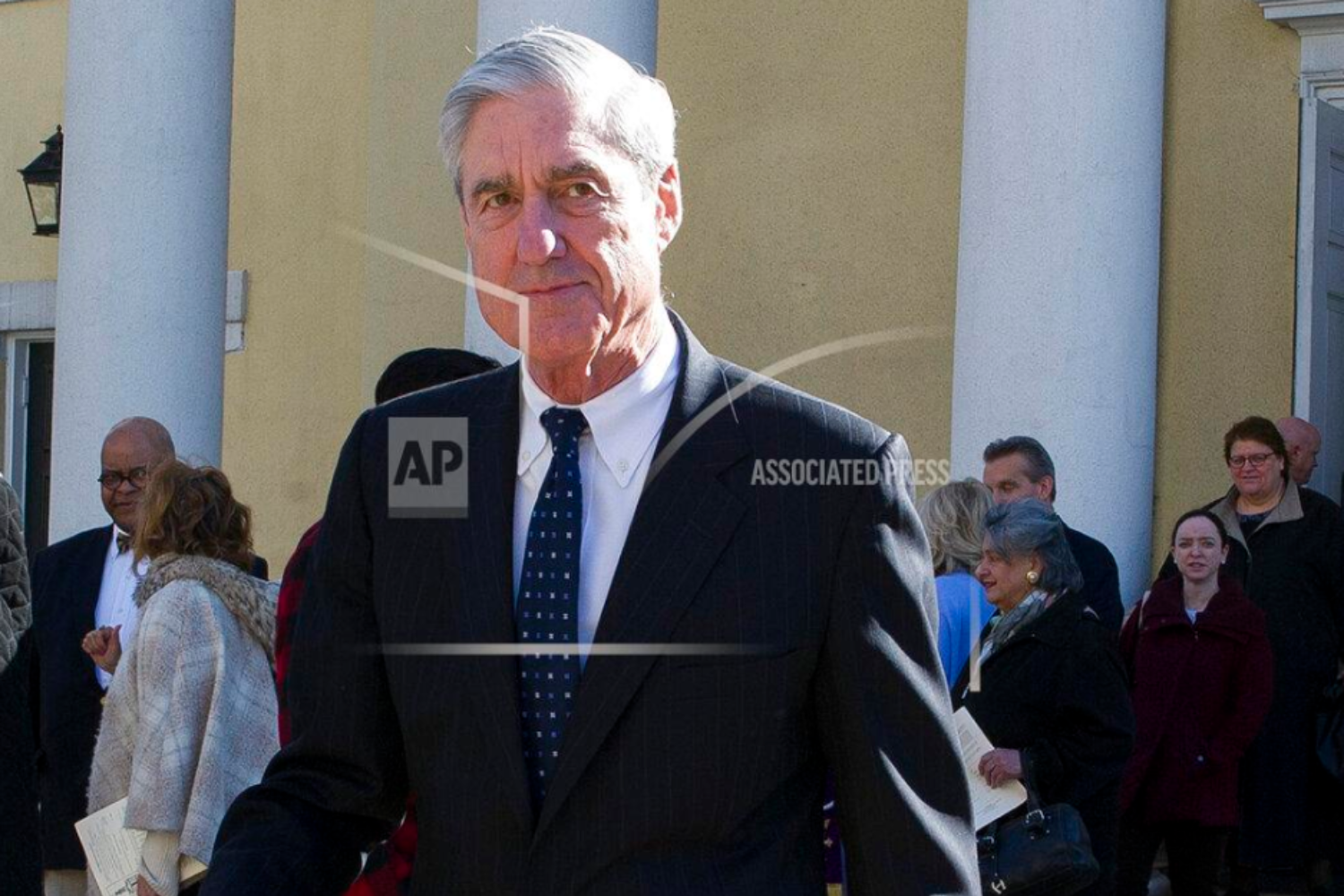
Former special counsel Robert Mueller, who led the investigation into Russian interference in the 2016 U.S. presidential election, has issued a stark warning: the United States is still not adequately prepared to combat Russian attacks on its democratic process. This caution comes in the preface to *Interference: The Inside Story of Trump, Russia, and the Mueller Investigation*, a new book by Aaron Zebley, James Quarles, and Andrew Goldstein, all of whom served as prosecutors under Mueller during his investigation from 2017 to 2019. “It is … evident that Americans have not learned the lessons of Russia’s attack on our democracy in 2016,” Mueller writes. He points out that the evidence was undeniable in his report, which detailed how the Russian government systematically targeted the U.S. electoral process to undermine democracy and boost one candidate over another. That candidate was Donald Trump, the Republican who won the presidency over Democrat Hillary Clinton. Despite efforts by various government officials, Mueller states that the country remains ill-prepared for future Russian interference, echoing a grave concern that “Russia attacked us before and will do so again.” Mueller’s warning underscores the importance of vigilance from all Americans, as well as the need for heightened governmental readiness. The book *Interference* explores the Mueller investigation in depth, from its origins following the firing of FBI Director James Comey to its eventual conclusion in March 2019. The investigation did not find conclusive evidence of collusion between Trump and Moscow, but it did lead to indictments against three Russian entities and 34 individuals. One of those convicted was Trump’s campaign manager, Paul Manafort, who was jailed. Mueller also identified 10 potential instances of obstruction of justice by Trump, though he refrained from indicting the sitting president due to Justice Department guidelines. Mueller praises Zebley, Quarles, and Goldstein, writing that they “care deeply about the rule of law and know the importance of making decisions with integrity and humility.” He highlights the value of these principles, particularly when facing those who are unwilling to play by the rules. The book also reveals behind-the-scenes moments, including a meeting at the White House, where Mueller was considered for a return to his previous position as FBI director. According to the authors, Trump dominated the conversation, but Mueller declined the offer, despite Trump’s later claims to the contrary. In the lead-up to the 2016 election, an “October surprise” came in the form of WikiLeaks' release of hacked Democratic emails, attributed to Russian interference. This event coincided with the fallout from Trump’s infamous *Access Hollywood* tape, in which he boasted about sexual assault. The Mueller team’s investigation confirmed that Russia’s actions were aimed at tipping the scales in Trump’s favor. However, attempts to interview Trump himself were blocked by his attorneys, including Rudy Giuliani, who breached confidentiality agreements, leading Mueller to cut ties with him permanently. As the book examines the aftermath of the 2016 election, it also reflects on the broader legal challenges Trump faced during his presidency. Giuliani is now embroiled in criminal and civil proceedings linked to efforts to overturn Trump’s 2020 election loss, while Trump faces multiple charges himself, including 34 criminal counts related to hush-money payments before the 2016 election. The authors express concern over recent U.S. Supreme Court rulings that could complicate future investigations into presidential misconduct. They highlight cases such as *Trump v. United States*, which grants a president "presumptive immunity" for official actions, thereby limiting the scope of potential prosecution for presidential abuses of power. Mueller’s investigation may not have resulted in Trump’s punishment, but it played a significant role in shaping public discourse on the integrity of American elections. As the nation heads toward another presidential race, the warnings from Mueller and his team resonate even more urgently. Their book arrives at a time when new reports suggest that Russian influence operations, this time targeting Vice President Kamala Harris, are already underway. Mueller’s warning is clear: while the U.S. may have learned from the past, it remains unprepared for the challenges of tomorrow. Credit: The Guardian 2024-09-19
-
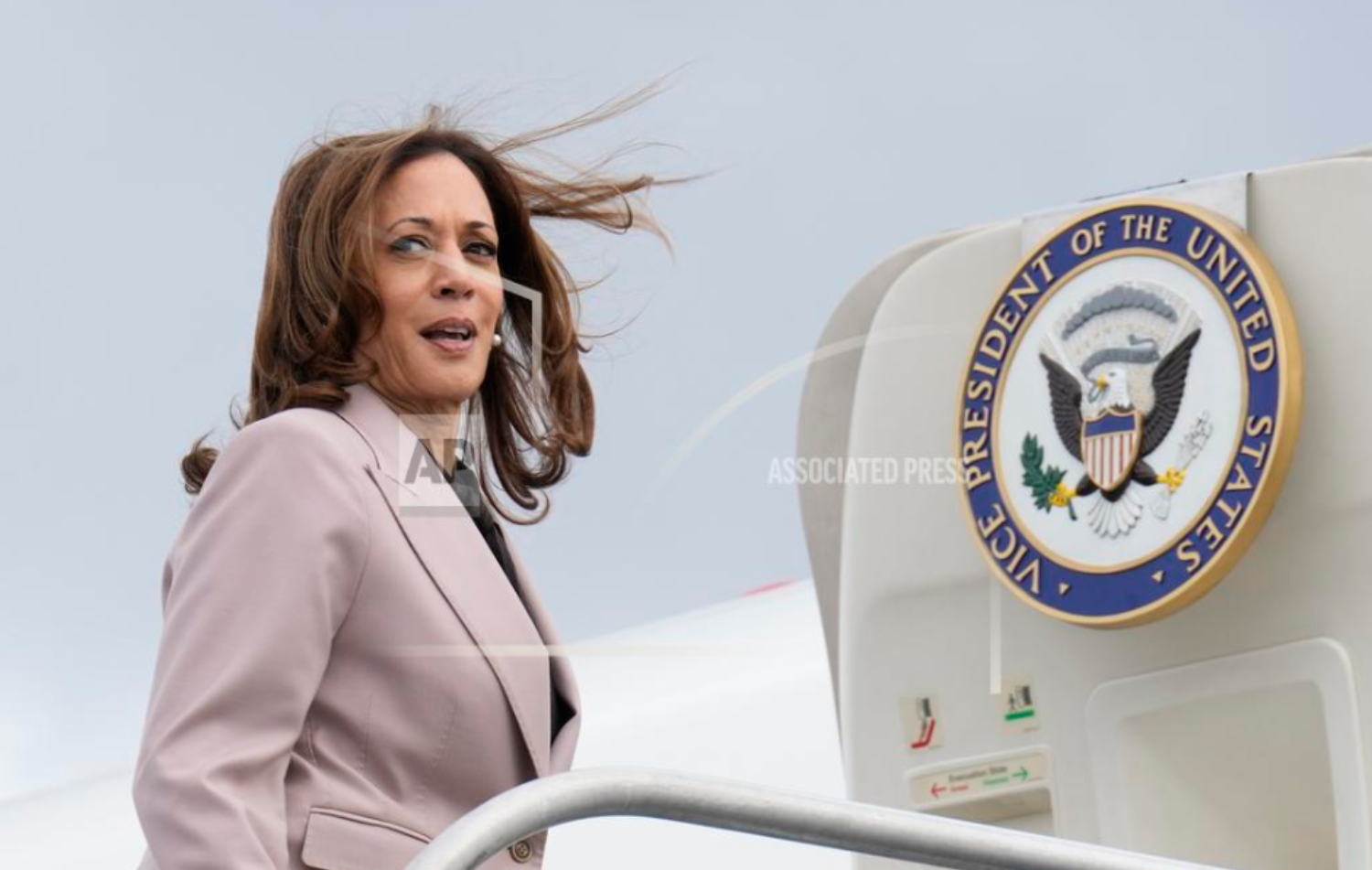
Kamala Harris, the vice president of the United States and a candidate for the 2024 presidential election, has indicated she is open to exploring reparations for slavery, marking a potential shift in national discourse on racial justice. During an interview with reporters from the National Association of Black Journalists (NABJ) in Philadelphia, Harris emphasized the importance of confronting the long-lasting effects of America’s historical injustices, including slavery, redlining, and Jim Crow laws. Harris’s stance on reparations could influence her standing among Black voters, a demographic that polls suggest has grown increasingly disillusioned with the Democratic Party. Some of her allies believe that embracing reparations could help win back these voters. However, others fear that the topic could alienate more voters than it attracts, given the stark racial divide on the issue. Throughout her career, Harris has largely avoided engaging in debates centered on identity politics. As the first Black woman to lead a major party’s presidential ticket, she has often navigated discussions about race with care. During the NABJ interview, she underscored the importance of not assuming support from Black voters based solely on her heritage. “I think it’s very important to not operate from the assumption that Black men are in anybody’s pocket,” she said. “Black men are like any other voting group, you’ve gotta earn their vote. So I’m working to earn the vote, not assuming I’m going to have it because I am Black.” Her comments reflect the delicate balance she must strike as she seeks to unite a broad coalition of voters in the 2024 election, particularly at a time when Republican candidate Donald Trump has been gaining traction among Black men. In contrast to Harris, Trump has consistently focused on identity politics, taking aim at Harris’s dual heritage. In his own address to the NABJ, Trump controversially claimed that Harris had only recently “happened to turn Black.” His remarks highlight the growing tensions surrounding race in the upcoming election. Credit: Daily Telegraph 2024-09-19
-
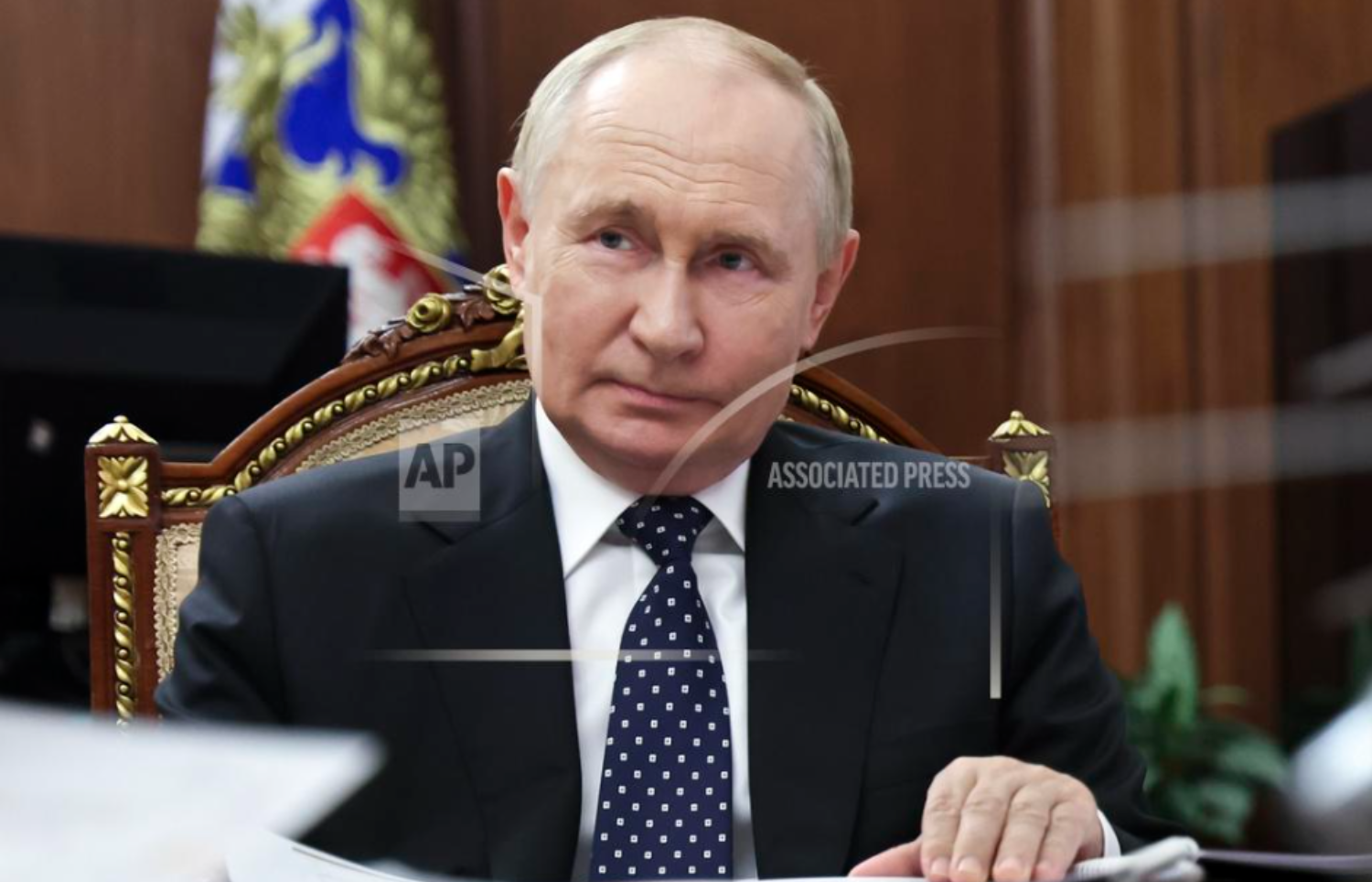
As tensions between Russia and the West intensify, the Biden administration is reportedly considering a move that could push the world to the edge of nuclear disaster. According to The New York Times, there is growing discussion about allowing Ukraine to use NATO-supplied long-range precision weapons to target Russian territories. This decision, if pursued, would bring the world closer to the threat of nuclear conflict than at any time since the Cuban Missile Crisis. Instead of prioritizing a diplomatic solution to end the war, which many argue should never have started, the current administration seems to be adopting a strategy that Russia has explicitly warned against. Russian President Vladimir Putin has made it clear that any such attack on Russian territory would be viewed as a direct act of war by NATO. “Long-range strikes in Russia will mean that NATO countries — the United States and European countries — are at war with Russia,” Putin warned. However, some American analysts dismiss this as a bluff. As The Times noted, “17 former ambassadors and generals wrote in a letter to the administration this week, ‘Easing the restrictions on Western weapons will not cause Moscow to escalate… Moscow’s response remains unchanged despite Ukraine striking Crimea and Kursk.’” These voices are advocating a dangerous form of brinksmanship, mistaking Russia’s restraint for weakness. They propose pushing the envelope further, with each escalation — from HIMARS to cluster munitions, tanks, fighter jets, and now long-range missiles — inching the world ever closer to a catastrophic nuclear war. The assumption seems to be that if a provocation doesn’t trigger a response, it’s safe to push harder. But this thinking ignores a critical factor: Russia is a nuclear power. President John F. Kennedy understood the precarious balance of nuclear deterrence. In 1963, he warned, “Nuclear powers must avert those confrontations which bring an adversary to a choice of either a humiliating retreat or a nuclear war.” This wisdom seems to have been forgotten. Putin has repeatedly signaled that Russia could use nuclear weapons if its territorial integrity is threatened. In September 2022, he declared, “If the territorial integrity of our country is threatened, we will without doubt use all available means to protect Russia and our people — this is not a bluff.” Putin’s deal with Belarus to station tactical nuclear weapons there and Russia’s recent revision of its nuclear doctrine should be taken seriously. It is hard to imagine how the United States would react if a foreign power were arming its enemies with missiles and providing training to strike deep within its territory. The U.S. would never tolerate such actions. Why, then, should anyone expect Russia to accept these provocations? This dangerous game of nuclear brinksmanship must end. There is no further step between launching U.S.-provided missiles into Russian territory and a potential nuclear exchange. The risks could not be higher. And for what? To weaken Russia? To control Ukraine’s natural resources? No vital American interest is at stake that justifies risking nuclear conflict. The pursuit of global dominance at the cost of such peril is nothing short of madness. The war fever gripping Washington has reached alarming levels. In last Tuesday’s debate, Vice President Kamala Harris evoked the possibility of Russian forces advancing across Europe, a scenario that strains credulity. Russia has struggled to make headway in Ukraine, a country far from Europe’s greatest military powers. It is clear that Russia’s war aims, stated early on, revolved around Ukrainian neutrality and halting NATO’s expansion eastward. After so many lives lost and resources spent, no party involved in this conflict is better off. It is time to recognize the catastrophic implications of continuing down this path. A nuclear war would mean the end of civilization, and perhaps humanity itself. Former President Donald Trump has pledged to end this war, but by the time he takes office, it might be too late. The time for diplomacy is now. President Biden and Vice President Harris must reverse their current course and engage in direct negotiations with Moscow to prevent an unspeakable disaster. The stakes could not be higher, and the time to act is rapidly running out. Opinion Donald Trump Jr & Robert F. Kennedy Jr Credit: The Hill 2024-09-19
-
Posts derailing the topic with unsubstainitated Gaza related claims have been removed along with a reply.
-
A post containing an unapproved video source (Scott Ritter) Has been removed
-
A nonsense troll post has been removed giving a spoof location on Google maps to a missile strike. Try that again and be prepared for another posting holiday. @beautifulthailand99 An off topic post on the Trump shooting suspect which has its own topic has additionaly been removed from the same poster.
-
A post making a number of unsubstaniated claims has been removed.
-
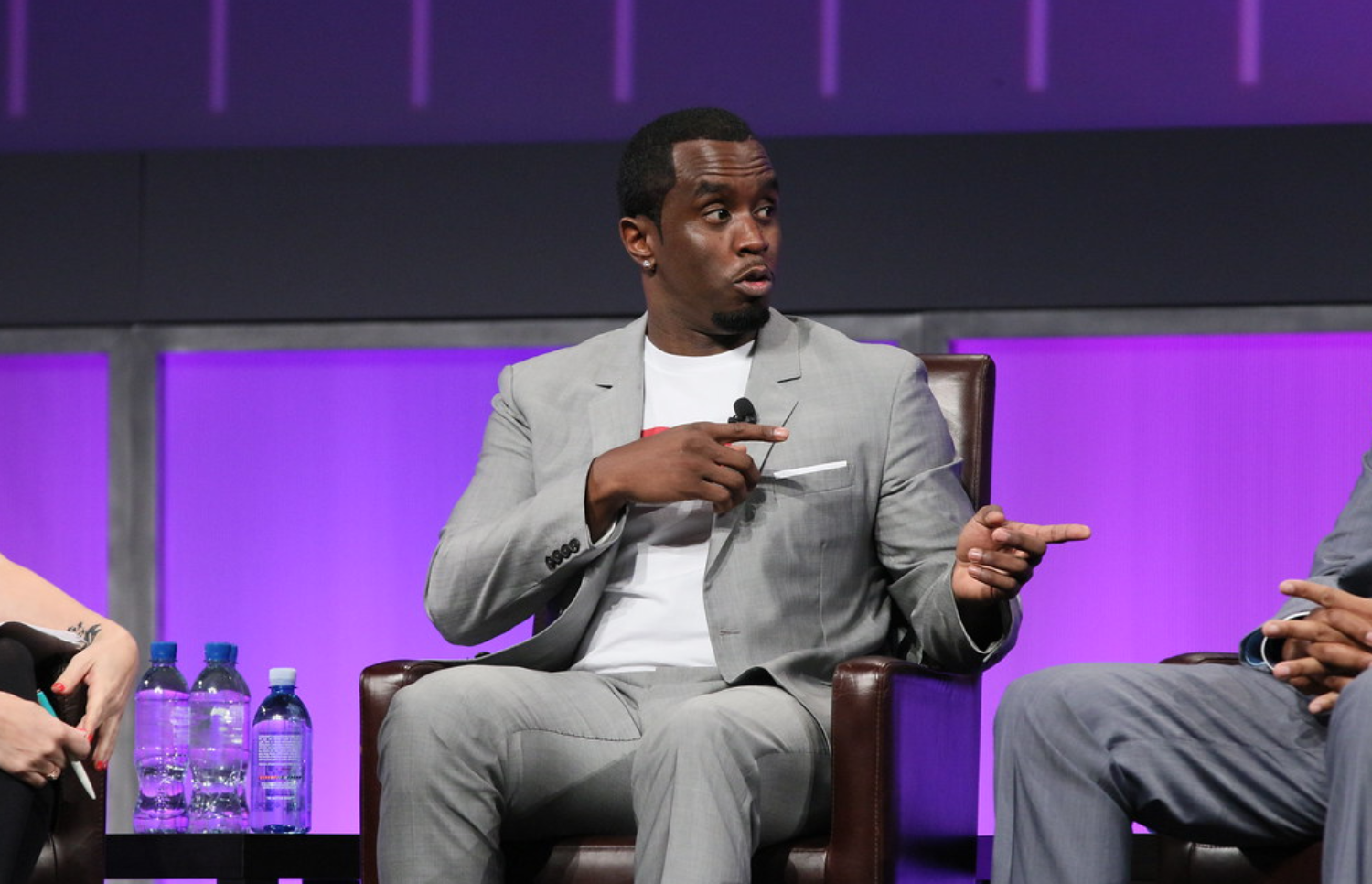
Sean “Diddy” Combs will remain behind bars as his legal battle over sex trafficking and racketeering charges continues. On Tuesday, a federal judge denied the hip-hop mogul's request for bail, rejecting a proposal from his legal team that would have allowed him to await trial under home detention. Combs’ lawyers had pitched a $50 million bond, secured by his Miami property, as part of the deal to keep him under house arrest. However, the court sided with prosecutors, who argued that the 54-year-old entertainer was a significant flight risk and had already attempted to contact witnesses and victims in the case. According to prosecutors, some of those individuals remain fearful of Combs, adding to concerns over his release. Combs pleaded not guilty to the charges brought against him, which include sex trafficking, racketeering, and other serious offenses. The indictment, unveiled earlier on Tuesday, lays out a disturbing picture of the alleged criminal enterprise Combs is accused of operating. Prosecutors claim that he used drugs, violence, and coercion to force women into sexual exploitation, all to serve his personal desires. The 14-page indictment describes how Combs "abused, threatened, and coerced women and others around him to fulfill his sexual desires, protect his reputation, and conceal his conduct." As Combs awaits his trial, his legal team is expected to continue fighting for his release, while prosecutors push forward with what promises to be a highly publicized case. Credit: BBC 2024-09-18