
Social Media
Advanced Member
-
Joined
-
Last visited
Everything posted by Social Media
-
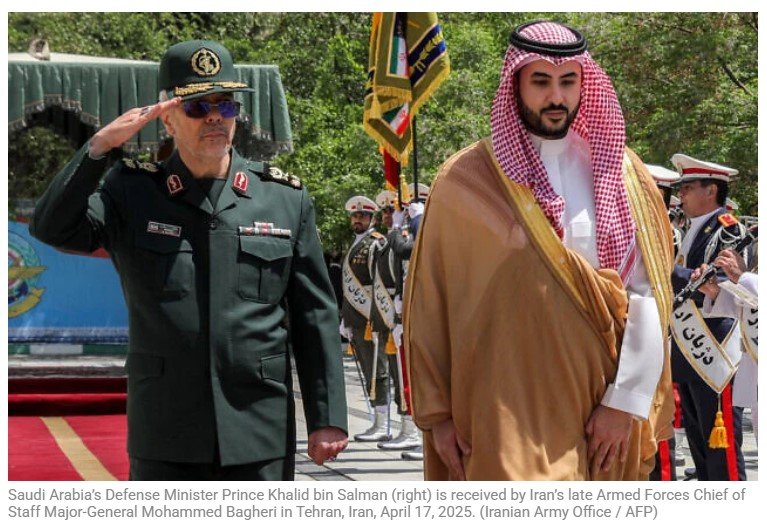
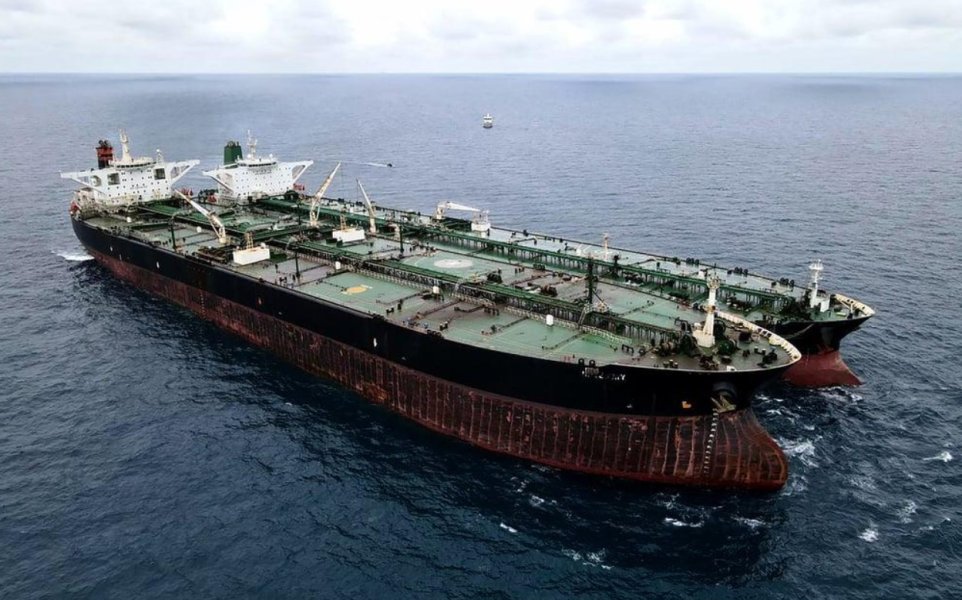
Iran Moves To Monetise Hormuz — And Hold World To Ransom Iran has raised the stakes in its war diplomacy with a bold new demand: recognition of its control over the Strait of Hormuz — a move that could generate billions while tightening its grip on the global economy. The narrow waterway, through which roughly a fifth of the world’s oil and liquefied natural gas flows, has become Tehran’s most powerful weapon. Now, Iranian officials want to turn that leverage into a permanent economic and geopolitical tool. From Threat To Cash Machine For years, Iran threatened to shut the strait in the event of conflict. Few believed it would follow through — fewer still that it would work so effectively. But with shipping traffic now severely disrupted by drone and missile attacks, global energy markets have been thrown into turmoil. Oil prices have surged, supply chains have buckled, and governments worldwide are scrambling to secure fuel. Tehran appears to have taken note. Officials are now openly discussing a system that would charge vessels for safe passage — effectively turning Hormuz into a toll gate for global trade. Analysts say the potential revenue is staggering. With around 20 million barrels of oil typically passing through daily, even modest fees could bring in hundreds of millions of dollars each month — rivaling the income generated by Egypt’s Suez Canal. Legal Minefield — And Global Pushback The proposal, however, runs headlong into international law. Under the UN Convention on the Law of the Sea, the Strait of Hormuz is considered an international waterway, meaning ships have the right to pass freely without interference or charges. US Secretary of State Marco Rubio has already warned that any attempt to impose tolls would be “illegal” and “dangerous,” urging global powers to prepare a response. Despite that, Iran appears undeterred. Lawmakers are reportedly drafting legislation to formalise a new “regime” governing access to the strait, while officials insist only “non-hostile” vessels will be allowed safe transit. Shadow System Already Emerging Signs suggest Tehran may already be testing the waters. Shipping data indicates some tankers are using routes closer to Iran’s coastline, with reports that certain operators may have quietly paid for safe passage. While no companies have publicly confirmed such payments, industry insiders say a de facto system could already be taking shape — one driven by fear, uncertainty, and the sheer economic stakes involved. The Islamic Revolutionary Guard Corps has also introduced a registration system for approved vessels, tightening control over who can pass and under what conditions. A New Global Pressure Point For Iran, heavily constrained by sanctions, the strategy offers a low-cost way to offset economic pain while exerting maximum pressure on its adversaries. But for the rest of the world, it represents a dangerous escalation — one that risks turning a vital التجارة artery into a geopolitical chokehold. With negotiations stalled and military tensions still high, the battle over the Strait of Hormuz is fast becoming the defining front in a conflict that is now as much about economics as it is about war. SOURCE
-
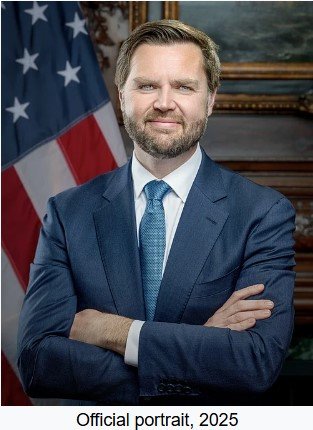
J D Vance ‘Obsessed’ With UFOs — But Says They’re ‘Demons’ US Vice President JD Vance has raised eyebrows after declaring he is “obsessed” with UFOs — while suggesting the mysterious phenomena may not be extraterrestrial at all, but something far darker. Speaking on a podcast with conservative commentator Benny Johnson, Vance insisted he intends to dig deep into classified files before leaving office. “I’m more curious than anybody… I’m gonna get to the bottom of it,” he said, adding he has access to some of the highest-level intelligence available. Despite that access, Vance admitted he has not yet reviewed the secret files in detail. But he made clear it is a priority, describing himself as “obsessed” with uncovering the truth behind unidentified flying objects. ‘Not Aliens — Something Else’ In a striking twist, Vance dismissed the popular idea that UFOs are linked to extraterrestrial life. Instead, he suggested a more spiritual — and controversial — explanation. “I don’t think they’re aliens… I think they’re demons,” he said, pointing to religious interpretations of unexplained phenomena. Referencing his Christian beliefs, Vance argued that many faiths acknowledge the existence of forces beyond human understanding — both good and evil. The comments mark a sharp departure from mainstream political rhetoric on UFOs, pushing the debate into theological territory. Area 51 And Growing Curiosity Vance also revealed he had previously planned visits to Area 51 and sites in New Mexico — long associated with UFO conspiracy theories — but had been unable to make the trips work. His remarks come amid renewed public fascination with UFOs following comments by former president Barack Obama, who recently said aliens were “real” — before quickly clarifying he had seen no evidence of contact during his time in office. Meanwhile, Donald Trump has pledged to release government files related to UFOs and extraterrestrial life, fueling speculation that long-hidden information could soon come to light. W H registered domains Aliens.gov and Alien.gov The White House has even registered domains including “Alien.gov” and “Aliens.gov,” adding to intrigue over whether a major disclosure could be on the horizon. For now, though, Vance’s comments have injected a new and unexpected angle into the debate — one that replaces little green men with something far more unsettling. SOURCE
-
Starmer Admits Miliband Running Britain As Net Zero Fears Grow Keir Starmer has effectively admitted that Ed Miliband is calling the shots on Britain’s energy policy — fuelling fears that the country is being driven by Net Zero ideology rather than economic reality. The extraordinary moment came in Parliament when Starmer repeatedly insisted he had no power to approve new North Sea oil and gas licences, telling MPs the decision rests solely with his Energy Secretary. Pressed by Conservative leader Kemi Badenoch over projects like Rosebank and Jackdaw — which could heat millions of homes — the Prime Minister refused to intervene, declaring: “That is a matter for the Secretary of State.” Technically correct. Politically explosive. Because while legislation may assign decisions to ministers, the reality of British government is simple: the Prime Minister is in charge — and can overrule or sack Cabinet members at will. ‘Red Ed’ Back In ControlThe admission has reignited claims — even from within Labour — that Miliband is the real power behind the throne. Once mocked for past political missteps, “Red Ed” has quietly rebuilt influence, commanding strong support on Labour’s backbenches and driving the government’s aggressive Net Zero agenda. Critics warn that puts vast power in the hands of one minister overseeing the country’s entire energy system — from electricity generation to industrial supply chains. And that, they argue, is where the real danger lies. Net Zero Clash With RealityMiliband’s vision of a “clean energy superpower” rests heavily on wind and solar — but opponents say the policy ignores a basic problem: when the wind doesn’t blow and the sun doesn’t shine, Britain still needs fossil fuels. Without reliable backup, they warn, the country risks higher bills, energy shortages, and growing dependence on imports — particularly at a time of global instability driven by conflicts such as the Iran crisis. Even as oil prices surge, the government has ruled out expanding domestic drilling, leaving the UK exposed to volatile international markets instead of exploiting its own reserves. A Risky Political GambleFor Starmer, the stakes are rising fast. By distancing himself from key energy decisions, he may be shielding himself politically — but he is also reinforcing the perception that control lies elsewhere. And with elections looming, the question is no longer just about energy policy. It’s about who is really running the country — and whether that direction is leading Britain toward security, or straight into an avoidable crisis. ARTICLE COMBINED FROM VARIOUS NEWS SOURCES

-
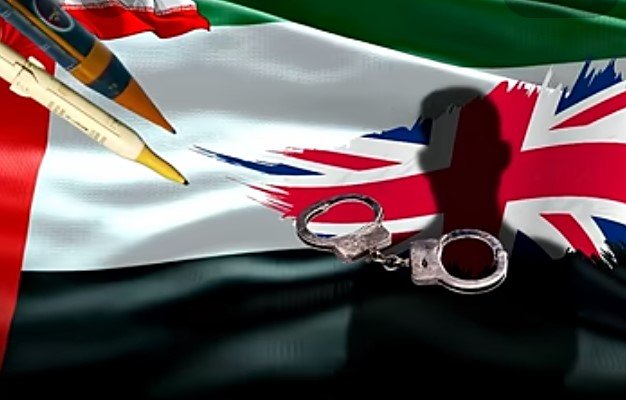
Britons Face Jail In Dubai For Filming Iran War Attacks Dozens of British nationals are facing years behind bars in the United Arab Emirates after being arrested for filming or sharing footage of Iranian drone and missile strikes, in what critics are calling a brutal crackdown to protect the country’s global image. Up to 70 Britons — including tourists, expats and airline crew — have been detained across Dubai and Abu Dhabi after allegedly taking photos or videos of attacks during the ongoing Iran conflict. Under sweeping cybercrime and national security laws, even receiving such images can carry penalties of up to 10 years in prison or fines reaching £200,000. Campaign groups warn the arrests have overwhelmed the legal system, leaving detainees languishing in overcrowded cells for months before charges are even brought. Some have been released on bail but had passports confiscated, leaving them stranded and unable to work. ‘Security’ Laws Or Image Control?Authorities insist the measures are necessary to protect “national security and stability,” with strict rules banning the photographing or sharing of sensitive sites or incidents. But critics say the crackdown is about something else entirely — preserving the UAE’s reputation as a safe, luxury destination. Police are reportedly stopping people near strike sites, checking phones, and tracking those who receive images via apps such as WhatsApp. In some cases, detainees have allegedly been pressured into signing statements they do not understand. Consular access has also been limited, with only a handful of British detainees believed to be receiving support from UK officials. Harsh Conditions And Legal LimboHuman rights groups claim some detainees have been denied sleep, food, or medication, while others face prolonged uncertainty with little legal clarity. Radha Stirling, from campaign group Detained in Dubai, warned that ordinary people are being treated like criminals for minor actions. “Tourists and residents take a photo of a missile strike — and suddenly they are the enemy,” she said. “They face arrest, threats, and years in jail.” The UK Foreign Office says it is supporting a number of detained nationals but expects full consular access — something campaigners say is far from guaranteed. ‘No One Knows You’re Here’Former detainees describe a far darker reality behind the scenes. One British-linked case recounts being held in solitary confinement, blindfolded and warned: “No one knows you are here.” Campaigners say the true number of Britons detained may be higher than reported, as authorities are not required to notify embassies — leaving some cases effectively hidden. With tensions still high in the region, the warning from those who have experienced the system is stark: in the UAE, even a photo can cost you your freedom. SOURCE
-
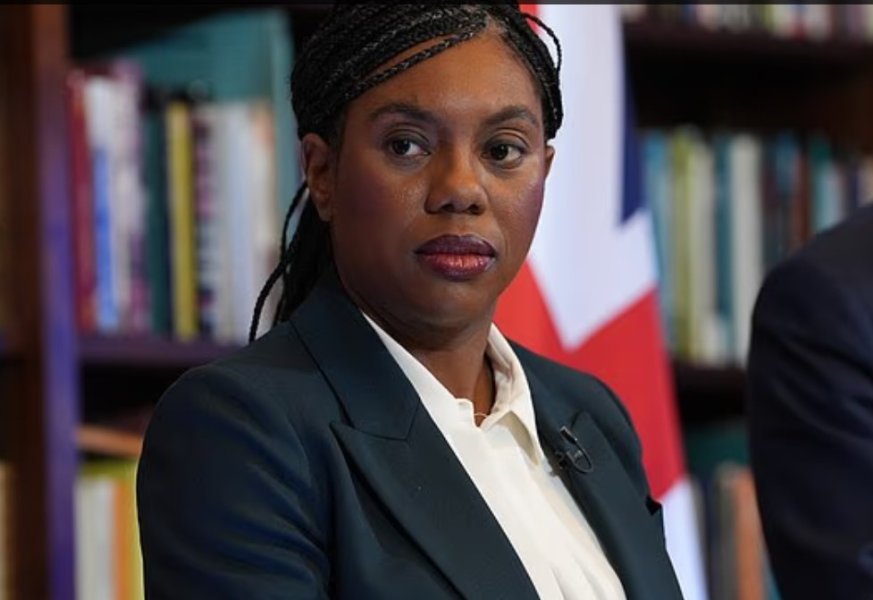
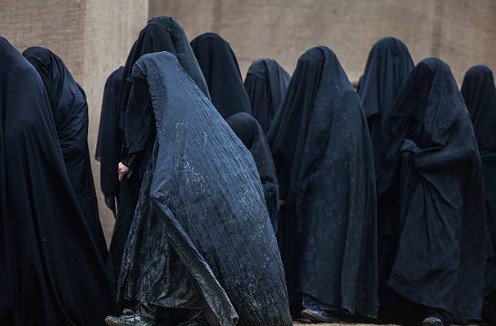
Badenoch Eyes Burka Ban As Tories Toughen On Extremism Kemi Badenoch is weighing a potential ban on the burka as the Conservatives shift towards a harder line on Islamist extremism, putting the party on a collision course with Labour and edging closer to Reform UK’s stance. Senior Tory figures are now actively exploring the move, with Chris Philp and Nick Timothy examining whether outlawing full-face coverings in public could be justified on security and integration grounds. Philp is said to believe the burka can act as a barrier to social cohesion, preventing interaction and potentially fostering division. Critics argue that face coverings undermine trust in public settings — from shops to public services — by removing basic human connection like eye contact. Tories Shift Right As Reform Pressure BuildsA ban would mark a significant shift for the Conservatives and bring them closer to the position of Reform UK, which has long argued that the burka is incompatible with Western liberal values. Reform figures have gone further, branding the garment “un-British” and warning it creates discomfort in everyday situations. With local elections looming, the issue is rapidly becoming a political dividing line on the right. Clash With Labour Over Freedom And FaithAny move toward a ban would put the Conservatives at odds with Keir Starmer’s Labour government, which has defended the right of women to choose how they dress. Home Secretary Shabana Mahmood, a practising Muslim, has previously backed personal freedom on the issue — framing it as a matter of individual rights rather than state control. The debate is particularly sensitive as Labour struggles to retain support among Muslim voters, with recent electoral setbacks exposing growing discontent over foreign policy and immigration. Europe Has Already Acted — UK Now Faces Decision Several European countries — including France, Belgium, and Netherlands — have already introduced bans or restrictions on face coverings in public spaces. Britain has so far resisted following suit, favouring a more liberal approach. But mounting security concerns, cultural tensions, and political pressure are now forcing the issue back onto the agenda. A Calculated Gamble Before ElectionsBadenoch has previously struck a more cautious tone, insisting women should be free to choose what they wear even while raising concerns about parallel legal systems such as sharia courts. Now, with pressure building from within her party and from rivals on the right, that position appears to be shifting. Whether this becomes firm policy or remains political signalling may depend on one thing: how far the Conservatives believe voters are ready to go. SOURCE
-
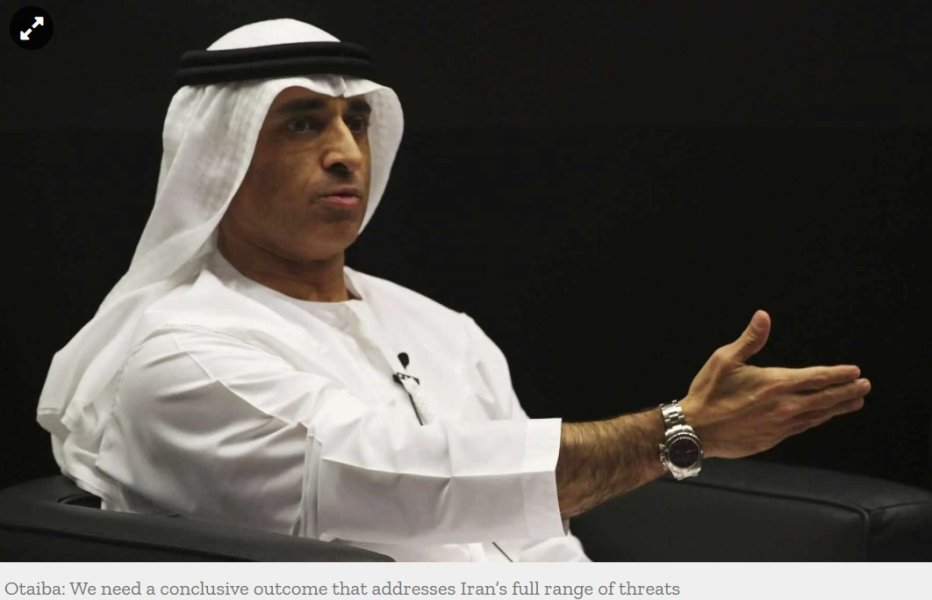
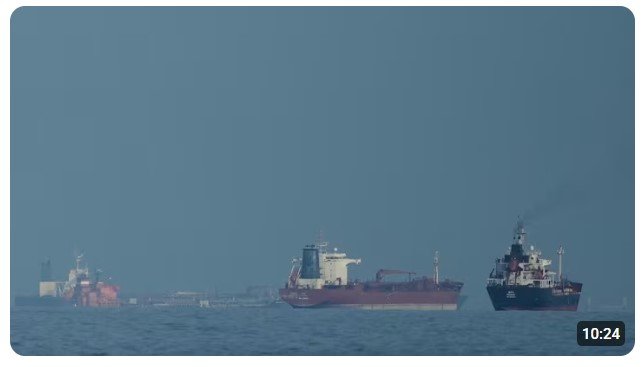
Iran Plays Insurgent War While Gulf Demands Total Reset One month into war, Iran is fighting less like a conventional state and more like a hardened insurgency — bleeding its enemies while holding the global economy hostage and daring the West to escalate. Despite relentless strikes from the United States and Israel, Tehran has retained its most potent weapon: control over the Strait of Hormuz — the narrow artery through which roughly a fifth of the world’s oil and gas once flowed. Now, traffic is choked, energy prices are surging, and global markets are rattled. Iran doesn’t need dominance — just disruption. Shoot and Scoot tactics Using missiles, drones, and mobile launchers hidden across rugged terrain, its forces have adopted “shoot-and-scoot” tactics perfected by proxy groups like the Houthis. Even with much of its navy and air power degraded, Tehran can still strike, vanish, and repeat — creating maximum uncertainty with minimal resources. Pressure mounting on Trump For President Donald Trump, the pressure is mounting. Rising fuel costs and economic instability are hitting voters as he weighs a stark choice: negotiate, walk away — or escalate dramatically to force the Strait open. Thousands of U.S. troops are already moving into the region, with threats of strikes on Iranian infrastructure if deadlines are ignored. But survival, not victory, is Tehran’s strategy. “The objective is simple,” one analyst noted. “Last long enough to claim you weren’t defeated.” Gulf States: A Ceasefire Is Not Enough Behind the scenes, Gulf Arab states are delivering a blunt message to Washington: ending the war isn’t enough — Iran must be permanently stripped of its ability to threaten the region. Officials from across the Gulf are demanding any deal go far beyond a ceasefire, insisting on enforceable limits on Iran’s missile and drone programs, an end to proxy warfare, and ironclad guarantees that the Strait of Hormuz can never again be weaponised. Their position is shaped by experience. Past agreements, including the 2015 nuclear deal, curbed uranium enrichment but left Iran free to project power through missiles, militias, and maritime threats. This time, Gulf leaders say, that loophole must be closed for good. “A simple ceasefire just delays the next crisis,” warned senior regional figures. The divide within the Gulf is also sharpening. Qatar, Oman, and Kuwait are pushing for a rapid end to the war, fearing economic collapse and retaliation. But Saudi Arabia, the UAE, and Bahrain appear ready to endure escalation — so long as the final outcome neutralises Iran’s long-term threat. A Region on the Brink of RedefinitionWith Iran still capable of choking global energy flows and the U.S. considering deeper military action — including potential moves on key oil infrastructure — the conflict is no longer just about ending a war. It’s about reshaping the balance of power in the Middle East. And whether Iran emerges weakened — or simply bloodied, but unbroken — may define the next crisis before this one even ends. Combined from various sources
-
Tiger Woods Arrested After Crash In Florida DUI Probe Golf icon Tiger Woods is facing fresh legal trouble after being arrested following a car crash in Florida — the latest setback in a turbulent comeback. Authorities say Woods rolled his vehicle after attempting to overtake another truck at high speed on Jupiter Island. The Martin County Sheriff's Office confirmed he was charged with: Driving under the influence Property damage Refusal to submit to a lawful test No one was injured in the accident but Woods had to crawl out of the vehicle after it overturned. No Alcohol — But Suspicion RemainsPolice say Woods passed a breathalyser test with “triple zeros”, ruling out alcohol. However, officers reported signs of impairment, possibly linked to an unknown substance. Crucially: Woods refused a urine test — meaning investigators may never confirm what caused the impairment. Legal Trouble — But Not Severe ChargesThe charges are misdemeanours, not felonies, and Woods is expected to be released on bond after a short detention. Still, refusing a test carries its own legal consequences under Florida law. Not His First IncidentThis isn’t new territory for Woods: 2017: Found asleep at the wheel — later linked to prescription drugs 2009: Infamous crash that exposed personal scandals 2021: Near-fatal दुर्घटना that left him with severe injuries Each incident has dented both his career and public image. Comeback In DoubtThe timing couldn’t be worse. Woods had just returned to competitive golf and was eyeing a potential appearance at the The Masters — a tournament he’s won five times. Now, that looks increasingly unlikely. Bottom LineFor one of sport’s greatest names, this is another brutal interruption: A comeback already hanging by a thread Legal questions back in the spotlight Fitness and form in doubt The question now isn’t just whether Woods can compete again — but whether he can finally stay out of trouble long enough to try. SOURCE

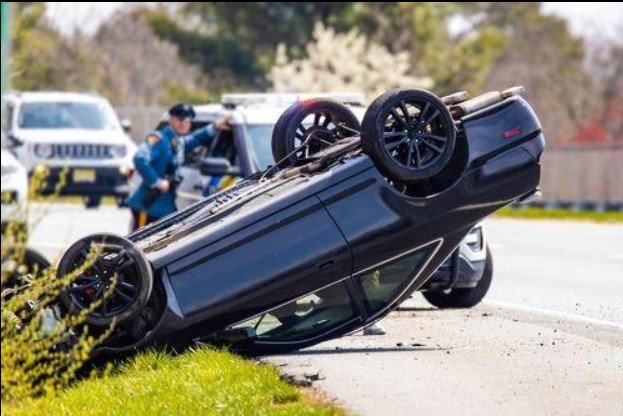
-
Rutte: Trump Made NATO ‘Stronger, Safer’ Than Ever NATO’s chief has delivered a blunt verdict — Donald Trump didn’t weaken the alliance, he forced it to get serious. NATO Under Pressure — And Changing Mark Rutte says Trump’s aggressive push on defence spending has made NATO “stronger and safer”, arguing allies would never have stepped up without US pressure. Speaking at NATO HQ, Rutte credited Trump with forcing long-reluctant members to finally meet spending commitments. The Money ShiftFor the first time: All NATO members now hit 2% of GDP on defence A new 5% target is being pushed — including 3.5% on military capability Countries like Spain, Belgium and Italy — long accused of lagging — have now fallen into line. Rutte’s message was clear: Without Trump, this simply wouldn’t have happened. Russia Still The Core ThreatAccording to NATO’s latest report: Russia remains the top security threat Its war in Ukraine is backed by allies including China, Iran and North Korea That backdrop is driving the push for heavier military investment across Europe. Trump’s Wider ImpactRutte went further — backing US military pressure beyond Europe. He openly supported American-led strikes degrading Iran’s capabilities, calling the alternative “naive.” At the same time, Trump is pushing allies to help secure the Strait of Hormuz — a critical artery for global energy now under threat. Allies Hesitate — For NowDespite the rhetoric, Europe is cautious: Many nations wary of entering an active conflict zone Talks underway on a possible coalition to protect shipping UK and France leading planning discussions A Divisive EndorsementRutte’s comments won’t go unchallenged. Critics in Europe argue he is too accommodating to Washington — especially given: US threats toward allies Concerns over reliability Growing geopolitical tensions Bottom LineRutte’s stance flips the usual narrative. Instead of destabilising NATO, he argues Trump: Forced spending increases Sharpened military readiness Re-focused the alliance on real threats But as tensions rise globally, the real test is still ahead — not in budgets, but on the battlefield. SOURCE
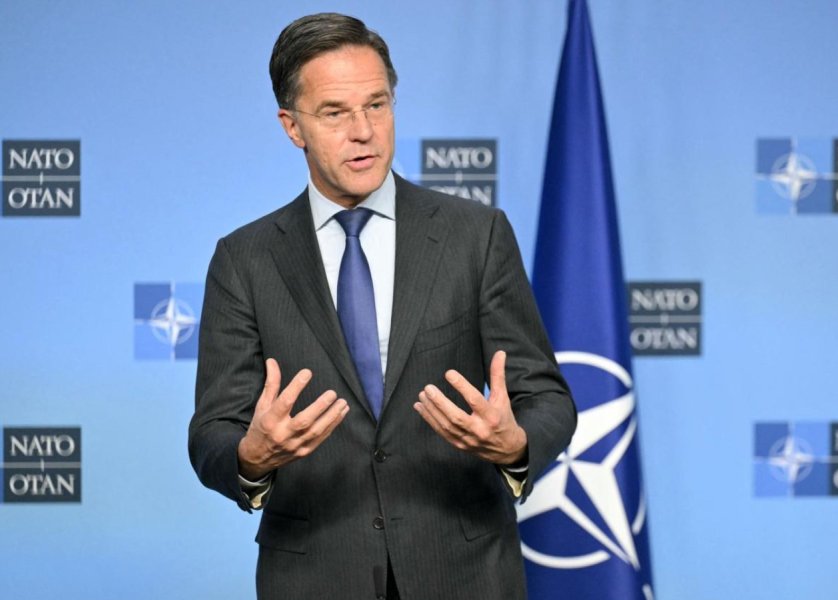
-
UK Reopens Rape Probe Into Andrew Tate Case A British police force has reopened a high-profile investigation into Andrew Tate, reigniting allegations of rape and sexual assault that were previously dropped. Hertfordshire Constabulary confirmed it will reinvestigate allegations dating from 2014–2015, following renewed scrutiny and ongoing legal action by multiple women. The case was originally examined for four years but closed in 2019 after prosecutors declined to bring charges. Why It Was Dropped — And Why It’s Back The Crown Prosecution Service previously concluded there was not enough evidence for a realistic prospect of conviction. Now, the decision to reopen the case suggests: Potential new evidence or legal developments Increased pressure from alleged victims Broader scrutiny of Tate’s conduct across jurisdictions Parallel Legal Battles The UK probe is just one front in a widening legal storm: A civil case involving four women is heading to the High Court in June 2026 Tristan Tate and Andrew Tate face separate criminal allegations in Romania, including trafficking and sexual offences UK authorities are also pursuing financial crime claims, including tax-related accusations Both brothers deny all allegations. International Pressure BuildsThe case spans multiple countries and legal systems, with: A European arrest warrant issued Romanian courts involved in extradition decisions UK police forces handling separate investigations It underscores the scale of scrutiny surrounding Tate, whose online persona has drawn both massive support and fierce criticism. What Happens NextReopening the investigation does not mean charges are imminent — but it puts the case firmly back into active consideration. Key questions now: Will new evidence meet the prosecution threshold? How will UK and Romanian cases intersect? Could this lead to criminal charges after years of legal limbo? Bottom LineA case once considered closed is now back on the table. For Tate, it means renewed legal jeopardy. For his accusers, another shot at justice. And for the wider public — a story that’s far from over. SOURCE
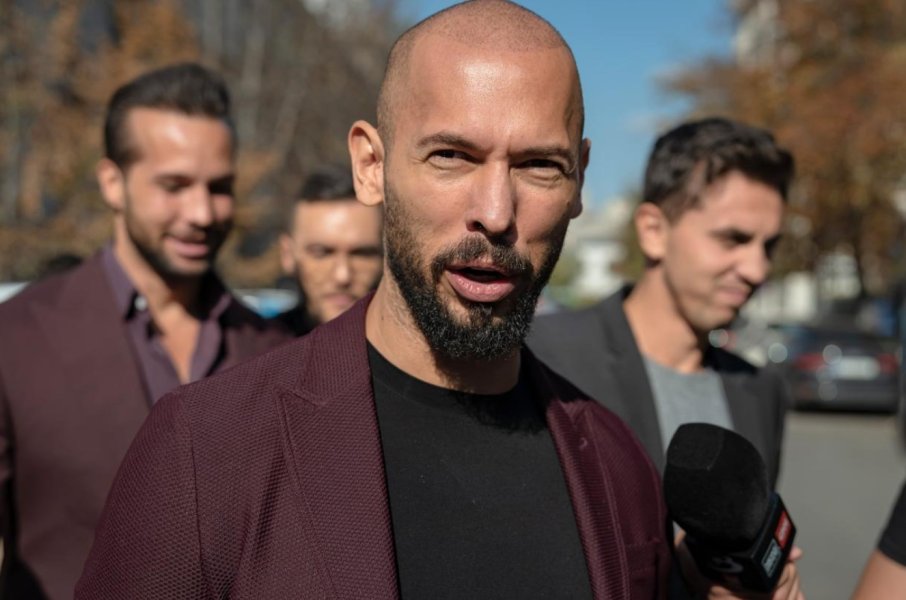
-
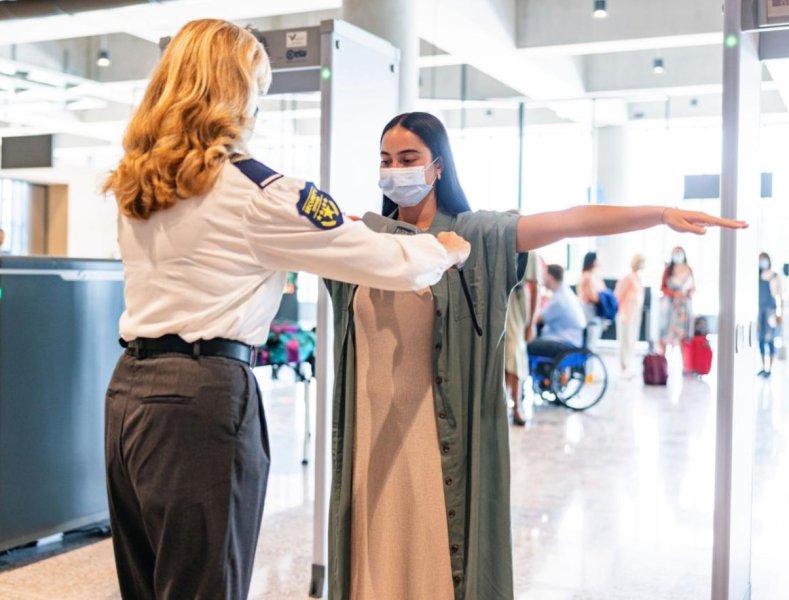
Trump Moves To Pay TSA As Airport Chaos Mounts Airports across the US Airports across the US are buckling under pressure — and now Donald Trump is stepping in with emergency powers to keep security lines moving. After 41 days of shutdown at the Department of Homeland Security, the strain is showing: Hours-long security queues Staff shortages at checkpoints Growing political fallout The disruption has hit the Transportation Security Administration especially hard — with agents working unpaid or under extreme uncertainty. Executive Order To Break DeadlockTrump says he will sign an executive order to immediately fund TSA agents, bypassing the stalled battle in Congress. White House press secretary Karoline Leavitt confirmed the move is imminent, framing it as an emergency response to prevent further disruption. The administration argues the situation now poses a national security and economic risk, with airport systems under visible strain. Political Standoff DeepensThe crisis stems from a bitter funding fight in Washington: Republicans pushing a DHS funding bill Democrats blocking it over immigration enforcement concerns Multiple failed votes in the Senate Lawmakers like Chris Coons say negotiations are ongoing — but still far from a breakthrough. Meanwhile, GOP figures warn the shutdown is becoming a political liability ahead of elections. Emergency Powers — But Temporary FixThe executive order is designed as a stopgap — similar to past moves to pay military personnel during shutdowns. But it doesn’t resolve the underlying impasse. Until Congress agrees on full funding: DHS operations remain partially crippled Airport disruption could continue Broader security functions stay under pressure Bottom LineTrump’s move may ease the immediate airport chaos — but it underscores a deeper dysfunction. Washington can’t agree. Airports are paying the price. And now the presidency is stepping in to plug the gap. BIG thank you for finding pictures for me , saves me a lot of searching SOURCE
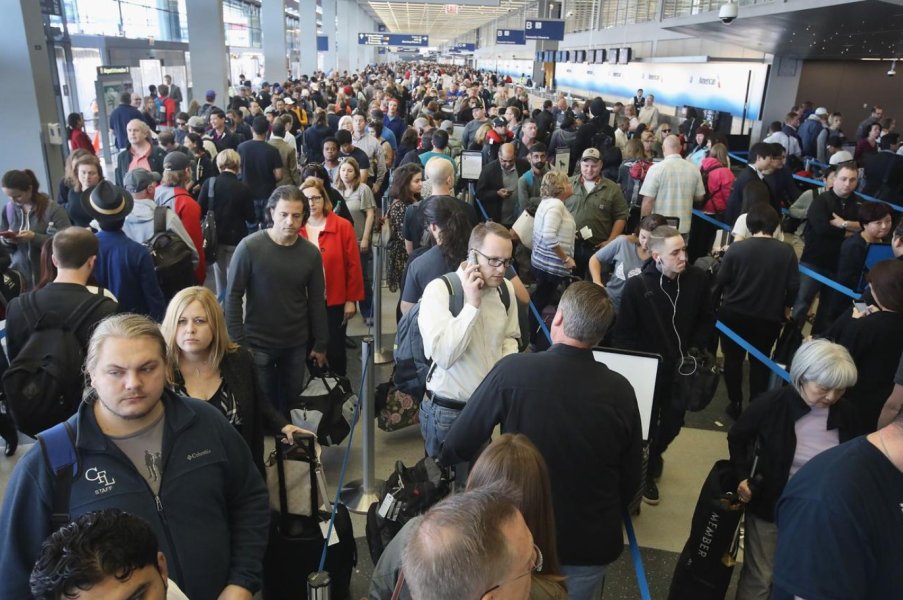
-
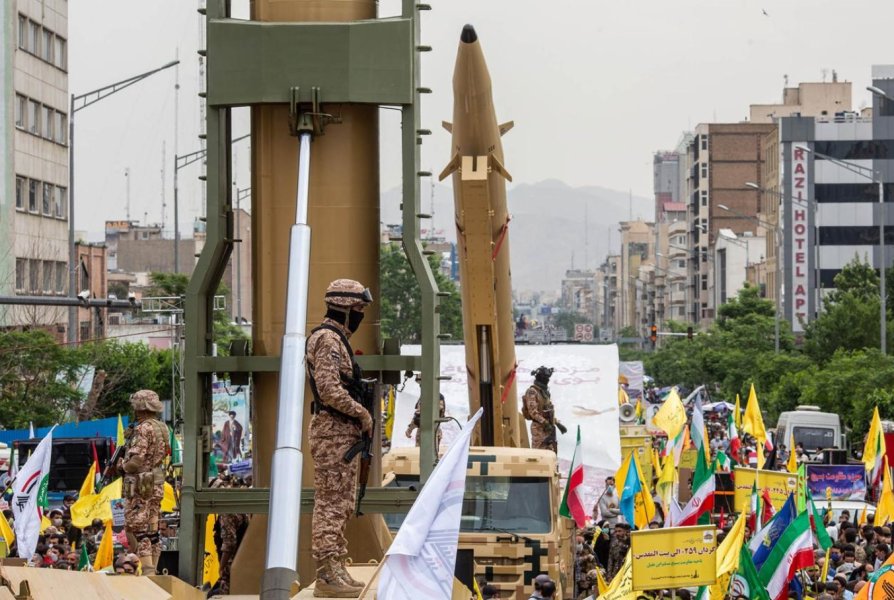
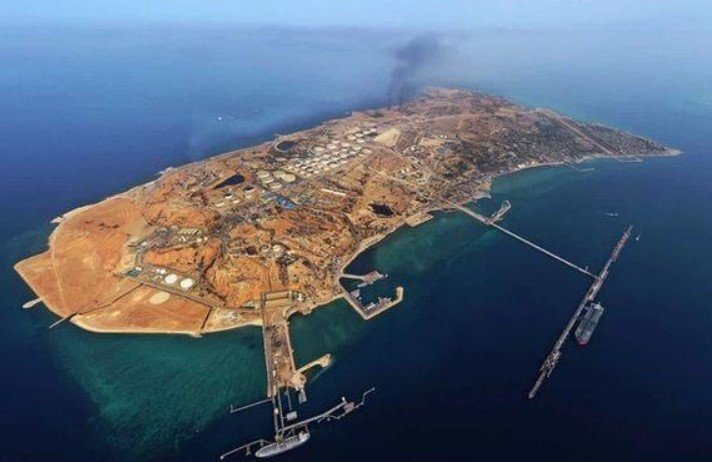
Iran boasts 1 million fighters on standby for potential US invasion Tehran’s hardline leadership is turning up the heat — claiming a vast war-ready force while openly flirting with nuclear escalation as tensions with Washington spiral. Officials tied to the Islamic Revolutionary Guard Corps say up to one million fighters are “on standby” for a potential US ground invasion — a figure likely intended as psychological warfare as much as military reality. The warning comes as Donald Trump ramps up pressure, deploying forces and threatening strikes if Iran refuses to back down. Nuclear Red Line Under ThreatThe biggest shift is nuclear. Figures inside Iran’s ruling circle are now openly discussing: Leaving the Nuclear Non-Proliferation Treaty Pursuing a nuclear weapon outright That would mark a historic break from decades of official denial — and a direct challenge to the West. Hardliners argue ongoing US-Israeli strikes prove restraint no longer pays. Forces Massing On Both Sides On the ground, escalation is already visible: Around 2,000 troops from the 82nd Airborne Division deployed Roughly 4,500 Marines moving into the region Iranian defenses being reinforced at Kharg Island The island is critical — handling the bulk of Iran’s oil exports and sitting near the vital Strait of Hormuz. Invasion Risks MountUS officials are increasingly warning that any ground invasion would be costly and complex, with potential for heavy casualties. Iran, meanwhile, is preparing defensive measures — including reported minefields and hardened positions around key infrastructure. Talks Falter, Demands HardenDiplomatic efforts appear to be stalling. Tehran is demanding: Closure of US bases in the Gulf Reparations An end to Israeli operations in Lebanon Washington has dismissed the terms as unrealistic, even as Trump claims talks are ongoing. A Dangerous Turning PointThe tone has shifted from brinkmanship to outright confrontation. Iran signals it may go nuclear The US builds a strike-ready force Both sides dig in publicly The risk now isn’t just escalation — it’s miscalculation. And with rhetoric hardening on both sides, the window for a diplomatic off-ramp is narrowing fast. SOURCE
-
Dutch School Phone Ban Boosts Focus — But Results Are Mixed Two years after Dutch schools pushed smartphones out of daily school life, the early verdict is clear: classrooms are calmer, students are more focused — but the academic gains are more modest. 📵 Life Without Phones In Dutch SchoolsAcross the Netherlands, phones, smartwatches and tablets have effectively been banished — not by law, but through a nationwide agreement between schools, parents and government. The result? A noticeable cultural shift. Teachers report: Better attention in lessons Less classroom disruption A calmer, more social school environment Students themselves admit they’re “more in the moment,” especially during breaks. What The Data Shows Early evidence backs up those impressions: ~75% of schools report improved concentration ~66% say the social atmosphere has improved ~33% see better academic performance That last figure is key. performance has improved, but not dramatically. The biggest gains are in focus and behaviour, not grades. Why It’s WorkingThe logic is simple: No phones → fewer distractions Fewer distractions → better engagement Better engagement → improved learning conditions There’s also a social upside. With no Snapchat or Instagram during the day, students worry less about being filmed or judged — which teachers say reduces anxiety and even bullying. Not A Perfect FixHowever, the picture isn’t entirely clean-cut. Researchers are now looking at potential downsides: “FOMO” (fear of missing out) Possible binge phone use after school Students still sneaking devices And importantly: Cutting phones doesn’t automatically transform academic results. The Debate Is Moving On The Dutch government is already going further — pushing for: Social media restrictions under 16 A potential EU-wide age limit (15+) for apps like TikTok and Instagram Public support is surprisingly strong — even among young people. The Bottom LineYes — banning phones has improved school life. But not in a miracle, headline-grabbing way Big gains: focus, behaviour, social interaction Moderate gains: academic performance Unknowns: long-term effects, after-school habits In short: It’s less about turning students into geniuses — and more about making schools feel like schools again. SOURCE

-
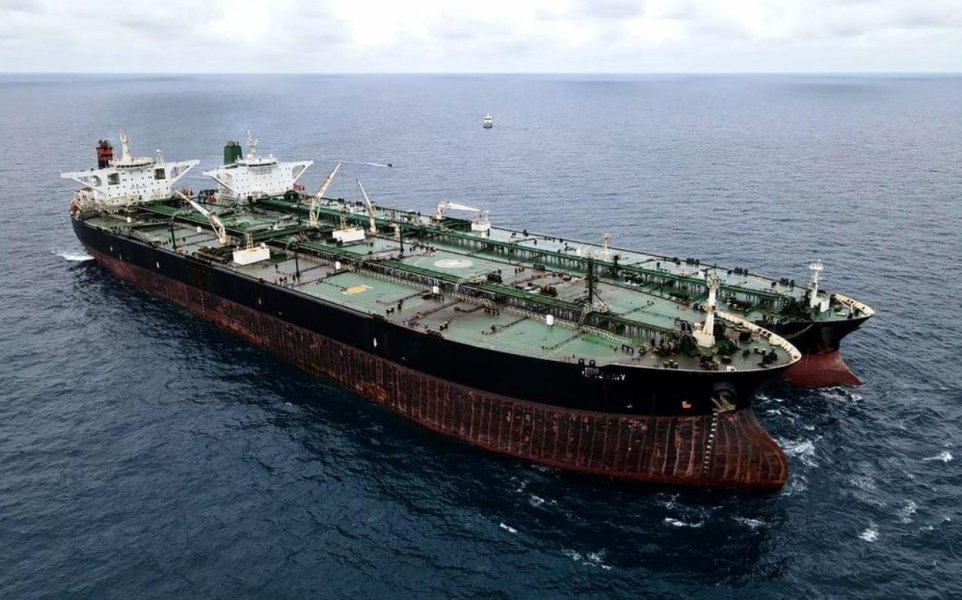
UK Readies Gunboat Tactic To Seize Putin’s ‘Shadow Fleet’ Britain is preparing for a dramatic escalation at sea — with military teams poised to board and detain Russian-linked oil tankers in UK waters. The move, approved by Keir Starmer, targets Moscow’s so-called “shadow fleet” — a network of ageing, often unflagged ships used to dodge sanctions and keep oil revenues flowing into the Kremlin. What Is The “Shadow Fleet”?The fleet is central to Russia’s war economy. These vessels use murky ownership, false flags and evasive tactics to transport oil outside Western sanctions — helping bankroll the war in Ukraine. The UK has already sanctioned hundreds of such ships and is now moving toward direct enforcement — not just paperwork. Boarding Operations IncomingAccording to officials, British forces — potentially including the Royal Marines and Special Boat Service — are training to intercept and board vessels. Legal groundwork has been laid using UK sanctions laws, with ministers and allies working through the rules of engagement. The aim: physically stop ships suspected of sanction-busting as they pass through British-controlled waters. A Risky EscalationThis is not just economic pressure — it’s a potential flashpoint. Boarding foreign-linked vessels at sea carries real risk, especially if crews resist or if ships are linked to Russia directly. Recent discussions among UK and European allies show growing appetite for tougher action, including seizure of tankers and coordinated maritime enforcement. Starmer’s Message: Hit Putin’s WalletStarmer has framed the move as economic warfare — cutting off the oil money funding Vladimir Putin’s campaign in Ukraine. The government believes choking off shadow fleet exports could deal a serious blow to Russian revenues — already under pressure from sanctions and volatile energy markets. Bigger Picture: A New Front At SeaThis signals a shift. Sanctions alone haven’t stopped the flow of Russian oil. Now, Western powers are edging toward direct intervention on the water. If Britain follows through, it won’t just be policing — it will be enforcement with boots on deck. And that raises a bigger question: where does this end if a boarding operation goes wrong? SOURCE
-
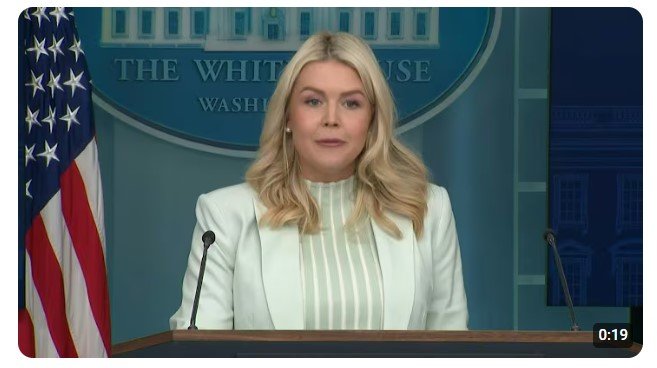
White House: ‘Unleash Hell’ Warning As US Troops Move In The war of words — and forces — is intensifying, with Washington issuing its starkest warning yet to Tehran. White House Press Secretary Karoline Leavitt declared the US is prepared to “unleash hell” on Iran if it refuses to end the conflict — dramatically raising the stakes as troops flow into the region. Troops Surge Toward FlashpointReports suggest between 1,000 and 2,000 soldiers from the elite 82nd Airborne Division have been deployed, a rapid-response force often used in the early stages of major operations. Their presence is fuelling fears that the US could be preparing for a ground escalation — potentially targeting key Iranian infrastructure, including the vital oil hub at Kharg Island. Trump Pushes Peace — And ThreatsDonald Trump is simultaneously claiming progress on diplomacy, saying a deal is within reach. But the message from his administration is unmistakably hardline: accept terms — or face overwhelming force. Leavitt insisted the president “does not bluff,” warning Iran against any further “miscalculation.” Tehran Denies TalksIran has flatly rejected claims that negotiations are underway, deepening uncertainty over whether diplomacy is real — or strategic messaging. The standoff is now defined by two competing narratives: Washington talking up peace, Tehran denying any contact. Global Impact DeepensMeanwhile, the economic shockwaves are growing. Iran’s grip over the Strait of Hormuz — through which roughly a fifth of global oil flows — has sent energy prices surging and rattled global markets. US calls for allies to help reopen the route have so far met hesitation, highlighting the risk of the conflict widening. A Dangerous MomentWith threats escalating, troops deploying, and diplomacy uncertain, the situation is approaching a critical tipping point. The language has shifted from deterrence to outright warning. And with both sides digging in, the question is no longer whether tensions are rising — but how far they will go. SOURCE
-
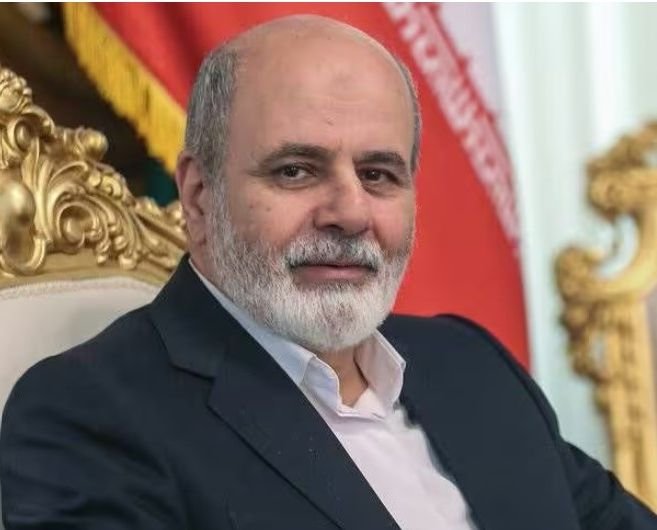
“Come Closer”: Iran Taunts US As Troops Surge To Region A chilling two-word warning from Tehran — “come closer” — has raised tensions further as the United States moves more forces into the Middle East. The message was delivered by Ali Akbar Ahmadian, a senior figure representing Supreme Leader Mojtaba Khamenei on Iran’s defence council. His blunt challenge to American troops signals a confrontational stance as the conflict edges toward a potential ground escalation. Pentagon Moves Thousands Of TroopsThe warning comes as the Pentagon prepares to deploy a 3,000-strong brigade combat team to the region. At the same time, additional naval forces are being mobilised, including an amphibious ready group with thousands of Marines and sailors. The deployment includes vessels such as the USS Tripoli and USS San Diego. Elite rapid-response troops from the 82nd Airborne Division are also on standby — capable of deploying within hours if the situation escalates. Iran Signals Long-Prepared StrategyAhmadian’s remarks suggest Iran has been preparing for this scenario for years. He claimed Tehran has spent more than two decades developing asymmetric warfare tactics — strategies designed to counter a more powerful military through unconventional means. The message is clear: if US ground forces move closer, Iran believes it is ready. Brinkmanship IntensifiesThe rhetoric underscores just how volatile the situation has become. With Donald Trump ramping up pressure on Iran and military assets pouring into the region, both sides appear locked in a dangerous game of brinkmanship. While no ground invasion has been confirmed, the combination of troop movements and direct threats is raising fears that the conflict could enter an even more dangerous phase. For now, it remains a war of words — but with forces building on both sides, the risk of something far more serious is growing by the day. SOURCE
-
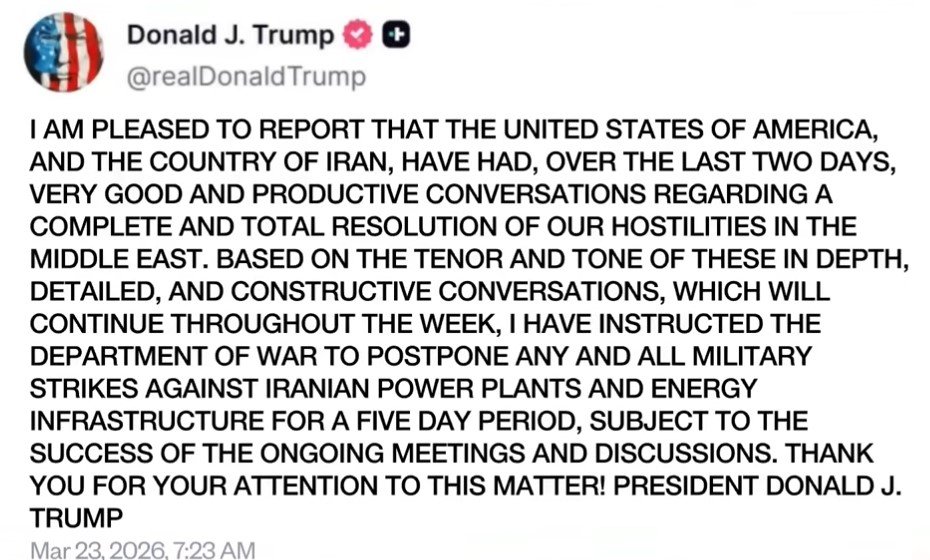
War Profiteers? Mystery Oil Trades Spark Insider Scandal Fears A storm is brewing over claims that unknown traders may have made tens of millions by placing perfectly timed bets just minutes before a market-moving statement from Donald Trump. The controversy centres on a sudden surge in trading activity shortly before Trump posted on Truth Social about “productive” talks with Iran — a message that instantly reversed market direction. The 15-Minute WindowRoughly 15 minutes before the post, markets saw highly unusual moves: Around $600 million poured into oil trades $1.5 billion surged into bets on the S&P 500 Moments later, Trump’s message triggered a sharp drop in oil prices and a rebound in stocks — the exact outcome those trades would have profited from. Estimates suggest potential gains could have reached $60 million on oil and $30 million on equities in minutes. Insider Trading Fears ExplodeThe timing has set off alarm bells on both sides of the Atlantic. US Senator Chris Murphy blasted the situation as “mind-blowing corruption,” openly questioning whether insiders may have tipped off traders. In the UK, Conservative MP John Glen called the trades “highly unusual” and urged regulators to investigate, warning it is “repugnant” if profits were made off war-driven volatility. Market analysts say the pattern is deeply suspicious. “Traders are not clairvoyant,” one expert noted — adding that such precise positioning often suggests access to non-public information. Tehran Pushes BackComplicating matters further, Mohammad Bagher Qalibaf denied any negotiations were taking place, accusing Trump of attempting to manipulate oil and financial markets. That contradiction has only intensified scrutiny of the timing — and the motives behind it. Trust In Markets At RiskFinancial experts warn the real danger goes beyond this single incident. Markets depend on a basic assumption: that all participants operate with equal access to information. If that trust erodes, the consequences could be severe. “This isn’t just about profit,” one strategist said. “It’s about whether the system itself is still fair.” White House DenialThe White House has firmly rejected the allegations, insisting it does not tolerate illegal profiteering and dismissing claims of insider trading as “baseless.” But with billions moving in minutes — and the geopolitical stakes sky-high — pressure is mounting for a full investigation. Because if someone really did know what was coming before the world did, this isn’t just sharp trading. It’s a potential scandal at the heart of global markets. SOURCE
-
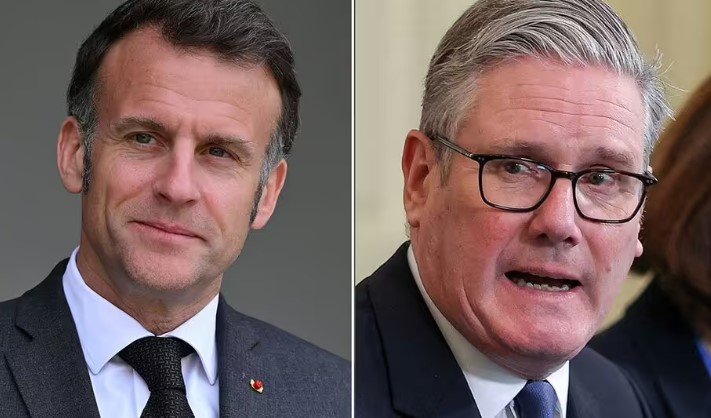
Cyprus Fury As French Ships Beat UK To Defend British Base Britain is facing mounting pressure to rewrite its Cyprus defence arrangements after a humiliating security breach — and an even more embarrassing military response. At the centre of the row are the UK’s sovereign bases at RAF Akrotiri and Dhekelia, long seen as critical strategic assets in the eastern Mediterranean. But after Iranian-linked drone strikes pierced defences at Akrotiri, it wasn’t the Royal Navy that responded first — it was France. Drones Strike — And France Steps InThe crisis erupted after low-flying drones breached the perimeter and destroyed a hangar reportedly housing US reconnaissance assets, delivering a significant intelligence blow. With no British warships nearby, Cyprus turned to EU partners — and French vessels answered the call. The delayed arrival of HMS Dragon weeks later has sparked serious questions about Britain’s readiness to defend its own overseas territory. Cyprus Demands Treaty RethinkCypriot President Nikos Christodoulides has now called for a fundamental review of the decades-old defence framework underpinning the bases. The focus is the 1960 Cyprus Independence Treaty, which governs the status of British-controlled territory on the island. Nicosia is not seeking to remove the bases — but wants greater transparency, more consultation, and a stronger say over operations that could expose Cyprus to retaliation. In short: fewer surprises, more control. London Refuses To BudgeThe UK government, led by Keir Starmer, is holding firm. Officials insist the bases are sovereign British territory and not up for renegotiation. Starmer is understood to have reassured Cyprus that the bases would not be used for offensive strikes against Iran, while stressing Britain’s commitment to the island’s security. Strategic Weakness ExposedThe incident has laid bare a deeper problem. A British base hit. No immediate British naval response. An ally stepping in first. For critics, it’s a stark sign of overstretch — and a warning that years of defence cuts may have eroded the UK’s ability to project power where it matters. The fact that a foreign navy reached a British-linked crisis zone faster than Britain itself is likely to fuel political backlash at home and unease among allies abroad. A Turning Point?The fallout could reshape how Britain operates overseas bases — especially in high-risk regions increasingly exposed to modern threats like drones. For Cyprus, the message is clear: if the risks are shared, the control should be too. For Britain, the question is more uncomfortable: can it still defend what it owns? SOURCE
-
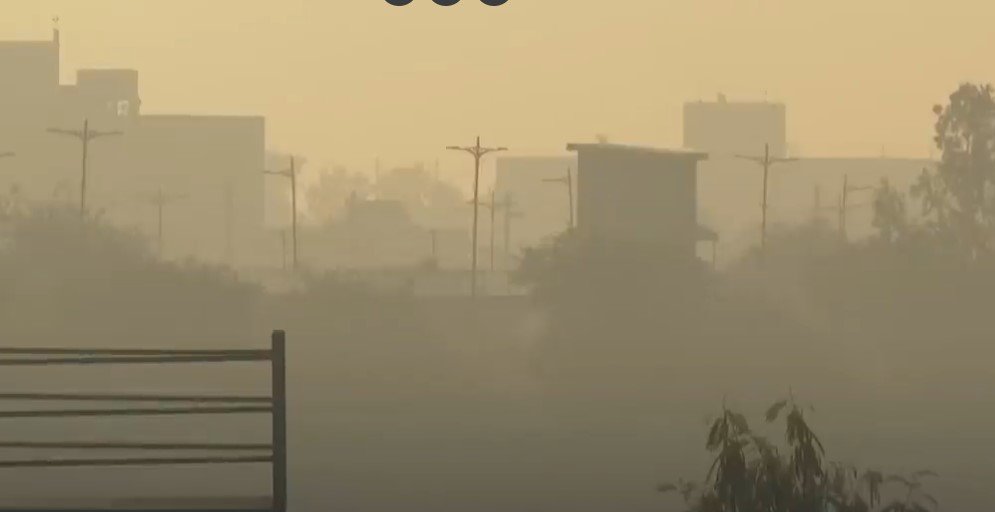
Only 13 Nations Breathe Safe Air As Pollution Crisis Deepens Clean air is becoming a global luxury — with just 13 countries meeting safe standards as pollution worsens worldwide. A new report by IQAir paints a stark picture: only 14% of cities now meet safe air guidelines, down from 17% a year earlier. That means the overwhelming majority of the world is breathing unhealthy air. Europe: Only Three Countries PassIn Europe, just three nations — Iceland, Estonia and Andorra — meet the safety threshold set by the World Health Organization. They’re part of a tiny global club that also includes places like Australia and Panama. The rest of the continent — and the world — falls short. Just 13 countries and territories globally that remained within safe limits. Others included Australia, Barbados, Bermuda, French Polynesia, Grenada, New Caledonia, Panama, Puerto Rico, Réunion, and US Virgin Islands. Asia Dominates The Pollution RankingsAt the other end of the scale, the worst pollution is concentrated in South and Central Asia. India is home to the world’s most polluted city, while Pakistan and Bangladesh rank among the most polluted countries overall. The hardest-hit cities are dealing with a toxic mix of traffic fumes, industrial emissions, dust and waste burning — pushing pollution levels to many times above safe limits. Climate Change Making It WorseThe report links worsening air quality to human-driven climate change. Record wildfires — including the worst year on record in Europe — pumped vast amounts of smoke into the atmosphere. Dust storms and extreme weather events have added to the toxic mix. These tiny particles, known as PM2.5, are especially dangerous. Small enough to enter the bloodstream, they are linked to heart disease, lung conditions and cancer. Europe Not ImmuneEven regions traditionally seen as “cleaner” are slipping. Countries like Switzerland and Greece saw pollution spike by more than 30%, driven by wildfire smoke and dust blown in from Africa. Meanwhile, major cities including Paris and London have recently ranked among the most polluted globally in real-time readings — a sign of how quickly conditions can deteriorate. Data Blind Spots GrowingWorryingly, monitoring itself is weakening. Cuts to global air-quality tracking — including by the U.S. State Department — have left gaps in data across dozens of countries, making it harder to track and respond to pollution. A Global Health EmergencyThe bottom line is blunt: 91% of countries fail to meet safe air standards. With pollution rising, monitoring shrinking, and climate pressures intensifying, clean air is no longer a given — it’s becoming one of the defining public health challenges of our time. SOURCE
-
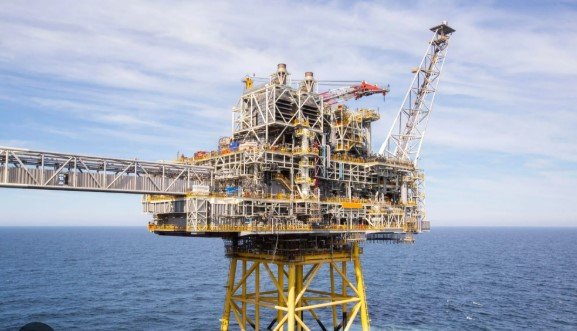
North Sea Row Explodes As War Drives Push For More Drilling Britain’s energy battle has flared into a full-blown political clash, as industry leaders demand a return to North Sea drilling while ministers double down on green power. Trade body Offshore Energies UK has warned the UK must “urgently” ramp up domestic oil and gas production — or risk dangerous dependence on imports in an increasingly unstable world. The warning comes as the war involving Iran has sent global energy markets into turmoil, with disruption in the Strait of Hormuz pushing oil prices sharply higher. Industry: UK Playing A Dangerous GameOEUK argues the UK is exposing itself to price shocks by letting domestic production decline while demand remains high. Oil and gas still account for roughly three-quarters of the country’s energy needs, and the group insists they will remain critical for decades — even as renewables expand. Chief executive David Whitehouse warned that in times of crisis, cargoes can simply be diverted to higher bidders — leaving Britain short. Their message is blunt: produce more at home, or pay the price. Government: Drilling Won’t Cut BillsMinisters aren’t buying it. The government, led by Keir Starmer with energy policy driven by Ed Miliband, has banned new North Sea exploration licences — arguing more drilling won’t bring down costs. Their reasoning is simple: oil and gas are sold on global markets, meaning UK production doesn’t shield consumers from international price swings. Instead, Miliband says the crisis proves the need for “home-grown, clean power” — energy Britain can actually control. Tax War And £50bn GambleThe industry is also pushing for a major tax shake-up. It wants the controversial windfall tax scrapped early and replaced with a lower, price-triggered levy — arguing this could unlock up to £50 billion in investment. Critics, however, say this is less about national security and more about boosting profits during a period of high global prices. Environmental groups, including Greenpeace UK, warn that expanding drilling won’t cut bills but will increase fossil fuel dependence at the worst possible time. Political Battle Lines DrawnThe Conservatives have seized on the issue, calling for new licences and backing stalled projects like the Rosebank and Jackdaw fields. Shadow energy secretary Claire Coutinho blasted the government’s stance as “sheer lunacy” during a supply crisis. But academic research — including from University of Oxford — suggests the economic impact of more drilling would be limited, especially compared to accelerating renewables. A Defining Energy ChoiceAt its core, this is a fundamental strategic choice. Double down on domestic oil and gas to ride out global shocks — or break faster toward renewables to escape them entirely. With war driving prices up and energy security back at the top of the agenda, the pressure on the government is only going to intensify. SOURCE
-
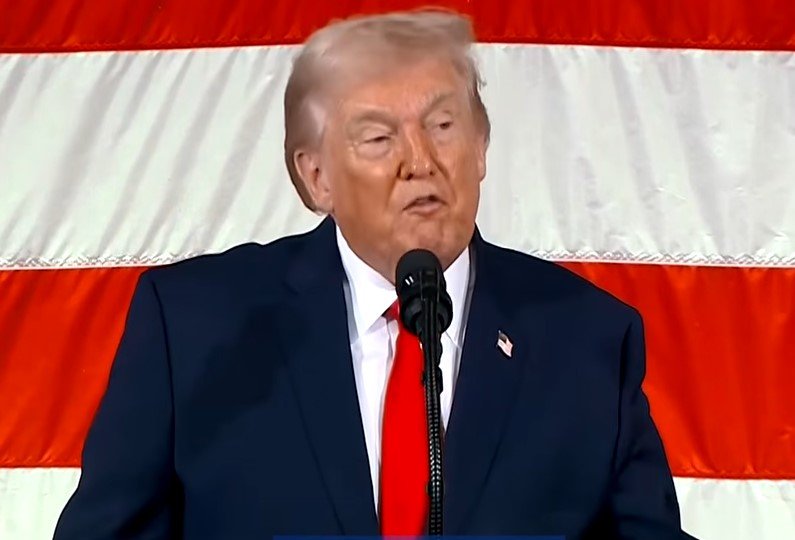
Trump Extends Deadline As Iran ‘Ready To Deal’ Claim Sparks Hope A sudden diplomatic pivot from Donald Trump has raised hopes of a breakthrough in the escalating Iran war, after he claimed Tehran is “eager” to strike a deal — and granted a last-minute extension to avoid devastating US strikes. Speaking Monday, Trump said the US is in contact with Iranian leadership and believes a deal could be reached within days. He pushed back a looming military deadline, giving Iran an extra five days to reopen the critical Strait of Hormuz — or face attacks on its power infrastructure. Markets Rally On War Pause HopesThe shift in tone sent immediate ripples through global markets. Oil prices dropped and stocks climbed as investors bet that a deal could avert a wider regional catastrophe — including potential strikes that could cripple electricity supplies and desalination systems across the Gulf. The war, now in its fourth week, has already killed thousands and rattled global trade routes. Talks Denied — Confusion DeepensTrump claimed that US envoy Steve Witkoff and his son-in-law Jared Kushner had held talks with an Iranian leader. But Tehran flatly denied it. Iranian parliament speaker Mohammad Bagher Qalibaf dismissed the claim as “fake news” designed to manipulate oil and financial markets — highlighting the deep mistrust still defining the standoff. Nuclear Flashpoint RemainsAt the core of any deal is Iran’s nuclear program. Trump suggested Tehran could agree to give up its enriched uranium — a demand Iran has repeatedly rejected. According to international estimates, Iran already possesses significant stockpiles of highly enriched uranium, bringing it close to potential weapons capability if further processed. That makes any agreement both urgent — and extraordinarily difficult. Regional Powers Step InBehind the scenes, diplomatic efforts are intensifying. Turkey and Egypt have begun coordinating mediation efforts, with multiple calls between foreign ministers and regional leaders aimed at de-escalation. Iran’s foreign minister Abbas Araghchi confirmed contacts with Ankara, while Cairo said it had delivered “clear messages” to Tehran urging restraint. Even Keir Starmer acknowledged awareness of ongoing discussions, suggesting Western allies are closely looped into the diplomatic push. A Narrow Window To Avoid EscalationJust days ago, the rhetoric was far darker. Trump had threatened to “obliterate” Iran’s power plants if it failed to reopen the Strait within 48 hours — a move that could have plunged millions into blackout and triggered a wider regional crisis. Now, with a five-day reprieve and tentative diplomatic signals, a narrow window has opened. Whether it leads to a deal — or simply delays the next escalation — remains the defining question of a conflict that has already pushed the region, and the global economy, to the brink. SOURCE
-
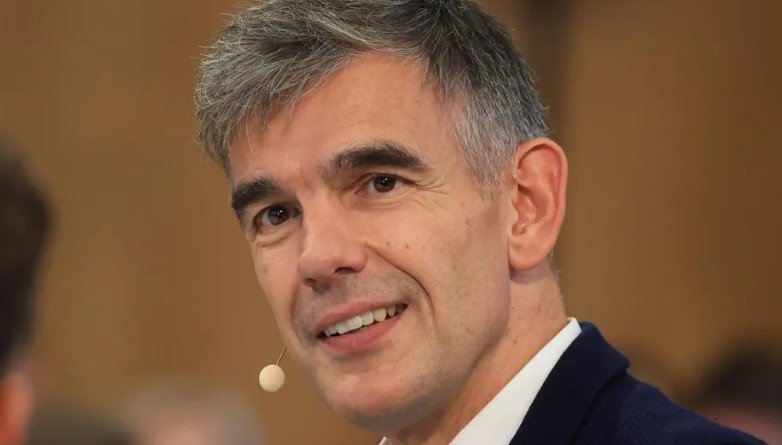
Google Boss To Head BBC: Bold Fix Or Culture Clash Gamble? The expected appointment of Matt Brittin as the next Director General of the BBC is already dividing opinion — and for good reason. On paper, Brittin looks like a heavyweight hire. After nearly two decades at Google, where he rose to lead operations across Europe, the Middle East and Africa, he brings serious management firepower. Insiders describe him as sharp, pragmatic and capable of making tough decisions — exactly what many believe the BBC now needs. The Case For Brittin: A Needed Shake-UpThe BBC is under pressure like never before — editorial missteps, political scrutiny, and a rapidly shifting media landscape have left it looking slow, defensive, and at times out of touch. Brittin’s supporters argue he could be the reset button. He’s led through crises before — from advertiser revolts on YouTube to major corporate restructurings. Crucially, he understands digital at scale. That matters when the BBC is trying to compete in a world dominated by global tech giants and streaming platforms. There’s also a harder edge to his appeal. Critics of the BBC often say it’s too bloated and too slow to deal with underperformance. A leader from the private sector could impose discipline — cuts, accountability, and a performance culture. In short: he could make the BBC faster, leaner, and more future-facing. The Case Against: A “Fox In The Henhouse”?But the risks are just as stark. Brittin has no real background in public service broadcasting — and that’s not a small gap. The BBC isn’t just another media company; it’s a national institution with a public mandate, funded by the licence fee and expected to serve everyone. Critics ask whether someone shaped by Big Tech — a sector often accused of hollowing out traditional media — can truly understand or protect that mission. There are also deeper cultural tensions. The BBC champions journalism, creativity and public value. Big Tech, fairly or not, is often associated with algorithms, monetisation, and disruption. That raises an uncomfortable question: will Brittin strengthen the BBC’s identity — or dilute it? The Reality: A Job That Breaks LeadersEven strong leaders struggle here. Outgoing Director General Tim Davie faced relentless crises, from editorial controversies to political pressure. The role is uniquely exposed — part CEO, part editor-in-chief, part political lightning rod. Brittin has faced scrutiny before — notably over Google’s tax affairs in front of Parliament — but the intensity at the BBC is on another level entirely. And unlike Google, mistakes at the BBC don’t just hit the bottom line — they hit national trust. The VerdictIs Brittin the right choice? He could be exactly what the BBC needs — a decisive, tech-savvy operator who drags it into the digital future. Or he could be a culture clash waiting to happen — a corporate outsider dropped into one of Britain’s most politically sensitive institutions. The truth is, this is a high-risk, high-reward bet. If he gets it right, he could redefine what public service broadcasting looks like in the digital age. If he gets it wrong, he’ll join a long list of BBC chiefs ground down by a job that devours even the most capable leaders. SOURCE
-
US Issues Global Alert As Iran Threatens Americans Abroad The United States has issued a worldwide security alert warning that Iran-linked groups may target Americans across the globe, as tensions with Tehran spiral into a dangerous new phase. The U.S. State Department urged citizens — particularly those in the Middle East — to exercise heightened caution, citing growing risks to American individuals, businesses and infrastructure. “Americans abroad should follow the guidance in security alerts issued by the nearest U.S. embassy or consulate,” the department said, warning that even regions outside the Middle East could see threats emerge. Global Threat Picture ExpandsOfficials cautioned that groups aligned with Iran may strike “U.S. interests overseas” or locations associated with Americans anywhere in the world. The warning follows reports that Iranian-linked networks could target tourist hotspots and civilian infrastructure — dramatically widening the potential battlefield beyond traditional conflict zones. Iranian military spokesman Abolfazl Shekarchi has already signaled that retaliation may not be confined to military targets, raising fears of asymmetric attacks designed to hit soft civilian locations. Strait Of Hormuz ShowdownAt the center of the crisis lies the Strait of Hormuz — a chokepoint for global energy supplies that Iran has threatened to shut indefinitely. Tehran has warned it will not reopen the vital corridor until damage from potential US strikes is repaired, escalating the standoff into a high-stakes economic and ռազմական confrontation. Iran’s military has gone further, declaring that energy, communications and desalination infrastructure linked to the US — and even companies with American shareholders — could be considered legitimate targets. Trump’s 48-Hour UltimatumThe crisis intensified after Donald Trump issued a stark ultimatum: reopen the Strait within 48 hours — or face devastating strikes on Iran’s power infrastructure. In a blunt message, Trump warned the US would “hit and obliterate” key facilities if Tehran refused to comply, marking one of the most direct threats yet in the escalating confrontation. Travel Disruptions And Rising RiskThe State Department also warned of practical consequences for Americans abroad, including sudden airspace closures, travel disruptions and heightened security risks near US diplomatic facilities — some of which have already been targeted. With Iran signaling it will not back down and Washington raising the stakes, the situation is rapidly evolving into a global security concern. For Americans overseas, the message is clear: the conflict is no longer regional — and the risks are no longer distant. SOURCE
-
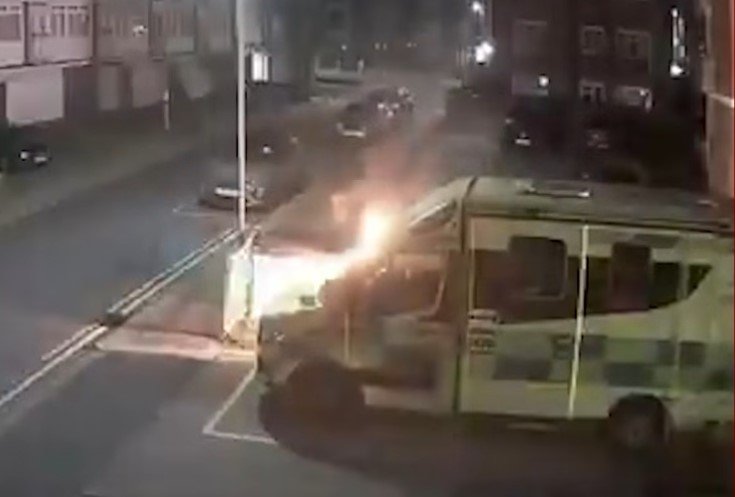
Jewish community Firebombed Ambulances Spark Fears Of Rising UK Antisemitism A suspected antisemitic arson attack in London has left four ambulances belonging to a Jewish emergency service destroyed — and reignited fears over surging hate incidents across Britain. The vehicles, operated by Hatzola Northwest, were set ablaze in the early hours in Golders Green — an area with a large Jewish community. Explosions Rock Residential StreetEmergency crews rushed to the scene after reports of a major fire. According to the Metropolitan Police, gas cylinders inside the ambulances exploded, sending shockwaves through the area and shattering windows in nearby homes. Residents described scenes of chaos. One eyewitness said the blasts were so powerful “you felt it go through your guts,” as multiple vehicles went up in flames. Nearby buildings were evacuated as a precaution, though no injuries have been reported. “Deeply Shocking” AttackPrime Minister Keir Starmer condemned what he called a “deeply shocking antisemitic arson attack,” expressing solidarity with the Jewish community. Police are treating the incident as a hate crime and have launched an urgent manhunt for three suspects believed to be involved. Community groups say the attack strikes at the heart of local safety. A statement from Shomrim described it as a “targeted and deeply concerning” assault on a vital emergency service. A Disturbing PatternThe incident comes amid a sharp rise in antisemitic incidents across the UK since the outbreak of the Israel–Hamas War. Data from Community Security Trust shows reported cases have more than doubled in recent years, with thousands of incidents recorded annually. Recent violence has underscored the trend. In one shocking case, an attacker drove into worshippers outside a synagogue in Manchester during Yom Kippur celebrations, leaving two people dead in a brutal assault. Community On EdgeFor many, the torching of emergency vehicles — designed to save lives — marks a chilling escalation. With suspects still at large and tensions high, the attack has left residents shaken and raised urgent questions about security, policing, and the growing threat facing Jewish communities across Britain. SOURCE
-
Airbnb Pee Porn Horror: Florida Woman Trashes Homes For Cash A Florida woman has been arrested after allegedly filming herself urinating on furniture and destroying thousands of dollars’ worth of property in a bizarre bid to cash in on explicit online content. Nicolette Keough, 31, from Pensacola, is accused of targeting multiple Airbnb rentals, where she allegedly soaked household items in urine while recording the acts for adult websites. Police say the damage exceeded $3,000 — triggering a felony criminal mischief charge. Filmed For ProfitAccording to the Pensacola Police Department, Keough didn’t just vandalize the properties — she allegedly turned the destruction into content. Investigators say she filmed herself urinating on furniture and appliances before uploading the videos online for money. The acts were only uncovered after a host discovered the footage circulating on an adult site. What they found inside the property was even worse. Homes Left Reeking And RuinedThe Airbnb owner reported a “strong smell of urine” lingering throughout the home after Keough’s stay — before discovering the full extent of the damage. Among the items allegedly destroyed: An antique chair Rugs and dining chairs A bed and television Coffee maker, toaster and record player Electric fireplace and even a typewriter Police say a second property on the same street — owned by the same host — was also targeted. Arrest And FalloutOfficers tracked Keough down and arrested her after linking her to the videos and the damaged homes. She now faces felony charges due to the scale of destruction. It remains unclear whether she has legal representation. Meanwhile, Airbnb confirmed she has been banned from the platform, calling the alleged behavior unacceptable and pledging support for the host through its damage protection scheme. A Bizarre Case — But CostlyWhile Airbnb says incidents like this are rare, the case highlights the risks hosts face — especially when criminal behavior intersects with online monetization. What appears to be a shocking stunt for clicks has left a trail of damage, legal trouble, and a host facing thousands in losses — all for content that has now landed its creator in serious trouble. SOURCE

-
Gulf States Flip — Now Urge Relentless Strikes On Iran In a dramatic reversal, key Gulf powers that once warned against war with Iran are now pushing for the fight to continue — and in some cases, even considering joining it. Officials from across the Gulf told The Times of Israel that countries including United Arab Emirates, Saudi Arabia, Qatar and Bahrain now believe Iran’s military must be decisively weakened before any ceasefire is considered. It’s a striking shift. Before the war, these same states urged restraint, warning Donald Trump against launching strikes. But after coming under direct Iranian attack — including missile and drone strikes on civilian infrastructure — the calculus has hardened. From Caution To ConfrontationIran’s retaliation appears to have backfired. Tehran reportedly expected Gulf capitals to pressure Washington into a ceasefire after being hit. Instead, the attacks — which disrupted oil, gas and tourism across the region — have triggered the opposite response: a growing consensus that Iran’s military threat must be crushed. “Ending the war with Iran still armed would be a strategic disaster,” one Gulf official said bluntly. The shift underscores a stark reality: for many in the region, this is no longer a distant geopolitical contest — it’s a direct fight for survival. Calls To Break Iran’s War MachineWhile all sides agree regime change is unlikely, there is broad alignment around one goal — degrading Iran’s ability to wage war. Some officials argue the campaign should continue until Tehran’s missile and drone production facilities are destroyed, even if Iran retains the technical know-how to rebuild. The aim, they say, is “generational damage” — setting Iran’s capabilities back decades. The war, launched through US and Israeli operations targeting Iran’s nuclear and missile infrastructure, has already expanded far beyond its original scope. Iran has struck all six members of the Gulf Cooperation Council — including Kuwait and Oman — raising fears of a full regional conflagration. Yet even within the bloc, divisions remain. Cracks Beneath The SurfaceOman stands out as the main dissenting voice, urging a rapid end to hostilities. Its foreign minister has called for diplomacy, warning that prolonged conflict risks spiraling beyond control. Even among hawkish states, there is unease about how long the war should continue. Some officials warn of “diminishing returns” if the campaign drags on, particularly if Iran adapts or rebuilds. There are also concerns about the long-term security picture. Several Gulf states are already planning to ramp up air defenses and anti-drone systems, signaling an expectation that the Iranian threat will persist regardless of how the current war ends. Alliance Strains And Regional FalloutWhile anger is overwhelmingly directed at Iran for attacking its neighbors, frustrations with Washington are quietly growing. Some Gulf officials have criticized what they see as inadequate US planning for Iran’s retaliation — a miscalculation that left critical infrastructure exposed. As a result, there are early signs that regional powers may diversify their security partnerships rather than rely so heavily on the United States. At the same time, tensions with Israel are complicating the picture. Anger over its operations in Lebanon — particularly against Hezbollah — is eroding goodwill, with some officials warning that civilian harm risks undermining broader regional alignment. A War Rewriting The RegionThe conflict is rapidly reshaping alliances and priorities across the Middle East. What began as cautious opposition to war has morphed into a hard-edged demand for decisive action against Iran. But beneath that shift lies a deeper uncertainty: how far is too far — and what kind of region will emerge when the fighting finally stops? SOURCE