

ASEAN NOW News
Admin
-
Joined
-
Last visited
Everything posted by ASEAN NOW News
-
Canada welcomed the US Supreme Court's decision to strike down President Donald Trump's global tariffs, though celebrations were brief. These tariffs, including those related to fentanyl impacting Canada, China, and Mexico, were deemed "unjustified," according to Canada's Trade Minister Dominic LeBlanc. Get the latest headlines in your email LeBlanc emphasized ongoing challenges, particularly concerning tariffs on steel, aluminum, and automobiles, which Trump intends to maintain. He also highlighted the upcoming review of the Canada-US-Mexico trade agreement (USMCA), a crucial part of the North American trade landscape involving over 500 million people. The Supreme Court's ruling has limited impact on Canadian tariffs, as 85% of trade under these "fentanyl" tariffs was already exempt due to USMCA. However, Canada's position on new 10% global tariffs, which Trump plans to raise to 15%, remains cautious. Despite the new global tariffs, the White House confirmed that USMCA exemptions will continue. Beyond tariffs, the USMCA review presents a key issue. Discussions must occur this summer to decide on extending the deal, first established in the early 1990s. While integrated economies have benefited, there are uncertainties. During a visit to Mexico, LeBlanc reaffirmed commitment to the trilateral trade agreement. However, the Trump administration has shown interest in bilateral deals instead of renewing USMCA. LeBlanc plans to meet US Trade Representative Jamieson Greer to progress on review talks before the July 1 deadline. This marks the first formal trade discussion after a hiatus last October, stemming from a Canadian ad opposing tariffs. Greer noted challenges in negotiations with Canada compared to Mexico, citing trade barriers like restrictions on US wine and spirits and irritants such as Canada’s Online Streaming Act, affecting US media companies. Amidst negotiations, Canada is diversifying trade beyond the US, which currently accounts for 75% of its exports, with ambitions to double non-US exports by 2035. Canadian business leaders maintain that uncertainty persists. Dennis Darby, CEO of Canadian Manufacturers & Exporters, emphasized the importance of a successful USMCA renewal to prevent trade disruptions, advocating for predictable, rules-based trade on both sides of the border. Join the discussion? Already a member? Adapted by ASEAN Now · Source · 21 Feb 2026 View full article
-
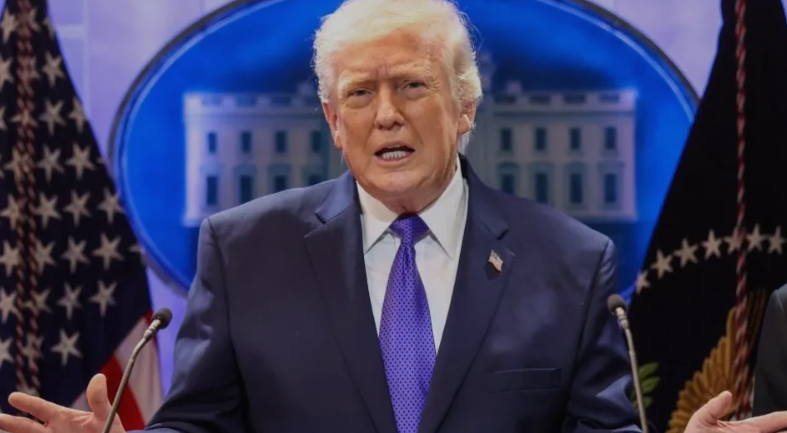 The US Supreme Court has ruled that President Donald Trump exceeded his authority by imposing global tariffs using the International Emergency Economic Powers Act (IEEPA). In a 6-3 decision, the court affirmed that such tariffs could not be applied without Congress’s authorization. Get the latest headlines in your email Trump's original tariffs targeted goods from China, Mexico, and Canada, citing fentanyl trafficking as an emergency. Later, he expanded these levies to nearly every country, claiming the US trade deficit posed a significant threat. However, the court emphasized that creating taxes is a power reserved for Congress and that IEEPA was not intended for revenue generation. New Temporary Tariffs In response to the court ruling, Trump signed a proclamation under Section 122 of the 1974 Trade Act, allowing a new 10% global tariff on imports, subsequently raised to 15%. Section 122 permits a temporary tariff for up to 150 days, after which Congress must intervene. However, the law may allow the president to let tariffs lapse and reintroduce them by declaring a new emergency, as noted by the Cato Institute. The administration is also exploring tariffs under Section 301 of the Trade Act of 1974, which authorizes tariffs on countries with discriminatory trade practices. Additionally, Section 232 of the Trade Expansion Act of 1962, used by Trump in his first term, allows for tariffs on imports that threaten national security after an investigation. Treasury Secretary Scott Bessent stated that combining Section 122 tariffs with enhanced Section 232 and Section 301 tariffs would ensure continued tariff revenue. This strategy seeks to compensate for the revenue loss from the IEEPA tariffs. Refunds and Legal Implications While the Supreme Court deemed the IEEPA tariffs unlawful, it offered no guidance on refunds. Trump predicts extended litigation over potential refunds. Larger companies might benefit more from refunds due to the complex claims process, leaving smaller businesses at a disadvantage. Over a thousand businesses have already requested tariff refunds, with numbers expected to increase. Illinois Governor JB Pritzker urged the White House to issue $1,700 refund checks to affected households. Trump previously hinted at the possibility of rebate checks. Current Tariff Landscape The new tariffs, effective February 24, apply to all imports into the US. Countries with existing trade deals, such as the UK, India, and the EU, are not exempt from these tariffs under Section 122. The Trump administration expects these countries to continue honoring their trade agreements. Certain goods, including critical minerals, energy products, pharmaceuticals, and items under the USMCA agreement, are exempt from the new taxes. Informational materials, donations, and personal baggage are also exempt. Trump has retained tariffs on low-cost goods by eliminating the de minimis exemption, which allowed goods valued at $800 or less to enter the US duty-free. Future Considerations The tariffs aim to address international payment issues and rebalance American trade, according to the White House. The strategy reflects Trump’s emphasis on leveraging tariffs to boost the US economy by channeling revenue into the Treasury. The ongoing trade and tariff dynamics highlight the complex interplay between executive actions, legislative powers, and international trade relations. As the situation evolves, businesses and consumers alike face uncertainty regarding the financial implications and potential refunds. Join the discussion? Already a member? Adapted by ASEAN Now · Source · 21 Feb 2026
 -
The US Supreme Court has ruled that President Donald Trump exceeded his authority by imposing global tariffs using the International Emergency Economic Powers Act (IEEPA). In a 6-3 decision, the court affirmed that such tariffs could not be applied without Congress’s authorization. Get the latest headlines in your email Trump's original tariffs targeted goods from China, Mexico, and Canada, citing fentanyl trafficking as an emergency. Later, he expanded these levies to nearly every country, claiming the US trade deficit posed a significant threat. However, the court emphasized that creating taxes is a power reserved for Congress and that IEEPA was not intended for revenue generation. New Temporary Tariffs In response to the court ruling, Trump signed a proclamation under Section 122 of the 1974 Trade Act, allowing a new 10% global tariff on imports, subsequently raised to 15%. Section 122 permits a temporary tariff for up to 150 days, after which Congress must intervene. However, the law may allow the president to let tariffs lapse and reintroduce them by declaring a new emergency, as noted by the Cato Institute. The administration is also exploring tariffs under Section 301 of the Trade Act of 1974, which authorizes tariffs on countries with discriminatory trade practices. Additionally, Section 232 of the Trade Expansion Act of 1962, used by Trump in his first term, allows for tariffs on imports that threaten national security after an investigation. Treasury Secretary Scott Bessent stated that combining Section 122 tariffs with enhanced Section 232 and Section 301 tariffs would ensure continued tariff revenue. This strategy seeks to compensate for the revenue loss from the IEEPA tariffs. Refunds and Legal Implications While the Supreme Court deemed the IEEPA tariffs unlawful, it offered no guidance on refunds. Trump predicts extended litigation over potential refunds. Larger companies might benefit more from refunds due to the complex claims process, leaving smaller businesses at a disadvantage. Over a thousand businesses have already requested tariff refunds, with numbers expected to increase. Illinois Governor JB Pritzker urged the White House to issue $1,700 refund checks to affected households. Trump previously hinted at the possibility of rebate checks. Current Tariff Landscape The new tariffs, effective February 24, apply to all imports into the US. Countries with existing trade deals, such as the UK, India, and the EU, are not exempt from these tariffs under Section 122. The Trump administration expects these countries to continue honoring their trade agreements. Certain goods, including critical minerals, energy products, pharmaceuticals, and items under the USMCA agreement, are exempt from the new taxes. Informational materials, donations, and personal baggage are also exempt. Trump has retained tariffs on low-cost goods by eliminating the de minimis exemption, which allowed goods valued at $800 or less to enter the US duty-free. Future Considerations The tariffs aim to address international payment issues and rebalance American trade, according to the White House. The strategy reflects Trump’s emphasis on leveraging tariffs to boost the US economy by channeling revenue into the Treasury. The ongoing trade and tariff dynamics highlight the complex interplay between executive actions, legislative powers, and international trade relations. As the situation evolves, businesses and consumers alike face uncertainty regarding the financial implications and potential refunds. Join the discussion? Already a member? Adapted by ASEAN Now · Source · 21 Feb 2026 View full article
-
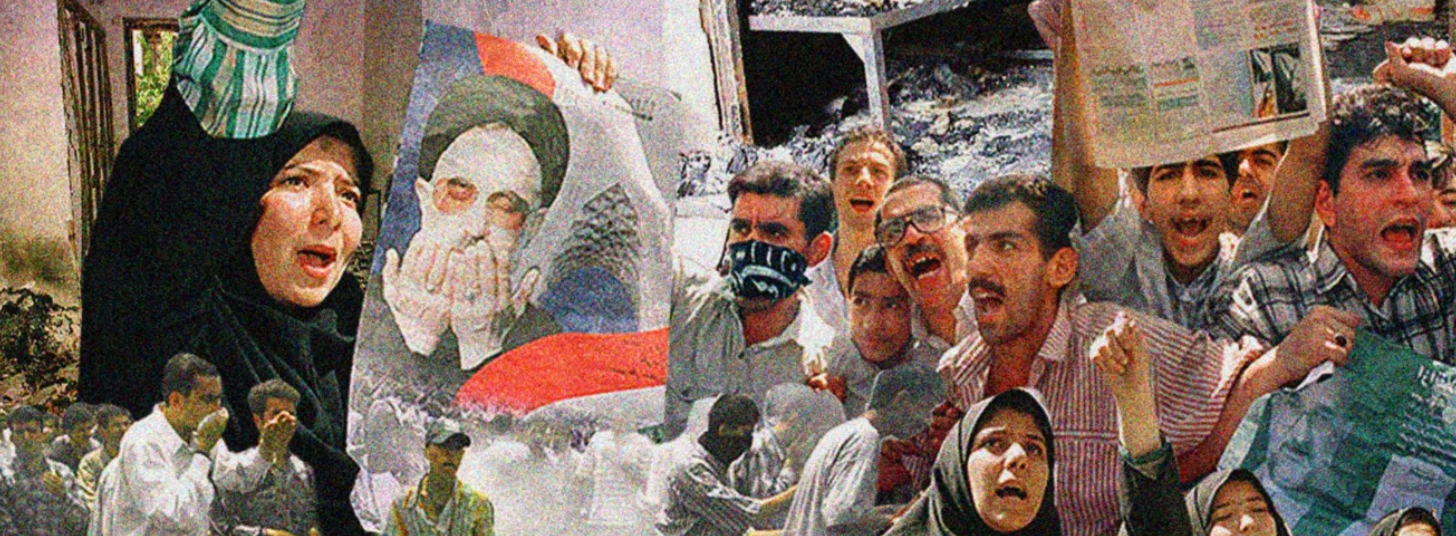 Students across multiple universities in Iran have staged significant anti-government protests. These are the largest demonstrations since last month's severe crackdown by authorities. Get the latest headlines in your email The BBC has verified footage of protests at Sharif University of Technology in Tehran on Saturday. Clashes erupted between demonstrators and government supporters. A sit-in took place at Shahid Beheshti University in Tehran, with other rallies reported in the north-east. Students were honoring thousands killed during mass protests in January. Parallel to these events, the US has increased its military presence near Iran. President Donald Trump is considering a limited military strike. The US and European allies suspect Iran is moving towards developing a nuclear weapon, a claim Iran denies. US and Iranian officials met in Switzerland and reported progress in talks to curb Iran's nuclear program. Despite this, Trump stated the world would know "over the next, probably, 10 days" whether a deal would be reached or military action taken. Footage shows hundreds of protesters marching peacefully at Sharif University, waving Iranian flags and chanting "death to the dictator," referring to Supreme Leader Ayatollah Ali Khamenei. Pro-government supporters staged a rival rally nearby, with scuffles breaking out between the groups. Verified photos also show a peaceful sit-in at Shahid Beheshti University and protests at Amir Kabir University of Technology. In Mashhad, students chanted "Freedom, freedom" and "Students, shout for your rights." Additional protests were reported with calls for more rallies on Sunday. It is unclear if any demonstrators were arrested. Last month's protests, originating from economic grievances, evolved into the largest since the 1979 Islamic Revolution. The US-based Human Rights Activists News Agency (Hrana) confirmed at least 6,159 people killed, including protesters, children, and officials. Iranian authorities reported over 3,100 deaths, claiming most were security personnel or bystanders attacked by "rioters." The protests coincide with Iran's preparation for a potential conflict with the US. While some exiled opposition groups urge Trump to strike, others oppose foreign intervention. Disinformation campaigns on social media highlight these conflicting narratives. Join the discussion? Already a member? Adapted by ASEAN Now · Source · 21 Feb 2026
 -
Students across multiple universities in Iran have staged significant anti-government protests. These are the largest demonstrations since last month's severe crackdown by authorities. Get the latest headlines in your email The BBC has verified footage of protests at Sharif University of Technology in Tehran on Saturday. Clashes erupted between demonstrators and government supporters. A sit-in took place at Shahid Beheshti University in Tehran, with other rallies reported in the north-east. Students were honoring thousands killed during mass protests in January. Parallel to these events, the US has increased its military presence near Iran. President Donald Trump is considering a limited military strike. The US and European allies suspect Iran is moving towards developing a nuclear weapon, a claim Iran denies. US and Iranian officials met in Switzerland and reported progress in talks to curb Iran's nuclear program. Despite this, Trump stated the world would know "over the next, probably, 10 days" whether a deal would be reached or military action taken. Footage shows hundreds of protesters marching peacefully at Sharif University, waving Iranian flags and chanting "death to the dictator," referring to Supreme Leader Ayatollah Ali Khamenei. Pro-government supporters staged a rival rally nearby, with scuffles breaking out between the groups. Verified photos also show a peaceful sit-in at Shahid Beheshti University and protests at Amir Kabir University of Technology. In Mashhad, students chanted "Freedom, freedom" and "Students, shout for your rights." Additional protests were reported with calls for more rallies on Sunday. It is unclear if any demonstrators were arrested. Last month's protests, originating from economic grievances, evolved into the largest since the 1979 Islamic Revolution. The US-based Human Rights Activists News Agency (Hrana) confirmed at least 6,159 people killed, including protesters, children, and officials. Iranian authorities reported over 3,100 deaths, claiming most were security personnel or bystanders attacked by "rioters." The protests coincide with Iran's preparation for a potential conflict with the US. While some exiled opposition groups urge Trump to strike, others oppose foreign intervention. Disinformation campaigns on social media highlight these conflicting narratives. Join the discussion? Already a member? Adapted by ASEAN Now · Source · 21 Feb 2026 View full article
-
 Tiger Duggan, a 23-year-old British man, has died three weeks after a motorbike accident in Thailand left him in a coma. The incident occurred while he was traveling in the country for his birthday. Duggan, who worked for a gold mining company in Perth, Australia, was on holiday with a friend in January. He sustained severe head injuries when he was knocked off his bike while overtaking a car in Thailand. He had been receiving critical care at a hospital in Bangkok. His family faced significant medical expenses, with over £200,000 raised through an online fundraiser to support his treatment. Lisa Duggan, Tiger's mother and a neonatal nurse from Milton Keynes, flew to Bangkok with her husband Kieron and Tiger's brother River to be by his side. In a heartfelt tribute, his family described him as having an "infectious smile" and said their "beautiful" son passed away in his mother's arms. They called the past 19 days a "living nightmare." Tiger's family shared their gratitude on a GoFundMe page, acknowledging the support received through prayers, messages, and donations. They also mentioned that Tiger's organ donations could help save three or four lives. Initially treated in Koh Samui, Tiger was later transferred to a hospital in Bangkok. Within nine days, his family had spent over £120,000 on medical expenses and transport. Lisa stated that Tiger's travel company refused to cover the costs and the UK Government provided minimal support, sending only a generic email with links to advice pages. In an emotional update, Lisa expressed her deep appreciation for the public’s support during this difficult time. Related story :Family's Desperate Plea for £170k to Fly Injured Son Home from Thailand Join the discussion? Already a member? Adapted by ASEAN Now · Source · 20 Feb 2026
 -
Tiger Duggan, a 23-year-old British man, has died three weeks after a motorbike accident in Thailand left him in a coma. The incident occurred while he was traveling in the country for his birthday. Duggan, who worked for a gold mining company in Perth, Australia, was on holiday with a friend in January. He sustained severe head injuries when he was knocked off his bike while overtaking a car in Thailand. He had been receiving critical care at a hospital in Bangkok. His family faced significant medical expenses, with over £200,000 raised through an online fundraiser to support his treatment. Lisa Duggan, Tiger's mother and a neonatal nurse from Milton Keynes, flew to Bangkok with her husband Kieron and Tiger's brother River to be by his side. In a heartfelt tribute, his family described him as having an "infectious smile" and said their "beautiful" son passed away in his mother's arms. They called the past 19 days a "living nightmare." Tiger's family shared their gratitude on a GoFundMe page, acknowledging the support received through prayers, messages, and donations. They also mentioned that Tiger's organ donations could help save three or four lives. Initially treated in Koh Samui, Tiger was later transferred to a hospital in Bangkok. Within nine days, his family had spent over £120,000 on medical expenses and transport. Lisa stated that Tiger's travel company refused to cover the costs and the UK Government provided minimal support, sending only a generic email with links to advice pages. In an emotional update, Lisa expressed her deep appreciation for the public’s support during this difficult time. Related story :Family's Desperate Plea for £170k to Fly Injured Son Home from Thailand Join the discussion? Already a member? Adapted by ASEAN Now · Source · 20 Feb 2026 View full record
-
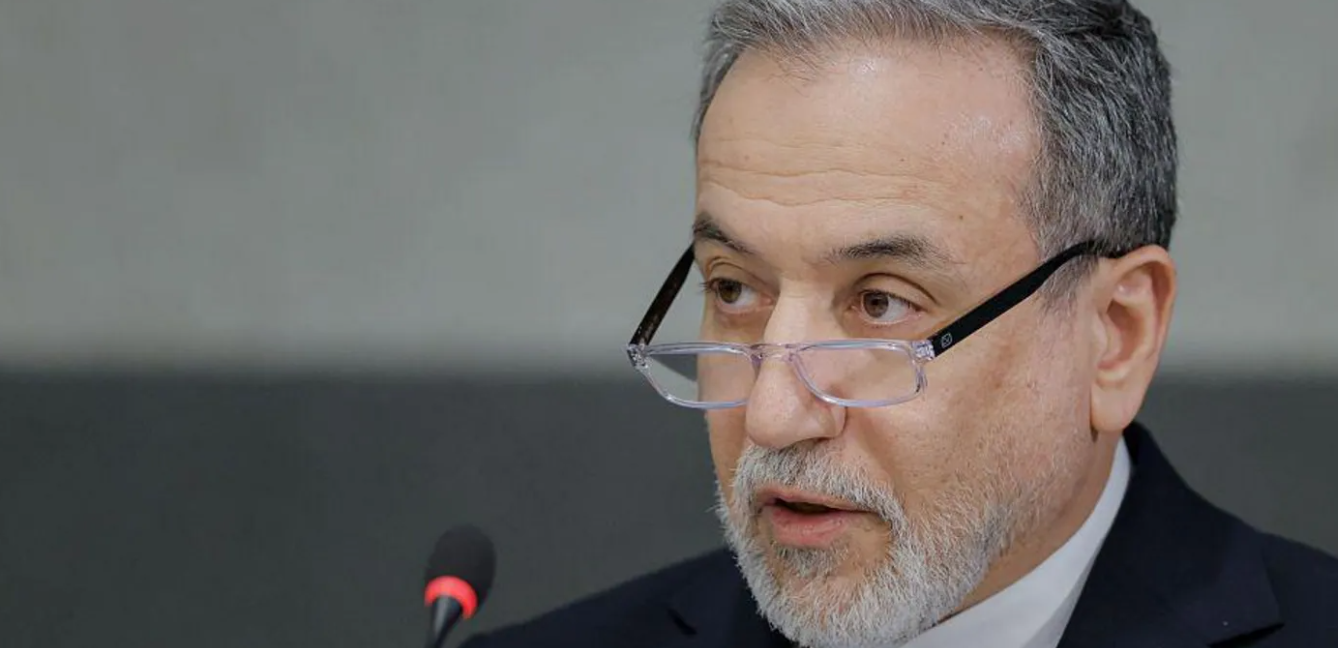 US President Donald Trump has indicated he is contemplating a limited military strike on Iran to pressure its leaders into negotiating an agreement to limit their nuclear program. This statement came in response to a journalist's query shortly after officials suggested the possibility of military action. Get the latest headlines in your email Trump remarked on Thursday that the world would likely know "over the next, probably, 10 days" if a deal would be reached or if military action would ensue. Recently, the US has been bolstering its military presence in the region. US and European allies suspect Iran is progressing towards developing a nuclear weapon, a claim Iran denies. Meetings between US and Iranian officials in Switzerland have shown progress, with Iran's Foreign Minister, Abbas Araghchi, stating that Iran is preparing a draft agreement to present to US Special Envoy Steve Witkoff soon. Amid these talks, American forces have increased their presence near Iran, including deploying the USS Gerald R Ford and USS Abraham Lincoln, along with additional destroyers, combat ships, and fighter jets. Satellite images reveal Iran has fortified military sites, while Supreme Leader Ayatollah Ali Khamenei has issued warnings on social media, noting the danger of US warships approaching Iran. Trump's discussions with journalists occur frequently, often leading to varying statements. He tends to keep his plans secret to maintain strategic ambiguity. "I'm not going to talk to you about that," he told a reporter when asked about potential action, stating, "We're going to make a deal or get a deal one way or the other." Trump has yet to specify the military objectives, despite being presented with various options for potentially prolonged campaigns. Previously, Trump used deadlines strategically to create an element of surprise, as seen during Operation Midnight Hammer last July, which involved striking Iranian nuclear facilities. Potential strikes could occur during a challenging period domestically, with growing disapproval of Trump's handling of immigration and the economy. A protracted conflict with Iran might alienate parts of Trump's base that preferred his campaign promise to avoid foreign entanglements. Join the discussion? Already a member? Adapted by ASEAN Now · Source · 20 Feb 2026
 -
US President Donald Trump has indicated he is contemplating a limited military strike on Iran to pressure its leaders into negotiating an agreement to limit their nuclear program. This statement came in response to a journalist's query shortly after officials suggested the possibility of military action. Get the latest headlines in your email Trump remarked on Thursday that the world would likely know "over the next, probably, 10 days" if a deal would be reached or if military action would ensue. Recently, the US has been bolstering its military presence in the region. US and European allies suspect Iran is progressing towards developing a nuclear weapon, a claim Iran denies. Meetings between US and Iranian officials in Switzerland have shown progress, with Iran's Foreign Minister, Abbas Araghchi, stating that Iran is preparing a draft agreement to present to US Special Envoy Steve Witkoff soon. Amid these talks, American forces have increased their presence near Iran, including deploying the USS Gerald R Ford and USS Abraham Lincoln, along with additional destroyers, combat ships, and fighter jets. Satellite images reveal Iran has fortified military sites, while Supreme Leader Ayatollah Ali Khamenei has issued warnings on social media, noting the danger of US warships approaching Iran. Trump's discussions with journalists occur frequently, often leading to varying statements. He tends to keep his plans secret to maintain strategic ambiguity. "I'm not going to talk to you about that," he told a reporter when asked about potential action, stating, "We're going to make a deal or get a deal one way or the other." Trump has yet to specify the military objectives, despite being presented with various options for potentially prolonged campaigns. Previously, Trump used deadlines strategically to create an element of surprise, as seen during Operation Midnight Hammer last July, which involved striking Iranian nuclear facilities. Potential strikes could occur during a challenging period domestically, with growing disapproval of Trump's handling of immigration and the economy. A protracted conflict with Iran might alienate parts of Trump's base that preferred his campaign promise to avoid foreign entanglements. Join the discussion? Already a member? Adapted by ASEAN Now · Source · 20 Feb 2026 View full article
-
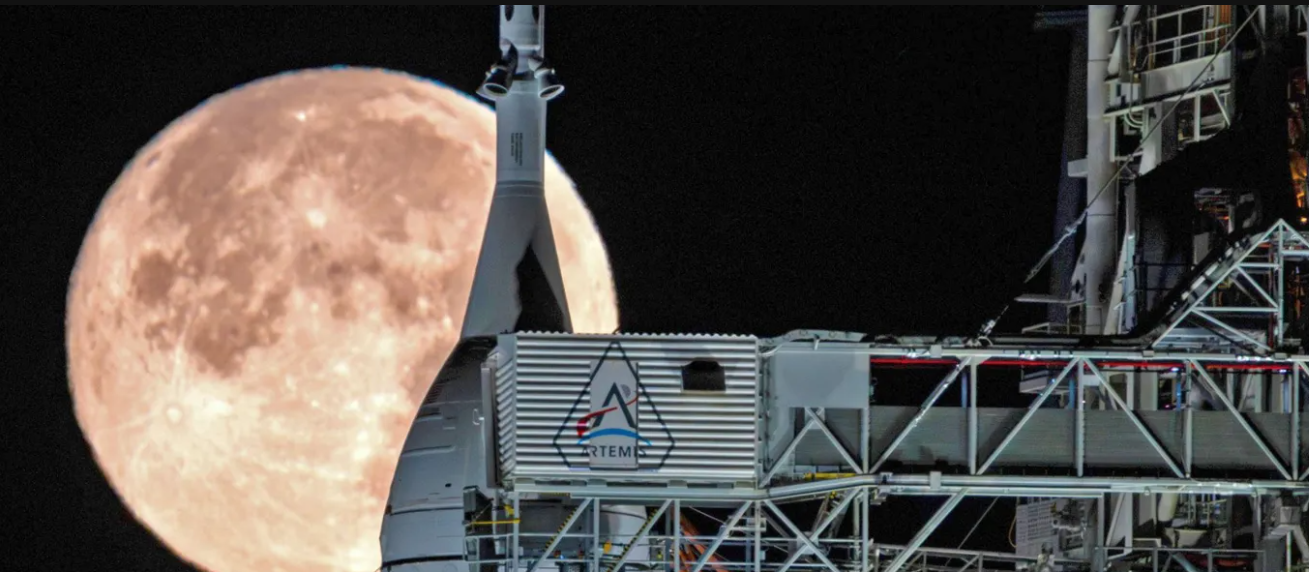 NASA is poised to send a crew around the Moon in early March, marking humanity's furthest voyage into space in over 50 years. The Artemis II mission will feature a 10-day journey around the Moon's far side, paving the way for future lunar landings. Get the latest headlines in your email The launch is targeted for March 6 (March 7 in the UK), following a successful "wet dress rehearsal" at the Kennedy Space Center in Florida. This critical test involved fueling the rocket and conducting a countdown sequence. NASA's Lori Glaze expressed growing excitement, noting, "The Moon is calling us and we're ready." The first rehearsal in February ended early due to a hydrogen fuel leak, but NASA has since addressed the issues with seals and filters. The Artemis II crew includes Americans Reid Wiseman, Victor Glover, Christina Koch, and Canadian Jeremy Hansen. Following the rehearsal's success, the crew will enter quarantine in preparation for the mission. They will embark on the mission aboard NASA's Space Launch System (SLS), a 98-meter-tall mega Moon rocket, which previously flew without a crew in November 2022 during the Artemis I mission. The astronauts will be housed in the Orion capsule, situated atop the rocket, which is roughly the size of a minibus. Their mission begins with orbiting Earth for a day. If systems are confirmed to be functioning properly, they will then travel to the Moon. The journey will take approximately four days, during which the crew will orbit 6,500-9,500 km above the lunar surface, studying and photographing the Moon. After completing their lunar flyby, the crew will commence a four-day journey back to Earth, concluding with a splashdown in the Pacific Ocean. A successful mission will clear the path for Artemis III, where astronauts are expected to set foot on the lunar surface. NASA has set an ambitious target for a lunar landing by 2028. Elon Musk’s company SpaceX is under contract to build the Artemis III lander. Due to delays with its Starship rocket, NASA has asked SpaceX for a streamlined return-to-Moon plan. Concurrently, NASA has requested Blue Origin, owned by Jeff Bezos, to present an accelerated lunar plan for Artemis III. As these developments unfold, the US is under international pressure to reach the Moon, with China aiming for a lunar landing by 2030. Both nations are targeting the Moon's south pole for their landings, competing for optimal spots to establish lunar bases. Join the discussion? Already a member? Adapted by ASEAN Now · Source · 20 Feb 2026
 -
NASA is poised to send a crew around the Moon in early March, marking humanity's furthest voyage into space in over 50 years. The Artemis II mission will feature a 10-day journey around the Moon's far side, paving the way for future lunar landings. Get the latest headlines in your email The launch is targeted for March 6 (March 7 in the UK), following a successful "wet dress rehearsal" at the Kennedy Space Center in Florida. This critical test involved fueling the rocket and conducting a countdown sequence. NASA's Lori Glaze expressed growing excitement, noting, "The Moon is calling us and we're ready." The first rehearsal in February ended early due to a hydrogen fuel leak, but NASA has since addressed the issues with seals and filters. The Artemis II crew includes Americans Reid Wiseman, Victor Glover, Christina Koch, and Canadian Jeremy Hansen. Following the rehearsal's success, the crew will enter quarantine in preparation for the mission. They will embark on the mission aboard NASA's Space Launch System (SLS), a 98-meter-tall mega Moon rocket, which previously flew without a crew in November 2022 during the Artemis I mission. The astronauts will be housed in the Orion capsule, situated atop the rocket, which is roughly the size of a minibus. Their mission begins with orbiting Earth for a day. If systems are confirmed to be functioning properly, they will then travel to the Moon. The journey will take approximately four days, during which the crew will orbit 6,500-9,500 km above the lunar surface, studying and photographing the Moon. After completing their lunar flyby, the crew will commence a four-day journey back to Earth, concluding with a splashdown in the Pacific Ocean. A successful mission will clear the path for Artemis III, where astronauts are expected to set foot on the lunar surface. NASA has set an ambitious target for a lunar landing by 2028. Elon Musk’s company SpaceX is under contract to build the Artemis III lander. Due to delays with its Starship rocket, NASA has asked SpaceX for a streamlined return-to-Moon plan. Concurrently, NASA has requested Blue Origin, owned by Jeff Bezos, to present an accelerated lunar plan for Artemis III. As these developments unfold, the US is under international pressure to reach the Moon, with China aiming for a lunar landing by 2030. Both nations are targeting the Moon's south pole for their landings, competing for optimal spots to establish lunar bases. Join the discussion? Already a member? Adapted by ASEAN Now · Source · 20 Feb 2026 View full article
-
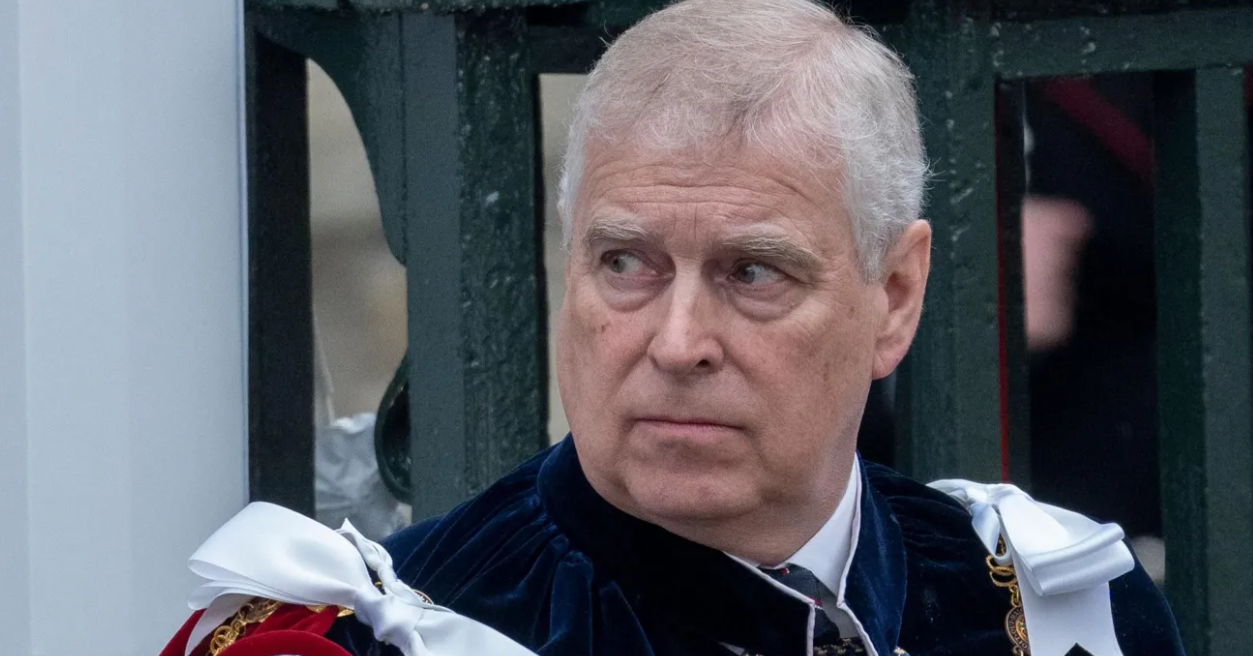 The UK government is contemplating legislation to remove Andrew Mountbatten-Windsor from the royal line of succession. Defence Minister Luke Pollard told the BBC this action would prevent Andrew from ever becoming King and is deemed necessary, regardless of the police investigation's outcome. Get the latest headlines in your email Despite being stripped of his titles last October due to his connections with Jeffrey Epstein, Andrew remains eighth in line to the throne. On Thursday, Andrew was released under investigation, 11 hours after being arrested on suspicion of misconduct in public office, which he denies. Pollard confirmed that the government is working with Buckingham Palace to ensure Andrew is not "a heartbeat away from the throne." He hopes the proposal will receive cross-party support, but it will proceed only after the police investigation concludes. On Friday, unmarked police vehicles were observed at Royal Lodge, Andrew’s residence. Thames Valley Police, responsible for the arrest, is expected to continue searches at the property until Monday. The proposal follows support from MPs, including those from the Liberal Democrats and SNP. Some Labour MPs, critical of the monarchy, are skeptical about the necessity of the move due to the low likelihood of Andrew ascending to the throne. Introducing such legislation would require an act of Parliament, needing approval from MPs and peers, and royal assent from the King. It would also need backing from the 14 Commonwealth countries where King Charles III is head of state, such as Canada, Australia, and New Zealand. The last significant change to the line of succession was in 2013 with the Succession to the Crown Act, and the last removal due to abdication was in 1936 with Edward VIII. Liberal Democrat leader Sir Ed Davey emphasized that police should conduct their investigation without interference. He noted that Parliament would need to address the issue, ensuring Andrew can never become King. The SNP, led by Westminster leader Stephen Flynn, expressed support for Andrew's removal from succession if legislation is necessary. Join the discussion? Already a member? Adapted by ASEAN Now · Source · 20 Feb 2026
 -
The UK government is contemplating legislation to remove Andrew Mountbatten-Windsor from the royal line of succession. Defence Minister Luke Pollard told the BBC this action would prevent Andrew from ever becoming King and is deemed necessary, regardless of the police investigation's outcome. Get the latest headlines in your email Despite being stripped of his titles last October due to his connections with Jeffrey Epstein, Andrew remains eighth in line to the throne. On Thursday, Andrew was released under investigation, 11 hours after being arrested on suspicion of misconduct in public office, which he denies. Pollard confirmed that the government is working with Buckingham Palace to ensure Andrew is not "a heartbeat away from the throne." He hopes the proposal will receive cross-party support, but it will proceed only after the police investigation concludes. On Friday, unmarked police vehicles were observed at Royal Lodge, Andrew’s residence. Thames Valley Police, responsible for the arrest, is expected to continue searches at the property until Monday. The proposal follows support from MPs, including those from the Liberal Democrats and SNP. Some Labour MPs, critical of the monarchy, are skeptical about the necessity of the move due to the low likelihood of Andrew ascending to the throne. Introducing such legislation would require an act of Parliament, needing approval from MPs and peers, and royal assent from the King. It would also need backing from the 14 Commonwealth countries where King Charles III is head of state, such as Canada, Australia, and New Zealand. The last significant change to the line of succession was in 2013 with the Succession to the Crown Act, and the last removal due to abdication was in 1936 with Edward VIII. Liberal Democrat leader Sir Ed Davey emphasized that police should conduct their investigation without interference. He noted that Parliament would need to address the issue, ensuring Andrew can never become King. The SNP, led by Westminster leader Stephen Flynn, expressed support for Andrew's removal from succession if legislation is necessary. Join the discussion? Already a member? Adapted by ASEAN Now · Source · 20 Feb 2026 View full article
-
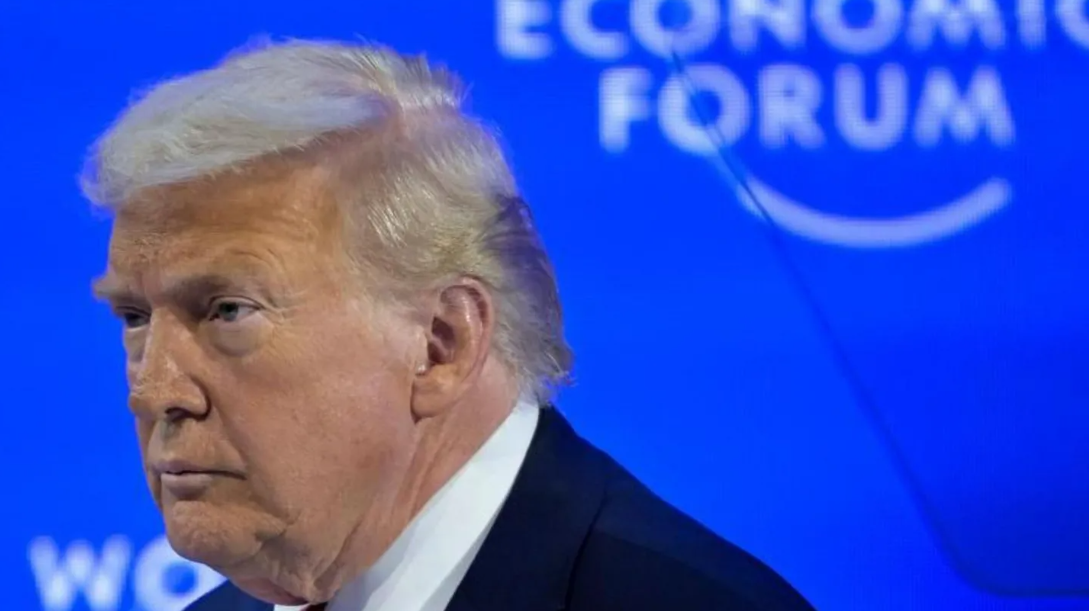 US President Donald Trump has announced a new 10% global tariff after the Supreme Court rejected his previous import taxes. The court's decision, which Trump criticized as "terrible," struck down most of the global tariffs announced by the White House last year. Get the latest headlines in your email The Supreme Court ruled 6-3 that Trump overstepped his powers, a significant win for businesses and US states challenging the duties. This ruling could lead to billions in tariff refunds and has created further uncertainty in global trade. In a speech from the White House, Trump stated that refunds would likely face prolonged legal battles. He expressed intentions to use other laws to continue his tariff strategy, claiming these tariffs promote US investment and manufacturing. "We have alternatives - great alternatives, and we'll be a lot stronger for it," Trump asserted. The legal battle centered on import taxes implemented last year on goods from nearly every country. Initially targeting Mexico, Canada, and China, the tariffs expanded to include many more countries, declared during a "Liberation Day" event last April. The White House had relied on the 1977 International Emergency Economic Powers Act (IEEPA), which gives the president authority to "regulate" trade during emergencies. However, the measures faced backlash from firms affected by the sudden tax increases, fearing higher prices. Challenging states and businesses argued that the IEEPA does not mention "tariffs" and was not intended to allow the president unchecked power over taxes and trade deals. Chief Justice John Roberts sided with this interpretation. Roberts stated, "When Congress has delegated its tariff powers, it has done so in explicit terms and subject to strict limits." He emphasized that if Congress intended to provide such extraordinary tariff powers, it would have indicated so clearly. Join the discussion? Already a member? Adapted by ASEAN Now · Source · 20 Feb 2026
 -
US President Donald Trump has announced a new 10% global tariff after the Supreme Court rejected his previous import taxes. The court's decision, which Trump criticized as "terrible," struck down most of the global tariffs announced by the White House last year. Get the latest headlines in your email The Supreme Court ruled 6-3 that Trump overstepped his powers, a significant win for businesses and US states challenging the duties. This ruling could lead to billions in tariff refunds and has created further uncertainty in global trade. In a speech from the White House, Trump stated that refunds would likely face prolonged legal battles. He expressed intentions to use other laws to continue his tariff strategy, claiming these tariffs promote US investment and manufacturing. "We have alternatives - great alternatives, and we'll be a lot stronger for it," Trump asserted. The legal battle centered on import taxes implemented last year on goods from nearly every country. Initially targeting Mexico, Canada, and China, the tariffs expanded to include many more countries, declared during a "Liberation Day" event last April. The White House had relied on the 1977 International Emergency Economic Powers Act (IEEPA), which gives the president authority to "regulate" trade during emergencies. However, the measures faced backlash from firms affected by the sudden tax increases, fearing higher prices. Challenging states and businesses argued that the IEEPA does not mention "tariffs" and was not intended to allow the president unchecked power over taxes and trade deals. Chief Justice John Roberts sided with this interpretation. Roberts stated, "When Congress has delegated its tariff powers, it has done so in explicit terms and subject to strict limits." He emphasized that if Congress intended to provide such extraordinary tariff powers, it would have indicated so clearly. Join the discussion? Already a member? Adapted by ASEAN Now · Source · 20 Feb 2026 View full article
-
 The Balearic Islands' parliament is preparing to debate a proposed ban on non-residents purchasing homes in Majorca, Minorca, Ibiza, and Formentera. This proposal, put forward by the political party Més per Mallorca, will be reviewed on February 24. Get the latest headlines in your email MP Lluís Apesteguia stated that the proposed ban would prioritize homes for residents, discouraging speculative investment in the region's property market. He affirmed that this restriction complies with EU rules and existing case law. Apesteguia emphasized the importance of making housing accessible to locals rather than being dominated by investment funds. He questioned whether homes should cater primarily to investors or local residents, as reported by the Majorca Daily Bulletin. The rising interest from foreign buyers in the Balearic Islands and other popular Spanish holiday destinations has led to increased property prices, prompting local protests. Sebastià Sagreras, representing the People's Party of the Balearic Islands, announced that the party would oppose the ban. Marc Pons, former president of Menorca's council, acknowledged EU regulations might hinder the proposal, suggesting the need for alternative solutions to the housing issue. Vox spokesperson Manuela Cañadas criticized the proposal as "demagogic," according to the Majorca Daily Bulletin. According to real estate publication Idealista, the Balearic Islands are Spain's most expensive province for property. The report highlighted 25 municipalities experiencing record resale prices, with Ibiza’s Sant Joan de Labritja at the top. The average price per square meter there is £7,830 (€8,959). Majorca also saw significant price increases, with Colonia de Sant Pere experiencing a 37.5% rise. Idealista noted the islands' enduring attractiveness to international buyers, offering luxury, a Mediterranean lifestyle, and solid investment potential. Apesteguia stressed that the current market makes housing unattainable for most local citizens. He stated that the bill aims to ensure homes are primarily for residents, not just investors. Tourism and investment are crucial to the Balearic economy, but local needs are a growing concern among policymakers. The ongoing debate highlights the challenge of balancing economic development with ensuring affordable housing for residents. As this proposal reaches parliament, it continues to spark discussions about the future of housing in the Balearic Islands and how best to address both the desires of international investors and the needs of local populations. Join the discussion? Already a member? Adapted by ASEAN Now · Source · 20 Feb 2026
 -
The Balearic Islands' parliament is preparing to debate a proposed ban on non-residents purchasing homes in Majorca, Minorca, Ibiza, and Formentera. This proposal, put forward by the political party Més per Mallorca, will be reviewed on February 24. Get the latest headlines in your email MP Lluís Apesteguia stated that the proposed ban would prioritize homes for residents, discouraging speculative investment in the region's property market. He affirmed that this restriction complies with EU rules and existing case law. Apesteguia emphasized the importance of making housing accessible to locals rather than being dominated by investment funds. He questioned whether homes should cater primarily to investors or local residents, as reported by the Majorca Daily Bulletin. The rising interest from foreign buyers in the Balearic Islands and other popular Spanish holiday destinations has led to increased property prices, prompting local protests. Sebastià Sagreras, representing the People's Party of the Balearic Islands, announced that the party would oppose the ban. Marc Pons, former president of Menorca's council, acknowledged EU regulations might hinder the proposal, suggesting the need for alternative solutions to the housing issue. Vox spokesperson Manuela Cañadas criticized the proposal as "demagogic," according to the Majorca Daily Bulletin. According to real estate publication Idealista, the Balearic Islands are Spain's most expensive province for property. The report highlighted 25 municipalities experiencing record resale prices, with Ibiza’s Sant Joan de Labritja at the top. The average price per square meter there is £7,830 (€8,959). Majorca also saw significant price increases, with Colonia de Sant Pere experiencing a 37.5% rise. Idealista noted the islands' enduring attractiveness to international buyers, offering luxury, a Mediterranean lifestyle, and solid investment potential. Apesteguia stressed that the current market makes housing unattainable for most local citizens. He stated that the bill aims to ensure homes are primarily for residents, not just investors. Tourism and investment are crucial to the Balearic economy, but local needs are a growing concern among policymakers. The ongoing debate highlights the challenge of balancing economic development with ensuring affordable housing for residents. As this proposal reaches parliament, it continues to spark discussions about the future of housing in the Balearic Islands and how best to address both the desires of international investors and the needs of local populations. Join the discussion? Already a member? Adapted by ASEAN Now · Source · 20 Feb 2026 View full article
-
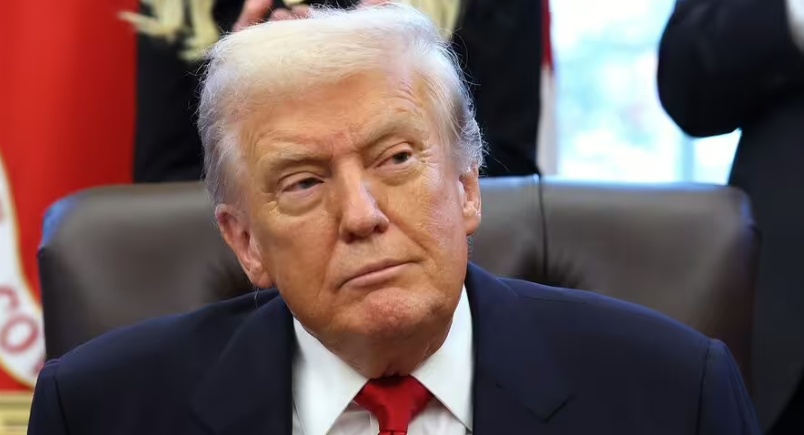 Donald Trump has directed the Pentagon and other US agencies to release government files related to UFOs and extraterrestrial life. He made the announcement on his Truth Social platform, citing public interest in the subject. Get the latest headlines in your email The announcement came after Trump accused former President Barack Obama of disclosing "classified information." Obama had suggested during a podcast interview that aliens might exist. Trump told reporters on Air Force One, "I don't know if they're real or not," and noted he might help Obama by declassifying the information. In his social media post, Trump instructed government agencies to release files related to "alien and extraterrestrial life, unidentified aerial phenomena (UAP), and unidentified flying objects (UFOs)." He described these topics as highly complex and important. Obama later clarified his stance, stating he had not seen evidence that aliens have contacted Earth. However, he emphasized that "statistically, the universe is so vast that the odds are good there's life out there." Trump mentioned he does not have a personal opinion on the existence of extraterrestrial visitors. He acknowledged that while he seldom discusses the topic, it fascinates many people. Speculation grew when Lara Trump, Trump's daughter-in-law, suggested he was ready to speak on the issue. She mentioned on a podcast that the president had a speech prepared about aliens which he would deliver at an appropriate time. White House Press Secretary Karoline Leavitt, when asked about this, responded with laughter, stating, "A speech on aliens would be news to me." Interest in unidentified flying objects and possible government secrets about extraterrestrial life has increased recently. This public curiosity was reignited after leaked Navy videos showed unknown objects, prompting discussions about their origins and implications. The topic of UFOs remains a subject of widespread intrigue. Many people believe the government possesses undisclosed information about extraterrestrial encounters. The release of these files could potentially shed light on long-held mysteries regarding UFOs and alien life. Trump's decision to release these files underscores a growing demand for transparency regarding unidentified phenomena. As the files become public, they are expected to stimulate further debate and investigation into the existence of extraterrestrial beings. Join the discussion? Already a member? Adapted by ASEAN Now · Source · 20 Feb 2026
 -
Donald Trump has directed the Pentagon and other US agencies to release government files related to UFOs and extraterrestrial life. He made the announcement on his Truth Social platform, citing public interest in the subject. Get the latest headlines in your email The announcement came after Trump accused former President Barack Obama of disclosing "classified information." Obama had suggested during a podcast interview that aliens might exist. Trump told reporters on Air Force One, "I don't know if they're real or not," and noted he might help Obama by declassifying the information. In his social media post, Trump instructed government agencies to release files related to "alien and extraterrestrial life, unidentified aerial phenomena (UAP), and unidentified flying objects (UFOs)." He described these topics as highly complex and important. Obama later clarified his stance, stating he had not seen evidence that aliens have contacted Earth. However, he emphasized that "statistically, the universe is so vast that the odds are good there's life out there." Trump mentioned he does not have a personal opinion on the existence of extraterrestrial visitors. He acknowledged that while he seldom discusses the topic, it fascinates many people. Speculation grew when Lara Trump, Trump's daughter-in-law, suggested he was ready to speak on the issue. She mentioned on a podcast that the president had a speech prepared about aliens which he would deliver at an appropriate time. White House Press Secretary Karoline Leavitt, when asked about this, responded with laughter, stating, "A speech on aliens would be news to me." Interest in unidentified flying objects and possible government secrets about extraterrestrial life has increased recently. This public curiosity was reignited after leaked Navy videos showed unknown objects, prompting discussions about their origins and implications. The topic of UFOs remains a subject of widespread intrigue. Many people believe the government possesses undisclosed information about extraterrestrial encounters. The release of these files could potentially shed light on long-held mysteries regarding UFOs and alien life. Trump's decision to release these files underscores a growing demand for transparency regarding unidentified phenomena. As the files become public, they are expected to stimulate further debate and investigation into the existence of extraterrestrial beings. Join the discussion? Already a member? Adapted by ASEAN Now · Source · 20 Feb 2026 View full article
-
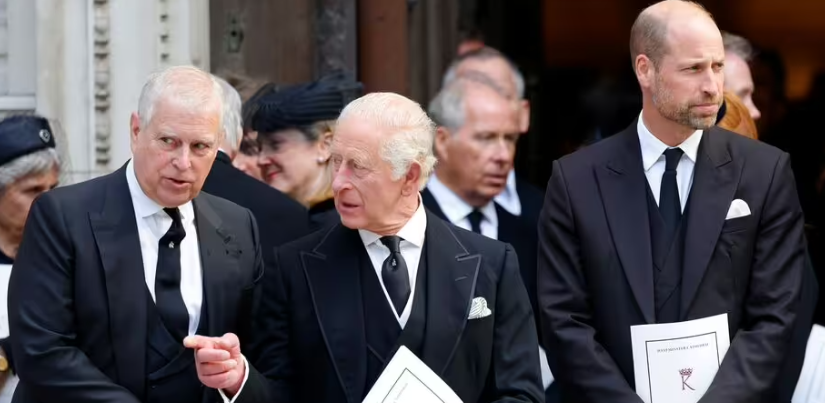 Andrew Mountbatten-Windsor's arrest, while seemingly catastrophic for the Royal Family, may ultimately strengthen their position. Since Andrew's controversial 2019 interview with Emily Maitlis, Prince William has reportedly been displeased with his uncle's actions, seeing them as a blemish on the family. Get the latest headlines in your email William's desire to distance Andrew from the Royal Family has been evident, particularly during a tense interaction at the Duchess of Kent's funeral. King Charles expressed his concern over Andrew’s arrest for suspected misconduct, emphasizing the need for a thorough investigation. While anti-monarchy group Republic views this incident as a potential turning point, allies of King Charles, such as broadcaster Jonathan Dimbleby, argue it could fortify the monarchy. Charles's decisive actions last October, stripping Andrew of titles and military honors, demonstrate a clear intent to separate the Royal Family from Andrew's personal issues. The Epstein scandal has long cast a shadow over the Royals. However, focusing the current investigation solely on Andrew could draw a critical line between him and the rest of the family, helping them to regain public confidence. King Charles's consistent reference to his brother as "Andrew Mountbatten-Windsor" signals a deliberate distancing from the controversies associated with him. This strategy may allow the Royal Family to cleanly separate their identity from Andrew's, potentially emerging from the scandal with renewed strength. In conclusion, while Andrew's legal troubles present immediate challenges, they also offer an opportunity for the Royal Family to reinforce their integrity and resilience. The outcome of the investigation could serve as a pivotal moment, helping them navigate past this adversity with unity and clarity. Key Takeaways Andrew’s arrest poses challenges but may strengthen the Royals. King Charles's swift actions serve to distance the family from controversy. Drawing a line between Andrew and the Royals could enhance their public image. Join the discussion? Already a member? Adapted by ASEAN Now · Source · 19 Feb 2026
 -
Andrew Mountbatten-Windsor's arrest, while seemingly catastrophic for the Royal Family, may ultimately strengthen their position. Since Andrew's controversial 2019 interview with Emily Maitlis, Prince William has reportedly been displeased with his uncle's actions, seeing them as a blemish on the family. Get the latest headlines in your email William's desire to distance Andrew from the Royal Family has been evident, particularly during a tense interaction at the Duchess of Kent's funeral. King Charles expressed his concern over Andrew’s arrest for suspected misconduct, emphasizing the need for a thorough investigation. While anti-monarchy group Republic views this incident as a potential turning point, allies of King Charles, such as broadcaster Jonathan Dimbleby, argue it could fortify the monarchy. Charles's decisive actions last October, stripping Andrew of titles and military honors, demonstrate a clear intent to separate the Royal Family from Andrew's personal issues. The Epstein scandal has long cast a shadow over the Royals. However, focusing the current investigation solely on Andrew could draw a critical line between him and the rest of the family, helping them to regain public confidence. King Charles's consistent reference to his brother as "Andrew Mountbatten-Windsor" signals a deliberate distancing from the controversies associated with him. This strategy may allow the Royal Family to cleanly separate their identity from Andrew's, potentially emerging from the scandal with renewed strength. In conclusion, while Andrew's legal troubles present immediate challenges, they also offer an opportunity for the Royal Family to reinforce their integrity and resilience. The outcome of the investigation could serve as a pivotal moment, helping them navigate past this adversity with unity and clarity. Key Takeaways Andrew’s arrest poses challenges but may strengthen the Royals. King Charles's swift actions serve to distance the family from controversy. Drawing a line between Andrew and the Royals could enhance their public image. Join the discussion? Already a member? Adapted by ASEAN Now · Source · 19 Feb 2026 View full article
-
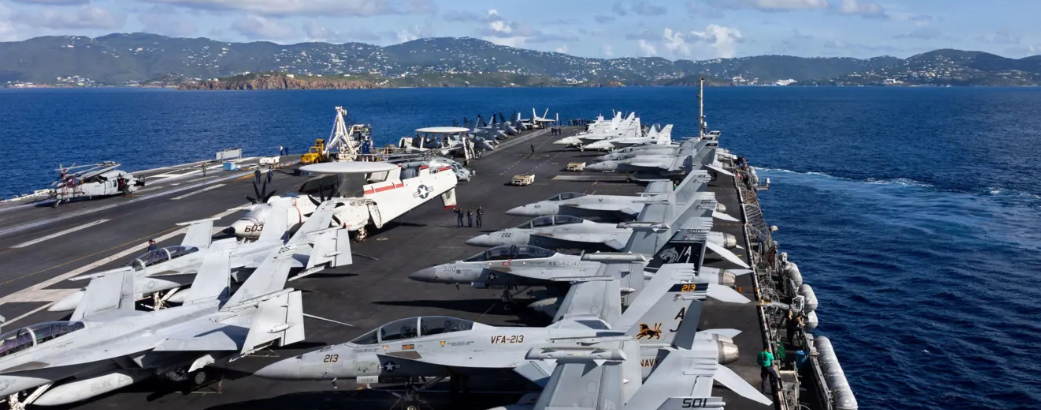 As tensions between the US and Iran escalate, the deployment of significant US military assets, including the USS Abraham Lincoln carrier strike group, signals more than diplomatic maneuvering. The movement of another carrier, the USS Gerald R Ford, towards the Middle East, along with other military reinforcements, suggests that Washington is preparing a range of military options. Get the latest headlines in your email These deployments could serve as diplomatic leverage but also indicate that indirect negotiations between Tehran and Washington might be at an impasse, potentially leading to military action if neither side shifts its stance. The critical question arises: why does Iran, facing the world’s most powerful military and its strongest regional ally, remain defiant? The answer lies in the US's stringent conditions for negotiations, which Tehran views as tantamount to surrender. From Tehran's perspective, the US demands—including ceasing uranium enrichment, limiting missile range, and halting support for regional groups—are not just negotiation points but core components of Iran’s security framework. These elements are fundamental to what Iran terms its "Axis of Resistance," a network aimed at deterring threats and exerting regional influence. Iran’s ballistic missile program compensates for its outdated air force and limited access to advanced military technology. The nuclear program, although officially peaceful, is considered crucial for its deterrent value. Mastery of uranium enrichment grants Iran a "threshold capability" that offers strategic leverage, as it signifies potential capacity for weaponization pending a political decision. Iran’s leadership, notably Supreme Leader Ali Khamenei, views accepting US conditions as potentially more dangerous than enduring a limited conflict. While a military confrontation, however damaging, may be survivable, yielding its strategic deterrence would fundamentally weaken Iran's defense posture and regional stature. Yet, the risks of military engagement are multifaceted. A US campaign would likely target Iran's leadership and security apparatus, impacting the Islamic Revolutionary Guard Corps and potentially destabilizing domestic control. The resulting power vacuum from key leadership losses could destabilize the country further, especially amid lingering public discontent following violent crackdowns on protests. For Washington, while the military might exists to meet objectives, war is inherently unpredictable. Miscalculations could escalate conflict beyond initial plans, destabilizing the region and creating unforeseen challenges. Previous conflicts have demonstrated how quickly wars can spiral, complicating goals and management. Internally, Iran faces significant economic pressures from ongoing sanctions, inflation, and economic stagnation. Escalating tensions further strain the economy, risking public backlash if livelihoods are threatened. Tehran’s defiance serves to project strength locally while signaling resilience to international pressures, although this stance potentially limits diplomatic flexibility. Ayatollah Khamenei confronts stark choices between the "worst" option, strategic surrender, and what may appear as the "best of the worst," engaging in limited military confrontation. Publicly, Iran seems to lean towards the latter, despite the profound dangers involved. Both nations face substantial uncertainties with risks of miscalculation. A conflict could redefine regional stability and power dynamics, affecting global interests. As the situation develops, the stakes remain high for Tehran and Washington, encapsulating a complex interplay of geopolitical aspirations and the harsh realities of potential warfare. Key Takeaways Rising US-Iran tensions with military assets deployed in the Gulf. Iran resists US demands, seeing them as threats to its core security. The potential for conflict introduces significant regional and global risks. Join the discussion? Already a member? Adapted by ASEAN Now · Source · 19 Feb 2026
 -
As tensions between the US and Iran escalate, the deployment of significant US military assets, including the USS Abraham Lincoln carrier strike group, signals more than diplomatic maneuvering. The movement of another carrier, the USS Gerald R Ford, towards the Middle East, along with other military reinforcements, suggests that Washington is preparing a range of military options. Get the latest headlines in your email These deployments could serve as diplomatic leverage but also indicate that indirect negotiations between Tehran and Washington might be at an impasse, potentially leading to military action if neither side shifts its stance. The critical question arises: why does Iran, facing the world’s most powerful military and its strongest regional ally, remain defiant? The answer lies in the US's stringent conditions for negotiations, which Tehran views as tantamount to surrender. From Tehran's perspective, the US demands—including ceasing uranium enrichment, limiting missile range, and halting support for regional groups—are not just negotiation points but core components of Iran’s security framework. These elements are fundamental to what Iran terms its "Axis of Resistance," a network aimed at deterring threats and exerting regional influence. Iran’s ballistic missile program compensates for its outdated air force and limited access to advanced military technology. The nuclear program, although officially peaceful, is considered crucial for its deterrent value. Mastery of uranium enrichment grants Iran a "threshold capability" that offers strategic leverage, as it signifies potential capacity for weaponization pending a political decision. Iran’s leadership, notably Supreme Leader Ali Khamenei, views accepting US conditions as potentially more dangerous than enduring a limited conflict. While a military confrontation, however damaging, may be survivable, yielding its strategic deterrence would fundamentally weaken Iran's defense posture and regional stature. Yet, the risks of military engagement are multifaceted. A US campaign would likely target Iran's leadership and security apparatus, impacting the Islamic Revolutionary Guard Corps and potentially destabilizing domestic control. The resulting power vacuum from key leadership losses could destabilize the country further, especially amid lingering public discontent following violent crackdowns on protests. For Washington, while the military might exists to meet objectives, war is inherently unpredictable. Miscalculations could escalate conflict beyond initial plans, destabilizing the region and creating unforeseen challenges. Previous conflicts have demonstrated how quickly wars can spiral, complicating goals and management. Internally, Iran faces significant economic pressures from ongoing sanctions, inflation, and economic stagnation. Escalating tensions further strain the economy, risking public backlash if livelihoods are threatened. Tehran’s defiance serves to project strength locally while signaling resilience to international pressures, although this stance potentially limits diplomatic flexibility. Ayatollah Khamenei confronts stark choices between the "worst" option, strategic surrender, and what may appear as the "best of the worst," engaging in limited military confrontation. Publicly, Iran seems to lean towards the latter, despite the profound dangers involved. Both nations face substantial uncertainties with risks of miscalculation. A conflict could redefine regional stability and power dynamics, affecting global interests. As the situation develops, the stakes remain high for Tehran and Washington, encapsulating a complex interplay of geopolitical aspirations and the harsh realities of potential warfare. Key Takeaways Rising US-Iran tensions with military assets deployed in the Gulf. Iran resists US demands, seeing them as threats to its core security. The potential for conflict introduces significant regional and global risks. Join the discussion? Already a member? Adapted by ASEAN Now · Source · 19 Feb 2026 View full article
-
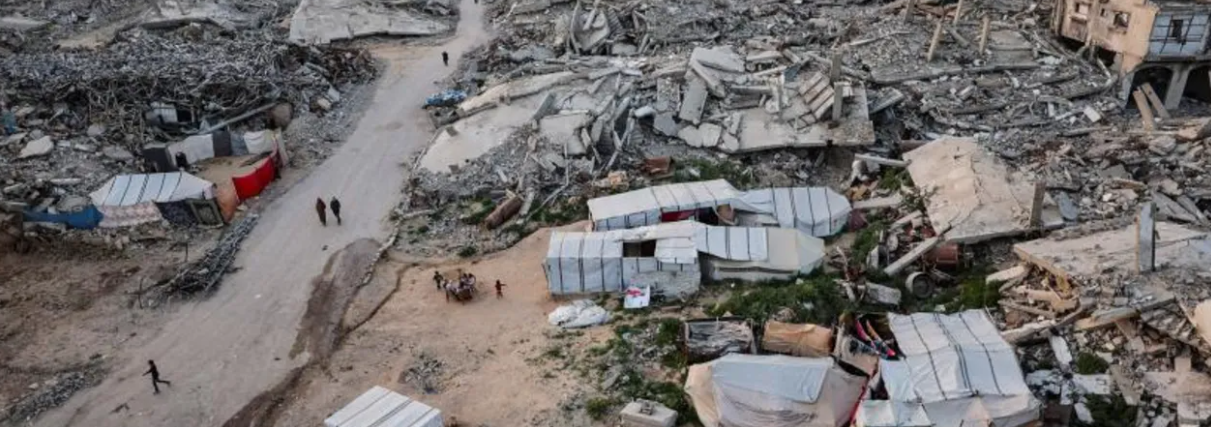 Members of Donald Trump's Board of Peace have announced over $7 billion in aid for Gaza as part of a relief package aimed at reconstruction and stability. The announcement came during the board's inaugural meeting in Washington, amidst concerns from Western allies that the board could overshadow the United Nations. Get the latest headlines in your email This relief effort is part of the second stage of a US-brokered ceasefire, focusing on Hamas's disarmament and rebuilding Gaza. However, current indications suggest Hamas is not moving towards disarming, with its influence in Gaza reportedly extending. Israeli Prime Minister Benjamin Netanyahu has stated that Gaza’s reconstruction is contingent on demilitarization. The conflict began with a Hamas-led attack on Israel in October 2023, which led to a strong military response. The ensuing conflict has left Gaza’s infrastructure severely damaged, with an estimated $70 billion worth of destruction. Countries such as the UK, Canada, France, and Germany have opted not to join the Board of Peace, wary of its potential to bypass the UN. Addressing these concerns, Trump assured that the US intends to work closely with the UN, emphasizing the importance of stability investments. Key contributors to the relief package include Kazakhstan, UAE, and Saudi Arabia. The UN is set to provide $2 billion for humanitarian aid, while FIFA will contribute $75 million towards soccer-related projects in the region. Efforts are underway to establish a new transitional Palestinian police force, with 2,000 applications already received. This force, backed by the International Stabilisation Force, aims to maintain security and disarm non-state groups such as Hamas. Despite the plans, skepticism remains regarding Hamas's disarmament. Success in this area is crucial, as reconstruction and governance require a stable security environment supported by the local population. Hamas has indicated that disarmament would require Israeli withdrawal from Gaza. Trump’s approach, combining investment and development strategies, is seen as unconventional. His administration touts it as "new thinking" in conflict resolution. Meanwhile, questions persist about sustaining Gaza’s development amidst ongoing political divisions. Key Takeaways Trump’s Board announces $7bn aid for Gaza reconstruction. Disarmament of Hamas is essential yet challenging. International cooperation is crucial for Gaza’s future stability. Join the discussion? Already a member? Adapted by ASEAN Now · Source · 19 Feb 2026
 -
Members of Donald Trump's Board of Peace have announced over $7 billion in aid for Gaza as part of a relief package aimed at reconstruction and stability. The announcement came during the board's inaugural meeting in Washington, amidst concerns from Western allies that the board could overshadow the United Nations. Get the latest headlines in your email This relief effort is part of the second stage of a US-brokered ceasefire, focusing on Hamas's disarmament and rebuilding Gaza. However, current indications suggest Hamas is not moving towards disarming, with its influence in Gaza reportedly extending. Israeli Prime Minister Benjamin Netanyahu has stated that Gaza’s reconstruction is contingent on demilitarization. The conflict began with a Hamas-led attack on Israel in October 2023, which led to a strong military response. The ensuing conflict has left Gaza’s infrastructure severely damaged, with an estimated $70 billion worth of destruction. Countries such as the UK, Canada, France, and Germany have opted not to join the Board of Peace, wary of its potential to bypass the UN. Addressing these concerns, Trump assured that the US intends to work closely with the UN, emphasizing the importance of stability investments. Key contributors to the relief package include Kazakhstan, UAE, and Saudi Arabia. The UN is set to provide $2 billion for humanitarian aid, while FIFA will contribute $75 million towards soccer-related projects in the region. Efforts are underway to establish a new transitional Palestinian police force, with 2,000 applications already received. This force, backed by the International Stabilisation Force, aims to maintain security and disarm non-state groups such as Hamas. Despite the plans, skepticism remains regarding Hamas's disarmament. Success in this area is crucial, as reconstruction and governance require a stable security environment supported by the local population. Hamas has indicated that disarmament would require Israeli withdrawal from Gaza. Trump’s approach, combining investment and development strategies, is seen as unconventional. His administration touts it as "new thinking" in conflict resolution. Meanwhile, questions persist about sustaining Gaza’s development amidst ongoing political divisions. Key Takeaways Trump’s Board announces $7bn aid for Gaza reconstruction. Disarmament of Hamas is essential yet challenging. International cooperation is crucial for Gaza’s future stability. Join the discussion? Already a member? Adapted by ASEAN Now · Source · 19 Feb 2026 View full article