

ASEAN NOW News
Admin
-
Joined
-
Last visited
Everything posted by ASEAN NOW News
-
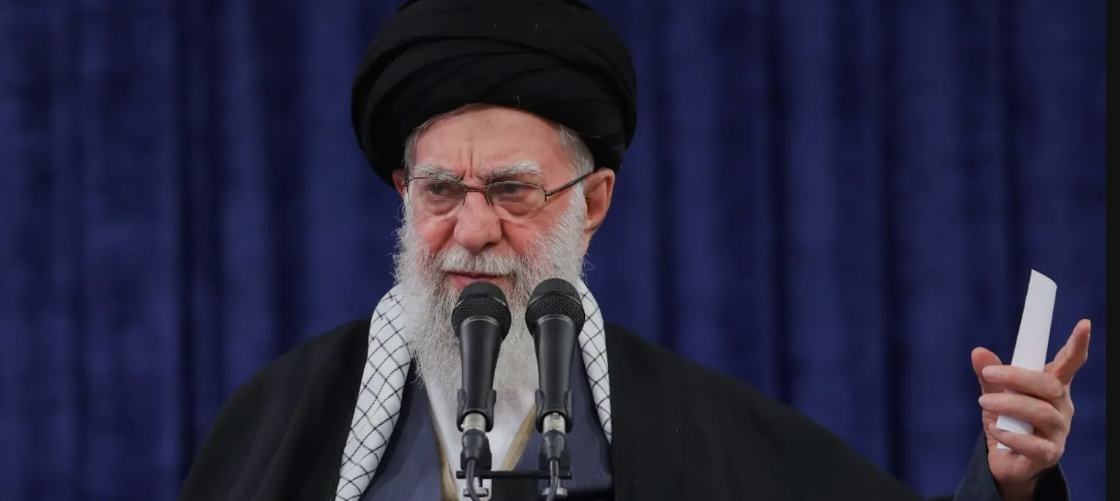 Trump claims Iran’s supreme leader is dead after US-Israel strikesDonald Trump has claimed Iran’s Supreme Leader, Ali Khamenei, is dead following large-scale US and Israeli strikes across the country, including an apparent attack on the cleric’s compound in Tehran. Get the latest headlines in your email There has been no confirmation from Iranian authorities that Khamenei has been killed. Iranian state media said he remained “steadfast and firm in commanding the field”, while foreign ministry spokesman Esmail Baqaei said he was “not in a situation to confirm anything” regarding the leader’s status. The claim came hours after Israeli Prime Minister Benjamin Netanyahu said Khamenei’s compound had been destroyed in what he described as “a powerful, surprise strike”. “We destroyed the compound of the tyrant Khamenei in the heart of Tehran,” Netanyahu said in a televised address. “There are many signs that the tyrant himself is no more.” Trump later wrote on Truth Social: “Khamenei, one of the most evil people in History, is dead.” He added that US intelligence and “Highly Sophisticated Tracking Systems” had worked closely with Israel during the operation. Explosions reported across IranShortly after 09:30 local time (06:00 GMT) on Saturday, Iranian media reported explosions in central Tehran. Images showed smoke rising above Jomhouri Square and Hassan Abad Square. Blasts were also reported in Karaj, near the capital, as well as Isfahan and Qom in central Iran, and Kermanshah in the west. Footage verified by the BBC showed explosions within roughly 1km (0.6 miles) of Leadership House, Khamenei’s official compound, which holds symbolic and operational significance as the seat of Iran’s highest authority. Satellite imagery reviewed by the broadcaster appeared to show blackened structures, debris and a column of smoke rising from the area. It was not immediately clear whether Khamenei was present at the time of the strikes. Videos circulating on social media showed people running from impacted areas amid the sound of secondary explosions. The scale of casualties, if any, has not been independently confirmed. Iran launches retaliatory strikesIran responded by launching missiles and drones toward Israel and four Gulf states that host US military bases: Bahrain, Kuwait, Qatar and the United Arab Emirates. Regional authorities said they were assessing damage and monitoring incoming projectiles. There were no immediate confirmed reports of casualties from the retaliatory wave, but officials described the situation as fluid. The escalation marks one of the most direct confrontations between Iran, the United States and Israel in recent years and raises concerns of a broader regional conflict. Airspace closures and flight cancellationsThe unfolding crisis has disrupted air travel across the Middle East. Of approximately 4,218 flights scheduled to land in the region on Saturday, 966 were cancelled, according to aviation analytics firm Cirium. By Sunday, 716 of 4,329 scheduled departures had already been scrapped. Several airlines suspended operations to affected destinations. British Airways cancelled flights to Tel Aviv and Bahrain until Wednesday and offered passengers free rebooking or refunds. Swiss International Air Lines and other Lufthansa Group carriers halted flights to Tel Aviv, Beirut, Amman, Erbil and Tehran until 7 March. Kuwait’s aviation authority suspended flights to Iran indefinitely. Iraq and Jordan closed their airspace entirely, while the UAE said it had “partially and temporarily” restricted its airspace as a precaution. The UK Foreign Office updated its travel advice for Jordan, Syria, Lebanon, Iraq, Yemen, Turkey, Saudi Arabia and Oman, urging travellers to remain vigilant and follow local authority guidance. Uncertainty over Khamenei’s statusDespite the statements from Trump and Netanyahu, Iranian officials have not confirmed the death of Khamenei, who has led the Islamic Republic since 1989 and holds ultimate authority over the country’s military and political institutions. With missile exchanges ongoing and airspace closures spreading, the region remains on high alert. Independent verification of Khamenei’s status and the full impact of the strikes is still pending. Join the discussion? Already a member? Adapted by ASEAN Now · Source · 28 Feb 2026
 -
Trump claims Iran’s supreme leader is dead after US-Israel strikesDonald Trump has claimed Iran’s Supreme Leader, Ali Khamenei, is dead following large-scale US and Israeli strikes across the country, including an apparent attack on the cleric’s compound in Tehran. Get the latest headlines in your email There has been no confirmation from Iranian authorities that Khamenei has been killed. Iranian state media said he remained “steadfast and firm in commanding the field”, while foreign ministry spokesman Esmail Baqaei said he was “not in a situation to confirm anything” regarding the leader’s status. The claim came hours after Israeli Prime Minister Benjamin Netanyahu said Khamenei’s compound had been destroyed in what he described as “a powerful, surprise strike”. “We destroyed the compound of the tyrant Khamenei in the heart of Tehran,” Netanyahu said in a televised address. “There are many signs that the tyrant himself is no more.” Trump later wrote on Truth Social: “Khamenei, one of the most evil people in History, is dead.” He added that US intelligence and “Highly Sophisticated Tracking Systems” had worked closely with Israel during the operation. Explosions reported across IranShortly after 09:30 local time (06:00 GMT) on Saturday, Iranian media reported explosions in central Tehran. Images showed smoke rising above Jomhouri Square and Hassan Abad Square. Blasts were also reported in Karaj, near the capital, as well as Isfahan and Qom in central Iran, and Kermanshah in the west. Footage verified by the BBC showed explosions within roughly 1km (0.6 miles) of Leadership House, Khamenei’s official compound, which holds symbolic and operational significance as the seat of Iran’s highest authority. Satellite imagery reviewed by the broadcaster appeared to show blackened structures, debris and a column of smoke rising from the area. It was not immediately clear whether Khamenei was present at the time of the strikes. Videos circulating on social media showed people running from impacted areas amid the sound of secondary explosions. The scale of casualties, if any, has not been independently confirmed. Iran launches retaliatory strikesIran responded by launching missiles and drones toward Israel and four Gulf states that host US military bases: Bahrain, Kuwait, Qatar and the United Arab Emirates. Regional authorities said they were assessing damage and monitoring incoming projectiles. There were no immediate confirmed reports of casualties from the retaliatory wave, but officials described the situation as fluid. The escalation marks one of the most direct confrontations between Iran, the United States and Israel in recent years and raises concerns of a broader regional conflict. Airspace closures and flight cancellationsThe unfolding crisis has disrupted air travel across the Middle East. Of approximately 4,218 flights scheduled to land in the region on Saturday, 966 were cancelled, according to aviation analytics firm Cirium. By Sunday, 716 of 4,329 scheduled departures had already been scrapped. Several airlines suspended operations to affected destinations. British Airways cancelled flights to Tel Aviv and Bahrain until Wednesday and offered passengers free rebooking or refunds. Swiss International Air Lines and other Lufthansa Group carriers halted flights to Tel Aviv, Beirut, Amman, Erbil and Tehran until 7 March. Kuwait’s aviation authority suspended flights to Iran indefinitely. Iraq and Jordan closed their airspace entirely, while the UAE said it had “partially and temporarily” restricted its airspace as a precaution. The UK Foreign Office updated its travel advice for Jordan, Syria, Lebanon, Iraq, Yemen, Turkey, Saudi Arabia and Oman, urging travellers to remain vigilant and follow local authority guidance. Uncertainty over Khamenei’s statusDespite the statements from Trump and Netanyahu, Iranian officials have not confirmed the death of Khamenei, who has led the Islamic Republic since 1989 and holds ultimate authority over the country’s military and political institutions. With missile exchanges ongoing and airspace closures spreading, the region remains on high alert. Independent verification of Khamenei’s status and the full impact of the strikes is still pending. Join the discussion? Already a member? Adapted by ASEAN Now · Source · 28 Feb 2026 View full article
-
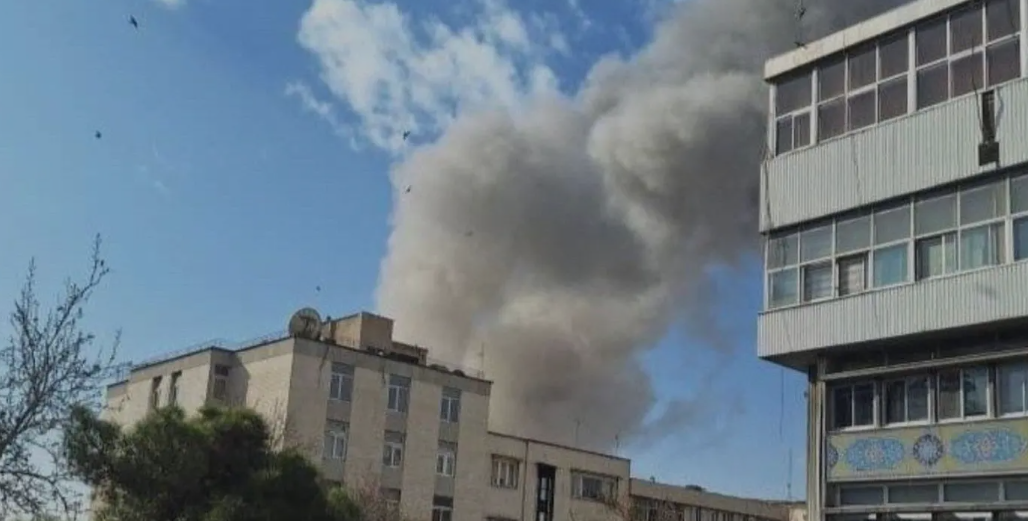 DUBAI, United Arab Emirates (AP) — President Donald Trump has appealed to the Iranian people to “take over your government” after the U.S. and Israel launched strikes on Iran. He said: “It will be yours to take.” THIS IS A BREAKING NEWS UPDATE. AP’s earlier story follows below. DUBAI, United Arab Emirates (AP) — The U.S. and Israel launched an attack Saturday on Iran, with the first apparent strike happening near the offices of Supreme Leader Ayatollah Ali Khamenei. Iranian media reported strikes nationwide, and smoke could be seen rising from the capital. President Donald Trump said in a video posted on social media that the U.S. had begun “major combat operations in Iran.” He claimed Iran has continued to develop its nuclear program and plans to develop missiles to reach U.S. It also wasn’t immediately clear whether the 86-year-old Khamenei was in his offices at the time. He hasn’t been seen publicly in days as tensions with the United States have grown. The attack comes as the United States has assembled a vast fleet of fighter jets and warships in the region to try to pressure Iran into a deal over its nuclear program. Roads to Khamenei’s compound in downtown Tehran had been shut down by authorities as other blasts rang out across the capital. Neighboring Iraq closed its airspace, according to the Ministry of Transport. Source 74a212a8c649b2c82c8a2e94c6b74309.mp4 Join the discussion? Already a member? Adapted by ASEAN Now
 -
DUBAI, United Arab Emirates (AP) — President Donald Trump has appealed to the Iranian people to “take over your government” after the U.S. and Israel launched strikes on Iran. He said: “It will be yours to take.” THIS IS A BREAKING NEWS UPDATE. AP’s earlier story follows below. DUBAI, United Arab Emirates (AP) — The U.S. and Israel launched an attack Saturday on Iran, with the first apparent strike happening near the offices of Supreme Leader Ayatollah Ali Khamenei. Iranian media reported strikes nationwide, and smoke could be seen rising from the capital. President Donald Trump said in a video posted on social media that the U.S. had begun “major combat operations in Iran.” He claimed Iran has continued to develop its nuclear program and plans to develop missiles to reach U.S. It also wasn’t immediately clear whether the 86-year-old Khamenei was in his offices at the time. He hasn’t been seen publicly in days as tensions with the United States have grown. The attack comes as the United States has assembled a vast fleet of fighter jets and warships in the region to try to pressure Iran into a deal over its nuclear program. Roads to Khamenei’s compound in downtown Tehran had been shut down by authorities as other blasts rang out across the capital. Neighboring Iraq closed its airspace, according to the Ministry of Transport. Source 74a212a8c649b2c82c8a2e94c6b74309.mp4 Join the discussion? Already a member? Adapted by ASEAN Now View full article
-
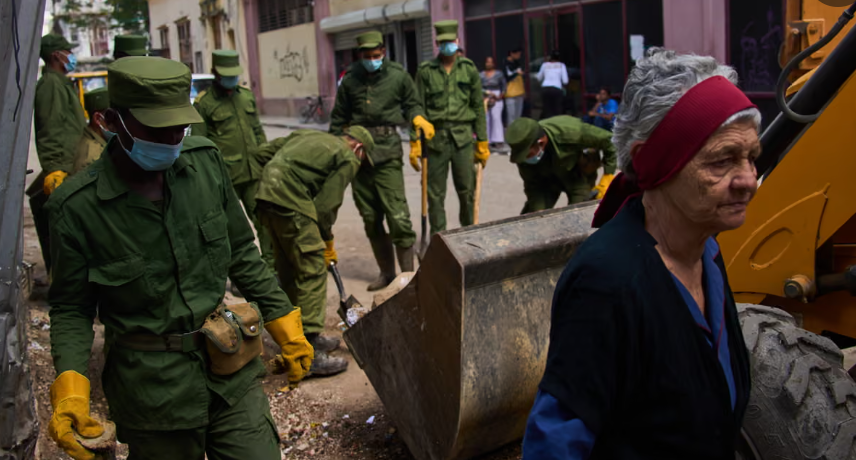 US President Donald Trump has suggested that the United States could carry out a “friendly takeover” of Cuba, signaling sharply rising tensions between Washington and Havana. Get the latest headlines in your email Speaking to reporters outside the White House as he left for Texas on Friday, Trump said that “the Cuban government is talking with us” and described the island as being “in a big deal of trouble” economically. He said Cuba currently lacks money and basic resources, and added, “maybe we’ll have a friendly takeover of Cuba… we could very well end up having a friendly takeover of Cuba.” Trump did not explain what he meant by a “friendly takeover.” He said Secretary of State Marco Rubio was engaged in high-level discussions with Cuban officials, but did not provide details. Cuba has denied that formal, high-level talks with the US government are underway, though informal contacts with some Cuban figures have been reported. The comments come against the backdrop of worsening tensions in the region following the capture of Venezuelan President Nicolás Maduro in January during a US military operation. Cuba has long relied on Venezuela for oil and economic support, and the loss of that backing has deepened its economic crisis, which the US has sought to intensify with sanctions and an energy blockade. In recent days, relations were further strained after a deadly shootout off Cuba’s north coast. Cuban authorities said a Florida-registered speedboat carrying armed Cuban nationals opened fire on border guards, resulting in deaths and injuries; the US is investigating the incident. Trump characterised Cuba as a “failed nation” that wants US assistance and said that any changes on the island could be “very positive for the people that were expelled, or worse, from Cuba and live here.” He did not clarify how a takeover, friendly or otherwise, would take place or what it would involve. Cuba’s government has strongly criticised US pressure, calling the continued trade embargo and sanctions a form of collective punishment. Officials have insisted that sovereignty and independence must be respected in any dialogue with Washington. The idea of a takeover, even if framed as “friendly,” has alarmed diplomats and analysts, since Cuba has been among the US’s most enduring adversaries since the 1960s, and the proposal carries implications for regional stability. Join the discussion? Already a member? Adapted by ASEAN Now · Source · 27 Feb 2026
 -
US President Donald Trump has suggested that the United States could carry out a “friendly takeover” of Cuba, signaling sharply rising tensions between Washington and Havana. Get the latest headlines in your email Speaking to reporters outside the White House as he left for Texas on Friday, Trump said that “the Cuban government is talking with us” and described the island as being “in a big deal of trouble” economically. He said Cuba currently lacks money and basic resources, and added, “maybe we’ll have a friendly takeover of Cuba… we could very well end up having a friendly takeover of Cuba.” Trump did not explain what he meant by a “friendly takeover.” He said Secretary of State Marco Rubio was engaged in high-level discussions with Cuban officials, but did not provide details. Cuba has denied that formal, high-level talks with the US government are underway, though informal contacts with some Cuban figures have been reported. The comments come against the backdrop of worsening tensions in the region following the capture of Venezuelan President Nicolás Maduro in January during a US military operation. Cuba has long relied on Venezuela for oil and economic support, and the loss of that backing has deepened its economic crisis, which the US has sought to intensify with sanctions and an energy blockade. In recent days, relations were further strained after a deadly shootout off Cuba’s north coast. Cuban authorities said a Florida-registered speedboat carrying armed Cuban nationals opened fire on border guards, resulting in deaths and injuries; the US is investigating the incident. Trump characterised Cuba as a “failed nation” that wants US assistance and said that any changes on the island could be “very positive for the people that were expelled, or worse, from Cuba and live here.” He did not clarify how a takeover, friendly or otherwise, would take place or what it would involve. Cuba’s government has strongly criticised US pressure, calling the continued trade embargo and sanctions a form of collective punishment. Officials have insisted that sovereignty and independence must be respected in any dialogue with Washington. The idea of a takeover, even if framed as “friendly,” has alarmed diplomats and analysts, since Cuba has been among the US’s most enduring adversaries since the 1960s, and the proposal carries implications for regional stability. Join the discussion? Already a member? Adapted by ASEAN Now · Source · 27 Feb 2026 View full article
-
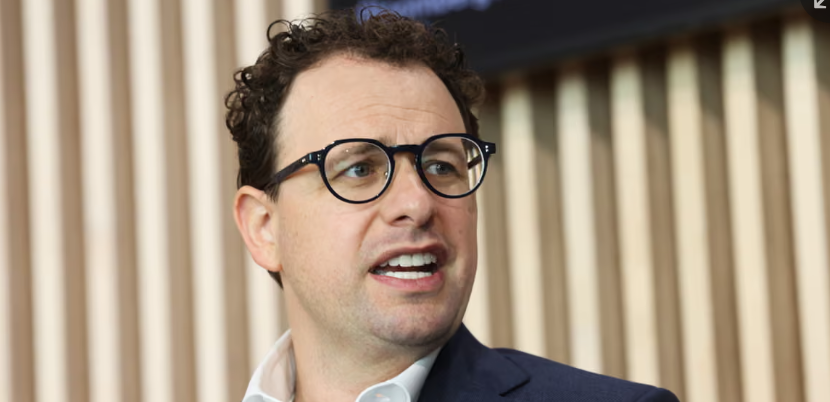 US President Donald Trump has ordered all federal agencies to immediately stop using technology developed by artificial intelligence company Anthropic, following a dispute between the firm and the Pentagon. Get the latest headlines in your email The announcement came shortly before a deadline for negotiations between Anthropic and the United States Department of Defense expired on Friday. The two sides had failed to reach an agreement over the company’s ethical guidelines governing its AI systems. In a post on Truth Social, Trump said he would direct agencies to “IMMEDIATELY CEASE” all use of Anthropic technology. “The Leftwing nut jobs at Anthropic have made a DISASTROUS MISTAKE trying to STRONG-ARM the Department of War, and force them to obey their Terms of Service instead of our Constitution,” Trump wrote. “WE will decide the fate of our Country – NOT some out-of-control, Radical Left AI company run by people who have no idea what the real World is all about,” he added. The dispute centres on the Pentagon’s demand that Anthropic relax certain ethical guardrails embedded in its AI systems. According to officials familiar with the talks, the Defense Department argued that national security considerations required greater operational flexibility. Anthropic reportedly refused to amend its terms, saying its policies are designed to prevent misuse and ensure responsible deployment of advanced AI tools. The breakdown in negotiations triggered warnings from the Pentagon that federal contracts could be suspended if no agreement was reached. Anthropic, founded by former OpenAI researchers, has positioned itself as a company focused on AI safety and responsible development. Its systems are used by a range of private-sector clients and government agencies for research, data analysis and automation tasks. It was not immediately clear how widely Anthropic’s technology is deployed across federal departments or what operational impact the order would have. Agencies may need to suspend or replace AI-driven systems currently powered by the company’s models. The move marks a significant escalation in tensions between the White House and parts of the technology sector over the regulation and control of artificial intelligence. The administration has argued that US national security and constitutional authority must take precedence over corporate policies. Anthropic had not publicly responded to Trump’s announcement at the time of publication. Join the discussion? Already a member? Adapted by ASEAN Now · Source · 27 Feb 2026
 -
US President Donald Trump has ordered all federal agencies to immediately stop using technology developed by artificial intelligence company Anthropic, following a dispute between the firm and the Pentagon. Get the latest headlines in your email The announcement came shortly before a deadline for negotiations between Anthropic and the United States Department of Defense expired on Friday. The two sides had failed to reach an agreement over the company’s ethical guidelines governing its AI systems. In a post on Truth Social, Trump said he would direct agencies to “IMMEDIATELY CEASE” all use of Anthropic technology. “The Leftwing nut jobs at Anthropic have made a DISASTROUS MISTAKE trying to STRONG-ARM the Department of War, and force them to obey their Terms of Service instead of our Constitution,” Trump wrote. “WE will decide the fate of our Country – NOT some out-of-control, Radical Left AI company run by people who have no idea what the real World is all about,” he added. The dispute centres on the Pentagon’s demand that Anthropic relax certain ethical guardrails embedded in its AI systems. According to officials familiar with the talks, the Defense Department argued that national security considerations required greater operational flexibility. Anthropic reportedly refused to amend its terms, saying its policies are designed to prevent misuse and ensure responsible deployment of advanced AI tools. The breakdown in negotiations triggered warnings from the Pentagon that federal contracts could be suspended if no agreement was reached. Anthropic, founded by former OpenAI researchers, has positioned itself as a company focused on AI safety and responsible development. Its systems are used by a range of private-sector clients and government agencies for research, data analysis and automation tasks. It was not immediately clear how widely Anthropic’s technology is deployed across federal departments or what operational impact the order would have. Agencies may need to suspend or replace AI-driven systems currently powered by the company’s models. The move marks a significant escalation in tensions between the White House and parts of the technology sector over the regulation and control of artificial intelligence. The administration has argued that US national security and constitutional authority must take precedence over corporate policies. Anthropic had not publicly responded to Trump’s announcement at the time of publication. Join the discussion? Already a member? Adapted by ASEAN Now · Source · 27 Feb 2026 View full article
-
 Former US president Bill Clinton told a congressional committee he had “no idea of the crimes” committed by disgraced financier Jeffrey Epstein and insisted he “did nothing wrong” in his relationship with him. Clinton made the remarks during a six-hour deposition before the House Oversight Committee on Friday. The appearance came a day after his wife, Hillary Clinton, testified before the same panel and criticised the proceedings as “partisan political theater”. Get the latest headlines in your email In an opening statement released as the hearing began, Clinton said that had he known about Epstein’s criminal conduct, he would have reported it. Referring to his upbringing in a home affected by domestic abuse, he said he would not have associated with Epstein if he had been aware of any wrongdoing. “Even with 20/20 hindsight, I saw nothing that ever gave me pause,” Clinton said, adding that Epstein had concealed his activities. Epstein died in custody in 2019 while awaiting trial on federal sex trafficking charges. His earlier conviction in Florida in 2008 for solicitation of a minor drew criticism over the leniency of a plea deal reached at the time. Committee chair James Comer described the deposition as “very productive” and said Clinton answered every question put to him. He added that a “consistent theme” emerging from witness testimony was that authorities had failed Epstein’s victims when he was first arrested in Palm Beach. Clinton acknowledged flying several times on Epstein’s private jet in the early 2000s but said he never visited Epstein’s private island. He told lawmakers he cut ties with Epstein around 2005, before the 2008 plea agreement became public. According to Comer, Clinton also said he had spoken to Donald Trump about Epstein at a golf tournament in the early 2000s and that Trump had indicated he too had fallen out with the financier. Comer said Clinton did not suggest Trump was involved in Epstein’s crimes. That account was later disputed by the committee’s ranking Democrat, Robert Garcia, who told reporters that Comer’s description was not a complete representation of what had been said. Democrats have called for Trump to testify before the committee. Hillary Clinton, during her deposition a day earlier, said she had never met Epstein. After her session, she complained about repetitive questioning and said she had been asked about conspiracy theories, including UFOs and the so-called “Pizzagate” theory. Comer said visitor logs showed Epstein visited the White House multiple times during Bill Clinton’s presidency and alleged that Hillary Clinton had flown numerous times on Epstein’s plane. Democrats have questioned the interpretation of those records and called for full transcripts or video of the depositions to be released. Representative Ro Khanna said Clinton’s appearance marked the first time a former president had testified before Congress since Gerald Ford in 1983 and argued that it set a precedent for compelling testimony from former and current presidents alike. The Clintons were subpoenaed by the House committee in August and initially resisted appearing, requesting that their testimony be held publicly. They agreed to comply after Republicans threatened contempt proceedings. Clinton has not been charged with any crime in connection with Epstein and has denied past allegations of sexual misconduct unrelated to the financier. The committee has not indicated when it will release a full transcript of the testimony. Join the discussion? Already a member? snaptik_7611785719073328414_v3.mp4 Adapted by ASEAN Now · Source · 27 Feb 2026
 -
Former US president Bill Clinton told a congressional committee he had “no idea of the crimes” committed by disgraced financier Jeffrey Epstein and insisted he “did nothing wrong” in his relationship with him. Clinton made the remarks during a six-hour deposition before the House Oversight Committee on Friday. The appearance came a day after his wife, Hillary Clinton, testified before the same panel and criticised the proceedings as “partisan political theater”. Get the latest headlines in your email In an opening statement released as the hearing began, Clinton said that had he known about Epstein’s criminal conduct, he would have reported it. Referring to his upbringing in a home affected by domestic abuse, he said he would not have associated with Epstein if he had been aware of any wrongdoing. “Even with 20/20 hindsight, I saw nothing that ever gave me pause,” Clinton said, adding that Epstein had concealed his activities. Epstein died in custody in 2019 while awaiting trial on federal sex trafficking charges. His earlier conviction in Florida in 2008 for solicitation of a minor drew criticism over the leniency of a plea deal reached at the time. Committee chair James Comer described the deposition as “very productive” and said Clinton answered every question put to him. He added that a “consistent theme” emerging from witness testimony was that authorities had failed Epstein’s victims when he was first arrested in Palm Beach. Clinton acknowledged flying several times on Epstein’s private jet in the early 2000s but said he never visited Epstein’s private island. He told lawmakers he cut ties with Epstein around 2005, before the 2008 plea agreement became public. According to Comer, Clinton also said he had spoken to Donald Trump about Epstein at a golf tournament in the early 2000s and that Trump had indicated he too had fallen out with the financier. Comer said Clinton did not suggest Trump was involved in Epstein’s crimes. That account was later disputed by the committee’s ranking Democrat, Robert Garcia, who told reporters that Comer’s description was not a complete representation of what had been said. Democrats have called for Trump to testify before the committee. Hillary Clinton, during her deposition a day earlier, said she had never met Epstein. After her session, she complained about repetitive questioning and said she had been asked about conspiracy theories, including UFOs and the so-called “Pizzagate” theory. Comer said visitor logs showed Epstein visited the White House multiple times during Bill Clinton’s presidency and alleged that Hillary Clinton had flown numerous times on Epstein’s plane. Democrats have questioned the interpretation of those records and called for full transcripts or video of the depositions to be released. Representative Ro Khanna said Clinton’s appearance marked the first time a former president had testified before Congress since Gerald Ford in 1983 and argued that it set a precedent for compelling testimony from former and current presidents alike. The Clintons were subpoenaed by the House committee in August and initially resisted appearing, requesting that their testimony be held publicly. They agreed to comply after Republicans threatened contempt proceedings. Clinton has not been charged with any crime in connection with Epstein and has denied past allegations of sexual misconduct unrelated to the financier. The committee has not indicated when it will release a full transcript of the testimony. Join the discussion? Already a member? snaptik_7611785719073328414_v3.mp4 Adapted by ASEAN Now · Source · 27 Feb 2026 View full article
-
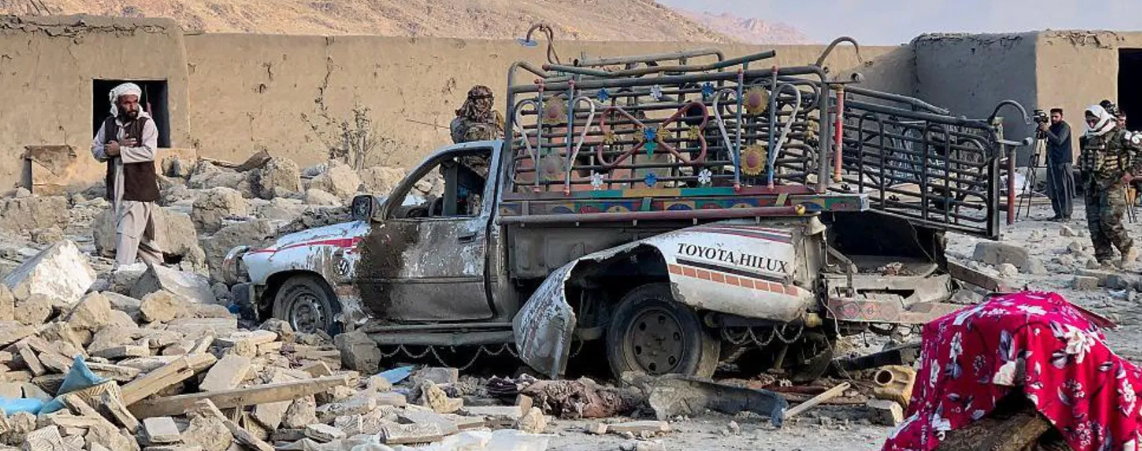 Residents of District 6 in Kabul were jolted awake by explosions and the sound of jets overhead as violence escalated sharply between Afghanistan and Pakistan. Get the latest headlines in your email Pakistan launched airstrikes in Afghanistan, including in Kabul as well as Paktia and Kandahar provinces, the latter a historic stronghold of the Taliban movement. The strikes followed months of rising hostilities along the border. Earlier the same night, Afghanistan’s Taliban government said it had carried out a ground operation against Pakistani military positions near the frontier, claiming to have captured posts and killed soldiers. Taliban officials described the action as retaliation for what they called Pakistani incursions and civilian deaths caused by earlier airstrikes. Those earlier strikes, on 21 February, targeted Nangarhar and Paktika provinces. The United Nations said it had credible reports that 13 Afghan civilians were killed. Islamabad denies targeting civilians, saying it struck militant hideouts linked to Tehreek-i-Taliban Pakistan (TTP), also known as the Pakistani Taliban. Pakistan says the TTP has carried out a series of attacks inside the country, including a recent suicide bombing at a Shia mosque in Islamabad that killed more than 30 people. Although the Islamic State group claimed responsibility, Pakistani officials say they have evidence linking the TTP to the attack and accuse Afghanistan-based leaders of directing operations with Taliban support. The Taliban government rejects those allegations, insisting Afghan territory is not used to threaten other countries and calling Pakistan’s actions unprovoked. The last major flare-up occurred in October 2025, when cross-border strikes continued for days. Mediation efforts by Qatar and Turkey led to talks in Doha and Istanbul, producing a fragile ceasefire that ultimately failed. Militarily, Pakistan holds a significant advantage, with advanced aircraft and defence systems. Afghanistan’s Taliban authorities rely largely on equipment left behind after the 2021 withdrawal of US and NATO forces, along with limited acquisitions through informal channels. There is no evidence Kabul can conduct deep airstrikes into Pakistan, though it has reportedly used drones in the latest clashes. Trade between the two countries has been suspended since October 2025, affecting businesses and the supply of essential goods, including medicines. For many Afghans, already facing economic hardship and restrictions under Taliban rule, the renewed violence has shattered a sense of relative security that had followed decades of war. Join the discussion? Already a member? Adapted by ASEAN Now · Source · 27 Feb 2026
 -
Residents of District 6 in Kabul were jolted awake by explosions and the sound of jets overhead as violence escalated sharply between Afghanistan and Pakistan. Get the latest headlines in your email Pakistan launched airstrikes in Afghanistan, including in Kabul as well as Paktia and Kandahar provinces, the latter a historic stronghold of the Taliban movement. The strikes followed months of rising hostilities along the border. Earlier the same night, Afghanistan’s Taliban government said it had carried out a ground operation against Pakistani military positions near the frontier, claiming to have captured posts and killed soldiers. Taliban officials described the action as retaliation for what they called Pakistani incursions and civilian deaths caused by earlier airstrikes. Those earlier strikes, on 21 February, targeted Nangarhar and Paktika provinces. The United Nations said it had credible reports that 13 Afghan civilians were killed. Islamabad denies targeting civilians, saying it struck militant hideouts linked to Tehreek-i-Taliban Pakistan (TTP), also known as the Pakistani Taliban. Pakistan says the TTP has carried out a series of attacks inside the country, including a recent suicide bombing at a Shia mosque in Islamabad that killed more than 30 people. Although the Islamic State group claimed responsibility, Pakistani officials say they have evidence linking the TTP to the attack and accuse Afghanistan-based leaders of directing operations with Taliban support. The Taliban government rejects those allegations, insisting Afghan territory is not used to threaten other countries and calling Pakistan’s actions unprovoked. The last major flare-up occurred in October 2025, when cross-border strikes continued for days. Mediation efforts by Qatar and Turkey led to talks in Doha and Istanbul, producing a fragile ceasefire that ultimately failed. Militarily, Pakistan holds a significant advantage, with advanced aircraft and defence systems. Afghanistan’s Taliban authorities rely largely on equipment left behind after the 2021 withdrawal of US and NATO forces, along with limited acquisitions through informal channels. There is no evidence Kabul can conduct deep airstrikes into Pakistan, though it has reportedly used drones in the latest clashes. Trade between the two countries has been suspended since October 2025, affecting businesses and the supply of essential goods, including medicines. For many Afghans, already facing economic hardship and restrictions under Taliban rule, the renewed violence has shattered a sense of relative security that had followed decades of war. Join the discussion? Already a member? Adapted by ASEAN Now · Source · 27 Feb 2026 View full article
-
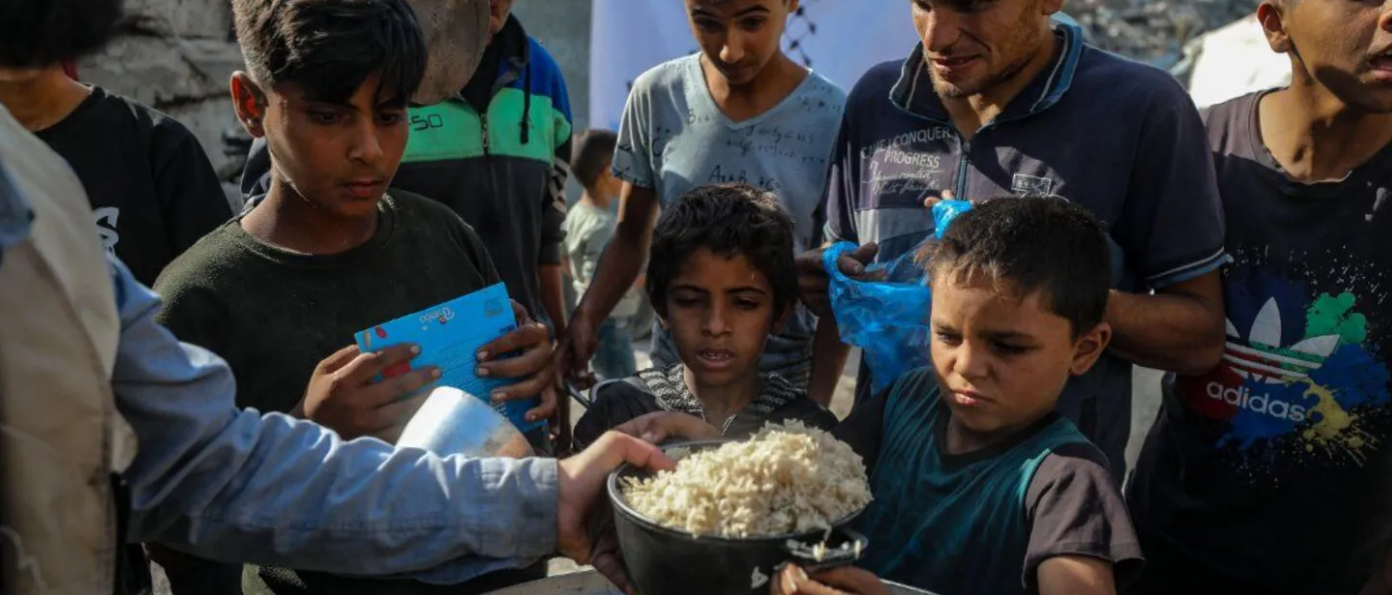 Israel’s High Court has temporarily halted a government move that threatened to bar dozens of international aid organisations from operating in the occupied Palestinian territories. Get the latest headlines in your email The injunction came just before a deadline requiring 37 organisations to comply with new registration rules or cease operations. Aid groups had warned that a shutdown would remove a vital lifeline for vulnerable communities in Gaza Strip and the West Bank. Four months into a fragile ceasefire in Gaza, much of the territory’s population of more than two million depends on humanitarian assistance for food, water and medical care. In the West Bank, aid agencies support Palestinians displaced amid settlement expansion and settler violence. In December, Israeli authorities told organisations including Médecins Sans Frontières, Oxfam, Save the Children, ActionAid and the Norwegian Refugee Council that their registrations had expired. They were given 60 days to comply with new transparency requirements or stop work by 1 March. Seventeen NGOs petitioned the High Court to suspend the measures, arguing that Israel, as an occupying power, has obligations under international humanitarian law. Judge Dafna Barak-Erez said there was “a real legal dispute” requiring further examination. Prime Minister Benjamin Netanyahu’s government has taken a firm stance toward international and Palestinian NGOs, citing security concerns. Israel has accused some groups of links to armed organisations, allegations the charities deny. The government has also passed legislation banning UNRWA from operating in Israel, affecting its work in Gaza and the West Bank. Israel’s Ministry for Diaspora Affairs and Combating Antisemitism says NGOs must now provide full details of staff, funding sources and operations to prevent links to armed groups following the 7 October 2023 Hamas-led attacks. Aid groups argue that sharing staff identities would endanger workers and breach European data protection laws. Jan Egeland of the Norwegian Refugee Council described the dispute as political, saying organisations already screen staff against international sanctions lists. Israel says 27 NGOs have been approved under the new rules and 11 rejected, representing about 1% of aid entering Gaza. Officials maintain that assistance continues through compliant channels. Humanitarian groups have welcomed the court’s injunction but say uncertainty remains over how they will operate while the legal challenge continues. A final ruling date has not been set. Join the discussion? Already a member? Adapted by ASEAN Now · Source · 27 Feb 2026
 -
Israel’s High Court has temporarily halted a government move that threatened to bar dozens of international aid organisations from operating in the occupied Palestinian territories. Get the latest headlines in your email The injunction came just before a deadline requiring 37 organisations to comply with new registration rules or cease operations. Aid groups had warned that a shutdown would remove a vital lifeline for vulnerable communities in Gaza Strip and the West Bank. Four months into a fragile ceasefire in Gaza, much of the territory’s population of more than two million depends on humanitarian assistance for food, water and medical care. In the West Bank, aid agencies support Palestinians displaced amid settlement expansion and settler violence. In December, Israeli authorities told organisations including Médecins Sans Frontières, Oxfam, Save the Children, ActionAid and the Norwegian Refugee Council that their registrations had expired. They were given 60 days to comply with new transparency requirements or stop work by 1 March. Seventeen NGOs petitioned the High Court to suspend the measures, arguing that Israel, as an occupying power, has obligations under international humanitarian law. Judge Dafna Barak-Erez said there was “a real legal dispute” requiring further examination. Prime Minister Benjamin Netanyahu’s government has taken a firm stance toward international and Palestinian NGOs, citing security concerns. Israel has accused some groups of links to armed organisations, allegations the charities deny. The government has also passed legislation banning UNRWA from operating in Israel, affecting its work in Gaza and the West Bank. Israel’s Ministry for Diaspora Affairs and Combating Antisemitism says NGOs must now provide full details of staff, funding sources and operations to prevent links to armed groups following the 7 October 2023 Hamas-led attacks. Aid groups argue that sharing staff identities would endanger workers and breach European data protection laws. Jan Egeland of the Norwegian Refugee Council described the dispute as political, saying organisations already screen staff against international sanctions lists. Israel says 27 NGOs have been approved under the new rules and 11 rejected, representing about 1% of aid entering Gaza. Officials maintain that assistance continues through compliant channels. Humanitarian groups have welcomed the court’s injunction but say uncertainty remains over how they will operate while the legal challenge continues. A final ruling date has not been set. Join the discussion? Already a member? Adapted by ASEAN Now · Source · 27 Feb 2026 View full article
-
 Neil Sedaka, the American singer-songwriter behind a string of pop hits in the 1950s and 60s including Breaking Up Is Hard to Do, has died at the age of 86. His family confirmed his death in a statement, saying they were “devastated by the sudden passing of our beloved husband, father and grandfather”. “A true rock and roll legend, an inspiration to millions, but most importantly, at least to those of us who were lucky enough to know him, an incredible human being who will be deeply missed,” the statement said. No cause of death or location was disclosed. Born in Brooklyn, New York, Sedaka studied at the Juilliard School and was a founding member of the doo-wop group The Tokens in the late 1950s. He went on to build a successful solo career, recording hits such as Oh! Carol, Calendar Girl, Laughter in the Rain and Bad Blood. A skilled pianist, he was nominated for five Grammy Awards during a career spanning more than six decades. Sedaka also found success as a songwriter for other artists. As a teenager, he co-wrote “Stupid Cupid”, which was recorded by Connie Francis in 1958. Although his popularity declined in the US during the British Invasion of the mid-1960s, he returned to the Billboard Top 10 in 1975 after writing Love Will Keep Us Together for Captain & Tennille. He also recorded several albums in the 1970s for a label founded by Elton John. In a 2012 interview with the BBC during a visit to London, where he performed a piano concerto at the Royal Albert Hall, Sedaka spoke about his love of classical music. “It’s wonderful for the soul to be able to play classical music,” he said. “But to travel around, playing your own lyrics and music is a very rewarding feeling and I chose that, and I have no regrets.” Join the discussion? Already a member? Adapted by ASEAN Now · Source · 27 Feb 2026
 -
Neil Sedaka, the American singer-songwriter behind a string of pop hits in the 1950s and 60s including Breaking Up Is Hard to Do, has died at the age of 86. His family confirmed his death in a statement, saying they were “devastated by the sudden passing of our beloved husband, father and grandfather”. “A true rock and roll legend, an inspiration to millions, but most importantly, at least to those of us who were lucky enough to know him, an incredible human being who will be deeply missed,” the statement said. No cause of death or location was disclosed. Born in Brooklyn, New York, Sedaka studied at the Juilliard School and was a founding member of the doo-wop group The Tokens in the late 1950s. He went on to build a successful solo career, recording hits such as Oh! Carol, Calendar Girl, Laughter in the Rain and Bad Blood. A skilled pianist, he was nominated for five Grammy Awards during a career spanning more than six decades. Sedaka also found success as a songwriter for other artists. As a teenager, he co-wrote “Stupid Cupid”, which was recorded by Connie Francis in 1958. Although his popularity declined in the US during the British Invasion of the mid-1960s, he returned to the Billboard Top 10 in 1975 after writing Love Will Keep Us Together for Captain & Tennille. He also recorded several albums in the 1970s for a label founded by Elton John. In a 2012 interview with the BBC during a visit to London, where he performed a piano concerto at the Royal Albert Hall, Sedaka spoke about his love of classical music. “It’s wonderful for the soul to be able to play classical music,” he said. “But to travel around, playing your own lyrics and music is a very rewarding feeling and I chose that, and I have no regrets.” Join the discussion? Already a member? Adapted by ASEAN Now · Source · 27 Feb 2026 View full article
-
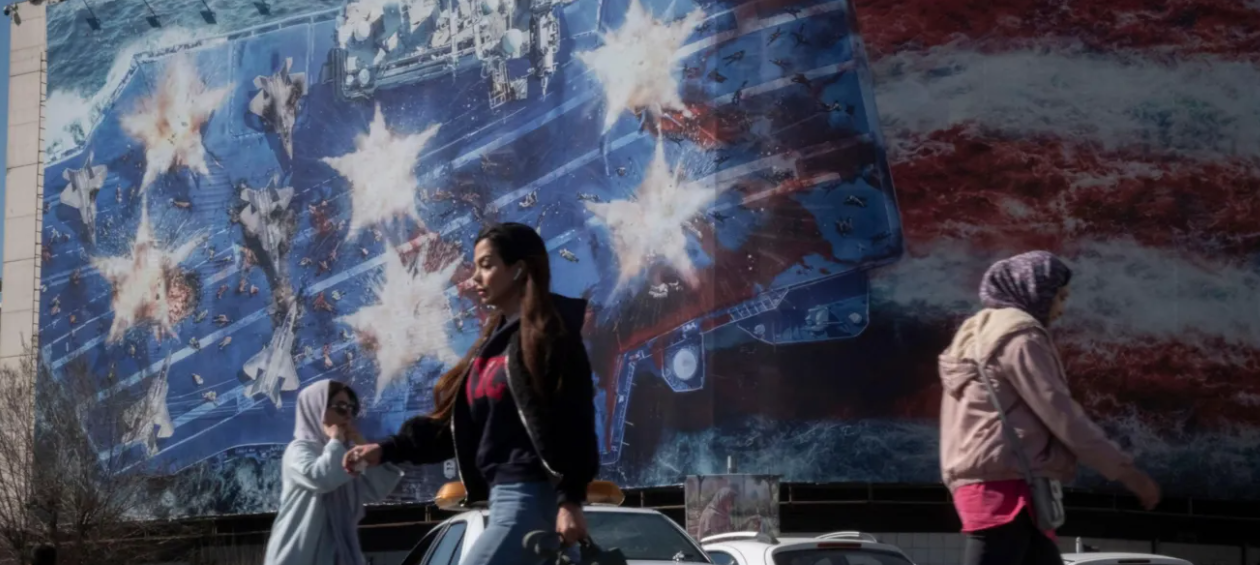 Residents across Iran are facing sleepless nights and rising anxiety as speculation grows that the United States could carry out military strikes. Get the latest headlines in your email In cities around the country, some young people are closely monitoring aircraft and ship-tracking platforms. While some fear foreign intervention, others quietly hope outside pressure could shift the balance after more than 50 days of unrest and a violent crackdown on anti-establishment protests. Expectations that Washington might intervene faded after US President Donald Trump appeared to pivot from earlier supportive rhetoric toward diplomatic engagement. He had previously encouraged demonstrators to “keep protesting” and said that “help is on the way”. The human toll from the unrest remains disputed. The US-based rights group Human Rights Activists in Iran (HRANA) says 7,007 people have been killed, with thousands of additional cases under review. Iranian authorities put the figure at 3,117. UN experts, including special rapporteur Mai Sato, say internet restrictions and mass detentions make it impossible to verify the true scale of the crackdown. A third round of US-Iran negotiations in Geneva ended this week without a final agreement, though officials signalled limited progress. The lack of a breakthrough has deepened uncertainty. Some analysts warn that a collapse in talks could trigger wider conflict. Iranian leaders have previously suggested they would risk regional escalation rather than concede key demands. Others speculate that Tehran could adopt a confrontational posture if militarily challenged. Concerns are compounded by continued domestic repression. Sato has warned of mounting pressure on human rights lawyers, along with ongoing arrests and surveillance, describing the period as one of the darkest for rights in recent years. On pro-government social media, two narratives dominate. One expresses cautious optimism that negotiations could avert another war, recalling the eight-year Iran-Iraq conflict and more recent hostilities with Israel that left more than 1,200 people dead in Iran and 28 in Israel. The other frames any confrontation as inevitable. State media have stepped up broadcasts highlighting missile capabilities, a common feature during heightened tensions. Economic pressures are also mounting ahead of Nowruz, the Persian New Year. With US sanctions in place and inflation above 62%, markets are subdued. Traders report reduced foot traffic, and investors appear reluctant to make major commitments amid the uncertainty. Join the discussion? Already a member? Adapted by ASEAN Now · Source · 27 Feb 2026
 -
Residents across Iran are facing sleepless nights and rising anxiety as speculation grows that the United States could carry out military strikes. Get the latest headlines in your email In cities around the country, some young people are closely monitoring aircraft and ship-tracking platforms. While some fear foreign intervention, others quietly hope outside pressure could shift the balance after more than 50 days of unrest and a violent crackdown on anti-establishment protests. Expectations that Washington might intervene faded after US President Donald Trump appeared to pivot from earlier supportive rhetoric toward diplomatic engagement. He had previously encouraged demonstrators to “keep protesting” and said that “help is on the way”. The human toll from the unrest remains disputed. The US-based rights group Human Rights Activists in Iran (HRANA) says 7,007 people have been killed, with thousands of additional cases under review. Iranian authorities put the figure at 3,117. UN experts, including special rapporteur Mai Sato, say internet restrictions and mass detentions make it impossible to verify the true scale of the crackdown. A third round of US-Iran negotiations in Geneva ended this week without a final agreement, though officials signalled limited progress. The lack of a breakthrough has deepened uncertainty. Some analysts warn that a collapse in talks could trigger wider conflict. Iranian leaders have previously suggested they would risk regional escalation rather than concede key demands. Others speculate that Tehran could adopt a confrontational posture if militarily challenged. Concerns are compounded by continued domestic repression. Sato has warned of mounting pressure on human rights lawyers, along with ongoing arrests and surveillance, describing the period as one of the darkest for rights in recent years. On pro-government social media, two narratives dominate. One expresses cautious optimism that negotiations could avert another war, recalling the eight-year Iran-Iraq conflict and more recent hostilities with Israel that left more than 1,200 people dead in Iran and 28 in Israel. The other frames any confrontation as inevitable. State media have stepped up broadcasts highlighting missile capabilities, a common feature during heightened tensions. Economic pressures are also mounting ahead of Nowruz, the Persian New Year. With US sanctions in place and inflation above 62%, markets are subdued. Traders report reduced foot traffic, and investors appear reluctant to make major commitments amid the uncertainty. Join the discussion? Already a member? Adapted by ASEAN Now · Source · 27 Feb 2026 View full article
-
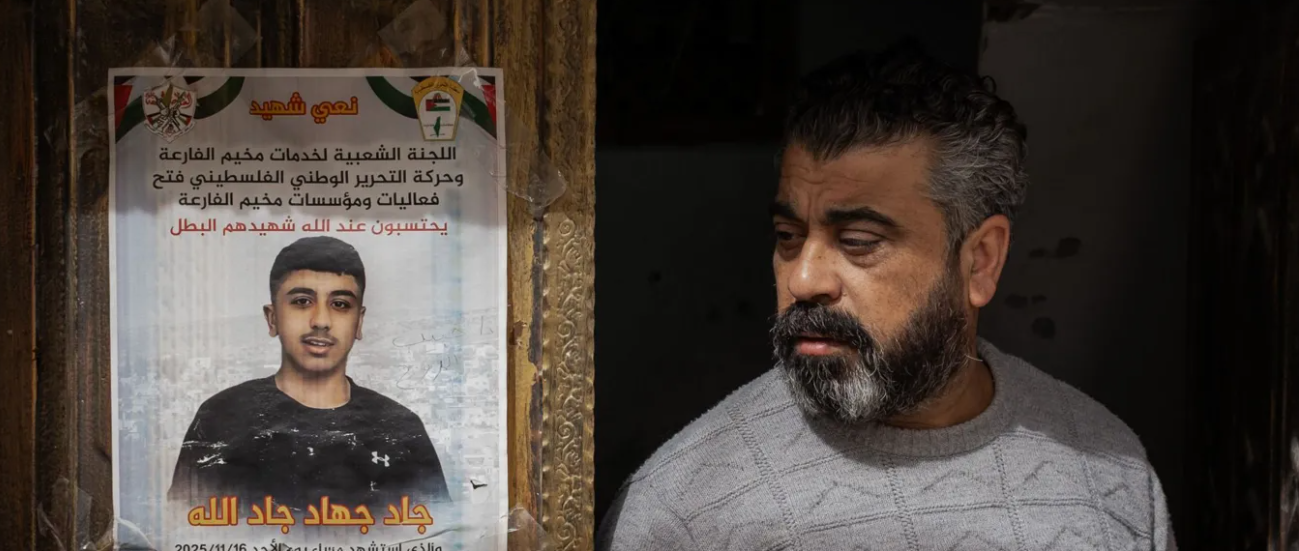 A 14-year-old Palestinian boy, Jad Jadallah, was shot at close range by Israeli soldiers last November in al-Far’a refugee camp in the occupied West Bank. Video footage shows he lay wounded for at least 45 minutes while soldiers blocked ambulances from reaching him. Get the latest headlines in your email According to eyewitnesses and CCTV footage verified by the BBC, 14 Israeli soldiers formed a cordon around Jad as he lay bleeding in an alley. Two Palestinian ambulances were prevented from reaching him. The Israeli Defence Forces (IDF) said soldiers provided “initial medical treatment” after confirming he was not wearing an explosive device. A spokesperson declined to give details about the timing or type of treatment. All Israeli soldiers receive trauma training and combat units include a trained medic. However, the footage does not show soldiers giving life-saving aid. At times, Jad appeared to wave his arms and throw his hat toward the soldiers in an effort to get attention. The soldiers appeared to ignore him and kicked the hat back. The IDF accused Jad of throwing a rock, which under its rules of engagement can justify lethal force. Footage shows a soldier placing an object next to Jad after he was shot and photographing it. Jad’s family and a leading human rights group said this suggests an attempt to frame him. Jad was later placed in an Israeli military vehicle. It remains unclear where or how many times he was shot. The military has not returned his body to his family and has declined to answer questions about his injuries. CCTV footage captured the moment of the shooting. It shows Jad and two friends standing at the corner of an alley after reports that Israeli forces were leaving the camp. Four soldiers had remained behind, standing a few metres away behind a wall. Jad’s friends ran when they saw the soldiers. The footage shows a soldier stepping into view less than three metres from Jad and opening fire. Jad ran up the alley after appearing to be hit. The footage shows dust rising ahead of him, suggesting further shots were fired. He collapsed a few metres later, out of the CCTV frame. Bystander video filmed from another direction shows him on the ground. His mother said she tried to reach him but was blocked by soldiers. Call logs from the Palestinian Red Crescent show an ambulance arrived eight minutes after the emergency call. Lead paramedic Hassan Fouqha said his team was stopped at gunpoint about 100 yards from Jad and forced to wait for at least 35 minutes. Fouqha said a second ambulance approaching from another direction was also blocked. “We could have reached him and provided medical aid but we were prevented,” he said. Al-Far’a camp is home to about 10,000 Palestinians and is subject to frequent Israeli military raids. According to the United Nations, 55 children were killed by Israeli forces in the West Bank last year, and 227 have been killed there since the 7 October 2023 Hamas attack on Israel. Join the discussion? Already a member? Adapted by ASEAN Now · Source · 26 Feb 2026
 -
A 14-year-old Palestinian boy, Jad Jadallah, was shot at close range by Israeli soldiers last November in al-Far’a refugee camp in the occupied West Bank. Video footage shows he lay wounded for at least 45 minutes while soldiers blocked ambulances from reaching him. Get the latest headlines in your email According to eyewitnesses and CCTV footage verified by the BBC, 14 Israeli soldiers formed a cordon around Jad as he lay bleeding in an alley. Two Palestinian ambulances were prevented from reaching him. The Israeli Defence Forces (IDF) said soldiers provided “initial medical treatment” after confirming he was not wearing an explosive device. A spokesperson declined to give details about the timing or type of treatment. All Israeli soldiers receive trauma training and combat units include a trained medic. However, the footage does not show soldiers giving life-saving aid. At times, Jad appeared to wave his arms and throw his hat toward the soldiers in an effort to get attention. The soldiers appeared to ignore him and kicked the hat back. The IDF accused Jad of throwing a rock, which under its rules of engagement can justify lethal force. Footage shows a soldier placing an object next to Jad after he was shot and photographing it. Jad’s family and a leading human rights group said this suggests an attempt to frame him. Jad was later placed in an Israeli military vehicle. It remains unclear where or how many times he was shot. The military has not returned his body to his family and has declined to answer questions about his injuries. CCTV footage captured the moment of the shooting. It shows Jad and two friends standing at the corner of an alley after reports that Israeli forces were leaving the camp. Four soldiers had remained behind, standing a few metres away behind a wall. Jad’s friends ran when they saw the soldiers. The footage shows a soldier stepping into view less than three metres from Jad and opening fire. Jad ran up the alley after appearing to be hit. The footage shows dust rising ahead of him, suggesting further shots were fired. He collapsed a few metres later, out of the CCTV frame. Bystander video filmed from another direction shows him on the ground. His mother said she tried to reach him but was blocked by soldiers. Call logs from the Palestinian Red Crescent show an ambulance arrived eight minutes after the emergency call. Lead paramedic Hassan Fouqha said his team was stopped at gunpoint about 100 yards from Jad and forced to wait for at least 35 minutes. Fouqha said a second ambulance approaching from another direction was also blocked. “We could have reached him and provided medical aid but we were prevented,” he said. Al-Far’a camp is home to about 10,000 Palestinians and is subject to frequent Israeli military raids. According to the United Nations, 55 children were killed by Israeli forces in the West Bank last year, and 227 have been killed there since the 7 October 2023 Hamas attack on Israel. Join the discussion? Already a member? Adapted by ASEAN Now · Source · 26 Feb 2026 View full article
-
 Netflix has withdrawn its proposal to buy Warner Bros Discovery, clearing the way for Paramount Skydance to take over the company after a months-long bidding battle. Get the latest headlines in your email Warner Bros said on Thursday that Paramount’s latest offer was superior to Netflix’s bid. It had urged Netflix to increase its proposal. Paramount recently raised its offer to $31 per share in cash, up from $30. The bid covers the entire company. Netflix co-chief executives Ted Sarandos and Greg Peters said matching the new price was no longer financially attractive. “We’ve always been disciplined,” they said in a statement. They added that the deal had been a “nice to have” at the right price, not a “must have” at any price. The announcement came hours after Sarandos visited the White House. In December, Warner Bros agreed to sell its film and streaming divisions, including HBO, to Netflix for $27.75 per share, valuing the deal at about $82bn including debt. The company had planned to spin off its traditional television networks and CNN as a separate business. Paramount, backed by technology billionaire Larry Ellison and led by his son David Ellison, later made a rival offer. Paramount had previously been rebuffed by Warner Bros. David Ellison welcomed the board’s decision to favour Paramount’s improved bid. He said it offered shareholders superior value, certainty and speed to closing. Paramount also agreed to pay a $7bn fee if the deal fails. In addition, it will cover the $2.8bn break-up fee Warner Bros had agreed to pay Netflix if their merger was cancelled. If approved by regulators, Paramount would combine Warner Bros’ HBO Max subscribers with its own portfolio. It would also gain control of CNN, the Food Network and various sports assets. Paramount’s existing networks include Nickelodeon, CBS and Comedy Central. The proposed sale is expected to have significant effects across Hollywood. Industry observers have raised concerns about potential job cuts as production levels in Los Angeles remain under pressure. Join the discussion? Already a member? Adapted by ASEAN Now · Source · 26 Feb 2026
 -
Netflix has withdrawn its proposal to buy Warner Bros Discovery, clearing the way for Paramount Skydance to take over the company after a months-long bidding battle. Get the latest headlines in your email Warner Bros said on Thursday that Paramount’s latest offer was superior to Netflix’s bid. It had urged Netflix to increase its proposal. Paramount recently raised its offer to $31 per share in cash, up from $30. The bid covers the entire company. Netflix co-chief executives Ted Sarandos and Greg Peters said matching the new price was no longer financially attractive. “We’ve always been disciplined,” they said in a statement. They added that the deal had been a “nice to have” at the right price, not a “must have” at any price. The announcement came hours after Sarandos visited the White House. In December, Warner Bros agreed to sell its film and streaming divisions, including HBO, to Netflix for $27.75 per share, valuing the deal at about $82bn including debt. The company had planned to spin off its traditional television networks and CNN as a separate business. Paramount, backed by technology billionaire Larry Ellison and led by his son David Ellison, later made a rival offer. Paramount had previously been rebuffed by Warner Bros. David Ellison welcomed the board’s decision to favour Paramount’s improved bid. He said it offered shareholders superior value, certainty and speed to closing. Paramount also agreed to pay a $7bn fee if the deal fails. In addition, it will cover the $2.8bn break-up fee Warner Bros had agreed to pay Netflix if their merger was cancelled. If approved by regulators, Paramount would combine Warner Bros’ HBO Max subscribers with its own portfolio. It would also gain control of CNN, the Food Network and various sports assets. Paramount’s existing networks include Nickelodeon, CBS and Comedy Central. The proposed sale is expected to have significant effects across Hollywood. Industry observers have raised concerns about potential job cuts as production levels in Los Angeles remain under pressure. Join the discussion? Already a member? Adapted by ASEAN Now · Source · 26 Feb 2026 View full article
-
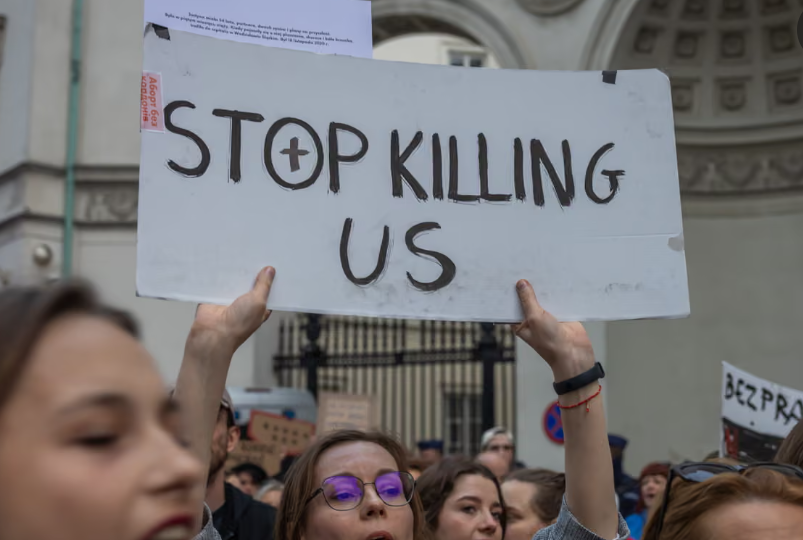 European Union member states will be able to use existing social funds to help citizens access safe abortion services across the bloc. The move follows a campaign calling for equal access to legal terminations in all 27 member states. Get the latest headlines in your email The announcement was welcomed by supporters as a major step for women’s rights. It allows countries to draw on already allocated social service funds to cover travel and access to abortion care. The decision stems from the My Voice, My Choice campaign. Organisers argued that women in countries with near-total abortion bans, such as Malta and Poland, should be able to obtain services in other EU states where the procedure is legal. More than 1.2 million people signed the initiative, requiring the European Commission to respond. A majority of Members of the European Parliament backed the proposal in December. Hadja Lahbib, the EU commissioner for equality, described the move as groundbreaking. She said it aimed to reduce the estimated 500,000 unsafe abortions that occur in Europe each year. “This is half a million women at risk,” Lahbib said, adding that the figure was “half a million too many”. The decision comes amid rising support for far-right parties in parts of Europe, many of which oppose abortion rights. Olivier Bault of Ordo Iuris, a Polish anti-abortion group that supported Poland’s near-total ban in 2020, criticised the plan. He told Reuters it interfered with national authority over health policy. He said using the European Social Fund for healthcare purposes undermined national laws. Nika Kovač, coordinator of the My Voice, My Choice campaign, said the decision confirmed that EU funds can be used to guarantee access to safe abortion care, especially for vulnerable women. She described the announcement as a political commitment to women’s rights. However, campaigners noted that no new funding had been allocated and said they would continue to push for dedicated financial resources. They also called on the commission to provide clear guidance to member states on how to access the funds and to create a system to help women use the scheme across the bloc. Manon Aubry, a French Member of the European Parliament, said campaigners would continue their efforts until no woman in Europe is unable to access abortion care. Join the discussion? Already a member? Adapted by ASEAN Now · Source · 26 Feb 2026
 -
European Union member states will be able to use existing social funds to help citizens access safe abortion services across the bloc. The move follows a campaign calling for equal access to legal terminations in all 27 member states. Get the latest headlines in your email The announcement was welcomed by supporters as a major step for women’s rights. It allows countries to draw on already allocated social service funds to cover travel and access to abortion care. The decision stems from the My Voice, My Choice campaign. Organisers argued that women in countries with near-total abortion bans, such as Malta and Poland, should be able to obtain services in other EU states where the procedure is legal. More than 1.2 million people signed the initiative, requiring the European Commission to respond. A majority of Members of the European Parliament backed the proposal in December. Hadja Lahbib, the EU commissioner for equality, described the move as groundbreaking. She said it aimed to reduce the estimated 500,000 unsafe abortions that occur in Europe each year. “This is half a million women at risk,” Lahbib said, adding that the figure was “half a million too many”. The decision comes amid rising support for far-right parties in parts of Europe, many of which oppose abortion rights. Olivier Bault of Ordo Iuris, a Polish anti-abortion group that supported Poland’s near-total ban in 2020, criticised the plan. He told Reuters it interfered with national authority over health policy. He said using the European Social Fund for healthcare purposes undermined national laws. Nika Kovač, coordinator of the My Voice, My Choice campaign, said the decision confirmed that EU funds can be used to guarantee access to safe abortion care, especially for vulnerable women. She described the announcement as a political commitment to women’s rights. However, campaigners noted that no new funding had been allocated and said they would continue to push for dedicated financial resources. They also called on the commission to provide clear guidance to member states on how to access the funds and to create a system to help women use the scheme across the bloc. Manon Aubry, a French Member of the European Parliament, said campaigners would continue their efforts until no woman in Europe is unable to access abortion care. Join the discussion? Already a member? Adapted by ASEAN Now · Source · 26 Feb 2026 View full article
-
 The United States has arrested and charged a former US Air Force fighter pilot for allegedly training China’s military, the Justice Department said on 26 February. Gerald Eddie Brown Jr., 65, a former F-35 Lightning II instructor pilot, was arrested on Wednesday in Jeffersonville, Indiana. He is charged with providing and conspiring to provide defence services to pilots from China’s People’s Liberation Army Air Force. Get the latest headlines in your email Brown previously commanded sensitive units responsible for nuclear weapons delivery systems. Prosecutors said he began negotiating a contract around August 2023 to train Chinese military pilots. The Justice Department said he negotiated with Su Bin, a Chinese national who was sentenced in 2016 to four years in a US prison for conspiring to hack computer networks at Boeing and other major US defence contractors. According to the department, Brown travelled to China in December 2023 and remained there until February before returning to the United States. Assistant Director Roman Rozhavsky of the FBI’s Counterintelligence and Espionage Division said Brown “betrayed his country by training Chinese pilots to fight against those he swore to protect”. China’s embassy in Washington declined to comment. The case comes as President Donald Trump is expected to meet Chinese President Xi Jinping in the coming weeks. Trump has sought to ease tensions in an ongoing trade dispute between the two countries. At the same time, military and technological rivalry between Washington and Beijing has continued to grow. US and allied officials have warned that China has been recruiting current and former Western military personnel, including pilots, to help the People’s Liberation Army improve its air combat capabilities. Officials say these efforts often involve lucrative contracts and offers to fly Chinese aircraft. In 2023, the US Commerce Department sanctioned more than a dozen companies in China and other countries, including Kenya, Laos, Malaysia, Singapore, South Africa, Thailand, the United Kingdom and the United Arab Emirates. The sanctions were linked to efforts to recruit Western military personnel for Chinese aviation training. Join the discussion? Already a member? Adapted by ASEAN Now · Source · 26 Feb 2026