geovalin
Global Moderator
-
Joined
-
Last visited
Everything posted by geovalin
-
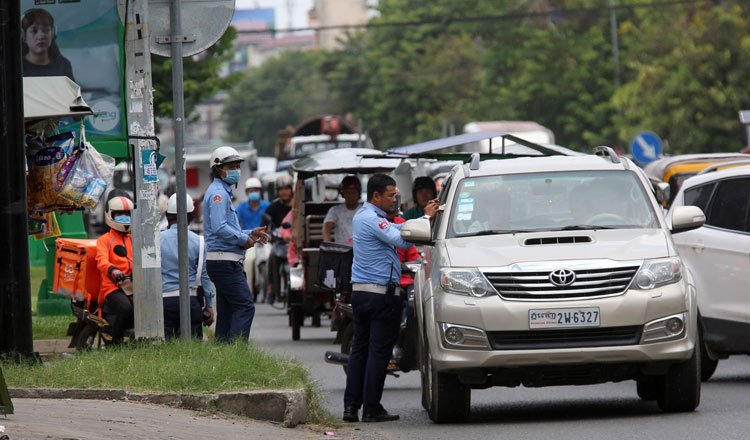
Khmer Times Cambodia is struggling with surging fuel costs linked to the Middle East conflict, prompting authorities to suspend traffic fines in a bid to ease pressure on motorists. The Ministry of Commerce announced on 26 March that petrol prices have risen to 5,450 riels (about $1.35) per litre, while diesel jumped nearly 6% to 7,100 riels. Liquefied Petroleum Gas (LPG) now costs 3,200 riels. Since the conflict began, fuel prices have soared by 41.5% for petrol, 84% for diesel and 60% for LPG. Interior Ministry spokesman Touch Sokhak said the suspension of fines was intended “not to put further pressure on drivers” already struggling with rising costs. Traffic police will remain on duty to educate motorists, manage congestion and conduct safety checks, but penalties for violations are temporarily lifted. The government has also reduced import duties and taxes on petroleum products to cushion the impact of global price spikes. Cambodia relies entirely on imported fuel, as its offshore reserves remain untapped. With households and businesses facing mounting costs, the measures highlight the strain on everyday life. For many Cambodians, the relief from fines offers only temporary respite as fuel prices continue to climb. -2026-03-27

-
A Cambodian appeal court has upheld 14‑year prison sentences for two journalists convicted of treason after posting a photo taken in a military‑restricted border zone. Pheap Phara and Phorn Sopheap were arrested last July after sharing an image on Facebook that appeared to show them with Cambodian soldiers at the Ta Krabei temple, a centuries‑old site on the disputed frontier with Thailand. Thai media later republished the photo, alleging unplaced landmines were visible in the background. The pair were sentenced in December for “supplying a foreign state with information prejudicial to national defence” following deadly clashes along the border that killed dozens and displaced more than a million people. On 26 March, the appeal court in Battambang province confirmed the convictions, rejecting their challenge. Rights group LICADHO condemned the ruling, warning it would deepen fears among journalists. “This case affects journalism, especially the space of free press that will make journalists worry about their safety,” said Am Sam Ath, the group’s operations director. Cambodia ranks 161st out of 180 countries in the World Press Freedom Index. Officials defended the verdict. Information ministry spokesman Tep Asnarith said the case was “a lesson for journalists to carefully think about publishing news and the protection of national security,” stressing that press freedom must align with national interests. Although Cambodia and Thailand signed a ceasefire in December, tensions remain high along the frontier, with both sides trading accusations of truce violations. For Cambodia’s journalists, the ruling underscores the risks of reporting in a country where press freedom is increasingly under threat. -2026-03-27


-
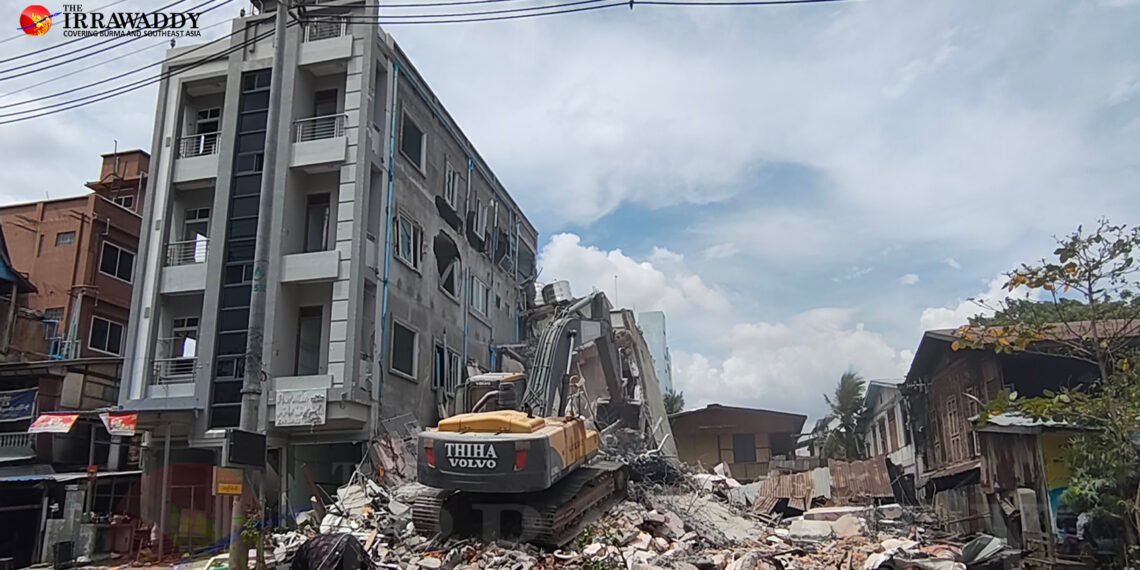
A year after Myanmar’s devastating earthquake, much of the country’s reconstruction remains incomplete, leaving survivors struggling to rebuild their lives. The 7.7‑magnitude tremor struck on 28 March 2025, killing more than 3,800 people in Myanmar and around 90 in neighbouring Thailand. Mandalay, the ancient royal capital, bore the brunt of the destruction, with homes, pagodas and mosques collapsing under the force of the quake. Reporters revisiting the region found a patchwork recovery. In Naypyidaw, the main hospital’s collapsed awning has been replaced with a lighter structure, but in Mandalay many sites remain scarred. The historic Ava Bridge still droops into the Irrawaddy river, and religious communities continue to worship in temporary shelters. At Amarapura’s Shwe Ku Gyi Pagoda, statues lie in rubble, while monks recall clearing debris by hand. “People are facing many economic hardships,” said abbot U Thudassa. “We build as much as we can with what we have.” In Bon Oe village, worshippers gather under tarpaulins after their mosque collapsed during Friday prayers, killing many. Government approval for a permanent replacement has yet to be granted. Some progress is visible: tilted palace towers have been restored, and new ramparts are being built. Joggers now circle the moat where thousands once camped in fear of aftershocks. Yet for many, the trauma lingers. “Everyone still trembles at any loud noise,” said mosque leader Khin Maung Naing. “Even after a year, the scenes and feelings from that earthquake feel as if they happened only yesterday.” The quake struck amid Myanmar’s ongoing civil conflict, compounding the challenges of recovery. Survivors continue to balance rebuilding with daily hardship, their resilience tested by both natural disaster and political turmoil. -2026-03-27

-
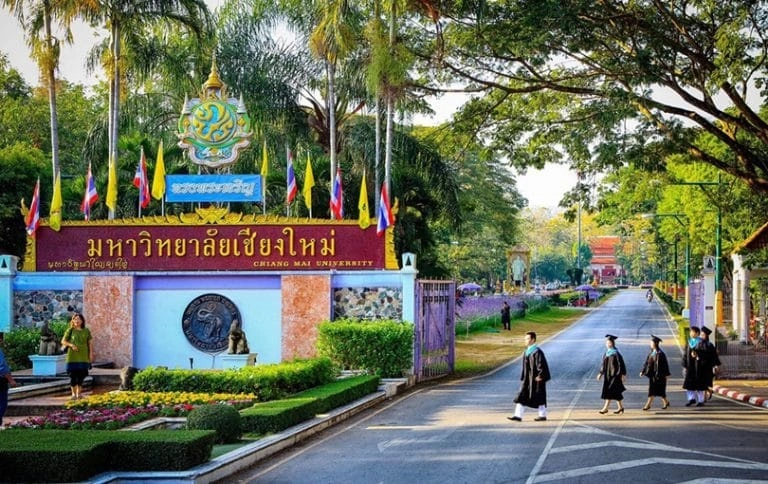
Myanmar’s political turmoil has driven a dramatic surge in student migration to Thailand, with enrolments rising sixfold since the 2021 coup, according to a new study. The report, co-authored by Dr. Nyi Nyi Kyaw of the University of Bristol and Dr. Sirada Khemanitthathai of Chiang Mai University, reveals that annual enrolments by Myanmar students in Thai degree programmes have soared from around 2,500 before the coup to more than 17,000 in 2025. Researchers found that repression, violence and the collapse of Myanmar’s higher education system were the main drivers. For many, the choice to study abroad was less about opportunity than survival. “It was no longer safe for me to live in Myanmar after I joined the anti-regime protests,” one former teacher now studying in Chiang Mai told the Irrawaddy. The study identifies three waves of migration: the immediate aftermath of the junta’s crackdown on the Civil Disobedience Movement, the breakdown of universities, and most recently, the enforcement of mandatory conscription. The law, introduced in 2024, requires men aged 18–35 and women aged 18–27 to serve up to two years, with specialists such as doctors and engineers facing even longer terms. Covering some 14 million citizens, it triggered a mass exodus of young people. Thailand has become a natural destination, offering relatively affordable living costs, scholarships and stronger academic standards. The influx, however, is not without challenges. Students report inconsistent visa rules, corruption and discrimination, leaving many uncertain about their future once their studies end. For Myanmar, the trend represents a deepening brain drain. For Thailand, it is both an economic and strategic gain, with tuition fees, living expenses and the prospect of skilled graduates bolstering its role as a regional education hub. Yet the report warns that unless Thai authorities improve transparency and simplify visa processes, the country risks losing the full benefit of this migration. As one student put it, the choice was stark: “Maybe the last option will just be to go home.” For thousands of Myanmar’s young people, however, home remains the least safe place to be. -2026-03-27

-
Cambodians are being encouraged to embrace traditional folk games during this year’s Khmer New Year celebrations, as academics warn that modern influences are eroding cultural heritage. Chhot Bunthang, a philosophy scholar at the Royal Academy of Cambodia, voiced strong support for the government’s directive that such games should feature prominently in festivities. He said foreign cultures and social media have reduced youth participation in Khmer activities, weakening a vital part of national identity. “Khmer folk games are an essential part of our national heritage. We must encourage young people, as the next generation, to understand, appreciate, and participate in them,” he explained. In the past, these games were played widely in pagodas and community spaces, but their popularity has waned. Authorities hope to reverse that trend by creating opportunities for communities and schools to revive the practice. The Ministry of Education, Youth and Sport has issued a directive urging students nationwide to take part in folk games under the guidance of local education departments. Officials say the initiative will help preserve Khmer culture while fostering a joyful atmosphere ahead of the New Year, which runs from 14 to 16 April. Meanwhile, activities such as water spraying, powder throwing and gambling have been banned to ensure celebrations remain respectful. The government hopes that by focusing on traditional games, Cambodians young and old will reconnect with their heritage and strengthen the cultural fabric of the nation. -2026-03-26


-
As Myanmar’s military regime tightened its grip in 2022, the family of junta leader Min Aung Hlaing quietly secured a multi‑million dollar property in Bangkok, according to documents obtained by Justice For Myanmar. Thai corporate and land records show that Min Aung Hlaing’s son, Aung Pyae Sone, and his wife, Myo Yadana Htaik, purchased a luxury home worth 98 million baht (nearly US$3 million) in Issara Residence Rama 9. The deal was brokered by Tun Min Latt, a close associate of the family, who was later arrested on charges of money laundering and organised crime. Despite his detention, the transaction went ahead. The property is formally held by Emerald Princess Co. Ltd., a company created just days before the transfer. Justice For Myanmar describes it as a proxy entity designed to shield the family’s involvement and bypass Thai laws restricting foreign land ownership. The firm has no public profile, no financial statements, and is registered under a trade classification unrelated to real estate. Senior executives at Charn Issara Development, the listed Thai developer behind the project, were directly involved in the sale. Records show that Aung Pyae Sone and his wife visited the company’s Bangkok office in August 2022, meeting with its CEO and senior managers. Payments were made in instalments through Thai banks, beginning with a 30% downpayment in May 2022. The purchase raises questions about sanctions evasion. Aung Pyae Sone has been sanctioned by the United States and Canada, but his wife has not, creating what campaigners call a loophole. By placing the contract in her name, the family was able to proceed despite international restrictions. Justice For Myanmar says the case highlights how Thai companies and intermediaries have enabled the junta’s elite to protect assets abroad while the country itself faces economic collapse and widespread hunger. Neither Charn Issara nor the law firm involved responded to requests for comment. This is not the first time Tun Min Latt has facilitated property deals for the family. Previous investigations revealed that Min Aung Hlaing’s daughter also owns a luxury apartment in Bangkok, with documents seized during police raids in 2022. The revelations add to mounting evidence that, even as Myanmar’s people endure war and deprivation, the junta’s inner circle continues to funnel wealth into overseas assets, shielded by opaque corporate structures and weak enforcement of sanctions. -2026-03-26


-
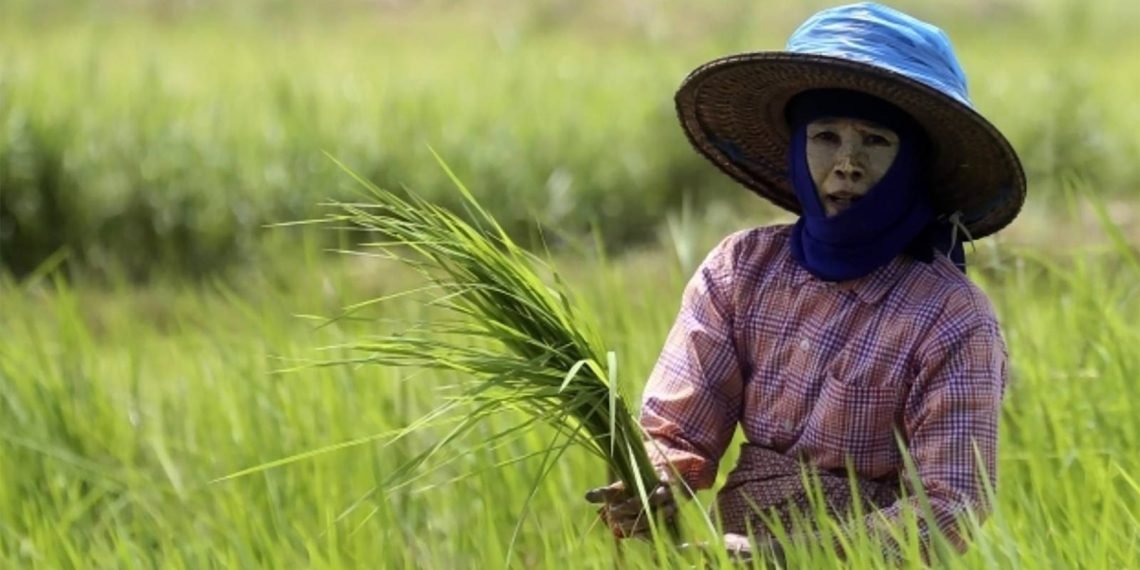
The Irrawaddy Queues at fuel stations stretch through the night in Myanmar’s rice-growing Irrawaddy delta, as farmers scramble for scarce diesel to power tractors ahead of the crucial harvest season. The shortage, triggered by soaring global oil prices linked to the Iran conflict, is pushing the country’s fragile economy into deeper turmoil. Diesel prices have jumped from 2,450 kyat (£1.16) a litre in February to 3,800 kyat (£1.80) by mid-March. On the black market, desperate farmers are paying more than three times that amount, with some reporting rates of 12,000 kyat (£5.71) a litre. “If we don’t harvest the paddy in time, the crops will be destroyed,” said one farmer, explaining why he was willing to pay any price. Myanmar’s military junta has introduced rationing, requiring QR codes for refills, but the system has only created longer queues and frustration. Some buyers wait for two days to secure just a few litres. Domestic airlines, reliant on jet fuel imports from Iran, have suspended routes and imposed strict baggage limits, sending ticket prices soaring. The crisis comes at a perilous moment. The World Food Programme warns that production costs could double if instability continues, threatening the monsoon paddy season and worsening hunger in a country already ranked the world’s fifth hungriest. More than 12 million people struggle to find enough food, and a poor harvest would push staples further out of reach. Myanmar has relied heavily on Iran for fertiliser imports, but the war has disrupted supplies. Farmers say reverting to traditional methods, such as using animals instead of machinery, is no longer feasible after years of mechanisation. “Nowadays, we are practically waging a war just to get some fuel,” said Win Zaw, a farmer from the delta. The junta insists it has stockpiles to last 50 days and has ordered civil servants to work from home one day a week to cut consumption. Yet on the ground, the reality is stark: long queues, empty pumps, and mounting fears that the next harvest could collapse. For Myanmar’s farmers, the battle is not just against weeds or weather, but against a global energy shock that threatens to starve millions. -2026-03-26

-
A Taiwanese fugitive known as “The Eel” has been gunned down in Sihanoukville, Cambodia, in what police describe as a premeditated attack. Lin Bingwen, 55, was wanted in Taiwan for money laundering and illegal gambling operations linked to the notorious “88 Club.” He fled the country after breaching a bail bond worth NT$3 million (around $93,500), later claiming on social media that his departure was for personal reasons rather than fear of prosecution. On Monday night, Lin was ambushed in a secluded part of District 1, Sihanoukville. Police say a group of three to four suspects opened fire before fleeing the scene. Lin, who was also known as the “Gambling King,” was struck multiple times and died instantly. Authorities have launched a manhunt, but no arrests have yet been made. Lin’s criminal network had made him a high-profile target. As head of PGTalk, he was accused of running underground betting and laundering operations that funnelled vast sums through illicit channels. His ability to evade capture earned him the nickname “The Eel,” but his flight to Cambodia placed him in the heart of Sihanoukville’s murky casino economy, a city increasingly associated with organised crime and fugitives from across Asia. The killing underscores the dangers of Cambodia’s reputation as a safe haven for criminal figures. In recent years, Sihanoukville has seen a surge in violent disputes linked to gambling and underground finance, with foreign nationals often caught in the crossfire. For Taiwan, Lin’s death closes the chapter on one of its most notorious fugitives, but it also highlights the challenges of tackling transnational crime. As investigators continue their search for the gunmen, the case raises urgent questions about regional cooperation and the growing risks posed by illicit gambling networks operating across borders. -2026-03-25


-
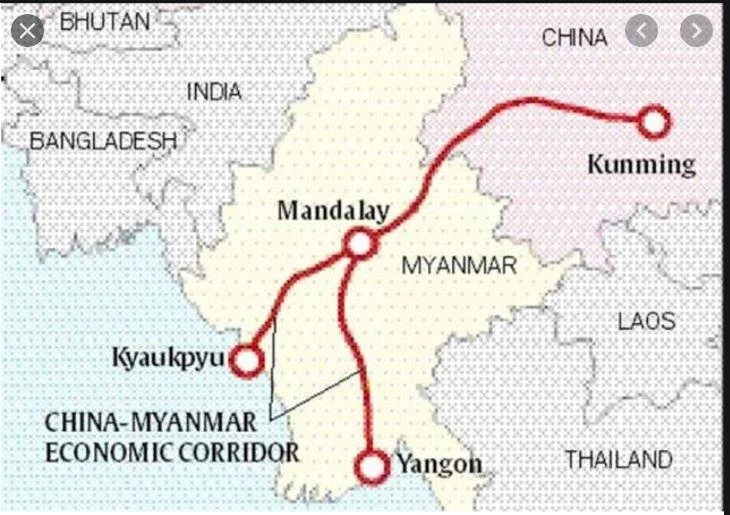
China’s long-term ambitions in Myanmar have taken on new urgency as wars in the Middle East disrupt vital shipping lanes and energy supplies. Analysts say Beijing now views the China–Myanmar Economic Corridor (CMEC) as a crucial alternative route to the Indian Ocean, bypassing chokepoints that could be blocked in times of conflict. Since the mid-1980s, China has sought to open trade routes through Myanmar to give its inland provinces direct access to the Bay of Bengal. While the CMEC was framed as an economic project, it has always carried strategic weight. With around 80 percent of China’s crude oil imports and much of its mineral trade crossing the Indian Ocean, instability in the Strait of Hormuz and wider Middle East has only heightened the corridor’s importance. Recent clashes in the region — including U.S. and Israeli strikes on Iran and retaliatory missile attacks — have disrupted energy flows and underscored China’s vulnerability. Beijing’s investments in Indian Ocean states such as the Maldives and Mauritius reflect its determination to secure influence across key maritime routes. Washington, meanwhile, fears that Chinese infrastructure projects could provide Beijing with vantage points to monitor U.S. military bases, notably Diego Garcia in the Chagos Archipelago. India has also stepped up its presence, expanding facilities in the Andaman and Nicobar Islands to guard the Strait of Malacca and surrounding waters. For China, Myanmar offers the only land-based alternative to these contested sea lanes. Pipelines and transport links through the corridor cannot replace maritime trade entirely, but they provide Beijing with a fallback option and a foothold in the Bay of Bengal. China’s support for Myanmar’s military regime, including praise for recent elections dismissed as a sham by Western governments, reflects this strategic calculus. As a new government prepares to take office in Naypyitaw, Beijing is expected to deepen its role as both patron and mediator. For the United States, the dilemma is clear: sanctions may be pushing Myanmar further into China’s orbit. Some voices in Washington are now calling for “calibrated engagement” to counter Beijing’s influence and secure access to rare earths. Caught between superpower rivalries, Myanmar’s future is increasingly shaped by forces far beyond its borders — with China’s strategic designs at the centre of the contest. -2026-03-25

-
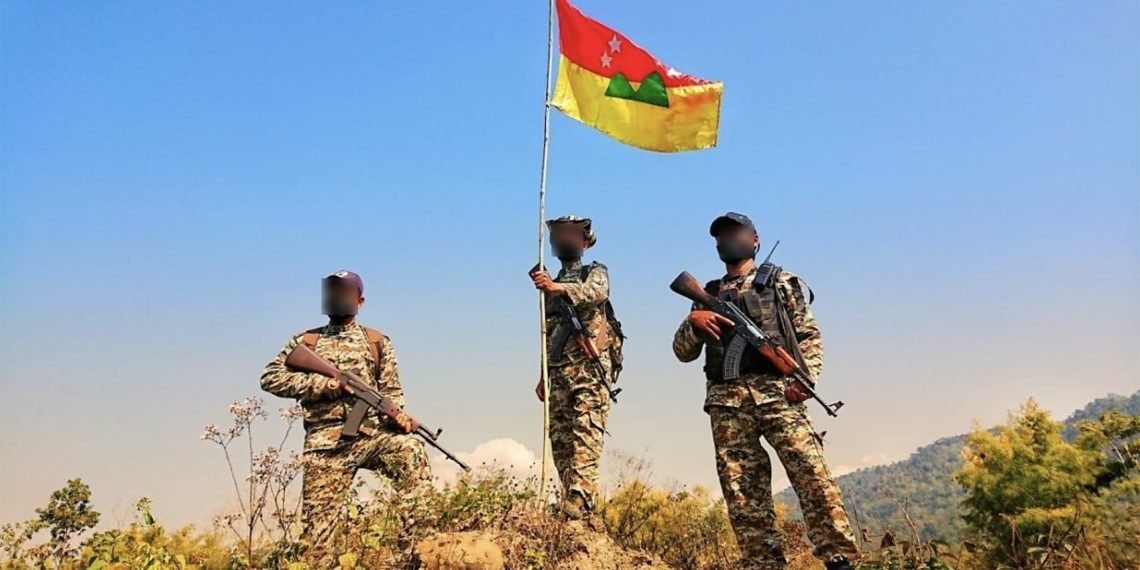
Two resistance fighters were killed and two others critically wounded on Sunday when infighting erupted between rival anti-regime groups in Tilin Township, Magwe Region. The Ground Operations Regional Office of the Yaw Defense Force (YDF) confirmed that its leader, Captain Kaung Kaung, and Corporal Sai Zaw Win died in an ambush carried out by their former mother group, the YDF, led by Myat Thu. Sergeant Myo Aung, a former teacher who joined the resistance after the 2021 coup, and another fighter were left in a critical condition. Both sides traded accusations on Monday. The splinter group claimed it was ambushed by 25 YDF fighters while holding conciliation talks with intelligence officers at an internet café in Ye Myat Ni village. The YDF countered that the clash occurred during an attempt to rescue two comrades allegedly kidnapped by Kaung Kaung’s faction. The Ground Operations Regional Office broke away from the YDF last year after disputes with Myat Thu. Despite peace talks brokered by the National Unity Government and other resistance actors earlier this month, tensions flared again. Agreements to release detainees and return seized weapons collapsed just one day before a scheduled meeting on 23 March. Accusations between the factions have grown increasingly bitter. The splinter group accuses Myat Thu of corruption, smuggling and brutality against his own comrades, while the YDF brands Kaung Kaung and ally Yaw Lin as mutineers responsible for prison breaks and deadly raids. The Yawland IDP’s Support Network condemned the attack, urging armed groups in the region to resolve disputes through dialogue rather than violence. The Yaw Region, comprising five townships in northern Magwe, has been a stronghold of resistance since the coup. But the killing of Captain Kaung Kaung highlights the growing risk of internal divisions undermining the broader struggle against Myanmar’s military regime. -2026-03-25

-
Cambodia’s human rights record showed no meaningful progress in 2025, according to a report released this week by the Cambodian Human Rights and Development Association (ADHOC). The findings highlight persistent restrictions on civic space and freedom of expression, sparking renewed calls for judicial reform. The report documented 215 cases of rights violations affecting more than 15,000 people. It pointed to growing pressure on activists, journalists, union members and students, with authorities frequently using “incitement” charges under the Criminal Code to curb online expression. Of 32 cases involving restrictions on free speech, nearly 60% led to pre-trial detention, many involving young people. ADHOC deputy head Yin Mengly described the report as a “constructive contribution” aimed at helping the government address systemic issues. The report noted that 92% of victims chose not to pursue legal action, citing a lack of trust in the justice system. Government officials, however, rejected the findings. Sreang Chenda of the Cambodian Human Rights Committee argued that evaluations should be based on comprehensive data rather than activism alone. “If individuals commit offences under the cover of activism, failing to apply the law would be dangerous for society,” he said, adding that Cambodia’s stability shows its 17 million citizens continue to enjoy legal freedoms. Other organisations echoed ADHOC’s concerns. LICADHO operations director Am Sam Ath said his group had also observed no improvement in the country’s rights situation. The debate reflects a wider struggle between civil society and the government over the boundaries of free expression. While officials insist that legal measures are necessary to maintain order, rights groups warn that the heavy use of incitement charges risks silencing dissent and eroding public trust. As Cambodia looks ahead, the report underscores the urgency of reforming its justice system and safeguarding fundamental freedoms — issues that remain at the heart of the country’s democratic aspirations. -2026-03-25


-
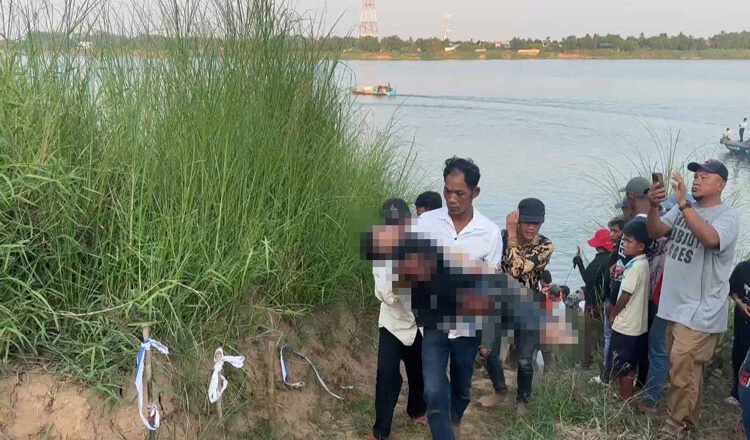
Three people have died and five others remain missing after a small boat sank in Phnom Penh’s Chroy Changvar district on Monday morning, highlighting once again the dangers of overloaded river transport in Cambodia. The accident occurred at around 10:30am on 23 March in Koh Dach commune. Fourteen passengers, including children, were travelling from Kandal province towards Kbal Koh village when their motorised boat capsized mid-river. Six were rescued, but eight were initially unaccounted for. By the afternoon, authorities had recovered three bodies, with search teams continuing to scour the waters for the remaining five. Local residents said the vessel was designed to carry no more than five people, raising suspicions that overloading was the primary cause of the disaster. Rescue operations were quickly launched, with Phnom Penh and Chroy Changvar district officials deploying boats and divers. Sok Penhvuth, Deputy Governor of the Phnom Penh Municipal Government, was present at the scene to oversee the search. River accidents are not uncommon in Cambodia, where small, often poorly maintained boats are used to ferry passengers across waterways. In recent years, similar incidents have claimed lives in provinces such as Kampong Cham and Kandal, often linked to overcrowding or lack of safety equipment. As of the latest update, search efforts remain underway, with families anxiously awaiting news of their missing relatives. The tragedy has reignited calls for stricter enforcement of passenger limits and improved safety standards on Cambodia’s rivers, where transport remains a lifeline for many communities. This latest incident underscores a recurring problem: the reliance on fragile boats for daily travel, and the devastating consequences when safety rules are ignored. -2026-03-25

-
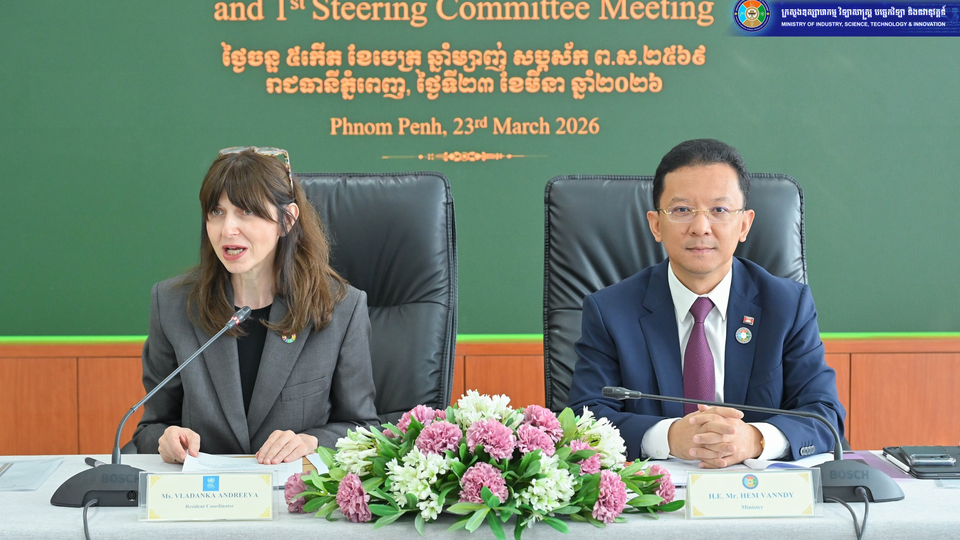
Kiripost Cambodia has unveiled a new programme to expand access to climate-resilient water services, targeting communities most vulnerable to droughts, floods and poor infrastructure. The Water Infrastructure & Smart Energy Joint Programme (WISE JP), launched Monday with support from UNICEF and the UN Capital Development Fund, aims to modernise the country’s water supply sector while advancing its climate commitments. At the heart of the initiative is a blended-finance model that combines concessional and commercial capital to lower borrowing costs for private water operators. By easing access to affordable finance, the scheme is expected to accelerate investment in renewable-powered water systems and digital management technologies. Officials say the programme could improve services for more than 200,000 people nationwide. Science minister Hem Vanndy described WISE JP as a milestone in Cambodia’s efforts to modernise water infrastructure. “Private water operators play a vital role in serving our people, particularly in areas not reached by public utilities. Yet they continue facing challenges accessing affordable finance,” he said. The programme comes at a critical time: an estimated 1.9 million Cambodian children live in areas facing high climate risks and inadequate water, sanitation and hygiene services. UN resident coordinator Vladanka Andreeva stressed the importance of climate-resilient water access for family well-being and children’s health. “Through the WISE JP, Cambodia is taking a bold step to ensure that children and families — especially those in hard-to-reach areas — benefit from affordable and sustainable clean water powered by renewable energy,” she said. Beyond financing, the initiative will provide technical support to water operators, banks and the Credit Guarantee Corporation of Cambodia, helping reduce investment risks and strengthen capacity. It also aligns with Cambodia’s National Strategic Development Plan and its climate pledges under the Paris Agreement. Development partners hope the model can be replicated across other sectors, as Cambodia faces mounting pressure to adapt to climate change while sustaining economic growth. For now, WISE JP represents a significant step toward ensuring clean water access and resilience for the country’s most vulnerable communities. -2026-03-24

-
Cambodia’s vast limestone caves have revealed a treasure trove of biodiversity, with scientists uncovering several species previously unknown to science — including a turquoise pit viper, a flying snake, and multiple geckos. The discoveries were made during a two-year survey of 64 caves across Battambang province, led by UK-based conservation charity Fauna & Flora in partnership with Cambodia’s Ministry of Environment. The findings, published Monday, highlight the caves’ role as isolated “island laboratories” where evolution runs its course independently, producing unique life forms found nowhere else. Among the standout discoveries are three gecko species still being formally named, alongside two micro-snails and two millipedes. Researchers also identified distinct populations of the striped Kamping Poi bent-toed gecko, each evolving differently depending on its cave environment. “If we are truly going to conserve biodiversity, we need to understand what is there,” said evolutionary biologist Lee Grismer, who supported the survey. The caves are home not only to newly described species but also to globally threatened animals such as the Sunda pangolin, green peafowl, and long-tailed macaque. Some caves host bat colonies numbering up to a million, though researchers avoided these for health reasons. Fieldwork often took place at night, with teams combing rocky terrain by torchlight to spot snakes and geckos when most active. “It was kind of a nice search party,” said conservation biologist Pablo Sinovas, who led the team. Yet these fragile ecosystems face growing threats. Karst landscapes, which cover about 9% of Cambodia, are increasingly targeted for cement extraction, logging, hunting, and overtourism. Conservationists warn that destroying such habitats risks wiping out species before they are even described. Efforts are now under way to secure protective status for parts of the karst landscape. As Sinovas put it, researchers have only “scratched the surface” of what lies hidden in Cambodia’s caves — a reminder that the race to explore and conserve is as urgent as the discoveries themselves. -2026-03-24


-
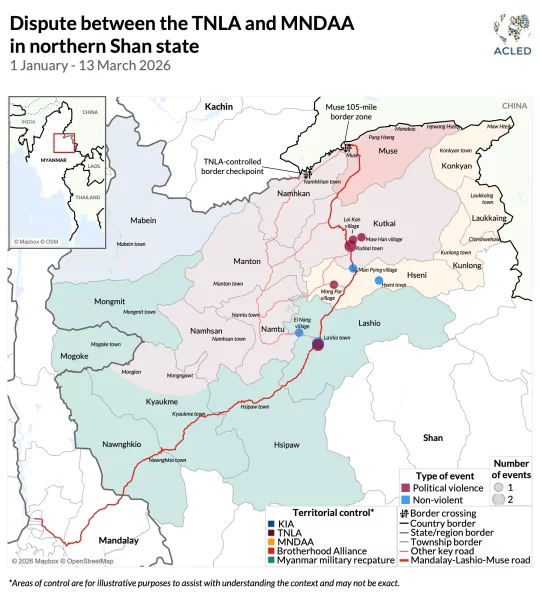
acled data Myanmar’s Brotherhood Alliance, once seen as a united front against the military regime, is showing cracks after fierce clashes between two of its members — the Myanmar National Democratic Alliance Army (MNDAA) and the Ta’ang National Liberation Army (TNLA). The MNDAA’s capture of Kutkai town in northern Shan state marks more than a territorial dispute; it signals a strategic tilt towards Beijing. The fighting, which erupted on 14 March and lasted four days, ended with the TNLA conceding control of Kutkai after heavy losses. The town sits on the Lashio-Muse trade route, a vital corridor linking Myanmar to China’s Yunnan province. Control of this artery is crucial, not only for local power but also for Beijing’s economic and security interests. The MNDAA’s operation was strikingly coordinated, involving drone strikes and the removal of TNLA flags from shared zones. Analysts suggest the offensive was designed to consolidate MNDAA influence along the trade corridor, aligning with China’s preference for stable, compliant actors. Beijing, which views the TNLA as closer to anti-coup resistance groups, remained notably restrained during the clashes, discouraging mediation efforts and allowing the MNDAA to press ahead. The Brotherhood Alliance, which seized large areas from the military during Operation 1027 in 2023–24, now faces internal fractures. The TNLA had administered Kutkai since that campaign, but tensions with local Kachin communities and rival groups simmered. Disputes over governance and surveillance escalated into armed confrontation, exposing the alliance’s fragility under Chinese pressure. For the TNLA, the loss of Kutkai is a serious setback. It weakens resistance logistics and mobility along the Lashio-Muse route, while bolstering the military’s access in northern Shan state. The MNDAA’s strengthened position could also threaten TNLA strongholds in Namhkan and areas near Lashio. The episode underscores Beijing’s growing influence in Myanmar’s conflict landscape. By tacitly backing the MNDAA, China has reshaped the balance of power along its border, prioritising stability over alliance cohesion. For Myanmar’s resistance groups, the message is clear: China’s hand will weigh heavily on the battles to come. -2026-03-24

-
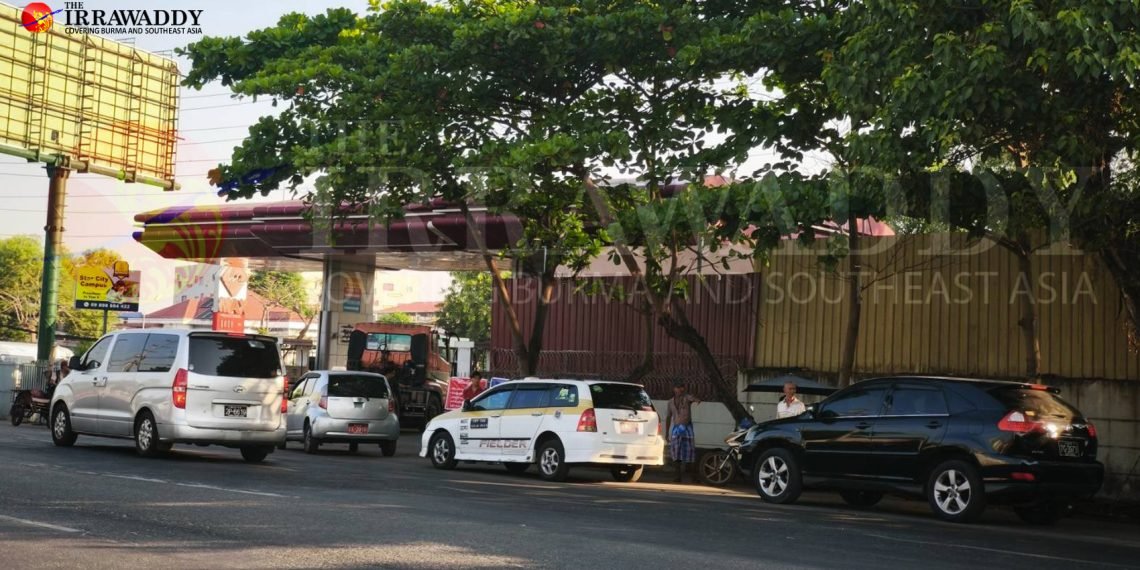
The Irrawaddy Myanmar’s military regime has announced sweeping new fuel restrictions, limiting motorists to just two refills per week as shortages deepen across the country. The move replaces the “odd-even” rationing system introduced earlier this month and is set to take effect in the coming weeks, according to the junta’s Information Ministry. The tightening of rules comes amid mounting frustration at filling stations, where pumps are running dry within hours of opening. In Yangon, motorists report queuing for miles overnight, only to find stations closing after two or three hours. “Lines of vehicles are building up at gas stations overnight,” one resident said, describing the situation as chaotic. Despite insisting that reserves of diesel and petrol are sufficient for another 50 days, the regime has ordered government staff to work from home every Wednesday and urged private companies to follow suit. The measures highlight the strain on Myanmar, which relies on imports for around 90 percent of its fuel needs. Prices have surged dramatically in recent days. In Yangon, Premium Diesel jumped from 3,560 kyats to 4,820 kyats per litre overnight, while Octane 92 rose from 2,830 to 3,610 kyats. On the black market, Octane 92 is trading at up to 10,000 kyats. Mon State has emerged as the most expensive region, with Premium Diesel topping 5,110 kyats per litre. The rationing system itself has been plagued by problems. A digital platform introduced to enforce quotas has been criticised for glitches and fraud, with motorists reporting stolen vehicle IDs being used to claim fuel. Unregistered motorcycles, the backbone of rural transport, remain outside the system entirely. Residents warn that the crisis is rippling beyond the forecourts. Rising transport costs are pushing up food prices, with some stations in Mon State opening only once every three days. “People are queuing for hours to refill,” one local said, adding that purchases are capped at 5,000 kyats for motorcycles and 10,000 kyats for cars. With fuel shortages worsening and daily life increasingly disrupted, Myanmar faces a growing economic squeeze. For ordinary citizens, the struggle to secure fuel has become yet another burden in a country already grappling with political turmoil and international isolation. -2026-03-24

-
Cambodia is facing a mounting public health crisis as alcohol consumption spirals out of control, particularly among its youth. Once known for its Buddhist restraint, the country has seen drinking become a social norm, with beer cheaper than soft drinks and no legal age restrictions on purchase or consumption. Across Phnom Penh, shopfronts turn into makeshift bars each evening, serving endless cans of Cambodia beer. Behind the laughter lies a troubling reality: underage binge drinking is fuelling school dropouts, gang activity, drug use, and domestic violence. Experts warn the nation’s limited resources leave it ill-equipped to confront the fallout. “There’s definitely a connection between mental illness and alcohol consumption,” says Father Kevin Conroy, a Catholic priest and mental health expert who has worked in Cambodia for two decades. He describes seeing children as young as ten drinking beer at village gatherings — a stark illustration of how deeply alcohol has penetrated everyday life. Campaigners point to three main drivers: low taxes making alcohol cheap, aggressive marketing targeting young people, and unrestricted availability. “Alcohol has no regulation,” says Yong Kim Eng of the PDP-Center, noting that even monasteries sell and consume alcohol. While some communes have introduced local age limits, enforcement remains patchy. The statistics are sobering. A 2023 health survey found nearly a third of drinkers were aged 15 to 18, while 70 percent of men consume alcohol, with one in ten drinking daily. The World Health Organization has long warned of the risks, linking alcohol to over 200 diseases, traffic accidents, and violence. Yet Cambodia’s government, stretched thin by economic and political pressures, has struggled to respond. Recent steps include banning adverts that encourage excessive drinking or use women to promote alcohol, but campaigners argue these measures barely scratch the surface. With alcohol normalised in social life and marketed as aspirational, the country’s young population — median age just 26 — is particularly vulnerable. As researcher Pa Chanroeun of the Institute of Democracy of Cambodia warns: “Young people are the future leaders, but are being damaged by alcohol use.” Without stronger regulation and support systems, Cambodia risks sacrificing its next generation to a crisis hiding in plain sight. -2026-03-22


-
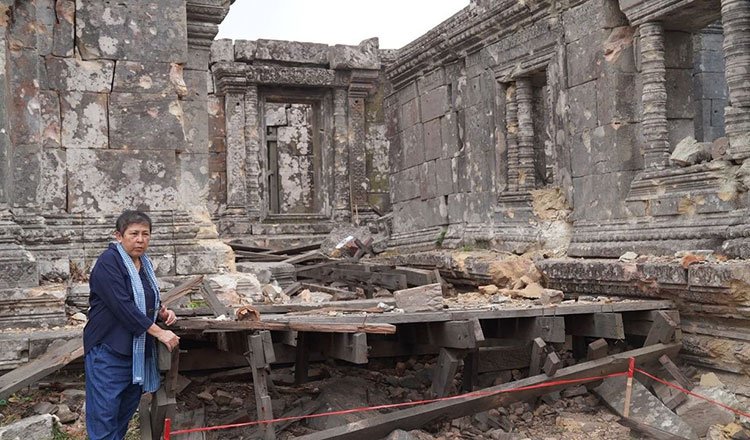
Cambodia’s Culture Minister Phoeurng Sackona has sounded the alarm after inspecting the Preah Vihear temple, declaring the destruction inflicted by Thai military aggression in 2025 to be far more severe than previously documented. During her visit on 20 March, Sackona was joined by Preah Vihear provincial governor Kim Rithy, senior officials from the Preah Vihear National Authority, and representatives of APSARA. Together, they surveyed collapsed structures and shattered stonework across the UNESCO World Heritage site. “The damage and structural collapses observed directly are hundreds of times greater than earlier reports,” Sackona said, expressing deep shock at the scale of devastation. Initial assessments had recorded 562 damaged locations, but the Minister confirmed the true extent is far worse. The temple, perched on the Cambodian-Thai border and long regarded as a symbol of Khmer heritage, was struck during clashes in July and December last year. Officials documented 142 instances of damage in July and a further 420 in December, affecting key areas from Poey Ta Di through Gopura I to Gopura V. Restoration projects supported by international partners — including India’s work at Gopura V and a US-funded staircase restoration — were also hit, alongside the Keo Sikha Kiri Svara pagoda adjacent to the temple. Sackona stressed that cultural property must never be targeted in war, citing obligations under the 1972 World Heritage Convention and the 1954 Hague Convention. “All countries have an obligation to protect cultural property,” she said, underscoring Preah Vihear’s status as “a valuable asset of humanity.” For Cambodia, the damage is not only architectural but deeply symbolic. Preah Vihear embodies centuries of history and spiritual identity. Its destruction is felt as a national wound, highlighting the urgent need for stronger international safeguards to protect heritage sites from the ravages of conflict. -2026-03-23

-
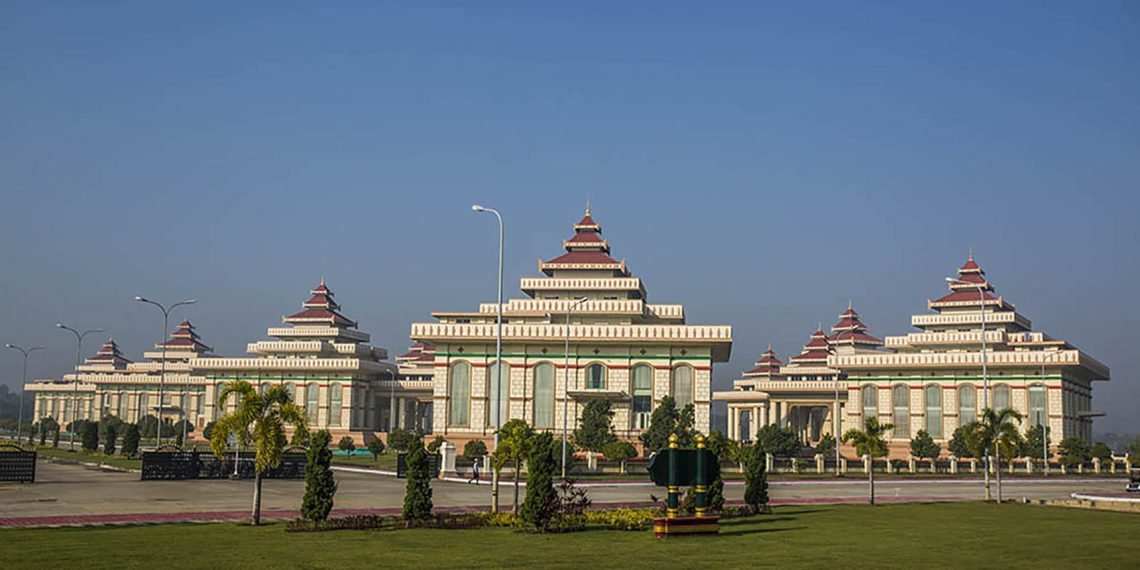
Myanmar’s parliament has confirmed it will begin the process of electing a new president on 30 March, a move that could cement the military’s grip on power five years after its coup. Officials from the Pyidaungsu Hluttaw said the military, along with the upper and lower houses of parliament, will each nominate a candidate. After vetting, one will be chosen as president, while the other two will serve as vice presidents. State media broadcast the announcement but gave no timeline for the vetting or final vote. Analysts widely expect junta chief Min Aung Hlaing to secure the presidency, though constitutional rules require him to step down as Commander-in-Chief before becoming eligible. Independent analyst Htin Kyaw Aye explained: “Since Min Aung Hlaing aspires to the presidency, he must step down from his current role as Commander-in-Chief to be eligible under the 2008 constitution.” The announcement follows elections in December and January, criticised internationally as favouring the military-backed Union Solidarity and Development Party. Observers say the process is unlikely to signal a democratic transition. “This is not a transition to democracy, but rather a transformation from a military-clad dictatorship to a civilian-clothed one,” Htin Kyaw Aye added. Myanmar has been in turmoil since February 2021, when the military ousted the elected civilian government led by Aung San Suu Kyi. The coup triggered mass protests that evolved into armed resistance across the country. As parliament prepares for its presidential vote, many fear the outcome will reinforce military dominance rather than open the door to genuine reform. -2026-03-23

-
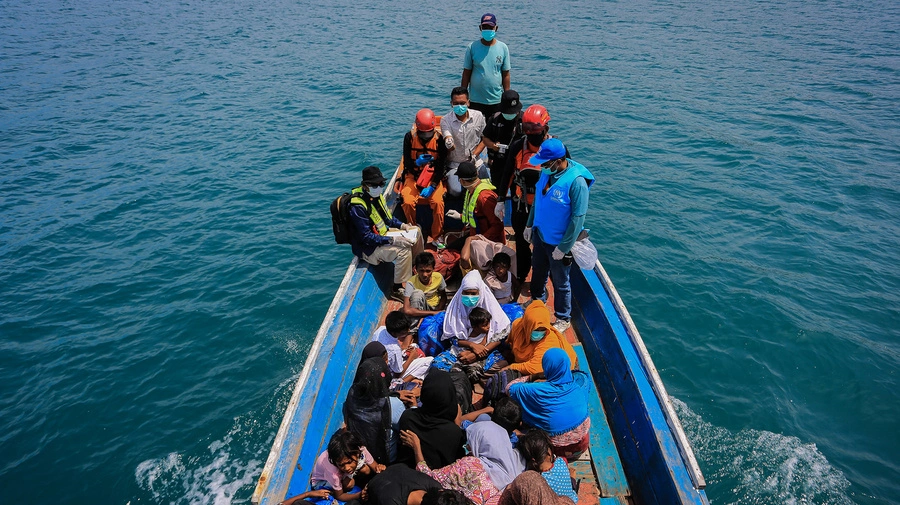
UNHCRA hidden maritime network in the Andaman Sea is sustaining Myanmar’s military junta and deepening the Rohingya tragedy. Known as the “ghost fleet,” these vessels operate invisibly, switching off tracking systems to evade detection while trafficking both people and fuel. The Rohingya, stripped of citizenship in 1982 and described by the UN as victims of “ethnic cleansing,” continue their perilous exodus from Rakhine State. Many attempt crossings from Bangladesh’s Teknaf coast, only to be packed onto overcrowded boats bound for the Andaman Sea. Once at sea, traffickers deploy the so‑called “Ghost Protocol,” disabling transponders and turning vessels into floating prisons. Refugees are held in appalling conditions, while crews themselves are often coerced into months of unpaid labour. The same clandestine routes also serve the junta’s war machine. Ship‑to‑ship transfers in international waters deliver sanctioned jet fuel from Russia and Iran, enabling airstrikes by Chinese‑made aircraft against civilians. Documents are falsified to disguise the fuel’s origin, laundering it through Southeast Asian ports. Without these operations, analysts say, the junta would struggle to sustain its bombing campaigns. The humanitarian toll is staggering. Data from 2025–26 shows one in five people attempting the Andaman Sea route is missing or dead, with more than 600 confirmed victims last year alone. Survivors face “informal pushbacks,” as boats are bounced between Thailand, Malaysia and Indonesia, often under armed threat. Despite the UN’s High Seas Treaty coming into force in January 2026, fragmented sovereignty and rapid “reflagging” of vessels allow shipowners to escape accountability. As the International Court of Justice pursues a genocide case against Myanmar, the Rohingya crisis at sea highlights a broader criminal architecture. Invisible fleets exploit legal loopholes, shadow states and digital silence to operate beyond the reach of law. For those trapped aboard, every deactivated signal is more than a technical manoeuvre — it is a denial of humanity. Until the ghost fleet is confronted, the Andaman Sea will remain a corridor of impunity, where the movement of oil and people sustains both profit and persecution. -2026-03-23

-
Three leading figures in Yangon’s gold industry have been sentenced to three years in prison with hard labour, as Myanmar’s military authorities tighten their grip on the domestic market. The ruling, delivered on Wednesday morning at Pabedan Township Court, saw U Myo Myint, chairman of the Yangon Region Gold Entrepreneurs Association, alongside U Myo Thu Win and U Nay Myo Htet, convicted under the Essential Supplies and Services Law. Each was fined 500,000 kyats, while assets linked to their trading activities were confiscated. The junta accuses the men of destabilising the market by purchasing large quantities of gold at external rates and reselling at higher prices. Officials claim this practice undermined the government’s reference price system, which is set below global market levels. The charges stem from transactions made between December 2025 and January 2026, including U Myo Myint’s purchase of 70 ticals of gold. Gold traders, however, argue that the authorities are punishing them for responding to international fluctuations. They insist that domestic prices naturally follow global trends, and that forcing sales at the junta’s fixed rate is unrealistic. “The market doesn’t move at the government’s pace,” one trader told local media, highlighting the widening gap between official figures and real-world transactions. The case underscores the military’s broader efforts to control essential commodities, from fuel to food, as Myanmar’s economy struggles under sanctions and instability. Analysts say the crackdown on gold traders is part of a wider campaign to project authority and curb speculation, though critics warn it risks driving trade underground. For families and businesses reliant on gold as a hedge against inflation, the verdict adds fresh uncertainty. With three of the industry’s most prominent players now behind bars, questions remain over how the junta will balance its desire for control with the realities of a volatile global market. -2026-03-22


-
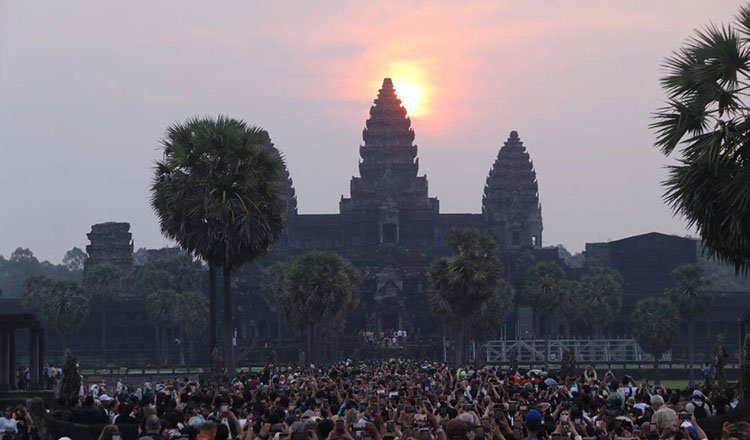
Siem Reap – Cambodia is preparing for one of its most spectacular natural and cultural events: the equinox sunrise at Angkor Wat. From 19 to 23 March, visitors will witness the sun rising directly over the temple’s central tower, a rare alignment that highlights the architectural and astronomical brilliance of the Khmer Empire. The APSARA National Authority, which manages the UNESCO World Heritage site, has deployed public order and tourism agents to ensure smooth traffic flow, safety, and cleanliness as tens of thousands of visitors are expected. In 2025, the equinox drew around 80,000 national and international tourists, underlining its growing global appeal. The equinox occurs twice a year, when day and night are of equal length. At Angkor Wat, the phenomenon takes on unique significance: the temple’s design, dating back to the early 12th century, was carefully aligned with celestial movements. Scholars see this as evidence of the Khmer Empire’s mastery of both engineering and cosmology. Angkor Wat itself remains Cambodia’s most iconic landmark, attracting millions annually. Built under King Suryavarman II, it was originally dedicated to the Hindu god Vishnu before becoming a Buddhist site. Its equinox sunrise is now celebrated as a living testament to the empire’s enduring legacy. For Cambodia, the event is more than a tourist attraction. It is a moment of cultural pride, showcasing the country’s heritage to the world and reinforcing Angkor Wat’s status as a symbol of national identity. With visitors arriving from across the globe, the equinox continues to bridge past and present, drawing attention to the artistry and vision of the Khmer civilisation. -2026-03-22

-
Phnom Penh – Cambodia’s social protection system has more than doubled in reach since 2017, now covering over 7.9 million people, according to figures released at a national seminar on 19 March. Chan Narith, Secretary of State at the Ministry of Economy and Finance and Secretary-General of the National Council for Social Protection, said the expansion reflects significant progress in strengthening support for citizens. Coverage has grown from 3.3 million people in 2017, with the National Social Assistance Programme alone now reaching 4.84 million – around 28 per cent of the population. The government has introduced new initiatives alongside existing schemes, ranging from family assistance packages and school meals sourced from local agriculture to vocational training for vulnerable youth. Relocation support for communities in Siem Reap province, the Health Equity Fund, and cash transfers for pregnant women and children under two have also been rolled out. In 2025, the government allocated more than 1,027 billion riels (about $257 million) to fund these programmes. Meanwhile, the social security system covered 3.9 million citizens, supported by 1,700 billion riels (around $425 million) in government funding and member contributions. This system provides pensions, healthcare, and occupational risk protection. Officials emphasise that the expansion demonstrates Cambodia’s commitment to accountability and transparency in social protection. For many, the doubling of coverage marks a turning point in efforts to reduce poverty and vulnerability, ensuring that millions more citizens benefit from state-backed support. -2026-03-20

-
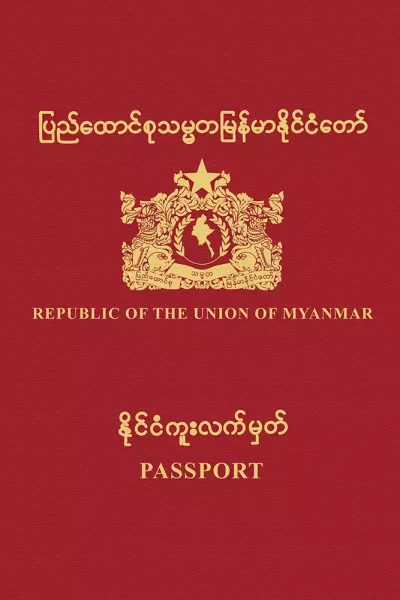
Yangon – Myanmar’s military regime has passed a new passport law requiring all citizens to upgrade to biometric e-passports, sparking fears of surveillance and abuse. The legislation, approved on Tuesday, mandates that existing passports be replaced as early as next year with e-passports linked to digital ID cards introduced in 2024. These IDs store fingerprints and facial recognition data. A central 10-member Issuance Board, chaired by the deputy home affairs minister, will hold sweeping powers to approve or reject applications. Critics warn the law could be weaponised against dissidents and ordinary citizens alike. Article 6 allows the board to cancel passports and blacklist applicants if notified by “relevant ministries,” while Article 29 permits denial to anyone deemed to be engaged in “subversive activities.” Legal experts say such vague terms effectively give officials arbitrary authority to target opponents. “This is administrative weaponisation of the law to target political dissents,” one lawyer told the Irrawaddy. Digital rights advocates echo the concern, noting Myanmar lacks any effective data protection framework. “E-passports may be positive elsewhere, but here they carry serious risks absent legal safeguards,” said Thit Nyan of the Myanmar Internet Project. The move is particularly troubling for thousands who joined the Civil Disobedience Movement after the 2021 coup. Many fled abroad, but critics fear their passports could now be cancelled or refused renewal, leaving them stranded. Since the coup, the junta has detained more than 22,400 people and killed nearly 8,000, according to the Assistance Association for Political Prisoners. A UNDP youth report last year found nearly 40 per cent of young people would consider leaving the country if given the chance – precisely the group opposition figures say the new law is designed to restrict. For Myanmar’s citizens, the e-passport law is less about modernisation than control, tightening the regime’s grip on freedom of movement and deepening fears of surveillance in a country already scarred by repression. -2026-03-20

-
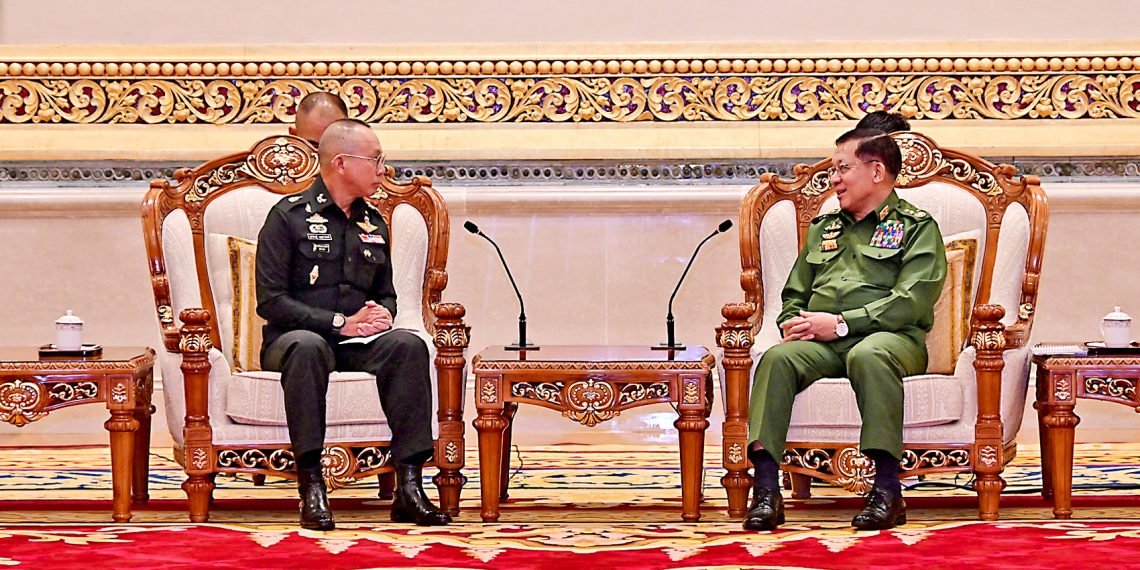
Naypyitaw – Thailand’s army chief has met Myanmar’s junta leaders just as Washington intensified criticism of the country’s role in hosting online scam centres. General Ukris Boontanondha held talks on Wednesday with junta leader Min Aung Hlaing, joined by deputy chief Soe Win, newly appointed army chief Ye Win Oo, and Chief of General Staff Kyaw Swar Lin. According to junta media, discussions covered border stability, narcotics trafficking, illegal trade, haze pollution, and cooperation against scam‑centre networks – an issue now under sharp US focus. At the same time in Washington, FBI Director Kash Patel told the Senate Intelligence Committee that large scam compounds, some allegedly backed by China’s Communist Party, were operating along the Thai border in Cambodia and Myanmar. He vowed the US would “shut down every single scam‑centre compound,” stressing their impact on American citizens. The FBI’s Bangkok office has already coordinated with Thai police, releasing images of agents monitoring scam sites across the border. Beyond security, the Thai and Myanmar military leaders also exchanged views on political developments. Thailand’s parliament recently re‑elected Anutin Charnvirakul as prime minister, while Myanmar’s military‑dominated parliament is expected to select Min Aung Hlaing as president next week. Analysts say succession within the junta is being closely watched, with Ye Win Oo seen as a rising contender for commander‑in‑chief. Observers noted unusual dynamics at the meeting, including Kyaw Swar Lin hosting Ukris separately for lunch, fuelling speculation about shifting alliances within the junta’s senior ranks. Thailand has stepped up engagement with Myanmar in recent weeks. On 25 February, Thai Air Force chief Sakesan Kantha met Min Aung Hlaing and Ye Win Oo in Naypyitaw. The Thai ambassador, a senior army general, and the foreign minister have also held talks with junta officials. Bangkok’s diplomacy reflects both regional security concerns and economic interests. Thailand, Myanmar and China are coordinating operations against scam‑centre networks, while Bangkok is eager to reopen border gates near Myawaddy – closed for months due to clashes – to resume trade worth billions of baht. -2026-03-20