



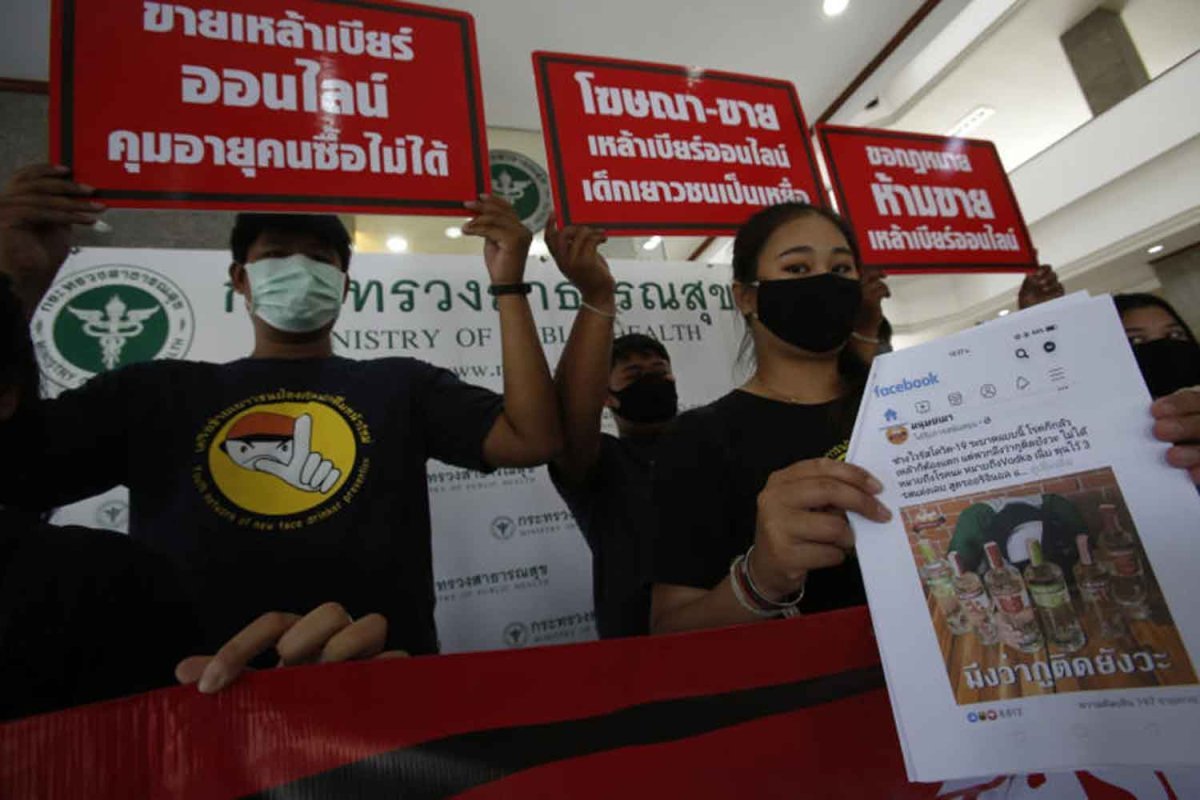

A recent amendment to Thailand's Alcoholic Beverage Control Act significantly strengthens penalties for selling alcohol to minors and intoxicated individuals. Under the new law, sellers face up to one year in prison and/or a 100,000 baht fine for such violations. Additionally, the law establishes civil liability for vendors if intoxicated customers cause harm, aligning with international practices.
Get today's headlines by email 
The reform is backed by a Department of Disease Control regulation effective since March 28, which provides guidelines for identifying intoxication through observable symptoms. This regulation helps vendors nationwide apply consistent criteria when deciding to refuse a sale. Withoo Phrueksanan, a health law expert, views the changes as a significant "legal advance" toward global standards, incorporating principles such as "dram shop liability."
While these changes aim to shift sellers' roles to risk management, there are practical challenges. Research in provinces like Chachoengsao, Chiang Rai, Khon Kaen, and Surat Thani indicates that most vendors rely on basic observation, finding sobriety tests impractical in real settings. Businesses express concerns over proving a customer’s intoxication at the sale time, leading some to adopt new strategies like installing CCTV or adjusting operating hours.
To ensure effective enforcement, Dr. Withoo suggests practical tools, staff training, and legal protections for businesses. These steps are critical for transitioning smoothly to this new regulatory framework without hindering compliant vendors.
Join the discussion? 
Already a member? 
 Adapted by ASEAN Now · Bangkok Post · 13 Apr 2026
Recommended Comments
Create an account or sign in to comment