





Street vendors in Bangkok say long hours and falling returns are straining livelihoods, as tighter city regulations and a weak economy reshape life on the pavement. Interviews published on 28 February 2026 highlight reduced sales, relocation pressures and rising costs affecting small traders across the capital. Many report that profits have not recovered since the Covid-19 pandemic and remain unpredictable.
Get today's headlines by email 
For decades, vendors have supplied affordable food to office workers, labourers and tourists, forming a recognised part of Bangkok’s street culture. However, under a Bangkok Metropolitan Administration (BMA) programme begun in 2017 to clear pedestrian walkways and enforce sanitary rules, more than 250 vending zones along routes such as Silom, Sarasin and Witthayu roads have been removed. Authorities have promoted Singapore-model hawker centres as alternatives.
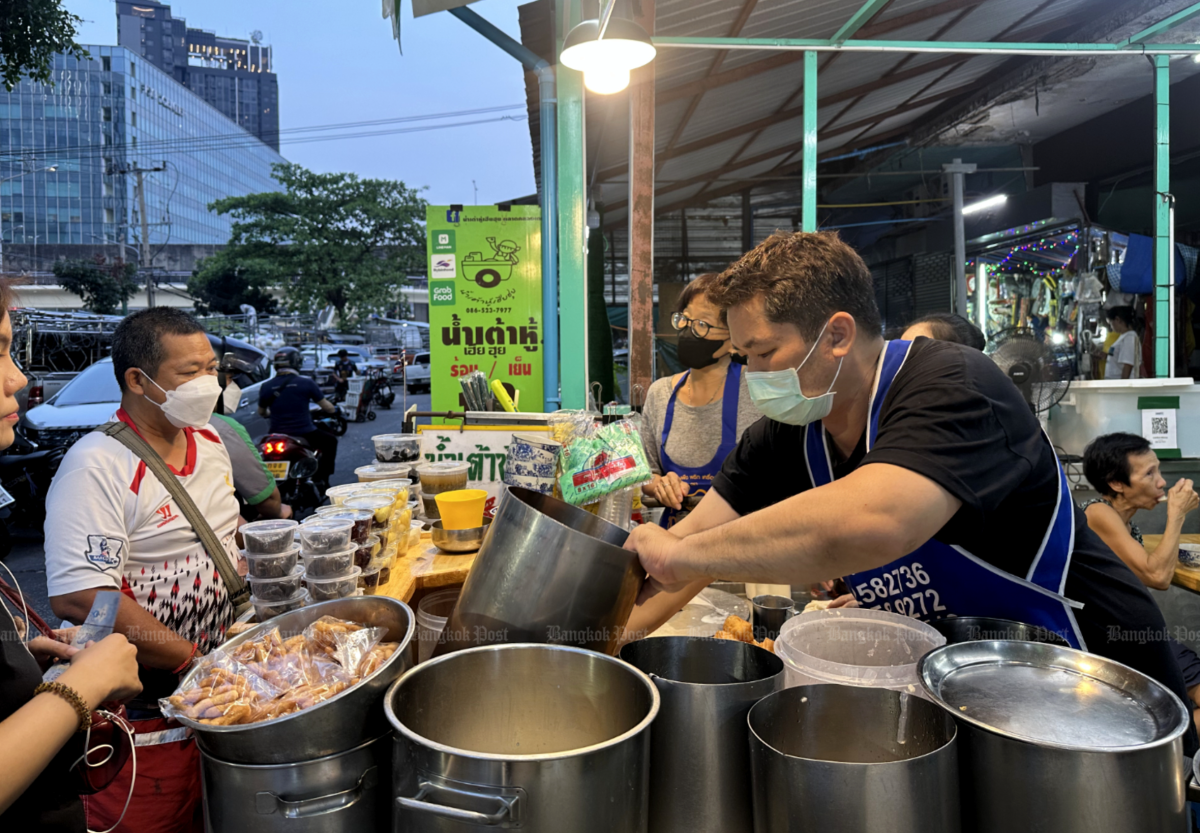
Sivarod, 42, second-generation owner of Hia Hui Soy Milk in Khlong Toey, said his shop was moved about 450 metres from Ratchadaphisek Road to an inner market area with less than a month’s notice. “Authorities didn’t give us enough time to inform our customers about the relocation. They just did it right away,” he said. He added that sales were stronger during a recent government co-payment stimulus scheme but have since declined.
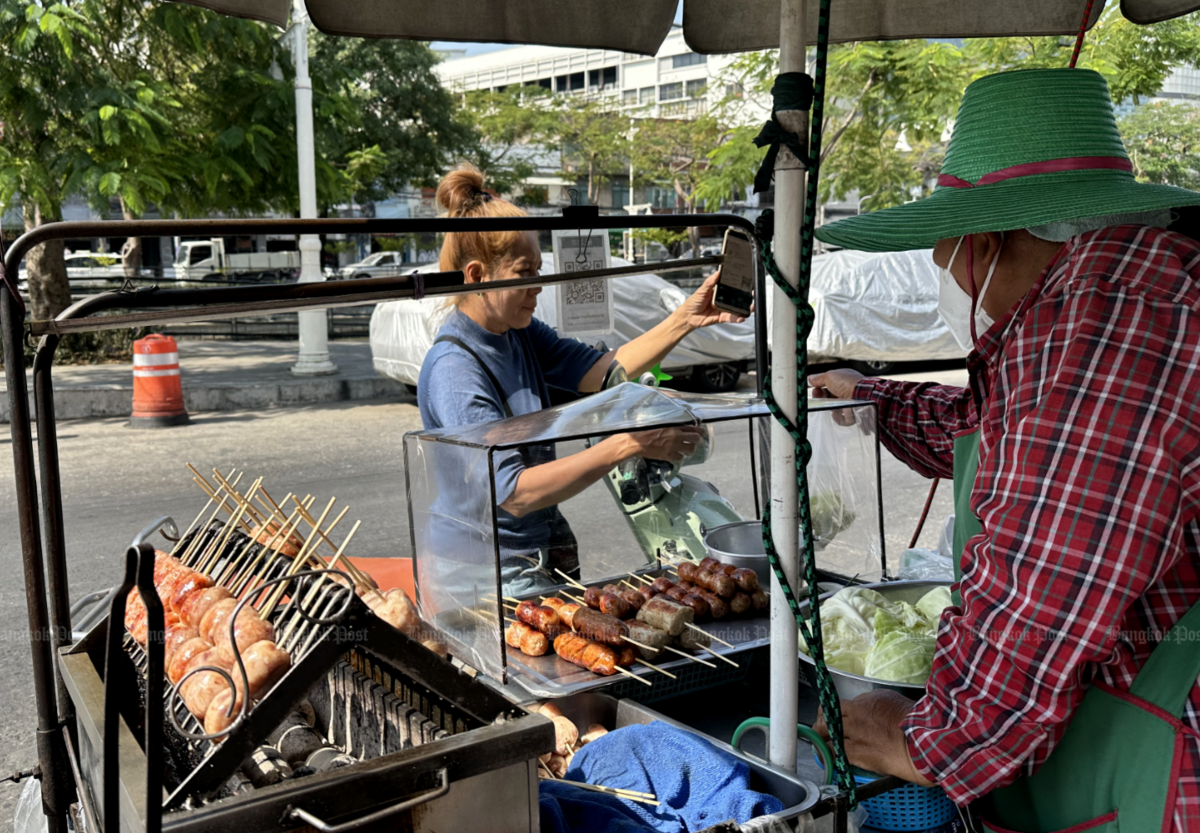
Koi, 53, from Ubon Ratchathani, who sells Isaan sausages in the Luk Luang area of Dusit district, said rising goods prices and steady profits have reduced earnings. She recalled that New Year and Songkran once brought strong tourist sales, but “now it depends on luck”. She also alleged that illegal foreign workers take over market spaces and that officials sometimes accept money before ceasing inspections.
On Yaowarat Road, Anne, 59, who has sold mango sticky rice with her husband for more than 20 years, said profits have been unstable since Covid. “Before Covid, we could predict daily profits, but they have declined and have never been stable since then,” she said. She linked economic conditions to politics and corruption, saying she believed the economy would be better without such problems.
A 71-year-old vendor selling Thang Thong on Lan Luang Road said daily profits have fallen from 800–1,000 baht in the past to 200–300 baht now. She said she was too old to change jobs and would continue selling as long as she could.
Street vendors are among more than 20 million informal workers in Thailand. While they can enrol in Social Security under Section 40, benefits remain limited compared with the formal system. The Federation of Street Vendors in Bangkok and the Federation of Informal Workers (Thailand) are calling for recognition of street vending as a legitimate occupation, fair selling spaces and stronger occupational security.
The Bangkokpost reported that how authorities respond to these calls, and whether economic conditions improve in 2026, will shape the outlook for vendors seeking stability in the capital.
Pictures courtesy of Bangkok Post
Join the discussion? 
Already a member? 
 Adapted by ASEAN Now Bangkokpost 1 Mar 2026
Recommended Comments
Create an account or sign in to comment