





The Department of Marine and Coastal Resources (DMCR) has partnered with students from the King Prajadhipok’s Institute to develop a Line Official Account platform called “SeaSight” to boost public participation in tackling marine litter. The prototype was discussed on 1 March 2026 as part of efforts to address plastic pollution and abandoned fishing gear harming marine ecosystems. The initiative aims to turn smartphones into tools for reporting waste and protecting vulnerable sea life.
Get today's headlines by email 
Marine pollution, particularly plastic debris and discarded fishing equipment, has increasingly threatened coral reefs and rare marine species, especially sea turtles. Turtles often become entangled in nets or ingest plastic bags mistaken for jellyfish, leading to severe injury, digestive failure and death. Coral reefs and other marine habitats are also at risk as waste accumulates along coastlines and underwater.
The SeaSight prototype was developed by Group 4, known as “Woodpeckers”, from the 15th class of the Advanced Political and Governance in Democracy programme (APGD 15) at King Prajadhipok’s Institute. The group held discussions with the DMCR to refine the platform and explore its practical application. The meeting was chaired by Dr Pinsak Suraswadi, Director-General of the DMCR, with senior officials including Sumana Khajorwattanakul, Director of the Marine and Coastal Resources Research and Development Institute, and Phaitoon Panchaiyaphum, Director of the Coastal Community Participation Promotion Division.
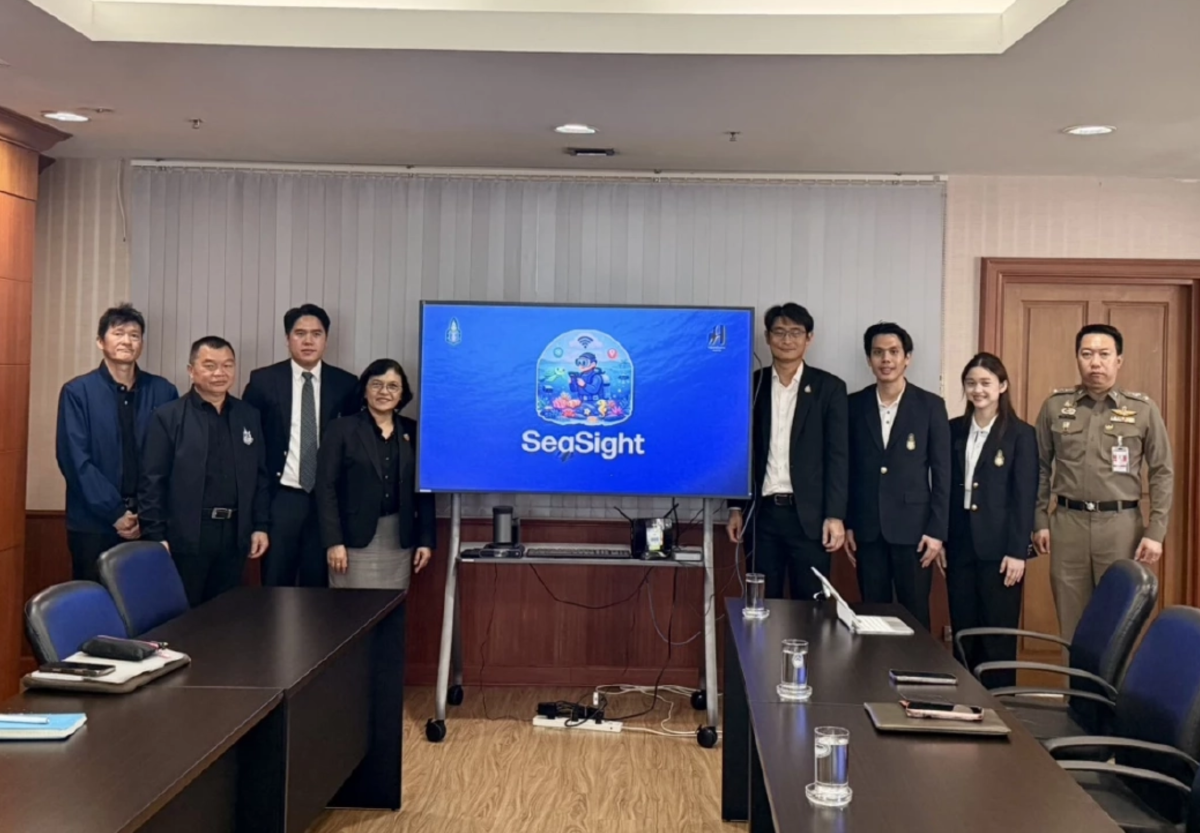
The project is designed under the concept of advancing “marine environmental democracy”. It seeks to enable citizens, tourists and agencies to report marine litter or irregularities along beaches and coral reefs through the LineOA system. Submitted data, including photographs and location details, will be compiled into a central database to support systematic and transparent management and conservation planning.
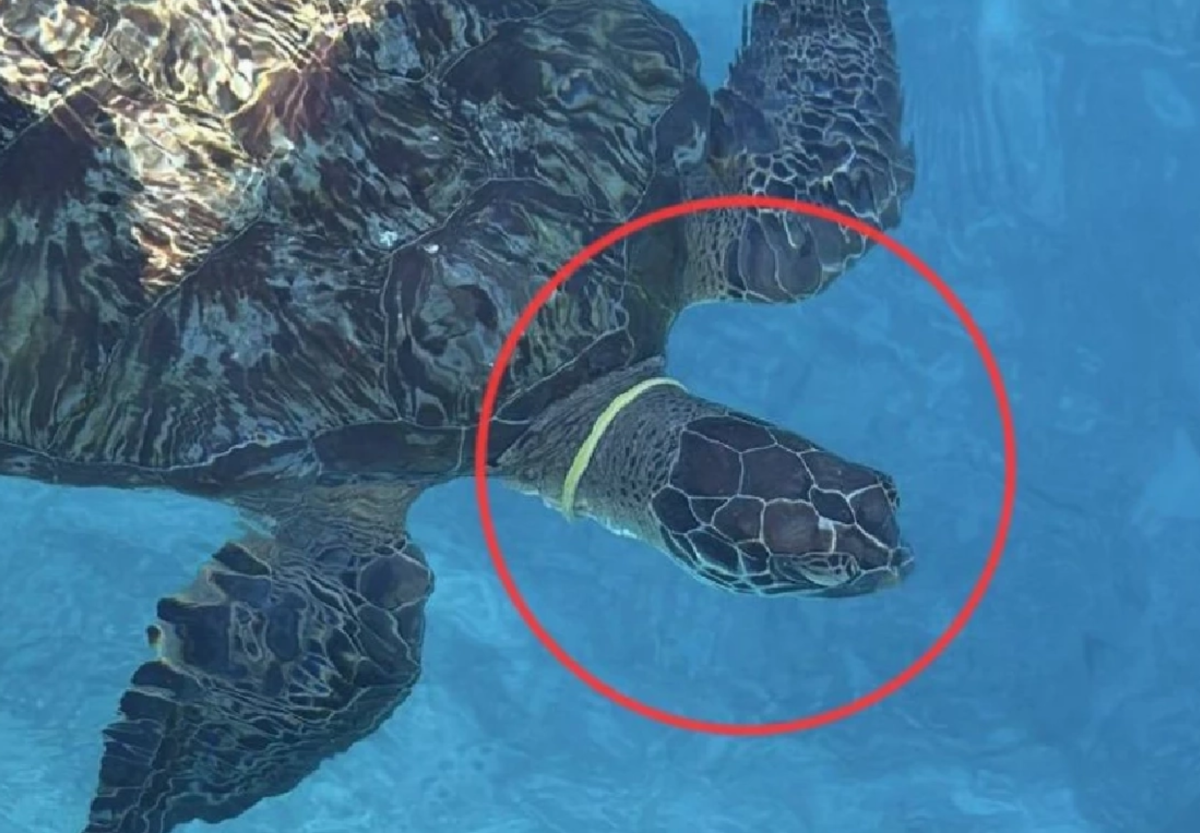
The platform specifically encourages divers to act as volunteer sea guardians. Users who encounter large marine debris, abandoned fishing gear or injured sea animals can send images and coordinates directly through LineOA. The collected information will contribute to a big data system enabling faster and more accurate retrieval operations and wildlife assistance by authorities.
Komchadluek reported that the initiative has received advice and recommendations from the DMCR and the Wildlife Conservation Foundation. Public forums have also been organised in collaboration with the Petroleum and Petrochemical College at Chulalongkorn University, environmental development specialists and partner networks including the National Park Association, to exchange views on community and citizen roles in sustainable environmental protection.
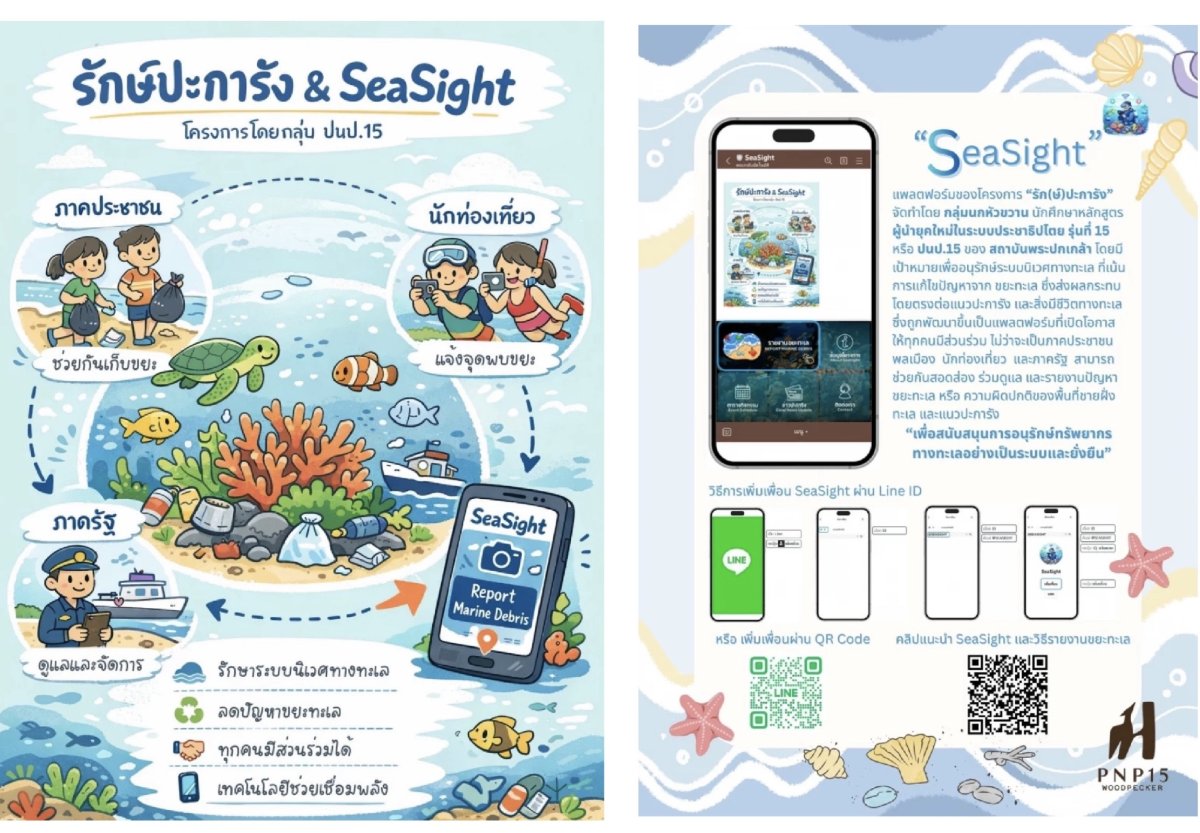
Pictures courtesy of Komchadluek
Join the discussion? 
Already a member? 
 Adapted by ASEAN Now Komchadluek 2 Mar 2026
Recommended Comments
Create an account or sign in to comment