



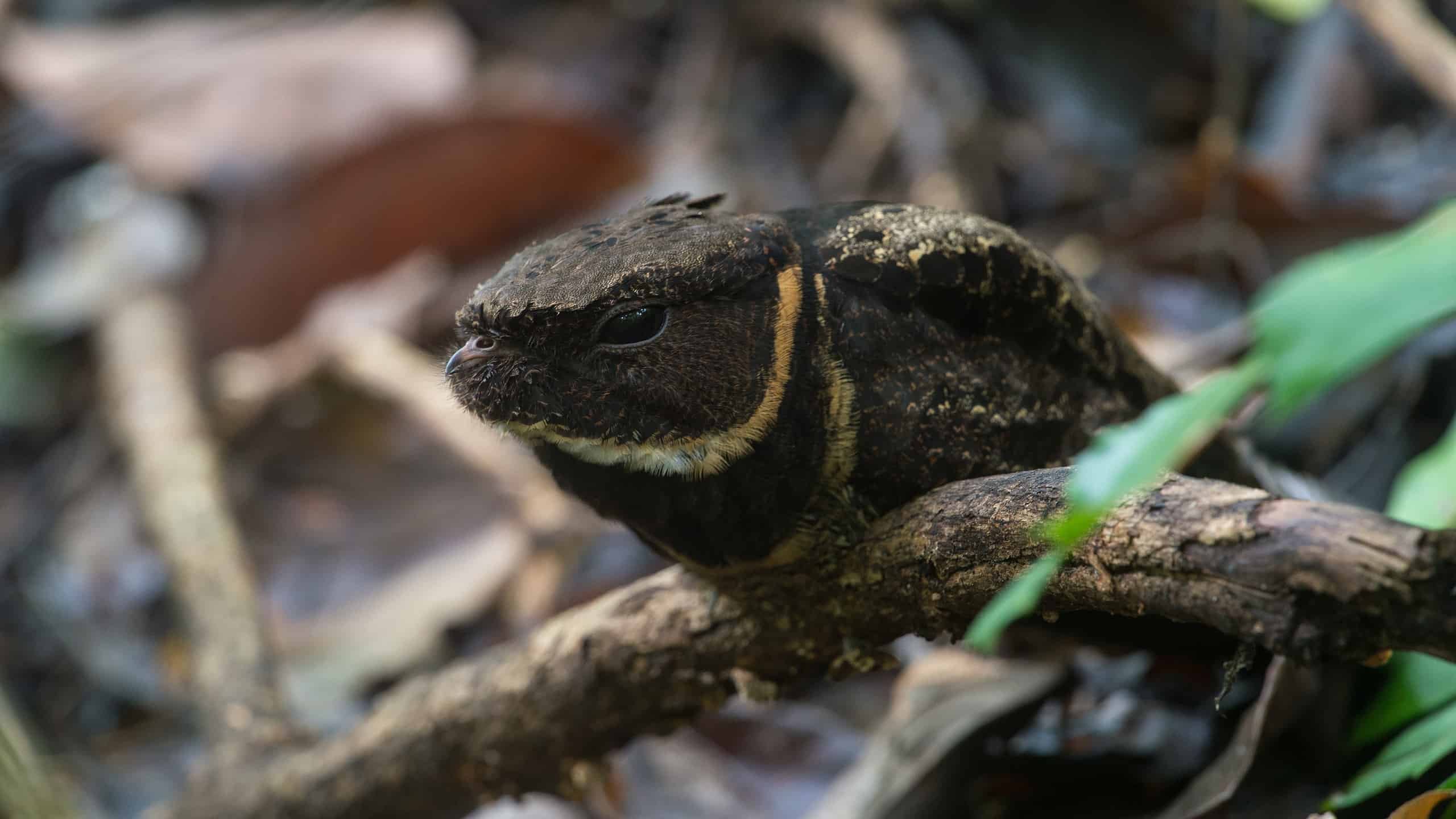

A rare Great Eared Nightjar was sighted in Kaeng Krachan National Park, Thailand, for the first time in 30 years, attracting a surge of tourists and wildlife photographers. The elusive bird was observed near Ban Krang Camp, quickly becoming a focal point after photos went viral on social media during the Songkran holiday. Visitors flocked to the area, lining roadsides and making their way to a nearby stream to view the bird without disturbing its natural setting.
Get today's headlines by email 
This remarkable sighting is notable because many enthusiasts, including seasoned photographers, had not previously seen the Great Eared Nightjar in the wild. Park chief Mongkol Chaiphakdi emphasized the rarity of this event. Local photographers confirmed that it has been thirty years since the species was last observed so prominently in the region, further underscoring the significance of the encounter.
Ban Krang Camp is renowned as a prime location for birdwatching and butterfly photography, drawing photographers year-round. The Great Eared Nightjar, the largest of its kind found in Thailand, is recognized for its unique ear-like feather tufts and mottled brown plumage, which provide excellent camouflage. The bird is native to South and Southeast Asia, thriving in forested areas and feeding nocturnally on insects like moths and termites.
Despite the excitement, experts caution visitors to respect the bird's habitat and avoid causing disturbance. The park is a vital ecological site, supporting diverse flora and fauna that attract nature enthusiasts worldwide. This event highlights the importance of conservation and responsible wildlife observation.
Looking ahead, officials hope this sighting will encourage further interest in wildlife protection efforts. Many are optimistic that increased awareness and appreciation will lead to stronger conservation policies and better habitats for vulnerable species. Researchers are also keen to study the bird's behavior and habitat preferences further to understand better how to support its population in the region.
Join the discussion? 
Already a member? 
 Adapted by ASEAN Now · Khaosod · 17 Apr 2026
Recommended Comments
Create an account or sign in to comment