



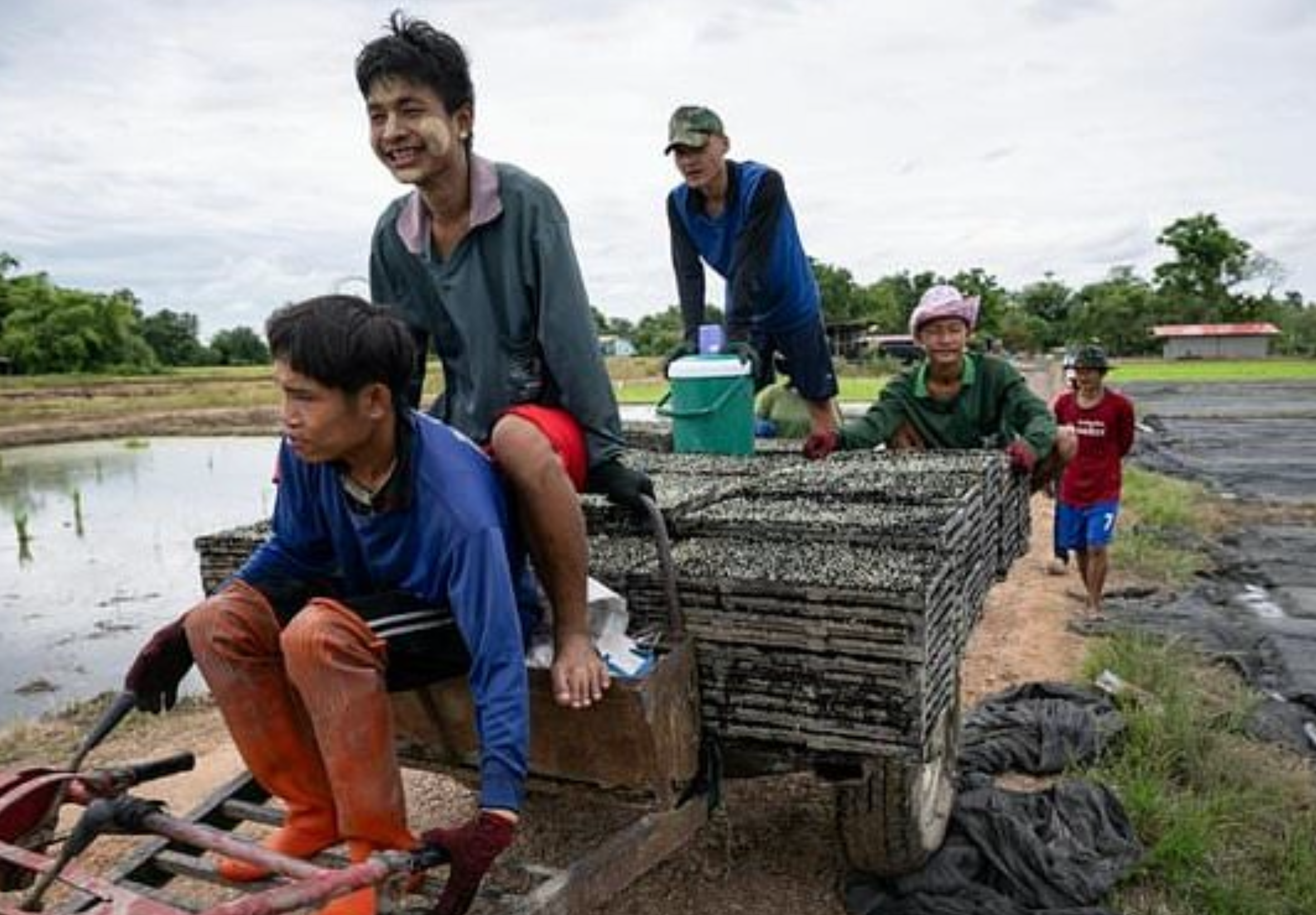

Myanmar refugees who have spent years confined to camps along the border are starting legal jobs in Thailand after receiving non-citizen Thai identity cards, known as pink cards.
The change offers a route to regular work, greater freedom of movement and access to services for people who have long lived in legal limbo. For foreign employers and residents, it also brings more workers into the formal labour system, with documented status rather than informal employment.
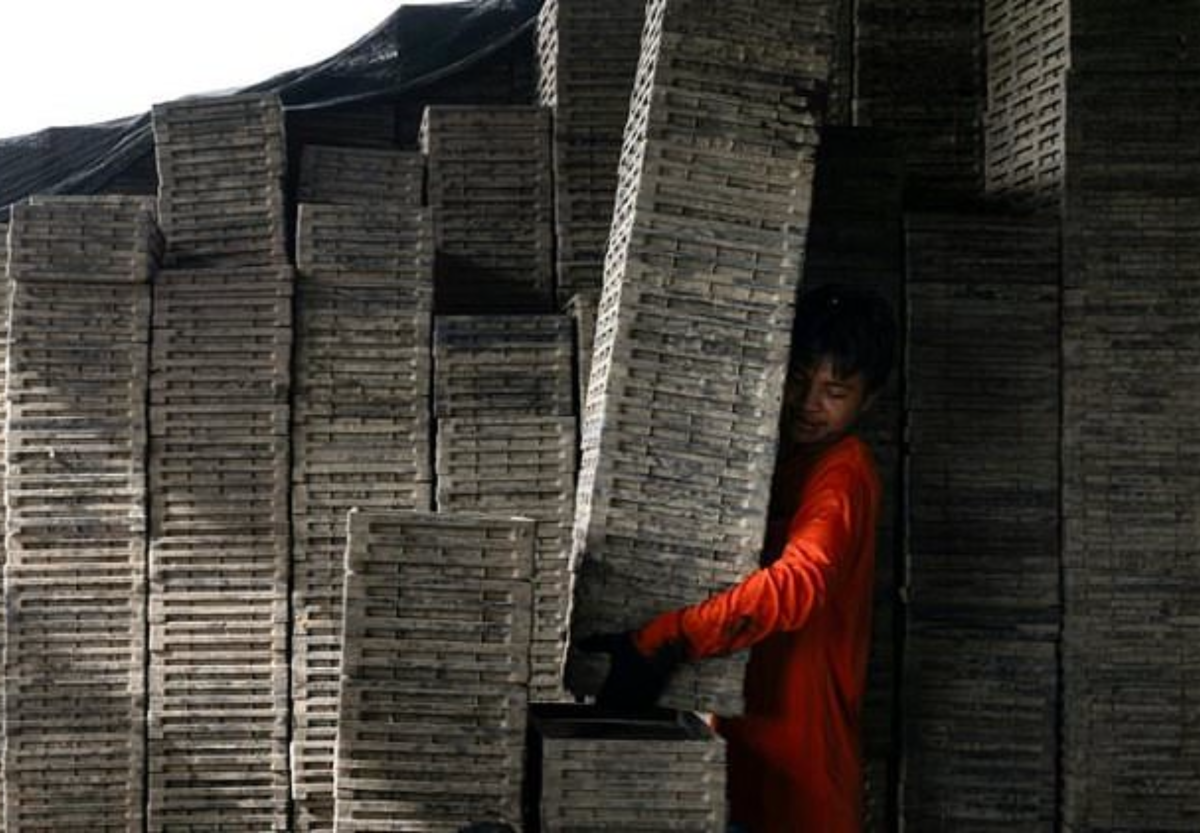
At a farm in Nakhon Sawan province, refugees feed soil and rice seed into a conveyor machine that prepares planting trays for Thai farms. Among them is 25-year-old Ney La Jaw, who previously spent much of his life in Mae La, the largest of nine temporary shelters on the Myanmar border, according to the United Nations.
"I do not tire from the work. I can do it," he said.
Ney La Jaw now lives and works more than 200 kilometres from Mae La, earning around 3,000 baht ($90) a week. "I send all of my money home to my mom" in the camp, he said.
From camp life to paid work
Thailand began issuing non-citizen ID cards to Myanmar refugees and their children in June, following decades in which camp residents were barred from leaving and working legally.
The Interior Ministry said about 4,600 people from Myanmar living in camps applied for permission to work legally between October 2025 and July this year. That is a small share of the roughly 80,000 people living in the camps after fleeing conflict in Myanmar, UN figures show.
Myanmar workers have long been employed in Thailand, but the civil war that followed the 2021 military coup has driven more people across the border. Myanmar leader and former junta chief Min Aung Hlaing arrived in Bangkok on Thursday, when Thailand and Myanmar signed a labour cooperation agreement.
In Prachinburi province in July, reporters saw 15 displaced people collect their new pink cards at a district office, where they smiled and photographed the documents to send to relatives.
"After getting the card, I don't have to be afraid anymore when travelling around," said Gay Lah, who fled to a Thai camp with her family aged six. Now working as a scaffolder, she hopes to save enough to buy land, build a home and bring her family out of the camp.
Greater protection, but not asylum
Thailand does not legally recognise refugees or offer asylum, despite its long record of receiving people seeking sanctuary. However, it began authorising legal employment for longstanding refugees last year, and UNHCR said in June that more than 5,500 refugees had joined the workforce since October.
UNHCR called the ID-card scheme a "landmark step towards inclusion, protection and self-reliance for one of the world's most protracted refugee populations".
Phil Robertson of Bangkok-based Asia Human Rights and Labour Advocates said the move was "a huge step forward" and "long overdue". He said the cards allow refugees to access health and other services, support their families and move around more freely.
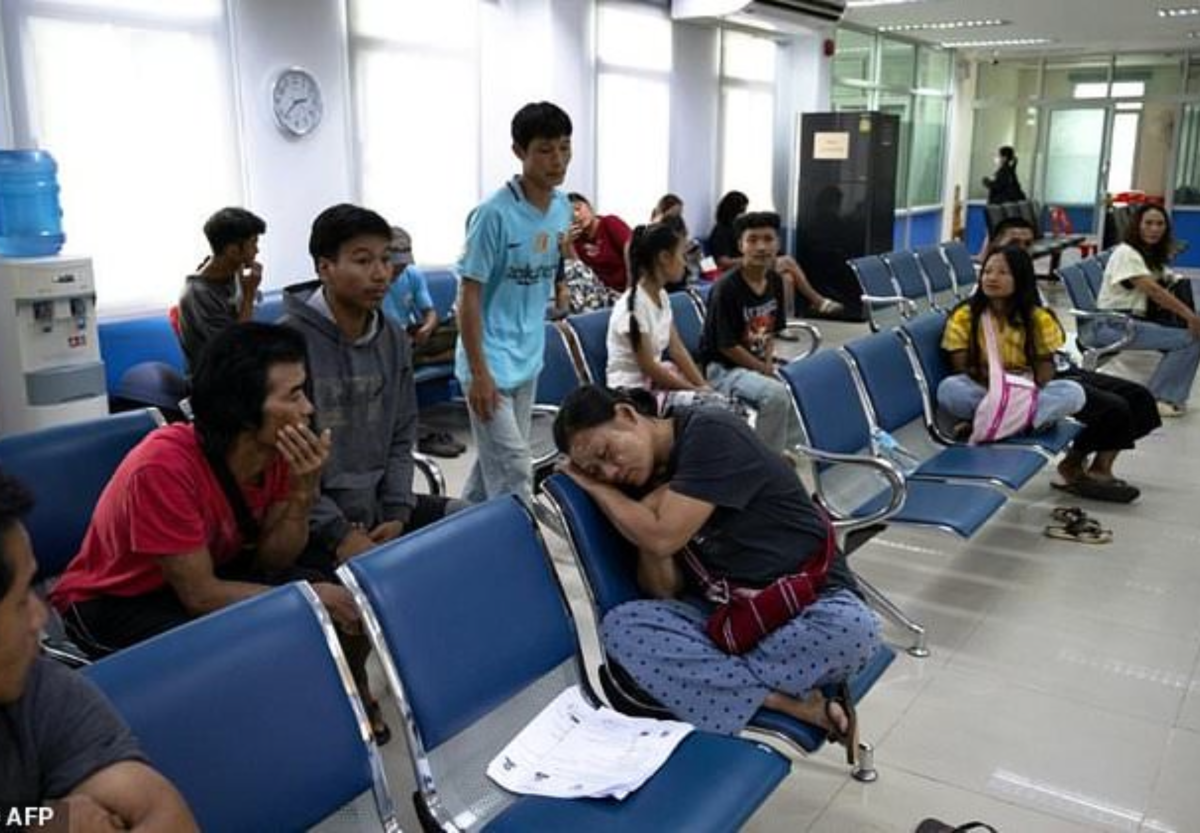
Picture courtesy of Daily Mall
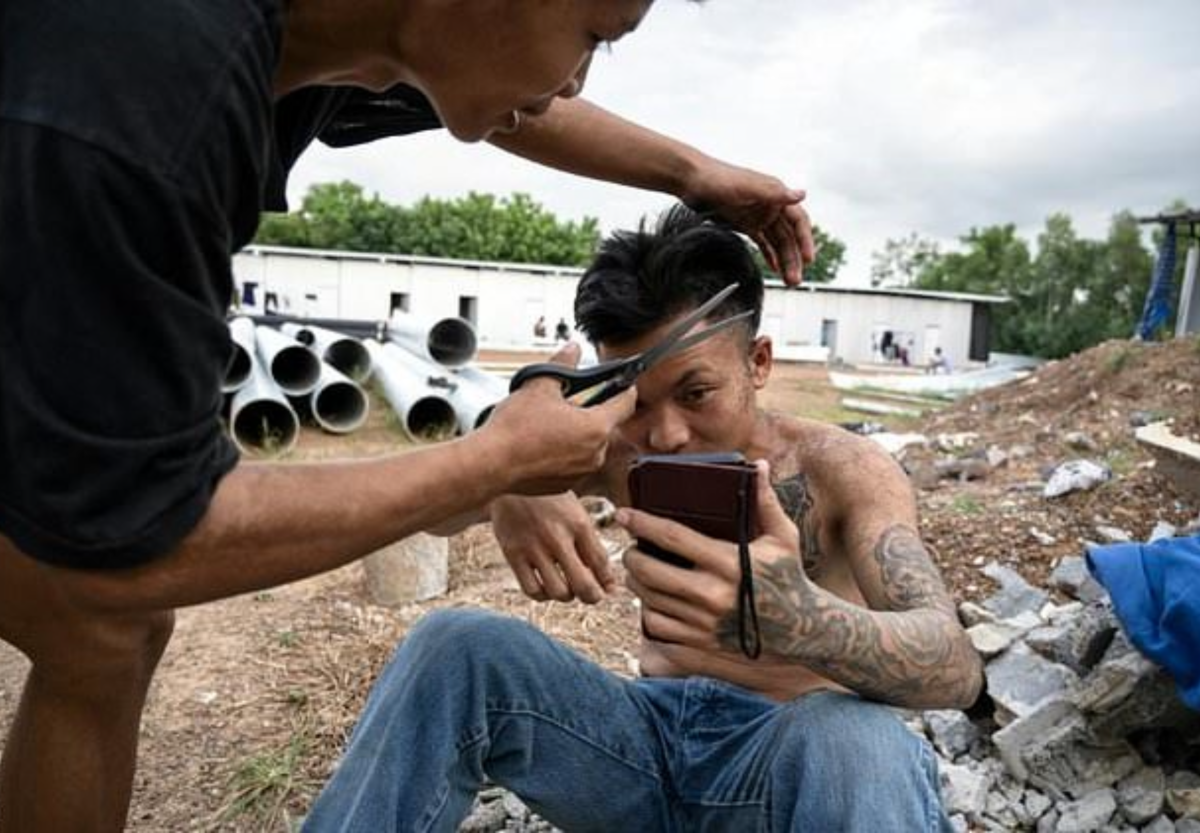
For 27-year-old Sit Nyein Aye, who fled Myanmar as a child and spent most of his life in a border camp, construction work offers a new start. "Since I have the opportunity, I'm going out to work," he said. "I have my own future."
Employers face labour shortages
Farm owner Manas Lohsuwan said he had previously employed Cambodian migrants, but hundreds of thousands returned home after deadly Thailand-Cambodia border clashes began in July last year, leaving him short of workers.
He said Cambodian workers had more skills and experience, but Myanmar refugees were cheaper to employ and had to remain with the same employer. If they did not want to stay, they had to return to the camp and wait to be recruited again, he said.
For Ko Ko Oo, 29, who was born and raised in a Thai refugee camp, the card brings reassurance when officials check workers' documents. "I do not have to hide."
[Insert video here if available]
Join the discussion? 

8 August 2026
-
 1
1
Recommended Comments
Create an account or sign in to comment