



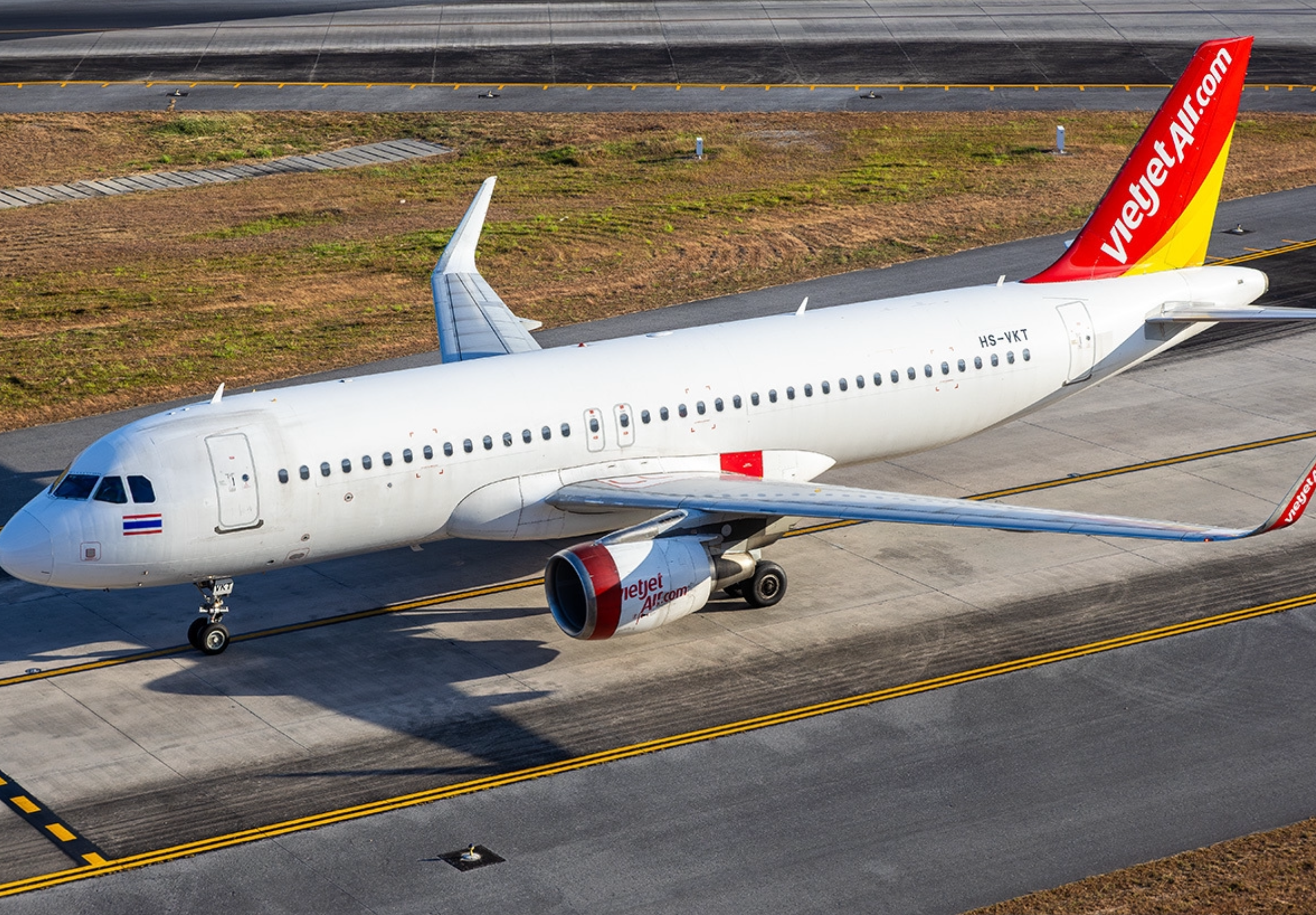

Thai passengers on Thai VietJet flight VZ3691 to Bangkok, were left alarmed after the aircraft experienced a right engine malfunction shortly after take-off from Xining Airport, China, late on 13 April 2026. Instead of landing immediately, the pilot circled for over an hour before safely landing at 01:25 local time on 14 April, prompting widespread questions online about the delay.
Get today's headlines by email 
The incident involved more than 140 mostly Thai passengers, with one traveller, Thanathorn Trongsittivito, expressing concerns on social media and describing a loud explosion-like noise from the engine shortly after departure. Despite the apparent severity, the aircraft remained airborne while the crew assessed the situation and prepared for landing under controlled conditions.
Aviation experts later clarified that the pilot’s decision followed standard international safety procedures. Commercial aircraft are designed to continue flying safely on a single engine, even at maximum take-off weight. However, a key issue is that take-off weight often exceeds the maximum permitted landing weight, particularly on longer routes carrying large fuel loads.
Landing immediately while overweight could risk serious structural damage, especially to the landing gear, or result in excessive landing speed and potential runway overrun. As the Airbus A320 used for this flight typically lacks a fuel dumping system, the only option available was to circle and burn fuel until the aircraft reached a safe landing weight.
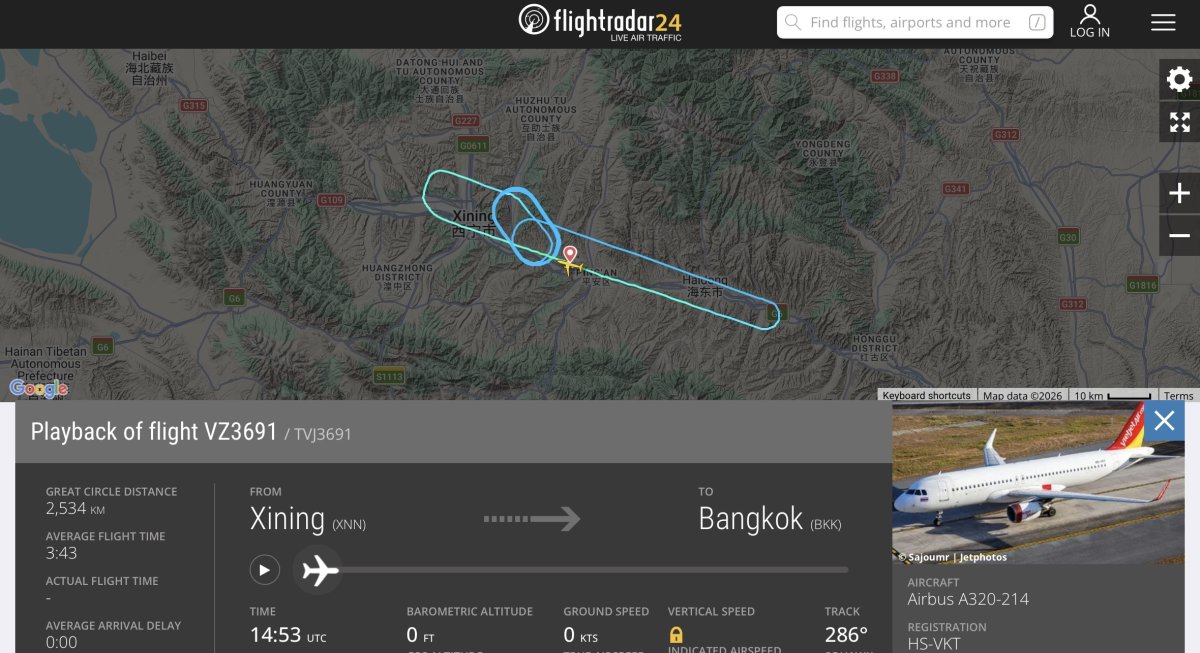
Further technical explanation from aviation professionals highlighted that not all engine issues require an immediate emergency landing. In cases where an engine is partially functional or the issue can be managed, pilots may reduce power and return to the departure airport rather than continue the journey. However, this still requires time to reduce weight safely before landing.
Pilots are trained extensively for such scenarios, including simulator exercises every six months covering engine failure and emergency decision-making. They must also consider alternate airports in case weather or other conditions prevent a safe return to the original airport.
ThaiPBS reported that the safe landing of flight VZ3691 has reinforced the importance of strict adherence to aviation safety protocols, even when decisions may appear counterintuitive to passengers. No injuries were reported, and the aircraft is to undergo a full technical inspection, before returning to service.
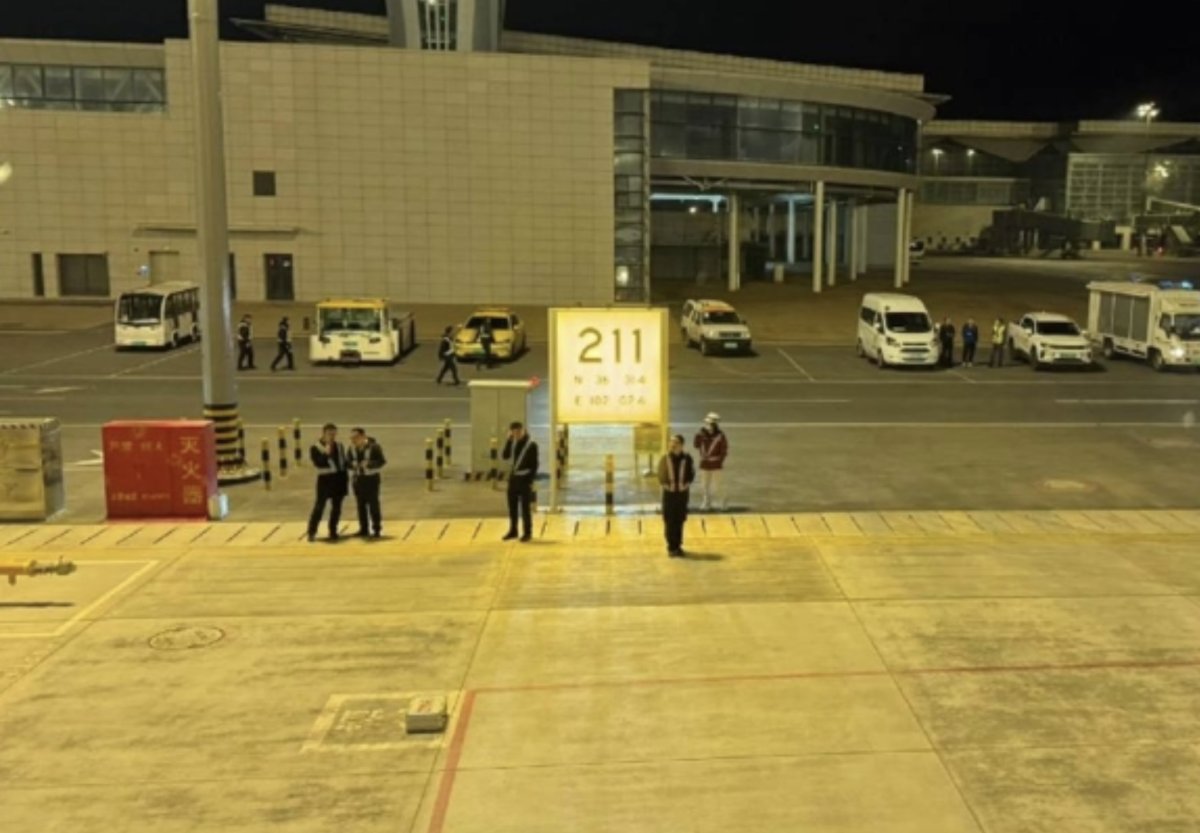
Pictures courtesy of ThaiPBS
Join the discussion? 
Already a member? 
 Adapted by ASEAN Now Nation 17 Apr 2026
Recommended Comments
Create an account or sign in to comment