



Leaderboard
There are no members to show
Popular Content
Showing content with the highest reputation since 09/02/2025 in Articles
-

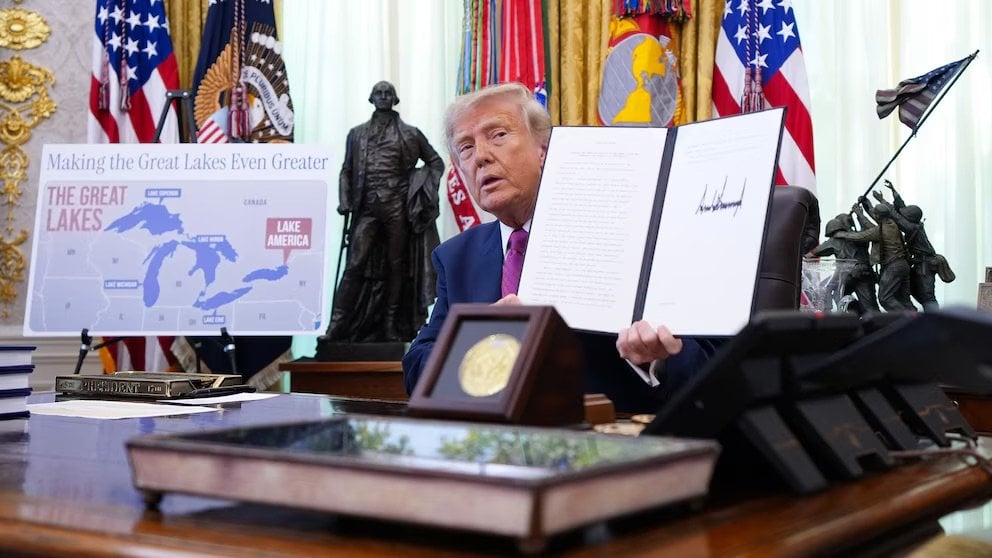 US President Donald Trump has signed an executive order aimed at renaming Lake Ontario as “Lake America”, adding a further flashpoint to a deepening trade dispute with Canada. The decision follows the breakdown of US-Canada trade talks late last week. The US then imposed new 50% tariffs on C$28bn ($20bn) worth of Canadian goods, while Canada said it will respond with “dollar for dollar” counter-tariffs next month. Trump had previously warned on social media that he would seek to change the name of the lake, one of the five Great Lakes shared by the two countries. On Thursday, he said the order was “official, effective immediately” and that his administration had completed the paperwork needed to carry out the change. US Department To Update Geographic Name RecordsIn the order, Trump directed the US Department of the Interior to update the Geographic Names Information Service, the official repository of domestic geographic names in the United States, to reflect the new name. He argued that the lake’s renaming was not intended as a direct message to Canada, but said the country had “been ripping us off for a long time on trade”. Speaking as he signed the order in the Oval Office, Trump said he had been considering the change “for a long time” and drew a comparison with other US geographic name changes, saying there was a “gulf” and a “lake”, before suggesting that the Atlantic or Pacific could also be renamed. There is no single internationally recognised body that sets official names for international waters. The order therefore concerns how the US officially recognises a place within its own geographic records, rather than creating a global naming authority to compel other states. Canada Says Lake Ontario Will RemainCanadian Prime Minister Mark Carney said the name Lake Ontario can be traced back more than 400 years. In a post on Thursday, he pointed to its use before the formation of the Canadian Confederation and the US Declaration of Independence. Carney wrote that Canada recognises the lake as Lake Ontario “today and forever”, adding that the United States was “changing” in areas including trade relations, foreign policy and national monuments. Canada’s response also included reference to long-standing naming origins across the Great Lakes region. Names of four lakes — Ontario, Huron, Michigan and Erie — come from indigenous words, while Lake Superior was named after an anglicised French term. Lake Ontario, the smallest of the Great Lakes, borders the Canadian province of Ontario and the US state of New York. Earlier this week, Canadian Industry Minister Melanie Joly rejected the notion that Canada would adopt the US change, saying: “We’ll always call it Lake Ontario.” Officials have also previously argued that one country’s decisions do not oblige others to follow. Past US Name Changes And Mexico DisputeTrump’s latest executive order follows a similar move during his first term beginning in 2025. At that time, he signed an order changing the Gulf of Mexico to the Gulf of America. Mexico rejected the change, saying a single country cannot rename a shared body of international water. That renaming dispute also affected how the gulf is shown on maps. In the earlier case, Google Maps displayed “Gulf of America” for users in the US, while users in Mexico saw “Gulf of Mexico”. For other countries, the listing included both names in a combined format. The Lake Ontario order comes amid US-Canada relations deteriorating to new lows, with both sides trading insults during the dispute over tariffs and trade conditions over the past week. On Friday night, talks collapsed at the last moment, with both sides accusing the other of pushing for last-minute changes to a tentative deal. There was, however, a sign on Thursday that there could be room for renewed negotiation. Canadian US trade minister Dominic LeBlanc said in a post on X that the US had withdrawn some demands around labelling requirements in French, and that measures to promote French language and Canadian culture would not be subject to future US trade actions. He said Canada looked forward to further clarifications that could enable a mutually beneficial agreement reflecting Canadian sovereignty. Join the discussion? 28 August 202612 points
 -
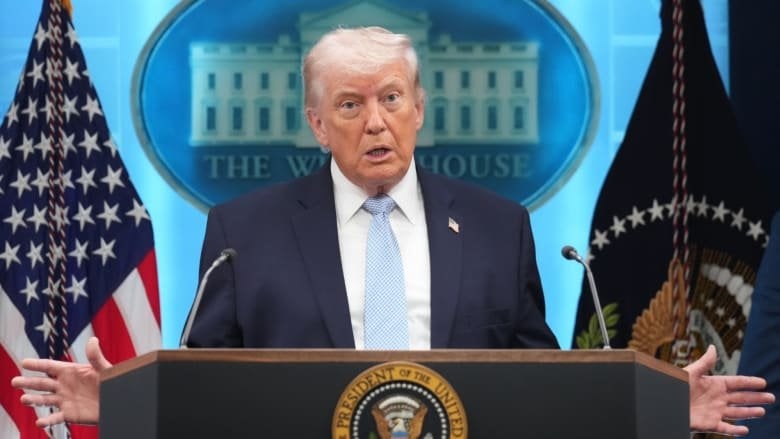 President Donald Trump has again repeated a false claim about wind power, telling Americans to remember a nationwide television outage that never happened while criticising renewable energy during a speech at the Environmental Protection Agency (EPA) in Washington. Trump repeats familiar wind power claimSpeaking on Thursday, Trump renewed his attacks on wind energy, which he has long criticised, and claimed people were unable to watch a presidential debate because "the wind wasn't blowing." Referring to renewable energy policies, Trump said the country had been "scammed" by what he called the "Green New Scam." He then described a fictional scenario in which households could not watch a debate between himself and then-President Joe Biden because wind turbines had stopped generating electricity. The anecdote has featured in Trump's speeches before, despite having no factual basis. Electricity grids use a mix of power sources rather than relying solely on wind generation, allowing supply to continue even when wind speeds are low. Battery storage systems can also store surplus wind energy for use when production falls. Debate attracted millions of viewersTrump's story centred on his June 2024 debate with Biden. However, the debate was watched by tens of millions of Americans, with more than 51 million viewers tuning in on television alone, according to Nielsen estimates. Many of those viewers were in Texas, the country's largest producer of wind-generated electricity. The Republican-led state remains the leading producer of wind power in the United States while also being the most populous state won by Trump in the 2024 election. Although the Biden administration promoted renewable energy and set a goal of achieving 100% clean electricity by 2035, the Green New Deal never became law. The proposal, introduced by progressive Democrats as a non-binding congressional resolution, called for a decade-long transition to clean, renewable and zero-emission energy sources. Federal data shows wind energy accounted for about 10% of US net electricity generation in 2024. Additional disputed claimsTrump also repeated other claims that have been challenged. He said California experiences "brownouts and blackouts every weekend," despite there being no evidence to support that assertion. A spokesperson for California Governor Gavin Newsom said the state has not experienced rolling blackouts for nearly six years and has not issued emergency Flex Alert conservation requests since 2022, citing investments in clean energy and battery storage. The president also said the United States had attracted "$19.2 trillion" in investment during his first 12 months back in office and complained he received "no credit" for it. However, no evidence has been provided to support that figure, and the total investment received during the current presidential term falls well short of the amount Trump cited. Join the discussion? 27 July 202610 points
 -
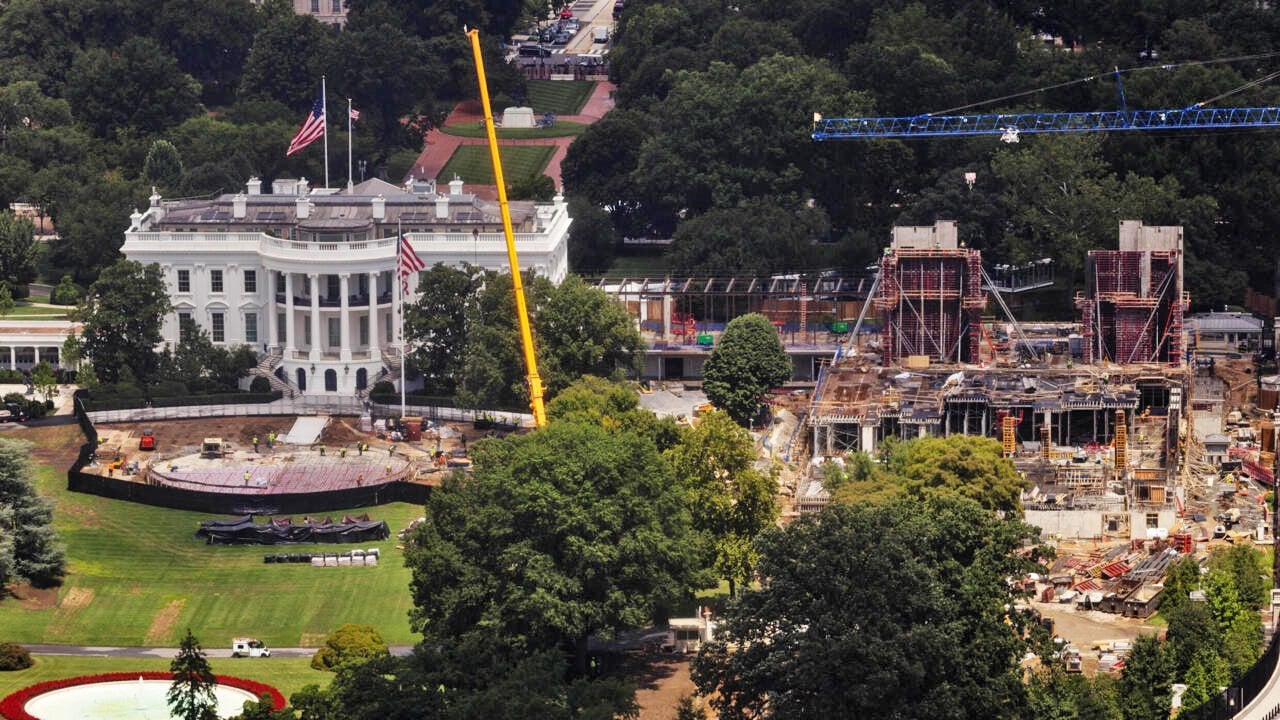 The US administration has been ordered to stop construction on a $400m (£297m) ballroom at the White House, after a federal appeals court upheld a legal injunction that said the work cannot proceed without authorisation from Congress. The ruling, delivered on Friday by a three-judge panel in a 2-1 decision, marks another setback for President Donald Trump’s bid to reshape parts of the presidential residence. The court also gave the administration a 14-day window to ask the Supreme Court to review the decision. Injunction Bars Above-Ground WorkThe case was brought by the National Trust for Historic Preservation after the administration removed the East Wing last year to start the project. The appeals court maintained a preliminary injunction won by the group, which blocked above-ground construction while allowing other work to continue. In its majority opinion, the panel said the question of whether a large ballroom should be built is one for Congress, not for the executive branch to determine through “self-help”. The judges added that Congress had not granted the president broad, unrestricted power to redesign and reconstruct the White House to suit a specific administration. The court said the presidential residence and its executive accommodation are intended for use by successive presidents and for the public. The opinion stated that each president is a “temporary tenant” of the White House rather than its owner. It also concluded that the executive does not have constitutionally assigned authority over the property in the way the administration planned. Construction Authority and TimingThe administration sought to overturn earlier rulings after a federal judge twice prevented above-ground activity on the ballroom, while permitting underground work to continue. On Friday, the appeals court confirmed that blocking order, while pausing its own implementation for 14 days so the government could pursue a Supreme Court appeal. The BBC said it contacted the White House and the Department of Justice for comment. Trump, who has repeatedly promoted the ballroom project since unveiling plans, reacted strongly on social media, calling the court decision “horrendous” and claiming it was politically motivated. He said the dissenting judge described the order as a “blatant abuse of discretion”. Trump Cites Security and Plans AppealTrump also argued that the military and the Secret Service regarded the ruling as a national security threat, and said the decision should be overturned by the Supreme Court in full. He repeated that the ballroom would be delivered on an accelerated timetable and within budget. Trump said it would be funded by a coalition of private donors as a gift to the American people, while also arguing that the project is needed for “grand parties” and state visits. At the same time, Republicans have sought to draw on part of a $1bn (£740m) pot of taxpayer money for Secret Service security upgrades. A budget watchdog had dismissed that plan in May. Government lawyers have said the project includes a security complex below ground and additional measures intended to protect the White House from threats such as drones, ballistic missiles, biohazards and other hazards. Trump said the construction would involve bomb shelters, hospital and medical facilities and “top secret” military infrastructure. Graphic courtesy of BBC The preservation group argued that the move to “disturb” the White House was not justified and that having a ballroom was not a national security emergency. It said there was no basis to proceed with work that would alter the historic property. The appeals court majority said its decision did not assess whether the proposed ballroom is desirable, or whether it could be built eventually. Instead, it said the administration may not proceed during the ongoing litigation unless it secures authorisation from Congress. After the ruling, Brent Leggs, president and chief executive of the National Trust for Historic Preservation, said no above-ground construction could take place “unless and until” Congress acts, calling the White House an irreplaceable monument. Join the discussion? 8 August 20268 points
 -
 British right-wing commentator Milo Yiannopoulos has been detained by Immigration and Customs Enforcement (ICE), according to entries in the agency’s records. The 41-year-old former Breitbart News editor and former employee of rapper Kanye West is listed in an ICE inmate registry search as being held in Louisiana, the records indicate. ICE and Yiannopoulos have not responded to requests for comment from the BBC, and the circumstances of the detention were unclear. His name and British nationality appear in a search of detainees across the United States. Where Yiannopoulos Is ListedYiannopoulos, who has been living in the United States, appears under the agency’s records with British origins. The reference to his detention comes from an online search of the ICE inmate registry, which shows his location in Louisiana. No additional details about the reasons for detention were given in the records, and neither ICE nor Yiannopoulos has provided an explanation. Trump Campaign Booster, Later Break From MovementYiannopoulos grew up in Kent in southern England before moving to the US. He was an early supporter of Donald Trump during the 2016 election campaign and took part in an event called Gays for Trump during the Republican National Convention that year. After moving away from parts of Trump’s political movement, Yiannopoulos continued to support the Republican president’s agenda. Last year, he posted on X calling for “Total legal immunity for ICE agents when they’re on duty”. In March this year, he wrote on X that Trump “has lost his way, bought off by foreign interests”. Criticism Over Comments And Self-Described IdentityYiannopoulos has repeatedly attracted controversy for his remarks about transgender people, Muslims, Black Lives Matter, feminists and gay people, despite identifying as gay. He now describes himself as an “ex-gay”. His writing has included provocative column titles such as “Birth Control Makes Women Unattractive and Crazy” and “Would You Rather Your Child Had Feminism or Cancer?” He has also presented himself as a provocateur, calling himself the “most fabulous supervillain on the internet”. Critics have described him as promoting hate speech. CPAC Uninvited After Footage, Then ResignationIn 2017, Yiannopoulos was uninvited from speaking at CPAC, a US conservative conference that also hosted Trump, after footage emerged in which he appeared to condone paedophilia. Yiannopoulos later apologised and resigned from Breitbart. He denied the allegations, saying he had been speaking about his own experiences as a child. He has also been regularly linked with the alt-right, a loose movement known for opposing political correctness and feminism and associated by critics and analysts with neo-Nazis and white supremacists. Yiannopoulos has said he does not see himself as part of the alt-right, although he has described it as “energising and exciting”. Join the discussion? 29 August 20267 points
 -
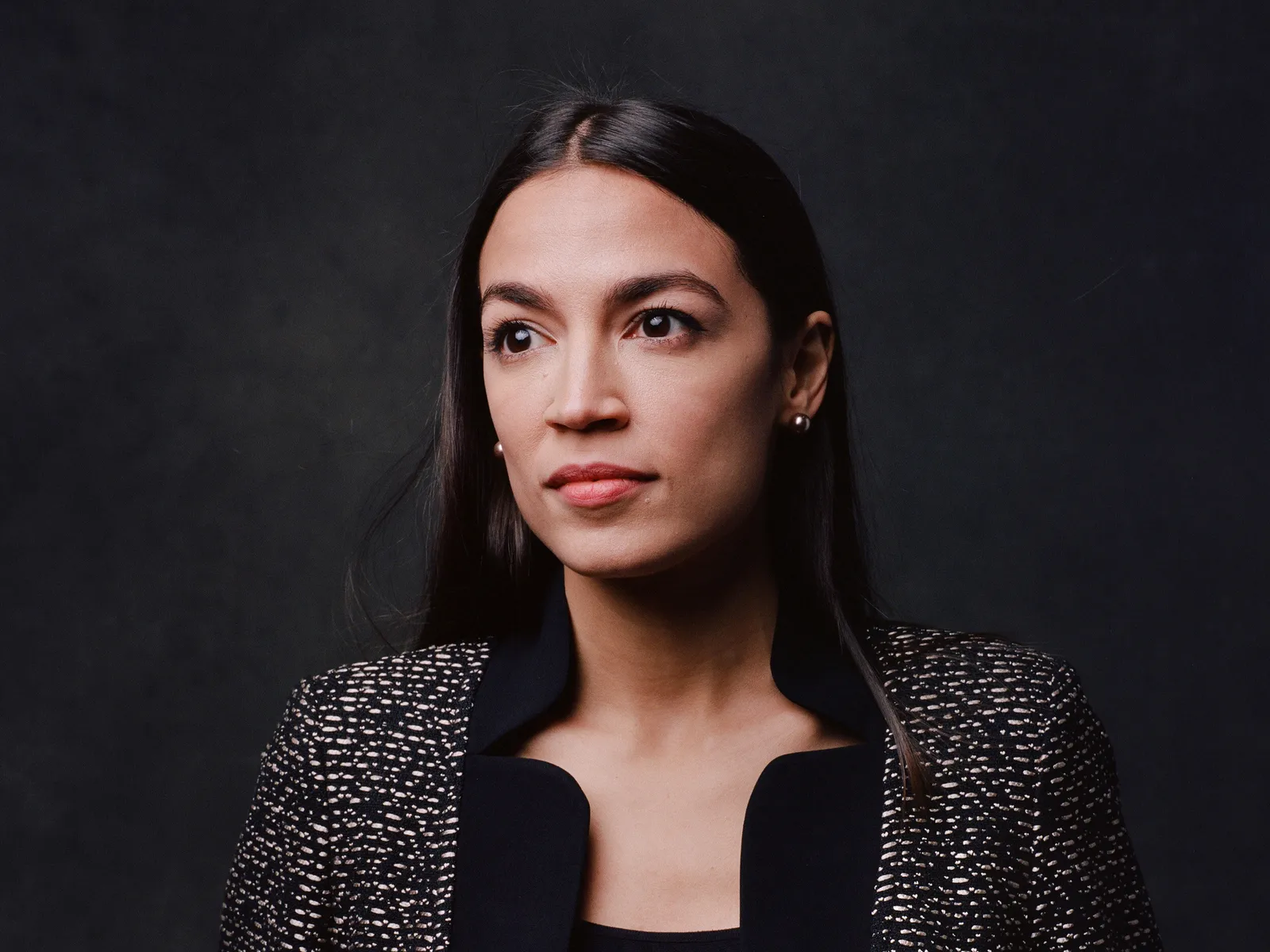 Rep. Alexandria Ocasio-Cortez (D-N.Y.) has moved ahead of California Gov. Gavin Newsom (D) in early prediction-market odds for the 2028 Democratic presidential nomination, according to data on Polymarket. As of Wednesday, Ocasio-Cortez had an 18% chance of winning the Democratic nomination on Polymarket. Newsom was listed at 17%, leaving Ocasio-Cortez narrowly in front. Sen. Jon Ossoff (D-Ga.) ranked third in the same market at about 16%, the data showed. The figures represent odds being offered and traded by participants as the race begins to take shape, rather than any official nomination process. Focus after announcement on egg freezingOcasio-Cortez’s position in the market came as she drew heightened attention this week following her decision to freeze her eggs. She has also posted updates about the process on her social media accounts, which, according to the report, drew mixed reactions. That publicity has led to increased visibility for her among voters and observers, but it has not changed the underlying point that the prediction-market odds are based on traders’ expectations. Different markets show different favouritesWhile Ocasio-Cortez held the lead on Polymarket, traders on Kalshi still ranked Newsom as the favourite. The two platforms are tracking sentiment in separate sets of trades, and the early odds therefore do not match across the markets. The split underscores that prediction markets can vary depending on who is trading, the pricing mechanisms used, and how quickly new information is reflected in each platform’s odds. The early numbers, regardless of which candidate leads on a given site, are not formal polling and should not be treated as a direct guide to who is more likely to ultimately seek the nomination. Prediction-market prices can change as campaigns, fundraising and public statements evolve over time. Join the discussion? 13 August 20267 points
 -
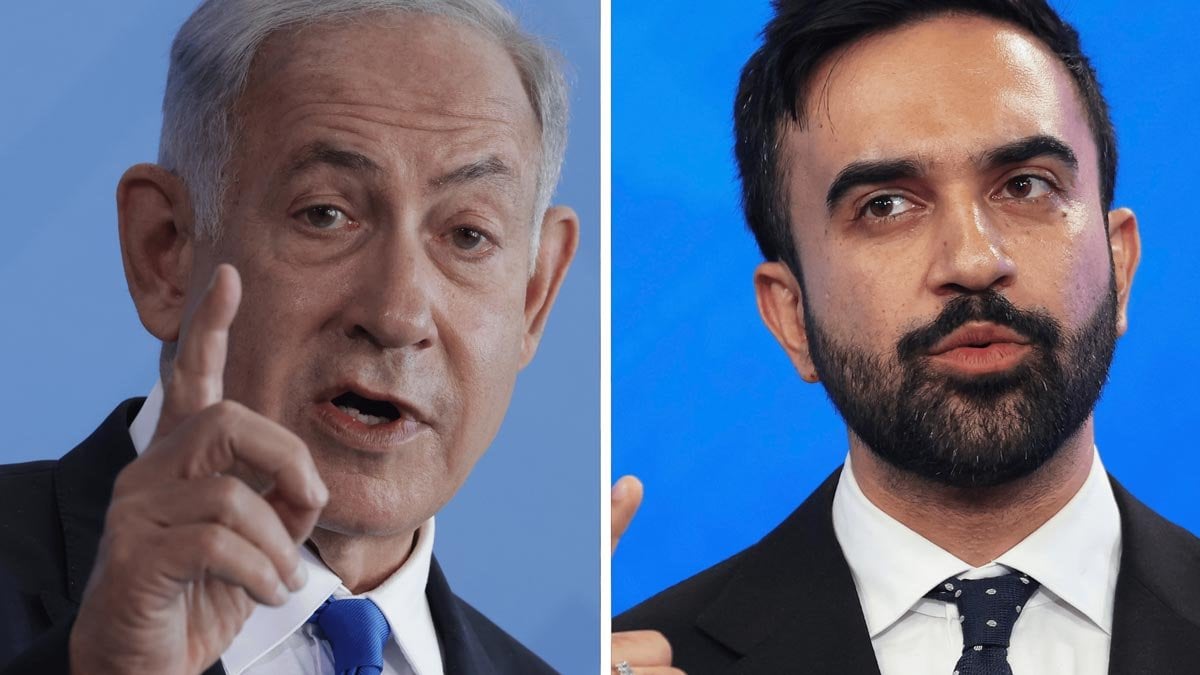 New York City Mayor Zohran Mamdani said he is considering whether the city could arrest Israeli Prime Minister Benjamin Netanyahu if he travels to New York this fall for the United Nations General Assembly. Speaking in an interview on Saturday’s episode of The New York Times podcast “The Interview”, Mamdani said he believes Netanyahu should be dealt with through international courts, adding that the matter involves an arrest warrant issued by the International Criminal Court (ICC). The ICC warrant and a possible arrestMamdani said Netanyahu “belongs in The Hague” and described him as a war criminal, referring to charges brought by the ICC. He said the view reflects what he described as years of actions he said have caused harm in Palestine. The ICC issued an arrest warrant in 2024 for Netanyahu over alleged war crimes and crimes against humanity in relation to the war in Palestine. The warrant covers allegations including “starvation as a method of warfare” and “other inhumane acts”. Asked about the prospect of arrest in New York, Mamdani said his administration is reviewing whether it could take such action under the city’s legal framework. What Mamdani said in his campaignMamdani, a Democrat, said during his mayoral campaign last year that he would order the New York Police Department to arrest Netanyahu. At the time, he also characterised the Israeli military’s actions in Gaza as a genocide. In Saturday’s interview, he reiterated that his position was tied to the existence of the ICC warrant and the weight he said it carries as a formal charge. Netanyahu dismisses the threatNetanyahu recently responded to the mayor’s remarks during a radio interview, accusing Mamdani of supporting Hamas. Mamdani denied the accusation. The prime minister said Mamdani was aligned with groups he described as terror actors, and he argued that those who oppose Israel also ultimately oppose the United States. UN trip expected in SeptemberWorld leaders from member states are expected to travel to New York in September for the UN body’s annual session, when Netanyahu has taken part in past years. Mamdani told The Times he would “follow the laws” of the city. When pressed on what that meant, he said the matter was under discussion with the city’s legal department. “We’re not talking about a personal assessment of Benjamin Netanyahu,” Mamdani said. He said the focus was on the ICC warrant and on the responsibilities of the mayor under New York City law. Join the discussion? 19 July 20267 points
 -
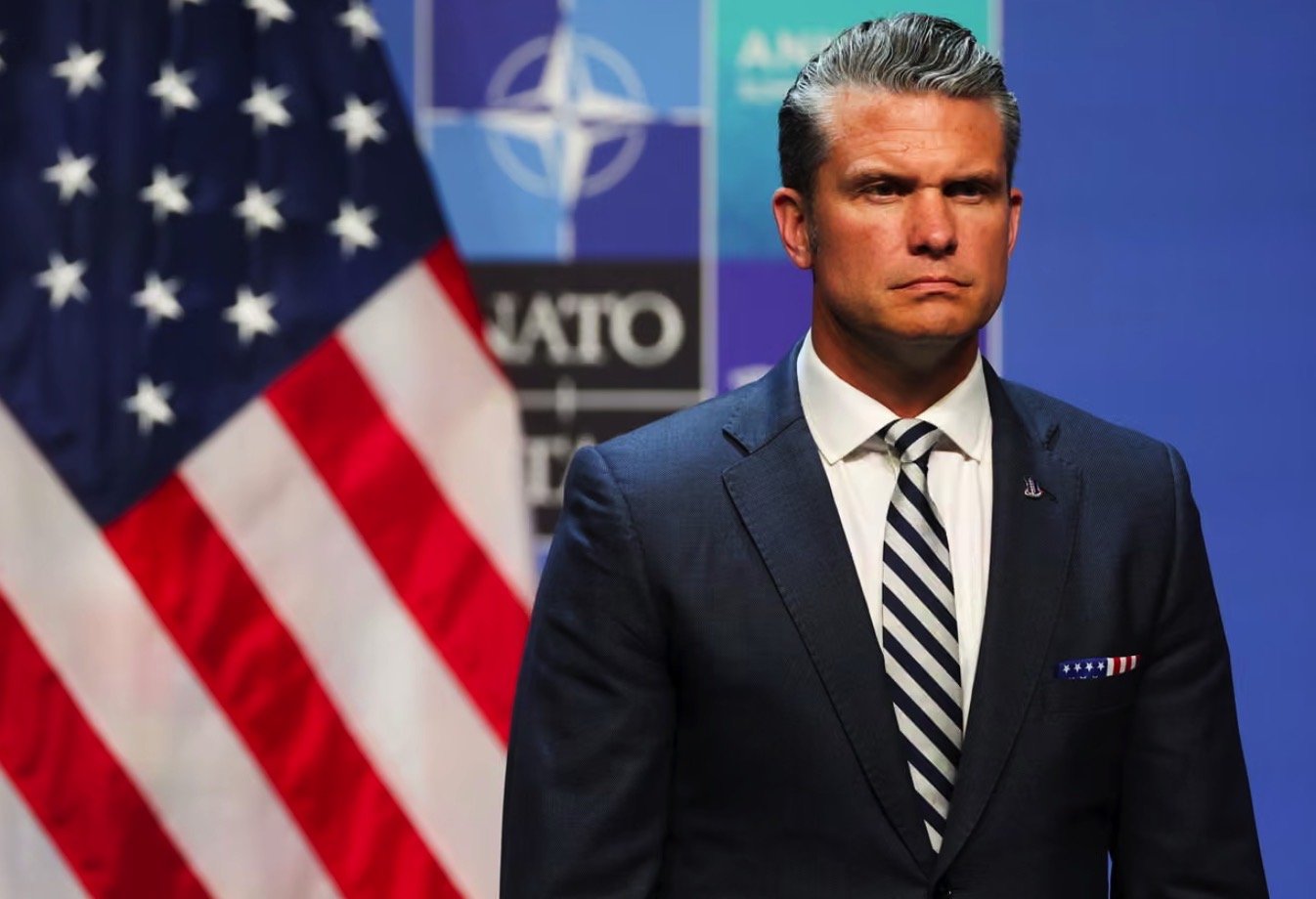 US Defence Secretary Pete Hegseth has announced a new Department of Defense programme to screen soldiers aged 30 and above for testosterone deficiency, describing it as a way to support readiness and long-term health. In a video posted on X on Wednesday, Hegseth said the department would authorise annual testing for “warfighters” aged 30 and over as part of their routine health assessments. He said service personnel under 30 would be able to opt in to the screening. Hegseth said the move is intended to ensure troops have “right testosterone levels” to operate at their best, linking the programme to what he described as the demands of modern combat. He said addressing health indicators early would help maintain psychological and mental readiness, and that the initiative formed part of the department’s commitment to provide “elite medical care”. Annual testing and voluntary treatmentUnder the plan, annual tests would be carried out for eligible personnel over the age of 30. Hegseth said treatment, including testosterone replacement therapy, would be voluntary. He said the programme is designed to “restore and optimise” capabilities and to prioritise long-term health, with the aim of keeping service members “strong and resilient” for their entire lives. The announcement also framed the screening as part of maintaining physical and mental readiness for modern combat. Hegseth did not give further details on how the tests would be implemented beyond describing them as part of ongoing health assessments. Medical body urges caution on diagnosisThe initiative comes as “low T” has become a prominent political topic in the US. It is not the first time figures in the Trump administration have discussed testosterone levels publicly. In a statement, the American Urological Association said it appreciates the administration’s recognition of the importance of screening for testosterone deficiency. However, it cautioned that diagnosing testosterone deficiency should not rely on a single blood test. The association said testosterone testing can provide a baseline value for people who need further evaluation, but that a diagnosis should be based on symptoms and two separate tests rather than one result. “Low T” debate and gender care not addressedHegseth’s announcement did not address active duty women in the US military. According to the text, more than 231,000 women serve on active duty. The wider debate around testosterone has been taken up across parts of the political right and online. The article says Robert F Kennedy Jr, the US health secretary, has spoken about testosterone as part of his personal anti-ageing approach, and warned in October that teenagers have significantly less testosterone than older men, despite saying the claim was not backed by evidence. The report also points to right-leaning media commentary, including Tucker Carlson criticising what he described as a masculinity crisis in films such as The End of Men, alongside influencers promoting “T-maxxing” and direct-to-consumer testosterone injections. Research cited from the journal Social Science & Medicine says young men are being targeted online by influencers and wellness companies promoting hormone tests and treatments as essential to being a “real man”, despite screening for low testosterone being medically unwarranted for most people in that age group. Join the discussion? 16 July 20267 points
 -

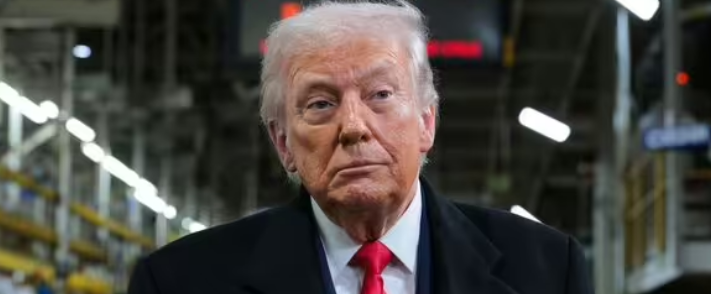 CNN has just dropped a bombshell alert! Donald Trump's presidency is in peril, warned a senior analyst in a shocking new announcement. Could this be déjà vu for Trump, echoing former president Joe Biden’s struggles? A dramatic shift in Trump’s recent focus has stirred up speculation. CNN’s John Berman spotlighted the President's sudden attention to Greenland, immigration, and especially Minnesota. What gives? Speculation is rife that these could be perceived weak points for the administration. But CNN’s chief data analyst, Harry Enten, tells a different tale. The real issue? The economy! According to Enten, the White House has been shadowboxing with what they thought were main contenders. As Susie Wiles, Trump's chief of staff put it, everyone believed in a laser focus on boosting the economy. Now, Trump is racing to Iowa, aiming to rally support as furious questions swirl around his immigration policies. The economy, with its thorny inflation issues, stands at the center of the political storm. Enten delivered the gut-punch: Joe Biden’s presidency was gutted by the economy. Could Trump be next? Exciting reactions erupt everywhere. Analysts are buzzing and critics are sharpening their swords as Trump's economic strategies take the spotlight. The question: Will his presidency survive the fierce winds of economic turmoil? What's next for Trump? He's not backing down. A renewed campaign focus promises intense battles ahead. Hold on tight for a tumultuous ride! Key Takeaways Trump's presidency may repeat Biden's economic downfall! His focus shift raises eyebrows and fiery debates. Will economic woes be Trump’s undoing? Adapted by ASEAN Now from Source 2026-01-277 points
 -
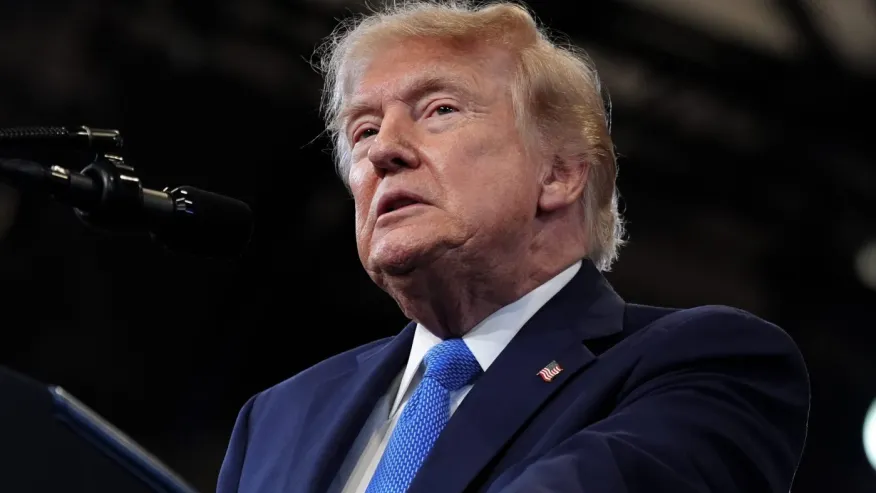 President Trump said on Wednesday evening that the United States would launch what he called the “most crushing economic operation” against Iran, as negotiations continue aimed at reopening the Strait of Hormuz, a key oil shipping route that has been largely shut since early March. In a post on Truth Social, Trump described the move as economic warfare and isolation on an “unprecedented” scale. He said the US would impose “tremendous economic consequences” on any country that provides Iran with a lifeline. Trump also warned that a range of channels used to support Tehran must stop, naming oil smuggling, swap arrangements, cash transfers, exchange houses, ship registries and front companies. He added that “all of our Allies” should stand with the US to isolate and defeat what he termed the Iran threat. US Pledges Economic Pressure And IsolationThe announcement builds on warnings from within the administration. Treasury Secretary Scott Bessent said last week that the US would seek to increase economic pressure on Tehran in order to reopen the strait. On Thursday, Bessent told Newsmax’s Rob Schmitt Tonight that Trump had ordered the Treasury Department to apply maximum pressure on the Iranian regime. He said it would involve economic isolation alongside the continuation of the blockade in the Strait of Hormuz, aimed at preventing goods entering or leaving Iranian ports. Trump has previously indicated he intends to intensify sanctions and maintain enforcement of a US naval blockade in the Arabian Sea, which he said would prevent vessels from departing Iranian ports. Talks Continue On Reopening The StraitTrump’s comments come while talks are under way to reopen the strait. Shipping activity has picked up slightly but remains limited compared with pre-war levels. Ship-tracking firm Kpler reported that there were 12 successful crossings on Monday and 10 on Tuesday. The Strait of Hormuz is one of the world’s most important maritime passages for oil. Since early March, the route has been effectively closed, though some traffic continues to pass through. Regional Shifts Follow Missile StrikeTrump’s announcement followed a statement from the United Arab Emirates on Thursday that it would cut off trade with Iran after Tehran’s forces fired two missiles at the UAE. The US president has also criticised Oman earlier this week, warning Muscat that it would face retaliation if it “gets in the way” of efforts to reopen the Strait of Hormuz. Trump threatened to bomb Oman and framed his remarks around the ongoing negotiations. US Territory Bid For The StraitTrump also said last week that he would declare the strait a US territory. In his latest remarks, he signalled the goal again but did not set out how the US would achieve it, given that the waterway is under shared jurisdiction between Oman and Iran. Join the discussion? 20 August 20266 points
 -
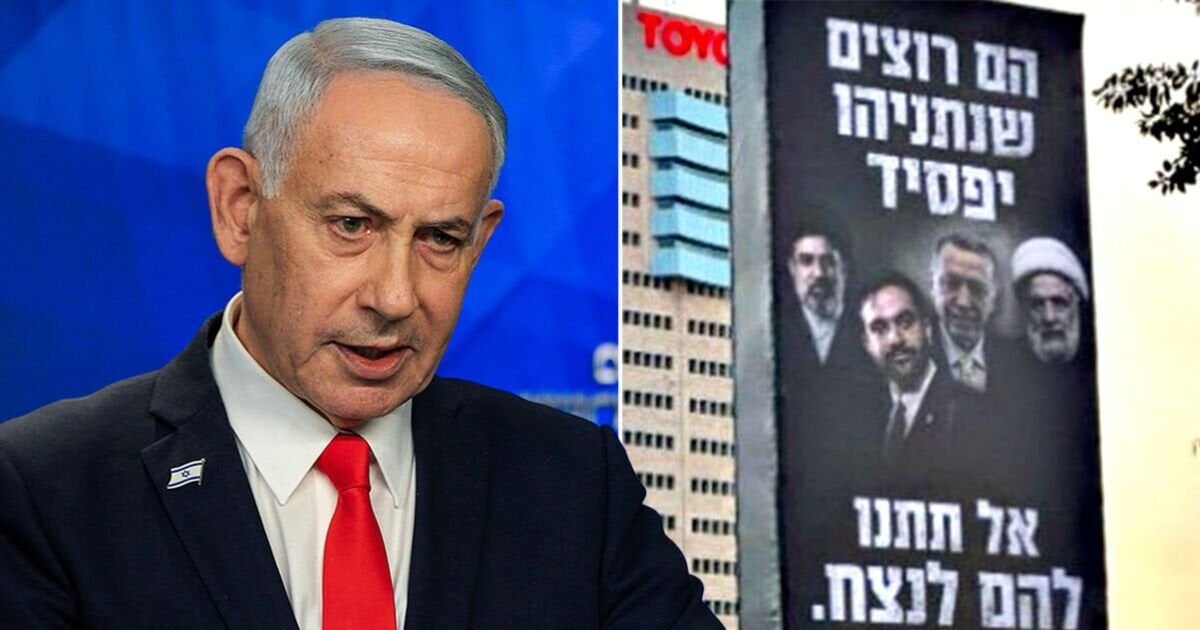 Benjamin Netanyahu’s Likud party has put Zohran Mamdani, the New York City mayor, on a campaign billboard in central Tel Aviv, drawing comparisons with leaders of Iran and Hezbollah. The poster shows Mamdani alongside Turkey’s president, Recep Tayyip Erdoğan, Iran’s supreme leader, Mojtaba Khamenei, and Naim Qassem, described as Hezbollah’s chief. Beneath the images, a message says: “They want Netanyahu to lose … Don’t let them win,” alongside Likud’s logo. Campaign Spur After Knesset DissolutionNetanyahu has stepped up his election campaigning as Israel prepares to vote in October after the Knesset, parliament, was dissolved in July. The elections will be the first since the Hamas-led attacks of 7 October 2023. The billboard is the latest move in a growing dispute between Netanyahu and Mamdani, who has been an outspoken critic of Israel’s war in Gaza since launching his mayoral campaign. Dispute Over Gaza Comments And Arrest CallThe verbal fight between the two intensified last month after Mamdani accused Netanyahu of being a “war criminal” and said he “belonged in The Hague”. Mamdani also urged US authorities to ensure the International Criminal Court warrant for Netanyahu’s arrest is carried out if he attends the United Nations General Assembly in New York in September. Netanyahu responded by accusing Mamdani of “fomenting hate” and of encouraging divisions between different religious communities in New York. He also said he was concerned that progressive Democrats aligned with Mamdani could put at risk the once-bipartisan level of political support for Israel in the United States. Recent polling in the US cited in the report indicates that Mamdani is more popular among American Jews than Netanyahu. UK Remarks And Ongoing Gaza TalksThe latest attack on Mamdani comes after Netanyahu described the UK as “the Islamic republic of Britain” during a podcast interview earlier this week. In the same conversation, he also referred to Britain as the “first Islamic republic to get a nuclear weapon”. Netanyahu posted the billboard image on his social media accounts on Sunday and shared a video featuring Mamdani’s remarks about him being a war criminal. The feud is unfolding as US-Israeli talks on a Gaza ceasefire agreement are said to be stalling. Jared Kushner, Donald Trump’s son-in-law and an envoy, met Netanyahu on Monday for about three hours, but no breakthrough was reported. Israel, the report says, is refusing to withdraw troops from the strip unless Hamas agrees to disarm first. Mamdani has not publicly responded to being included in Netanyahu’s election campaign materials. Join the discussion? 18 August 20266 points
 -
 Donald Trump said he plans to declare the Strait of Hormuz a United States territory “pretty soon”, pointing to American control of the waterway through naval action as disruptions continue to unsettle global oil and gas markets. The US president made the comments on Friday during a visit to a police academy in Garden City, New York. He linked his proposal to the continuing impact on shipping through the strait, a key route for oil, natural gas and other commodities, amid the war in the Middle East and elevated energy prices. Control Tied To U.S. Naval ActionTrump said US forces have the ability to manage access to the strait, adding that vessels would not pass unless Washington allowed it. He did not provide further detail about how the declaration would be carried out. His remarks came as the conflict continues and as Iran seeks to preserve influence over the strait. Tehran views the waterway as a major bargaining tool in negotiations with Washington, particularly with the US midterm elections scheduled for November. Iran War And Nuclear ConcernIn the same exchange, Trump said the United States could not allow Iran to obtain a nuclear weapon. He also said the US had used its military more than he would have preferred in pursuing its objectives. Trump repeated his assessment that Washington is making major progress against Iran, claiming that critics and parts of the media are not acknowledging the scale of what he described as US success. He said Iran’s leadership was no longer in a position to negotiate, describing the situation as a problem. His comments echoed a broader theme of his campaign messaging, in which he has argued that the stance taken by the United States is bearing fruit despite uncertainty around developments in the region. Tehran’s Position And Regional DependenceTrump’s statement also followed a social media post on Wednesday in which he said the US had “total” control of the Strait of Hormuz and would keep it. According to reported Iranian positions, the strait would remain closed until Washington accepted Tehran’s demands. Those demands include war reparations, the lifting of a US naval blockade and the withdrawal of US forces from locations around Iran. The Strait of Hormuz is heavily used for energy imports by multiple countries. Korea, among others, has said it hopes for the full reopening of the route as its supply depends on shipments passing through the narrow passage. Join the discussion? 15 August 20266 points
 -
 President Donald Trump’s approval rating fell again this week, according to a new survey, extending a downward trend in support for the president as the Iran war continues and voters raise concerns about affordability ahead of November’s midterm elections. Political debate has focused on the administration’s conduct of foreign policy and the prices faced by households. The Economist/YouGov poll, published on Monday, found 33% of respondents approved of how Trump has handled his job as president. Sixty-two per cent said they disapproved. Partisan split remains starkApproval was divided largely on party lines. Seventy-nine per cent of Republican respondents said they approved, while 4% of Democrats gave the same rating. The result follows reporting by The Economist’s polling tracker in June that Trump had become the most unpopular president ever in its model, with a net approval rating of negative 25 percentage points. The tracker draws on data from YouGov surveys. Earlier polls show weak supportYouGov’s latest numbers continue a broader slide. A Reuters/Ipsos survey published last week put approval at 35%. A Quinnipiac University poll released at the end of July showed approval slipping to 32%. Together, the figures suggest Trump’s ratings remain below majority support in recent polling across multiple firms, with the gap between approval and disapproval widening in the new YouGov survey. The latest survey underlined the same pattern. Midterm stakes for RepublicansTrump’s weakening job approval comes as Republicans try to lift backing for GOP candidates ahead of the midterms, with a goal of maintaining control of both chambers of Congress. The approval figures come as Republicans seek to defend their positions in the House and Senate. GOP strategists have warned that dissatisfaction with the president’s performance could hurt the party in November. They point in particular to divisions among voters over his handling of the Iran conflict and affordability. What voters say on specific issuesIn addition to overall approval, the YouGov survey asked about Trump’s handling of individual issues. Around 40% of respondents supported his approach to immigration, while 30% said they had confidence in his ability to deal wisely with an international crisis. On age, 53% of respondents said Trump was too old for the role. That view was shared by 85% of Democrats and 17% of Republicans. The Economist/YouGov survey interviewed 1,589 people between 7 and 10 August. The margin of error was about 3.2 percentage points. White House rejects the criticismA White House spokesperson, Davis Ingle, defended Trump’s record in a statement shared with The Hill on Wednesday. Ingle said no other president in history had achieved more for hardworking Americans, and argued that Trump is creating jobs, bringing down inflation and improving housing affordability. He also said progress at home and abroad is already under way, describing the administration’s work as part of a longer agenda. Ingle said the president’s agenda is taking effect. Join the discussion? 13 August 20266 points
 -
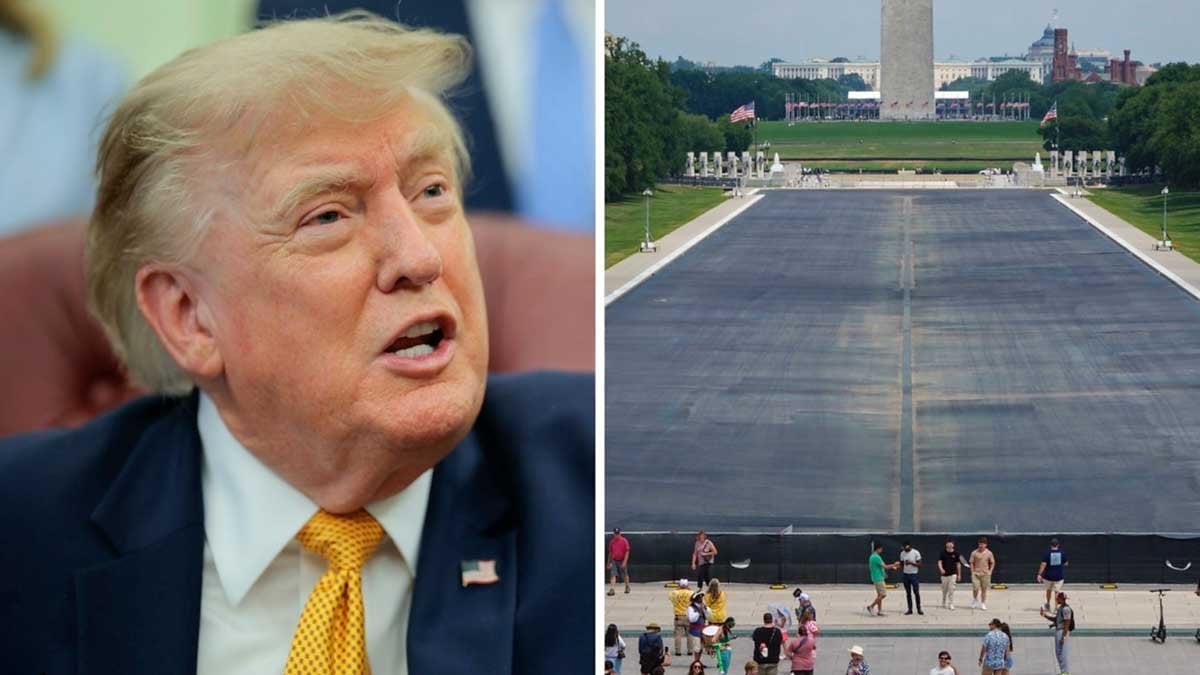 President Donald Trump has sharply criticised Jeanine Pirro after federal prosecutors dropped a high-profile vandalism case involving Washington DC's Reflecting Pool, accusing the US attorney of backing down. Speaking publicly, Trump said Pirro had "folded like an umbrella" by abandoning the case, despite what he described as clear evidence that vandals were responsible for significant damage. Charges DismissedThe charges against a former Olympian accused of vandalising the landmark were dismissed by federal prosecutors. A court filing submitted by Pirro, the US Attorney for Washington DC, stated that contractors were responsible for rushing the paint installation process, suggesting their actions contributed to the problems at the site. Trump Rejects ExplanationTrump acknowledged there "may have been some contractor difficulty" but rejected the explanation that it was the primary cause of the damage. He insisted the Reflecting Pool had suffered "major damage" because of vandalism and criticised the decision to end the prosecution. Dispute Over CauseThe case has drawn attention because of the differing views between prosecutors and the president over what caused the damage and whether criminal charges should have proceeded. Join the discussion? 4 August 20266 points
 -
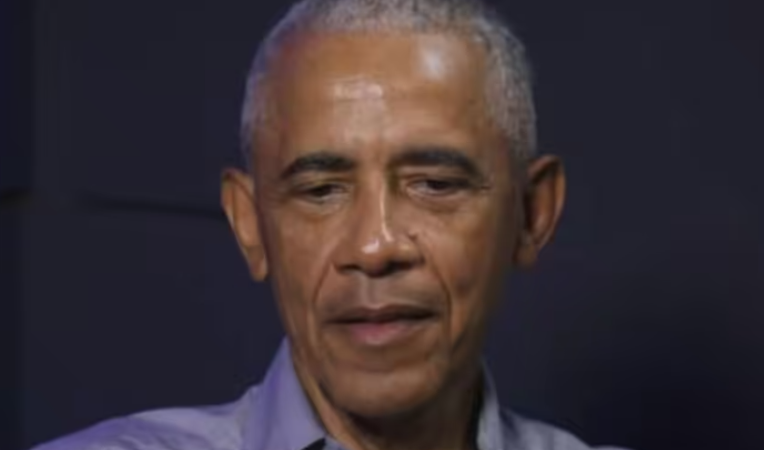 Former President Barack Obama has shared his belief in extraterrestrial life, confirming that aliens are real, but he firmly denies any association with Area 51 harboring them. In a recent podcast interview, Obama tackled the persistent theories surrounding the secretive military base in Nevada. Get the latest headlines in your email Obama stated, “They’re real, but I haven’t seen them – and they’re not being kept in Area 51.” These remarks shed light on a subject that has intrigued the public for decades and adds a rare presidential perspective to the ongoing discourse. Established during the Cold War, Area 51 has long been rumored to conceal alien technology and UFOs. The CIA only acknowledged the base's existence in 2013, but conspiracy theories continue to thrive. Obama’s comments aim to dispel these myths, suggesting that if any such secrets existed, they would not be hidden from a sitting president. During his conversation with political commentator Brian Tyler Cohen, Obama recalled asking about aliens upon entering office, driven by scientific curiosity rather than politics. His interest underscores the enduring human fascination with the unknown. In the same interview, Obama didn’t shy away from critiquing modern political developments, which he described as a “circus.” He compared recent national security rhetoric to historic nativist movements, stressing the need for systemic reform over reactionary responses. Obama’s statements on alien life and Area 51 contribute significant insight into public discussions, encouraging a balance between curiosity and skepticism. He advocates for a more rational and informed approach to the topic of extraterrestrial life. Key Takeaways Obama affirms belief in aliens but denies Area 51 connections. Area 51’s existence was confirmed by the CIA in 2013, sparking ongoing myths. Obama urges systemic reform in light of current political challenges. Join the discussion? Already a member? Adapted by ASEAN Now · Source · 15 Feb 20266 points
 -
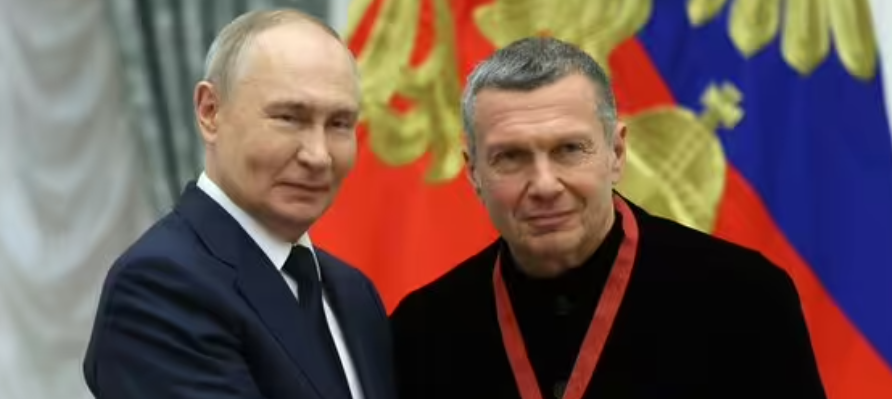 Russian broadcaster threatens NATO with deadly consequencesIn a chilling warning, Russia has escalated its rhetoric against NATO, including the UK, amid the ongoing conflict in Ukraine. Vladimir Solovyov, a Russian TV host and ally of Vladimir Putin, issued an alarming message about the repercussions if NATO troops enter Ukraine to support the nation under Russian assault. Recently, the Kremlin agreed to a temporary pause on Kyiv attacks after a reported request from US President Donald Trump. However, this truce, limited to Kyiv, ended on February 1. Meanwhile, Russian strikes on Ukraine’s Zaporizhzhia region resulted in injuries and damage, illustrating the intensity of ongoing hostilities. Solovyov, speaking on his program 'The Evening With Vladimir Solovyov', taunted NATO Secretary General Mark Rutte after his visit to Ukraine, mocking his encouragement to the besieged nation. Solovyov’s warning was explicit: “If NATO troops come in, we’ll kill all of you.” Drawing from State Duma deputy Pyotr Tolstoy’s comments, Solovyov doubled down on this threat, adding a foreboding tone to the escalating tensions. Russian attacks using ballistic missiles targeted Ukraine's energy sector, affecting thousands and exacerbating winter hardships. Despite a brief pause agreed upon by Moscow and Washington, the region continues to suffer in frigid conditions. Solovyov's threats came alongside UK and France's plans to possibly deploy peacekeeping forces to Ukraine post-ceasefire, following a deal between Sir Keir Starmer and Emmanuel Macron. This agreement outlines European troop deployment and UK initiatives to bolster Ukraine’s military resilience through protected weapons facilities and arm supplies. Despite these geopolitical maneuvers, Solovyov's rhetoric casts a shadow on international efforts to stabilize the region. His remarks reflect broader tensions as Russia maintains its aggressive posture, invoking global concern over potential conflict escalation. The aggressive broadcast underlines the gravity of the situation, with international parties closely monitoring developments. Tensions remain high as diplomatic and military strategies unfold, shaping the future of the conflict in Ukraine. Key Takeaways Russian TV host threatens NATO with severe consequences. UK and France plan potential troop deployment post-ceasefire. Conflict in Ukraine continues amidst geopolitical tensions. Adapted by ASEAN Now from Source 2026-02.066 points
 -
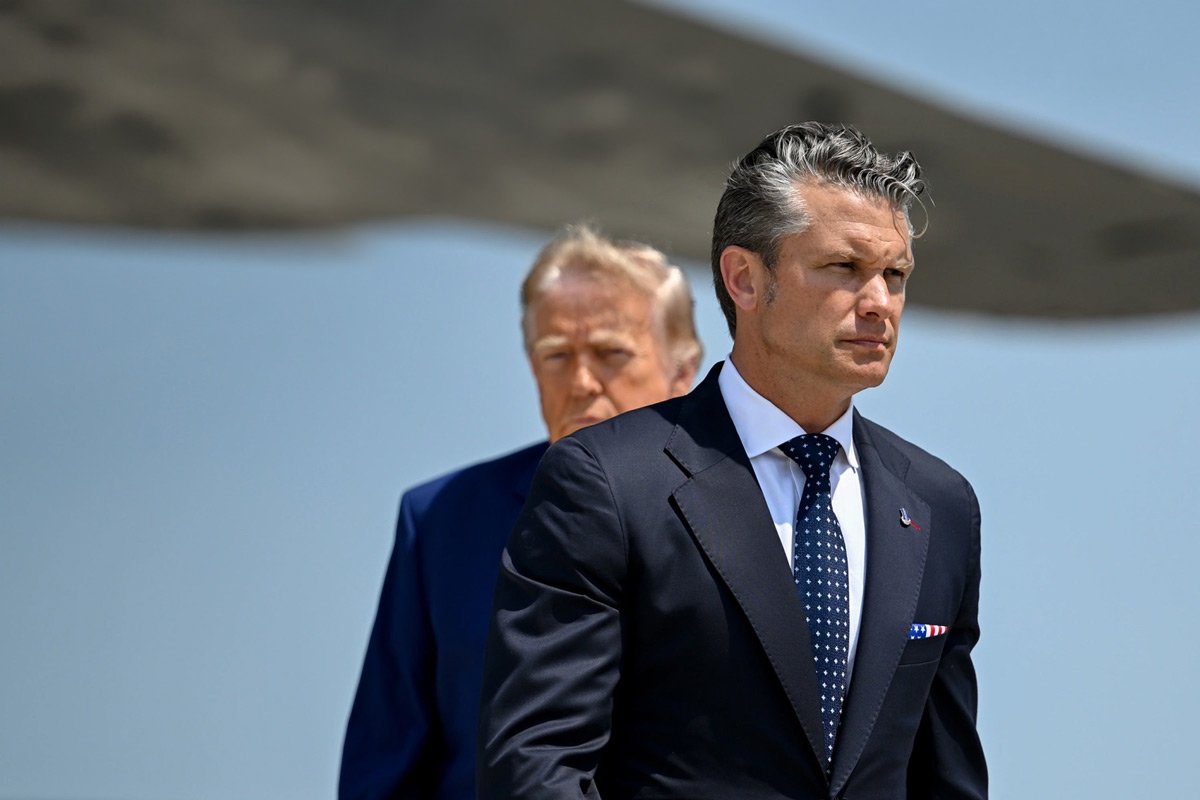 President Donald Trump said on Monday that it was too early to discuss whether Pete Hegseth, the US Defence secretary, would run for president in 2028. Speaking to reporters in the Oval Office, Trump responded to fresh discussion about Hegseth’s possible candidacy by saying it would be premature to talk about it now. He added that he believed Hegseth had been focused on his role and on the military. Trump Says It’s Too Early for 2028Trump told reporters that the matter should not be considered at this stage. He said the immediate priority was the next election cycle, adding that the country needed to get through the midterms first. He also indicated that, in his view, many people were contemplating a range of political possibilities, without being publicly visible. Trump said he believed Hegseth’s attention remained on the armed forces and on looking after service members. NBC Report and Hegseth’s DenialThe comments came after NBC News reported over the weekend that Hegseth was considering the possibility of running for president in 2028. Hegseth later rejected the report. In a post on the social media platform X, he said the claim was “100% false”. He said that he had told NBC the report was incorrect, and that the outlet had relied on anonymous “sources”. Hegseth also wrote that his only job was to “Make @DeptofWar Great Again”, before ending the post with “Carry on Patriots, and enjoy your Friday night”. Other Potential 2028 ContendersTrump’s remarks were made as a number of his allies have been mentioned in connection with potential 2028 campaigns. Those names include Hegseth, Vice President JD Vance, and Secretary of State Marco Rubio. Trump has also previously addressed questions about other figures. Last week, he was asked about the possibility of Senator Ted Cruz, a Republican from Texas who once ran against him for the presidency but later became an ally, pursuing a 2028 bid. In that exchange, Trump praised Cruz, saying he might choose to run and describing him as a talented figure. Join the discussion? 1 September 20265 points
 -
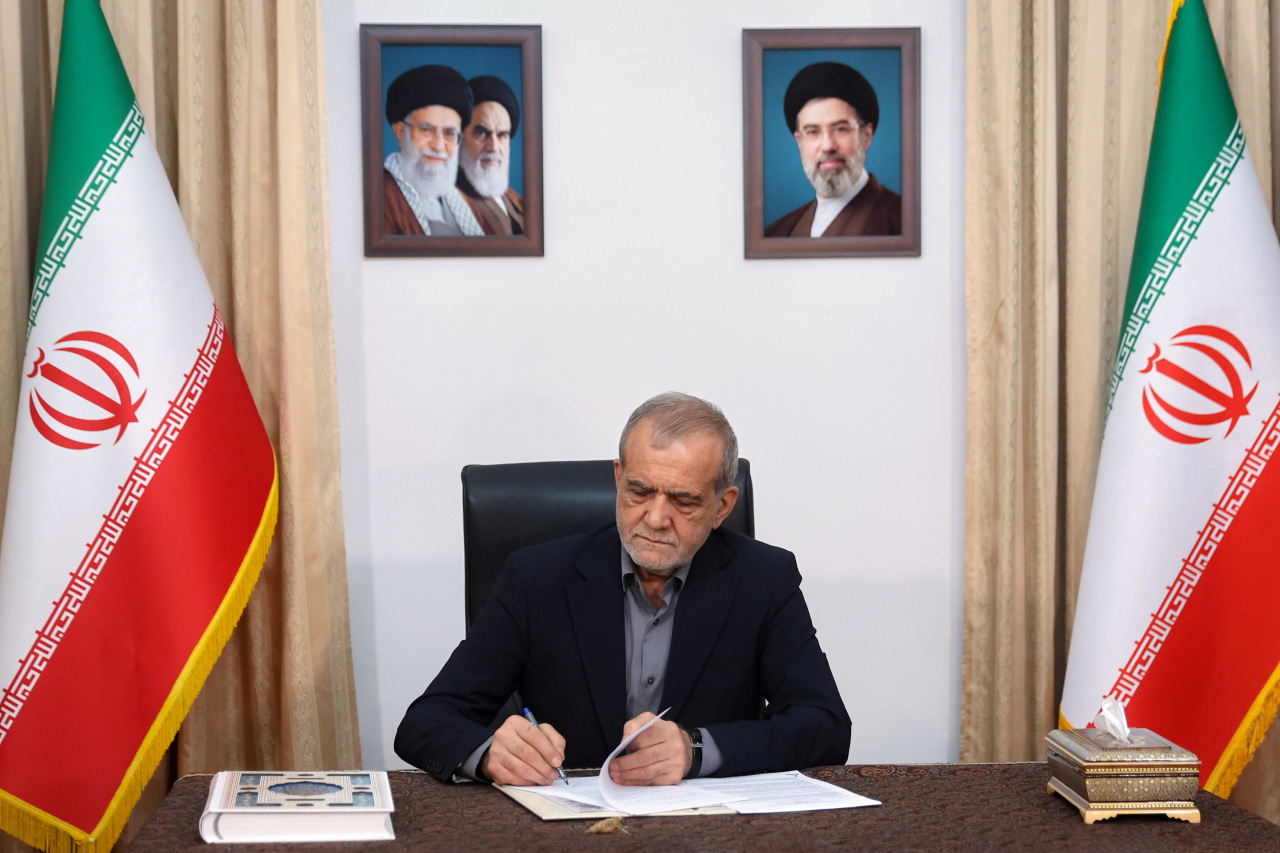 Iran’s President Masoud Pezeshkian said on Friday that the war between the United States and Iran should end, adding that the international community had accepted Tehran’s “victory” in the conflict. Speaking ahead of new US economic sanctions expected next week, Pezeshkian made the remarks in comments reported by Iranian state media. The Iranian President said the world had “approved our victory”, while stating that the United States was “hated”, according to the state-run IRNA news agency. Pezeshkian Calls for War to EndPezeshkian argued that the dispute should conclude because, in his view, Iran’s position had been endorsed internationally. The comments were framed as pressure for an end to hostilities between Tehran and Washington. Trump Signals More Economic PressureThe remarks come after US President Donald Trump announced on Wednesday that his administration would launch what he called the “most crushing economic operation ever” against Iran. The announcement was made while negotiations continue over reopening the Strait of Hormuz, a strategic shipping passage that carries around a fifth of the world’s oil consumption during peacetime. Trump said the operation would involve stopping a range of financial and shipping-related activities linked to Iran. In a post on Truth Social, he wrote that “oil smuggling, swap lines, cash transfers, exchange houses, ship registries, front companies” should stop, addressing unspecified recipients of the message. He also described the effort as an “ECONOMIC D-DAY” and said he needed allies to stand with the United States to isolate and defeat what he described as the “Iran threat”. Strait Of Hormuz Under StrainThe strait has been effectively closed as a result of Iranian counterstrikes and a US naval blockade, according to the article. Iran and Oman share joint jurisdiction over the waterway, but Trump has threatened to change its status and make it US territory during the ongoing talks. Treasury Secretary Scott Bessent is expected to set out details of the new economic sanctions on Monday. Speaking to CNBC on Thursday, Bessent said the strategy would combine the existing blockade with sanctions, describing it as a “one-two punch”. He said the administration would impose what he characterised as the toughest sanctions in history and that the approach would “work” in Iran. Iran Rejects Sanctions PlansIranian officials rejected the US measures and criticised the timing and stated rationale. Foreign Affairs Minister Abbas Araghchi said on Thursday that the anticipated penalties were intended to distract from domestic US concerns about the cost of living. On social media, he referred to the US plan as a “so-called ‘Economic D-Day’” and said it was a diversion from what he described as America’s own crisis, including unprecedented debt and rising interest costs. Araghchi said continuing with “failed policies” would lead to further defeat and to “enmity of Iranians”. He also said the US approach amounted to “economic terrorism” that threatened the global economy and sovereignty worldwide. Join the discussion? 23 August 20265 points
 -
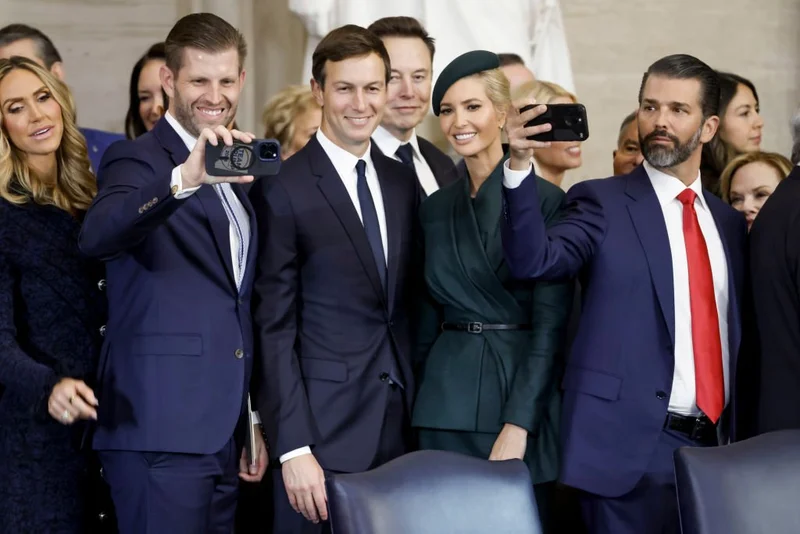 The BBC has asked a US court to issue subpoenas to Donald Trump’s family members, seeking documents and testimony as it fights the former president’s $10bn (£7.4bn) defamation claim. In court filings, the broadcaster’s legal team said it attempted in May to serve subpoenas on Trump’s son Donald Trump Jr and his daughter Ivanka Trump, as well as their spouses, including Jared Kushner. The BBC is trying to obtain evidence it says could be relevant to Trump’s case over a Panorama segment. Panorama Edit Spurs defamation ClaimTrump is suing the BBC over a Panorama episode that rearranged two separate sections of a speech he delivered before the 2021 Capitol riots. The BBC previously apologised for the editing error and said it gave “the mistaken impression” that Trump had directly called for violent action. It has denied that the mistake amounted to defamation. The latest application argues that Trump’s family members “have personal knowledge” of his intentions when he revised and delivered the speech. The BBC’s filing says their evidence and documents could therefore be relevant to Trump’s defamation allegations. Family Members Were Present, BBC SaysThe filing draws on evidence previously gathered by a US congressional committee. It states that Donald Trump Jr and Ivanka Trump were present when their father modified and delivered the speech. It adds that Kushner drafted a proposed statement that would have condemned the use of violence. The filing argues that testimony from the family could help establish what Trump intended in his public remarks. The BBC is also asking the court to authorise service of the subpoenas by email and by certified mail. It said previous attempts to serve papers in person were unsuccessful. Attempts To Serve Subpoenas BlockedAccording to the filing, a representative for the BBC attempted to deliver a subpoena for Ivanka Trump and Jared Kushner at their home in Florida, but was refused entry at a police checkpoint. The representative was later told by the Secret Service that the agency could not accept the subpoenas. In New York, the filing says a representative tried to serve a subpoena for Donald Trump Jr at Trump Tower but was told by a concierge that the person who usually takes such documents may have been at lunch. A further attempt two days later resulted in a response that the “legal department” was not available on that day, the BBC said. Trump’s legal team has been approached for comment. A BBC press office declined to comment. Wider Case Timeline And Financial RecordsTrump filed the lawsuit in Florida last December, naming the BBC, BBC Studios Productions and BBC Studios Distribution. His complaint accuses the BBC of “intentionally, maliciously, and deceptively doctoring” the speech. The BBC has asked the court to dismiss the lawsuit. It argues that Panorama does not satisfy the legal test for defamation and that the programme was not made available on its US platforms. In a recent filing, Trump’s lawyers admitted they had no evidence that the documentary was available in the US on BBC’s BritBox subscription service, or on BBC.com, BBC Select, or through US broadcasters, after initially making those claims. Trump has also agreed to drop the involvement of BBC Studios from the action following the BBC’s argument that the company had “no role” in creating or producing the documentary. Earlier this month, the judge granted Trump’s request for a delay in him handing over financial documents requested by the broadcaster. The BBC said it is seeking some of Trump’s records in connection with his argument that the documentary damaged his business interests. Trump’s legal team said disclosure would cause him “irreparable harm”. A trial date of February 2027 has been set if the case proceeds. BBC News is editorially independent from the wider corporation. Join the discussion? 15 August 20265 points
 -
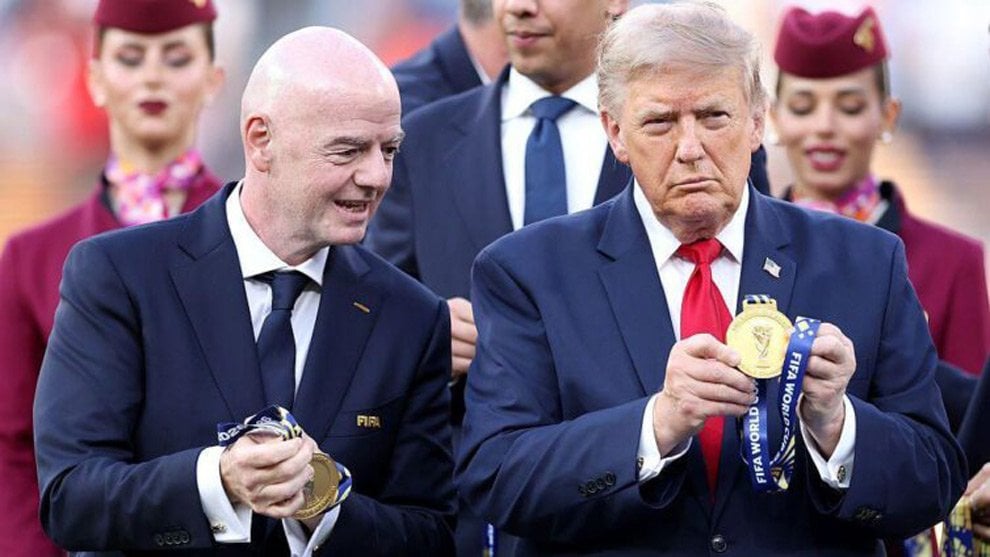 US President Donald Trump has said it would be a “terrible mistake” to remove Fifa president Gianni Infantino, adding his support after football’s regional governing bodies publicly criticised the under-pressure leader. Trump’s intervention came after Uefa, Concacaf and the Asian Football Confederation (AFC) released an open letter accusing Infantino of breaching trust “through deception” over an aborted Fifa Forward Enterprise (FFE) proposal. The plan was intended to restructure the management of major Fifa commercial activity and match ticketing rights. Under the FFE concept, a new company would have been created to oversee commercial and ticketing rights for all Fifa competitions, including the men’s World Cups. The proposal also involved selling 21% of that new company to a private investment firm as part of the plan. Trump said his backing signalled opposition to calls for change at the top of Fifa, with Infantino facing pressure since the FFE details emerged on 28 July. He wrote on social media: “Fifa would be making a terrible mistake if, for any reason, they even considered replacing president Gianni Infantino.” “Fifa would be making a terrible mistake” for any move to replace him, Trump continued, describing Infantino as “fantastic” and arguing that the Swiss official had overseen the “most successful World Cup, by four times” compared with prior tournaments. Trump added: “If he is gone, it will never be as successful or profitable again.” Heading into the new cycle for the sport, the 2026 World Cup held this summer was co-hosted by the United States, Canada and Mexico. Spain won the tournament, beating Argentina in the final. Regional bodies accuse Infantino of deceptionUefa, Concacaf and the AFC said in their letter that they believed Infantino had acted in a way that broke trust through deception, linking their concerns directly to the stalled FFE initiative. The FFE proposal has since become the focus of wider debate about Fifa governance and the way future commercial arrangements should be handled, with regional bodies calling into question the approach attributed to Infantino. Trump’s comments marked his first public defence of Infantino since the FFE plans came to light earlier this month. What the Fifa Forward Enterprise plan involvedTrump also previously addressed the FFE proposals for the first time on 31 July, saying he had not spoken to Infantino about the plans. Thrive Eternal was expected to lead the investor group associated with the FFE proposal. Thrive is an American venture capital firm founded by Joshua Kushner, who is the brother of Jared Kushner, Trump’s son-in-law. The FFE plan would have placed the new company at the centre of rights management across Fifa events, including future World Cups. The intended 21% sale to a private investment company formed part of the commercial model described during the proposal’s early stages. Relationship with InfantinoInfantino and Trump have maintained a close relationship. Infantino awarded Trump the inaugural Fifa Peace Prize in December 2025. The current controversy places Infantino under scrutiny following the regional organisations’ open letter and the publicity surrounding the aborted FFE plan. Trump’s latest statement, delivered in the days after the FFE revelations, sought to push back against the idea of replacing him. Join the discussion? 11 August 20265 points
 -
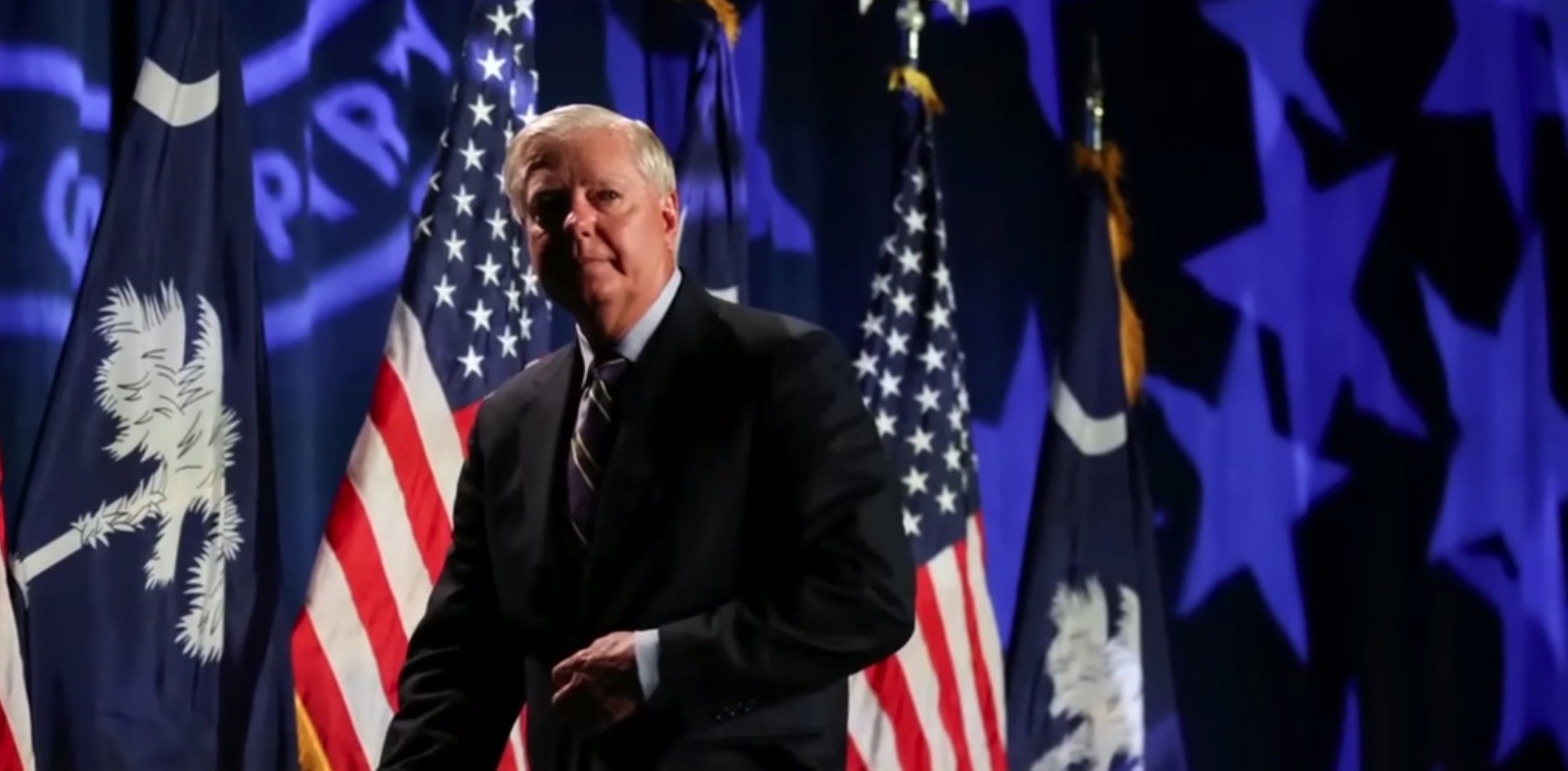 Republican Senator Lindsey Graham, one of US President Donald Trump's closest political allies and a leading voice on American foreign policy, has died at the age of 71 following what his office described as a "brief and sudden illness." Get today's headlines by email A statement released by Graham's office said he died on Saturday evening. His family requested privacy during "this incredibly difficult period." The South Carolina senator had recently returned from Ukraine, where he met President Volodymyr Zelensky on Friday. There had been no public indication of any health concerns before the trip. Leading Republican VoiceGraham was first elected to the US Senate in 2002 and went on to become one of Washington's most influential Republican lawmakers, particularly on national security and foreign policy. He also served as chairman of the Senate Budget Committee. A long-time advocate for strong US support for Ukraine, Graham had been working on a new version of a Russia sanctions bill during his latest visit to Kyiv. He said the legislation would provide "tools to President Trump to end this war." President Donald Trump paid tribute to his longtime ally in a social media post, describing Graham as a "true American Patriot." Ukrainian President Volodymyr Zelensky said he was "deeply saddened" by the senator's death. Writing on X, Zelensky said Graham had visited Ukraine 10 times since Russia's full-scale invasion began and had stood "with our people when it was most needed." "America and the world have lost a determined leader," Zelensky added. From Critic to Close AllyGraham's relationship with Trump underwent a dramatic transformation over the past decade. During the 2016 presidential campaign, he was one of Trump's harshest Republican critics. In a 2015 interview with CNN, Graham described Trump as "a race-baiting, xenophobic, religious bigot." He also warned on social media that nominating Trump would lead Republicans to defeat. Following the 6 January 2021 attack on the US Capitol, Graham appeared to distance himself from the president. "Trump and I, we've had a hell of a journey. I hate it to end this way," he said in a speech on the Senate floor. "All I can say is count me out. Enough is enough." Despite those remarks, Graham later became one of Trump's strongest supporters. He voted against convicting Trump during his 2021 impeachment trial and backed his successful 2024 presidential campaign. In a 2023 interview with the BBC, Graham acknowledged what he called Trump's "dark side" but said he continued to support him because of his record on border security, the killing of Iranian military commander Qasem Soleimani and the appointment of conservative judges. Strong Foreign Policy AdvocateThroughout his Senate career, Graham was known for advocating a robust US role in global security. He strongly opposed the 2021 withdrawal of US troops from Afghanistan, calling it "a sad and dangerous event for US national security" and warning that extremist groups would view it as a sign of American weakness. Graham was also a staunch supporter of Israel. Israeli Prime Minister Benjamin Netanyahu paid tribute on Sunday, saying Graham understood that "the security of Israel and America are inseparable." "Lindsey understood that the security of Israel and America are inseparable," Netanyahu said, adding that Israel had lost "one of its greatest friends." Join the discussion? 12 July 20265 points
 -
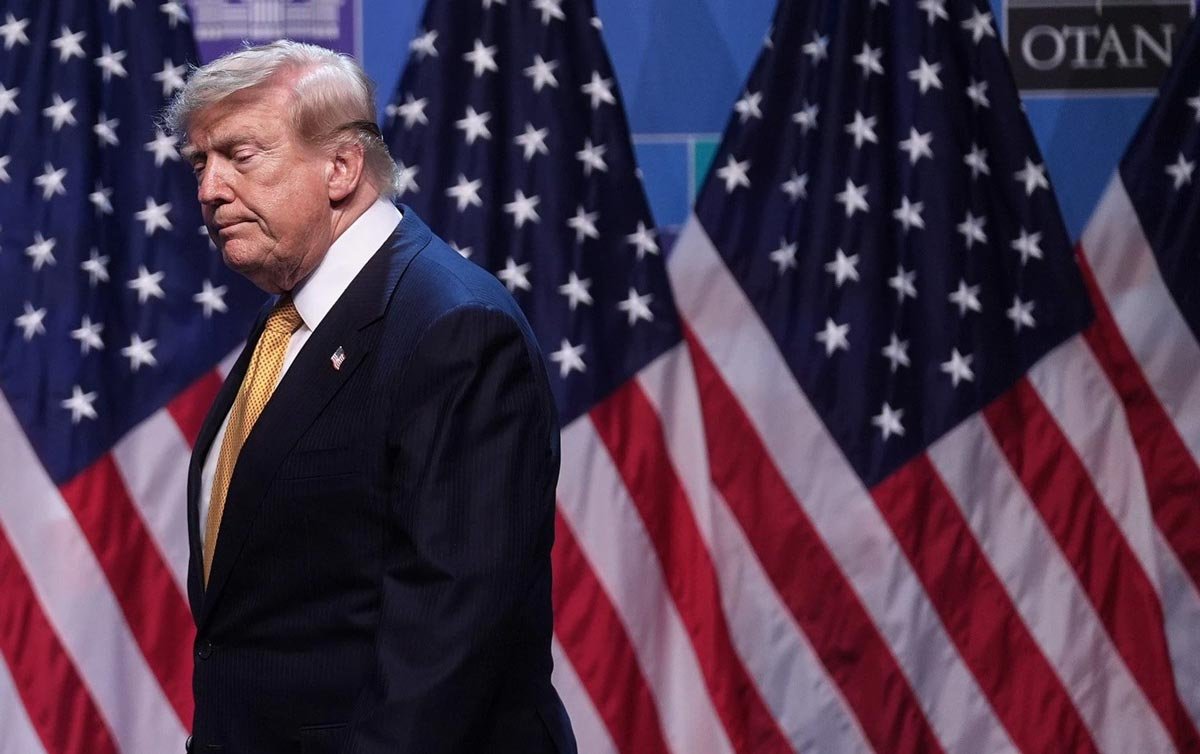 President Donald Trump has said he has left standing instructions for the United States to launch an overwhelming military strike against Iran if he is assassinated, amid renewed attention on threats against him and heightened tensions between Washington and Tehran. Get today's headlines by email Speaking to the New York Post on Friday, Trump said Iran had targeted him for years and claimed he had already directed how the U.S. should respond if such an attack were carried out. "I've been on their list for a long time. That's what we're dealing with," Trump said. "The only thing is, I've left instructions — if anything happens, to just literally bomb them at levels that they've never seen before." Assassination ThreatsTrump's remarks came a day after The Wall Street Journal reported that Israel had shared intelligence with U.S. officials suggesting there was a new Iranian plot to assassinate the president. However, Trump dismissed suggestions that Israel had uncovered fresh information. "No, no. Israel came up with nothing. No, no," he said. "I've been No. 1 [on Iran's kill list] for a long time, and it's the way life is." CNN, citing U.S. officials, reported that the Israeli intelligence may have been intended to influence Trump's thinking as he considers whether to expand military action against Iran. According to the report, Israel has advocated for stronger military intervention, while Trump has continued to pursue negotiations despite the escalating conflict. Long-Running HostilityIran has been accused of seeking revenge against Trump since he ordered the January 2020 U.S. strike that killed senior Iranian military commander Qassem Soleimani. Reuters also reported that during funeral processions this week for Iran's Supreme Leader Ayatollah Ali Khamenei, crowds chanted "Death to America," while banners reading "We Will Kill Trump" were displayed. Earlier this week, Trump also referred to the threats while speaking to reporters at the NATO summit in Ankara, Turkey. "I'm their No. 1 target because they're scum," he said. Questions were also raised after Trump returned from Turkey aboard the older Air Force One rather than the newer aircraft gifted by Qatar. The White House played down any suggestion that the decision reflected increased security concerns. Military EscalationRelations between Washington and Tehran have deteriorated sharply in recent days. The United States carried out strikes on 90 targets inside Iran on Wednesday after Tehran targeted shipping vessels in the strategic strait. The military action marked a significant escalation in the confrontation between the two countries. On Friday, Trump said Iran had requested that peace talks continue and that Washington had agreed to further negotiations. At the same time, he declared that the ceasefire between the United States and Iran was "over." Earlier in the week, the president also ended the U.S. sanctions waiver covering Iranian oil exports, increasing economic pressure on Tehran. Join the discussion? 11 July 20265 points
 -
 A village on the shores of Italy's Lake Como has introduced fines of up to €200 (£170) for visitors who walk around shirtless or wearing swimwear, as local authorities seek to tackle the impact of growing tourism. Get today's headlines by email The new regulations in Varenna, a popular fishing village, are intended to preserve the area's character and improve the quality of life for its approximately 650 permanent residents, who have increasingly felt the effects of rising visitor numbers. New Rules Introduced to Curb Tourist BehaviourUnder the rules, tourists are prohibited from walking through the village with bare chests or wearing swimsuits outside designated lakeside beaches or while on boat trips. Anyone who breaks the dress code faces fines ranging from €50 to €200. Limits on Tour GroupsThe measures also place restrictions on organised tour groups, limiting them to a maximum of 25 people. Groups are expected to avoid blocking the village's narrow cobbled streets, while tour guides are no longer permitted to use loudspeakers. Varenna's mayor, Mauro Manzoni, said the village remained proud to welcome hundreds of thousands of visitors each year but stressed that tourism should not come at the expense of local residents. He said protecting the quality of life for those who live in the village year-round was a priority alongside maintaining Varenna's appeal as a tourist destination. Residents Welcome the ChangesThe rules, which came into force several days ago, have been broadly welcomed by local residents and business owners, particularly the restrictions on inappropriate clothing. One shop owner told Italian broadcaster Mediaset's TGCom24 that beachwear was acceptable by the lake but said visitors should dress appropriately when entering shops, restaurants, churches or public squares. Another local business owner described the regulations as overdue, adding that effective enforcement would be essential for the measures to succeed. Part of a Wider Trend Across ItalyVarenna joins a growing number of Italian destinations that have introduced rules to manage the effects of overtourism and encourage respectful behaviour from visitors. In 2022, the mayor of Sorrento introduced fines for people walking around the town in swimwear or bare-chested, describing the practice as inappropriate and damaging to the town's image. The following year, the coastal resort of Portofino created temporary "no-waiting zones" in popular locations to discourage visitors from lingering for photographs, including selfies, in an effort to ease congestion. Join the discussion? 8 July 20265 points
 -
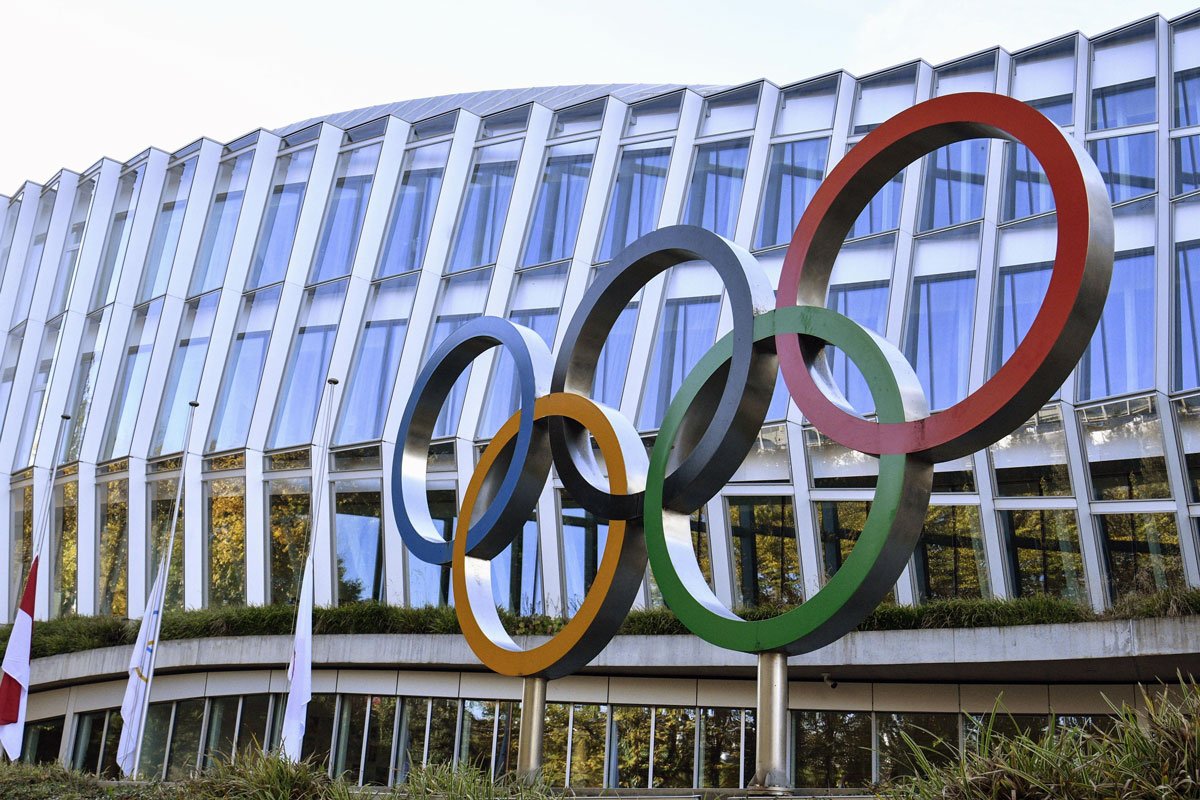 The International Olympic Committee has barred transgender women from competing in women’s events at the Olympic Games under a new eligibility policy adopted Thursday. The rule limits participation in female categories at Olympic competitions to biological females. The policy will apply to all IOC events, including both individual and team sports. IOC adopts new eligibility ruleUnder the framework, athletes competing in women’s categories must undergo a gene test once during their career to determine eligibility. The screening looks for the SRY gene, a DNA segment typically found on the Y chromosome and associated with male sex development before birth. The IOC said the change aims to “protect fairness, safety and integrity” in women’s sport. Policy ahead of Los Angeles OlympicsThe rule will take effect for the 2028 Summer Olympics in Los Angeles. IOC President Kirsty Coventry said the policy reflects the narrow margins that determine results at elite competition. She said the organisation concluded it would not be fair for athletes born male to compete in female Olympic categories. Coventry, a two-time Olympic swimming champion, launched a review on protecting the female category shortly after taking office. The IOC had previously allowed international sports federations to set their own rules on transgender participation. Several governing bodies had already introduced restrictions in recent years. Before the 2024 Summer Olympics in Paris, federations overseeing athletics, swimming and cycling had barred transgender women who had undergone male puberty from women’s events. Debate over eligibility and biologyThe IOC document states that people born male experience several testosterone surges during development, including in the womb, early infancy and adolescence. According to the organisation’s research, these differences create physical advantages in sports involving strength, endurance or power. The document estimates male performance advantages of about 10–12% in many running and swimming events and more than 20% in throwing and jumping disciplines. In explosive power activities such as punching sports, the difference can be significantly higher, the report said. The gene test approved by the IOC may involve saliva samples, cheek swabs or blood tests and is intended to provide what the organisation described as the most accurate and least intrusive method currently available. The policy does not apply retroactively and does not affect grassroots or recreational sports programmes. Impact on athletes and reactionsIt remains unclear how many transgender women compete at the Olympic level. No athlete who transitioned from male competed in the women’s category at the Paris Games. The most prominent example was Laurel Hubbard of New Zealand, who competed in weightlifting at the 2020 Summer Olympics in Tokyo but did not win a medal. The policy also affects athletes with differences in sex development (DSD), including South African runner Caster Semenya, whose long-running legal challenge to eligibility rules reached the European Court of Human Rights. The issue has been widely debated in international sport and was also addressed politically in the United States. Donald Trump signed an executive order titled “Keeping Men Out of Women’s Sports,” which threatened funding cuts for organisations allowing transgender athletes in women’s competitions. The IOC decision is likely to face criticism from human rights advocates and activist groups concerned about mandatory gender screening. Join the discussion? Already a member? Adapted by ASEAN Now. Source 27 March 20265 points
 -
 Russian economy suffers under Western sanctionsRussia's economy is reeling as construction firms topple under crippling debts. Sanctions have hit hard, causing revenue shortfalls in crucial sectors like oil and gas. Vital oil and gas revenues plummeted by a fifth last year, leaving industries like construction facing the abyss. Russian construction companies are collapsing, with debts escalating alarmingly. The Russian paper Izvestia flagged three major firms nearing bankruptcy, totalling almost £900,000 in debts. SC Donstroy, based in Rostov-on-Don, succumbed to bankruptcy with debts of 11 million rubles (£105,000). LLC "STEK" followed suit, declared bankrupt last year owing 39 million rubles (£373,000). Stroyproekt Group teeters on the brink, while Regionstroy has already succumbed with debts around 43 million rubles (£402,000). Ukraine’s foreign intelligence warns of deeper economic woes, describing Russia as trapped between recession and surging prices. According to them, Russia’s Central Bank's strict policies have strangled business growth, plunging the economy into stagnation. Adding salt to the wound, the budgetary constraints loom large. Tax changes have decreased incentives, and maintaining high spending in 2025 despite tumbling revenues is worsening the deficit. The financial pressure mounts relentlessly, and industries are buckling. The construction sector isn't the only victim. Housing developers and the coal industry are also suffering as interest rates soar. The spectre of bankruptcy is spreading, further showcasing the economic turmoil engendered by Western sanctions. As the outlook dims, analysts and economists watch closely, assessing how Russia will navigate this financial storm. The situation seems dire, with no immediate relief in sight. The collapse of these industry giants serves as a stark reminder of the far-reaching impact of global economic policies. Key Takeaways Russian construction firms face massive bankruptcy risks. Western sanctions have severely impacted oil, gas revenues. Economic policies have contributed to deepening stagnation. Adapted by ASEAN Now from Source 2026-02.025 points
 -
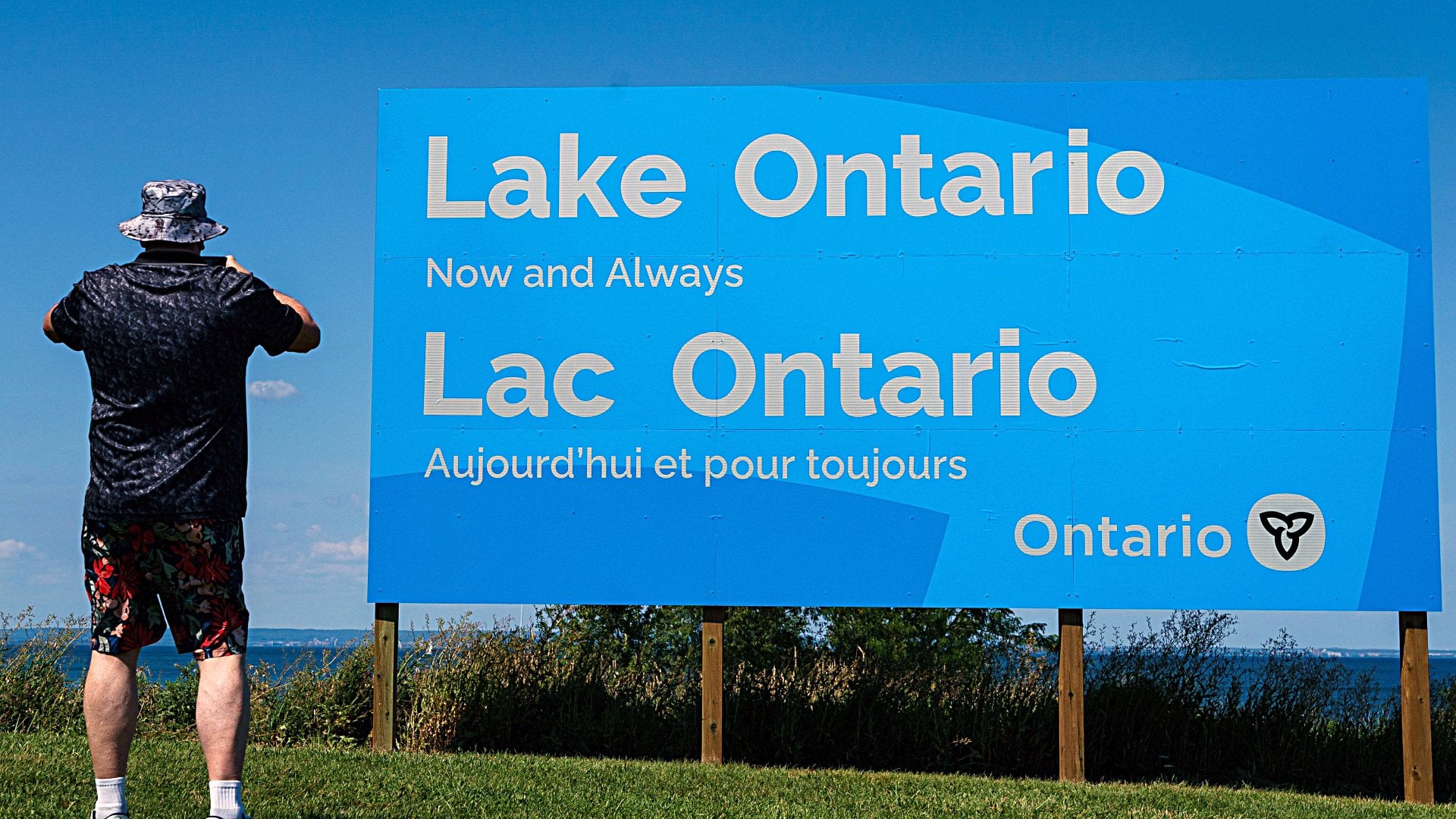 Ontario Premier Doug Ford has responded to US President Donald Trump’s move to rename Lake Ontario by installing a large sign along Canada’s shoreline stating: “Lake Ontario. Now and Always.” Ford unveiled the sign while criticising Trump’s decision, saying the lake had long been known as Lake Ontario and would continue to be called that regardless of US actions. He said Trump’s renaming was driven by dissatisfaction with Ontario and Canada “standing up for ourselves”. The dispute follows an executive order Trump signed on Thursday, which seeks to change the lake’s name in the United States to “Lake America”. The president also shared a series of AI-generated videos on social media, including footage depicting a lake sign being overturned and replaced with one reading “Welcome to Lake America”. Trade Row Spurs Fresh Name DisputeThe latest exchange of remarks came after trade talks between the two countries collapsed. The US introduced new 50% tariffs on $20bn (C$28bn) worth of Canadian goods. Canada is set to respond with “dollar for dollar” counter-tariffs next month, aimed at matching the US measures. Trump said his decree took effect immediately when he signed the order and posted content online to reinforce the new name. Canadian officials have dismissed the renaming effort, arguing that other countries are not obliged to adopt changes made unilaterally by the US. Ford Frames Renaming As Insult To CanadaStanding in front of the newly installed sign, Ford said the message was intended to ensure Trump, or others, “forget[s]”, adding that the lake is “Lake Ontario, now and forever”. The row mirrors earlier comments by Canadian Prime Minister Mark Carney, who had said “things must be called by their name”, and that the lake is called Lake Ontario “today and forever”. Ford’s remarks also referenced the executive order’s effect on how the US recognises geographic features. Under the order, the US Department of the Interior has 30 days to update the name through the Geographic Names Information Service, which serves as the official repository of domestic geographic names in the US. Great Lakes Origins Cited As Ontario And New York BorderLake Ontario is the smallest of the Great Lakes and lies on the border between the Canadian province of Ontario and the US state of New York. The names of four Great Lakes—Ontario, Huron, Michigan and Erie—are derived from Indigenous words, while Lake Superior is named after an anglicised French term. Trump’s executive order is not the first time his administration has attempted to rename a shared body of water. When Trump entered the White House in 2025, he signed an order changing the Gulf of Mexico to the Gulf of America. Mexico rejected the change, saying a single country cannot rename an international water body shared by multiple nations. That earlier move also led to a legal dispute involving Mexico and Google after the company used “Gulf of America” in its maps service. As a result, Google Maps users in the United States see “Gulf of America”, while users in Mexico see “Gulf of Mexico”. In other countries, the name appears as “Gulf of Mexico (Gulf of America)”. Join the discussion? 30 August 20264 points
 -
 President Donald Trump has been signalling for weeks that congressional Republicans could face blame of their own if the party suffers major losses in the 2026 midterm elections ANALYSIS Trump has long disliked losing elections, repeatedly trying to explain setbacks by pointing to unsubstantiated claims of mass voter fraud. Ahead of November, he has instead turned his focus inward, suggesting that Republicans would be responsible if they fail to meet expectations at the ballot box. Resharing And Threat Of “Frustration”On Wednesday, Trump drew attention by re-sharing a month-old post by a loyal supporter, Matt Van Swol, who warned that Republicans were “sleepwalking toward a midterm reckoning they don’t see coming”. In the original post, Van Swol argued that Republicans in Congress had not delivered legislative progress to support Trump’s agenda, and said that if lawmakers did not begin producing “tangible results”, voters’ frustration would have consequences. Trump later posted additional material listing what he said were his own achievements. He also shared an image declaring “mission accomplished” in the Iran war, underscoring the contrast he was drawing between his record and what he suggested the party has not done enough to secure. Leavitt Response And False ClaimsAsked on Thursday whether Trump was distancing himself from congressional Republicans, White House press secretary Karoline Leavitt said: “The president is wholeheartedly committed to helping Republicans across the board retain the majority.” But Trump had set out the case more directly earlier in the month, including in an interview with Punchbowl News in which he claimed—falsely—that voters were angry at other Republicans rather than him. He said: “The question is, will (people) vote? Because a lot of them are very angry at Republicans, to be honest with you,” adding: “They’re angry at Republicans, but they’re not angry at me.” The article also references polling figures from CNN Poll of Polls, saying 63% of Americans disapprove of Trump and that fewer than 1 in 5 strongly approve of him in most quality polls. Trump’s broader messaging has also suggested voters would reward him personally while withholding support from other Republican figures, setting up the possibility of a sharper intraparty fight if the GOP does poorly. Push On Elections Bill And FilibusterEarlier in the summer, Trump urged Senate Republicans to abandon the filibuster and pass his elections bill, the “Save America Act”, repeatedly framing the issue as a test for the party’s electoral prospects. At Mount Rushmore on July 3, he said Republicans could only “lose the midterms” if they failed to pass the legislation, adding that refusing to do so could be “foolish, stupid, and unwise”. Later in July, he warned that if Republicans did not “get it done”, it would be “a very bad thing for the party”. On July 29, Trump said that if there was not “unanimous GOP support”, voters should look at the Republicans who withheld it. He also targeted Senate Majority Leader John Thune in posts that implied disappointment with efforts to remove the filibuster, including a message stating: “Remember, stupidity always brings LOSING & DEATH!” Trump has also encouraged voters to “pretend” he is on the ballot and vote accordingly, while seeking to keep the midterms focused on him through a Trump-branded midterm convention next month. The Atlantic reported that the convention and related advertising plans featured Trump prominently in super PAC materials, according to the article. Midterm Strategy And Potential FalloutThe warning from Trump’s approach is that the political coalition that supports him may be less reliable when he is not personally on the ballot. With his approval ratings described as low, Republicans have acknowledged they face limited space to win over swing voters, with CNN reporting that sources pointed instead to mobilising MAGA supporters. If Republicans were to lose one or both chambers of Congress, the narrative would likely turn quickly to how much damage Trump’s role has done to the party and to whether he is a weakened lame-duck president with two years remaining. In that scenario, he would be expected to respond to any suggestion his leadership is responsible for the results. If, however, Trump chooses to lay the blame primarily on congressional Republicans, the GOP could face a difficult internal struggle shortly after an election defeat, just as it looks for a new direction beyond the Trump era. Join the discussion? 28 August 20264 points
 -
 President Donald Trump has threatened to bomb Oman, a US ally, if it “gets in the way” of American negotiations with Iran, according to Fox News. The United States and Oman have been holding separate discussions with Tehran about reopening the Strait of Hormuz, a key shipping route for global oil and liquefied natural gas. The strait has been largely closed for nearly six months amid conflict between the US and Iran. Threat Made During a Phone InterviewFox News reported that Trump made the threat during a phone interview. A Fox correspondent said the US president also used an expletive during the call when responding to questions about Oman’s role. In the same period, Iranian officials said they were close to finalising a deal with Oman for shipping to pass through the strait. At the same time, the future of US-Iran talks remained uncertain as a 60-day Memorandum of Understanding (MoU) between Washington and Tehran is due to expire. Trump was asked by BBC News in the Oval Office on Monday whether he was seeking an extension to the MoU. He replied: “No.” Strait Of Hormuz Reopening Talks ContinueThe Strait of Hormuz borders Iran and Oman and carries about a fifth of the world’s oil and liquefied natural gas under normal conditions. Iranian actions that followed earlier attacks between the two sides have largely halted transit, with reopening described by both Washington and Tehran as a central issue. Oman has described itself as neutral in the conflict, while it has also suffered strikes from Iran. The sultanate is nevertheless seeking to mediate between Iran and others in efforts to restart shipping through the waterway. Earlier in the week, the Iranian foreign ministry said it had reached an understanding with Oman on a transit route. Esmaeil Baghaei, a foreign ministry spokesman, told reporters that both sides would finalise details before issuing a joint statement. Oman has previously described its talks with Iran as positive. For Washington, Reuters reported earlier, citing an Iranian official, that Tehran was seeking fees from vessels transiting the strait, at between 5% and 7% of cargo prices. Separately, earlier this month, Iran’s foreign minister, Abbas Araghchi, said a full reopening would depend on Iran receiving compensation from the US for what Tehran described as violations of the MoU. IRGC Backchannel Claim DeniedFox reported that Trump also said he had a direct backchannel with the Islamic Revolutionary Guard Corps (IRGC), which plays a major military, economic and political role in Iran. An IRGC spokesman denied the claim. The spokesman told semi-official Iranian news agency Tasnim that there were no talks between IRGC officials and Americans. He said Trump’s allegation was a product of “fantasies” driven by defeat and desperation, according to the report. MoU Expires As Trump Says He’s Not RushedThe MoU between the US and Iran, signed on 18 June, was intended to bring about a ceasefire and at least partially reopen the Strait of Hormuz. It broke down soon after, when both sides resumed strikes. On 8 July, Trump said the ceasefire was over and criticised Iran’s leadership after further exchanges of fire. As the MoU approached formal expiry on Monday, he posted on his Truth Social platform that the “number one goal” was to ensure Iran could not obtain a nuclear weapon. During the Fox interview, Trump also suggested he was not planning an immediate push for an end to the conflict, saying of Iranian leaders: “They’re good poker players, but they’re dying,” and adding that he had “no time schedule” and was “not in a hurry”. Join the discussion? 18 August 20264 points
 -
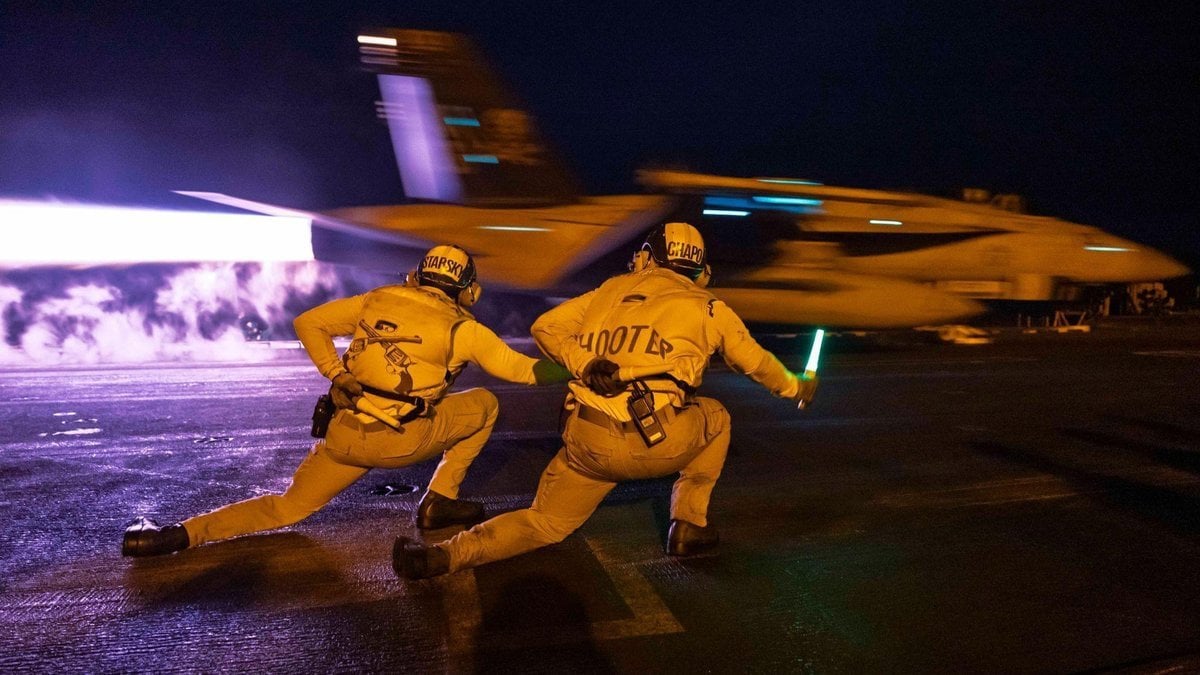 Donald Trump has ordered the Pentagon to redesign a new US aircraft carrier so it can launch fighter jets using steam catapults rather than electromagnetic systems, a move he has advocated since at least 2017. Trump signed a national security memorandum on Thursday directing the defence secretary, Pete Hegseth, and the acting secretary of the navy, Hung Cao, to prepare what he called a plan to replace key systems on the USS Doris Miller, a Ford-class carrier. Memorandum sets a 60-day planning deadlineThe memorandum gives the Pentagon leaders 60 days to develop “a plan on the required measures” to swap out the Electromagnetic Aircraft Launch System and the Advanced Weapons Elevators for “steam and hydraulic systems” for the construction of the USS Doris Miller. The carrier is already two years behind schedule, according to the information in the report. Trump has pushed the change for yearsTrump has repeatedly criticised the electromagnetic launch system used on the latest US aircraft carriers, arguing that steam is preferable and that digital systems are too complicated. His decision follows years of public remarks in which he described complaints about “digital” catapults and said he believed they were unnecessarily complex. In 2017, he told Time magazine that he questioned what he described as a “digital catapult system” and said it sounded complicated. He said in the interview that he was told the Navy intended to stay with the digital approach, and he argued that steam would be better, adding that the digital option was more expensive. Picture courtesy of The Hill A review of Trump’s public comments by the Guardian shows he retold the same anecdote, with variations, every year from 2017 onward. In 2018, he brought up the issue during a phone call connected to the USS Ronald Reagan while it was docked in Hong Kong. In 2019, he recounted the exchange with a “catapulter” to Republican donors at a fundraiser. In 2020, he incorporated it into campaign speeches during the pandemic. He again referenced it in 2021 at CPAC, in 2022 in a campaign speech in Texas, and in 2023 on the campaign trail in Iowa. He also repeated it shortly before the 2024 election at an event where he spoke to Tucker Carlson. After returning to office in 2025, Trump raised steam catapults during the swearing-in of Tulsi Gabbard as director of national intelligence and again in remarks to the crew of the USS George Washington, a carrier based in Japan. Navy and industry warn of cost and integration risksThe Wall Street Journal, which first reported the order, said senior US Navy and industry leaders have resisted the move, citing the “enormous expense” involved in removing the complex system that was built into the design of the latest carriers. General Atomics, the company that builds the electromagnetic aircraft launch system for the Ford-class ships, said the decision to revert to steam “warrants careful reconsideration”. The company told the Journal that its work on the new ship is nearly 50% complete and that changing course at this stage would create “significant cost, schedule, and integration risks”. US senator criticises Trump’s interventionSenator Mark Kelly, an Arizona Democrat and former astronaut, reacted sharply to the news, writing on social media that he would not suggest engineering changes for a warship, and adding that he believed Trump should “stick to what he knows best – ballrooms, bankruptcy, and bullshit”. The order comes amid separate reporting on an intensifying mental health crisis onboard the USS Abraham Lincoln, where about 5,000 sailors and marines are said to be enduring a record-breaking deployment tied to the war with Iran. Join the discussion? 14 August 20264 points
 -
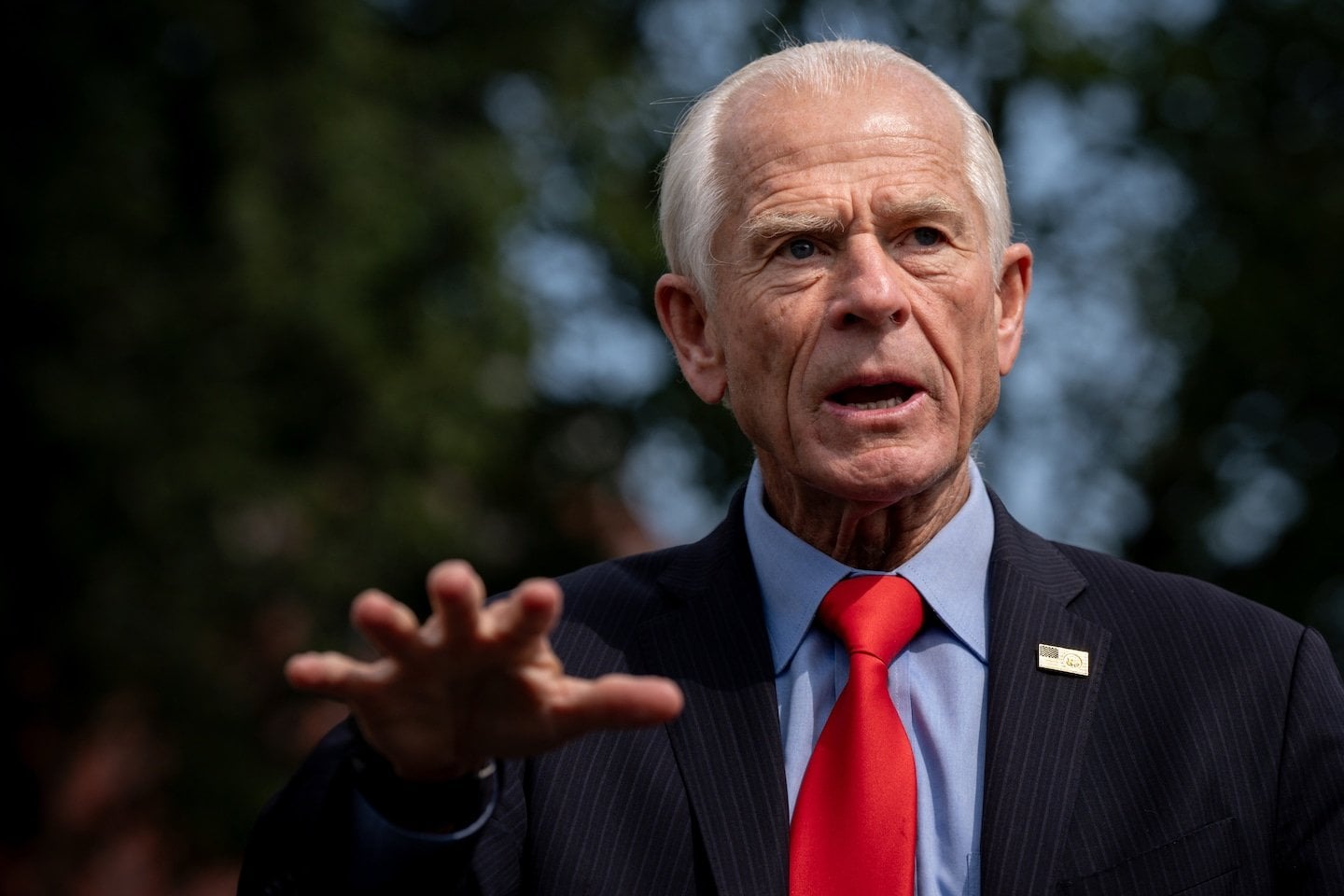 The White House said dozens of countries have helped China avoid US tariff charges by routing exports through nations with lower duties, potentially costing the US tens of billions of dollars. In a report released on Thursday, the administration said more than 40 countries had played a role in what it described as efforts to sidestep US import costs. It named Canada, India, Mexico, Japan and South Korea among those it said had supported China’s ability to “evade” tariffs by shifting goods through third jurisdictions. White House trade adviser Peter Navarro said the practice had harmed the US economy, adding that it cost “American jobs and billions in revenue”. White House describes “transshipping” networksThe report focuses on a process known as transshipping, in which cargo is transferred through another country while en route to its final destination. The White House said US and private sector estimates show between $30bn (£22.2bn) and roughly $300bn in goods has been moved from countries with higher tariff rates to those with lower ones. It accused China of taking advantage of the approach by using third countries as stopovers and by repackaging goods to conceal their real origin. In its account, the US administration portrayed the method as being carried out through what it called a global network. It also said it had deployed artificial intelligence (AI) tools to identify and target transshipment efforts. China rejects tariff measures targeting firmsA spokesperson for the Chinese embassy in Washington said in response to BBC questions that “trade wars have no winners” and that China opposes the US tariff measures, including the use of state power aimed at Chinese companies. The spokesperson added that “any unilateral actions or agreements concerning transshipped goods must not target or harm the interests of third parties.” The BBC said it had contacted US embassies of Canada, India, Mexico, Japan and South Korea, along with other trading partners listed in the report, seeking comment. Ahead of Trump-Xi meetingThe report comes after a series of sanctions and countermeasures between Washington and Beijing. It is due to add to tensions as President Donald Trump prepares to meet Chinese leader Xi Jinping in Washington in September. Although most US tariffs were paused following talks in May 2025, both sides have continued to exchange restrictions. The White House cited US limits on humanoid robots shipped to the country, and said China has tightened curbs on drone exports. In April 2025, Trump unveiled sweeping levies covering dozens of US trading partners, saying tariffs would help boost American jobs and economic performance. Those measures were later struck down by the US Supreme Court, but Trump has introduced new tariffs using other legal routes to maintain what he has repeatedly called a core policy. Join the discussion? 14 August 20264 points
 -
_underway_in_the_Atlantic_Ocean_on_30_January_2019_(190130-N-PW716-1312).jpg.b4bcc7fdf819b9f348af65d8063ac531.jpg) Families and members of Congress have raised alarms about what they describe as a deepening mental health crisis aboard the USS Abraham Lincoln, with reports saying sailors tried to jump overboard during a record-breaking deployment linked to the conflict involving Iran. Two specialist military publications, Navy Times and Stars and Stripes, reported multiple incidents in which crew members attempted to jump into the sea. The allegations come as the aircraft carrier’s crew has spent the ninth month at sea and has accumulated 250 consecutive days without making landfall, a modern record for an aircraft carrier. Families question leadership at town hallStars and Stripes said military families voiced their concerns directly to senior Navy figures at an emotional community meeting in San Diego last Thursday. The publication said about 200 family members attended a town hall that included Acting Navy Secretary Hung Cao and other senior officials. Several relatives described distress about the conditions their loved ones face. Stars and Stripes reported that one spouse said her husband had texted her that he was worried about not waking up the next day. Another attendee told Cao that, in her view, the service had broken trust between families and command, the paper reported. Reports cite failed suicide attempts onboardNavy Times reported details of thwarted suicide attempts during the current deployment. The outlet said a spouse of one sailor described how the man tried to jump overboard after further extensions to time at sea left him exhausted. Another family member described a separate incident in which a sailor stopped a shipmate from attempting to jump, grabbing him and pulling him back on deck. Congressional figures in California and Colorado also criticised conditions aboard the warship. Mike Levin, a Democratic representative, posted comments on X describing what he said were worsening daily conditions, including inadequate sanitation and extremely limited provisions. Jason Crow, another Democrat, said the pressure on service members and their families on the Lincoln was building steadily. Warship redirected as fighting with Iran continuesThe Lincoln left San Diego on 21 November and was originally expected to operate in the Pacific. The ship was then redirected to the Middle East after the start of the US-Israel war involving Iran, according to the reports. MS Now said the 5,000-plus crew has had only two days on land since departure: in Guam in December and in Oman in July. The deployment was originally due to end in May but has been extended more than once as the wider conflict continued. In April, public criticism grew after photos emerged showing what campaigners and lawmakers described as poor-quality and rationed food, along with reports of water shortages, mould in showers and broken laundry equipment. Defence Secretary Pete Hegseth dismissed the accounts as “more fake news”, Levin later said he responded to the comment, arguing that service members still deserved basic amenities such as clean water, functioning toilets and adequate meals. Navy response says no increase identifiedThe Guardian contacted the US Navy for comment on reports of attempts to jump overboard. After the article was published, a Navy official said the service recognised that extended deployments place significant strain on service members and their families and that it valued their “resilience and sacrifices”. The official said that, based on information available to the command, there had been no identified increase in reported suicidal ideation or suicide attempts aboard the ship. The Navy also said religious, medical and mental health professionals were available as part of a “comprehensive support network”, including onboard deployment-resilience counsellors and chaplains. The official said the war had disrupted some traditional supply routes, but added that reports from the ship confirm continuous access to clean water, functional air conditioning and “healthy meal options”. Mental health strain on active-duty sailorsMental health challenges for active-duty US sailors have been widely reported. A study published last year examined stress factors specific to deployed sailors and found that common concerns included loud noises, lack of rest and inadequate mental and physical healthcare. The researchers reported that almost half of deployed sailors surveyed said they were not receiving adequate help to cope with stress at sea, and concluded that improved access to care on ships was urgently needed given rates of military suicide, including within the Navy. Join the discussion? 13 August 20264 points
Families and members of Congress have raised alarms about what they describe as a deepening mental health crisis aboard the USS Abraham Lincoln, with reports saying sailors tried to jump overboard during a record-breaking deployment linked to the conflict involving Iran. Two specialist military publications, Navy Times and Stars and Stripes, reported multiple incidents in which crew members attempted to jump into the sea. The allegations come as the aircraft carrier’s crew has spent the ninth month at sea and has accumulated 250 consecutive days without making landfall, a modern record for an aircraft carrier. Families question leadership at town hallStars and Stripes said military families voiced their concerns directly to senior Navy figures at an emotional community meeting in San Diego last Thursday. The publication said about 200 family members attended a town hall that included Acting Navy Secretary Hung Cao and other senior officials. Several relatives described distress about the conditions their loved ones face. Stars and Stripes reported that one spouse said her husband had texted her that he was worried about not waking up the next day. Another attendee told Cao that, in her view, the service had broken trust between families and command, the paper reported. Reports cite failed suicide attempts onboardNavy Times reported details of thwarted suicide attempts during the current deployment. The outlet said a spouse of one sailor described how the man tried to jump overboard after further extensions to time at sea left him exhausted. Another family member described a separate incident in which a sailor stopped a shipmate from attempting to jump, grabbing him and pulling him back on deck. Congressional figures in California and Colorado also criticised conditions aboard the warship. Mike Levin, a Democratic representative, posted comments on X describing what he said were worsening daily conditions, including inadequate sanitation and extremely limited provisions. Jason Crow, another Democrat, said the pressure on service members and their families on the Lincoln was building steadily. Warship redirected as fighting with Iran continuesThe Lincoln left San Diego on 21 November and was originally expected to operate in the Pacific. The ship was then redirected to the Middle East after the start of the US-Israel war involving Iran, according to the reports. MS Now said the 5,000-plus crew has had only two days on land since departure: in Guam in December and in Oman in July. The deployment was originally due to end in May but has been extended more than once as the wider conflict continued. In April, public criticism grew after photos emerged showing what campaigners and lawmakers described as poor-quality and rationed food, along with reports of water shortages, mould in showers and broken laundry equipment. Defence Secretary Pete Hegseth dismissed the accounts as “more fake news”, Levin later said he responded to the comment, arguing that service members still deserved basic amenities such as clean water, functioning toilets and adequate meals. Navy response says no increase identifiedThe Guardian contacted the US Navy for comment on reports of attempts to jump overboard. After the article was published, a Navy official said the service recognised that extended deployments place significant strain on service members and their families and that it valued their “resilience and sacrifices”. The official said that, based on information available to the command, there had been no identified increase in reported suicidal ideation or suicide attempts aboard the ship. The Navy also said religious, medical and mental health professionals were available as part of a “comprehensive support network”, including onboard deployment-resilience counsellors and chaplains. The official said the war had disrupted some traditional supply routes, but added that reports from the ship confirm continuous access to clean water, functional air conditioning and “healthy meal options”. Mental health strain on active-duty sailorsMental health challenges for active-duty US sailors have been widely reported. A study published last year examined stress factors specific to deployed sailors and found that common concerns included loud noises, lack of rest and inadequate mental and physical healthcare. The researchers reported that almost half of deployed sailors surveyed said they were not receiving adequate help to cope with stress at sea, and concluded that improved access to care on ships was urgently needed given rates of military suicide, including within the Navy. Join the discussion? 13 August 20264 points -
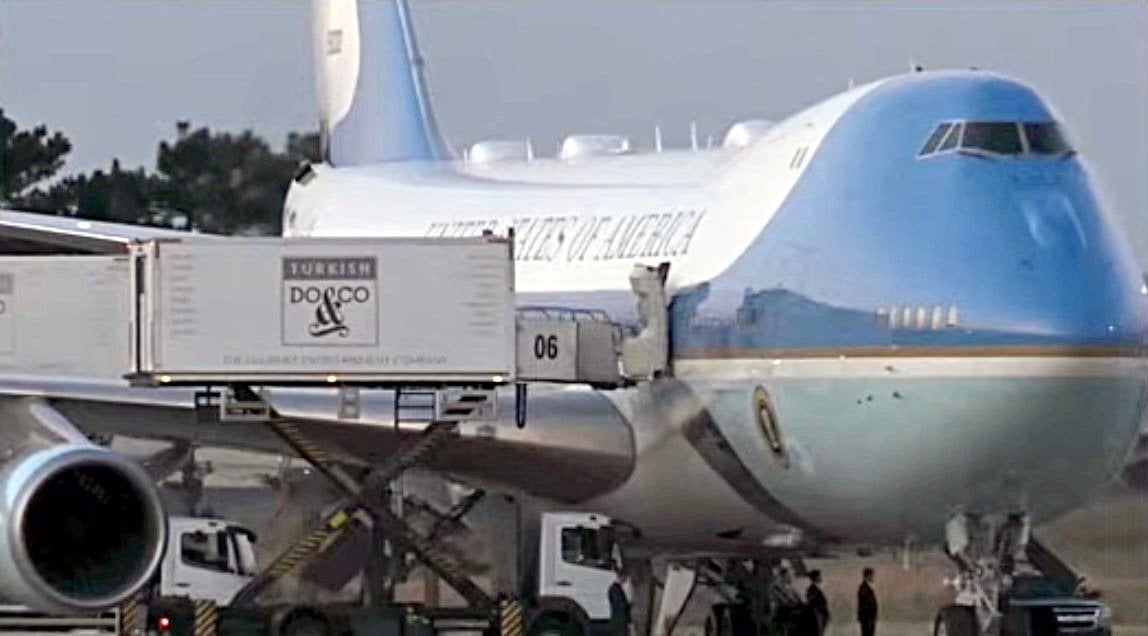 Donald Trump made a covert change to his aircraft as he left a Nato summit in Turkey last month after US officials detected a credible Iranian threat, US media reported. According to the Washington Post, the US president boarded Air Force One in view of television cameras before being transferred out of sight onto an elevated airport catering truck. He was then taken to a separate military aircraft without journalists and some White House staff on board knowing he had left. The White House has not confirmed the account. Officials told CBS News, a US partner of the BBC, that the United States had identified a credible threat from Iran to fire a missile at the president’s plane. Nato Summit Departure in AnkaraTrump had told the summit in Ankara that he was Iran’s “number one target”. The reported manoeuvre occurred as US forces continued their heightened posture towards Tehran. It came a day after the US renewed strikes on Iran following a breakdown in negotiations between Washington and Tehran aimed at ending the war. Trump arrived in Turkey aboard a newer Boeing 747-8 donated by Qatar. After the summit, he said he would depart on the older Air Force One “for old time’s sake”. Footage from 8 July showed him boarding the presidential jet at Ankara airport. However, the Washington Post said that after he entered the aircraft, he was taken by catering truck to a smaller C-32A military plane on the opposite side of the runway. The C-32A is a modified Boeing 757 commonly used by the vice president. C-32A Change and Staff NoticesThe Washington Post reported that Pete Hegseth, the US defence secretary, boarded the C-32A separately using external stairs, a move intended to make the flight appear routine. Journalists and some White House staff who were on Air Force One were reportedly told to close their window shades. They were unaware the president had been removed from the flight. Trump then travelled onward to the UK, according to the reports, before returning to the US. He was seen leaving Air Force One after it landed at RAF Mildenhall. It was not clear, the Washington Post said, how he moved from the C-32A back to the legacy Air Force One before continuing his journey. The president later transferred again to the new Qatari-donated Air Force One to fly back to Washington. Statements on Security and Possible UpgradesDuring the return flight, Trump spoke to reporters on board and referred to threats posed by Iran without mentioning the earlier aircraft switch, according to accounts of the exchange. When asked why reporters had been told to lower their window shades on the plane during the Ankara departure, Trump said: “Because you’re probably on a dangerous flight because of the sleazebags we have to deal with.” He added that he had a “threat all the time” and that he is “number one” on Iran’s “list”. He also said: “But if I go, you go, right? … Perhaps someday you want to change professions.” White House communications director Steven Cheung said he did not directly confirm or deny the reports, but told CBS News that the new Air Force One is a “state-of-the-art aircraft” with security measures designed to protect the president and his staff. CBS News previously reported that US intelligence had warned of a specific threat of an attack on Trump or his aircraft. The New York Times had earlier described security concerns about the Qatari-gifted jet and said the Secret Service urged Trump to switch planes when leaving the Nato summit. The Times reported that several of its journalists were later summoned to testify under oath, and that the Justice Department told the BBC it was investigating illegal leaks. The US has also spent months retrofitting the $400m Boeing 747-8 to prepare it for presidential use. CBS News reported that older Air Force One aircraft have laser systems intended to blind incoming missiles, while it is unclear what defences are fitted to the Qatari-donated jet. White House press secretary Karoline Leavitt said the new Air Force One is safe, and that it would receive additional upgrades in the autumn taking about a month. Join the discussion? 11 August 20264 points
 -
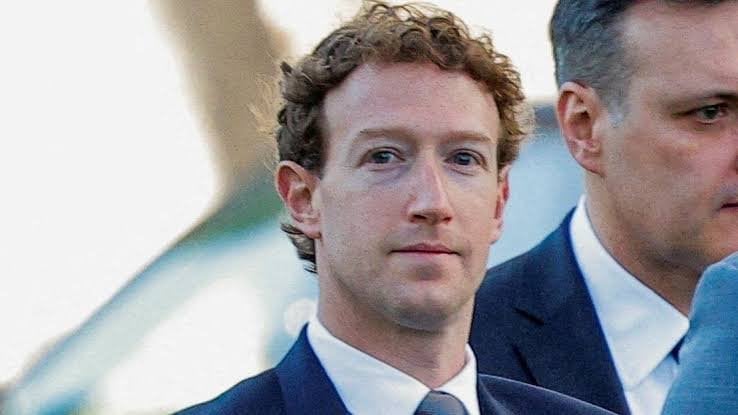 A US judge in New Mexico has ordered Meta to pay a further $567m (£421m) over what he said was the company’s failure to warn the public about dangers its social media platforms posed to children, in what the court described as the largest child-safety penalty yet imposed on the firm. Judge Bryan Biedscheid said Meta must establish a fund to reduce future harms. The order on Thursday adds to a prior ruling of $375m, bringing the total fine in the case to $942m. In his decision, Biedscheid said Meta’s business model amounted to a “public nuisance” comparable with pollution affecting the general public. He drew an analogy between the company and a factory, with advertising and content as its product and with the resulting “psychological harm and sexual exploitation of children” described as the pollution that must be addressed. Judge Orders New FundThe court’s latest ruling is the second phase of a trial brought by New Mexico in 2023. State attorneys argued that Meta should be held responsible for how its platforms endangered children and exposed them to sexually explicit material and contact with sexual predators. In the first phase, Meta was found to have repeatedly violated New Mexico’s Unfair Practices Act. The court said Meta’s recommendation algorithms “essentially steered” young users towards harmful content and contacts. In the second phase, Biedscheid concluded the harms reached the level of a public nuisance. He compared the effects of the platforms to the way “noxious pollution produced by the factory can harm the common public right to reasonably clean air”, adding that the harm spreads beyond the platforms and affects the wider internet and, potentially, real-world conditions. The judge said the impacts create a “common, societal burden” on affected children and families, as well as schools, hospitals and law enforcement. Meta said it plans to appeal. A company spokesman said the firm disagreed with the ruling and that it worked to keep users safe, while arguing that it had been transparent about the challenges of identifying and removing harmful content and bad actors. Meta said it remained confident about its record of protecting teens online. Measures To Curb HarmsThe judge ordered Meta to fund efforts to mitigate harms already caused and to support prevention and awareness. The court said the vast majority of the money, $420m, would be used for treatment of harms through “appropriate clinical or other behavioral health programmes and professionals”. Another portion of the fund is intended to support training aimed at awareness and prevention, including for teachers and health professionals. The ruling also required Meta to implement operational changes, including: Ensuring that no account for users under 18 is recommended to adults and that adults cannot message underage users Banning underage users from sending or receiving nudity Applying a “1-strike policy” to adult users who engage in child sexual exploitation Removing “like” counts for users under 18 Blocking push notifications for such users daily between 10:00pm and 7:00am, and during typical school hours between 8:00am and 3:00pm, except on weekends Imposing a mandatory usage limit of 90 cumulative hours per month across Instagram and Facebook, equivalent to about three hours a day Appeal And Wider Legal ChallengesMeta’s case adds to a growing number of US lawsuits. The New Mexico action was described as the first time a state had successfully sued Meta over child safety issues. The company is also facing other litigation, including a landmark decision earlier this year in Los Angeles in which a court found Meta could be held liable for building addictive platforms. Bruce Daisley, a former European vice president of Twitter (now X), said the New Mexico fine, while large, was “a drop in the ocean” for Meta. In its latest financial results, Meta reported revenue of $61bn from April to June, up 28% year on year. The New Mexico ruling comes as the UK and EU press platforms to take similar steps to protect children online, with recent focus on repair mechanisms that prevent children from being easily viewed or contacted. At the same time, some countries are considering broader bans on children using social media, including plans in the UK to block under-16s and introduce opt-out curfews for older teens at night. A major additional trial involving Meta is due to begin next week in California. Nearly three dozen state attorneys general are suing the company, alleging violations of child privacy laws. Join the discussion? 7 August 20264 points
 -
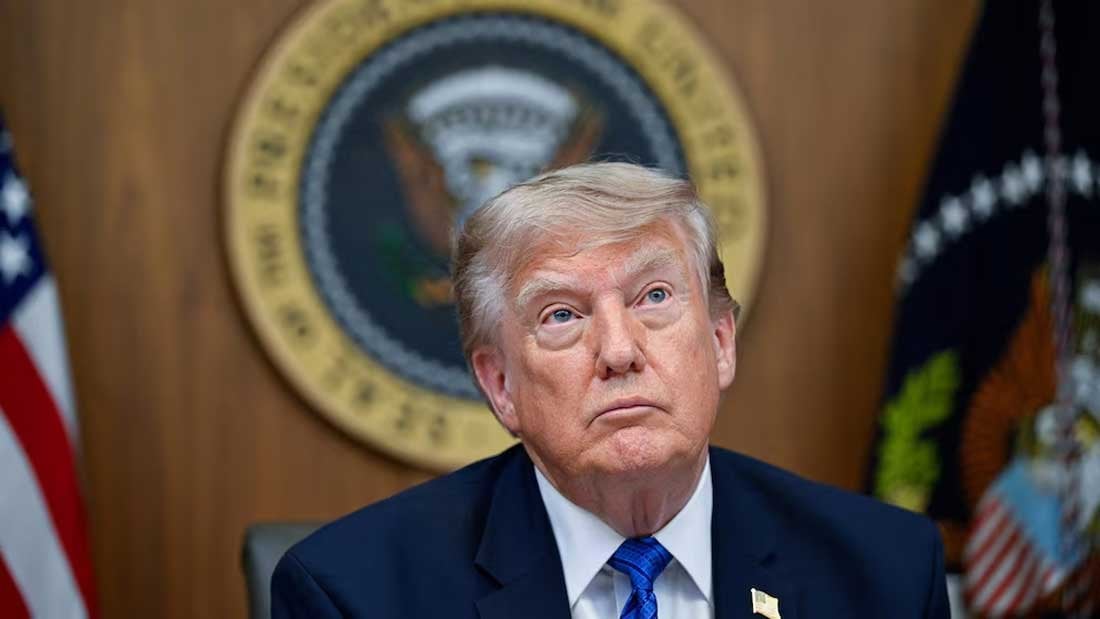 Donald Trump said he has cancelled planned strikes on Iran, saying the move depends on a deal being agreed “rapidly” with the country. In a post on Truth Social, the US president said he had been asked by Iran and other Middle East states to “hold off” on any attack. He said the “perimeters” of a deal had already been worked out, adding that it would include reopening the Strait of Hormuz and ending Iran’s nuclear threat. The comments followed US media reports that Washington may have been preparing new, intense strikes on Iran over the weekend. US Warns Americans Across The Middle EastEarlier on Saturday, Tehran accused the United States of escalating tensions. It said any regional state that cooperates with Washington would be “engulfed by the flames of war”. Meanwhile, the US government urged Americans in the region to remain alert and be ready to leave “should there be escalation”. A security alert issued on Saturday said Americans should exercise caution, maintain heightened vigilance, and be prepared for flight cancellations, periodic airspace closures and possible travel disruption. Reports Of New Strike PlanningMultiple sources had told CBS News, the BBC’s US media partner, that the US and Israel were planning what would be among the harshest bombing campaigns to date against energy infrastructure targets in Iran. CBS reported that the plan was discussed during Trump’s cabinet meeting on Friday. In his Truth Social post, Trump said the United States was “locked and loaded and ready to go against the Islamic Republic of Iran”, at “levels of Military Terror, Strength, and Power not seen since World War II”. He added that cancelling the attack would be “for the future benefit of the world” and that it would also support “the survival of a successful and prosperous Iran”. Iran has not yet responded to Trump’s announcement. Trump’s comments also came amid reports of concern from regional partners. Axios said Saudi Crown Prince Mohammed bin Salman spoke to Trump on Saturday and “expressed concern” about the prospect of strikes, while Reuters also reported the call. Background: Escalation After Ceasefire BreakdownDuring the Friday cabinet meeting, CBS News reported that Trump was heard saying while reporters were still in the room: “We’ll be hitting them [Iranians] very hard. At some point, they’re going to say, ‘We just can’t take it anymore.’” Washington and Tehran have traded escalating strikes and counter-strikes since a ceasefire in April aimed at pausing the war fell apart in June. Earlier this week, the US said it completed a “heavy wave” of strikes against Iran in retaliation for an attempted ballistic missile attack on American forces in the region. The US has blockaded Iranian ports and bombed Iranian sites. Iran has fired missiles and drones at US assets in countries across the Middle East and targeted shipping in the Strait of Hormuz, a vital waterway for global oil shipments. The US and Israel began launching strikes against Iran on 28 February. The campaign and ensuing fighting have driven significant fluctuations in oil prices. Join the discussion? 2 August 20264 points
 -
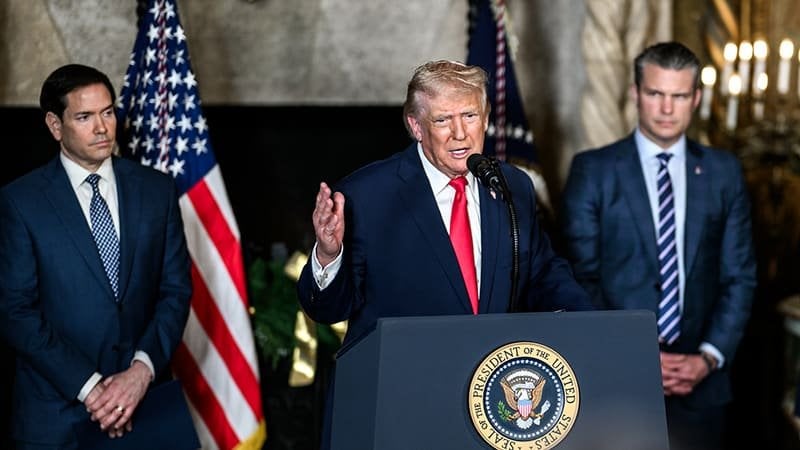 President Donald Trump has received back-to-back messages from Saudi Arabia and Israel as he weighs how to step back from a widening conflict with Iran, US and regional officials said, with diplomacy stalled and military options still on the table. Saudi Arabia Warns Against Prolonging The ConflictOn Wednesday just after 10am, a delegation from Saudi Arabia arrived at the White House carrying a warning to Trump and Vice President JD Vance, according to people familiar with the discussions. The visit, led by Defence Minister Khalid bin Salman—on an unannounced trip to Washington—conveyed a message from his brother, Saudi Crown Prince Mohammed bin Salman, urging de-escalation. The Saudi assessment was that continuing the war would carry major risks, the sources said. Diplomatic pressure on Trump comes as internal and electoral concerns grow among Republicans. US officials said direct talks with Iran do not appear imminent, and while Trump has argued Iran is eager for an arrangement, others in the administration believe Tehran’s leadership is more focused on maintaining leverage over the Strait of Hormuz and sustaining strikes against American forces. Israel Seeks Pressure, Not DiplomacyThe Saudi message followed an earlier meeting at the White House, when Israeli Prime Minister Benjamin Netanyahu discussed Iran with Trump in the Oval Office on Tuesday. Israeli officials said Netanyahu voiced scepticism that diplomacy would succeed, and instead focused on ways to pressure Iran. That discussion included possible escalatory steps, including renewing a wider war effort. The meetings were scheduled independently, officials said, but the close timing highlighted competing currents facing Trump as he looks for an exit from a conflict that has passed the point he had set. The administration has also signalled frustration with Tehran’s position. US officials said Trump has grown angry at what he sees as reluctance from Iran to meet his demands, leading to tense internal conversations and sharp calls with allies. Strait Of Hormuz Deal Seen As The Nearest PathWhile regional intermediaries, including Qatar and Pakistan, have worked to revive talks, officials said there has been little sign of active negotiation. Instead, attention has shifted to a short-term arrangement aimed at reopening the Strait of Hormuz, a focus of contention after the US and Iran gave different interpretations of an agreement reached last month. Republican lawmakers have increasingly pressed for progress that could translate into political and economic relief ahead of midterm elections. Some party figures have privately stressed the importance of restoring the shipping route, amid concerns that higher gas prices could hurt their prospects. The White House said Iran will continue to “pay” until it returns to talks in a way Trump considers meaningful. In a statement, Trump’s press secretary said the US had entered a memorandum of understanding with Iran that Tehran broke, adding that Iran attacked commercial ships and killed American soldiers. Escalation Plans Face LimitsUS officials said military assets have continued to flow to the region while Trump weighs options. One planning concept discussed within Central Command would involve heavy bombardment over one or two weeks to target Iran’s missile capabilities. At a hearing on Capitol Hill last week, the chairman of the Joint Chiefs of Staff, Gen. Dan Caine, said air strikes alone have limitations. US officials also said Trump has held back, after concerns from military leadership about shrinking stocks of air defence interceptors and risks of civilian casualties if infrastructure sites—such as bridges or water desalination facilities—were targeted. Trump has previously argued that he does not want to harm non-combatants, and he has altered aspects of his own travel plans amid perceived threats, including changing aircraft on his return from Turkey earlier this month. Fear Iran’s Decision-Making Is Controlled InternallyOfficials said fears are growing that Iran’s decision-making may be driven less by political leaders and more by the powerful Revolutionary Guards, with regional negotiations therefore less effective than expected. Within the IRGC, senior commanders are competing for control, a dynamic US officials and partners say could prolong the conflict. Trump has also suggested that strikes against US positions may not have come from the same group his team is trying to engage, pointing to earlier messages and alleged apologies. However, his aides Steve Witkoff and Jared Kushner have said they believe a deal remains possible. During Netanyahu’s visit, Israeli officials said the prime minister attempted to reinforce that Trump remains the ultimate decision-maker, while discussing ways to increase pressure on Iran. Netanyahu told Trump the US president would have final authority, according to one official familiar with the meeting. The Saudi minister’s message likewise reflected Riyadh’s view of the conflict. Saudi Arabia has continued joint operations with the US against Iran-backed militias in Iraq, the sources said, while still calling for de-escalation and warning that attacks on Saudi civilian infrastructure would not go unanswered. Saudi officials said they believe Iran is seeking leverage through escalation and by using proxies in Iraq and Yemen. What Trump takes from the competing briefings was not clear. Hours after Wednesday’s meeting, he said the broader conflict would eventually be “straightened out”, while also signalling that the US would continue retaliatory strikes as talks develop. Join the discussion? 1 August 20264 points
 -
 A Georgia judge sentenced Colt Gray, 16, to life in prison without the possibility of parole on Tuesday for the 2024 mass school shooting at Apalachee High School in Winder. Gray, who pleaded guilty on Friday to 55 counts including murder and assault, appeared impassive as Judge Nicholas Primm delivered the sentence at Barrow County Superior Court. Primm said Gray’s actions showed “permanent” incapability to be corrected and that he did not appear distressed by what he had done, describing instead a sense of enjoyment linked to shooters he had idolised. Guilty Plea and Sentencing ChoicePrimm had two options available under sentencing guidelines: life imprisonment with the possibility of parole or life without parole. He ordered the harsher sentence, leaving Gray to serve the rest of his life behind bars. The judge’s remarks came after prosecutors argued in court hearings on Monday and Tuesday that Gray remained motivated by a desire for recognition drawn from other school attackers. Prosecutors also cited recordings of jailhouse calls made in the weeks after the shooting, in which Gray discussed reactions from online forums focused on true crime. In one call played to the court, Gray laughed while telling his mother that he was “in the big leagues”, describing it as not being “in a bad way”. What Happened on 4 September 2024The shooting took place on 4 September 2024. At the time, Gray was 14 and a ninth-grade student at the school. Prosecutors said he brought an assault-style rifle into Apalachee High School hidden inside a roll of poster board, concealed before the attack began. During the incident, Gray killed four people and injured nine others. Prosecutors said he was charged as an adult for the attack. The victims named in court were students Christian Angulo and Mason Schermerhorn, both aged 14, and teachers Cristina Irimie, 53, and Richard Aspinwall, 39. Proceedings Involving Gray’s FatherProsecutors also linked the attack to actions by Gray’s father. Colin Gray was convicted in March on 27 charges, including second-degree murder, after prosecutors said he gave his son the rifle despite warning signs, including what they described as a shrine to school shooters in the boy’s room. It was reported in court that the weapon had been given to Colt Gray by his father as a Christmas present. Colin Gray is due to be sentenced on Thursday. The prosecution of a parent in connection with a child’s mass shooting is described as rare in the United States. Debate Over RehabilitationProsecutors argued that Gray should not be offered a chance at parole because his conduct reflected an enduring intent rather than behaviour that could be corrected over time. In closing arguments on Tuesday, Barrow County District Attorney Brad Smith said the shooting was not the end point of a wider plan, but one step towards achieving lasting fame. Smith also rejected efforts by the defence to suggest Gray could be rehabilitated and safely return to society, comparing the teenager’s expected instincts to an animal with violent tendencies that cannot be escaped. Gray’s defence attorney, Charlton Allen, argued that the teenager’s background, including what the defence described as a traumatic and unstable childhood, contributed to his embrace of an online community that elevated violent crime. Allen told the court that testimony from people close to Gray, including his grandmother, indicated that his parents had abused drugs and failed to meet his basic needs. In closing, Allen said the shooting reflected behaviours from a community that, in the defence’s view, was prepared to accept Gray when his own parents would not. AQNY-8okFbE5TvPdBjX88ZF2VaCpjZIxjWtGlHu7D4spRZ2IiWEgB_OfATlkfpJryYtq98ibX2X6wTjY9qoOose9pTk73mj56HTq45HjKA.mp4 Join the discussion? 29 July 20264 points
 -
 The father of a teenage boy accused of carrying out a deadly school shooting in Georgia has been found guilty of second-degree murder and other charges, in a closely watched case examining parental responsibility in mass shootings. After about two weeks of testimony, jurors deliberated for only a few hours before convicting 54-year-old Colin Gray on more than two dozen counts related to the 4 September 2024 attack at Apalachee High School. Get the latest headlines in your email Gray had faced 29 charges, including second-degree murder, involuntary manslaughter and reckless conduct. Under Georgia law, second-degree murder includes causing the death of a child by committing cruelty to children. He pleaded not guilty to all counts. Prosecutors argued that Gray acted with “criminal negligence” by giving his 14-year-old son, Colt Gray, access to a firearm and ammunition despite warning signs that the teenager posed a danger to others. Four killed in 2024 attackColt Gray is accused of fatally shooting two students and two teachers with an assault-style rifle at the high school. He faces 55 charges, including four counts of malice murder and four counts of felony murder, and is being prosecuted as an adult. He has pleaded not guilty and is awaiting trial. The victims were identified as teachers Richard Aspinwall, 39, and Christina Irimie, 53, along with students Mason Schermerhorn and Christian Angulo, both 14. Another teacher and eight students were wounded in the attack. During the trial, prosecutors contended that Colin Gray provided his son with access to the weapon after receiving sufficient warning that the teenager could harm others. The defense argued that the father did not believe his son would carry out such an attack and should not be held criminally responsible for his actions. Broader legal trendThe case is part of a growing number of prosecutions targeting parents in connection with school shootings carried out by their children. In 2024, the parents of a Michigan high school shooter were each convicted of involuntary manslaughter and later sentenced to between 10 and 15 years in prison. Legal experts say such cases reflect an evolving approach by prosecutors who seek to hold adults accountable when they are alleged to have enabled minors’ access to weapons. According to the Associated Press, Colin Gray faces up to 30 years in prison. He will be sentenced at a later date. The verdict marks a significant development in efforts to address responsibility beyond the individual shooter, as communities and lawmakers continue to grapple with how to prevent school violence. Join the discussion? Already a member? Adapted by ASEAN Now · Source · 03.03 20264 points
 -
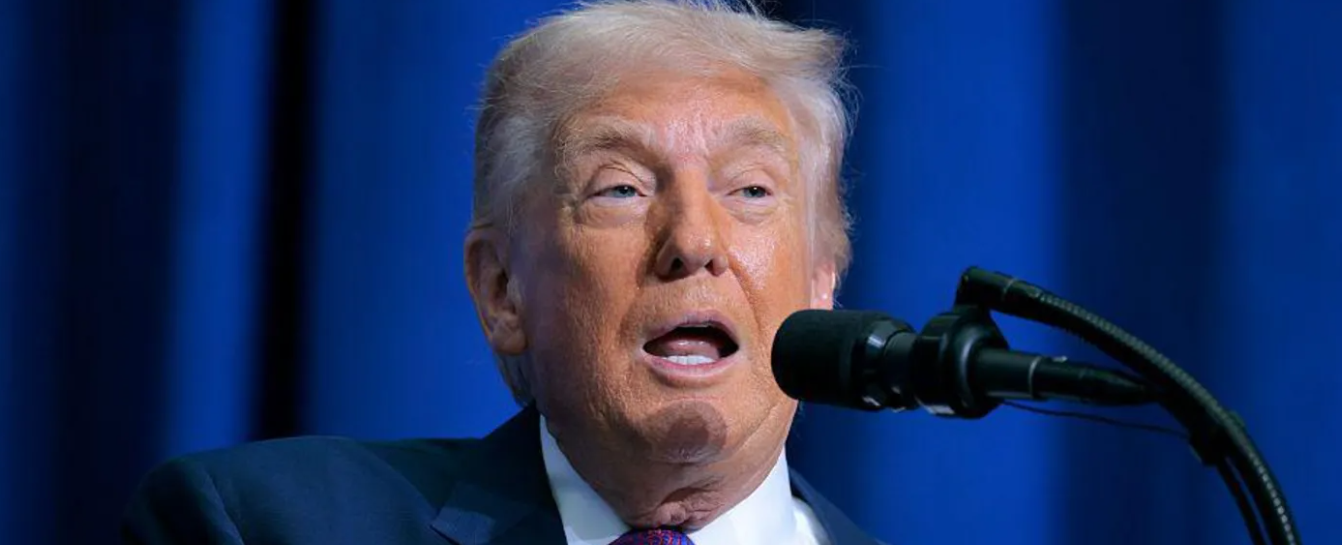 President Donald Trump has issued a stark warning, stating the world has "probably 10 days" to see if a deal with Iran can be reached before potential military action. At the inaugural Board of Peace meeting in Washington, Trump emphasized the urgency, warning of consequences if a meaningful agreement isn't secured. Get the latest headlines in your email Negotiations between US and Iranian officials have recently shown progress in Switzerland. Special Envoys Steve Witkoff and Jared Kushner, Trump's son-in-law, reportedly had productive discussions. However, Trump acknowledged the difficulties in dealing with Iran's nuclear program, reiterating his hope for a diplomatic resolution. The White House's increased military presence in the Middle East includes the USS Abraham Lincoln aircraft carrier. Despite this buildup, the UK has not permitted the US to use its bases for potential strikes on Iran. Iran has bolstered its military defenses, with Supreme Leader Ayatollah Ali Khamanei issuing warnings to US forces via social media. US intelligence has observed Iran reinforcing its military sites, heightening tensions. Congressional opposition to potential military action is growing. Democrat Ro Khanna and Republican Thomas Massie plan to invoke the 1973 War Powers Act to force a vote, aiming to curtail presidential powers in committing to armed conflict. Past attempts to limit such powers have faced resistance, as seen with Senate Republicans blocking a similar resolution regarding Venezuela. Khanna cautioned against catastrophe, pointing out Iran's complex society and military capabilities. The idea is to prevent unnecessary risks to US troops in the region. The Board of Peace, originally aimed at resolving the Israel-Hamas conflict, now appears to extend beyond, possibly sidelining the UN. As the deadline approaches, global attention focuses on whether diplomacy will prevail or if the region could face further instability. Key Takeaways Trump sets 10-day deadline for deal with Iran. Military tensions rise, UK withholding base support. Congress seeks to limit executive military action. Join the discussion? Already a member? Adapted by ASEAN Now · Source · 19 Feb 20264 points
 -
4 points
 Plans for prohibiting VPN access for under-18s are being considered by the UK government as part of efforts to bolster online safety following the Online Safety Act. Prime Minister Sir Keir Starmer announced the potential ban, aiming to prevent minors from bypassing new age restrictions implemented last year. Get the latest headlines in your email The Online Safety Act introduced mandatory age checks for various online platforms, including adult content sites, dating services, and gaming accounts. In response, VPN usage surged as individuals sought to circumvent these restrictions. VPNs, while legal, allow users to disguise their location and access age-gated content. The government is also contemplating measures to restrict children's use of online chatbots, following concerns about their misuse. Earlier this year, controversy arose around Elon Musk’s Grok AI chatbot, widely used on the social media platform X for creating fake images. Prime Minister Starmer emphasized the need for legal updates to match rapid technological changes, ensuring children's online safety. He remarked, “As a dad of two teenagers, I know the challenges and the worries that parents face making sure their kids are safe online. Technology is moving really fast, and the law has got to keep up.” Technology Secretary Liz Kendall supported the initiative, highlighting the urgency for protective measures. “We will not wait to take the action families need,” she stated, reaffirming the government’s commitment to acting swiftly. The consultation will also consider banning social media access for children and restricting “infinite scrolling.” Shadow Education Secretary Laura Trott criticized the proposal as insufficient, accusing the government of inaction regarding minors' access to social media. This initiative aligns with the broader goal of protecting children’s wellbeing while navigating rapid technological advancements and addressing online safety challenges. Key Takeaways UK considers banning VPNs for under-18s to enhance online protection. Measures respond to increased VPN use circumventing age restrictions. Government aims to update laws in line with technological progress. Join the discussion? Already a member? Adapted by ASEAN Now · Source · 15 Feb 20264 points
 -
 Ryan Routh sentenced for trying to kill Trump at golf clubRyan Routh, 59, has received a life sentence for attempting to assassinate President Donald Trump at the Trump International Golf Club in West Palm Beach, Florida, in September 2024. Convicted last year, Routh's attack targeted Trump, then a presidential candidate. US Secret Service agents thwarted Routh’s attempt, spotting the rifle barrel before firing at him. He fled but was soon captured nearby. Judge Aileen Cannon highlighted the severity of Routh's plot, stating his actions undeniably warranted the life sentence. "He took steps over months to assassinate a major Presidential candidate," Cannon noted, emphasizing his lack of remorse. Routh, pleading not guilty, chose to represent himself during the trial that began on September 8. His erratic courtroom behavior included challenging Trump to golf and making bizarre historical references. Following his guilty verdict, Routh attempted self-harm but was prevented by US marshals. Despite no clear sightline to Trump during the incident, agents found a semiautomatic rifle with a scope where he hid. Routh left behind notes detailing assassination plans and Trump appearances. The trial was marked by Routh’s disjointed closing statement, touching on unrelated topics. Prosecutor John Shipley stressed the evidence against Routh, illustrating how dangerously close he came to executing his plan. The Florida incident was the second attempt on Trump's life in 2024. Earlier in July, a gunman opened fire at a rally in Butler, Pennsylvania, resulting in deaths and injuries, including Trump himself. The shooter, Thomas Crooks, 20, was killed on-site by officers. This case underlines the intense security challenges faced by Trump and the steadfast protection efforts by law enforcement agencies. Key Takeaways Ryan Routh receives life sentence for attempting Trump's assassination. Conviction follows identification of detailed plans and weapon recovery. 2024 saw multiple assassination attempts on Trump. Adapted by ASEAN Now from Source 2026-02.044 points
 -
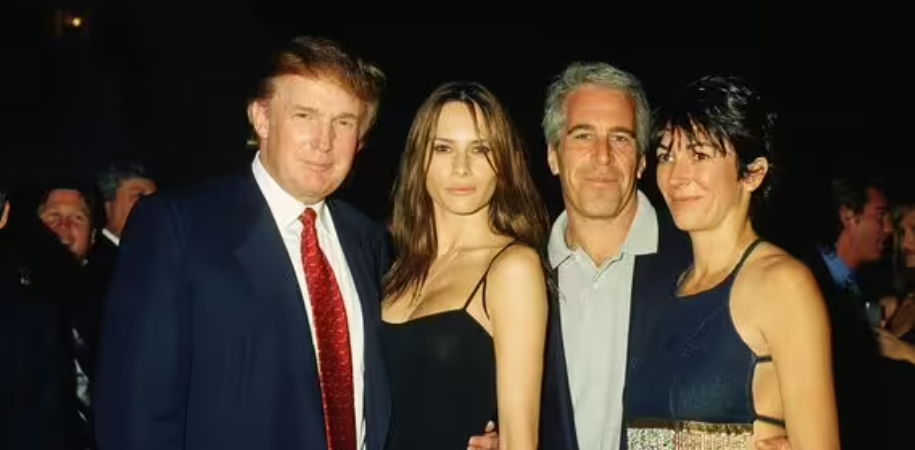 Trump: Files prove radical left's hoped-for scandal is false Donald Trump wasted no time addressing the release of the bombshell Epstein files. Following a massive document dump by the US Department of Justice, the former president claimed the papers "absolve" him, despite featuring his name multiple times. In typical Trump fashion, he declared the documents' revelations were the opposite of what “the radical left” desired. The files, containing millions of pages, were made public by the DOJ. They included various emails and clippings, but no evidence supporting accusations against Trump. Despite being heavily mentioned, the documents didn’t substantiate wrongdoing, as many allegations were deemed baseless by investigators. Trump, speaking confidently, said, "I didn't see it myself but important people told me it absolves me." His name appeared throughout the massive trove, mixed with other items like federal investigators' emails from August of last year. Yet, none of these could be verified with concrete evidence. The Justice Department was clear. A statement noted the potential presence of "fake or falsely submitted" materials within the files. It specifically labeled claims against Trump as "unfounded and false", indicating they were nothing but sensational distractions submitted before the 2020 election. Trump has consistently denied any link to Epstein's alleged crimes. While his prior relationship with Epstein, spanning the late 1980s to early 2000s, is public knowledge, nothing yet proves any complicity in Epstein’s heinous acts. Back in 2002, Trump called Epstein a "terrific guy" with a preference for young women, a label that haunts him to this day. Now, Trump's assertion that this release proves a political witch hunt is underway casts a long shadow. Is this the end of the story, or just the beginning of another heated political battle? Key Takeaways DOJ released files mentioning Trump, but no proof of wrongdoing. Trump claims files absolve him, contrary to "radical left's" hopes. DOJ warns of "fake or falsely submitted" content in files. Adapted by ASEAN Now from Source 2026-02.014 points
 -
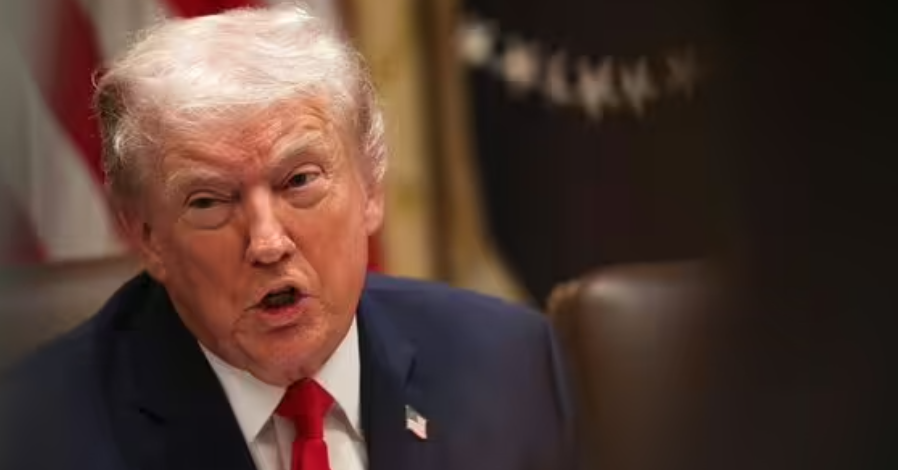 The Epstein files saga just got messier! A stunning twist unfolded as explosive documents naming Donald Trump vanished briefly from the Department of Justice's website. Panic and conspiracy theories spread like wildfire online as users noticed the disappearance, but fear not—the files are back online The drama began with the release of a jaw-dropping 3 million pages from the Epstein files. Included in this shocking drop were about 2,000 videos and 180,000 images. Social media erupted when the files vanished mere minutes after publishing, fueling fiery reactions and pointed fingers. One user on X exclaimed: "Holy s***, this page seems to have vanished from the #EpsteinFiles they just released!" But soon after, whispers of censorship and dark motives were quashed as the files resurfaced. Let's dig into the backstory. The Epstein files, burdens with secrets and scandal, have been a hot topic forever. Donald Trump’s name appearing in these files turned the heat up to full blast. Forget any conclusions of wrongdoing, the mere association is creating tidal waves. Outcry was rampant, with one wild claim suggesting a woman was forced into a lurid situation with Trump 35 years ago. Social media users didn’t hold back, accusing the DOJ of misinformation and sinister motives. How are people reacting? Experts advise caution, while online conspiracy theorists run rampant. A storm of anger and disbelief dominates, raising questions about transparency and political agendas. The Department of Justice tried to calm the waters, stating documents might include fake submissions and highlighting that allegations against Trump lack substance. But public suspicion remains sky-high. Eyes are now glued to what comes next. Will this lead to further shocking revelations? Scandals anyone? With names like Bill Clinton also involved, the intrigue grows, and the potential fallout is monumental. Key Takeaways: Bombshell files naming Trump vanish, then reappear, sparking chaos. Social media users fling accusations at the DOJ for alleged deletions. DOJ clarifies claims against Trump are unsubstantiated. Adapted by ASEAN Now from Source 2026-01-304 points
 -

 A viral scandal has erupted! Malinda Rose Cook, a nurse, was fired by Virginia Commonwealth University (VCU) Health after posting controversial TikTok videos. Her posts suggested dangerous tactics for harming ICE agents. The healthcare worker urged fellow medics to paralyze federal officers using potent anesthetics and concoctions. Cook landed in hot water after sharing multiple clips. She suggested injecting ICE agents with muscle relaxants like succinylcholine. This substance, usually used in surgeries, paralyzes muscles—including the ones we need to breathe! Misuse could be catastrophic. Her advice didn't stop there. Cook encouraged protestors to use poison ivy water and even sabotaged dates with laxatives. It was enough for VCU Health to take immediate action, suspending and then firing her. The hospital confirmed the dismissal and reported the case to law enforcement, meeting all legal obligations. Why such extreme advice? Cook's actions come amidst uproar over the deadly shooting of Alex Pretti by an ICE officer in Minneapolis. The incident has sparked national outrage, further fueled by Cook’s inflammatory suggestions. Cook's TikTok videos were removed, but not before a compilation surfaced on X, stirring even more controversy. The account Libs of TikTok questioned why VCU Health employed such a person, igniting a social media storm. Cook remains silent on the issue, despite attempts to reach her. The fallout is immense. The Administration faces criticism for defending officers prematurely in numerous shooting incidents, as highlighted by a Washington Post expose. The frustration is palpable as the community reacts to Pretti’s death with heightened scrutiny on federal actions. As protests continue, largely peaceful but vocal, the pressure mounts on federal bodies. Demonstrators rally against the fatal consequences of government crackdowns, thrusting Pretti’s shooting into the spotlight. What's next? Investigations continue amidst public outrage, with Pretti’s death scrutinized heavily. Witness videos contradict official claims, depicting Pretti as unarmed and pinned before being shot. These shocking revelations amplify demands for accountability and justice. Key Takeaways: Nurse fired for TikTok advice on harming ICE agents. Outrage over Alex Pretti’s shooting fuels tensions. Contradictory evidence casts doubt on federal claims. Adapted by ASEAN Now from Source 2026-01-284 points
 -
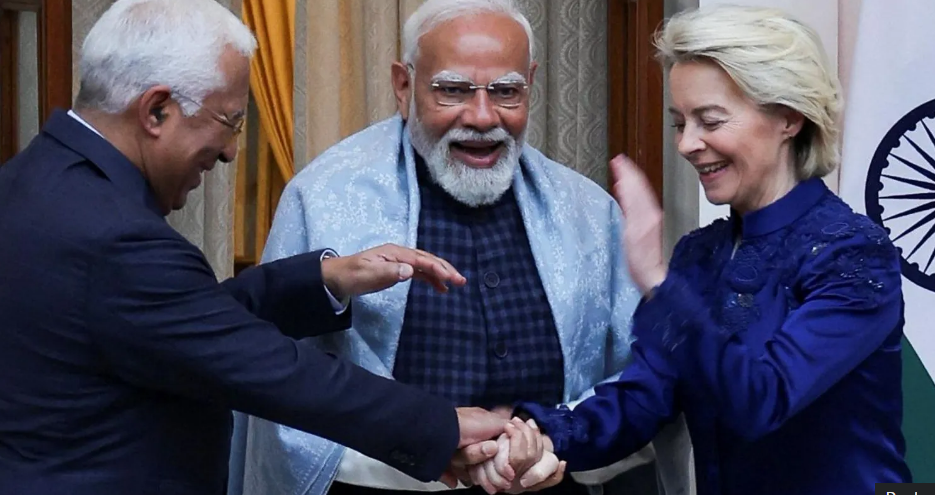 The India-EU trade deal, dubbed the "mother of all deals," is rocking the global trade stage. But lurking in the background is the shadow of Donald Trump’s unpredictable tactics, propelling nations toward strategic alliances. As the European Union remains India's largest trade partner, clocking $142.3bn in goods in 2024, it's a testament to their robust relationship. Yet, this long-awaited trade pact had been stuck in a negotiation rut for two decades. Why the sudden breakthrough? Enter Donald Trump. His aggressive tariff moves have stirred a global buzz, pushing countries to secure alliances elsewhere. The United States slapped a harsh 50% tariff on Indian goods over their continued oil dealings with Russia. In a similar vein, EU countries also faced Trump's tariff threats over political disagreements, like his ambitious Greenland acquisition plans. Trump's whims have prompted India and the EU to seek shelter with each other, stepping into a potent trade partnership. Michael Kugelman from the Atlantic Council points to Trump's erratic moves as a catalyst for India and the EU pushing through their differences to secure this landmark agreement. Global dynamics continue to shift. Canadian Prime Minister Mark Carney, having warned of a "rupture" in international order, recently engaged with China, irking Trump. UK’s Keir Starmer is also pursuing fresh ties with Beijing. The India-EU deal is just one stone in the shifting geopolitical mosaic, declaring independence from Trump's economic grip. Despite the triumph, obstacles lie ahead. The trade pact, while concluded in negotiations, faces the scrutiny of legal reviews and the demanding process of ratification by member states and the European Parliament. Experts express concern about complex issues like intellectual property rights and carbon emissions, which could stall progress. European and Indian business communities have celebrated the deal. Fredrik Persson, president of BusinessEurope, calls it a vital "first step," emphasizing that diligence in implementation is crucial. Meanwhile, Chris Philp's critique of the government's control over immigration amplifies the pressing narrative. Trump’s heavy-handed approach has amassed international criticism, driving nations like India and the EU to adapt and shield themselves through collaborative partnerships. Mark Linscott, a senior trade adviser, highlights unresolved issues that could challenge the execution of this ambitious deal. From intellectual rights to agriculture and sustainability, these are hurdles yet to be tackled. The geopolitical chessboard is realigning. For India, partnering with the EU is a strategic move to counterbalance China's trade dominance, a feat envisaged with US backing initially. The EU, too, sees India as a vital ally in its bid to reduce dependency on China. Their cooperation sends a clear signal: cooperation is the answer to global uncertainties. As Modi and Ursula von der Leyen exchanged agreements, they declared a unified vision against weaponized trade. This partnership isn't just about commerce; it's a blueprint for shared prosperity in a volatile world, buffering against the tempestuous trade climate ushered in by the Trump administration. US Treasury Secretary Scott Bessent’s critical remarks are telling—this deal rattles Washington. His comments about the EU "financing the war against themselves" by trading with India reflect the tension. India's longstanding ties with Russia for military hardware remain a sticking point, but they don't overshadow potential EU market access. The India-EU trade agreement, amid Trump's tariffs, is a clever geopolitical maneuver, positioning both powers to wield influence through collaboration. As negotiations transition to ratification, the world watches and waits. Key Takeaways India-EU deal disrupts Trump's trade influence. Global dynamics are realigning amid US tariff tensions. Legal and political hurdles remain post-negotiation. Adapted by ASEAN Now from Source 2026-01-274 points
 -
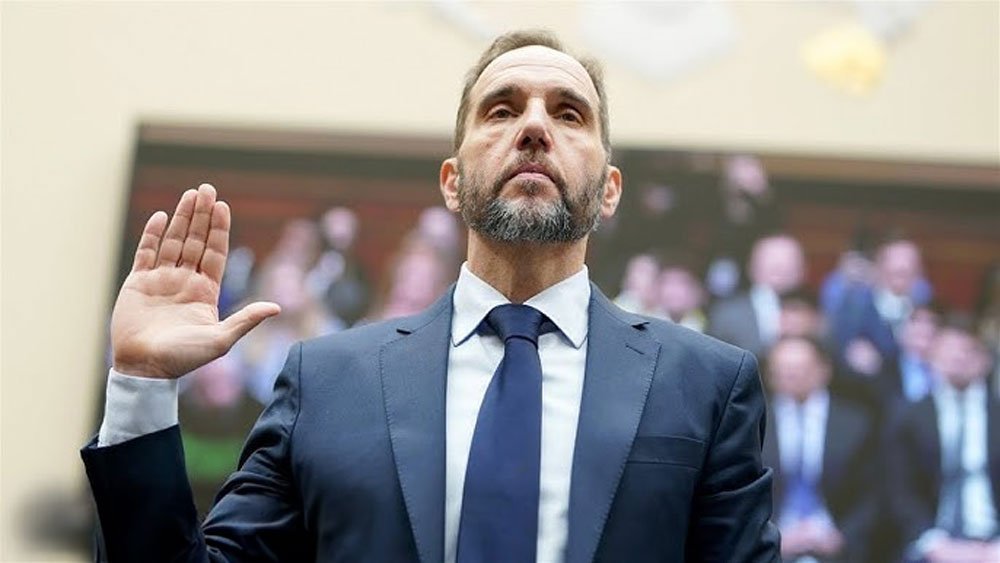 In a gripping testimony, US special counsel Jack Smith publicly claimed that President Donald Trump was involved in the 6 January 2021 Capitol riot. His bold declarations came before a congressional committee, stating he possessed “proof beyond a reasonable doubt” implicating Trump in two major investigations. One focused on alleged attempts to overturn the 2020 election, and the other involved claims of retaining classified documents improperly. Smith’s testimony was the first public account following private disclosures now released in a 255-page transcript. Despite Trump pleading not guilty, the cases were dismissed once he regained the presidency last year. The hearing, held by a Republican-led committee, turned contentious, with Republicans alleging political bias and criticising Smith's investigative methods, while Democrats applauded Smith's efforts. Smith remained firm, asserting his decision to charge Trump was based on substantial evidence that could secure convictions. He argued that Trump was undeniably the pivotal figure responsible for 6 January’s chaos. Smith stated, “The attack that happened at the Capitol...does not happen without him.” Despite potential repercussions, Smith anticipated continuous targeting by Trump and allied officials. Attorney General Pam Bondi's alleged closeness to Trump raised concerns for Smith, who remained defiant against potential intimidation. The Office of the Special Counsel has begun an investigation into Smith, though its focus remains undisclosed and it lacks criminal prosecutorial authority. Publicly, Trump retaliated, labelling Smith “Deranged” on social media and demanding legal repercussions for Smith's actions. This came as partisan divides were evident during the hearing. Republicans shifted blame for the riot towards Capitol Police leadership rather than Trump, prompting emotional responses from four former Capitol Police officers present. Smith contested Trump’s mass pardon of individuals involved in the 6 January events, especially those charged with violent acts. Post-testimony, he expressed disbelief and concern over such clemency. Meanwhile, Trump attacked Smith's past and methods, questioning his legal standing and suggesting political partiality. Smith’s statements have reignited discussions about accountability for the riot and preventative measures against future unrest. Legal and political communities are closely monitoring these developments. The situation underlines the enduring political tensions surrounding the Capitol events and their implications for Trump's legacy, reported the BBC. Key Takeaways: Jack Smith accused Trump of instigating the 6 January Capitol riot. Smith anticipated targeted legal repercussions but remained resolute. Trump's controversial pardoning riot-involved individuals was criticised. Adapted by ASEAN Now from BBC 2026-01-234 points
 -
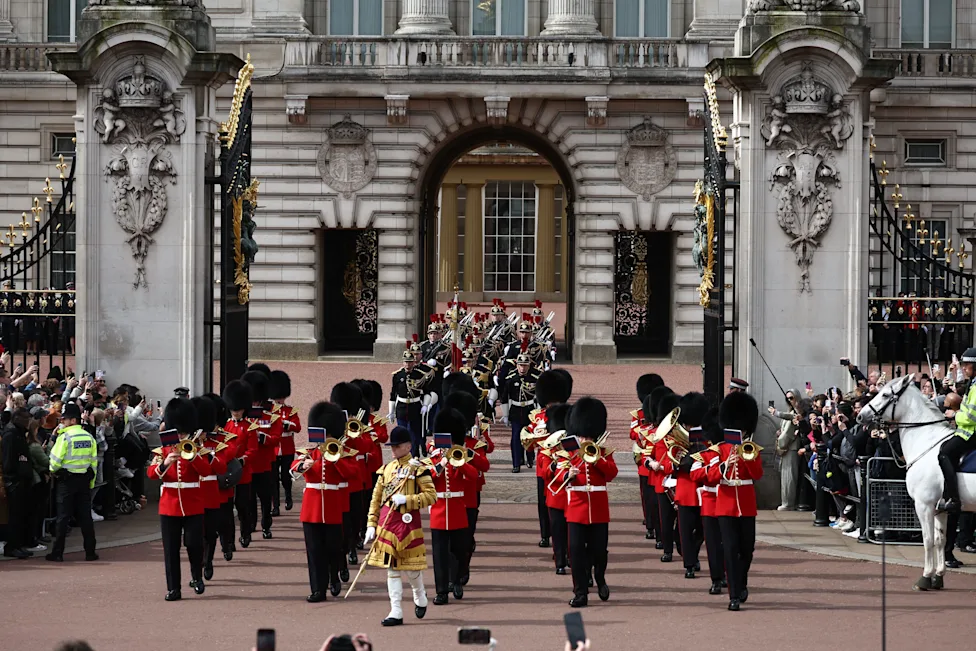 Dolly Parton has been honoured by the British royal household, with the Coldstream Guards performing one of her best-known songs outside Buckingham Palace. The military band played Parton's hit "9 to 5" during the traditional Changing the Guard ceremony at the London palace, paying tribute to the country music star following her death on Aug. 25 at the age of 80. Parton died after a brief battle with cancer. She was widely known for her music and her work supporting children through charitable initiatives. The performance took place at Buckingham Palace, the central headquarters of the British monarchy in London. Royal family remembers PartonKing Charles III and Queen Camilla were not at the palace for the performance as the royal family was taking its summer break. However, the royal family's official social media accounts shared footage of the Coldstream Guards playing "9 to 5" and published a message remembering Parton. The tribute highlighted the impact she had beyond her music, including through the Dolly Parton's Imagination Library, a programme that provides free books to children. RELATED Dolly Parton, Country Music Legend, Dies Aged 80 "Remembering the late, great Dolly, who brought joy, comfort and inspiration to so many," the royal family's post said, referring to the millions of children who received free books through the programme. The message ended with a tribute to Parton: "We will always ❤️ you." Parton's lasting legacyParton, known as the Queen of Country, became one of the most recognisable figures in country music during a career spanning decades. "9 to 5" was among her most famous songs. Released in 1980, it became closely associated with the film of the same name, in which Parton also starred. Her charitable work through the Imagination Library became another major part of her public legacy, providing books to children and families. The Coldstream Guards' performance offered a distinctive British tribute to a musician whose influence extended well beyond the country music world. Join the discussion? 27 August 20263 points
 -
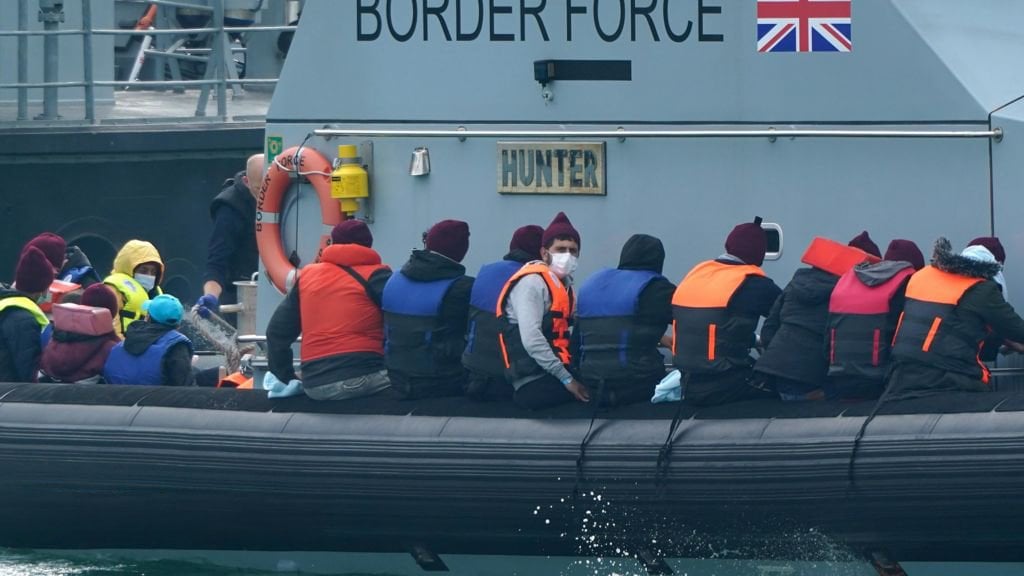 The Home Office has published new behavioural guidance for asylum seekers in England and Wales, setting out how laws and social customs in the UK may differ from those in their countries of origin. The nine-page booklet has been uploaded online and covers issues including respect in public, sex and consent, and gender equality. It also explains that asylum seekers may face consequences if they break UK law, including effects on their asylum claim and support while their case is considered. Guidance Warns of Legal ConsequencesThe document states that the impact of breaching UK rules can range from police involvement to the loss of asylum support, and that it could also “affect” an applicant’s asylum claim. A Home Office spokesman said the department expects people coming to the UK to follow UK laws, adding that failure to do so can lead to “consequences”, including the refusal of an asylum claim and removal from the country. The booklet was published as latest Home Office statistics show that 93,525 people applied for asylum in the UK between April 2025 and March 2026, down by 12% compared with the previous year. The Home Office said removals of failed asylum seekers have reached their highest level since 2010 under the current government. Gender, Sex and Consent Sections IncludedA section on gender explains that women in the UK have equal rights with men and do not need permission from a husband, father, brother or any other man to work, study, travel or make decisions. The booklet’s section on sex and consent states that both people must agree to sexual activity or any sexual contact. It adds that consent cannot be given if someone is asleep, drunk, or unable to respond. Respect in Public and Support DetailsAnother section, titled Respect in Public, says it is not acceptable to whistle or make kissing noises at people in the street. It also warns against making sexual comments to someone, even if the person making the comment believes it is a compliment. The guidance also includes contact details for organisations providing support for victims and people seeking help with the issues raised in the document. Opposition Criticises, Labour Declines CommentThe Conservatives said asylum seekers who break UK law should be deported. Reform UK said the publication showed the government “knows that they are a menace”. Shadow home secretary Chris Philp said the approach should focus on deportations rather than trying to train asylum seekers to behave differently. In remarks cited from earlier comments, he argued that communities were not integrating properly, leaving what he described as “backwards” standards to persist. Reform UK’s home affairs spokesman Zia Yusuf posted a two-minute video on social media describing the booklet as “a disgrace”. He said the government had published what he characterised as a guide for illegal migrants on what he said people should not do, including committing sexual offences and other violent behaviour. A Labour spokesperson declined to comment. The Liberal Democrats and the Green Party were contacted for comment. Separate government figures cited by the Home Office show nearly 70,000 illegal migrants and foreign criminals have been returned or deported since Labour came to power in July 2024. The BBC reported that nearly 10,000 foreign criminals, including murderers and rapists, have been removed since the last election, a 36% increase compared with the previous 21 months. Join the discussion? 20 August 20263 points
 -
 The Pentagon has released another batch of declassified UFO-related records, including new videos, images and documents describing unidentified objects seen by US personnel across multiple locations and decades. The latest release comprises 41 files uploaded as the US defence department continues to publish material following an order from President Donald Trump earlier this year. It is the fifth tranche in a wider, multi-stage programme that has so far produced hundreds of documents. Pentagon Release and File DetailsThe department previously uploaded an initial set of 161 files on 8 May, and said more would follow. This fifth drop includes more than a dozen videos, three images and around a score of PDF documents. The documentation spans from 1953, the earliest item, to material dated this year. Pentagon spokesperson Sean Parnell said the department will continue releasing additional documents on a “rolling basis” as further records are made public. Gulf of Oman and Middle East VideosOne video described in the new set was recorded over the Gulf of Oman in 2021 and shows what it characterises as a dark “cold orb” moving in irregular patterns. The file says that, at first glance, the movement resembles a housefly crossing the frame, and estimates the object at about 4 feet (1.2 metres) in diameter. The records use the US government’s terminology “Unidentified Anomalous Phenomena” (UAP), which is applied to objects that have not been identified. UAP can occur over land and at sea, and are described in airspace as well as underwater contexts, according to the documentation. Another video, captured by a US military sensor camera at an undisclosed location in the Middle East in 2025, shows a round sphere travelling in a straight line over an area that appears to be residential. Pilot Account and Pacific FootageA declassified FBI document included in the release describes an account from a former military pilot of lights seen in the sky in October 2023 during a flight between Boston and Dublin. The pilot said other pilots had reported similar incidents between midnight and 3am. The document states that the lights began dim and grew brighter before fading out. It adds that some lights remained stationary while others moved along straight lines, at times changing direction. The pilot also reported seeing variations of the lights at least ten times after first spotting them in 2023. In footage dated 2019 from the Pacific Ocean, a black sphere appears and then disappears from view. When it reappears, the object is described as quivering and then drifting slowly from left to right. The file notes that although the imagery was collected by a sensor, the display was recorded using a handheld device, which may have contributed to flickering in the footage. Earlier Naval Review and New RenderingsA 1953 PDF in the tranche includes conclusions by the US Naval Photographic Interpretation Center about two videos recorded in the western United States, in Montana in 1950 and in Utah in 1952. The memo states that the apparent objects increased in size as their “luminosity” increased, and it concludes that the videos depict characteristics “inconsistent with those of natural phenomena”. All three images in the release are described as renderings, meaning they are artistic interpretations based on first-hand descriptions rather than direct photographic capture. One rendering depicts a large dark triangle with round lights at each corner, based on an encounter described by two former US military service members from the summer of 2011. Interest in extraterrestrial life has increased in the US in recent years, including after Congress held its first UFO hearings in five decades in 2022 and the military pledged to expand transparency. AQPxh6Sx62PwAMeRhNfgfB7jKO1RgtuEzIuu8vRkJdETZ68Ic78p5eB4g3ioIrFVAWtQ_SqiJgkaGB9MJTEiUbwFoDyWxPY5-Bkxm1-53sdBvg.mp4 Join the discussion? 8 August 20263 points
 -
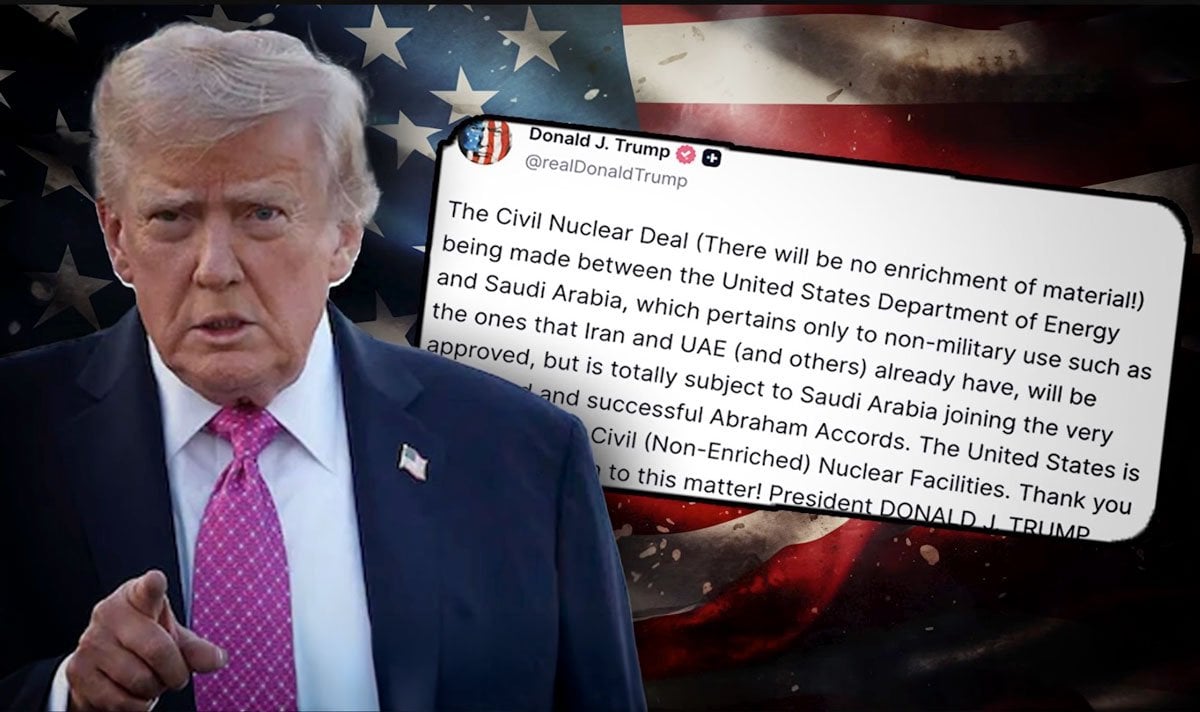 A long-awaited civilian nuclear cooperation agreement between the United States and Saudi Arabia was thrown into uncertainty less than 24 hours after it was signed, after President Donald Trump imposed a new condition requiring Riyadh to join the Abraham Accords. The agreement was formally signed on Wednesday at the US Department of Energy headquarters in Washington after years of negotiations. Energy Secretary Chris Wright participated in the ceremony alongside Saudi officials, with the event marking what had been presented as a significant milestone in bilateral relations. Deal Signed After Years of NegotiationsSaudi Arabia had secured many of its key objectives in the agreement, including provisions that would eventually allow uranium enrichment on Saudi soil under specific conditions. The deal also did not require Riyadh to adopt the International Atomic Energy Agency's Additional Protocol, a more stringent inspection framework. However, on Thursday morning Trump announced on social media that the agreement would only proceed if Saudi Arabia normalised diplomatic relations with Israel by joining the Abraham Accords. He also rejected suggestions that the deal would permit uranium enrichment. Internal Dispute Over RolloutAccording to sources familiar with the matter, Trump was already unhappy that the agreement had been unveiled without his direct involvement. The sources said the president had not been informed by Wright that the signing ceremony would take place when it did. Confusion spread inside the administration as White House officials and the Energy Department offered differing accounts of how the announcement had been handled. Some White House officials argued they had asked the Energy Department to delay the rollout, while others maintained the agreement had not yet been finalised because required notifications to Congress had not been sent. White House spokeswoman Taylor Rogers said the administration had always viewed Saudi participation in the Abraham Accords as a requirement for the nuclear agreement. The Energy Department rejected suggestions of poor coordination, calling reports of internal disagreement "fake news" and insisting negotiations and the announcement had been closely coordinated with both the White House and the State Department. Questions about the deal dominated Thursday's White House press briefing, where Press Secretary Karoline Leavitt described Trump as the administration's "final dealmaker" and defended the president's decision. Criticism from Experts and ConservativesThe agreement also drew criticism from nuclear non-proliferation experts, who expressed concern over provisions allowing uranium enrichment and the absence of stronger international inspection safeguards. Supporters argued the agreement would strengthen US influence over Saudi Arabia's civilian nuclear programme while preventing Riyadh from turning to China or Russia for nuclear cooperation. Conservative media outlets also questioned the agreement. The Wall Street Journal's editorial board criticised the absence of any requirement for Saudi Arabia to normalise relations with Israel before receiving nuclear cooperation. Fox News hosts similarly questioned why the arrangement appeared to differ from proposals considered during Joe Biden's presidency. Sources told CNN that this criticism influenced Trump's decision to halt the agreement in its existing form. Regional Diplomacy Remains CentralThe nuclear agreement is the latest chapter in nearly two decades of US-Saudi nuclear negotiations. A tentative understanding had been reached in late 2025, but concerns over regional tensions and possible congressional opposition delayed progress. Following Trump's intervention, some observers speculated that Israeli Prime Minister Benjamin Netanyahu had urged the president to tie the agreement to Saudi recognition of Israel. Two Israeli sources said Netanyahu hoped such a condition would be included. The White House said Trump had not spoken with Netanyahu before announcing the new requirement and insisted the president was simply restating a long-standing policy position. Saudi Arabia has consistently maintained that it cannot establish diplomatic relations with Israel without a credible pathway towards Palestinian statehood, making the newly imposed condition a significant obstacle to the agreement's future. Join the discussion? 25 July 20263 points
 -
 President Donald Trump said in a primetime address on Thursday that the White House has published documents on its website which he said are aimed at showing vulnerabilities in electronic voting systems. Trump, speaking after the White House press secretary previewed an announcement about election integrity, also accused China of compromising voter data from the 2020 US presidential election. He has previously pushed claims of election wrongdoing despite findings by officials that no widespread voter fraud changed the outcome. Documents on VulnerabilitiesTrump said the White House release consists of what he described as a set of previously classified assessments from the US intelligence community and other reports. He said the material shows weaknesses in electronic voting, framing the publication as part of a wider effort to protect electoral processes. The White House later released details online, in line with his remarks. Democrats and some Republicans have been watching closely for any implications of the speech for voters ahead of future elections, with Trump positioning the message as focused on election security and transparency. China and Voter Data ClaimsIn his speech, Trump accused China of compromising voter data tied to the 2020 election. He did not provide additional publicly confirmed evidence in the text of the remarks provided, but the allegation aligned with his longer-running narrative that foreign actors sought to influence the election. Earlier reporting included that officials in the first Trump administration had described efforts by Iran, China and Russia to influence the 2020 vote, while later determining that none of their interference would have altered the result. Press Secretary Ties It to Election IntegrityAhead of Trump’s address, White House press secretary Karoline Leavitt said she expected the president to discuss “protecting the integrity of our elections” during her daily briefing, offering few details beyond that focus. When asked about worries among some Republicans that Trump might be “litigating” the 2020 contest again and turning off swing voters, Leavitt said he would instead concentrate on secure elections as a foundation for American democracy. Leavitt urged reporters and the public to listen to the speech, arguing that it would be backed by facts and evidence that the president would present. When pressed further about the political concerns raised by Republicans, she said people should wait until they heard the remarks. Democrats Criticise the TimingDemocrats launched a pre-emptive response on Thursday. Senator John Ossoff called the speech “a prime-time presidential sour grapes address”, saying it would pursue Trump’s previous grievances about the 2020 election. Trump’s remarks come after years in which he has maintained claims that his 2020 defeat involved fraud. US officials have said they found no evidence of widespread voter fraud. In the days leading up to the address, Trump told supporters on his social media platform that the announcement was “really big news” and stressed the importance of “free and fair elections”. He also said from the Oval Office that it would be a major disclosure. The speech also arrives as Trump has made changes in national security personnel. He recently installed loyalist Bill Pulte, who has not previously held national security experience, to lead the Director of National Intelligence. Trump has also said he wanted Pulte to declassify information and remove senior career staff. Join the discussion? 17 July 20263 points
 -
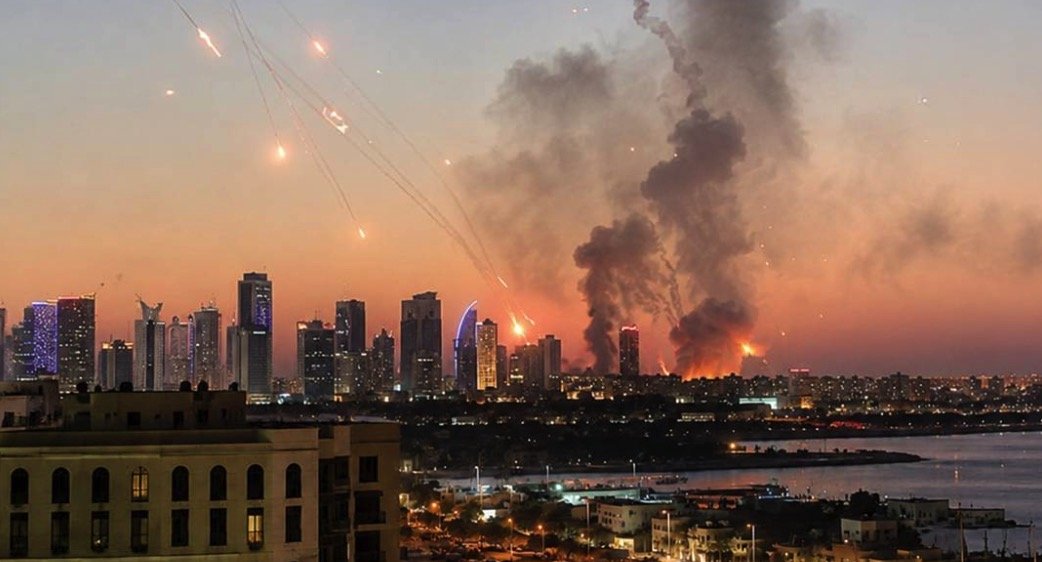 Iran's Revolutionary Guards said they launched attacks on American military facilities in Bahrain and Kuwait, while also claiming to have destroyed radar systems in Oman and struck fuel tanks and ammunition depots at Prince Hassan Air Base in Jordan. Get today's headlines by email The attacks were described by Tehran as retaliation for the latest US strikes and marked a significant escalation in the growing confrontation between the two countries. Jordan said it intercepted and shot down four missiles fired from Iranian territory. Meanwhile, Kuwait's military said it had intercepted "hostile aerial targets" within the country's airspace. Iran Expands Retaliatory StrikesThe latest exchange of attacks comes as Iran seeks to reinforce its position over the strategic Strait of Hormuz, which it regards as its strongest source of leverage in negotiations with Washington. Iranian Foreign Ministry spokesman Esmail Baghaei said Tehran is attempting to establish a joint mechanism with Oman to manage the waterway. He accused the United States of hindering those efforts by pressuring Oman, although he did not explain how that pressure was being applied. Oman Proposal Under DiscussionTalks held on Saturday aimed at easing tensions over the Strait of Hormuz included a proposal from Oman to fully reopen both shipping lanes through the waterway, according to Axios, citing a diplomat briefed on the negotiations. Under the reported proposal, the southern shipping route through Omani waters would reopen without requiring prior approval, restoring arrangements that existed before the conflict. According to the diplomat, Iran's delegation was unable to approve the proposal during the talks and returned to Tehran to seek further guidance from its leadership. US Seeks Public CommitmentThe United States is demanding that Iran publicly commit to ending attacks on vessels transiting the Strait of Hormuz and guarantee that all shipping lanes remain open without tolls or other charges. Iran has instead established a system directing vessels through northern lanes close to its coastline, where it has argued it can impose fees or tolls. Tehran has also insisted that ships use those routes or risk consequences. Join the discussion? 13 July 20263 points
This leaderboard is set to Bangkok/GMT+07:00