



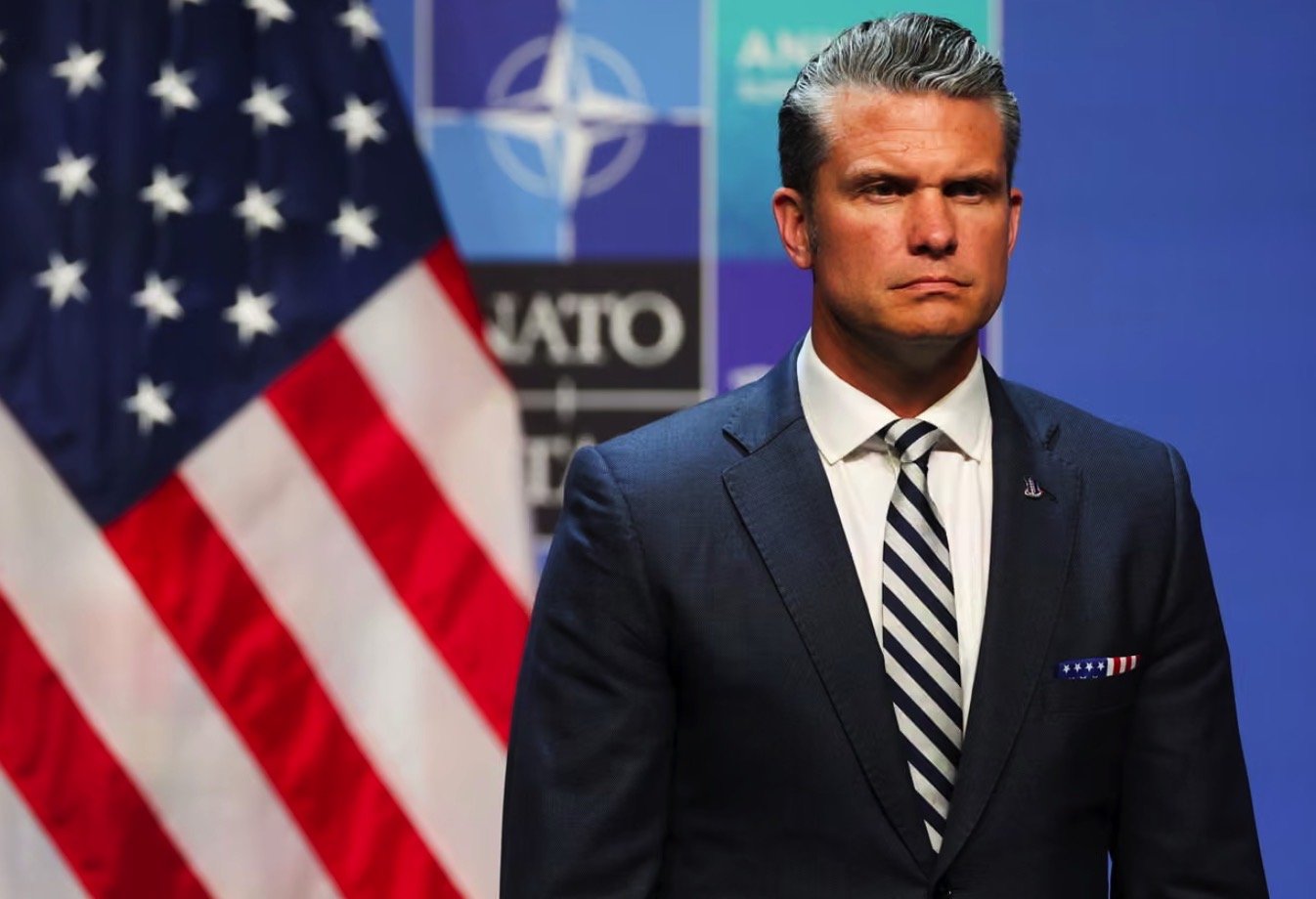

US Defence Secretary Pete Hegseth has announced a new Department of Defense programme to screen soldiers aged 30 and above for testosterone deficiency, describing it as a way to support readiness and long-term health.
In a video posted on X on Wednesday, Hegseth said the department would authorise annual testing for “warfighters” aged 30 and over as part of their routine health assessments. He said service personnel under 30 would be able to opt in to the screening.
Hegseth said the move is intended to ensure troops have “right testosterone levels” to operate at their best, linking the programme to what he described as the demands of modern combat. He said addressing health indicators early would help maintain psychological and mental readiness, and that the initiative formed part of the department’s commitment to provide “elite medical care”.
Annual testing and voluntary treatment
Under the plan, annual tests would be carried out for eligible personnel over the age of 30. Hegseth said treatment, including testosterone replacement therapy, would be voluntary.
He said the programme is designed to “restore and optimise” capabilities and to prioritise long-term health, with the aim of keeping service members “strong and resilient” for their entire lives. The announcement also framed the screening as part of maintaining physical and mental readiness for modern combat.
Hegseth did not give further details on how the tests would be implemented beyond describing them as part of ongoing health assessments.
Medical body urges caution on diagnosis
The initiative comes as “low T” has become a prominent political topic in the US. It is not the first time figures in the Trump administration have discussed testosterone levels publicly.
In a statement, the American Urological Association said it appreciates the administration’s recognition of the importance of screening for testosterone deficiency. However, it cautioned that diagnosing testosterone deficiency should not rely on a single blood test.
The association said testosterone testing can provide a baseline value for people who need further evaluation, but that a diagnosis should be based on symptoms and two separate tests rather than one result.
“Low T” debate and gender care not addressed
Hegseth’s announcement did not address active duty women in the US military. According to the text, more than 231,000 women serve on active duty.
The wider debate around testosterone has been taken up across parts of the political right and online. The article says Robert F Kennedy Jr, the US health secretary, has spoken about testosterone as part of his personal anti-ageing approach, and warned in October that teenagers have significantly less testosterone than older men, despite saying the claim was not backed by evidence.
The report also points to right-leaning media commentary, including Tucker Carlson criticising what he described as a masculinity crisis in films such as The End of Men, alongside influencers promoting “T-maxxing” and direct-to-consumer testosterone injections.
Research cited from the journal Social Science & Medicine says young men are being targeted online by influencers and wellness companies promoting hormone tests and treatments as essential to being a “real man”, despite screening for low testosterone being medically unwarranted for most people in that age group.
Join the discussion? 

16 July 2026
-
 7
7
Recommended Comments
Create an account or sign in to comment