



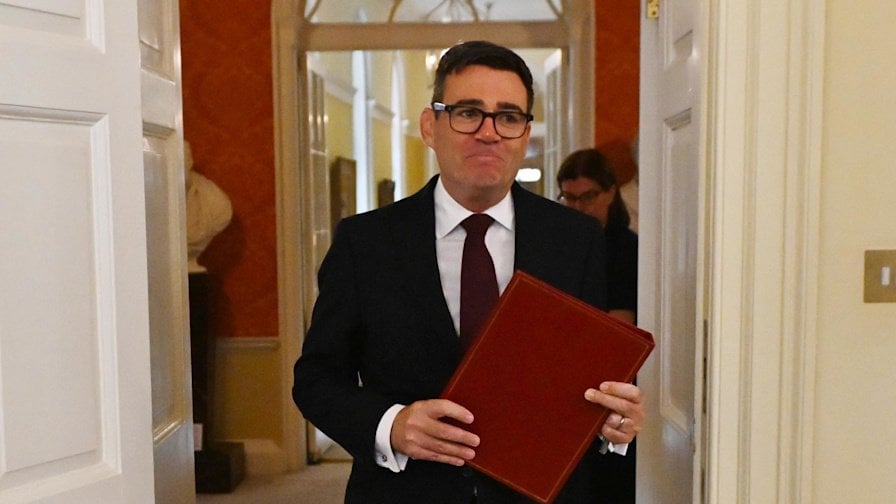

Prime Minister Andy Burnham wasted little time reshaping his government during his first full day in office, dismissing several allies of predecessor Keir Starmer and announcing a series of policy changes aimed at signalling a fresh start.
Among the biggest surprises was the appointment of John Healey as chancellor. The former defence secretary was summoned to Downing Street shortly after ministers were informed of changes to the cabinet. His promotion reportedly came as a surprise not only to political observers but also to Healey himself.
Cabinet reshuffle signals new direction
The appointment capped a rapid series of announcements from Burnham's new administration, including a reduction in VAT on household energy bills. While the Conservatives support the tax cut, they have questioned how the government intends to pay for it.
Former critics return to senior roles
Healey's return to frontline government comes just five weeks after he resigned as defence secretary during a dispute over military spending, a move that weakened Starmer's authority before Burnham's rise to power.
He now joins the cabinet alongside new Defence Secretary Wes Streeting and Energy Secretary Miatta Fahnbulleh, both of whom had also resigned from Starmer's government. While some have suggested the appointments reward those who challenged the former prime minister, all three are also regarded within Labour as experienced figures capable of handling demanding portfolios.
Senior figures at the Ministry of Defence have welcomed Healey's appointment to the Treasury, believing he will support increased defence spending. However, some officials privately expressed relief that he is not returning to lead the department, describing him as a demanding minister.
Even some senior Conservatives acknowledged the political logic behind the choice, noting Healey's experience at the Treasury under former Prime Minister Tony Blair and arguing he presents a more difficult target for opponents than some other potential candidates.
Labour unity faces early test
Burnham has also entrusted ally Anneliese Midgley with maintaining support among Labour MPs, including those who lost ministerial posts during the reshuffle.
Signs of internal tensions have already emerged. Former chief secretary to the prime minister Darren Jones publicly criticised Burnham's policy on energy bills, highlighting the challenges facing the new administration.
One Labour MP suggested those removed from government fell into three broad categories: ministers dismissed because of their political views, those judged ineffective in office, and figures unpopular within the parliamentary Labour Party.
Election speculation grows
Burnham's arrival in Downing Street has also fuelled speculation that he could seek a snap general election if Labour receives a boost in the opinion polls.
Reform UK leader Nigel Farage has argued that such an election is needed because Burnham lacks a direct electoral mandate as prime minister. However, some within Reform reportedly fear an early contest could undermine the party's prospects, with Farage facing both a by-election and questions over his finances.
Other political parties have also begun contingency planning. A senior Liberal Democrat aide confirmed preparations were under way in case an early election is called.
Burnham has indicated he does not intend to head to the polls immediately. Nevertheless, an early election could allow him to secure a personal mandate for a more ambitious programme and potentially extend his time in office with a fresh five-year term.
Some political observers argue the prime minister must decide whether to seek public backing before anticipated economic challenges emerge. Comparisons have already been drawn with former Prime Minister Gordon Brown, who ultimately decided against calling an early election after succeeding Tony Blair in 2007.
Burnham reached the premiership following electoral success in Makerfield and victory in the Labour leadership contest. Whether he chooses to take another political gamble by calling an early general election remains one of the biggest questions facing Westminster.
Join the discussion? 

22 July 2026
Recommended Comments
Create an account or sign in to comment