



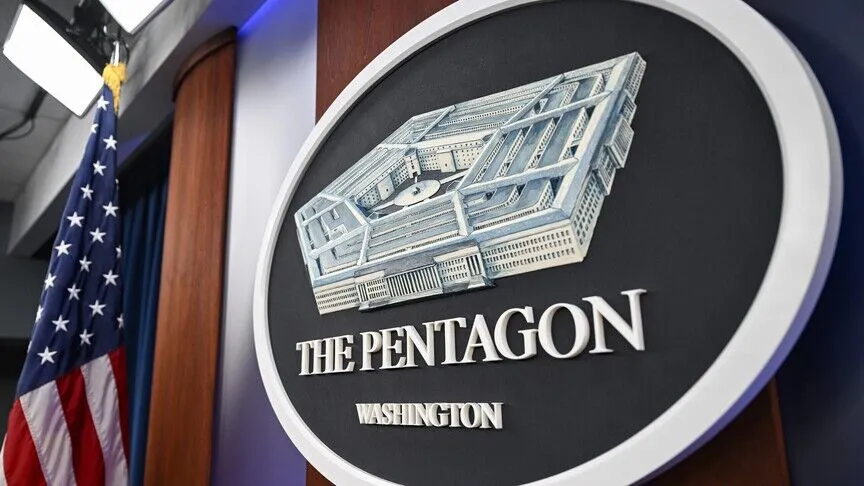

The Trump administration plans to exclude several major allies from a Pentagon-led NATO meeting next month in Poland, according to six diplomats familiar with the preparations, raising questions among countries left off the invitation list.
The gathering, backed by Pentagon policy chief Elbridge Colby, is intended as a working group focused on how NATO should evolve. Several of the allies not invited — including the United Kingdom, France and the Baltic states — are among Europe’s largest defence spenders and hold prominent roles within the alliance. Their diplomats are seeking clarification on why they were left out, particularly at a time when NATO is facing increased pressure from Russia and has had to manage depleted weapons stocks.
One official from an excluded ally said their country is meeting the commitments requested of it, while pressing for details on the criteria for participation and the purpose of the proposed talks. The White House did not reply to a request for comment, and the Pentagon declined to comment.
Meeting In Poland
The planned meeting will be held in Poland next month and is being driven by Colby as part of a smaller-format approach to discussing NATO’s future, the diplomats said. They described it as practical and issue-focused, rather than a formal summit or broad plenary session.
While Colby has previously led similar formats that included a limited set of invitees, several governments that were not included now want to know whether their absence reflects a preference for some partners over others.
Allies Question Exclusion
Officials in countries excluded from the Poland meeting said the lack of information has heightened frustration. They noted that many of the states left off the invitation list have either met or surpassed defence spending targets associated with the Trump administration’s priorities.
The concern, diplomats said, is that the approach could intensify divisions within an alliance already struggling with internal political strain and the challenge of responding to Russia’s actions.
The exclusion also comes against a backdrop of sustained criticism from President Donald Trump and senior officials about NATO members’ spending and participation. Trump has argued that the alliance operates as a one-way arrangement, while urging governments to do more, including by funding higher defence spending levels.
In addition, his administration has pursued pressure tactics aimed at changing member behaviour. In April, POLITICO reported that the White House was drawing up an informal list to identify allies that could be punished if they did not align with the president’s preferences.
Trump also previously moved to alter a planned joint exercise with South Korea after Seoul did not back the US position on Iran, according to reporting last month.
Bergen Group Precedent
Colby has spearheaded similar meetings previously, including a June session in Bergen, Norway, known as the Bergen Group format. That meeting brought together Norway, Sweden, Finland, Poland, Germany and the Netherlands, with organisers describing it as a way to stress-test ideas and eventually bring proposals to the full NATO alliance.
Invitees from the Bergen meeting have said the smaller talks are not aimed at splitting the alliance. However, diplomats said some countries view the repeated narrowing of attendance as selective, particularly given the absence of some of Europe’s largest defence powers such as Britain.
Colby told a Washington conference this month that the purpose was to pull NATO along as a whole and help build a more durable and capable alliance, with the goal of strengthening Europe’s military capacity.
Possible Expansion Of Invite List
In planning for the Poland meeting, one person familiar with the discussions said the US could also add Denmark to the list of invitees next. The prospect was linked to an agreement between Washington and Copenhagen to expand the American military footprint in Greenland.
Colby’s initiative builds on his long-standing interest in smaller NATO formats, and the diplomats said he has previously emphasised efforts that include strengthening European military capacity and encouraging roles for key allies in dealing with security challenges.
Join the discussion? 

1 October 2026
Recommended Comments
Create an account or sign in to comment