



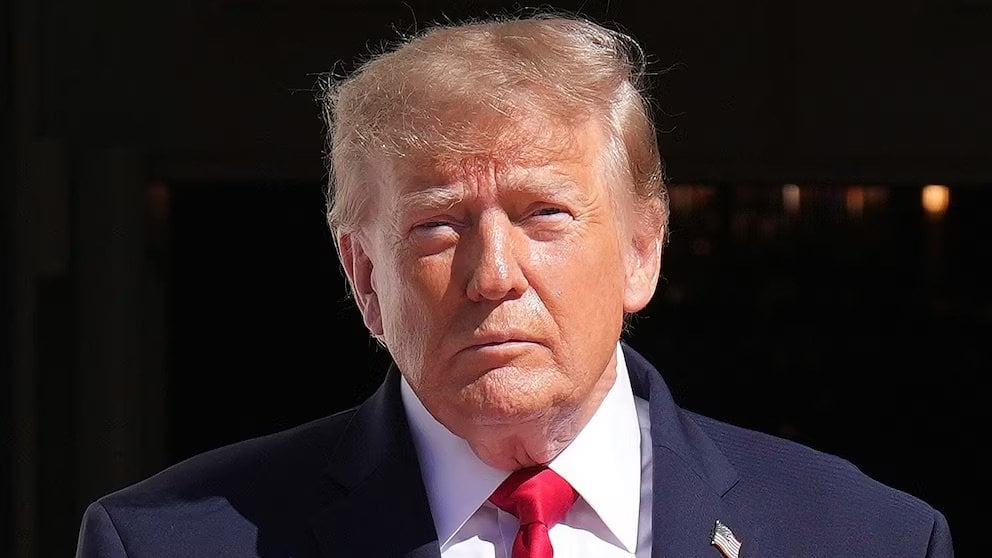

The Supreme Court has ruled 6-3 that the Trump administration can use a federal citizenship database to check voter eligibility ahead of the midterm elections, overturning a lower court order that had blocked the approach.
The decision allows the Department of Homeland Security to expand access to a long-running immigration records system known as the Systematic Alien Verification for Entitlements (SAVE). The administration sought to use the database to help states screen voter records for noncitizens.
Court Lifts Block On SAVE Expansion
In its ruling, the majority lifted the order from a federal district court that had prevented DHS from moving ahead with the expanded use of SAVE.
The majority said the district court’s action would hinder federal assistance to state and local agencies as they prepare for the midterms. It concluded that the balance of considerations favoured keeping the lower court’s pause in place no longer, describing the equities as weighing in favour of a stay.
Justices in the majority also rejected the argument that federal law barred the Trump administration from redesigning the citizenship database to verify voters.
The court said Congress authorised an information-sharing framework similar to the modified SAVE proposal when it passed the Illegal Immigration Reform and Immigrant Responsibility Act. In the majority’s view, this amounted to approval for the administration’s plan to share citizenship-related information in the manner proposed.
Limited Impact Because Of Election Timing Rules
While the ruling permits DHS to proceed with the programme ahead of the elections, the court said its practical effect is constrained by the National Voter Registration Act.
That law restricts states from removing voters from registration lists within the 90 days before an election. As a result, the court said the administration cannot rely on bulk searches in the same way the database was originally designed to operate.
Instead, it said the administration would be limited to “individualized inquiries” to verify voters, rather than broader, automated checks of voter records.
The court’s liberal wing argued that these limits would make the impact small and short-lived.
The government’s position has been that noncitizen voting poses a threat to election integrity. President Donald Trump has described it as a pressing danger. However, audits of voter rolls have found that voting by noncitizens is exceedingly rare.
Dissent Cites Privacy Limits And Misread Statute
Three justices dissented from the decision: Ketanji Brown Jackson, Sonia Sotomayor and Elena Kagan.
In their dissent, they argued that the majority wrongly read the Illegal Immigration Reform and Immigrant Responsibility Act as overriding other legal limits, including privacy rules that restrict when and how citizenship information can be shared with DHS.
Jackson said there was no basis to conclude that Congress intended to repeal privacy protections that would otherwise prevent federal agencies from disclosing citizenship information.
She also disputed the majority’s framing of potential harm. In her view, the risks to lawful voters—including the possibility of burdening or disenfranchising even a few—outweigh the government’s claimed injury from being blocked from an action the court said it likely lacks authority to take.
Join the discussion? 

26 September 2026
Recommended Comments
Create an account or sign in to comment