



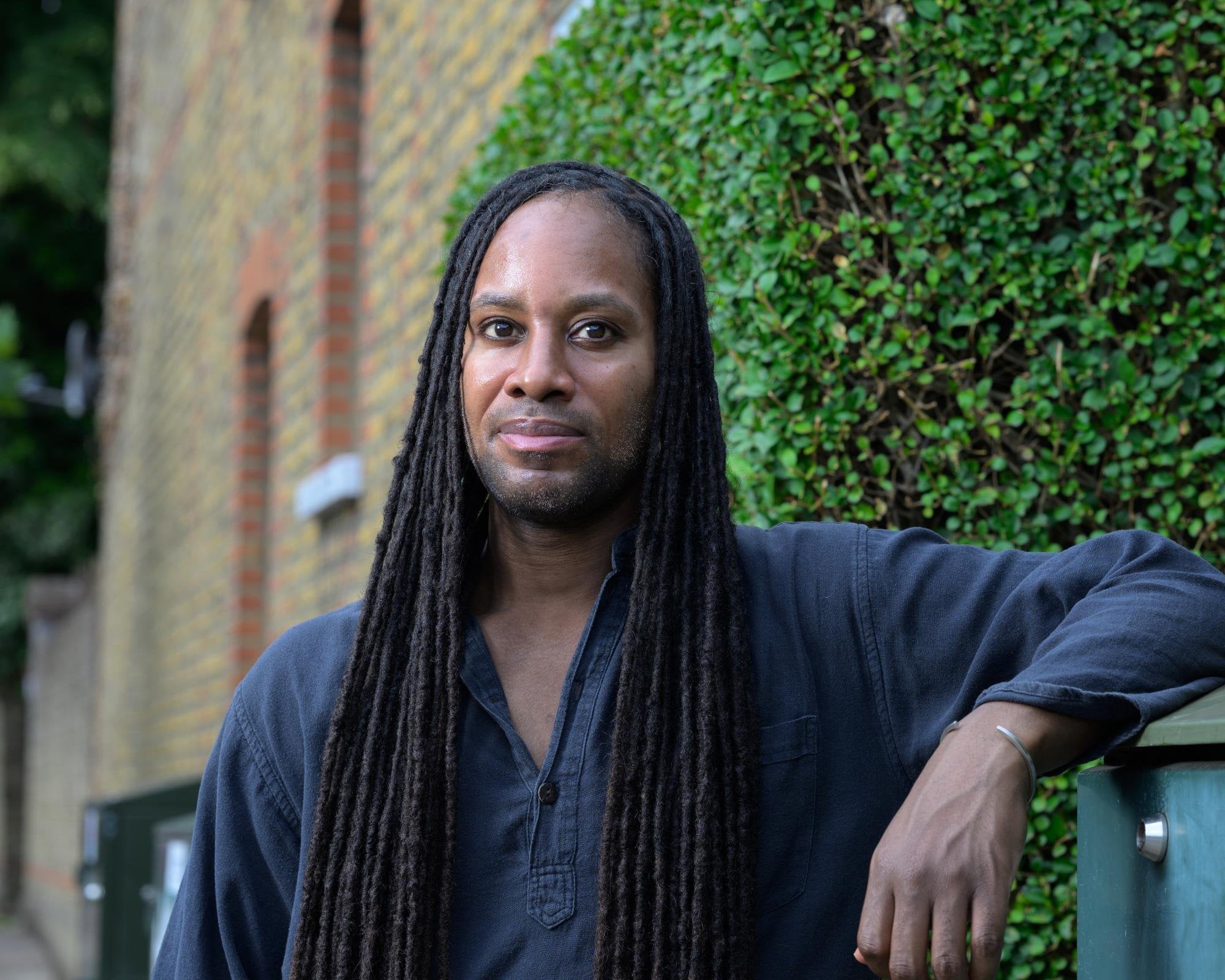

Andy Burnham has said the death of former Cambridge sociology of education professor Jason Arday was “a tragedy on so many levels”, urging people to take a moment to reflect rather than rush to judgement.
Arday, 41, was found dead at an address in Battersea, south London, on Friday afternoon.
Speaking to broadcasters during a visit to Cornwall, the prime minister said it should not be a time for speculation. “It’s not a moment for any rushing to judgement. It’s a moment for reflection,” Burnham said, adding that people should consider how matters had reached this point.
Family Say They Are “In Shock”
In a statement released by his publisher, Simon & Schuster UK, Arday’s family said they were “in shock” at his death and described him as an “amazing father, partner, brother, uncle and son”. They said a “campaign of misinformation” had been too much for him.
Arday resigned from his role at the University of Cambridge last week following allegations of plagiarism and questions about aspects of his work and achievements. He denied plagiarism.
A friend, who spoke to the BBC, said Arday had told him he felt “destroyed”. The friend added that Arday said his travel authorisation to the United States had been revoked. Another friend who met him at St Mary’s University, Twickenham, said Arday had described being very upset after resigning, and that he felt there was “no way out”.
Cambridge Leads Tributes
Cambridge vice-chancellor Professor Deborah Prentice said the university was “desperately saddened” by the news and offered condolences to Arday’s family and friends.
Education Secretary Lucy Powell said she was “deeply shocked and saddened”, and urged the public to remember “there are real people with loved ones involved”.
London mayor Sir Sadiq Khan said Arday had faced intense scrutiny and posted on X that his death was a tragedy and “a wake up call for all of us”. He said Arday had been subjected to “an unacceptable public hounding and campaign of abuse” and described what he called a “pernicious public shaming”.
Union leaders and politicians also commented on the circumstances surrounding the controversy. University and College Union general secretary Jo Grady said the “level of harassment” and racism Arday faced was “sickening” and “must be investigated”. National Education Union general secretary Daniel Kebede said Arday had been subjected to “a public and brutal takedown” that unleashed “a tirade of racism”, adding the impact had been “chilling”.
Labour MP Bell Ribeiro-Addy said the idea of an academic being subjected to that level of media attention was “unheard of”. Shadow communities secretary Sir James Cleverly said he was angered by Arday’s “tragic” death and said academic institutions had “serious questions to answer”.
Plagiarism Row And Questions Over Claims
Peers and academics speaking on BBC programmes said Arday had been targeted for an extended period. Director of the University of Cambridge’s Autism Research Centre Professor Simon Baron-Cohen said Arday felt unable to leave his house and described him as “incredibly” kind and caring.
Baron-Cohen said he had spoken to Arday the morning of his death and that Arday believed a campaign against him had been running for three years. He said the personal attacks had been “so immense”.
Professor of Black Studies Kehinde Andrews, a friend of Arday, said Arday was “very down” after resigning from Cambridge, adding Arday felt “no way out” and had lost weight.
According to Arday, he denied plagiarism but said there were errors in parts of his earlier work. He attributed some mistakes to autism, saying he used mimicry to make sense of information and that similar scrutiny would find similar errors elsewhere. He also said the controversy led to “an unrelenting level of public scrutiny and personal attack”.
The row began after former Cambridge associate Nathan Cofnas, a self-described “race realist” who was sacked from his role in 2024, said he found multiple instances of plagiarism in Arday’s work. Arday later addressed questions about parts of his life story, including a claim that he ran 600 miles in six days and raised £5.5m for charity; he said the run had been completed over 12 days with rest days and that the money had been raised with help from others.
Cambridge had announced an independent investigation earlier this week into the circumstances of Arday’s appointment. Liverpool John Moores University, where Arday completed his PhD in 2015, said in a separate statement on Saturday that it was “saddened to hear of the tragic loss” of Arday and had concluded he had not plagiarised work.
Join the discussion? 

15 August 2026
Join the discussion?
15 August 2026
-
 1
1
Recommended Comments
Create an account or sign in to comment