




The Trump administration has said it has “serious concerns” about a UK plan to require YouTube and other digital platforms to give greater prominence to established broadcasters, warning the approach could enable censorship of online content.
In a statement issued through the US embassy in London, Washington argued that the proposed changes to social media feeds could create a “template” that authoritarian governments might use to justify tighter control of what users see. The administration also warned the plan could weaken the position of independent journalism, describing it as a form of “extraterritorial censorship” of Americans’ protected speech.
The comments come as ministers, regulators and public service broadcasters in the UK debate how to respond to misinformation online. They have argued that as more people use less regulated platforms such as X, YouTube and TikTok, new rules may be needed to improve the visibility of credible information.
What The UK Plans
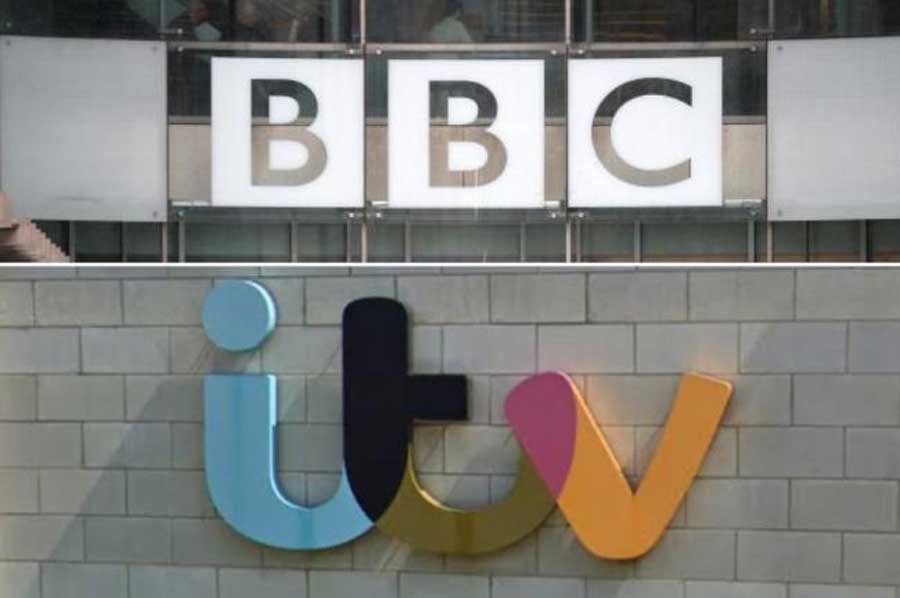
The UK government has been consulting on proposals to encourage or require platforms to prioritise content from long-established media organisations in algorithmic recommendations. Under the plan, outlets such as the BBC and ITV would receive enhanced visibility.
The UK also signalled earlier this year that it would consider legislation if platforms did not voluntarily take action to ensure trustworthy content is promoted in digital feeds.
Supporters of the approach say it would help tackle misinformation and help protect culturally British programming, as well as support public service broadcasters facing financial pressure from the shift to online media.
US Concern Over “Censorship”
Washington said the UK’s framework could effectively remove the reach of independent reporters and media outlets by pushing them down in feeds in favour of established broadcasters. It argued that such an outcome would not be meaningfully different from removal when a less favoured speaker or publication loses visibility in practice.
The administration also urged the UK to spell out safeguards to ensure that any “biases and preferences” from UK officials or third-party organisations do not shape how content is surfaced in ways that disadvantage independent or minority-viewpoint journalism.
The US embassy statement said the administration would “likely consider such a measure as facilitating censorship”, and highlighted its willingness to challenge rules affecting largely US-based technology firms that run major global platforms.
UK Government Response
A spokesperson for the Department for Culture, Media and Sport said the department welcomed engagement and responses to the government’s media green paper. The spokesperson added that the government believes strongly in free expression and fair competition and said any action would aim to protect both.
Insiders cited in the wider reporting said any measures would apply only to the UK, with the US criticism framed as part of efforts to influence how major platform operators respond.
Trump’s Media Record And Wider Debate
The dispute also plays out against Donald Trump’s long-standing criticism of mainstream news organisations. The US president has frequently attacked established outlets, accusing them of “fake news” and describing coverage as biased, while using social media to reach supporters.
Trump is also still involved in a legal case involving the BBC over an edition of Panorama in which the programme was reported to have spliced together one of his speeches. The BBC apologised for the edit but said the show did not defame him.
Meanwhile, some creators and social media companies have questioned whether platforms should artificially promote traditional media. A UK YouTube creator, Simon Squibb, said he was encouraged that concerns had been raised by an organisation he believed politicians would heed and warned the UK risked moving in a “dangerous” direction. He said he was glad the US had intervened.
Join the discussion? 

8 September 2026
-
 2
2
Recommended Comments
Create an account or sign in to comment