



Leaderboard
There are no members to show
Popular Content
Showing content with the highest reputation since 03/02/2026 in Articles
-
 The International Olympic Committee has barred transgender women from competing in women’s events at the Olympic Games under a new eligibility policy adopted Thursday. The rule limits participation in female categories at Olympic competitions to biological females. The policy will apply to all IOC events, including both individual and team sports. IOC adopts new eligibility ruleUnder the framework, athletes competing in women’s categories must undergo a gene test once during their career to determine eligibility. The screening looks for the SRY gene, a DNA segment typically found on the Y chromosome and associated with male sex development before birth. The IOC said the change aims to “protect fairness, safety and integrity” in women’s sport. Policy ahead of Los Angeles OlympicsThe rule will take effect for the 2028 Summer Olympics in Los Angeles. IOC President Kirsty Coventry said the policy reflects the narrow margins that determine results at elite competition. She said the organisation concluded it would not be fair for athletes born male to compete in female Olympic categories. Coventry, a two-time Olympic swimming champion, launched a review on protecting the female category shortly after taking office. The IOC had previously allowed international sports federations to set their own rules on transgender participation. Several governing bodies had already introduced restrictions in recent years. Before the 2024 Summer Olympics in Paris, federations overseeing athletics, swimming and cycling had barred transgender women who had undergone male puberty from women’s events. Debate over eligibility and biologyThe IOC document states that people born male experience several testosterone surges during development, including in the womb, early infancy and adolescence. According to the organisation’s research, these differences create physical advantages in sports involving strength, endurance or power. The document estimates male performance advantages of about 10–12% in many running and swimming events and more than 20% in throwing and jumping disciplines. In explosive power activities such as punching sports, the difference can be significantly higher, the report said. The gene test approved by the IOC may involve saliva samples, cheek swabs or blood tests and is intended to provide what the organisation described as the most accurate and least intrusive method currently available. The policy does not apply retroactively and does not affect grassroots or recreational sports programmes. Impact on athletes and reactionsIt remains unclear how many transgender women compete at the Olympic level. No athlete who transitioned from male competed in the women’s category at the Paris Games. The most prominent example was Laurel Hubbard of New Zealand, who competed in weightlifting at the 2020 Summer Olympics in Tokyo but did not win a medal. The policy also affects athletes with differences in sex development (DSD), including South African runner Caster Semenya, whose long-running legal challenge to eligibility rules reached the European Court of Human Rights. The issue has been widely debated in international sport and was also addressed politically in the United States. Donald Trump signed an executive order titled “Keeping Men Out of Women’s Sports,” which threatened funding cuts for organisations allowing transgender athletes in women’s competitions. The IOC decision is likely to face criticism from human rights advocates and activist groups concerned about mandatory gender screening. Join the discussion? Already a member? Adapted by ASEAN Now. Source 27 March 20265 points
 -
 The father of a teenage boy accused of carrying out a deadly school shooting in Georgia has been found guilty of second-degree murder and other charges, in a closely watched case examining parental responsibility in mass shootings. After about two weeks of testimony, jurors deliberated for only a few hours before convicting 54-year-old Colin Gray on more than two dozen counts related to the 4 September 2024 attack at Apalachee High School. Get the latest headlines in your email Gray had faced 29 charges, including second-degree murder, involuntary manslaughter and reckless conduct. Under Georgia law, second-degree murder includes causing the death of a child by committing cruelty to children. He pleaded not guilty to all counts. Prosecutors argued that Gray acted with “criminal negligence” by giving his 14-year-old son, Colt Gray, access to a firearm and ammunition despite warning signs that the teenager posed a danger to others. Four killed in 2024 attackColt Gray is accused of fatally shooting two students and two teachers with an assault-style rifle at the high school. He faces 55 charges, including four counts of malice murder and four counts of felony murder, and is being prosecuted as an adult. He has pleaded not guilty and is awaiting trial. The victims were identified as teachers Richard Aspinwall, 39, and Christina Irimie, 53, along with students Mason Schermerhorn and Christian Angulo, both 14. Another teacher and eight students were wounded in the attack. During the trial, prosecutors contended that Colin Gray provided his son with access to the weapon after receiving sufficient warning that the teenager could harm others. The defense argued that the father did not believe his son would carry out such an attack and should not be held criminally responsible for his actions. Broader legal trendThe case is part of a growing number of prosecutions targeting parents in connection with school shootings carried out by their children. In 2024, the parents of a Michigan high school shooter were each convicted of involuntary manslaughter and later sentenced to between 10 and 15 years in prison. Legal experts say such cases reflect an evolving approach by prosecutors who seek to hold adults accountable when they are alleged to have enabled minors’ access to weapons. According to the Associated Press, Colin Gray faces up to 30 years in prison. He will be sentenced at a later date. The verdict marks a significant development in efforts to address responsibility beyond the individual shooter, as communities and lawmakers continue to grapple with how to prevent school violence. Join the discussion? Already a member? Adapted by ASEAN Now · Source · 03.03 20264 points
 -
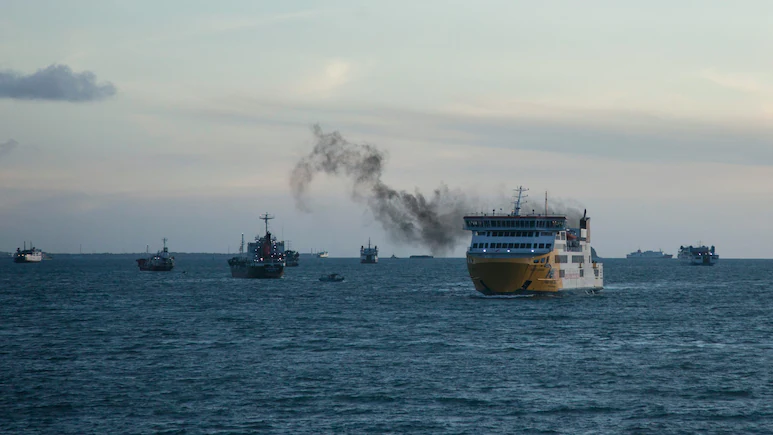 Iran has indicated that only “non-hostile” vessels will be allowed to pass through the strategically critical Strait of Hormuz, according to a report citing a communication to international shipping authorities. Get today's headlines by email In a letter circulated to members of the International Maritime Organization (IMO), Iran’s foreign ministry said ships could continue transiting the waterway if they coordinated with Iranian authorities and were not linked to countries it considers hostile. Conditions Set for TransitThe communication reportedly stated that vessels associated with the United States, Israel or other parties involved in military actions against Iran would not qualify for what it described as “innocent” or “non-hostile” passage. The report, first published by the Financial Times, has not been independently verified. Impact on Global Energy SupplyThe Strait of Hormuz is a vital route for global energy shipments, with roughly one-fifth of the world’s oil and liquefied natural gas typically passing through the narrow channel. Since the escalation of conflict involving Iran, shipping traffic through the strait has been severely disrupted, contributing to volatility in global energy markets and concerns over supply shortages. Iran said its actions were “necessary and proportionate” measures aimed at preventing adversaries from using the route to support military operations. Strategic and Legal ImplicationsThe restrictions outlined by Tehran could have significant implications for international shipping and maritime law, particularly regarding the principle of free navigation through key waterways. The International Maritime Organization, based in London, oversees global maritime safety and security and includes 176 member states. Its role may become increasingly important as tensions affect shipping routes. Ongoing TensionsThe announcement comes amid heightened regional tensions following recent military strikes and retaliatory actions involving Iran and its adversaries. With access to the Strait of Hormuz now uncertain for some vessels, the situation remains fluid, and further developments could have far-reaching consequences for global trade and energy markets. Join the discussion? Already a member? Adapted by ASEAN Now. Source 25 March 20262 points
 -
 A U.S. federal judge has raised fresh concerns over the legality of President Donald Trump’s plan to construct a large ballroom at the White House, as he considers a renewed effort by preservation groups to halt the project. During a hearing on Tuesday, Richard Leon of the U.S. District Court expressed scepticism about the legal arguments presented by the Justice Department in defence of the $400 million development. He pointed to inconsistencies in the administration’s reasoning, describing the case as marked by “shifting theories” from the outset. Get today's headlines by email The planned ballroom, a 90,000-square-foot venue intended for state functions and major events, is being built on the site of the demolished East Wing. Construction began in October and is expected to continue through 2028, with most funding reportedly coming from private donors. Dispute over legal authorityHowever, the National Trust for Historic Preservation has challenged the project in court, arguing that it violates federal requirements. The group says the administration failed to seek congressional approval and did not carry out mandated reviews or allow for public consultation. Lawyers representing the preservationists accused the government of providing inconsistent explanations about who holds authority over the project. Attorney Thaddeus Heuer told the court officials had created confusion over several months before now, arguing that construction has progressed too far to be stopped. Government defends projectIn response, Justice Department lawyer Yaakov Roth maintained that the project rests on both public and private authority, describing it as having a “dual source of funding and dual source of authority.” Judge Leon appeared unconvinced, calling that interpretation a “brazen” reading of the law. He emphasised the symbolic importance of the White House, describing it as an “iconic” national landmark and noting that the president acts as a steward rather than an owner of the property. Ongoing legal battleThe courtroom exchange follows an earlier ruling in which Leon declined to block construction, citing procedural shortcomings in the preservationists’ initial complaint. He invited the group to revise its case, leading to the current legal challenge. In his previous opinion, Leon noted that the administration had initially suggested constitutional grounds for the project before later abandoning that argument, further complicating the legal landscape. The preservation group has now filed an updated complaint, again seeking to stop the construction. Government lawyers have urged the court not to intervene, citing national security considerations and practical difficulties in halting work already underway. Decision expected soonThe dispute has drawn criticism from historians, preservation advocates and some lawmakers, particularly over the demolition of the East Wing and the perceived bypassing of established procedures. Judge Leon indicated that he aims to issue a decision by the end of the month, which could determine whether construction continues or faces further legal obstacles. Join the discussion? Already a member? Adapted by ASEAN Now. Source 18 March 20262 points
 -
 The administration of Donald Trump estimates that the first six days of the war against Iran cost the United States at least $11.3 billion, according to a source familiar with a recent congressional briefing. The estimate was shared with lawmakers during a closed-door session for senators on Tuesday, as members of Congress continue pressing the administration for more details about the conflict. The Asean Now Briefing newsletter keeps you informed with all the latest news Sign up here. Officials stressed that the figure represents only an early estimate and does not reflect the full cost of the war so far. The number was first reported by The New York Times. Congressional aides said the White House is expected to request additional funding soon. Some officials have suggested the request could reach $50 billion, though others believe even that figure may underestimate the potential costs. So far, the administration has not released a public estimate of the total expense or a clear timeline for how long the conflict might continue. Speaking during a trip to Kentucky on Wednesday, Trump said the United States had already achieved major success in the war. “We won,” he said, while adding that American forces would remain involved until the mission is fully completed. The military campaign began on February 28 with coordinated airstrikes carried out by the United States and Israel against targets inside Iran. Since then, the conflict has expanded into neighboring Lebanon and has significantly disrupted global energy markets and shipping routes. The fighting has reportedly killed around 2,000 people, the majority of them in Iran and Lebanon. During briefings to lawmakers, administration officials said $5.6 billion worth of munitions were used in the first two days of strikes alone. Members of Congress have expressed concern that the rapid pace of operations could significantly drain U.S. military stockpiles. These concerns come at a time when the American defense industry is already struggling to meet high global demand for weapons and equipment. To address supply issues, Trump recently met with executives from seven major defense contractors as the U.S. Department of Defense works to replenish depleted stockpiles. Meanwhile, Democratic lawmakers are demanding greater transparency from the administration. Several have called for senior officials to testify publicly under oath about the strategy behind the war, including how long the conflict might last and what plans exist for Iran once fighting ends. Join the discussion? Already a member? Adapted by ASEAN Now · Source · 11.03 20262 points
 -
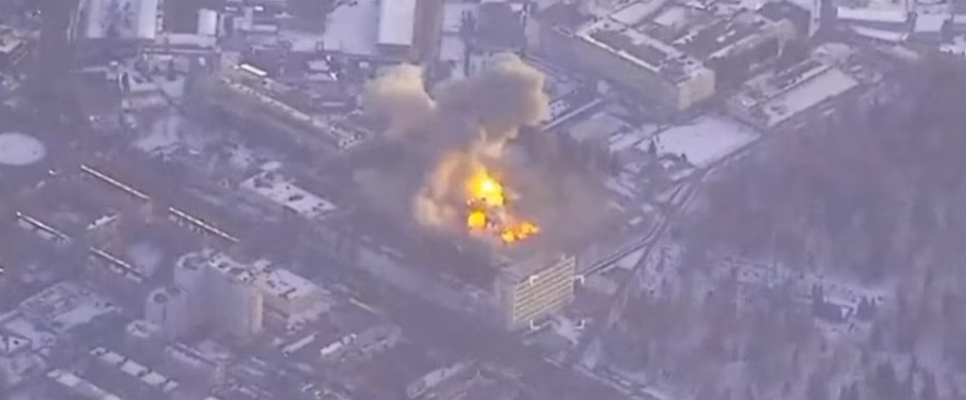 Moscow Condemns Bryansk StrikeRussia has accused Ukraine and United Kingdom of carrying out what it described as a “terrorist attack” on the western Russian city of Bryansk. In a statement released Wednesday, the Russian Foreign Ministry condemned the deadly strike and alleged that missiles supplied by Britain had been used in the attack. The Asean Now Briefing newsletter keeps you informed with all the latest news Sign up here. Moscow claimed the strike violated international legal norms and accused London of crossing a dangerous line by supplying weapons that were allegedly used to target Russian territory. Claims of EscalationAccording to the ministry, the attack was intended to sabotage ongoing efforts toward a peace process in the war between Russia and Ukraine. Officials said the strike was part of a broader attempt to escalate the conflict rather than seek a negotiated settlement. The statement did not provide detailed evidence supporting the claim that British-made missiles were used in the attack. Growing TensionsThe accusation adds to mounting tensions between Moscow and Western governments over military support for Ukraine. Since the full-scale invasion of Ukraine by Russia in 2022, Western countries including the United Kingdom have provided Kyiv with weapons, training and financial assistance. Russia has repeatedly warned that such support risks widening the conflict. Join the discussion? Already a member? Adapted by ASEAN Now · Source · 11.03 20262 points
 -
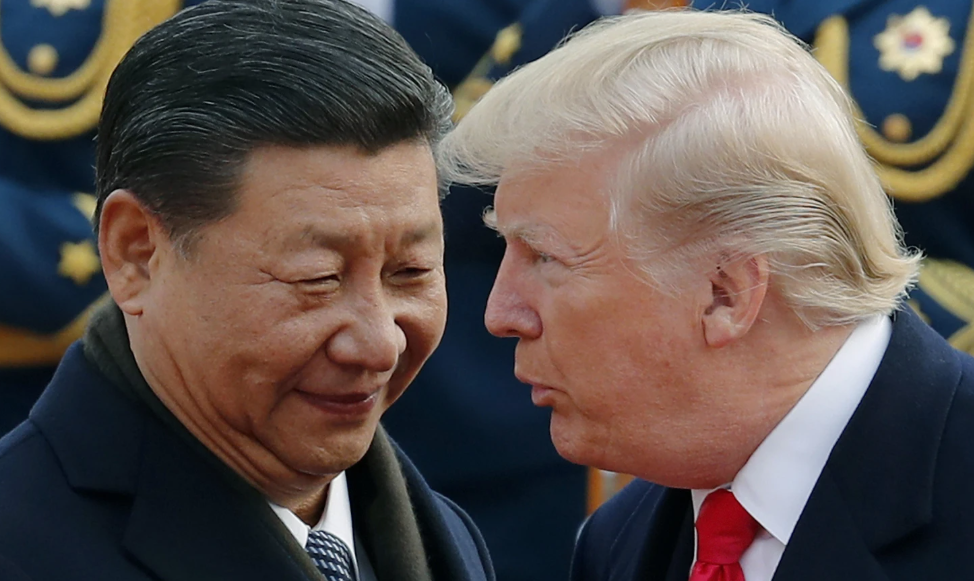 When the United States and Israel launched strikes on Iran, Beijing did not react immediately. Several hours later, China’s Foreign Ministry said it was “highly concerned,” called for an immediate halt to military operations and urged a return to dialogue. The following day, Foreign Minister Wang Yi condemned the attacks as unacceptable. The response was firm in tone but limited in substance — a pattern that reflects China’s broader foreign policy approach. Despite its expanding global footprint, Beijing has again chosen to stay on the sidelines militarily while positioning itself as a critic of force and a supporter of negotiations. Get the latest headlines in your email Strategic restraint over interventionChina’s armed forces have modernized rapidly in recent years. It has held joint military drills with Iran and established its first overseas naval base in Djibouti in 2017. Yet its primary security focus remains much closer to home, from Taiwan to the South China Sea. Beijing has occasionally stepped into Middle East diplomacy when it sees opportunity. In 2023, it helped broker a rapprochement between Iran and Saudi Arabia, a move widely seen as a sign of growing Chinese influence. But analysts say Beijing views U.S. military campaigns in Afghanistan and Iraq as cautionary examples of overreach. William Yang of the International Crisis Group said China is reluctant to project military power far beyond its immediate periphery or act as a security guarantor in volatile regions like the Middle East. Similarly, China has offered diplomatic and economic backing to Russia and Venezuela while avoiding direct military involvement in Ukraine or Latin America. Craig Singleton of the Foundation for Defense of Democracies described Beijing’s response to the Iran strikes as “predictably restrained,” underscoring the limits of its influence once hard power is in motion. U.S. ties take priority over IranChina’s measured stance also reflects the relative importance it assigns to its relationships. While Beijing maintains strong economic ties with Tehran, its relationship with Washington carries far greater weight, particularly on trade, technology and Taiwan. A highly anticipated visit by Donald Trump to Beijing to meet Chinese leader Xi Jinping is expected in the coming weeks. Analysts say Beijing is unlikely to jeopardize that summit over Iran. George Chen of The Asia Group said that while China may engage in rhetorical sparring with Washington, it has little incentive to escalate tensions. “U.S.-China relations are already complicated enough,” he said, adding that introducing another major flashpoint would benefit neither side. Energy security and regional risksChina is the largest importer of Iranian oil, taking in roughly 1.4 million barrels per day last year — about 13% of its total seaborne crude imports, according to data from Kpler. However, analysts say Beijing has prepared for potential disruptions by diversifying supply sources and building strategic reserves. The more pressing concern is not necessarily Iranian oil itself, but instability in the broader Gulf region. Any sustained disruption to shipping through the Strait of Hormuz — a key chokepoint for global oil and liquefied natural gas — would have far-reaching consequences for China’s energy security and economic stability. Attacks on Gulf energy infrastructure, including liquefied natural gas facilities, add to those worries. Unlikely to arm TehranDespite long-standing defense ties, experts say China is unlikely to provide significant military assistance to Iran. Muhammad Zulfikar Rakhmat of Indonesia’s Center of Economic and Law Studies said any support would likely be limited to existing defense arrangements rather than rapid battlefield aid. Beijing has repeatedly criticized the United States for supplying weapons to Ukraine, arguing that doing so prolongs conflicts. Providing arms to Iran would risk direct confrontation with Washington and undermine China’s carefully calibrated neutrality. James M. Dorsey of Nanyang Technological University noted that while Iran’s missile program has roots in Chinese technology, Beijing is likely to err on the side of caution rather than expand support. Ultimately, analysts say China’s response reveals a foreign policy guided less by ideological alignment and more by pragmatic calculation. Beijing appears determined to avoid entanglement in a distant war while safeguarding its economic interests and preserving space for diplomacy. Join the discussion? Already a member? Adapted by ASEAN Now · Source · 04.03 20262 points
 -
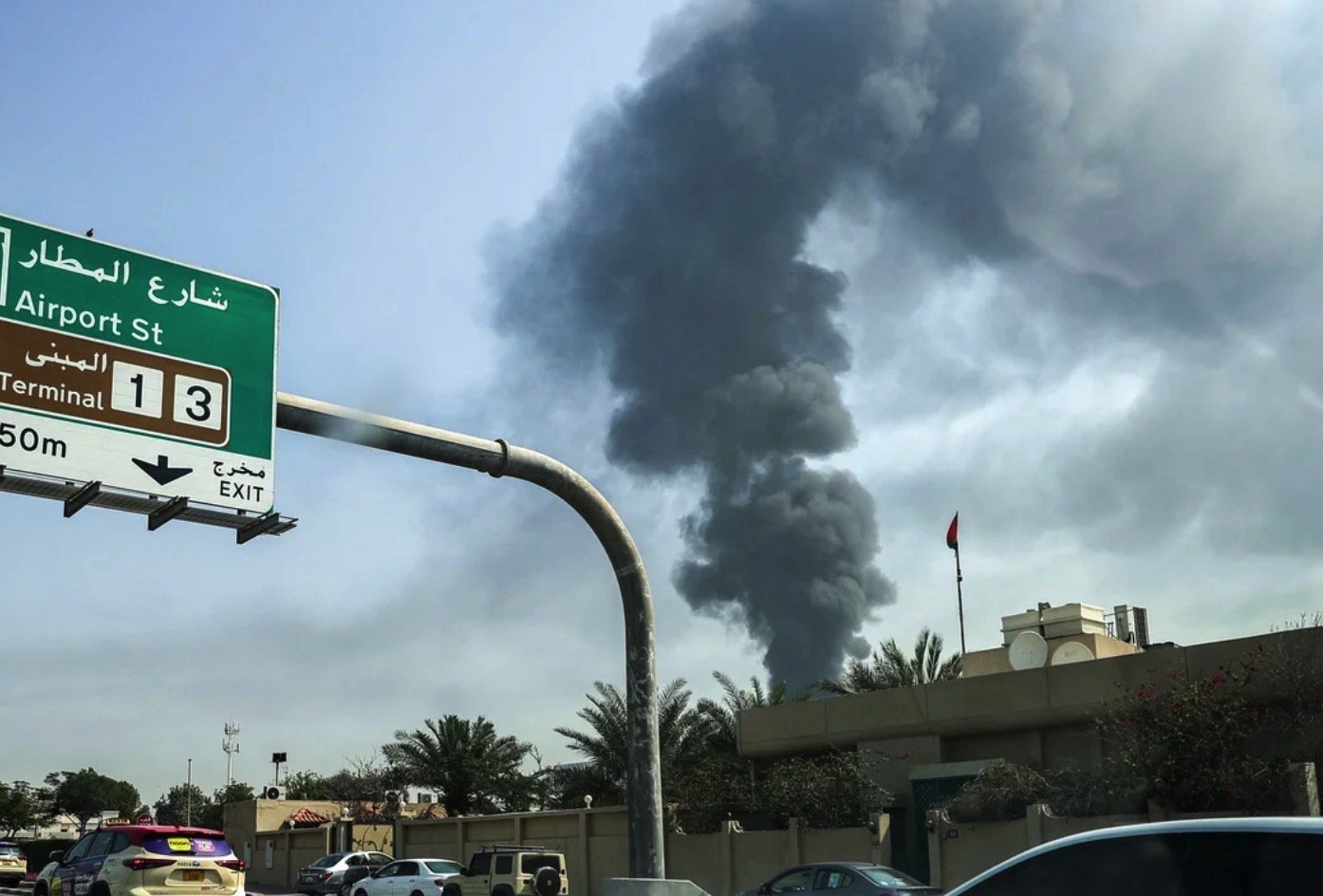 European allies say Russia is providing more direct support to Iran than the United States has publicly acknowledged, according to diplomatic sources. Get today's headlines by email Officials from several European countries have privately and publicly told American counterparts that Moscow is materially assisting Iran’s military activities. They argue the conflict involving Iran is increasingly linked to the war in Ukraine, pointing to growing cooperation between Moscow and Tehran. Europe warns of deeper Russia–Iran cooperationA British official said defence ties between the two countries have expanded significantly in recent years. According to the United Kingdom’s assessment, Iran supplied Shahed drones to Russia for use in Ukraine and also transferred production expertise. The official said this exchange has contributed to advances in Iran’s drone warfare capabilities, although they could not confirm any recent transfer of hardware from Russia to Iran. France and Ukraine raise intelligence concernsJean-Noël Barrot, foreign minister of France, described the relationship between Moscow and Tehran as “two-way cooperation”. He said there are reasons to believe Russia is now supporting Iran’s military efforts, particularly operations that could target American interests. Volodymyr Zelenskyy, president of Ukraine, said Kyiv possesses what he described as “irrefutable evidence” that Russia is supplying signals and electronic intelligence to Iran. According to Zelenskyy, intelligence briefings indicated Russian satellites photographed several facilities linked to the United States and its allies across the Middle East. Locations cited included the joint US–UK military base on Diego Garcia as well as sites in Kuwait, Saudi Arabia, Turkey and Qatar. Zelenskyy made the remarks while visiting the United Arab Emirates, where he has promoted Ukrainian anti-drone technology to Gulf states concerned about Iranian attacks. Washington plays down impactSenior US officials have taken a more cautious public stance on the extent of cooperation between Russia and Iran. Marco Rubio, the US secretary of state, said Moscow’s actions were not affecting American military operations. “There is nothing Russia is doing for Iran that is impeding or affecting our operation or its effectiveness,” Rubio told reporters following a meeting of the Group of Seven countries. However, other Western officials have taken a stronger view. Kaja Kallas, the European Union’s top diplomat, said Russia is providing intelligence support that could help Iran target American personnel. She told G7 leaders that Moscow was helping Tehran gather intelligence and providing drone-related assistance. Broader security concerns among alliesJohn Healey, the UK defence secretary, told the BBC News he believed the “hidden hand” of Vladimir Putin could be seen behind Iran’s military activities. US defence secretary Pete Hegseth said the administration of Donald Trump was closely monitoring contacts between the countries. A recent assessment from the Office of the Director of National Intelligence said there is “selective cooperation” among Russia, Iran, China and North Korea. The report said the countries share a goal of countering US influence but stopped short of describing their relationship as a full alliance. Meanwhile, demand is increasing among Israel, Gulf states and Ukraine for US-made missile interceptors used to defend against incoming attacks. Rubio said current transfers of defensive equipment to Ukraine had not yet been affected by rising demand in the Middle East, although he acknowledged the United States could redirect weapons in the future if necessary. Join the discussion? Already a member? Adapted by ASEAN Now. Source 29 March 20261 point
 -
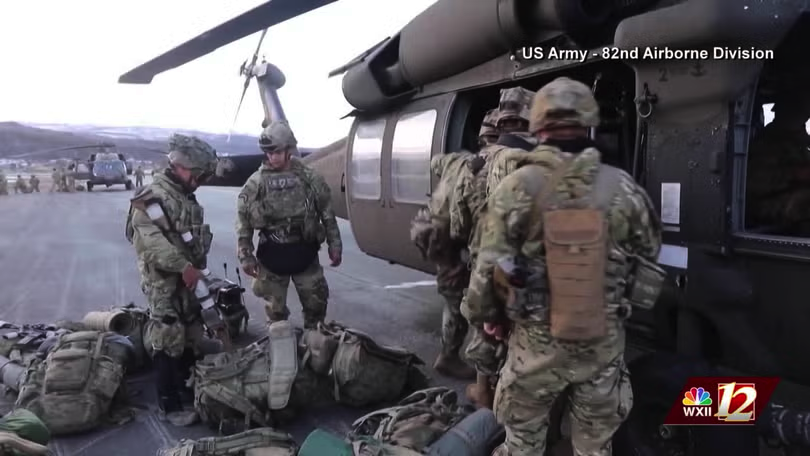 Donald Trump has approved the deployment of troops from the 82nd Airborne Division to the Middle East, according to US media reports, as tensions continue between Washington and Iran. Get today's headlines by email The decision places a contingent of elite US forces on high alert, with deployment expected potentially within hours. Officials cited in reports said the force would likely include a battalion from the 1st Brigade Combat Team, alongside Major General Brandon Tegtmeier, the division’s commander, and supporting staff. Rapid response forces on standbyBased at Fort Bragg, the 82nd Airborne Division is designed for rapid global response. The unit states it can deploy within 18 hours of receiving orders and specialises in parachute assaults and securing strategic objectives ahead of larger military operations. The move comes amid ongoing US engagement with Iran, although no specific timeline for troop movement has been confirmed. History of overseas deploymentsThe 82nd Airborne has played a central role in several major US military operations over recent decades. These include the Gulf War, Operation Enduring Freedom and Operation Iraqi Freedom, as well as missions in Afghanistan under Operation Freedom’s Sentinel. Its rapid deployment capability has made it one of the US military’s most frequently mobilised units during international crises. Personal impact on military familiesFormer soldiers say such deployments often come with little warning. Retired serviceman Marquis Johnson, who previously served in the division, described the experience as fast-moving and unpredictable. “Within 48 hours you’re pretty much out of there,” he said, noting that troops can be placed on standby and then deployed with minimal notice. Johnson added that the uncertainty can be particularly difficult for families, especially during periods of heightened global tension. He urged relatives of service members to remain supportive and prepared for sudden departures. “You can get the word at any moment,” he said, adding that families should cherish time together given the risks involved in military service. Unclear operational scopeOfficials have not disclosed the specific mission or location for the potential deployment. The presence of senior command staff suggests the operation could expand depending on developments in the region. The decision underscores Washington’s readiness to respond quickly to escalating conditions in the Middle East, though the extent of US involvement remains uncertain. Join the discussion? Already a member? Adapted by ASEAN Now. Source 25 March 20261 point
 -
 Germany is increasingly recruiting workers from India as it faces a deepening shortage of skilled labour, driven by an ageing population and a lack of younger domestic workers entering key trades. Get today's headlines by email A growing number of businesses across the country are struggling to replace retiring staff, prompting efforts to attract talent from abroad. According to a study by the Bertelsmann Foundation, Germany needs around 288,000 foreign workers annually to maintain its workforce. Without this, the labour pool could shrink by 10% by 2040. Recruitment Drive Expands Across SectorsOne early initiative began in 2021 when a German trade body received an enquiry from an Indian recruitment firm offering young candidates for vocational training. The proposal was taken up amid mounting concern from employers unable to fill vacancies. Initially focused on the struggling butchery sector, the scheme brought 13 young Indian trainees to Germany in 2022. Since then, the programme has expanded significantly, with around 200 Indian workers now employed in butcher shops alone. The initiative has since broadened into other professions, including construction, mechanics and baking. New recruitment efforts aim to bring hundreds more workers to Germany each year. This expansion has been supported by closer cooperation between the two countries, including a 2022 migration agreement designed to ease mobility for skilled workers. In addition, Germany increased its annual visa quota for Indian nationals from 20,000 to 90,000 at the end of 2024. Young Workers Seek Opportunities AbroadFor many of the recruits, the move offers better job prospects and higher wages than those available at home. India’s large youth population provides a significant pool of potential workers, with millions entering the labour market each year. Some young workers have opted for vocational training in Germany rather than pursuing university degrees in India, citing concerns over limited job opportunities and low pay. Despite the challenges of adapting to a new country, including long working hours and cultural differences, many report positive experiences and improved financial stability. The ability to support families back home is a key motivation. Businesses Rely On Overseas TalentGerman employers say the influx of foreign workers has become essential to sustaining their operations. In sectors such as butchery, where the number of businesses has declined sharply over the past two decades, overseas recruitment has helped prevent further closures. Local authorities are also turning to international hiring to fill gaps. Some municipalities are now recruiting workers from India for roles such as early childhood education, where shortages have become acute. Officials acknowledge that domestic solutions alone are unlikely to meet demand. As demographic pressures intensify, many see international recruitment as the only viable path forward. Join the discussion? Already a member? Adapted by ASEAN Now. Source 23 March 20261 point
 -
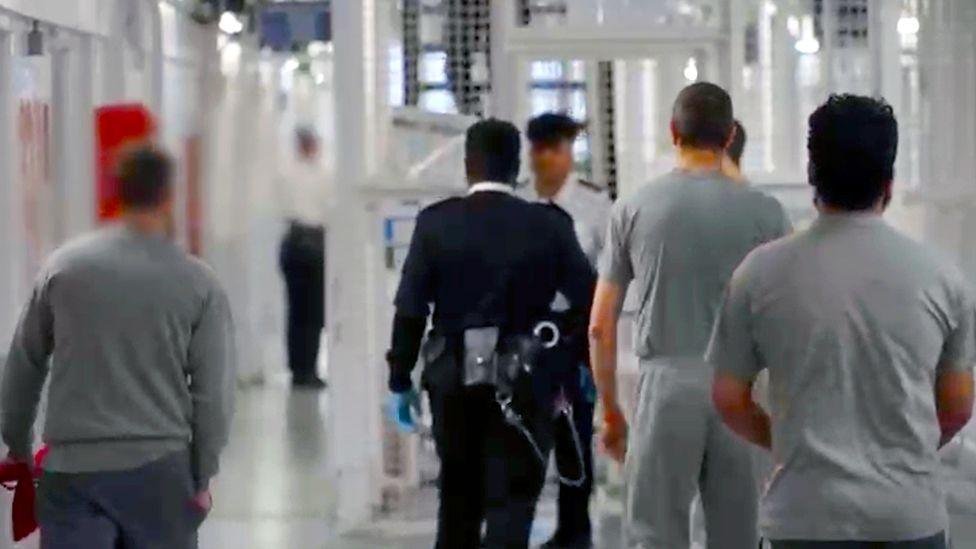 A major overhaul of sentencing rules has come into force in England and Wales, with most offenders facing prison terms of up to a year now set to receive suspended sentences instead. Get today's headlines by email The changes, introduced under the Sentencing Act 2026, are part of efforts to tackle chronic overcrowding in prisons and shift focus towards rehabilitation. From Monday, courts are expected to avoid handing down short custodial sentences except in limited or exceptional circumstances. The reform applies only to offenders convicted from this week onwards. Shift Away From Short Custodial TermsMinisters argue that short prison stays have little impact on reducing reoffending. Official data suggests more than 6,000 people are serving sentences of less than a year at any given time, with this group among the most likely to commit further crimes after release. The changes also allow judges to suspend prison sentences of up to three years, significantly expanding the use of alternatives to custody. Focus on RehabilitationSupporters of the reforms say community-based sentences offer a better chance of addressing underlying issues such as drug addiction or unstable living conditions. Former justice secretary David Gauke, who reviewed sentencing policy, backed the approach as part of broader efforts to ease pressure on the prison system. Legal representatives have also welcomed the move. Criminal Bar Association chair Riel Karmy-Jones said the changes could quickly reduce prison overcrowding and encourage earlier guilty pleas, helping to ease court backlogs. He added that prioritising prison space for serious offenders would improve rehabilitation outcomes and public safety in the long term. Additional Measures IntroducedThe legislation includes further adjustments aimed at reducing the prison population. Courts will now be able to delay sentencing for up to 12 months—double the previous limit—to give offenders time to address issues linked to their behaviour. Changes to bail rules are also expected to reduce the number of people held on remand. Currently, more than 16,000 individuals—around a fifth of the prison population—are awaiting trial in custody. However, the law does not clearly define what constitutes “exceptional circumstances", leaving that decision to judges and magistrates on a case-by-case basis. Join the discussion? Already a member? Adapted by ASEAN Now. Source 23 March 20261 point
 -
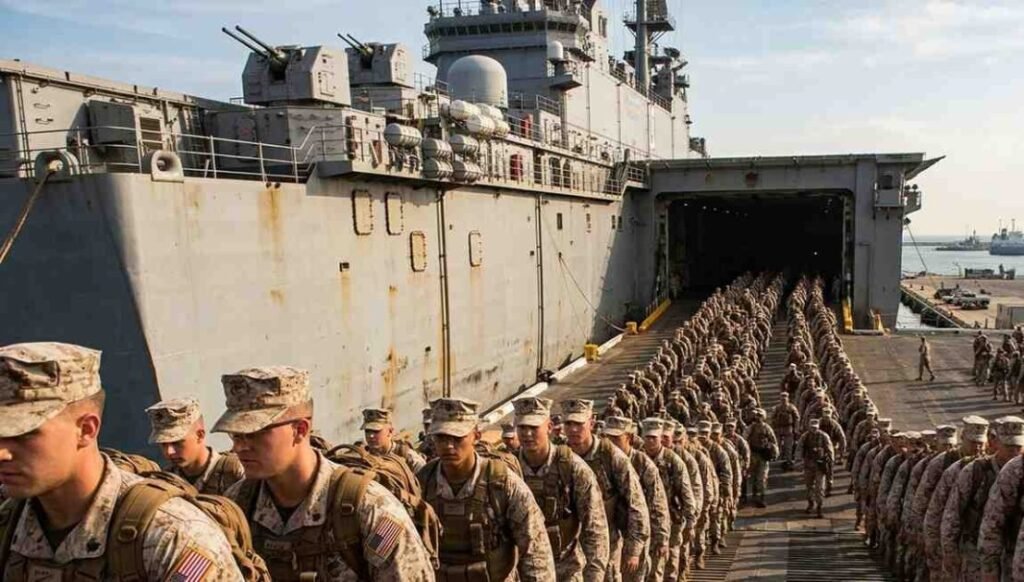 The United States is making extensive preparations for the possible deployment of ground forces into Iran, according to multiple officials familiar with internal discussions. Get today's headlines by email Senior military leaders have reportedly submitted detailed requests outlining what would be required to support such an operation, as President Donald Trump considers his next steps in the ongoing conflict involving Iran. Military planning intensifies behind the scenesOfficials emphasised that these preparations are part of standard contingency planning, designed to provide the president with a wide range of military options. However, the scope and detail of the planning underline the seriousness with which the Pentagon is treating the possibility of escalation. Mixed signals from the White HouseDespite the behind-the-scenes activity, public messaging from the administration has been cautious and, at times, contradictory. Speaking to reporters at the White House, Trump denied any immediate intention to deploy troops, stating: “No, I'm not putting troops anywhere.” He added, however, that if such a decision were made, it would not necessarily be disclosed in advance. The White House press secretary reinforced this position, stressing that military planning does not equate to a final decision. She said it was the Pentagon’s responsibility to ensure the president has “maximum optionality", while reiterating that no ground deployment is currently planned. Troop movements and readinessEven without a confirmed decision, US forces are already being repositioned in the region. Elements of the 82nd Airborne Division are being prepared for potential deployment, alongside units from the Army’s Global Response Force and the Marine Corps’ expeditionary forces. Thousands of Marines are in transit to the Middle East. A second Marine unit, consisting of roughly 2,200 personnel and supported by three warships, has recently departed from California. Another unit, previously redirected from the Pacific, is still en route. These movements are intended to strengthen US readiness and ensure rapid response capability should the situation deteriorate further. Expanding options amid uncertaintyThe increased military activity reflects broader uncertainty over how the conflict may evolve. While officials have not outlined specific scenarios that would trigger a ground operation, preparations suggest the administration is considering a wide spectrum of outcomes. For now, the US position remains one of strategic flexibility—publicly cautious, but operationally prepared. Join the discussion? Already a member? Adapted by ASEAN Now. Source 21 March 20261 point
 -
 Iran has launched missiles carrying cluster-type warheads at Tel Aviv, in what it described as retaliation for the killing of senior official Ali Larijani, marking a further escalation in the ongoing conflict with Israel and the United States. Iranian state media reported that the overnight strikes killed at least two people, bringing the total number of fatalities in Israel since the war began to at least 14. Get today's headlines by email According to a statement from Iran’s Islamic Revolutionary Guard Corps, the attack involved Khorramshahr-4 and Qadr missiles, both capable of deploying multiple warheads over a wide area. Israeli officials have previously accused Iran of using such munitions, which disperse smaller explosives mid-air and are difficult to intercept. Retaliation following high-profile killingThe strikes came days after Iran confirmed the death of Larijani, who had been a central figure in national security decision-making. He was killed in an Israeli strike, alongside his son and deputy, Alireza Bayat. The killing followed the earlier death of Iran’s Supreme Leader Ali Khamenei, further destabilising the country’s leadership during wartime. Nuclear concerns and calls for restraintIn a separate development, Iran reported that a projectile struck near the Bushehr nuclear power plant but caused no damage or injuries. Rafael Grossi, head of the International Atomic Energy Agency, urged all sides to exercise maximum restraint to avoid the risk of a nuclear incident. The United States and Israel have said that curbing Iran’s nuclear ambitions is a central objective of their military campaign, which began in late February. Hardening positions on both sidesIran’s new supreme leader, Mojtaba Khamenei, has reportedly rejected proposals to reduce tensions or agree to a ceasefire. According to officials, he said it was not the right time for peace and insisted that Iran would continue its resistance until its adversaries accepted defeat. The conflict has already caused heavy casualties across the region. A U.S.-based monitoring group estimates that more than 3,000 people have been killed in Iran since the fighting began, while Israeli strikes have also caused significant loss of life in Lebanon. Global impact and economic pressureThe war continues to disrupt global energy supplies, with the Strait of Hormuz—a key route for oil shipments—largely closed. Prices have surged sharply, raising concerns about inflation and economic instability worldwide. U.S. President Donald Trump has criticised allied nations for declining to assist in securing the waterway, though he has also said Washington could act independently. European Union foreign policy chief Kaja Kallas called for diplomatic solutions, warning of potential food, energy and fertiliser crises if the conflict persists. Widening regional and global disruptionIran has expanded its response beyond Israel, targeting Gulf states that host U.S. bases. Thousands of missile and drone attacks have reportedly struck infrastructure across the region, including ports, airports and oil facilities. The United States military said it had carried out strikes on Iranian coastal positions to counter threats to shipping. The broader fallout is being felt across global industries. Airlines have warned of rising fuel costs and potential route cuts, while international shipping faces severe disruption. Aid agencies, including the World Food Programme, have cautioned that prolonged conflict could push tens of millions of people into acute hunger. As fighting shows no sign of easing, the escalation in attacks and leadership losses is raising fears of a prolonged and increasingly destabilising regional war. Join the discussion? Already a member? Adapted by ASEAN Now. Source 18 March 20261 point
 -
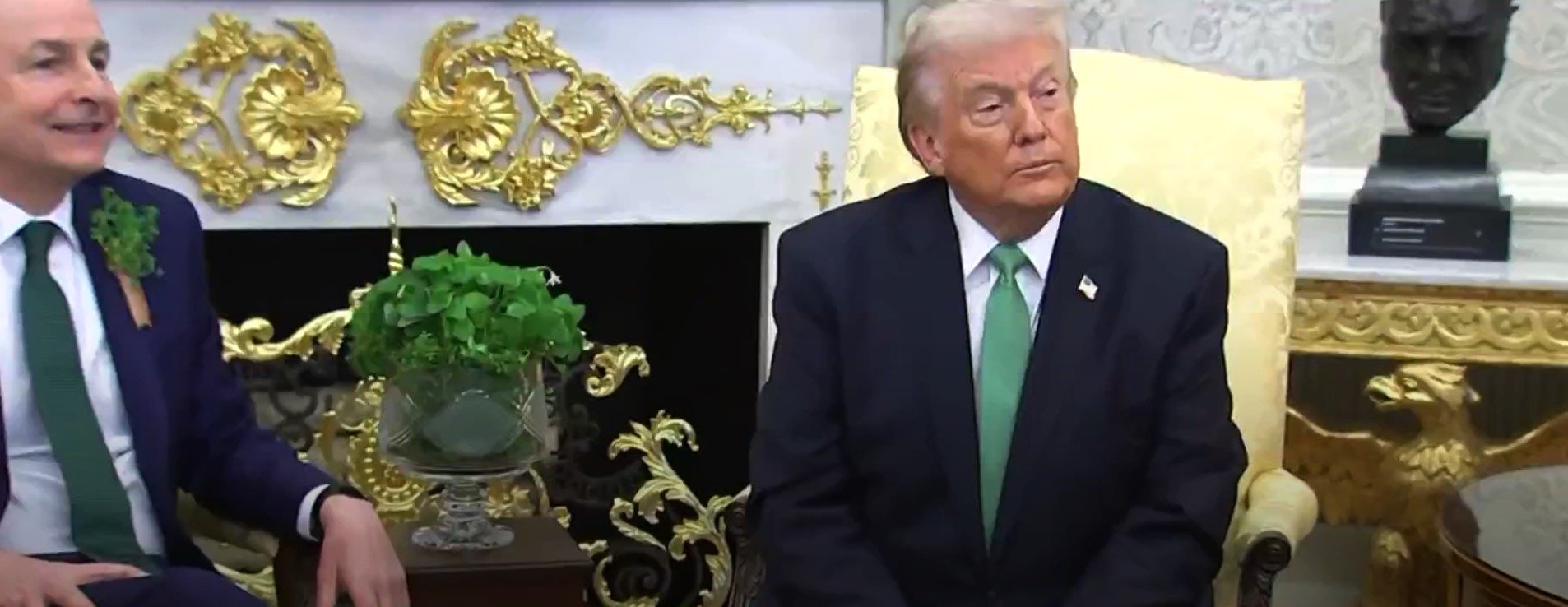 U.S. President Donald Trump has said the United States no longer needs assistance from allies to protect the Strait of Hormuz, reversing an earlier appeal for international support as tensions with Iran escalate. Speaking at the White House, Trump said, “We don’t need any help, actually,” just a day after urging other nations to join efforts to safeguard the strategic waterway, a key route for global oil shipments. Get today's headlines by email The shift follows a muted response from U.S. partners, with several European leaders declining to participate in military operations linked to the conflict. Allies hesitant to join effortFrance’s president, Emmanuel Macron, said his country would not take part in efforts to reopen the strait during the current hostilities, though it could assist after fighting ends. Germany’s defence minister, Boris Pistorius, also distanced Berlin from involvement, saying the conflict was not one his country had initiated. The reluctance highlights divisions within Western alliances as Washington seeks support for its campaign against Iran, launched alongside Israel in late February. ‘America First’ approach under scrutinyThe situation is being seen as a test of Trump’s long-standing “America First” foreign policy, which emphasises reduced reliance on international alliances. The president has frequently criticised what he views as unequal burdens within partnerships such as NATO. A White House spokesperson said the administration would continue to prioritise U.S. national security “with or without” allied backing, pointing to ongoing military operations in the region. Trump had previously suggested that multiple countries were prepared to assist, but no formal coalition has been announced. His change in stance comes as efforts to rally international support appear to have stalled. Strategic and economic stakesThe Strait of Hormuz remains a critical chokepoint for global energy supplies, and recent attacks have disrupted shipping, contributing to rising fuel prices. The economic impact has added domestic pressure on the administration ahead of upcoming congressional elections. Republican Senator Lindsey Graham indicated tensions behind the scenes, saying Trump was deeply frustrated by the lack of allied support and warning of broader consequences for both Europe and the United States if the route remains unstable. Strained diplomatic relationsThe dispute reflects broader strains between Washington and its European allies. Critics say the administration’s approach has complicated coalition-building, particularly as the military campaign began without extensive prior consultation. Diplomats have suggested that trust has been weakened in recent months, making cooperation more difficult. Some also questioned whether foreign naval deployments would be sufficient to secure the strait, given the nature of the threats involved. Despite differences, officials on both sides acknowledge the importance of maintaining stability in the region. However, it remains uncertain whether the U.S. will renew efforts to build a coalition or continue to act independently. Join the discussion? Already a member? Adapted by ASEAN Now. Source 18 March 20261 point
 -
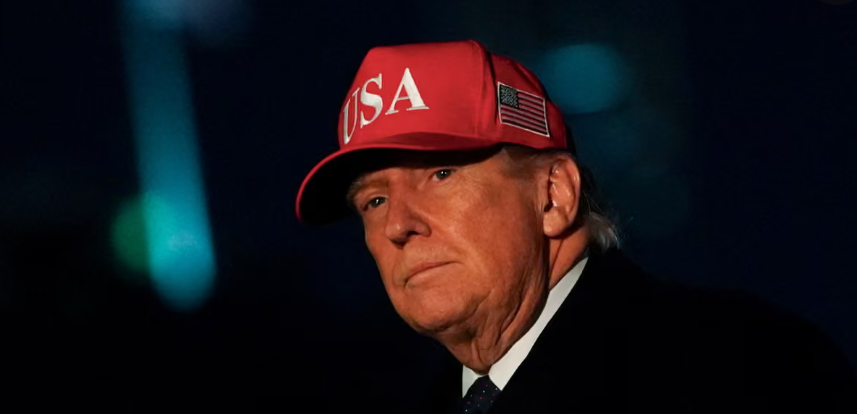 Critics warn Trump’s Iran war risks repeating past US military failures Growing criticism is emerging over US President Donald Trump’s handling of the conflict with Iran, with opponents arguing that the war risks becoming another costly and damaging episode for the United States similar to past military campaigns in the Middle East. As fighting continues, analysts and political critics say the war could undermine US global influence while increasing economic pressure at home and abroad. Don’t miss the latest headlines from Thailand and around the world. Get the Asean Now Briefing newsletter, delivered daily. Sign up here. Concerns over strategyCritics argue that Washington entered the conflict without a clear long-term strategy. While US and Israeli forces have carried out extensive air strikes across Iran, the Iranian government has continued to resist, launching retaliatory attacks on US facilities and regional targets. Some US bases in the Gulf region have reportedly come under fire, highlighting the risks facing American forces stationed there. The situation has also affected global energy markets. Disruption around the Strait of Hormuz — one of the world’s most important oil shipping routes — has contributed to rising oil and gas prices, raising concerns about a wider energy shock. Higher energy costs are already feeding into inflation and increasing pressure on global supply chains, with poorer countries expected to feel the greatest impact. Israel’s expanded military operationsThe war has also coincided with intensified military operations by Israel under Prime Minister Benjamin Netanyahu. Israeli air strikes have targeted sites across Iran as well as positions linked to Hezbollah in Lebanon. Israeli officials say the operations are intended to weaken hostile military capabilities and reduce threats to Israeli civilians. However, critics say the strikes have caused significant destruction and risk strengthening nationalist support for Iran’s leadership rather than weakening it. The fighting in Lebanon has also raised humanitarian concerns, with reports of civilian casualties and large numbers of people displaced from their homes. Risk of a prolonged conflictSome analysts warn that the war could develop into a prolonged confrontation rather than the short campaign initially expected by supporters of the military action. Iran’s conventional military capabilities have reportedly been weakened by the strikes, but Tehran retains missile and drone systems that continue to pose a threat to regional targets. Iran also maintains links with armed groups across the Middle East, which could extend the conflict beyond its current scope. The continuing exchange of attacks suggests that a quick resolution may be unlikely. Nuclear concerns remain unresolvedAnother major issue is Iran’s nuclear programme, which was already a point of tension before the conflict began. Although some Iranian nuclear facilities have reportedly been damaged during the strikes, experts note that the country retains technical knowledge and potentially hidden stockpiles of enriched uranium. The future direction of Iran’s nuclear ambitions remains uncertain. Some hardline voices inside the country have argued that nuclear weapons could guarantee the regime’s survival, although Iranian leaders have previously said such weapons are forbidden under religious rulings issued by former supreme leader Ali Khamenei. Political and legal criticismThe war has also triggered political debate within the United States about the legal basis for the military action. Critics say the decision to launch strikes without formal authorisation from Congress raises constitutional concerns. Others have questioned whether the conflict complies with international law and the rules governing warfare. The financial cost of the conflict has also become a point of contention. Some estimates suggest the war could be costing the United States billions of dollars each week, adding to concerns about long-term economic consequences. International reactionThe conflict has strained relations between the United States and some of its allies. Several governments have expressed concern about the lack of consultation before the strikes and the potential risks of escalation across the Middle East. At the same time, Washington has called on partners to help secure shipping lanes in the Strait of Hormuz, where attacks on vessels and infrastructure have raised fears about global energy supplies. Meanwhile, geopolitical rivals such as Russia and China are closely monitoring developments, with some analysts suggesting the conflict could shift the balance of influence in the region. Political consequences aheadWith US elections approaching in the coming years, the outcome of the conflict may carry political consequences for the administration. Rising energy prices and the prospect of a prolonged military campaign could become significant issues for voters, particularly if the war continues to expand. For now, the conflict with Iran remains unresolved, leaving uncertainty about how long the fighting may continue and what impact it will have on US strategy in the Middle East. Join the discussion? Already a member? Adapted by ASEAN Now · Source · 15.March 20261 point
 -
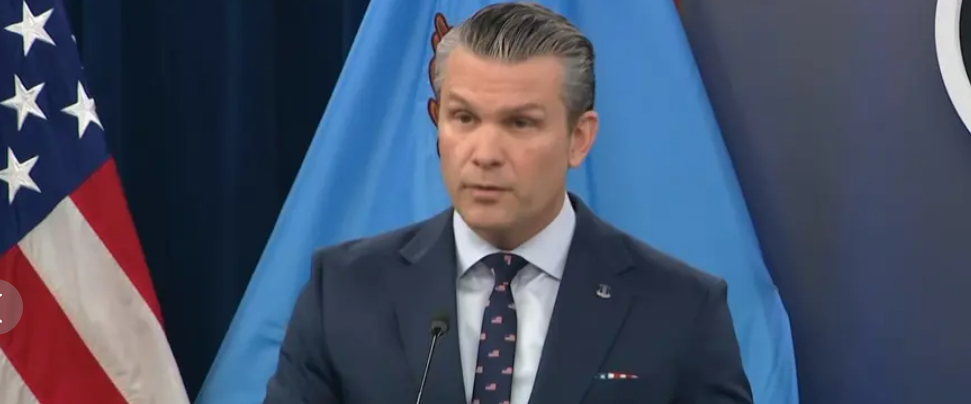 Reinforcements arrive as fighting spreads across the region and missile attacks continueThe United States has ordered a major reinforcement of its forces in the Middle East, sending thousands of Marines and a large amphibious assault ship to the region as the war involving Iran enters its second week. Don’t miss the latest headlines from Thailand and around the world. Get the Asean Now Briefing newsletter, delivered daily. Sign up here. A U.S. official said about 2,500 Marines from the United States Marine Corps and the amphibious assault ship USS Tripoli have been directed toward the region. The deployment comes as fighting intensifies between Iran, Israel and their regional allies, raising fears of a wider Middle East conflict. Marines join growing US military presenceThe Marines are part of the 31st Marine Expeditionary Unit, a rapid-response force capable of conducting amphibious landings, evacuating civilians and reinforcing U.S. embassies during crises. The unit and the Tripoli are normally based in Japan but had already been operating in the Pacific before being redirected toward the Middle East. Earlier in the week, the United States Navy had about 12 warships operating in the Arabian Sea, including the aircraft carrier USS Abraham Lincoln and several destroyers. If the Tripoli joins the flotilla, it would become the second-largest ship deployed there after the carrier. The reinforcement does not necessarily mean a ground invasion is planned. Marine expeditionary units are often used for security missions, humanitarian operations or emergency evacuations. Explosion at Tehran rallyMeanwhile, tensions inside Iran escalated after a large explosion struck a major demonstration in the capital. Thousands had gathered at Ferdowsi Square for the annual Quds Day rally, a state-organized event supporting Palestinians and calling for Israel’s destruction. Footage from the scene showed crowds chanting slogans as smoke rose nearby after the blast. There were no immediate reports of casualties. Shortly before the explosion, Israeli military accounts issued warnings in Farsi urging people to leave the area. However, many Iranians likely did not see the message because authorities have heavily restricted internet access. At the rally, Iran’s judiciary chief Gholamhossein Mohseni Ejei was giving an interview on state television when the explosion occurred. Surrounded by bodyguards, he raised his fist and declared that Iran “under this rain of missiles will never withdraw.” Thousands of targets struck in IranIn Washington, U.S. Defense Secretary Pete Hegseth said coalition forces had struck more than 15,000 targets in Iran since the start of the conflict. Israel also reported hitting over 200 sites in 24 hours, targeting missile launchers, air defense systems and weapons production facilities. Meanwhile, U.S. President Donald Trump said the war would end “when I feel it in my bones.” He also warned that Iran’s key oil export terminal on Kharg Island could be attacked if Tehran continues to threaten shipping in the nearby Strait of Hormuz — a crucial waterway that carries roughly 20% of the world’s traded oil. Iran has already launched missile and drone attacks across the Gulf region and effectively disrupted shipping through the strait. Rising casualties and regional falloutElsewhere in the region, violence continues to spread. In Lebanon, an Israeli strike on a medical center in the village of Burj Qalaouiyah reportedly killed 12 healthcare workers, according to Lebanese authorities. Another strike in the coastal city of Sidon killed eight people. Officials say more than 770 people have been killed in Lebanon since fighting erupted between Israel and the Iranian-backed militant group Hezbollah roughly 10 days ago. About 850,000 people have been displaced, according to António Guterres, secretary-general of the United Nations. US aircraft crash adds to lossesThe U.S. military also confirmed that all six crew members aboard a Boeing KC‑135 Stratotanker refueling aircraft were killed after the plane crashed in Iraq. Officials said the crash was not caused by enemy fire. Another aircraft involved in the mission landed safely. The deaths bring the number of U.S. service members killed during operations related to the conflict to at least 13. War shows no sign of slowingAs missile attacks, drone strikes and air raids continue across the Middle East, the deployment of additional American forces signals that Washington expects the conflict to persist. With shipping lanes threatened, oil prices rising and humanitarian crises deepening in neighboring countries, the war is increasingly reshaping security across the region. Join the discussion? Already a member? Adapted by ASEAN Now · Source · 13.03 20261 point
 -
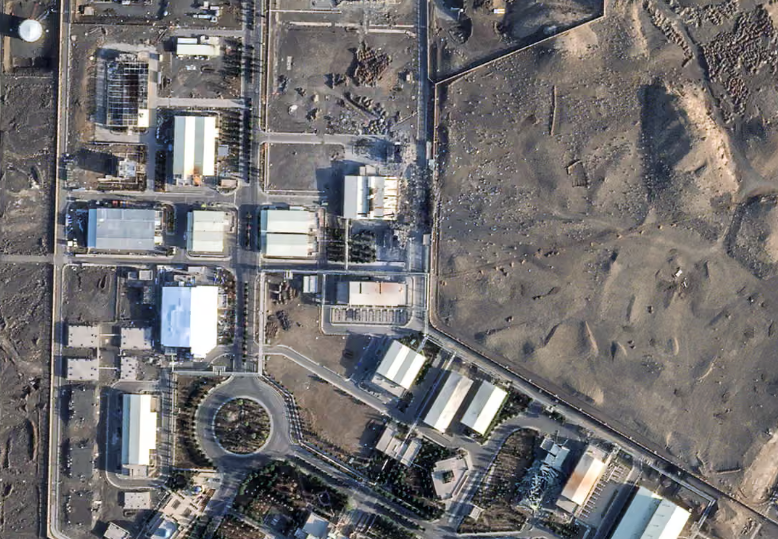 Washington Weighs High-Risk OperationThe administration of Donald Trump is reportedly considering deploying special forces into Iran to secure the country’s stockpile of highly enriched uranium (HEU), according to reports from US and Israeli officials. Experts say Iran currently possesses about 440 kilograms of highly enriched uranium — enough material to produce at least 10 nuclear warheads if further refined to weapons-grade levels. Get the latest headlines in your email Preventing Tehran from developing a nuclear weapon has been one of the central objectives cited by the US president in the ongoing war. US secretary of state Marco Rubio told Congress that the material would need to be physically removed to eliminate the threat. “People are going to have to go and get it,” Rubio said, suggesting that some form of direct intervention may ultimately be required. However, he did not provide details on how such an operation might be conducted. Special Forces Operation Under DiscussionReports indicate that officials in Washington and Israel have discussed the possibility of deploying special forces to seize or secure Iran’s uranium reserves. The mission could potentially involve troops from either or both countries, though no final decision has been announced. Military and nuclear experts say the operation would be extremely complex and dangerous. Retrieving nuclear material inside a hostile country during an active conflict would pose major logistical and security challenges. Facilities containing the uranium are heavily protected and, in some cases, built deep underground to withstand attacks. Uranium Stored in Underground FacilitiesAccording to Rafael Grossi, director general of the International Atomic Energy Agency (IAEA), a significant portion of Iran’s stockpile is stored in underground tunnels. Grossi said inspectors believe around 200 kilograms of highly enriched uranium are located at a nuclear complex near the city of Isfahan. Additional material is believed to be held at another facility in Natanz, one of Iran’s most important nuclear sites. Iran has recently constructed a new deeply fortified complex at Natanz known as Kuh-e Kolang Gaz La, which Western analysts often refer to as “Pickaxe Mountain”. The site is built deep inside a mountain, making it far more difficult to reach through airstrikes or conventional military attacks. High Risks and Strategic ChallengesExperts warn that any attempt to seize the uranium could carry significant risks. Such an operation would likely require troops to enter heavily defended facilities while managing radioactive materials safely. There is also the risk that Iran could attempt to move or hide the uranium if it believes foreign forces are preparing to capture it. In addition, securing and transporting the material out of Iran would require careful handling to avoid environmental or nuclear safety hazards. Analysts say the potential mission highlights how difficult it may be to fully eliminate Iran’s nuclear capabilities through military action alone. Key Objective of the WarThe fate of Iran’s enriched uranium has become one of the most critical strategic questions in the conflict. US officials argue that leaving the material inside Iran could allow the country to rebuild its nuclear programme even if many of its facilities are destroyed. For that reason, removing the stockpile entirely is being discussed as a possible final step to ensure Tehran cannot produce a nuclear weapon. Whether such a high-risk operation will actually take place remains unclear. But the discussions underline the growing urgency surrounding Iran’s nuclear programme as the war continues. Join the discussion? Already a member? Adapted by ASEAN Now · Source · 10.03 20261 point
 -
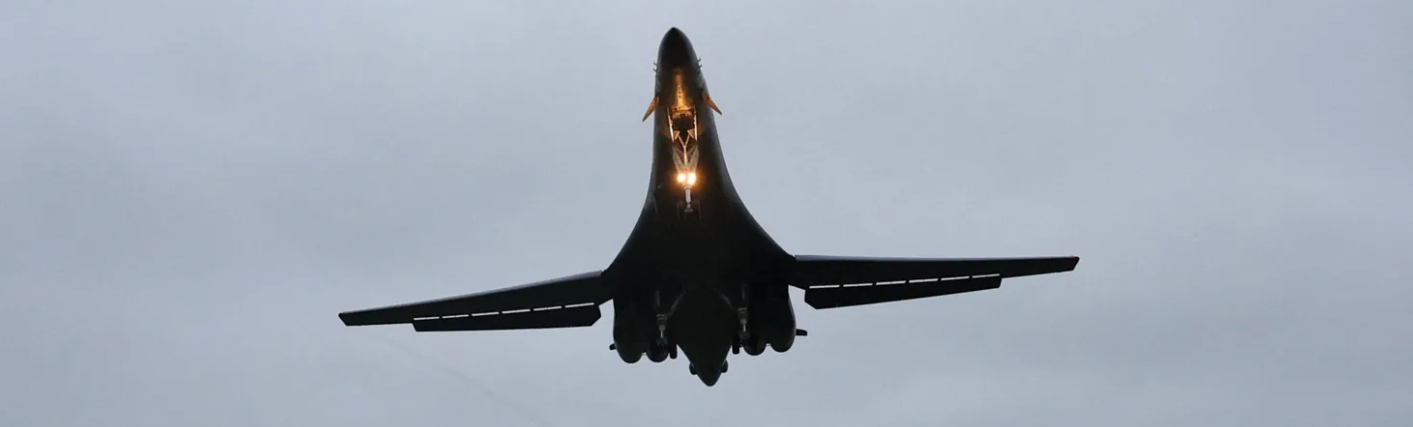 A long-range American bomber capable of carrying dozens of cruise missiles has arrived at a military base in the United Kingdom, underscoring Washington’s expanding military posture as tensions with Iran intensify. The 146-foot B-1 Lancer landed at RAF Fairford in Gloucestershire on Friday after the British government authorised the United States to use certain UK bases for limited defensive operations connected to the conflict. The aircraft’s arrival comes days after Prime Minister Keir Starmer agreed to allow American forces to operate from British facilities for strikes targeting Iranian missile capabilities. Officials have emphasised that the UK is not directly participating in attacks inside Iran but is supporting defensive measures to protect allied forces and regional partners. Get the latest headlines in your email Strategic bomber deployed to RAF FairfordThe B-1 Lancer is among the most powerful aircraft in the U.S. Air Force’s long-range strike fleet. Piloted by a crew of four, the bomber has a wingspan of 137 feet and weighs about 86 tonnes. According to manufacturer Boeing, it can reach speeds of more than 900 miles per hour, making it the fastest bomber currently in U.S. service. The aircraft can carry up to 24 cruise missiles as well as a wide range of other precision weapons. Its systems include advanced radar and satellite-guided navigation designed to improve targeting accuracy over long distances. To protect itself in hostile airspace, the bomber is equipped with electronic jammers, radar warning receivers and decoy systems intended to confuse enemy air defences. Nicknamed “the Bone” by pilots and crews — derived from the aircraft’s designation B-One — the bomber has frequently been used for rapid strike deployments during international crises. RAF Fairford’s long-standing US roleRAF Fairford, located on the border of Gloucestershire and Wiltshire, has historically served as a staging point for American heavy bombers operating in Europe and the Middle East. The base has previously supported U.S. strategic aircraft during conflicts in Iraq and Afghanistan and regularly hosts visiting bombers during NATO exercises and rotational deployments. Western officials said earlier this week that the UK was preparing to receive such aircraft and expected them to arrive within days as part of a broader reinforcement of American air capabilities in the region. The bomber deployment forms part of a wider military buildup announced by U.S. Defence Secretary Pete Hegseth. Speaking on Thursday, he indicated that American operations related to Iran were likely to intensify in the coming period. “It’s more fighter squadrons, it’s more capabilities, it’s more defensive capabilities,” Hegseth said. “And it’s more bomber pulses more frequently.” Britain emphasises defensive roleThe British government has repeatedly stressed that its involvement in the crisis is focused on defensive actions rather than offensive strikes. Royal Air Force aircraft have been deployed to intercept missiles and drones launched by Iran toward allied countries in the region, including those hosting Western military personnel. Downing Street said the decision to allow the United States to operate from UK bases was aimed at preventing further attacks by targeting missile launch capabilities at their source. A spokesperson for the prime minister told reporters on Friday that the arrangement allowed only “limited, specific and defensive use” of British facilities. “We’ve been very clear that our response has been to allow the US limited, specific and defensive use of our bases to protect British lives, British interests and our allies in the region,” the spokesperson said. Officials added that British forces were concentrating on air defence operations while U.S. forces targeted missile infrastructure believed to be responsible for attacks across the region. The arrival of the B-1 bomber highlights how the conflict is drawing in additional Western military resources, even as governments continue to emphasise that their goal is to deter further escalation rather than widen the war. Join the discussion? Already a member? Adapted by ASEAN Now · Source · 05.03 20261 point
 -
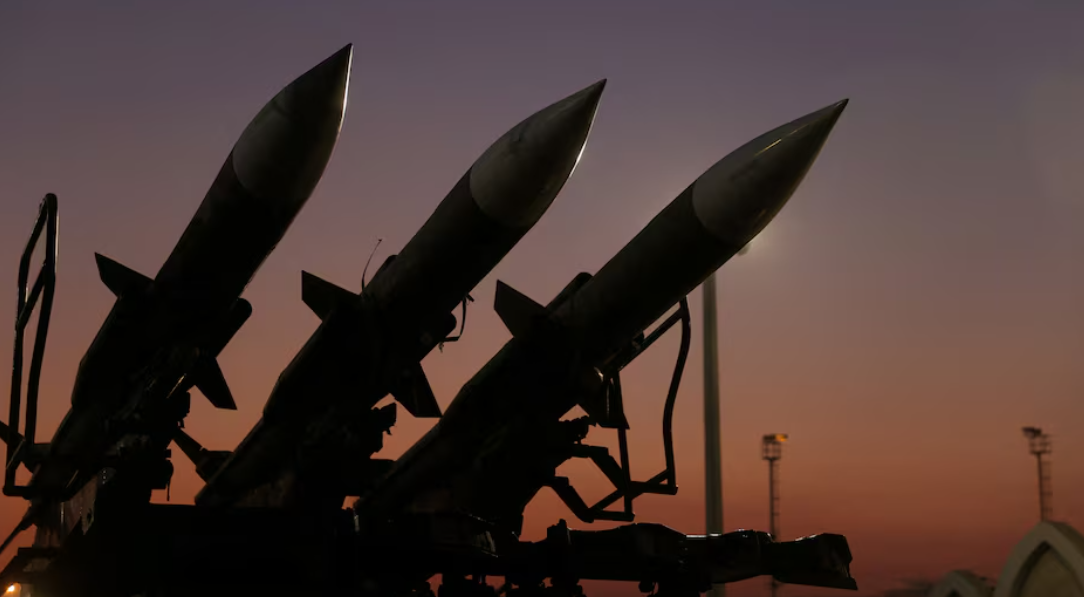 Tehran retaliates against U.S. and Israeli strikes while key partners limit support to diplomacyIran is increasingly isolated as it confronts intense military pressure from the United States and Israel, with longtime partners Russia and China offering little beyond diplomatic criticism and calls for restraint. The war intensified after Iranian Supreme Leader Ali Khamenei was killed in the opening strikes of the conflict. Since then, Tehran has responded by widening the scope of the confrontation, launching missiles and drones at targets across the Middle East and beyond. However, despite years of cooperation and shared opposition to Western influence, neither Vladimir Putin nor Xi Jinping has shown any sign of providing direct military support to Iran. Get the latest headlines in your email Iran expands the battlefieldIn retaliation for the U.S.-Israeli campaign, Iran has targeted military bases, energy infrastructure and strategic facilities across the region. Missile and drone strikes have reached as far as Cyprus, Azerbaijan, Turkey and several Gulf states. The attacks have also rattled global energy markets. Shipping disruptions in the Strait of Hormuz, which carries roughly 20% of the world’s oil supply, have forced tankers to divert or halt voyages altogether. With the route effectively shut down for large parts of commercial traffic, oil prices have surged and major economies are scrambling to secure alternative energy supplies. The growing disruption underscores the global consequences of the war, as energy flows from the Gulf remain critical for markets in Asia, Europe and beyond. Russia prioritises UkraineAnalysts say Moscow’s restrained response reflects a calculated decision to avoid direct confrontation with Washington. Russia has deepened ties with Iran over the past decade, cooperating on military technology, missile systems and regional security issues. But the Kremlin’s priorities remain focused on the ongoing war in Ukraine. “Putin has other priorities, and chief among them is Ukraine,” said Russia analyst Anna Borshchevskaya of the Washington Institute. Direct military involvement in Iran’s war with the United States would carry enormous risks for Moscow while offering little strategic benefit. Some Russian officials also acknowledge that the Middle East conflict is drawing international attention away from Ukraine — an outcome that may indirectly serve Moscow’s interests. Rising oil prices are another advantage. Higher global energy prices strengthen Russia’s war-time economy and increase revenue from its own exports. China’s cautious strategyChina’s response has also been carefully measured. Beijing has criticised the use of force and called for negotiations but has avoided taking steps that could entangle it militarily in the conflict. China has spent years expanding its diplomatic role in the Middle East while building strong economic partnerships across the region. However, its foreign policy generally avoids security commitments far from its core interests. Unlike the United States, whose alliances often include formal defence obligations, China prefers relationships centred on trade, investment and arms sales. This approach allows Beijing to maintain ties with multiple rival states at once — including Iran and its Gulf Arab neighbours — without being drawn into their conflicts. Analysts say the conflict may even offer strategic benefits for China. As U.S. forces focus resources on the Middle East, Beijing gains a clearer view of American military capabilities while avoiding direct involvement. Such insights could prove valuable as China continues to assess potential future conflicts closer to home, particularly around Taiwan and the South China Sea. Energy concerns remain for BeijingChina’s biggest vulnerability in the crisis is its heavy reliance on Middle Eastern energy supplies. About 45% of China’s imported oil passes through the Strait of Hormuz, making disruptions there a major concern for Beijing. However, the country has spent years building strategic petroleum reserves and diversifying suppliers. Experts say China also has significant volumes of Iranian oil already stored in tankers or storage facilities, giving it a short-term buffer against supply interruptions. Diplomacy instead of interventionWith military involvement unlikely, both Moscow and Beijing appear to be positioning themselves as potential diplomatic mediators. Chinese Foreign Minister Wang Yi has held calls with European and Middle Eastern leaders urging dialogue, while President Putin has also spoken with Gulf officials and Iranian representatives. At the same time, Russia appears careful not to tie its long-term strategy to the survival of Iran’s current leadership. Analysts point to Moscow’s approach in Syria as an example. Despite backing former president Bashar al‑Assad for years, Russia quickly adapted when political power shifted in the country, preserving its strategic military bases and regional influence. The same flexible approach may shape Moscow’s thinking toward Iran. For both Russia and China, Iran remains strategically useful as a counterweight to Western influence. But the current conflict highlights the limits of that partnership. As the war escalates, Tehran is discovering that even its closest geopolitical partners may be unwilling to fight on its behalf. Join the discussion? Already a member? Adapted by ASEAN Now · Source · 05.03 20261 point
 -
 A congressional committee has voted to subpoena U.S. Attorney General Pam Bondi to testify about the Justice Department’s handling of files related to convicted sex offender Jeffrey Epstein. The motion was introduced by Republican Representative Nancy Mace, who accused the Justice Department of orchestrating a “cover-up” in its release of investigative materials. The subpoena was approved by the House Oversight Committee with support from five Republicans and all Democrats on the panel. Get the latest headlines in your email “The Epstein case is one of the greatest cover-ups in American history,” Mace wrote on social media. “Three million documents have been released, and we still don’t have the full truth. Videos are missing. Audio is missing. Logs are missing.” Bipartisan frustrationThe Trump administration has faced mounting pressure from lawmakers across the political spectrum to release all remaining documents tied to the Epstein investigation. Although millions of records have been made public, critics argue that millions more remain undisclosed. Last November, Donald Trump signed legislation requiring the Justice Department to release materials from its Epstein investigations. However, the rollout of the documents sparked bipartisan backlash. Some lawmakers accused the department of failing to adequately redact identifying details of victims while shielding the names of individuals who were not victims. The Justice Department has denied wrongdoing, stating that “nothing has been deleted” and that withheld documents were duplicates, privileged materials, or part of ongoing federal investigations. The department did not immediately respond to requests for comment following the committee’s vote. High-profile testimonyThe Oversight Committee has already summoned several prominent figures as part of its inquiry. Last week, former President Bill Clinton and former Secretary of State Hillary Clinton testified before the panel in response to a subpoena. While neither Clinton has been accused of wrongdoing by Epstein’s victims, Bill Clinton’s name appears in investigative files, including photographs, linked to Epstein. The top Democrat on the committee, Representative Robert Garcia, has alleged that the Justice Department is withholding files that include accusations of sexual abuse of a minor involving Trump. Garcia said he personally reviewed documents containing the allegation that have not been made public. The escalating confrontation between Congress and the Justice Department underscores the enduring political and legal fallout from the Epstein case, years after his death in a New York jail in 2019. The committee has not yet announced a date for Bondi’s testimony. Join the discussion? Already a member? Adapted by ASEAN Now · Source · 04.03 20261 point
 -
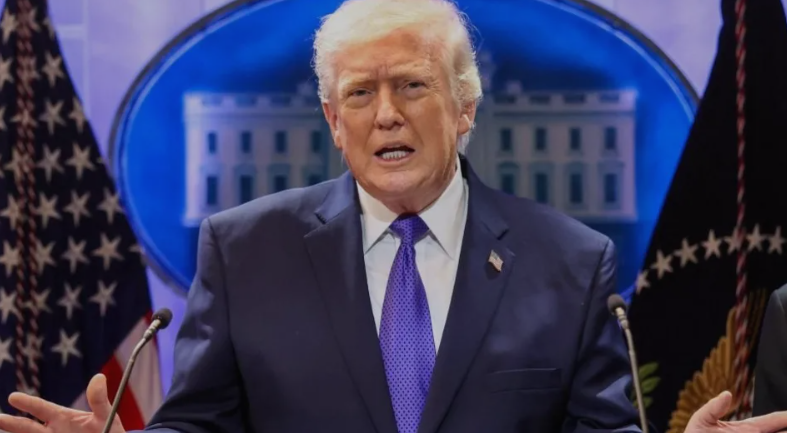 U.S. President Donald Trump has threatened to cut off trade with Spain after Madrid barred the United States from using its military bases for operations linked to the conflict in Iran. Speaking at the White House on Tuesday, Trump accused Spain of being “terrible” and suggested sweeping economic retaliation. Get the latest headlines in your email “I could tomorrow – or today, even better – stop everything having to do with Spain, all business having to do with Spain,” he told reporters. “We don’t want anything to do with Spain.” It remains unclear whether the administration will act on the threat, or how it would legally implement trade restrictions against a member of the European Union. Legal and diplomatic questionsTrump and Treasury Secretary Scott Bessent argued that the U.S. has the authority to impose an embargo on Spanish imports if national or economic security requires it. However, U.S. Trade Representative Jamieson Greer appeared cautious when pressed by the president. “We’re going to talk about it with you,” Greer said, adding that the Supreme Court had clarified the president’s powers but stopping short of endorsing immediate action. The White House did not provide further details on how such a move would work in practice. The European Union’s single market allows goods to move freely among its 27 member states, complicating any attempt to isolate one country without affecting the broader bloc. Tensions over defence spendingTrump also criticised Spain for resisting his demand that NATO allies raise defence spending to 5% of gross domestic product. Several European countries have indicated they are prepared to increase spending, but Spain has not committed to that level. Spanish Prime Minister Pedro Sánchez recently described U.S. and Israeli strikes on Iran as an “unjustified, dangerous military intervention” that violated international law. Spanish officials subsequently said U.S. forces would not be permitted to use military bases in southern Spain for the operation, citing the United Nations charter. German Chancellor Friedrich Merz, who met Trump on Tuesday, noted that Spain is part of the EU and that any trade negotiations with the bloc must include all member states. Trade ties at stakeAccording to U.S. Census Bureau data, the United States exported about $26bn in goods to Spain in 2025, while importing roughly $21bn. Spain’s top exports to the U.S. include pharmaceuticals and olive oil. Trump also criticised the United Kingdom for what he called a lack of cooperation over base access but did not threaten similar trade action. Whether the latest remarks mark the start of formal trade measures or are intended as political pressure remains uncertain. Join the discussion? Already a member? Adapted by ASEAN Now · Source · 03.03 20261 point
 -
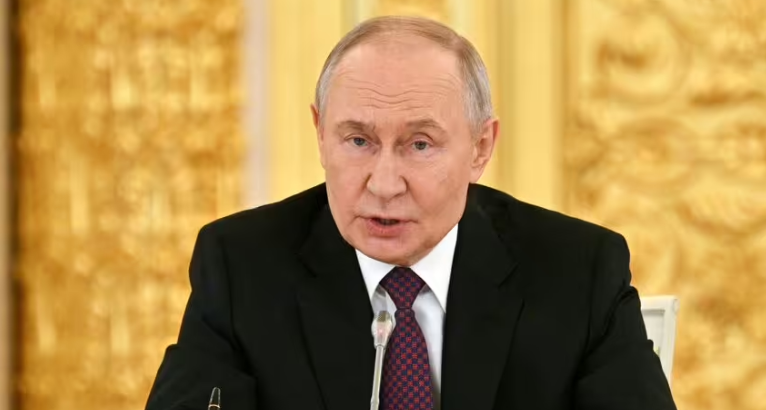 Russian state media figures have issued threats of potential strikes on Europe following US and Israeli military action in Iran, as President Vladimir Putin expressed condolences over the reported death of Iran’s supreme leader, Ali Khamenei. Putin described Khamenei’s killing as “a murder committed in cynical violation of all norms of human morality and international law”, according to Russian statements released on Sunday. Get the latest headlines in your email Television threats and blame on WestDuring a broadcast on the Solovyov Live channel, host Vladimir Solovyov and guests discussed possible retaliation and sharply criticised Europe and the United States. Sergey Karnaukhov and Dimitri Simes, both associated with the Washington-based think tank The Center for the National Interest, argued that the West was escalating tensions with Moscow. In the programme, Estonia was accused of “waging war” against Russia. One speaker suggested that US President Donald Trump had “unwittingly created political and psychological opportunities” for Moscow, claiming he had “untied our hands” for Russia’s commander-in-chief to act in the interests of national security. Solovyov went further, saying: “The only language Europe understands is the language of force … It’s clearly time to strike their little house,” in remarks widely interpreted as a threat directed at European countries. Foreign ministry condemnationSeparately, the Russian foreign ministry condemned the joint US-Israeli operation in Iran as “a pre-planned and unprovoked act of armed aggression against a sovereign and independent UN member state”. In a statement, Moscow said Washington and Tel Aviv had embarked on “a dangerous adventure” that risked pushing the region towards humanitarian, economic and potentially radiological catastrophe. The comments reflect Moscow’s strong opposition to the strikes on Iran and signal heightened rhetoric at a time of already strained relations between Russia and Western governments. There has been no formal announcement from the Kremlin of any military action against European states, and the remarks were made in the context of a televised discussion programme rather than an official policy statement. Join the discussion? Already a member? Adapted by ASEAN Now · Source · 01.03 20261 point
 -
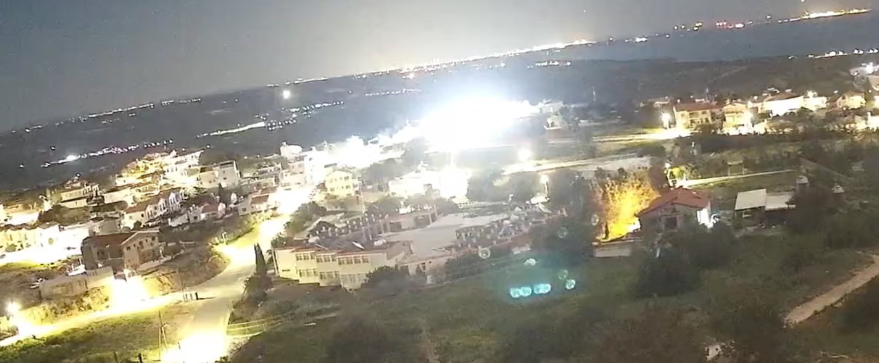 A suspected Hezbollah drone has struck the UK’s RAF Akrotiri airbase in Cyprus, prompting a partial evacuation and heightened security measures as tensions escalate across the Middle East. Cypriot authorities said a one-way attack drone hit the base shortly after midnight on Sunday. Two additional drones were intercepted on Monday morning as they approached the British military facility, suggesting what officials described as sustained targeting on the third day of the regional conflict. Get the latest headlines in your email It has not been publicly confirmed where the drones were launched from. However, a Cypriot news agency reported that the devices were small, low-flying drones fired by Lebanon’s Hezbollah, the Iranian-backed militant group. The UK Ministry of Defence has not formally attributed responsibility. A spokesperson for the ministry said: “Our armed forces are responding to a suspected drone strike at RAF Akrotiri in Cyprus at midnight local time. Our force protection in the region is at the highest level and the base has responded to defend our people.” Defence sources indicated the drone was likely a Shahed-type unmanned aerial vehicle, an Iranian-designed one-way attack drone widely used in regional conflicts. Parts of the device have reportedly been recovered for investigation. Security alert and evacuationResidents living near RAF Akrotiri were advised to shelter in place following the strike. A security alert issued by the base administration late Sunday urged caution “following a suspected drone impact.” On Monday, a Cypriot government spokesperson confirmed: “Two unmanned aerial vehicles that were moving towards the direction of the British bases at Akrotiri were confronted in time.” Anti-drone defences at the base had been reinforced but were unable to prevent the first drone from penetrating local protection systems. Officials said there were no reported casualties and damage appeared limited. Family members of British military personnel have been asked to temporarily leave the base and relocate elsewhere in Cyprus as a precautionary measure. Strike follows UK decision on US base accessThe incident occurred hours after UK Prime Minister Keir Starmer announced that Britain would allow the United States to use its military bases, including those in Cyprus, to conduct strikes on Iranian missile sites. Officials suggested that based on likely flight times, the drone may have been launched before Starmer made the announcement public. In a recorded statement on Sunday evening, Starmer said Iran’s actions were becoming increasingly reckless and posed a risk to British lives. He stressed that British forces would not directly participate in offensive operations and that the bases would be used solely for a “specific and limited defensive purpose.” The UK is widely regarded by Iran as a close U.S. ally, raising concerns that British facilities in the region could become further targets if the conflict continues to widen. Join the discussion? Already a member? Adapted by ASEAN Now · Source · 02.03 20261 point
 -
 France will increase the size of its nuclear arsenal for the first time in decades and step up weapons cooperation with European allies, President Emmanuel Macron has announced, citing mounting geopolitical instability and the need for stronger continental deterrence. Speaking from the Île Longue nuclear submarine base in Brittany, Macron said a “period of geopolitical upheaval, fraught with risk” required France to reinforce its nuclear doctrine. France is the European Union’s only nuclear-armed state. Get the latest headlines in your email An expansion of the arsenal, currently estimated at about 290 warheads — a figure unchanged since 1992 — was “essential”, Macron said. He declined to specify how many additional warheads would be ordered, stressing that the move was intended to preserve credible deterrence rather than trigger an arms race. “This is not an arms race,” he said. “It is essential that our adversaries cannot even glimpse the possibility of hitting France without the certainty of suffering damage they would not recover from.” Potential deployment across EuropeMacron said Paris could deploy nuclear-capable Dassault Rafale fighter jets to partner countries such as Germany and Poland under what he described as a policy of “advance deterrence”. However, he made clear that France would not share decision-making authority over the use of its nuclear weapons. The “ultimate decision” would remain solely with the French president, and the definition of France’s “vital interests” would stay sovereign. Talks on closer nuclear cooperation have already begun with the UK, Germany, Poland, the Netherlands, Belgium, Greece, Sweden and Denmark, according to Macron. The new framework could also include conventional participation by allied forces in French nuclear exercises and joint visits to strategic sites. Europe reassesses security roleMacron pointed to Russia’s war against Ukraine, China’s expanding military capabilities and shifts in U.S. defence strategy as reasons Europe must take greater responsibility for its own security. The announcement comes amid unease among European governments over the reliability of U.S. security guarantees under President Donald Trump, whose approach to transatlantic alliances has unsettled long-standing defence assumptions. France and Germany said in a joint statement they had established a high-level nuclear steering group. The arrangement would “add to, not substitute for,” NATO’s nuclear deterrence framework. German Chancellor Friedrich Merz previously confirmed holding initial discussions with Macron on nuclear cooperation. Meanwhile, Polish Prime Minister Donald Tusk said Warsaw was in talks with Paris and other allies, declaring: “We are arming up together with our friends so that our enemies will never dare to attack us.” Swedish Prime Minister Ulf Kristersson also confirmed Stockholm would participate in discussions, describing the moment as the most critical for European defence since the Second World War. Macron said the strengthened doctrine would “complicate the calculations of our adversaries” and ensure France’s deterrent remains credible in an increasingly uncertain global landscape. Join the discussion? Already a member? Adapted by ASEAN Now · Source · 02.03 20261 point
 -
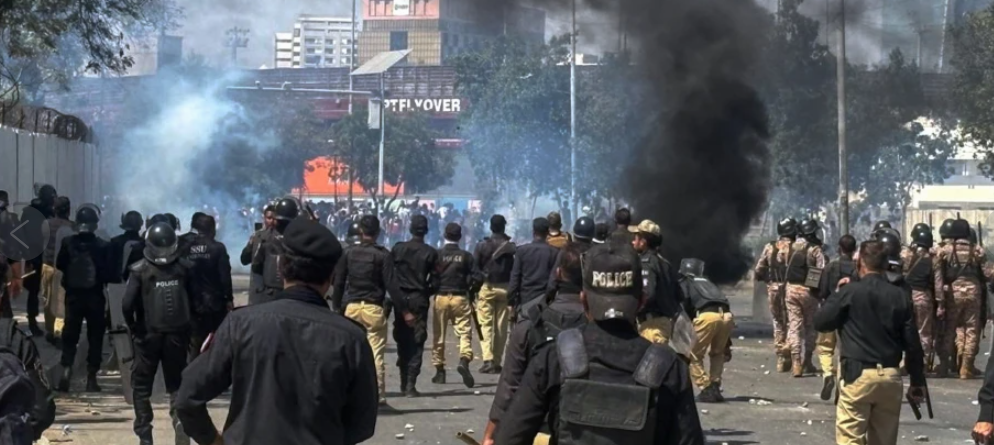 At least 22 people were killed and more than 120 injured in violent clashes across Pakistan on Sunday as demonstrators angered by US and Israeli strikes on Iran attempted to storm the US Consulate in Karachi, authorities said. The unrest followed the reported killing of Iran’s supreme leader, Ali Khamenei, in the attacks. Get the latest headlines in your email Karachi violenceIn Karachi, Pakistan’s largest city and the capital of Sindh province, protesters briefly attacked the perimeter of the US Consulate, according to senior police official Irfan Baloch. Security forces later dispersed the crowd. Police and hospital officials said at least 10 people died in clashes in the city. Summaiya Syed Tariq, a police surgeon at a government hospital, said six bodies were initially brought in, with the toll rising after four critically injured people died. Authorities said protesters torched a nearby police post and smashed windows at the consulate compound, but denied reports that the building itself was set on fire. Dozens of young demonstrators, some with faces covered, threw stones at police as hundreds of officers and paramilitary personnel were deployed to secure the area. Interior Minister Mohsin Naqvi appealed for calm, urging citizens to protest peacefully and not take the law into their own hands. President Asif Ali Zardari expressed “profound sorrow” over Khamenei’s death and conveyed condolences to Iran, saying Pakistan stood with the Iranian people “in this moment of grief”. Deadly clashes in the northIn the northern Gilgit-Baltistan region, 12 people were killed and more than 80 injured when thousands of demonstrators clashed with police, local official Asghar Ali said. Protesters attacked the offices of the United Nations Military Observer Group and the United Nations Development Programme, as well as government buildings. Authorities said troops were deployed and the situation was brought under control. A government spokesman said all UN staff were safe. Protests nationwideThe U.S. Embassy in Pakistan said it was monitoring demonstrations at consulates in Karachi and Lahore, as well as calls for protests at the embassy in Islamabad and the consulate in Peshawar. It advised US citizens to avoid large crowds and monitor local news. In Islamabad, police fired tear gas and used batons to prevent protesters from reaching the US Embassy in the diplomatic enclave. Similar tactics were used in Peshawar and Lahore. Authorities said security had been tightened around US diplomatic missions nationwide to prevent further violence. Join the discussion? Already a member? Adapted by ASEAN Now · Source · 01.03 20261 point
 -
 An Afghan asylum seeker has been sentenced to 16 years in prison in the United Kingdom after abducting and raping a 12-year-old girl. Get today's headlines by email Ahmad Mulakhil, 23, was convicted of rape, child abduction, sexual assault and recording an indecent video following a trial at Warwick Crown Court. He had earlier admitted a separate count of raping a child under 13. Court convicts man of multiple offencesThe crimes occurred in July last year in Nuneaton and later triggered protests in the town. Judge Kristina Montgomery said the victim suffered serious psychological harm and ongoing trauma as a result of the attack. The girl had been left alone in a park in the dark after the assault, she said, and remained fearful her attacker might return. Mulakhil was ordered to serve 15 years in custody followed by an additional year on licence. Details of the attack presented at trialProsecutors said Mulakhil targeted the girl after encountering her earlier that day. Security camera footage shown in court captured him asking the victim her age before the attack. She told him she was 19, which the judge described as clearly untrue. Judge Montgomery told the court the jury had no doubt Mulakhil knew the girl was under 16. During the 10-day trial, jurors heard evidence from the victim describing the assault and saying the attacker laughed during the incident. The judge told Mulakhil his responsibility for the crime was at the highest level. She also noted that he had taken the girl to a secluded location before carrying out the assault, which increased the severity of the sentence. Mulakhil arrived in Britain by small boat about four months before the offences. Sentence and legal ordersAlongside the prison term, the court imposed an indefinite Sexual Harm Prevention Order and a permanent restraining order preventing Mulakhil from contacting the victim. The judge said the length of the sentence meets the threshold for deportation once he completes his prison term. Additional concurrent sentences were issued for related offences, including four years for child abduction and two years for recording the indecent video. Defence lawyer Marcus Harry told the court Mulakhil fled Afghanistan after coming under pressure from the Taliban. He said the defendant had intended to study economics at university. Judge Montgomery said she considered Mulakhil’s age, lack of previous convictions and his guilty plea to one charge when determining the sentence. Case sparks political debateThe case also prompted debate over how police disclose suspects’ nationality and immigration status. Two men were initially charged over the incident. A second defendant, Mohammad Kabir, was acquitted of all charges during the trial. The arrests led politicians including Nigel Farage, leader of Reform UK, to claim there had been a lack of transparency about the case. Warwickshire Police said at the time that national guidelines did not require forces to disclose nationality or immigration status once suspects were formally charged. Following the controversy, authorities encouraged police forces to consider releasing such information in high-profile investigations. Detective Chief Inspector Collette O'Keefe, who led the investigation, said the crime represented a serious breach of community values. She praised the victim for her courage in giving evidence, saying her testimony was crucial to securing the conviction. O’Keefe added that no prison term could erase the trauma the girl suffered, but expressed hope the verdict would mark the start of her path toward a safer and brighter future. Join the discussion? Already a member? Adapted by ASEAN Now. Source 28 March 20260 points
 -
 From Antarctic Giant to Fragmenting RelicOne of the most remarkable icebergs ever tracked by scientists is nearing the end of its life after drifting across the oceans for nearly four decades. Known as Iceberg A23a, the vast block of ice was once the largest iceberg on Earth, but it is now rapidly breaking apart and may vanish completely within weeks. Researchers say the iceberg’s long and unpredictable journey has offered a rare chance to study how giant masses of Antarctic ice behave as they drift into warmer waters. “It’s been an extraordinary journey,” said Prof Mike Meredith of the British Antarctic Survey. “But it is on its last legs now.” Born from a Massive Antarctic BreakA23a’s story began in 1986 when it calved from the Filchner Ice Shelf in Antarctica, a huge floating extension of the continent’s ice sheet in the Weddell Sea. At the time, the iceberg covered roughly 4,000 square kilometres—more than twice the size of Greater London. Soon after breaking away, the iceberg became stuck on the seabed in the Weddell Sea. For more than 30 years it remained effectively motionless, embedded in the muddy ocean floor. It was not until 2020 that satellite data revealed the iceberg had finally broken free and begun drifting again. Scientists believe A23a is the oldest iceberg currently being tracked by satellite. Dr Christopher Shuman, formerly of the University of Maryland, Baltimore County, compared following its movements to watching a suspenseful television drama. “You don't know what you're going to see next,” he said. Dramatic Breakup in Warmer WatersAt the start of 2025 the iceberg remained enormous, large enough that it could almost have stretched across the English Channel from the Isle of Wight to the coast of France. But its decline accelerated over the following months. By mid-2025 A23a had shrunk by about a quarter as chunks broke away and warm seawater eroded its base and sides. In late summer it drifted above the North‑west Georgia Rise, an underwater mound about 1,500km east of the Falkland Islands. There the iceberg appeared to spin slowly in a rotating column of ocean water. Scientists think these mechanical stresses helped tear the already weakened iceberg apart. Several huge fragments broke away and were large enough to be named separately, including A23g, A23h and A23i. Melting from Above and BelowFurther damage occurred in late 2025 when pools of vivid blue meltwater formed across the iceberg’s surface. The water collected within rim-like ridges called ramparts and gradually seeped into cracks. This process, known as Hydrofracturing, widens existing fractures and can trigger sudden break-ups. As the water drains through the ice, the weight forces cracks open further, sometimes causing large pieces to split away. Scientists observed signs of this type of structural failure late in the year, leaving behind a “mélange” of smaller ice fragments surrounding the main iceberg. A Natural Laboratory for Climate ResearchAlthough the break-up of large icebergs is a natural process, researchers say A23a’s journey provides important clues about how Antarctica might respond to a warming climate. Floating ice shelves act as stabilising barriers for the Antarctic ice sheet. If they weaken or collapse, glaciers behind them can flow more rapidly into the ocean, contributing to rising sea levels. According to Dr Catherine Walker of the Woods Hole Oceanographic Institution, drifting icebergs like A23a effectively become moving research platforms. “They’re travelling natural laboratories,” she said. Studying how they evolve in warmer conditions can help scientists understand how Antarctic ice shelves might behave in the future. The Iceberg’s Final DaysIn recent weeks ocean currents have carried what remains of A23a more than 700km northeast through the South Atlantic. Surface water temperatures near 10°C are accelerating its melt. Satellite imagery suggests further cracking and fragmentation is already underway. By early March the iceberg had shrunk to about 180 square kilometres. Once it falls to roughly 70 square kilometres, scientists will stop formally tracking it. After nearly 40 years drifting across the ocean, A23a’s long journey appears to be entering its final chapter. Scientists believe that within weeks the last traces of the once-mighty iceberg will have melted into the sea. Join the discussion? Already a member? Adapted by ASEAN Now · Source · 07.03 20260 points
 -
 A massive power outage has plunged much of Cuba into darkness, leaving millions of people, including residents of Havana, without electricity as the island grapples with a deepening energy crisis worsened by dwindling oil supplies and pressure from the United States. The outage on Wednesday affected most of western Cuba from Pinar del Río to Camagüey, leaving nearly 7 million people — about two-thirds of the population — without power, officials confirmed. The collapse of the National Electric System followed the unexpected shutdown of the Antonio Guiteras thermoelectric plant, one of the country’s largest power generators, after a boiler leak and fire triggered a cascading failure of the grid and a “domino effect” blackout. Government energy officials warned it could take up to 72 hours or more to restore full service. Get the latest headlines in your email Strained grid and chronic outagesThis outage is the second major blackout in Cuba’s western region in recent months and highlights long-standing fragilities in the island’s power network. Cuba’s electricity grid has suffered repeated failures in recent years due to aging infrastructure, insufficient maintenance and chronic fuel shortages, leaving frequent rolling blackouts part of daily life for many residents. Even before this week’s outage, authorities warned of severe energy shortages, rationing services such as transportation and trash collection, and limiting jet fuel availability at several airports due to the deepening fuel crisis. Oil supply crunch and U.S. pressureThe blackout has occurred against the backdrop of a broader energy squeeze. Cuba has long relied on imported oil — particularly from Venezuela — to fuel its electricity generation and transportation systems. However, Venezuelan oil shipments have ceased since late last year after a U.S. military operation and subsequent control of Venezuela’s exports, cutting off Havana’s primary source of fuel. Washington has also threatened tariffs on countries that supply oil to Cuba, prompting at least one alternate supplier, Mexico, to reduce deliveries. Although the government emphasizes the technical cause of the latest blackout, analysts say the chronic scarcity of diesel and heavy fuel oil — essential for power plants and generators — has exacerbated an already fragile system. Fuel shortages have also disrupted public transport, forcing buses to suspend services in some areas. Human impact and daily lifeFor ordinary Cubans, the blackout has transformed everyday life into a struggle. With transportation stalled, water pumps failing and refrigerators idle, people have been forced to adapt to extended periods without basic services. In Havana, some traffic lights and businesses depended on solar panels or backup generators to stay partly operational, but most homes remained in darkness. “We trust in the experience and effort of the electrical workers to overcome this situation in the shortest possible time,” Prime Minister Manuel Marrero Cruz wrote on social media, as crews worked to restart power services. Residents expressed frustration as public transport ground to a halt due to lack of fuel, leaving many, including elderly citizens and families with children, stranded or forced to seek rides by any means available. Broader energy crisisEnergy analysts point to systemic challenges beyond the immediate blackout. Cuba’s grid struggles because supply frequently fails to match demand, and several thermal plants are offline due to breakdowns or maintenance needs. Solar and photovoltaic capacity, while growing, still cannot offset the deficits in thermal generation. The broader fuel shortages have also impacted aviation, tourism and economic activity, with authorities warning of ongoing constraints until at least mid-March in some sectors. The loss of Venezuelan crude and threats to alternative suppliers have left the island confronting a potential “hour zero” of total fuel depletion unless new shipments arrive. Join the discussion? Already a member? Adapted by ASEAN Now · Source · 04.03 20260 points
 -
 A U.S. submarine has sunk an Iranian warship in the Indian Ocean, sharply escalating a conflict that is spreading across the Middle East as Washington and Israel intensify strikes on Iran’s military leadership, missile systems and symbols of state power. The strike came as Iranian authorities postponed the mourning ceremony for slain Supreme Leader Ali Khamenei, who was killed at the outset of the war. State television said the scale and tempo of bombardment made it impossible to hold the event safely. Millions had attended the 1989 funeral of his predecessor, Ruhollah Khomeini, underscoring the symbolic weight of the moment. Get the latest headlines in your email The United States and Israel launched coordinated operations on Saturday, targeting Iran’s missile arsenal, Revolutionary Guard facilities and elements of its disputed nuclear program. While officials in both countries have signaled that degrading — and possibly toppling — Iran’s leadership is an objective, public messaging has shifted repeatedly, leaving uncertainty over the ultimate scope and duration of the campaign. Expanding battlefield across the regionPresident Donald Trump praised U.S. forces on Wednesday, saying they were “doing very well on the war front, to put it mildly.” Republican senators later voted down a resolution that sought to halt the war under congressional war powers, signaling strong party backing for the operation despite growing casualties. Iran has retaliated with waves of missiles and drones targeting Israel and Gulf states, including Bahrain and Kuwait. Turkey said NATO air defenses intercepted a ballistic missile launched from Iran before it crossed into Turkish airspace, a sign of how widely the conflict’s shockwaves are being felt. Israel has also exchanged fire with the Iranian-backed Hezbollah movement in Lebanon. Israeli strikes pounded suburbs of Beirut, while Hezbollah launched rockets toward northern Israel. Air raid sirens sounded in Bahrain, home to the U.S. Navy’s Fifth Fleet, as regional militaries scrambled to respond to incoming projectiles. The war has killed more than 1,000 people in Iran, over 70 in Lebanon and at least 11 in Israel, according to officials in those countries. Six U.S. service members have also died in attacks linked to Iranian retaliation. Uncertain timeline for U.S. operationsAt a Pentagon briefing, Defense Secretary Pete Hegseth declined to offer a definitive timeline for the campaign. “You can say four weeks, but it could be six. It could be eight. It could be three,” he said. “We set the pace and the tempo.” Adm. Brad Cooper, the top U.S. commander in the Middle East, said American forces had significantly degraded Iran’s air defenses and destroyed ballistic missiles, launchers and drones. Israeli officials said the number of launches from Iran had declined in recent days, allowing authorities to ease some restrictions. Workplaces in Israel were set to reopen if shelters were nearby, though schools remain closed and air-raid sirens continue to sound in parts of the country. Energy routes and global markets in the crosshairsIran’s Revolutionary Guard issued one of its strongest warnings yet, saying continued strikes would result in “the complete destruction of the region’s military and economic infrastructure.” That threat appeared to materialize in the Strait of Hormuz, where a Maltese-flagged container ship was struck by two missiles, sparking a fire before its 24 crew members were rescued. The narrow waterway handles roughly a fifth of global oil shipments, and tanker traffic has fallen sharply since the conflict began, according to shipping data. Oil prices have surged and global stock markets have been rattled amid fears that prolonged disruption could choke energy supplies and slow the world economy. International airlines have diverted flights, and hundreds of thousands of travelers remain stranded across the region. Leadership vacuum in TehranInside Iran, clerics are racing to choose a successor to Khamenei, marking only the second leadership transition since the 1979 Islamic Revolution. Potential candidates range from hard-line conservatives committed to confrontation with the West to figures advocating limited diplomatic engagement. The uncertainty has fueled concerns about internal instability at a time of intense external pressure. Israeli Defense Minister Israel Katz warned that any future Iranian leader who continues to threaten Israel or the United States “will be a target for elimination,” underscoring the high stakes of the succession process. With casualties mounting, energy markets in turmoil and no clear end date in sight, the sinking of the Iranian warship signals a new and potentially more dangerous phase of a conflict that now stretches from the Indian Ocean to the eastern Mediterranean. Join the discussion? Already a member? Adapted by ASEAN Now · Source · 04.03 2026-1 points
 -
-1 points
 Israel decided months in advance to assassinate Iran’s Supreme Leader Ayatollah Ali Khamenei, according to Defence Minister Israel Katz, who said the plan was first approved in November during a high-level government meeting. Katz told Israel’s N12 television that Prime Minister Benjamin Netanyahu set the objective of eliminating Khamenei during a restricted security discussion late last year. The operation had initially been scheduled for mid-2026 but was later brought forward as tensions with Iran escalated. Get the latest headlines in your email Khamenei was killed in the opening hours of the joint U.S.–Israeli air campaign launched last Saturday. The strike marked the first time a country’s top leader had been assassinated by an air attack, a move that dramatically intensified hostilities across the region. Plan accelerated as tensions roseAccording to Katz, Israel shared the plan with Washington after the decision was made. The timeline changed around January when protests erupted inside Iran and Israeli officials feared the country’s leadership might respond by launching attacks against Israeli or U.S. targets in the Middle East. The military campaign has now entered its first week. Early strikes targeted senior Iranian political and military figures, triggering retaliatory missile and drone attacks from Tehran against Israel as well as American bases and allied states in the Gulf and Iraq. Regional conflict widensThe conflict has also expanded beyond Iran and Israel. Israeli forces have carried out attacks against Hezbollah positions in Lebanon, raising concerns that the fighting could spread further across the region. Israeli leaders say the military campaign is aimed at removing what they describe as an existential threat posed by Iran’s nuclear programme and its expanding ballistic missile arsenal. Officials have also suggested that regime change in Tehran is a possible outcome of the war. So far, Iran’s clerical leadership has shown no indication it is willing to relinquish power despite mounting military pressure. Join the discussion? Already a member? Adapted by ASEAN Now · Source · 05.03 2026-1 points
 -
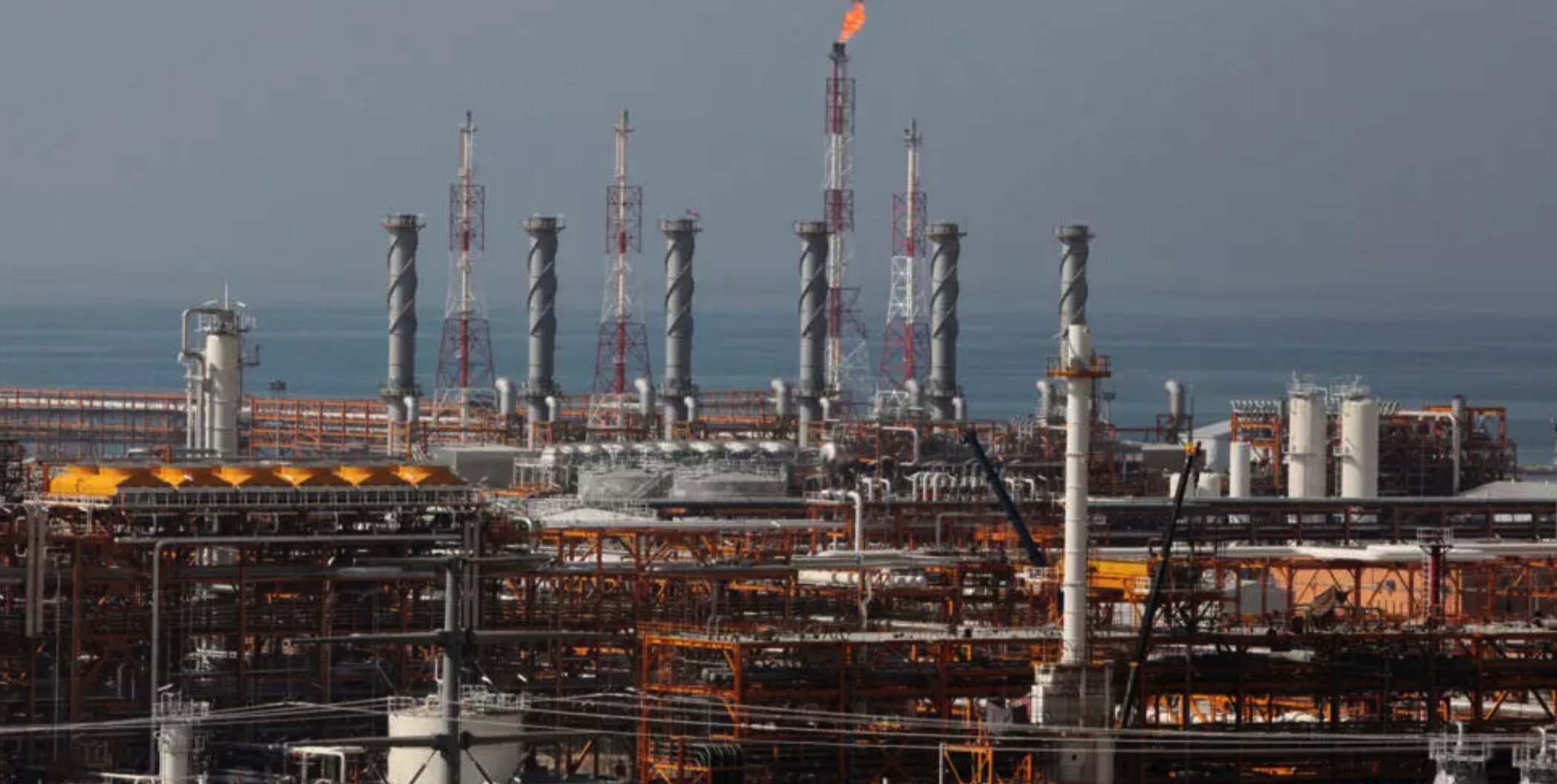 Donald Trump has warned that the United States could target Iran’s vast South Pars gas field if Tehran continues strikes against energy infrastructure in Qatar, marking a sharp escalation in rhetoric as tensions intensify across the Gulf. In a social media post, Trump said Washington would “massively blow up the entirety” of the South Pars field if Iran persisted in attacking Qatari facilities. The warning followed a series of missile strikes by Iran on Qatar’s major energy hub, which caused significant damage but no reported casualties. Get today's headlines by email Qatar confirmed that Iranian missiles struck Ras Laffan Industrial City, home to one of the world’s largest liquefied natural gas export terminals. Officials described the damage as extensive, with emergency teams deployed to contain fires at the site. Strikes hit major energy facilitiesThe attack came after Israel targeted Iran’s South Pars gas field, the world’s largest natural gas reserve shared between Iran and Qatar. It marked the first known strike on Iran’s gas production infrastructure since the conflict began in late February. Trump denied any prior knowledge of the Israeli operation, stating that the United States had not been involved and that Qatar had no warning of the attack. Rising tensions and military considerationsThe developments underscore a widening regional conflict, with both sides increasingly targeting energy infrastructure. Iran’s Islamic Revolutionary Guard Corps has warned it could extend attacks to oil and gas facilities in other Gulf states, including Saudi Arabia and the United Arab Emirates. Meanwhile, reports indicate the United States is considering deploying additional forces to the Middle East, raising concerns that the conflict could broaden further. Global markets have reacted sharply. Oil prices rose significantly following the latest attacks, reflecting fears of prolonged disruption to supply chains. The Strait of Hormuz — a critical route for global oil and gas shipments — has seen a steep decline in tanker traffic amid ongoing threats. International calls for restraintEuropean leaders have urged de-escalation. Emmanuel Macron called for an immediate halt to strikes on civilian infrastructure, particularly energy and water facilities, following discussions with regional leaders. Germany’s foreign minister warned that continued disruption to energy supplies could trigger a severe global crisis, while Gulf states also expressed alarm at the growing risks to energy security. The United Arab Emirates described attacks on energy sites as a “serious escalation,” warning of environmental and economic consequences. Qatar condemned the Israeli strike on South Pars as “dangerous and irresponsible” and has expelled Iranian diplomatic staff in response to Tehran’s actions. Risk of wider conflictIranian officials have vowed retaliation, with President Masoud Pezeshkian warning that attacks on energy infrastructure could have “uncontrollable consequences” extending beyond the region. The conflict has already had a significant impact on global energy markets, with oil prices climbing sharply since the outbreak of hostilities. Analysts warn that continued disruption — particularly in the Strait of Hormuz — could have far-reaching effects on inflation, trade and global economic stability. As both sides signal readiness to escalate further, diplomatic efforts are intensifying to prevent a broader regional crisis. Join the discussion? Already a member? Adapted by ASEAN Now. Source 19 March 2026-1 points
 -
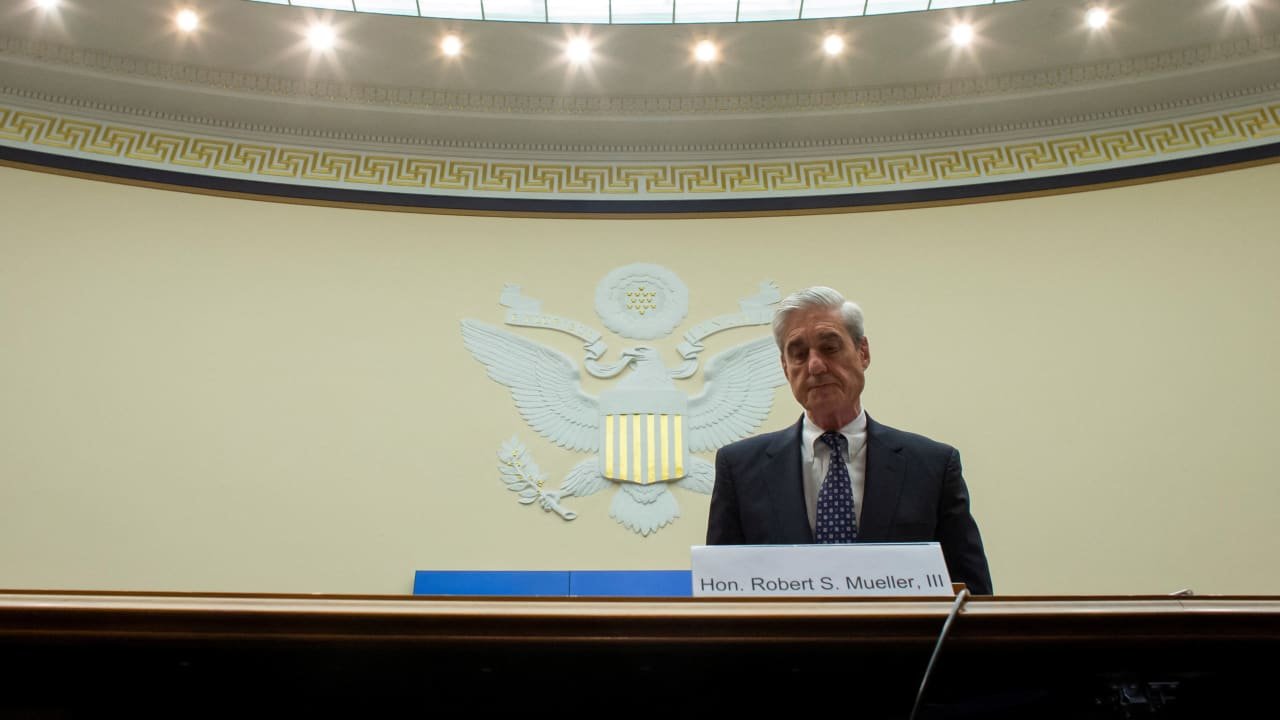 President Donald Trump has sparked strong criticism after publicly welcoming the death of former FBI director Robert Mueller. In a post on his Truth Social platform, Trump wrote: “Robert Mueller just died. Good, I’m glad he’s dead. He can no longer hurt innocent people!” The remark quickly drew condemnation from political figures and commentators across the spectrum. Get today's headlines by email Mueller, who led the high-profile investigation into Russian interference in the 2016 US election, had long been a target of Trump’s criticism. The president repeatedly attacked Mueller during and after the probe, describing it as politically motivated. However, Trump’s reaction to Mueller’s death marked a significant escalation in tone, prompting accusations that the comments were inappropriate and disrespectful. Critics argued that such statements undermine norms of political discourse, particularly following the death of a public servant. Allies of Mueller highlighted his decades of service, including his leadership of the FBI and his role as special counsel. Many noted that, despite intense political pressure during the investigation, Mueller maintained a low public profile and avoided direct confrontation with Trump. The backlash to Trump’s comments reflects the continuing divisions surrounding the Russia investigation and its legacy. While Trump supporters have long criticised the probe, others view Mueller as a figure who upheld the rule of law during a politically charged period. Join the discussion? Already a member? Adapted by ASEAN Now. Source 22 March 2026-1 points
 -
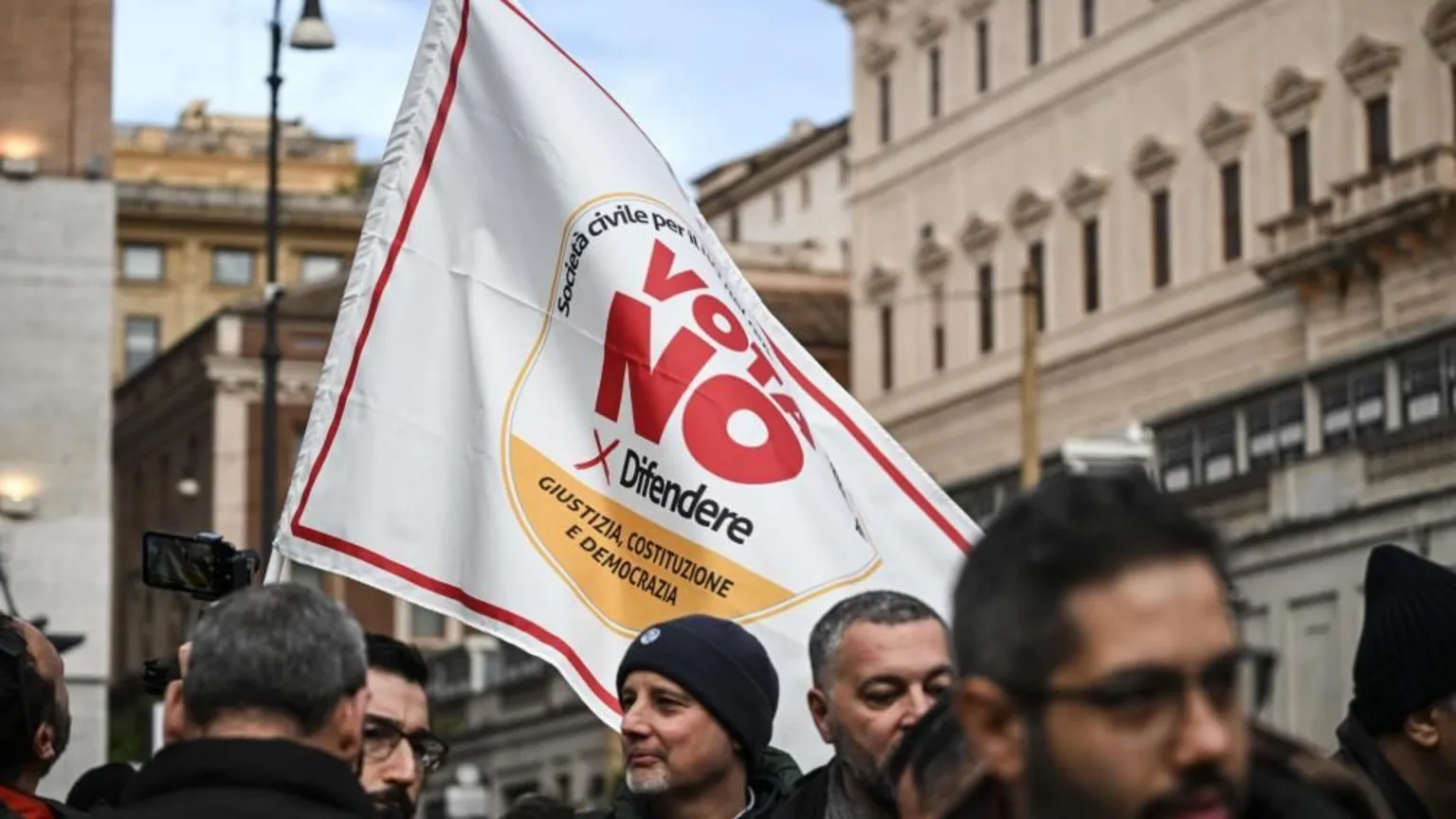 Italian Prime Minister Giorgia Meloni has faced her first major political defeat after voters rejected a proposed constitutional reform in a nationwide referendum. Get today's headlines by email Final results showed about 54% of voters opposed the changes, while 46% supported them. The outcome is widely seen as a blow to Meloni’s government after the vote became a broader test of her leadership. Reform Plan RejectedThe proposed reform aimed to introduce a clearer separation between judges and prosecutors within Italy’s legal system. It also included plans for separate governing bodies and a new disciplinary court. The government argued that these measures would strengthen judicial independence. However, opposition parties warned the changes could disrupt long-standing institutional balances and increase political influence over the judiciary. Despite the technical nature of the proposals, turnout reached nearly 60%. Analysts had suggested that higher participation might favour the government, but this did not translate into support for the reform. Vote Seen as Test of LeadershipAlthough Meloni insisted the referendum was about judicial reform rather than her premiership, the campaign increasingly took on the character of a wider judgement on her time in office. Even before the full results were confirmed, she acknowledged the outcome, saying voters had made their decision “with clarity". She also described the result as a missed opportunity to modernise the country. The defeat comes after a period of relative political stability under her right-wing coalition, which had until now avoided significant electoral setbacks. Opposition Senses OpportunityOpposition figures have interpreted the result as a sign of shifting public sentiment ahead of a general election expected next year. Elly Schlein, leader of the Democratic Party, said the vote demonstrated that an alternative to the current government exists. Former prime minister Matteo Renzi also weighed in, suggesting the government had lost its “momentum” and needed to respond more closely to voters’ concerns. Pressure Builds on GovernmentThe referendum defeat comes at a challenging time for Meloni. Economic concerns remain, with Italy facing sluggish growth and rising worries about energy costs linked to international tensions. Meloni has also maintained close ties with Donald Trump, whose policies and ongoing conflict in the Middle East have drawn mixed reactions in Italy. Unlike Renzi, who resigned after losing a constitutional referendum in 2016, Meloni has ruled out stepping down. However, the latest result has weakened her political standing and raised questions about her government’s future direction. The vote has also likely complicated plans for further institutional reforms, including proposals to introduce the direct election of the prime minister. With elections on the horizon, the outcome marks a significant shift in Italy’s political landscape, leaving Meloni in a more vulnerable position than at any point since taking office. Join the discussion? Already a member? Adapted by ASEAN Now. Source 24 March 2026-1 points
 -
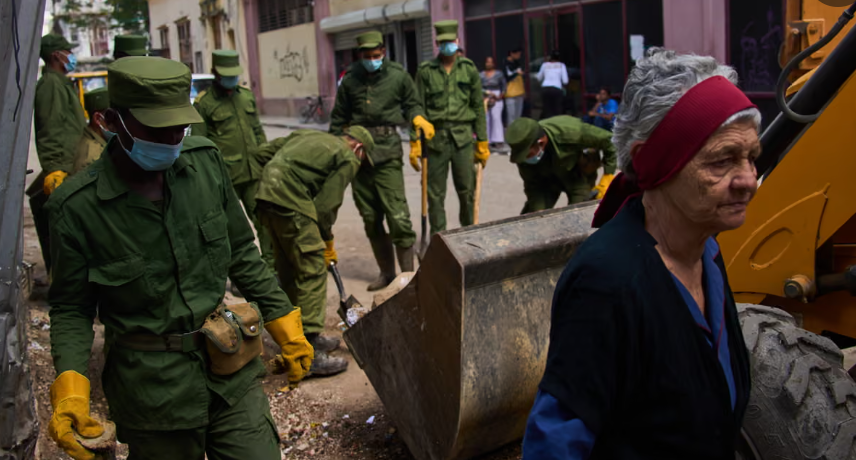 US President Donald Trump has suggested that the United States could carry out a “friendly takeover” of Cuba, signaling sharply rising tensions between Washington and Havana. Get the latest headlines in your email Speaking to reporters outside the White House as he left for Texas on Friday, Trump said that “the Cuban government is talking with us” and described the island as being “in a big deal of trouble” economically. He said Cuba currently lacks money and basic resources, and added, “maybe we’ll have a friendly takeover of Cuba… we could very well end up having a friendly takeover of Cuba.” Trump did not explain what he meant by a “friendly takeover.” He said Secretary of State Marco Rubio was engaged in high-level discussions with Cuban officials, but did not provide details. Cuba has denied that formal, high-level talks with the US government are underway, though informal contacts with some Cuban figures have been reported. The comments come against the backdrop of worsening tensions in the region following the capture of Venezuelan President Nicolás Maduro in January during a US military operation. Cuba has long relied on Venezuela for oil and economic support, and the loss of that backing has deepened its economic crisis, which the US has sought to intensify with sanctions and an energy blockade. In recent days, relations were further strained after a deadly shootout off Cuba’s north coast. Cuban authorities said a Florida-registered speedboat carrying armed Cuban nationals opened fire on border guards, resulting in deaths and injuries; the US is investigating the incident. Trump characterised Cuba as a “failed nation” that wants US assistance and said that any changes on the island could be “very positive for the people that were expelled, or worse, from Cuba and live here.” He did not clarify how a takeover, friendly or otherwise, would take place or what it would involve. Cuba’s government has strongly criticised US pressure, calling the continued trade embargo and sanctions a form of collective punishment. Officials have insisted that sovereignty and independence must be respected in any dialogue with Washington. The idea of a takeover, even if framed as “friendly,” has alarmed diplomats and analysts, since Cuba has been among the US’s most enduring adversaries since the 1960s, and the proposal carries implications for regional stability. Join the discussion? Already a member? Adapted by ASEAN Now · Source · 27 Feb 2026-3 points
 -
 A federal panel made up of presidential appointees has approved plans for a commemorative gold coin featuring Donald Trump, as part of preparations marking the United States’ 250th anniversary in 2026. The decision was taken by the Commission of Fine Arts, which voted in favour of a 24-carat coin design showing the sitting president in the Oval Office. The design includes the dates “1776” and “2026”, referencing the country’s founding and upcoming semiquincentennial. Get today's headlines by email U.S. Treasurer Brandon Beach described the proposal as a “beautiful commemorative gold coin”, saying it reflects the “enduring spirit” of the nation. Panel backs presidential designHe added that featuring the current president on the coin was appropriate, calling Trump’s image “emblematic” for the milestone celebration. However, the proposal still requires final approval from the Treasury Department, led by Scott Bessent, which will consider input from both the Commission of Fine Arts and the Citizens Coinage Advisory Committee (CCAC). Disagreement among advisory bodiesThe process has not been without controversy. According to officials, the CCAC declined to review the proposed designs despite being given multiple opportunities by the U.S. Mint. Beach said this meant the Mint had fulfilled its legal obligation to consult the committee, noting that its role is advisory and that the Treasury secretary retains final authority over design decisions. Previous reporting indicated that some members of the CCAC had opposed the idea of featuring Trump on a commemorative coin. Separate from circulating coin plansThe commemorative gold coin is distinct from a separate initiative authorised under the Circulating Collectible Coin Redesign Act of 2020, which allows for the minting of $1 coins during 2026 to mark the anniversary. Officials said earlier draft designs for those circulating coins also included Trump’s likeness, though that project remains under review. Broader anniversary plansThe coin proposal comes as part of wider efforts to celebrate the 250th anniversary of the United States. Trump has previously made light-hearted remarks suggesting he would like to be credited with organising the milestone. He has also been linked to other initiatives tied to the anniversary, including national events and commemorative projects. The Treasury Department has not yet confirmed when a final decision on the coin’s design will be made. Join the discussion? Already a member? Adapted by ASEAN Now. Source 20 March 2026-3 points


This leaderboard is set to Bangkok/GMT+07:00