
-
The government of Ecuador has deployed more than 75,000 police officers and soldiers to several provinces as part of an intensified campaign against powerful criminal gangs linked to drug trafficking. Get today's headlines by email Authorities say the operation targets four of the country’s most violence-affected regions — El Oro, Guayas, Los Ríos and Santo Domingo de los Tsáchilas — where security forces are attempting to curb rising crime and restore public order. Curfew imposed in high-risk provincesInterior Minister John Reimberg said the large-scale deployment marks a “new phase” in the government’s ongoing campaign against organised crime. Speaking to residents in the affected provinces, he warned people to remain cautious and comply with new security restrictions. “We’re at war,” Reimberg said, urging citizens not to leave their homes unnecessarily as authorities enforce a night-time curfew across the targeted regions. The measures form part of the strategy introduced by President Daniel Noboa, who has pledged to confront criminal groups with tougher security policies since taking office in November 2023. Rising violence despite crackdownDespite these efforts, Ecuador has continued to experience increasing violence linked to drug trafficking and organised crime. The country recorded its highest murder rate in 2025, highlighting the growing influence of criminal organisations that operate along regional drug routes. Ecuador’s location between Colombia and Peru — the world’s largest producers of cocaine — has turned it into a major transit hub for narcotics destined for international markets. Authorities estimate that roughly 70% of the cocaine produced in those countries passes through Ecuadorian territory before reaching destinations abroad. International cooperation with the United StatesThe Ecuadorian government has increasingly sought international assistance to combat the flow of drugs and dismantle transnational criminal networks. In recent weeks, the Federal Bureau of Investigation opened its first office in Ecuador, strengthening cooperation with local authorities. The move followed the launch of joint counter-narcotics operations between Ecuador and the United States. President Noboa has also joined a US-backed coalition of 17 countries aimed at confronting criminal cartels across the Western Hemisphere. The initiative was discussed at a summit hosted by Donald Trump at Mar-a-Lago, where leaders addressed strategies to combat organised crime and drug trafficking. Government vows tougher actionNoboa has repeatedly pledged to confront criminal groups with an uncompromising approach, declaring states of emergency in several parts of the country since taking office. However, official figures show the national murder rate increased by more than 30% between 2024 and 2025, underscoring the scale of the challenge facing authorities. The government says the latest deployment of troops and police is intended to regain control of areas most heavily affected by violence and weaken the influence of drug-trafficking organisations. Join the discussion? Already a member? Adapted by ASEAN Now · Source · 16.March 2026 View full article
-
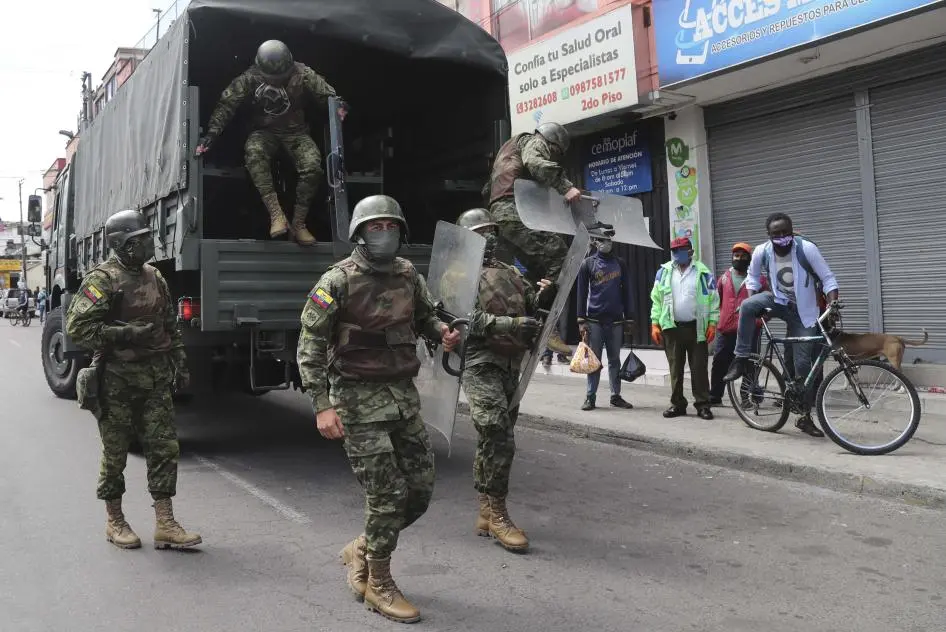 The government of Ecuador has deployed more than 75,000 police officers and soldiers to several provinces as part of an intensified campaign against powerful criminal gangs linked to drug trafficking. Get today's headlines by email Authorities say the operation targets four of the country’s most violence-affected regions — El Oro, Guayas, Los Ríos and Santo Domingo de los Tsáchilas — where security forces are attempting to curb rising crime and restore public order. Curfew imposed in high-risk provincesInterior Minister John Reimberg said the large-scale deployment marks a “new phase” in the government’s ongoing campaign against organised crime. Speaking to residents in the affected provinces, he warned people to remain cautious and comply with new security restrictions. “We’re at war,” Reimberg said, urging citizens not to leave their homes unnecessarily as authorities enforce a night-time curfew across the targeted regions. The measures form part of the strategy introduced by President Daniel Noboa, who has pledged to confront criminal groups with tougher security policies since taking office in November 2023. Rising violence despite crackdownDespite these efforts, Ecuador has continued to experience increasing violence linked to drug trafficking and organised crime. The country recorded its highest murder rate in 2025, highlighting the growing influence of criminal organisations that operate along regional drug routes. Ecuador’s location between Colombia and Peru — the world’s largest producers of cocaine — has turned it into a major transit hub for narcotics destined for international markets. Authorities estimate that roughly 70% of the cocaine produced in those countries passes through Ecuadorian territory before reaching destinations abroad. International cooperation with the United StatesThe Ecuadorian government has increasingly sought international assistance to combat the flow of drugs and dismantle transnational criminal networks. In recent weeks, the Federal Bureau of Investigation opened its first office in Ecuador, strengthening cooperation with local authorities. The move followed the launch of joint counter-narcotics operations between Ecuador and the United States. President Noboa has also joined a US-backed coalition of 17 countries aimed at confronting criminal cartels across the Western Hemisphere. The initiative was discussed at a summit hosted by Donald Trump at Mar-a-Lago, where leaders addressed strategies to combat organised crime and drug trafficking. Government vows tougher actionNoboa has repeatedly pledged to confront criminal groups with an uncompromising approach, declaring states of emergency in several parts of the country since taking office. However, official figures show the national murder rate increased by more than 30% between 2024 and 2025, underscoring the scale of the challenge facing authorities. The government says the latest deployment of troops and police is intended to regain control of areas most heavily affected by violence and weaken the influence of drug-trafficking organisations. Join the discussion? Already a member? Adapted by ASEAN Now · Source · 16.March 2026
 -
Republicans in the US Congress are resisting growing pressure from Democrats to hold public hearings on the war with Iran, creating a new political standoff on Capitol Hill as the conflict enters its third week. Get today's headlines by email Democratic lawmakers say Congress has yet to properly examine the case made by Donald Trump’s administration for launching the military campaign, even as the cost of the war rises and American casualties increase. So far, 13 US service members have been killed and billions of dollars spent on the conflict, but the president has not sought formal congressional authorisation for the military action. Republicans point to private briefingsRepublican leaders have largely avoided scheduling dedicated public hearings on the war, instead pointing to classified briefings provided by administration officials. John Thune, the Senate majority leader, said lawmakers were being regularly briefed behind closed doors and suggested that questions about the conflict could also be addressed during routine hearings on military policy and spending. Senior Republicans who chair national security committees have also indicated they do not currently plan to hold hearings focused specifically on the war. Roger Wicker, chairman of the Senate Armed Services Committee, said lawmakers would continue conducting what he described as “generous” and “thorough” oversight through existing congressional processes. Administration officials, including Pete Hegseth, the US defence secretary, and Dan Caine, chairman of the Joint Chiefs of Staff, have also been addressing questions from reporters during regular press briefings. Democrats demand public scrutinyDemocrats argue that those steps fall short of the public oversight required for a major military conflict. Cory Booker, a Democratic senator from New Jersey, said Congress had failed to hold a substantive public debate while the government was spending roughly $1bn per day on the war. Several Democratic senators have threatened to force a series of votes on measures that would require the president to seek congressional approval before launching further military strikes. Among them is Chris Murphy, who warned that Democrats could use procedural tactics to slow Senate business if hearings are not scheduled. Unease emerging among some RepublicansWhile most Republican lawmakers have supported Trump’s decision to attack Iran, some have begun expressing concern about the lack of detailed explanations from senior officials. Lisa Murkowski, a Republican senator from Alaska, said lawmakers should be involved in discussions before being asked to approve funding for the war. “I don’t want to just be given the invoice,” she said, urging both classified briefings and public hearings so Americans could better understand the conflict. Other Republicans have also criticised some of the briefings they have received. John Kennedy said a recent classified meeting failed to provide answers that lawmakers were seeking. Debate may intensifyDemocrats hope that repeated votes on war powers resolutions could force Republicans to confront the issue publicly, even if the measures are unlikely to pass in the Republican-controlled Congress. The dispute comes as lawmakers prepare for a possible request from the Trump administration for additional funding to cover the cost of the war. With congressional midterm elections approaching and public support for the conflict uncertain, analysts say the debate over oversight and funding could become a central political battle in Washington. Join the discussion? Already a member? Adapted by ASEAN Now · Source · 16.March 2026 View full article
-
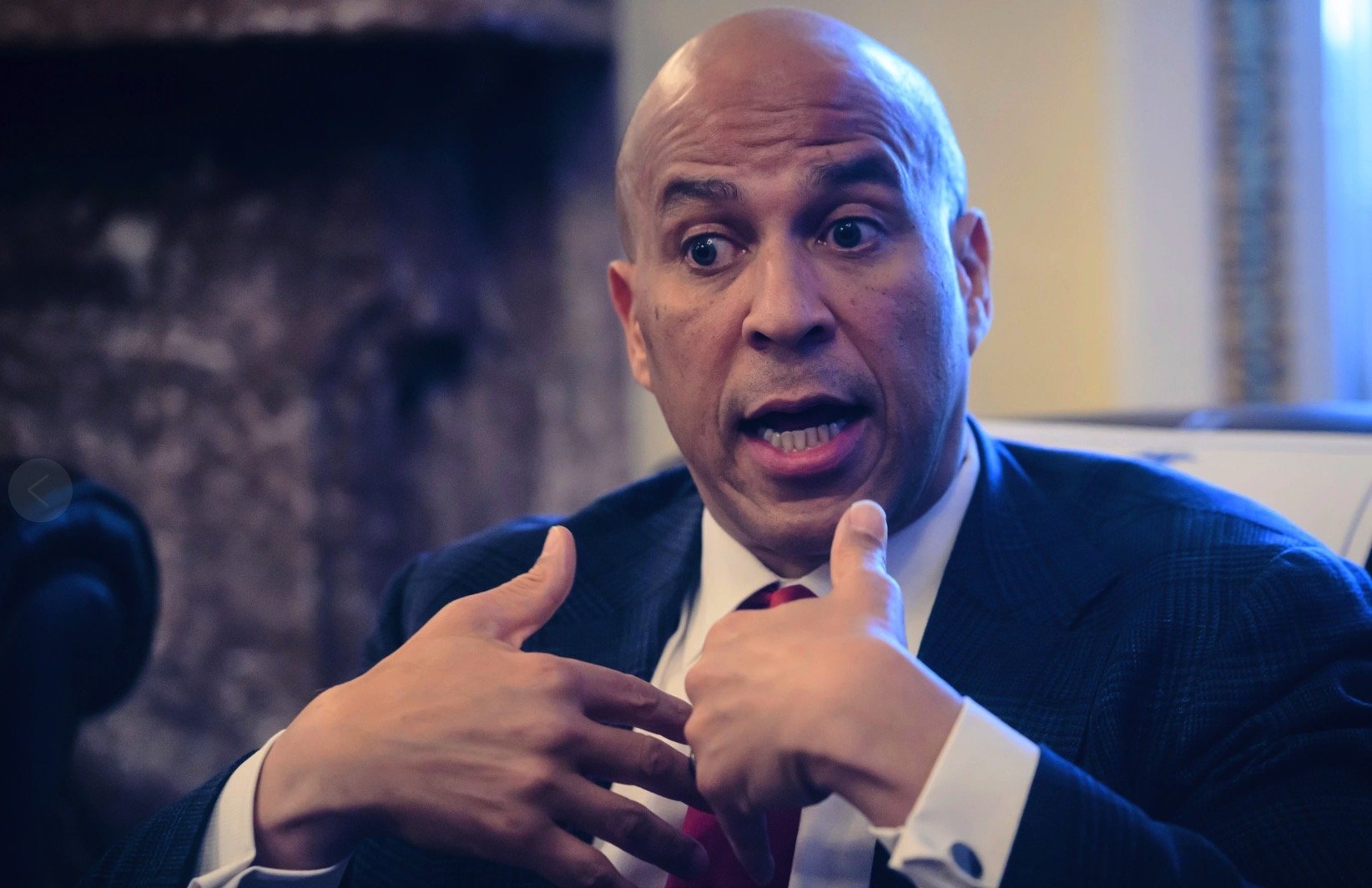 Republicans in the US Congress are resisting growing pressure from Democrats to hold public hearings on the war with Iran, creating a new political standoff on Capitol Hill as the conflict enters its third week. Get today's headlines by email Democratic lawmakers say Congress has yet to properly examine the case made by Donald Trump’s administration for launching the military campaign, even as the cost of the war rises and American casualties increase. So far, 13 US service members have been killed and billions of dollars spent on the conflict, but the president has not sought formal congressional authorisation for the military action. Republicans point to private briefingsRepublican leaders have largely avoided scheduling dedicated public hearings on the war, instead pointing to classified briefings provided by administration officials. John Thune, the Senate majority leader, said lawmakers were being regularly briefed behind closed doors and suggested that questions about the conflict could also be addressed during routine hearings on military policy and spending. Senior Republicans who chair national security committees have also indicated they do not currently plan to hold hearings focused specifically on the war. Roger Wicker, chairman of the Senate Armed Services Committee, said lawmakers would continue conducting what he described as “generous” and “thorough” oversight through existing congressional processes. Administration officials, including Pete Hegseth, the US defence secretary, and Dan Caine, chairman of the Joint Chiefs of Staff, have also been addressing questions from reporters during regular press briefings. Democrats demand public scrutinyDemocrats argue that those steps fall short of the public oversight required for a major military conflict. Cory Booker, a Democratic senator from New Jersey, said Congress had failed to hold a substantive public debate while the government was spending roughly $1bn per day on the war. Several Democratic senators have threatened to force a series of votes on measures that would require the president to seek congressional approval before launching further military strikes. Among them is Chris Murphy, who warned that Democrats could use procedural tactics to slow Senate business if hearings are not scheduled. Unease emerging among some RepublicansWhile most Republican lawmakers have supported Trump’s decision to attack Iran, some have begun expressing concern about the lack of detailed explanations from senior officials. Lisa Murkowski, a Republican senator from Alaska, said lawmakers should be involved in discussions before being asked to approve funding for the war. “I don’t want to just be given the invoice,” she said, urging both classified briefings and public hearings so Americans could better understand the conflict. Other Republicans have also criticised some of the briefings they have received. John Kennedy said a recent classified meeting failed to provide answers that lawmakers were seeking. Debate may intensifyDemocrats hope that repeated votes on war powers resolutions could force Republicans to confront the issue publicly, even if the measures are unlikely to pass in the Republican-controlled Congress. The dispute comes as lawmakers prepare for a possible request from the Trump administration for additional funding to cover the cost of the war. With congressional midterm elections approaching and public support for the conflict uncertain, analysts say the debate over oversight and funding could become a central political battle in Washington. Join the discussion? Already a member? Adapted by ASEAN Now · Source · 16.March 2026
 -
Drone attacks have struck major infrastructure in the United Arab Emirates, including areas near Dubai International Airport and the country’s largest oil storage hub in Fujairah, as regional tensions linked to the war involving Iran continue to escalate. Get today's headlines by email Authorities temporarily suspended flights on Monday after a fire broke out near the airport following what officials described as a drone-related incident. Several flights were delayed or cancelled as emergency crews responded. The attack marks the third reported drone incident near Dubai’s airport since the conflict began. The airport is widely regarded as the busiest in the world for international passengers. Oil storage hub targetedAnother drone strike hit the strategic port and industrial zone in Fujairah, triggering a fire at one of the region’s largest oil storage facilities. Officials said oil loading operations were briefly halted while damage assessments were carried out. The attack followed an earlier strike on Saturday that hit an oil storage tanker at the same port. According to reports, the two incidents targeted key energy infrastructure used to store and transport crude oil. Iran has launched more than 1,900 missiles and drones at the UAE since the wider conflict involving the United States, Israel and Iran began, according to figures cited by officials. Strategic role in global oil tradeFujairah occupies a particularly important position in global energy logistics. Located on the Gulf of Oman rather than inside the Persian Gulf, the port allows oil shipments to bypass the Strait of Hormuz, the narrow waterway through which a large portion of the world’s oil supply normally passes. Analysts say this makes the facility critical for maintaining exports if the strait becomes blocked. Energy companies transport crude from fields in Abu Dhabi through pipelines to Fujairah, where tankers can load cargo without navigating the contested strait. Industry observers say the port also serves as a major refuelling and supply hub for ships travelling between the Middle East and Asian markets. Concerns over infrastructure vulnerabilityAnalysts say the attacks highlight the vulnerability of Gulf energy infrastructure during periods of heightened regional tension. Experts noted that the strikes appear aimed at disrupting the flow of oil supplies, particularly shipments destined for Asian buyers. Despite the incidents, business activity in Dubai has continued, with local analysts describing the city’s economy as resilient even amid security concerns. Commercial districts, shopping centres and restaurants have remained active, reflecting the emirate’s longstanding ability to maintain economic momentum during periods of uncertainty. Join the discussion? Already a member? Adapted by ASEAN Now · Source · 16.March 2026 View full article
-
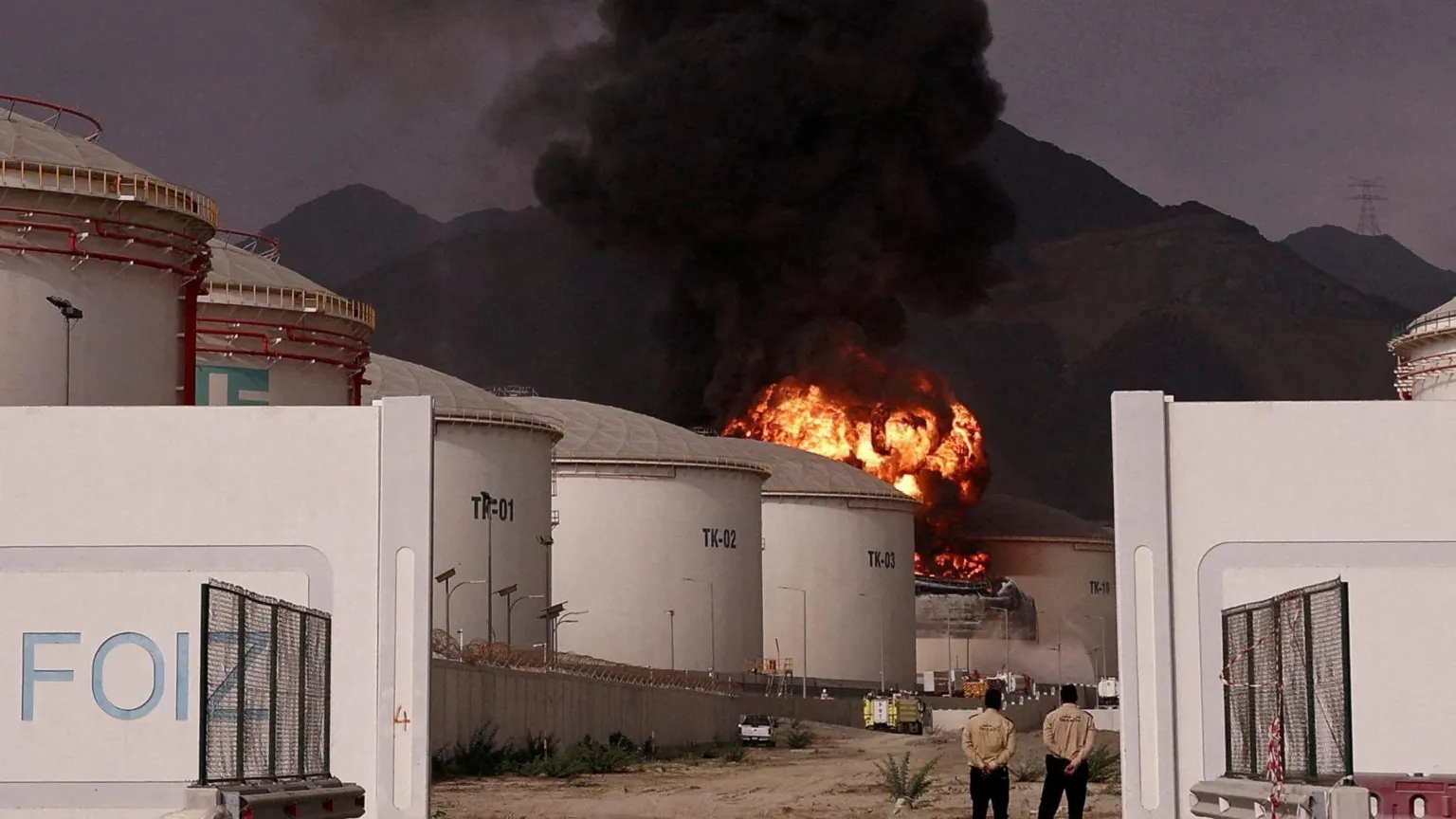 Drone attacks have struck major infrastructure in the United Arab Emirates, including areas near Dubai International Airport and the country’s largest oil storage hub in Fujairah, as regional tensions linked to the war involving Iran continue to escalate. Get today's headlines by email Authorities temporarily suspended flights on Monday after a fire broke out near the airport following what officials described as a drone-related incident. Several flights were delayed or cancelled as emergency crews responded. The attack marks the third reported drone incident near Dubai’s airport since the conflict began. The airport is widely regarded as the busiest in the world for international passengers. Oil storage hub targetedAnother drone strike hit the strategic port and industrial zone in Fujairah, triggering a fire at one of the region’s largest oil storage facilities. Officials said oil loading operations were briefly halted while damage assessments were carried out. The attack followed an earlier strike on Saturday that hit an oil storage tanker at the same port. According to reports, the two incidents targeted key energy infrastructure used to store and transport crude oil. Iran has launched more than 1,900 missiles and drones at the UAE since the wider conflict involving the United States, Israel and Iran began, according to figures cited by officials. Strategic role in global oil tradeFujairah occupies a particularly important position in global energy logistics. Located on the Gulf of Oman rather than inside the Persian Gulf, the port allows oil shipments to bypass the Strait of Hormuz, the narrow waterway through which a large portion of the world’s oil supply normally passes. Analysts say this makes the facility critical for maintaining exports if the strait becomes blocked. Energy companies transport crude from fields in Abu Dhabi through pipelines to Fujairah, where tankers can load cargo without navigating the contested strait. Industry observers say the port also serves as a major refuelling and supply hub for ships travelling between the Middle East and Asian markets. Concerns over infrastructure vulnerabilityAnalysts say the attacks highlight the vulnerability of Gulf energy infrastructure during periods of heightened regional tension. Experts noted that the strikes appear aimed at disrupting the flow of oil supplies, particularly shipments destined for Asian buyers. Despite the incidents, business activity in Dubai has continued, with local analysts describing the city’s economy as resilient even amid security concerns. Commercial districts, shopping centres and restaurants have remained active, reflecting the emirate’s longstanding ability to maintain economic momentum during periods of uncertainty. Join the discussion? Already a member? Adapted by ASEAN Now · Source · 16.March 2026
 -
US President Donald Trump has said he is not yet prepared to declare victory over Iran, despite claiming that recent American military action has inflicted severe damage on the country. Get today's headlines by email Speaking to reporters aboard Air Force One on Sunday, Trump said the United States had significantly weakened Iran both militarily and economically but suggested the conflict was not yet fully resolved. “No, I’m not going to do that. There’s no reason to,” the president said when asked whether he would declare victory. “I just say they’re decimated. I think that we’ve done damage to them,” he added. Claims of major military impactTrump said that if the United States were to end its operations now, Iran could take many years to recover from the damage caused by the attacks. “If we left right now, it would take them 10 years and more to rebuild,” he said, while emphasising that he was still not ready to formally declare the conflict won. The remarks follow a series of US airstrikes targeting Iranian military facilities. In a message posted earlier on his social media platform, Truth Social, Trump claimed the United States had defeated Iran “both militarily, economically, and in every other way.” Bombing campaign intensifies conflictThe latest escalation came after Trump ordered what he described as “one of the most powerful bombing raids in the history of the Middle East.” According to the president, the operation targeted military sites on Kharg Island, a strategic location connected to Iran’s energy infrastructure. Trump said the strikes “totally obliterated” the military targets there. The attacks followed statements by Iran’s new supreme leader, Mojtaba Khamenei, who said the Strait of Hormuz would remain closed for as long as the conflict continues. Uncertainty over next stepsWhen asked whether the United States might send ground troops into Iran, Trump declined to provide details about possible future military plans. The closure of the Strait of Hormuz has raised concerns about potential disruptions to global oil supplies, as the narrow shipping route handles a large share of the world’s energy trade. The continuing conflict has also heightened fears of wider economic consequences and further instability across the region. Join the discussion? Already a member? Adapted by ASEAN Now · Source · 16.March 2026 View full article
-
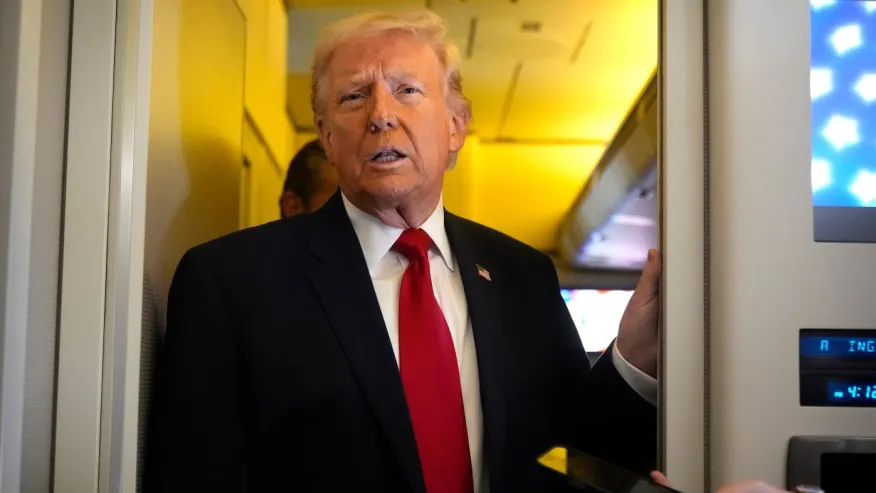 US President Donald Trump has said he is not yet prepared to declare victory over Iran, despite claiming that recent American military action has inflicted severe damage on the country. Get today's headlines by email Speaking to reporters aboard Air Force One on Sunday, Trump said the United States had significantly weakened Iran both militarily and economically but suggested the conflict was not yet fully resolved. “No, I’m not going to do that. There’s no reason to,” the president said when asked whether he would declare victory. “I just say they’re decimated. I think that we’ve done damage to them,” he added. Claims of major military impactTrump said that if the United States were to end its operations now, Iran could take many years to recover from the damage caused by the attacks. “If we left right now, it would take them 10 years and more to rebuild,” he said, while emphasising that he was still not ready to formally declare the conflict won. The remarks follow a series of US airstrikes targeting Iranian military facilities. In a message posted earlier on his social media platform, Truth Social, Trump claimed the United States had defeated Iran “both militarily, economically, and in every other way.” Bombing campaign intensifies conflictThe latest escalation came after Trump ordered what he described as “one of the most powerful bombing raids in the history of the Middle East.” According to the president, the operation targeted military sites on Kharg Island, a strategic location connected to Iran’s energy infrastructure. Trump said the strikes “totally obliterated” the military targets there. The attacks followed statements by Iran’s new supreme leader, Mojtaba Khamenei, who said the Strait of Hormuz would remain closed for as long as the conflict continues. Uncertainty over next stepsWhen asked whether the United States might send ground troops into Iran, Trump declined to provide details about possible future military plans. The closure of the Strait of Hormuz has raised concerns about potential disruptions to global oil supplies, as the narrow shipping route handles a large share of the world’s energy trade. The continuing conflict has also heightened fears of wider economic consequences and further instability across the region. Join the discussion? Already a member? Adapted by ASEAN Now · Source · 16.March 2026
 -
Prince Harry and Meghan, Duchess of Sussex have sharply criticised a new book about Britain’s royal family, accusing its author of promoting “deranged conspiracy and melodrama.” Get today's headlines by email The couple issued a strongly worded statement responding to claims made in the latest publication by royal biographer Tom Bower, which contains critical commentary about their relationship with other members of the monarchy and their life after stepping back from royal duties. Couple rejects claims in new bookIn the statement released on Saturday, Harry and Meghan said Bower had gone beyond legitimate criticism and was instead driven by an obsession with them. “Tom Bower has long crossed the line from criticism into fixation,” the statement said. The couple also accused the author of building elaborate narratives about individuals he had never met, adding that readers seeking accurate information should look elsewhere. The comments came after extracts from the book were published in The Times newspaper in London. Allegations about royal tensionsAccording to the excerpts, Bower writes about tensions within the royal family during the period leading up to Harry and Meghan’s decision to step back from their official duties and relocate to the United States. The book claims that Queen Camilla once told a friend that Meghan had “brainwashed” her husband. It also suggests that Prince William and Catherine, Princess of Wales viewed Meghan as a potential threat rather than an ally within the royal household. The Sussexes rejected the author’s portrayal, pointing to previous comments he had made about their place within the monarchy. In their statement, they highlighted remarks attributed to Bower in which he said the survival of the monarchy depended on “obliterating the Sussexes from our state of life.” Criticism of finances and charity workExtracts from the book also include criticism of the couple’s financial arrangements and their charitable activities. Among the topics discussed is the Invictus Games, the international sporting competition for wounded and injured military personnel founded by Prince Harry. Bower’s book reportedly questions aspects of the couple’s work and public role since they stepped back from the royal family in 2020 and began building independent careers in the United States. The author previously wrote the 2022 book Revenge: Meghan, Harry, And the War Between the Windsors, which also examined the couple’s relationship with the royal family and drew significant public attention. Continuing tensions in royal coverageThe latest dispute highlights ongoing tensions between the Sussexes and sections of the British media and publishing world, where their departure from royal duties and public criticism of royal life continue to be the subject of books, documentaries and commentary. Harry and Meghan have repeatedly said that inaccurate portrayals of their lives and motives have contributed to their strained relationship with the press. Join the discussion? Already a member? Adapted by ASEAN Now · Source · 15.March 2026 View full article
-
 Prince Harry and Meghan, Duchess of Sussex have sharply criticised a new book about Britain’s royal family, accusing its author of promoting “deranged conspiracy and melodrama.” Get today's headlines by email The couple issued a strongly worded statement responding to claims made in the latest publication by royal biographer Tom Bower, which contains critical commentary about their relationship with other members of the monarchy and their life after stepping back from royal duties. Couple rejects claims in new bookIn the statement released on Saturday, Harry and Meghan said Bower had gone beyond legitimate criticism and was instead driven by an obsession with them. “Tom Bower has long crossed the line from criticism into fixation,” the statement said. The couple also accused the author of building elaborate narratives about individuals he had never met, adding that readers seeking accurate information should look elsewhere. The comments came after extracts from the book were published in The Times newspaper in London. Allegations about royal tensionsAccording to the excerpts, Bower writes about tensions within the royal family during the period leading up to Harry and Meghan’s decision to step back from their official duties and relocate to the United States. The book claims that Queen Camilla once told a friend that Meghan had “brainwashed” her husband. It also suggests that Prince William and Catherine, Princess of Wales viewed Meghan as a potential threat rather than an ally within the royal household. The Sussexes rejected the author’s portrayal, pointing to previous comments he had made about their place within the monarchy. In their statement, they highlighted remarks attributed to Bower in which he said the survival of the monarchy depended on “obliterating the Sussexes from our state of life.” Criticism of finances and charity workExtracts from the book also include criticism of the couple’s financial arrangements and their charitable activities. Among the topics discussed is the Invictus Games, the international sporting competition for wounded and injured military personnel founded by Prince Harry. Bower’s book reportedly questions aspects of the couple’s work and public role since they stepped back from the royal family in 2020 and began building independent careers in the United States. The author previously wrote the 2022 book Revenge: Meghan, Harry, And the War Between the Windsors, which also examined the couple’s relationship with the royal family and drew significant public attention. Continuing tensions in royal coverageThe latest dispute highlights ongoing tensions between the Sussexes and sections of the British media and publishing world, where their departure from royal duties and public criticism of royal life continue to be the subject of books, documentaries and commentary. Harry and Meghan have repeatedly said that inaccurate portrayals of their lives and motives have contributed to their strained relationship with the press. Join the discussion? Already a member? Adapted by ASEAN Now · Source · 15.March 2026
 -
The government of Cuba plans to allow Cuban nationals living abroad to invest in and own private businesses in their homeland, in a move aimed at attracting fresh capital as the island struggles with a deep economic crisis. Get today's headlines by email The announcement was outlined by Deputy Prime Minister Oscar Pérez‑Oliva Fraga in an interview in Havana, where he said the policy would enable members of the Cuban diaspora — including those living in the United States — to participate directly in the country’s private sector. Opening investment to the diasporaFraga said the government wants to encourage stronger economic ties with Cubans living abroad as well as foreign companies. “Cuba is open to having a fluid commercial relationship with U.S. companies and also with Cubans residing in the United States and their descendants,” he said. The initiative would allow overseas Cubans to make investments in businesses on the island, ranging from small ventures to larger projects, including infrastructure development. Officials say the reform is part of a broader effort to modernise the country’s economic framework and attract foreign capital, as the state attempts to revive growth and address mounting shortages. The government has been exploring several measures designed to make investment more flexible and encourage new funding for the struggling economy. Economic crisis and energy shortagesThe policy shift comes as Cuba faces severe economic pressures, including an energy crisis that has led to widespread power outages and disruptions to daily life. According to Cuban officials, the country has not received petroleum shipments for several months, worsening electricity shortages and forcing hospitals and other public services to scale back operations. President Miguel Díaz‑Canel has said the fuel shortage has created a nationwide emergency, contributing to blackouts across the island. The difficulties have also sparked rare public unrest. Reports in state media described a protest in the city of Morón that turned violent after demonstrators threw stones at a local Communist Party building and set fires in the street. US tensions remain a major obstacleFraga said the country’s economic reforms are being complicated by longstanding tensions with the United States. Cuban officials frequently refer to US sanctions as a “blockade” that limits the country’s access to international financing, technology and markets. Relations have been strained under the administration of Donald Trump, who has warned that the communist government could face consequences if it fails to reach an agreement with Washington. Trump has suggested the United States could pursue stronger action against Havana and has indicated he may shift greater attention toward Cuba once the current conflict with Iran subsides. Meanwhile, the collapse of Venezuela’s government under Nicolás Maduro — long a key ally of Cuba — has further disrupted energy supplies to the island, worsening its fuel shortages. Attempt to attract new capitalCuban officials say the new policy could help draw investment from millions of Cubans living overseas, many of whom maintain financial and family ties to the island. Authorities hope that allowing diaspora investment will provide a fresh source of capital and support efforts to stabilise the economy amid ongoing shortages, migration and international sanctions. Join the discussion? Already a member? Adapted by ASEAN Now · Source · 16.March 2026 View full article
-
 The government of Cuba plans to allow Cuban nationals living abroad to invest in and own private businesses in their homeland, in a move aimed at attracting fresh capital as the island struggles with a deep economic crisis. Get today's headlines by email The announcement was outlined by Deputy Prime Minister Oscar Pérez‑Oliva Fraga in an interview in Havana, where he said the policy would enable members of the Cuban diaspora — including those living in the United States — to participate directly in the country’s private sector. Opening investment to the diasporaFraga said the government wants to encourage stronger economic ties with Cubans living abroad as well as foreign companies. “Cuba is open to having a fluid commercial relationship with U.S. companies and also with Cubans residing in the United States and their descendants,” he said. The initiative would allow overseas Cubans to make investments in businesses on the island, ranging from small ventures to larger projects, including infrastructure development. Officials say the reform is part of a broader effort to modernise the country’s economic framework and attract foreign capital, as the state attempts to revive growth and address mounting shortages. The government has been exploring several measures designed to make investment more flexible and encourage new funding for the struggling economy. Economic crisis and energy shortagesThe policy shift comes as Cuba faces severe economic pressures, including an energy crisis that has led to widespread power outages and disruptions to daily life. According to Cuban officials, the country has not received petroleum shipments for several months, worsening electricity shortages and forcing hospitals and other public services to scale back operations. President Miguel Díaz‑Canel has said the fuel shortage has created a nationwide emergency, contributing to blackouts across the island. The difficulties have also sparked rare public unrest. Reports in state media described a protest in the city of Morón that turned violent after demonstrators threw stones at a local Communist Party building and set fires in the street. US tensions remain a major obstacleFraga said the country’s economic reforms are being complicated by longstanding tensions with the United States. Cuban officials frequently refer to US sanctions as a “blockade” that limits the country’s access to international financing, technology and markets. Relations have been strained under the administration of Donald Trump, who has warned that the communist government could face consequences if it fails to reach an agreement with Washington. Trump has suggested the United States could pursue stronger action against Havana and has indicated he may shift greater attention toward Cuba once the current conflict with Iran subsides. Meanwhile, the collapse of Venezuela’s government under Nicolás Maduro — long a key ally of Cuba — has further disrupted energy supplies to the island, worsening its fuel shortages. Attempt to attract new capitalCuban officials say the new policy could help draw investment from millions of Cubans living overseas, many of whom maintain financial and family ties to the island. Authorities hope that allowing diaspora investment will provide a fresh source of capital and support efforts to stabilise the economy amid ongoing shortages, migration and international sanctions. Join the discussion? Already a member? Adapted by ASEAN Now · Source · 16.March 2026
 -
US President Donald Trump has warned that the future of the NATO alliance could be at risk if member countries do not assist in efforts to reopen the strategically vital Strait of Hormuz, which has been effectively blocked during the ongoing conflict involving Iran. Get today's headlines by email The warning comes as tensions continue to escalate across the Middle East, with renewed military activity involving Israel and armed groups in neighbouring countries. Allies urged to help secure key shipping routeTrump said US allies must take a more active role in restoring access to the Strait of Hormuz, one of the world’s most important oil transit corridors. Roughly one-fifth of global oil shipments normally pass through the narrow waterway linking the Persian Gulf to the Gulf of Oman. Iran’s effective closure of the route following attacks by the United States and Israel has sent energy markets into turmoil and raised concerns about global supply disruptions. The US president warned that the alliance could face serious consequences if other NATO members fail to support operations aimed at reopening the passage. Britain working with partnersBritish Prime Minister Keir Starmer said the United Kingdom was working with international partners to develop a coordinated response to the crisis. Speaking at a press conference in Downing Street, Starmer said restoring shipping access through the Strait of Hormuz was essential for stabilising global energy markets. “Ultimately, we have to reopen the Strait of Hormuz to ensure stability in the market – that is not a simple task,” he said. The prime minister added that the government was working with allies, including European partners, to assemble a collective plan aimed at restoring freedom of navigation in the region and reducing the economic impact of the conflict. He did not outline specific measures under consideration. Energy concerns and domestic support measuresThe conflict has already prompted extraordinary steps in response to rising energy costs. Starmer described the recent release of emergency oil reserves as “completely unprecedented" but said such measures alone would not be enough to calm volatile markets. He also announced a £53 million support package designed to help vulnerable households in Britain who rely on heating oil, marking the first major policy move to address the economic consequences of the widening conflict. Meanwhile, the situation on the ground in the Middle East remains tense. Israeli forces said they had begun “limited and targeted” ground operations against the militant group Hezbollah in Lebanon, as the broader regional conflict continues to expand. Reports have suggested that Iran may have begun laying naval mines in the Strait of Hormuz, potentially complicating any attempt by international forces to reopen the crucial shipping route. Join the discussion? Already a member? Adapted by ASEAN Now · Source · 16.March 2026 View full article
-
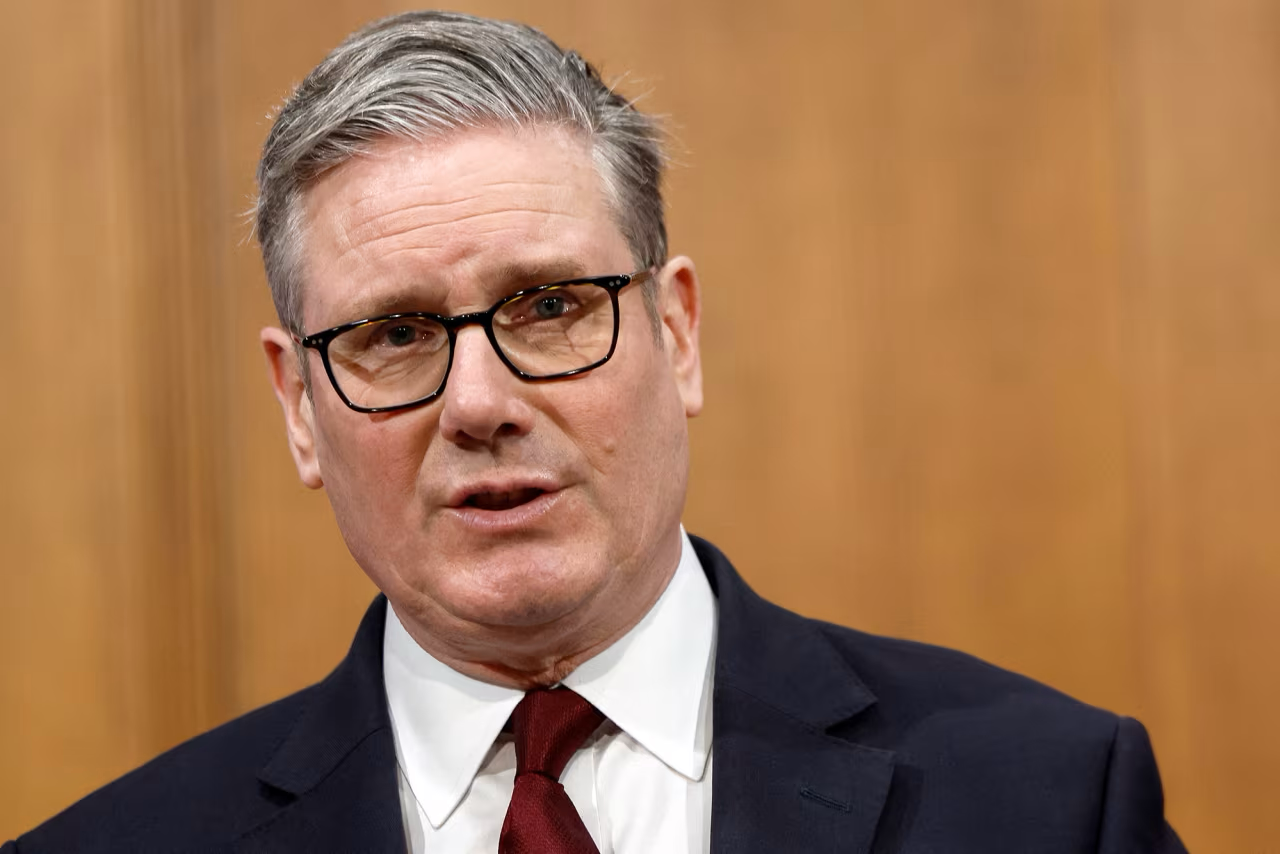 US President Donald Trump has warned that the future of the NATO alliance could be at risk if member countries do not assist in efforts to reopen the strategically vital Strait of Hormuz, which has been effectively blocked during the ongoing conflict involving Iran. Get today's headlines by email The warning comes as tensions continue to escalate across the Middle East, with renewed military activity involving Israel and armed groups in neighbouring countries. Allies urged to help secure key shipping routeTrump said US allies must take a more active role in restoring access to the Strait of Hormuz, one of the world’s most important oil transit corridors. Roughly one-fifth of global oil shipments normally pass through the narrow waterway linking the Persian Gulf to the Gulf of Oman. Iran’s effective closure of the route following attacks by the United States and Israel has sent energy markets into turmoil and raised concerns about global supply disruptions. The US president warned that the alliance could face serious consequences if other NATO members fail to support operations aimed at reopening the passage. Britain working with partnersBritish Prime Minister Keir Starmer said the United Kingdom was working with international partners to develop a coordinated response to the crisis. Speaking at a press conference in Downing Street, Starmer said restoring shipping access through the Strait of Hormuz was essential for stabilising global energy markets. “Ultimately, we have to reopen the Strait of Hormuz to ensure stability in the market – that is not a simple task,” he said. The prime minister added that the government was working with allies, including European partners, to assemble a collective plan aimed at restoring freedom of navigation in the region and reducing the economic impact of the conflict. He did not outline specific measures under consideration. Energy concerns and domestic support measuresThe conflict has already prompted extraordinary steps in response to rising energy costs. Starmer described the recent release of emergency oil reserves as “completely unprecedented" but said such measures alone would not be enough to calm volatile markets. He also announced a £53 million support package designed to help vulnerable households in Britain who rely on heating oil, marking the first major policy move to address the economic consequences of the widening conflict. Meanwhile, the situation on the ground in the Middle East remains tense. Israeli forces said they had begun “limited and targeted” ground operations against the militant group Hezbollah in Lebanon, as the broader regional conflict continues to expand. Reports have suggested that Iran may have begun laying naval mines in the Strait of Hormuz, potentially complicating any attempt by international forces to reopen the crucial shipping route. Join the discussion? Already a member? Adapted by ASEAN Now · Source · 16.March 2026
 -
The US energy secretary has said the war involving Iran is likely to end within a matter of weeks, as American officials face mounting concerns over rising fuel costs and instability in global oil markets. Get today's headlines by email Speaking in a television interview, Chris Wright said he expected the conflict to conclude relatively soon, although he acknowledged that wars rarely follow predictable timelines. “I think that this conflict will certainly come to an end in the next few weeks,” Wright said during an appearance on ABC’s political programme hosted by Martha Raddatz. He added that the fighting could end even sooner, but stressed that uncertainty remained. Rising oil prices fuel concernThe comments come as the war has pushed fuel prices higher across the United States, largely due to disruptions to oil shipments from the Middle East. Iran has effectively closed the Strait of Hormuz, a crucial shipping route linking the Persian Gulf to the Gulf of Oman. Roughly one-fifth of the world’s oil supply normally passes through the narrow waterway, making it one of the most strategically important energy corridors globally. The disruption has caused crude oil prices to surge and driven up petrol costs in the US. According to the fuel-tracking service GasBuddy, the national average price of gasoline has risen by about 76 cents per gallon since the conflict began. Wright said he hoped prices would fall once the situation stabilises, but cautioned that there were no guarantees while fighting continues. “There’s no guarantees in wars at all,” he said, describing the current price increases as temporary pain. Coalition effort to reopen key shipping routeOfficials are also considering measures to restore oil shipments through the Strait of Hormuz. Wright previously suggested that the United States Navy could escort commercial oil tankers through the waterway in the coming weeks, although preparations were still under way. Meanwhile, Donald Trump said on social media that several countries could contribute naval forces to help reopen the shipping lane, though it remains unclear which nations might take part in such an effort. Wright noted that many Asian economies depend heavily on oil transported through the strait, making international cooperation likely. “China, Japan, Korea and other Asian nations rely on energy that flows through the Strait of Hormuz,” he said, arguing that it would make sense for multiple countries to work together to ensure the route remains open. Dispute over planning and security concernsThe conflict has also sparked political debate in Washington. Chuck Schumer, the Democratic Senate leader, criticised the administration for allegedly failing to prepare adequately for the possibility that Iran might close the strait and disrupt global oil supplies. Wright rejected those claims, saying officials had carefully considered potential scenarios before the conflict began. Separately, lawmakers have raised concerns about possible security threats within the United States during the conflict. Adam Smith, the senior Democrat on the House Armed Services Committee, said authorities should remain alert to the possibility of attacks linked to rising tensions in the Middle East. Join the discussion? Already a member? Adapted by ASEAN Now · Source · 16.March 2026 View full article