





International observers have warned that healthcare along Thailand’s borders is under growing strain as foreign aid rapidly declines, with immediate pressure on services in Tak province hosting more than 50,000 displaced people. The warning was issued at the Prince Mahidol Award Conference (PMAC) 2026 on Wednesday, February 4, 2026, where speakers said international funding for border health could fall to zero in 2026. Clinics and hospitals are already adjusting operations to maintain essential care for migrants, refugees and people fleeing conflict.
The concerns were raised during a panel discussion titled “Geopolitical Shifts in International Development Assistance and Impact on Migrant Health”, organised by the Health Systems Research Institute (HSRI) and the National Health Security Office (NHSO). Panellists discussed how global geopolitical changes are reshaping international development assistance and limiting access to healthcare in border areas. The Thailand–Myanmar border was cited as one of the most affected regions.
Dr Cynthia Maung, founder of the Mae Tao Clinic, said the reduction in international assistance since the start of 2025 has forced several border-area clinics and medical facilities to close. Despite this, Tak province still hosts more than 50,000 displaced people, while Mae Tao Clinic continues to treat around 300–400 patients a day. “Even as funding falls, maintaining standards of patient care remains essential, because what must be protected is the security of human life,” she said.
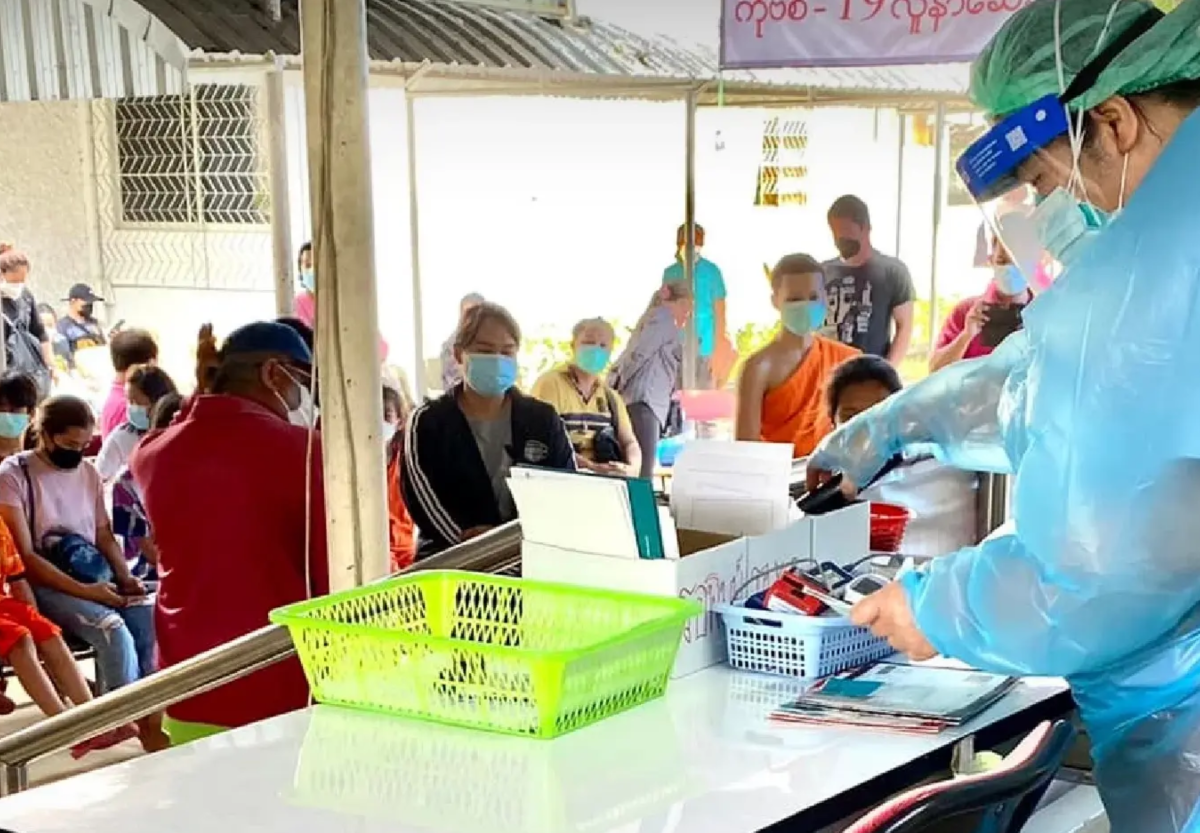
To cope with shrinking budgets, Mae Tao Clinic has adjusted its operating model by coordinating closely with Mae Sot Hospital and nearby community hospitals. This cooperation covers patient referrals, disease information-sharing and long-term care to prevent service disruption. The approach aims to preserve continuity of care despite financial constraints.
Dr Ramate Wongwilairat, director of Mae Sot Hospital, said the hospital previously received about 30 million baht in foreign aid, which fell to around 10 million baht in 2025. In 2026, the hospital expects it may receive no foreign assistance at all. He said this has prompted expanded screening at community hospitals, with Mae Sot Hospital positioned as a back-up for complex cases.
Dr Rojanasak Thongkhamcharoen, deputy director of Mae Sot Hospital, said rising numbers of migrant-worker patients have increased staff workloads. The hospital has piloted and expanded the recruitment of Myanmar doctors, now employing four, enabling the creation of a dedicated “Friendly Clinic” for migrant workers. Dr Khin Nyan Nyan said Burmese-language consultations improve communication, treatment accuracy and patient safety.
The Nation reported that speakers also highlighted cooperation with migrant health volunteers and civil society groups and stressed that allowing displaced people to work legally could help them enter Thailand’s health insurance system. Revenue from that system, they said, could be reinvested to strengthen border medical facilities and staff capacity.
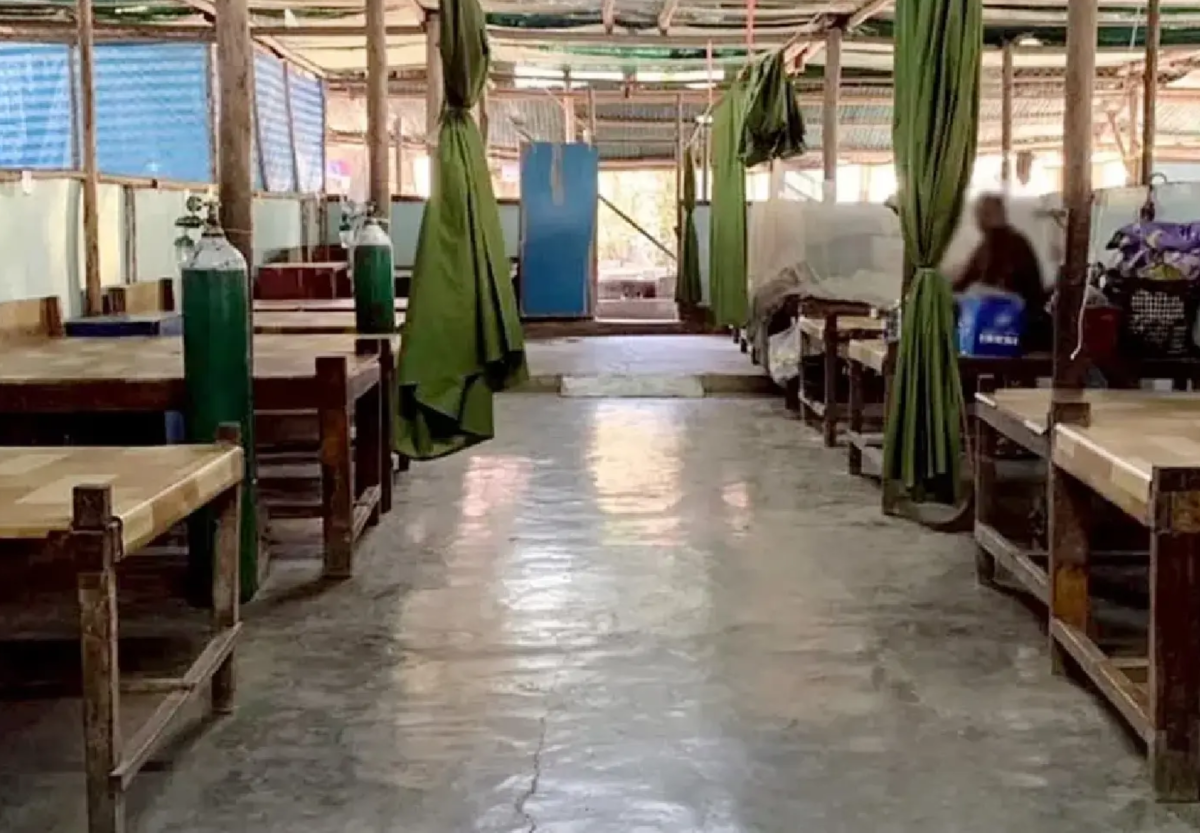
Pictures courtesy of The Nation

Key Takeaways
• Observers warn foreign aid for border health could fall to zero in 2026, intensifying pressure on services.
• Tak province hosts more than 50,000 displaced people, while clinics face closures and funding cuts.
• Hospitals are adapting through coordination, staff restructuring and hiring Myanmar doctors.

Adapted by ASEAN Now from Nation 2026-02-05


Recommended Comments
Create an account or sign in to comment