



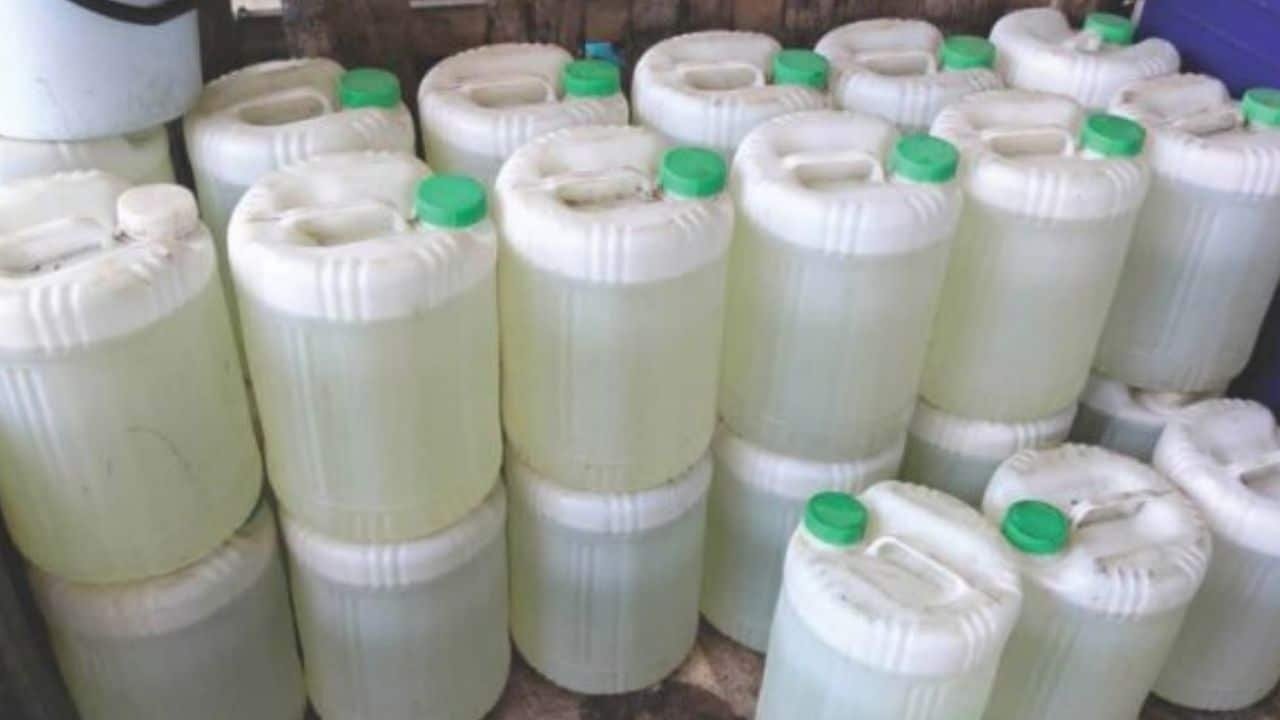

Police conducted raids on two production facilities in Samut Songkhram on April 7, uncovering a fake coconut water operation that involved using water mixed with flavorings. Authorities reported that this illegal production harmed local farmers, consumers, and the Thai coconut industry's reputation. The immediate impact included increased scrutiny on local coconut products and a call for further investigation.
Get today's headlines by email 
The background to this crackdown involves ongoing issues faced by coconut farmers in Thailand, particularly falling coconut prices and declining exports to China. Local farmers attributed these issues to alleged illegal investments by Chinese nationals in coconut plantations across Samut Sakhon, Samut Songkhram, and Ratchaburi. They claimed these foreign-owned operations dominated the market, undercutting prices and expanding at the expense of Thai farmers.
In response to these claims, farmers urged the government to intervene and protect their livelihoods. Following these calls for action, Samut Songkhram Governor Chayachai Saeng-in announced inspections of the two facilities, revealing that their products failed to meet Good Manufacturing Practice (GMP) standards. The fake coconut water, designed to mimic natural coconut water, poses risks to consumer health and the reputation of local products.
Looking ahead, if further tests reveal dangerous substances in these products, the facility owners could face prosecution. Chayachai emphasized the province's commitment to tackling issues of fake coconut water to safeguard public health and preserve the quality image of Samut Songkhram's coconut industry. Collaboration with the Food and Drug Administration and the Department of Medical Sciences aims to develop better testing methods and enforcement standards.
Join the discussion? 
Already a member? 
 Adapted by ASEAN Now · The Thaiger · 08 Apr 2026
Recommended Comments
Create an account or sign in to comment