



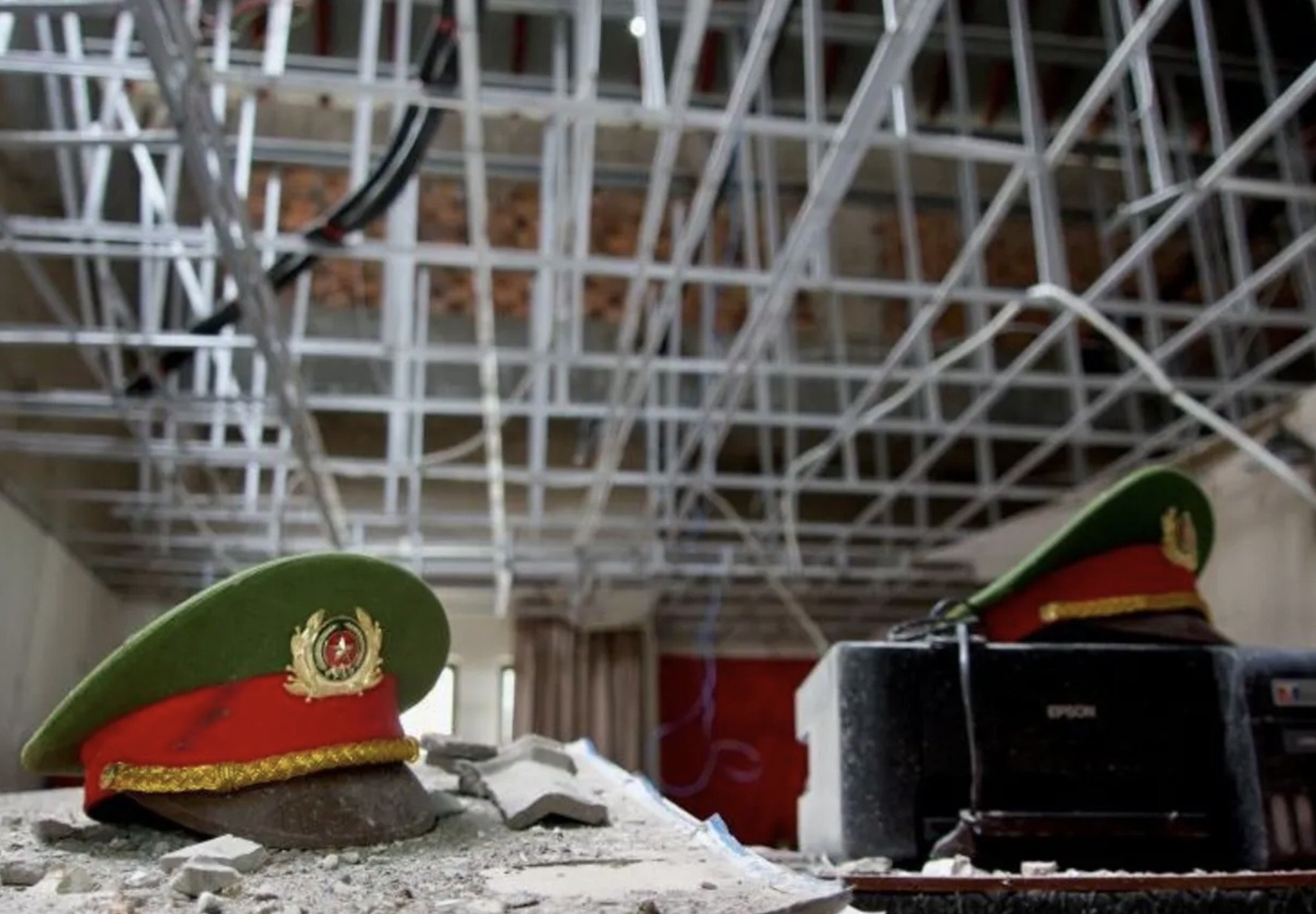

The BBC has gained access through Thai authorities, to a vast scam compound in O Smach, a Cambodian border town, exposing a large-scale operation where thousands of workers were forced to defraud victims worldwide. The site, located behind the Royal Hill casino, contained elaborate replicas of institutions including Vietnamese banks and Australian police stations, used to deceive targets. The compound was abandoned after being bombed by Thai forces in December 2025 during the brief border conflict.
Get today's headlines by email 
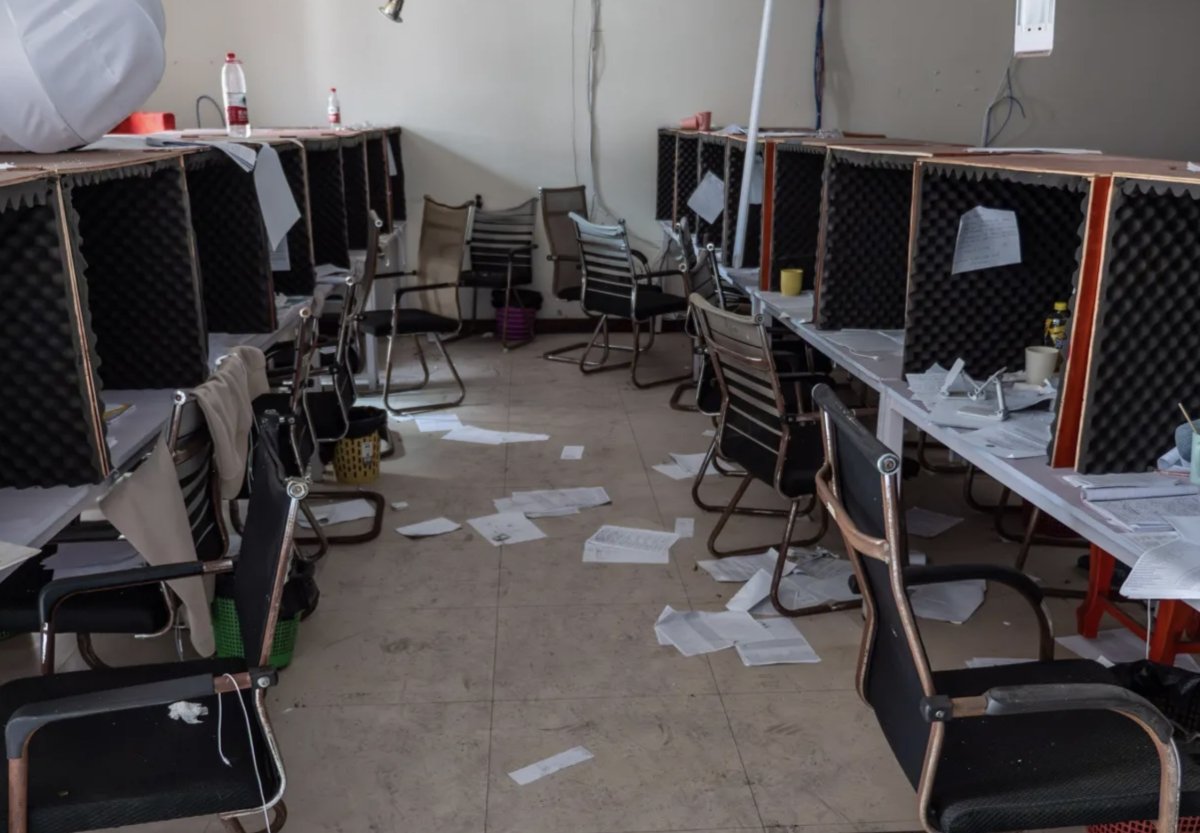
Inside the six-storey building, investigators found fake currency, multilingual scam scripts and evidence of strict control over workers. Documents detailed punishments such as beatings for failing to meet targets, while logs tracked even toilet breaks. Former workers described being forced to work up to 16 hours a day under threats of violence, with some subjected to electrocution or confinement in a so-called “black room”.
The compound is part of a broader network that expanded after Cambodia banned online gambling in 2019 and the Covid pandemic halted travel. Criminal syndicates shifted to online fraud, recruiting workers globally with false job offers. Many victims believed they were taking legitimate roles but were coerced into running scams, including romance fraud targeting older individuals in the United States.
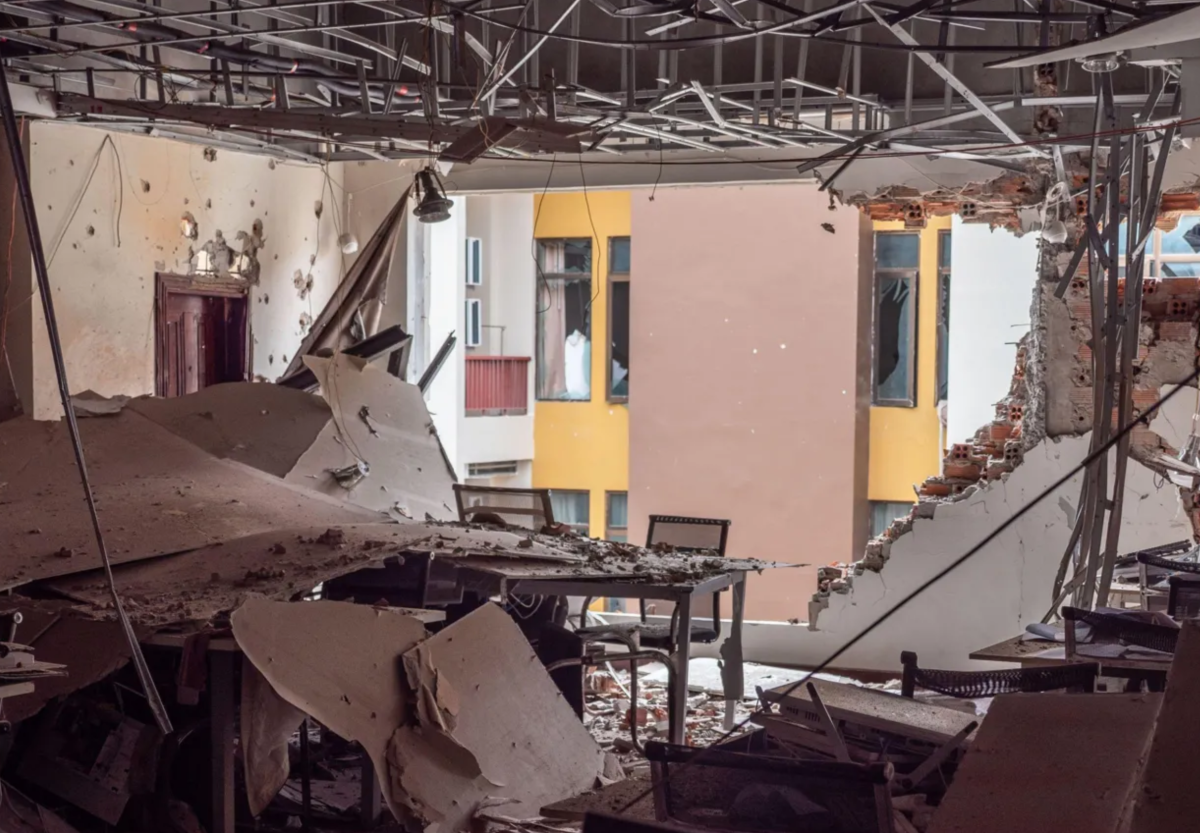
The site also revealed sophisticated tactics, including fake legal documents such as Brazilian police summonses used to intimidate victims into transferring money. Workers were instructed to build emotional trust before persuading targets to invest in fraudulent schemes. Evidence showed operations conducted in multiple languages, highlighting the global reach of the network.
The Thai military, which now occupies the site, said it wanted to expose the scale of the scam industry and justify its earlier air strikes. Cambodia has protested the presence of Thai troops, though both sides claim a ceasefire agreement allows them to hold current positions. The compound’s existence had not been publicly reported before its capture.
Cambodia has faced increasing international pressure over its handling of scam operations. A 2025 US State Department report accused authorities of failing to act, noting a lack of prosecutions against operators. Sanctions have been imposed on prominent figures such as tycoon Ly Yong Phat, though many influential individuals linked to the industry remain free.
In response, the Cambodian government has intensified enforcement in 2026, raiding multiple compounds and repatriating more than 10,000 foreign workers. High-profile arrests include businessman Chen Zhi, extradited to China in January, and Li Xiong, linked to an online payment system accused of laundering scam proceeds. Prime Minister Hun Manet has pledged to shut down the industry by the end of April.
However, concerns remain about the effectiveness of the crackdown. Analysts warn that operations can easily relocate to new sites, and many workers are believed to have stayed in Cambodia. Despite recent actions, several powerful figures associated with scam compounds continue to operate without prosecution.
The BBC reported that authorities say further action is expected in the coming months as international scrutiny continues. The exposure of the Royal Hill compound is likely to increase pressure on Cambodia to demonstrate sustained efforts to dismantle the networks behind the scams.
Picture courtesy of BBC
Join the discussion? 
Already a member? 
 Adapted by ASEAN Now BBC 8 Apr 2026
Recommended Comments
Create an account or sign in to comment