



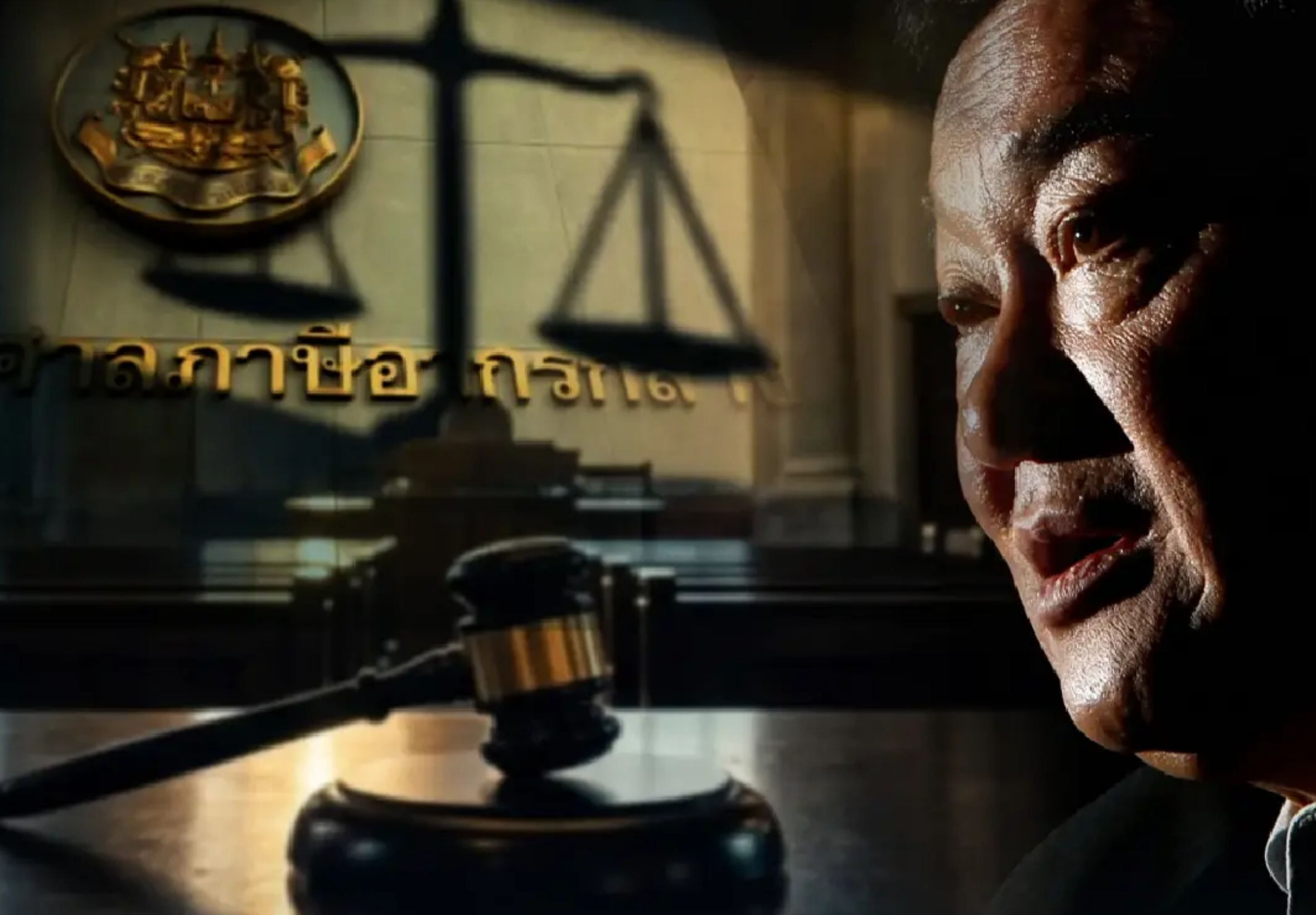

Former deputy permanent secretary for finance Supa Piyajitti has challenged a finding by the National Anti-Corruption Commission (NACC) over the Shin Corp share tax case, insisting that a decision not to appeal in 2011 did not cost the state revenue. She argues the tax claim was redirected towards the individual identified by the courts as the true owner of the shares. The dispute has revived a politically sensitive case involving billions of baht in tax liabilities.
Get today's headlines by email 
The issue resurfaced after reports on May 1 said the NACC voted 4-3 to find grounds against Supa and other officials for failing to appeal a Central Tax Court ruling. The case relates to tax assessments against Panthongtae and Pinthongta Shinawatra. The NACC alleges the non-appeal caused the state to lose the opportunity to collect about 17.9 billion baht.
Supa said the decision was based on court rulings and advice from the public prosecutor, Revenue Department and Comptroller General’s Department. She stressed that officials ceased pursuing the two individuals only after courts ruled they were not the true beneficial owners of the shares. Instead, the Finance Ministry instructed the Revenue Department to pursue tax assessment against the person deemed the actual owner.
Her defence relies on a Supreme Court Criminal Division for Holders of Political Positions ruling in the 46-billion-baht asset seizure case. That judgement found the Shin Corp shares held by family members effectively belonged to former prime minister Thaksin Shinawatra and Khunying Potjaman. Following this, the Central Tax Court revoked the tax assessment against Panthongtae and Pinthongta.
Supa said prosecutors advised against an appeal because the Supreme Court had already ruled on ownership. The Revenue Department and Comptroller General’s Department agreed, and the Finance Ministry later confirmed the shares were the same as those in the Supreme Court case. In April 2011, the department informed prosecutors it would not appeal, while more than one year remained within the tax collection period.
She added that the ministry ordered further checks and then directed officials to proceed with tax action against the true owner. This approach later aligned with developments in November 2025, when the Supreme Court ordered Thaksin to pay 17.6 billion baht in taxes linked to the 2006 Shin Corp share sale.
The NACC majority maintains that officials should have appealed to safeguard the state’s legal position, particularly given the high value of the claim. It also cited Finance Ministry rules for civil cases involving claims exceeding 10 million baht. The disagreement centres on whether the non-appeal was a lawful judgement or a procedural failure.
The Nation reported that the Shin Corp sale in 2006, when Thaksin’s family sold shares to Singapore’s Temasek, remains one of Thailand’s most contentious financial and political cases. It triggered allegations of tax avoidance and conflict of interest, contributing to protests before the military coup later that year.

Picture courtesy of The Nation
Join the discussion? 
Already a member? 
 Adapted by ASEAN Now Nation 5 May 2026
-
 1
1
Recommended Comments
Create an account or sign in to comment