



Skip to content
View in the app

A better way to browse. Learn more.

Thailand News and Discussion Forum | ASEANNOW

A full-screen app on your home screen with push notifications, badges and more.

To install this app on iOS and iPadOS
  1. Tap the Share icon in Safari
  2. Scroll the menu and tap Add to Home Screen.
  3. Tap Add in the top-right corner.
To install this app on Android
  1. Tap the 3-dot menu (⋮) in the top-right corner of the browser.
  2. Tap Add to Home screen or Install app.
  3. Confirm by tapping Install.

Similan and Surin Islands Enforce Five-Month Tourism Ban

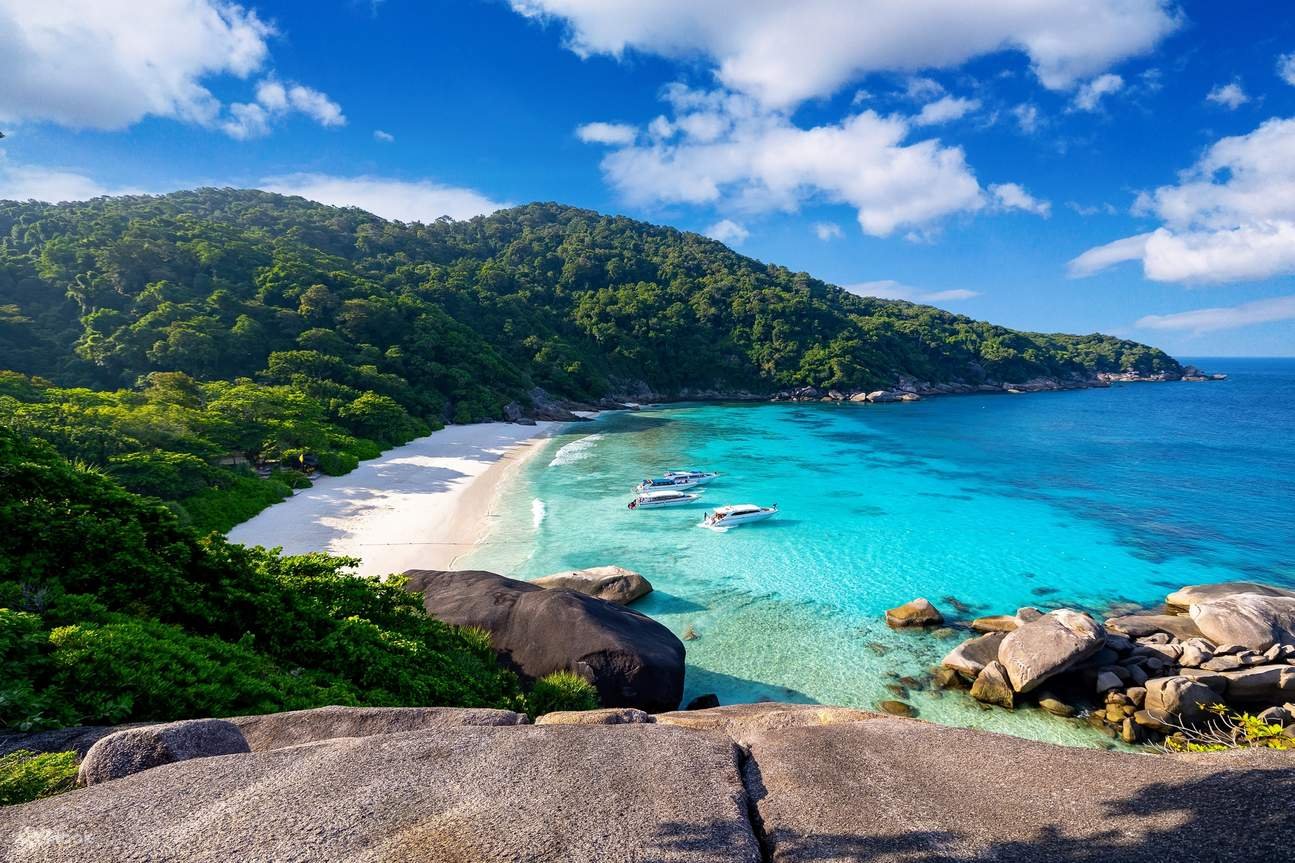
Two prominent marine parks in Thailand, Mu Ko Surin and Mu Ko Similan, will close to tourists from May 15 to October 15, 2026, following a directive from the Department of National Parks, Wildlife and Plant Conservation. This five-month closure aims to enhance visitor safety during the monsoon season and allows the natural ecosystem to rejuvenate.

Get today's headlines by email subscribe-orange.png

Surasak Anuson, director of Protected Area Regional Office 5 in Nakhon Si Thammarat, confirmed the decision affecting these parks in Phang Nga province. The closure not only addresses seasonal safety concerns but also provides time for environmental recovery. Additionally, officials plan to upgrade park facilities during this period to ensure readiness for the next tourism season starting October 2026.

Siriwat Suebsai, chief of Mu Ko Similan National Park, reported that the Similan Islands contributed over 215 million baht in revenue from more than 400,000 tourists last season, with foreign visitors making up over 90% of this number. The economic boost extends to nearby Phang Nga and Phuket, highlighting the area's significance.

Looking ahead, authorities emphasize strict conservation practices, including tourist limits and safety measures, to maintain the parks' natural beauty and ecological health. These efforts aim to protect Thailand's valuable marine resources for sustainable tourism in the future.

Join the discussion? Create account. orange.png

Already a member? haveyr-say.png

image.png  Adapted by ASEAN Now · The Nation · 26 May 2026

User Feedback

Recommended Comments

BritManToo Star Member

BritManToo

Advanced Member

So that's killed all the diving boats.

Doubt they'll be able to keep any boats running for just 7 months a year.

More than 100 million a year in tourist income gone at the stroke of a bureaucrats pen, along with 200,000 tourists.

Off Piste Silver Member

Off Piste

Advanced Member
2 minutes ago, BritManToo said:

So that's killed all the diving boats.

I wondered if they still operate this season though anyway ?.....gets pretty stormy out there

BritManToo Star Member

BritManToo

Advanced Member
1 minute ago, Off Piste said:

I wondered if they still operate this season though anyway ?.....gets pretty stormy out there

You think they closed the area for stormy season?

I sort of doubt that, but there's a chance you might be right.

Purdey Diamond Member

Purdey

Advanced Member

I suppose this will help the eco system develop back to how it should be. Of course, making people unemployed is never good, but then destroying the things that make tourists come won't help. Thailand needs to diversify its industries and pour resources into education.

Off Piste Silver Member

Off Piste

Advanced Member
Just now, BritManToo said:

You think they closed the area for stormy season?

I sort of doubt that, but there's a chance you might be right.

Don't think it's normallyclosed per se, just think that they chose a time of year when the least boats will go out as many days they literally can't and diving is all about visibilty otherwise what's the point..............christ knows

richard_smith237 Star Member

richard_smith237

Advanced Member
9 minutes ago, Off Piste said:

I wondered if they still operate this season though anyway ?.....gets pretty stormy out there

I remember the Samilan islands being closed for certain parts of the year (typically during the southwest monsoon season from roughly mid-May to mid-October).

The closures applied to diving, snorkelling, overnight stays, and most tourism activities - this is going back 15 years or so.

I'm not sure what the 'change' is here.

Des1 Advanced Member

Des1

Member
20 minutes ago, BritManToo said:

So that's killed all the diving boats.

Doubt they'll be able to keep any boats running for just 7 months a year.

More than 100 million a year in tourist income gone at the stroke of a bureaucrats pen, along with 200,000 tourists.

There are a lot of issues about excessive tourism in a number of countries. Japan and Spain come to mind. These Islands need to be protected. We visited Similan a number of years ago and saw the distructive activities of tourists. They didn't give a <deleted> about the request to protect the natural habitat. Sorry not sorry to hear this is one area Thailand is making an effort to protect.

10000Baht Explorer Member

10000Baht

Member
8 minutes ago, richard_smith237 said:

I remember the Samilan islands being closed for certain parts of the year (typically during the southwest monsoon season from roughly mid-May to mid-October). The closures applied to diving, snorkelling, overnight stays, and most tourism activities - this is going back 15 years or so.

As far as I know the Similan Islands are closed to the public every year. This annual closure typically lasts about five months, from mid-May to mid-October.

The closure serves to actively protect the environment, allowing the ecosystem, coral reefs, and wildlife to recover. Additionally, the sea is too dangerous for excursion boats during this time due to the monsoon (rainy season with strong winds and high waves).

Create an account or sign in to comment

Account

Navigation

Search

Search

Configure browser push notifications

Chrome (Android)
  1. Tap the lock icon next to the address bar.
  2. Tap Permissions → Notifications.
  3. Adjust your preference.
Chrome (Desktop)
  1. Click the padlock icon in the address bar.
  2. Select Site settings.
  3. Find Notifications and adjust your preference.

