




The Thai Cabinet has approved an extensive emergency stimulus package aimed at shielding the domestic economy from volatility linked to escalating conflict in the Middle East. The measures are designed to prevent stagflation by combining direct public subsidies with large-scale financial support for businesses. Immediate relief includes increased welfare payments, fuel subsidies and support for transport costs.
Get today's headlines by email 
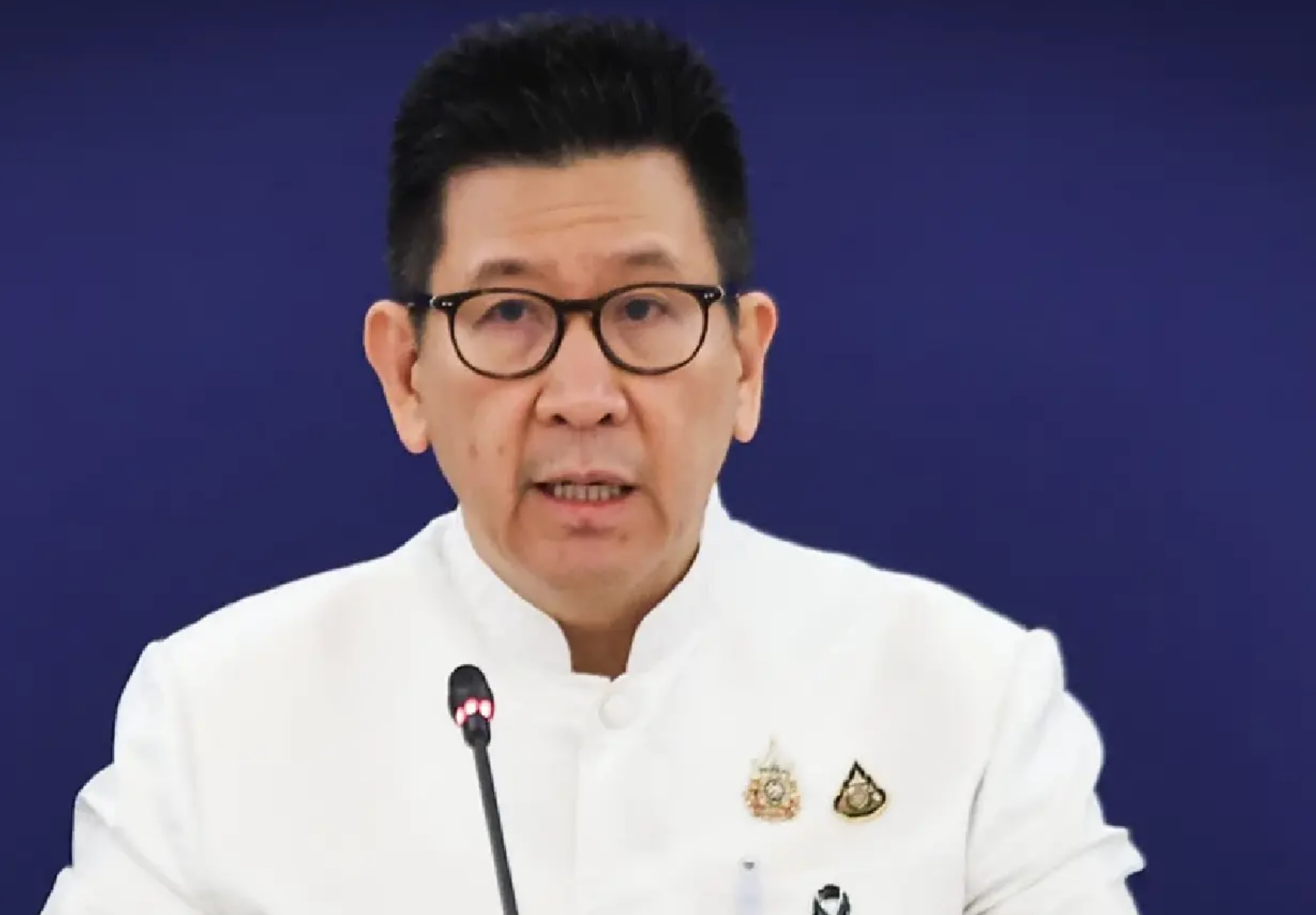
Deputy Prime Minister and Finance Minister Ekniti Nitithanprapas outlined a four-pillar strategy focused on easing living costs and sustaining economic activity. The government will increase the monthly allowance for 13.22 million state welfare cardholders, raising the spending limit for essential goods from 300 to 400 baht for one month from 13 April. A total of 2,061 million baht has been allocated to subsidise fuel for lorries and public transport for 42 days, alongside a 200-million-baht measure to reduce fares during the Songkran festival.
The package also targets energy independence and agricultural resilience. The Government Savings Bank will provide a 5-billion-baht soft loan pool for households to install solar panels or purchase electric vehicles, with loans capped at 2 million baht per person. The Government Housing Bank will offer Green Home mortgages with interest rates starting at 2.20 percent, while the Bank for Agriculture and Agricultural Cooperatives will deliver a 30-billion-baht scheme covering 3 percent of interest costs for farmers buying fertilisers and seeds.
In parallel, the Industry Ministry has launched a 20-billion-baht support package for small and medium-sized enterprises. Led by Minister Varawut Silpa-archa, the initiative focuses on improving access to capital, restructuring debt, and building capacity through training. The SME Green Productivity loan offers a fixed 3 percent interest rate for the first three years to encourage investment in green technology.
The measures will be partly funded through cost-cutting across government agencies, including cancelling international study trips and promoting domestic alternatives. Public sector employees have also been encouraged to work from home to reduce national energy consumption during the crisis period.
The Nation reported that the government expects the combined measures to stabilise prices, protect employment, and strengthen long-term energy security. Further monitoring and adjustments are likely as global conditions evolve and the impact of the Middle East conflict becomes clearer.
Join the discussion? 
Already a member? 
 Adapted by ASEAN Now Nation 12 Apr 2026
Recommended Comments
Create an account or sign in to comment