



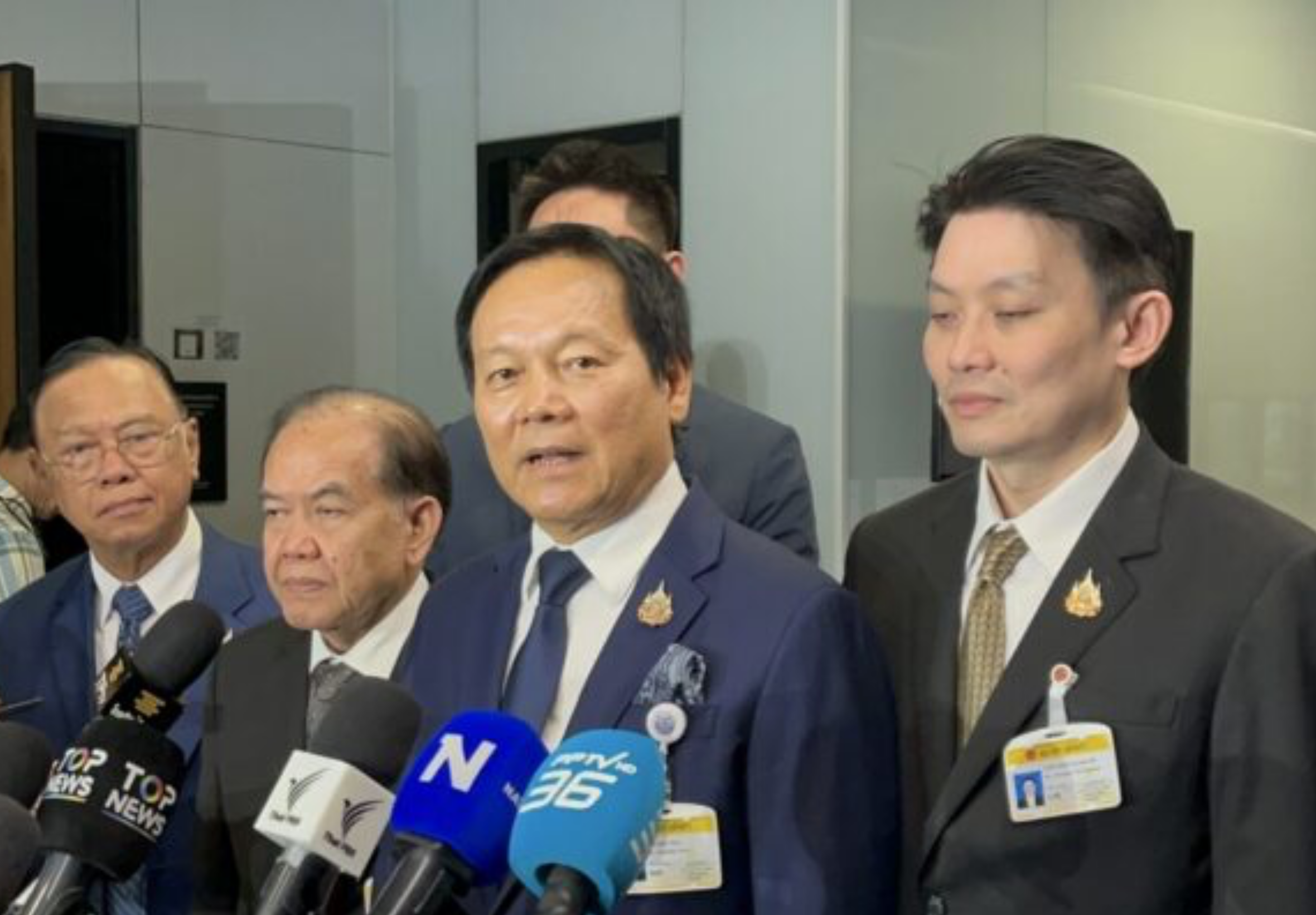

A Thai Senate committee has defended its recommendation to revoke the 2000 and 2001 Memorandums of Understanding (MOUs) with Cambodia during a briefing for ASEAN+3 diplomats in Bangkok on 22 May 2026. Senator Noppadon Inna told ambassadors and diplomatic representatives that the agreements no longer protected Thailand’s sovereignty, maritime interests, or national security amid unresolved border and maritime disputes.
Get today's headlines by email 
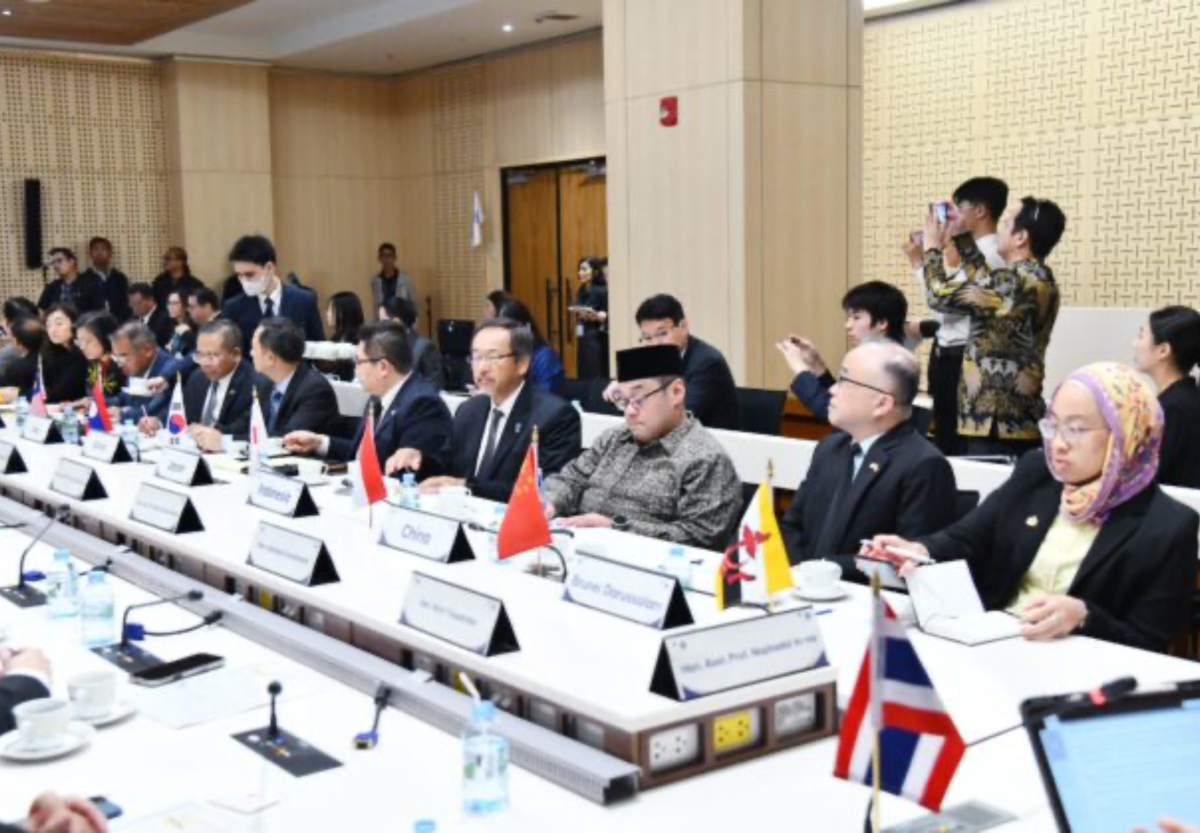
The special briefing at Parliament was organised by the Senate Extraordinary Committee studying the advantages and disadvantages of cancelling the two agreements. Diplomats from ASEAN member states, China, Japan, and South Korea attended the session following increased international attention on the Thai-Cambodian border situation.
Noppadon said the committee had unanimously agreed to recommend revoking both MOUs after months of field studies, consultations with military officials, and reviews of legal and historical documents. The committee gathered information from the Royal Thai Army, Royal Thai Navy, Ministry of Defence, and the Foreign Ministry’s Department of Treaties and Legal Affairs.
The panel also inspected seven Thai-Cambodian border provinces and received briefings from the First and Second Army Areas regarding past armed clashes and border tensions. Noppadon argued that differing interpretations of historical reference maps, including the disputed 1:200,000-scale map linked to the Franco-Siamese boundary delimitation process, had fuelled ongoing friction between the two countries.
He accused Cambodia of repeatedly violating agreements, ignoring Thai diplomatic protests, and carrying out provocative actions along the border. As examples, he cited Ban Nong Chan in Sa Kaeo Province and Chong An Ma in Ubon Ratchathani Province.
According to Noppadon, Cambodian refugees crossed into Thailand at Ban Nong Chan during Cambodia’s civil war in 1979, where humanitarian aid was provided by Thailand, the UNHCR, the International Committee of the Red Cross, and the Thai Red Cross. He claimed that some Cambodian nationals later refused to return after the conflict ended and continued occupying areas claimed by Thailand, contributing to later armed skirmishes.
At Chong An Ma, he said Thailand had relaxed border controls to support local trade, but alleged that Cambodian villagers later established permanent settlements inside disputed territory. He also claimed similar disputes had occurred in several other border locations.
Noppadon argued that the 2000 MOU may conflict with Thailand’s constitution because the Cabinet acknowledged, rather than formally approved, the agreement in 1999. He also said the inclusion of the 1:200,000-scale map should have required parliamentary approval because it affected territorial boundaries.
The senator further stated that border demarcation efforts under the 2000 MOU had made little progress in nearly 26 years and remained in the first stage of a five-phase process. He added that two military clashes in 2025 had changed conditions along the border and said both countries should instead follow the Joint Statement issued during the 3rd Special Meeting of the General Border Committee on 27 December 2025.
Khoasod reported that regarding the 2001 maritime MOU, Noppadon said Cambodia’s continental shelf claims violated Thailand’s sovereignty and criticised a reported Cambodian proposal in December 2022 seeking a 50:50 division of petroleum resources in overlapping Gulf of Thailand claims. He also alleged that Cambodia continued asserting claims over Koh Kood, further damaging trust between the two sides.
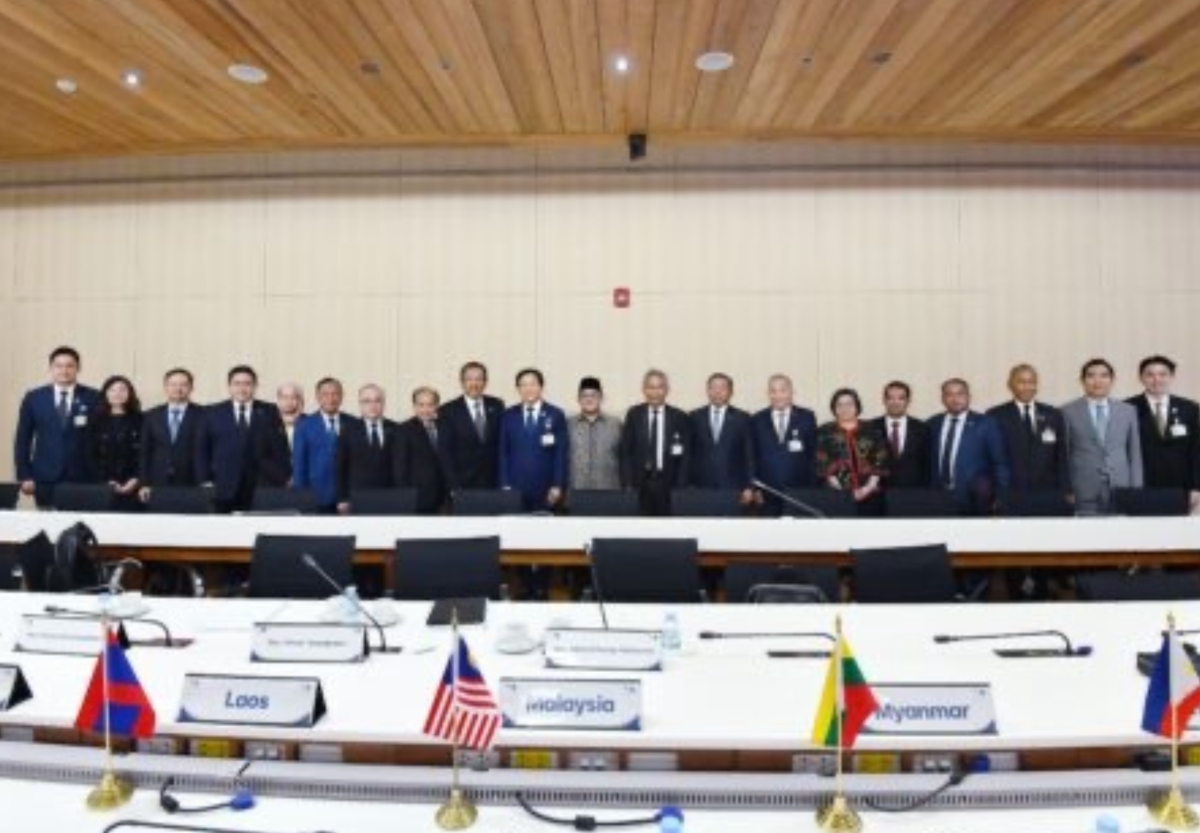
Pictures courtesy of Khaosod
Join the discussion? 
Already a member? 
 Adapted by ASEAN Now Khaosod 23 May 2026
Recommended Comments
Create an account or sign in to comment