



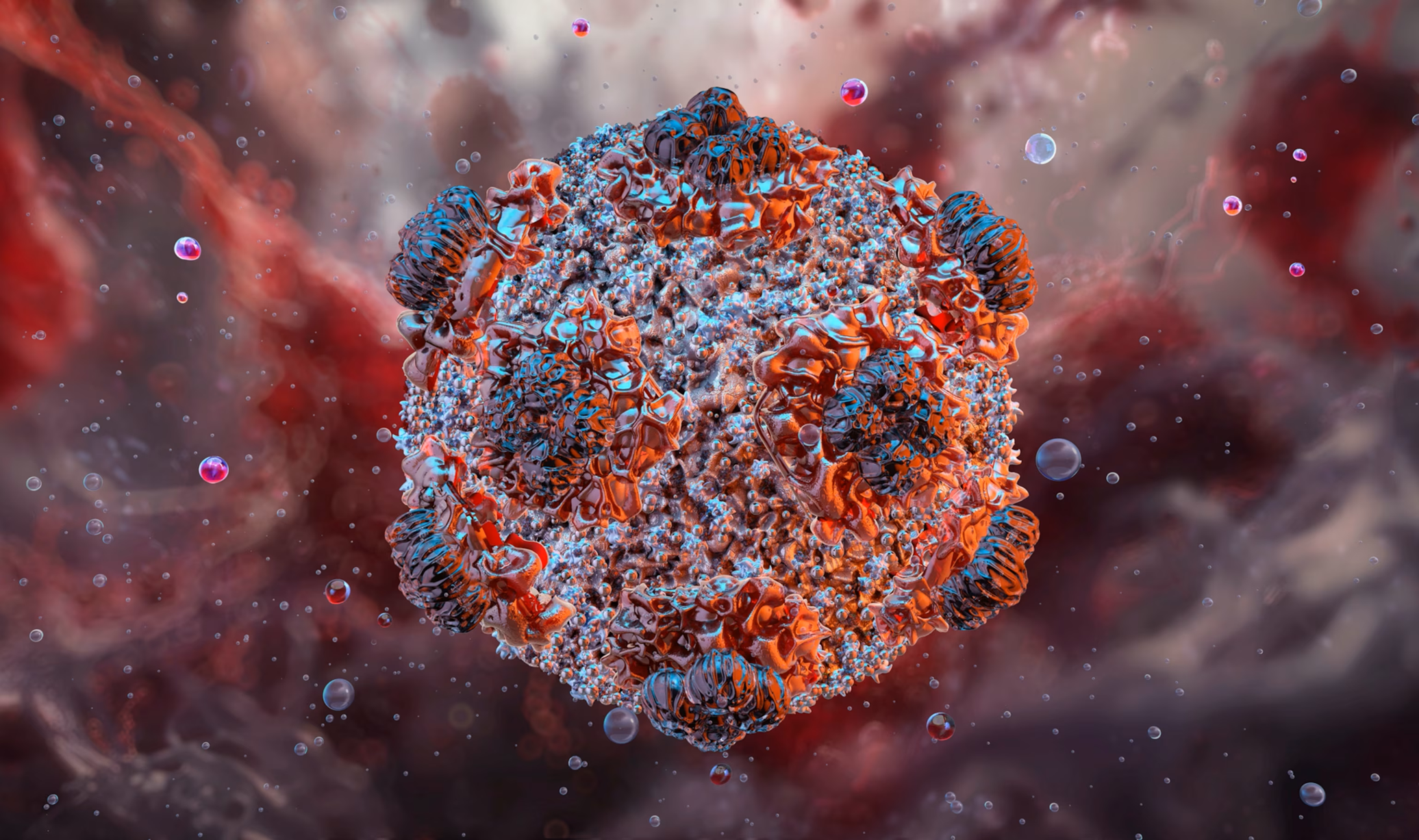

Thailand's National Communicable Disease Committee (NCDC) has classified hantavirus infection as a dangerous communicable disease. This decision mandates stricter surveillance, disease investigations within 12 hours, and a 42-day quarantine for high-risk contacts. The move follows a meeting chaired by Dr. Somruek Chungsaman, aligning with the Communicable Disease Act of 2015.
Get today's headlines by email 
Earlier this year, the NCDC advised a review of hantavirus due to its severe health implications and potential for respiratory transmission, reflecting global concerns. Experts convened on May 12, confirming the necessity for strict measures. Both Hantavirus Pulmonary Syndrome (HPS) and Hemorrhagic Fever with Renal Syndrome (HFRS) are now included under this classification.
The designation grants broad enforcement powers for disease control officers, allowing them to implement isolation swiftly. Hantavirus symptoms include fever, chills, muscle pain, and severe cases may lead to respiratory failure or death. Suspected cases must be reported within three hours, with investigations launched within 12 hours, and high-risk contacts quarantined for six weeks.
Enhanced measures strengthen Thailand's capacity to detect and control potential outbreaks. Surveillance at international entry points will be heightened, laboratory testing capabilities improved, and health facilities will receive updated treatment and prevention guidelines.
Looking forward, Thailand's health authorities are committed to maximizing their response capacity. Dr. Somruek reassured the public of the country’s preparedness to handle emerging cases. He advised those with recent rodent exposure or travel to affected areas to promptly seek medical care if symptoms occur.
Surveillance Measures:
Strengthening Entry Point Monitoring: The Department of Disease Control will establish criteria for Patients Under Investigation and implement rapid-response protocols if cases appear domestically.
Laboratory Upgrades: The Department of Medical Sciences aims to enhance testing speed and accuracy.
Healthcare Preparedness: The Department of Medical Services will prepare treatment guidelines and infection prevention measures for hospitals nationwide.
Join the discussion? 
Already a member? 
 Adapted by ASEAN Now · Khaosod · 15 May 2026
Recommended Comments
Create an account or sign in to comment