



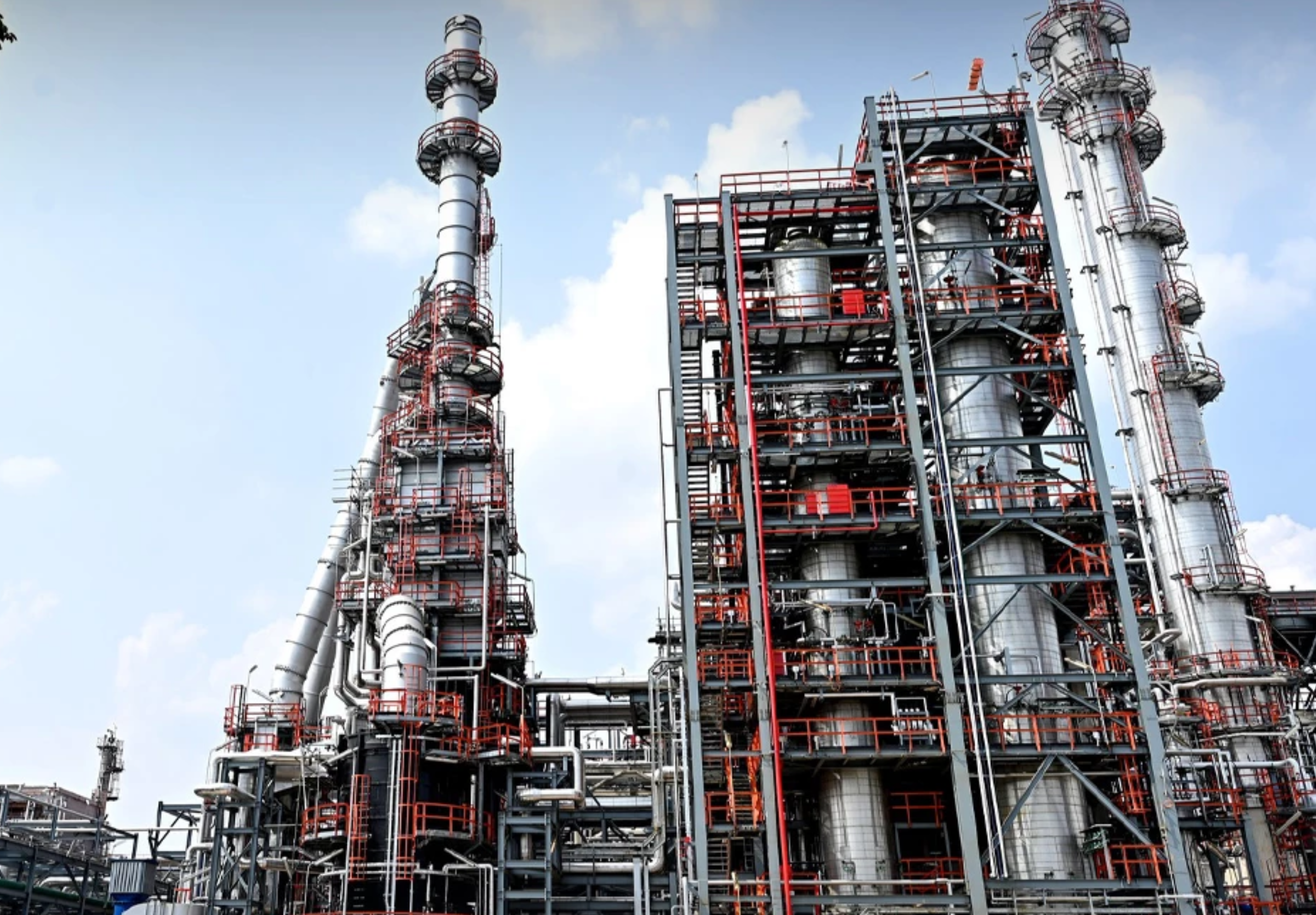

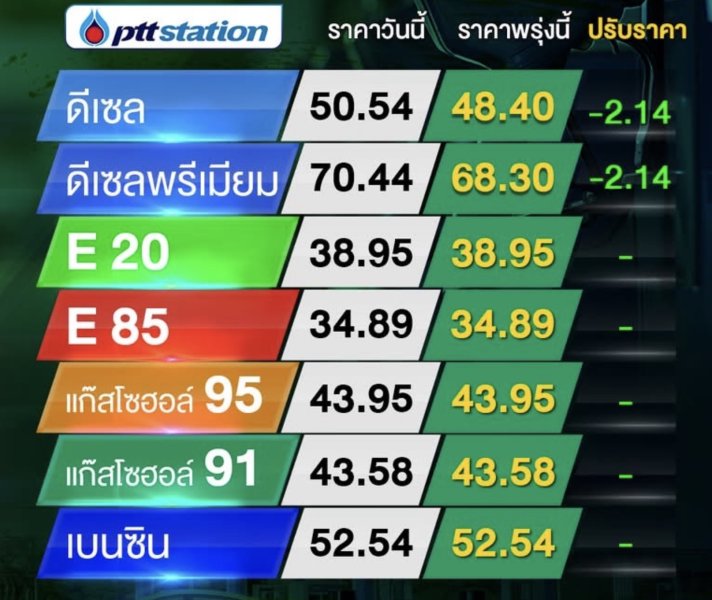
Thailand has ordered a 2 baht per litre cut in ex-refinery prices for diesel nationwide, effective from April 9, 2026, following publication in the Royal Gazette on April 8. The measure applies to high-speed diesel B0, B7 and B20, and is expected to immediately reduce pump prices for B7 and B20 by 2.14 baht per litre including VAT. The move aims to ease rising living and business costs amid global fuel market volatility.
Get today's headlines by email 
The decision was approved at the Committee on Energy Policy Administration (CEPA) meeting 2/2026 on April 7, chaired for the first time by Energy Minister Akanat Promphan. Authorities cited disruptions to global fuel supply chains caused by conflict in the Middle East involving the United States, Israel and Iran. While crude oil prices have risen about 50 percent, refined diesel prices surged nearly 300 percent to US$292 per barrel, a level officials said does not reflect actual costs.
The government said Thailand’s pricing system, which references Singapore refined oil prices and uses the Oil Fuel Fund to balance pump prices, had been distorted under current conditions. CEPA introduced a new mechanism to set ex-refinery prices under powers from the 1973 fuel shortage decree and a 2019 prime ministerial order. Gross refining margins in March averaged 7 baht per litre, compared with a five-year average of 2.4 baht, leaving refineries with excess margins even after additional war-related costs of about 3 baht per litre.
Authorities estimate the measure will redirect 4 to 5 billion baht per month in excess refinery profits, based on diesel consumption of 70 to 80 million litres per day. Officials said this approach ensures all six domestic refineries share responsibility proportionally, rather than relying on slower measures such as a windfall tax or voluntary contributions. The government rejected calls to cut the diesel excise tax of 6 baht per litre, citing the need to preserve state revenue for targeted public support.
The Nation reported that the Energy Ministry warned that crude supply could tighten further in May despite stable imports in April. Plans include expanding the use of domestically produced biofuels such as ethanol and biodiesel, accelerating B20 adoption in transport, and potentially restricting premium fuels and B7 if shortages worsen. The government also aims to boost solar and biomass power to reduce reliance on expensive LNG imports and strengthen long-term energy security.
Join the discussion? 
Already a member? 
 Adapted by ASEAN Now Nation 9 Apr 2026
Recommended Comments
Create an account or sign in to comment