



Skip to content
View in the app

A better way to browse. Learn more.

Thailand News and Discussion Forum | ASEANNOW

A full-screen app on your home screen with push notifications, badges and more.

To install this app on iOS and iPadOS
  1. Tap the Share icon in Safari
  2. Scroll the menu and tap Add to Home Screen.
  3. Tap Add in the top-right corner.
To install this app on Android
  1. Tap the 3-dot menu (⋮) in the top-right corner of the browser.
  2. Tap Add to Home screen or Install app.
  3. Confirm by tapping Install.

Thailand Exports Fall as Freight Costs Rise Globally

Thailand’s export competitiveness is weakening as global freight costs have surged by 30%, raising concerns over trade volumes and consumer prices. The increase in logistics costs is already contributing to a slowdown in exports, with food export volumes dropping by 10.5% in the first two months of 2026. Industry leaders warn that the rising costs will ultimately be passed on to consumers through higher retail prices.

Get today's headlines by email image.png

The disruption is linked to ongoing geopolitical tensions affecting key global shipping routes, despite a temporary two-week ceasefire between the United States and Iran. Uncertainty continues to impact supply chains, particularly around major chokepoints such as the Strait of Hormuz and the Strait of Bab el-Mandeb. Around 30% of global cargo passes through the Suez Canal and the Bab el-Mandeb route, making any disruption highly significant for international trade.

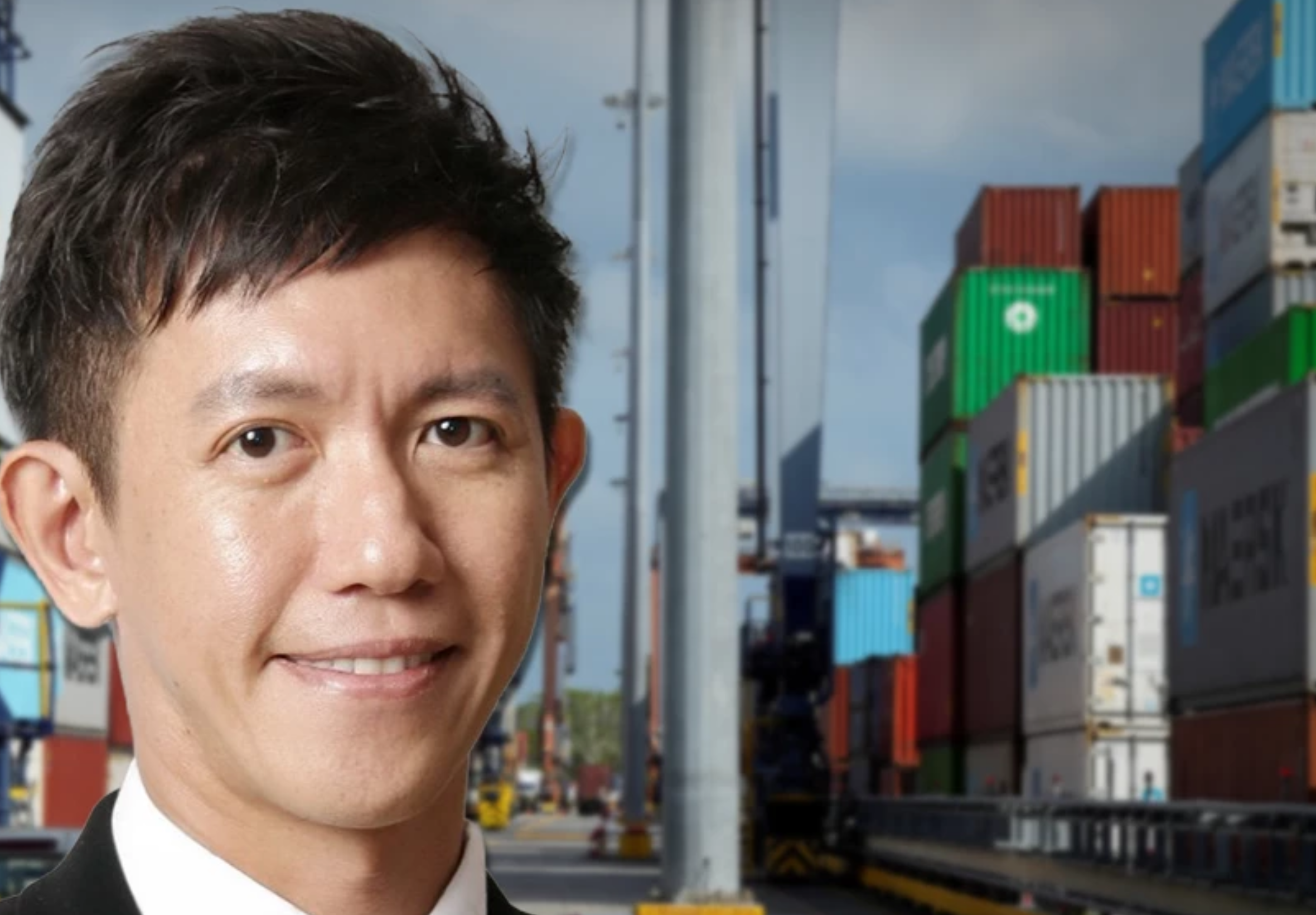
Robin Loh, Chairman of the Singapore-Thai Chamber of Commerce and Country Director of Dawn Shipping, said Thailand faces mounting risks from elevated freight costs, disrupted routes and energy price volatility. He warned that logistics costs will continue to rise and trade flows will slow further, with consumers eventually absorbing the additional expenses. He also noted that complex regulations at customs, ports and permit systems are undermining Thailand’s regional competitiveness.

Loh pointed to the need for reforms, including streamlining administrative processes and adopting digital technologies such as artificial intelligence to improve efficiency. He highlighted Singapore as an example of successful transformation through technology-driven export-import systems. According to him, countries that enhance efficiency during global crises will be better positioned to support their economies.

Further risks remain if key shipping routes are fully disrupted, as vessels travelling between Europe and Asia may be forced to reroute via the Cape of Good Hope. This would add 12 to 14 days to journey times and reduce shipping speeds by around 30%, significantly increasing costs. However, freight rates have shown some recent easing, with the Drewry World Container Index reporting declines in rates from Shanghai to Genoa and Rotterdam.

The Nation reported the situation remains fragile as long as geopolitical tensions persist in the Middle East. While Red Sea routes are still operational and costs have stabilised for now, any escalation could trigger further supply chain disruptions. Businesses and policymakers are expected to monitor developments closely and consider measures to strengthen Thailand’s export resilience.

Join the discussion? image.png

Already a member? image.png

image.png Adapted by ASEAN Now Nation 12 Apr 2026

User Feedback

Recommended Comments

ikke1959 Diamond Member

ikke1959

Advanced Member

Rising costs will surely have an impact on the economy, but the biggest cause is the too expensive THB. Costs are rising all ove rthe world now so that is not the reason. the THB is so manipulated that things from Thailand are already more expensive than in other countries. No wonder that less is being exported, as it is going down already for several years.

Another thing is probably the mass paperwork Thailand requires for everything,

Gsxrnz Ruby Member

Gsxrnz

Advanced Member

We're still at least 10-14 days away from any real logistical effect from the Straits war arising. The gas going into our cars/trucks and aeroplanes/ships etc. was already on the water or in storage or in refineries when the war commenced. The rising price is reflective of anticipated future supply and associated increased logistics costs.

Now with about a 40-day gap in deliveries from the Straits, the product in storage or refineries is running down and there ain't no boats steaming over the horizon to replenish them. Add to that the typical 3-6 weeks usual shipping time plus the same for refining in quantity, there's a ton of hurt just around the corner.

Logistical supply chain disruptions are slow to make themselves obvious, and then they tend to punch you in the face rather suddenly. And getting back to normality takes a helluva long time.

In the words of BTO, y-y-y-you ain't seen nothing yet. This particular logistics nightmare could easily result in severe social upheaval in many countries, particularly some European countries on the edge of civil war already.

If you simply can't live without imported baked beans, better stock up now because there will be at least a six-month hiatus from the day they stop firing rockets at each other - probably much longer. coffee1

worgeordie Star Member

worgeordie

Advanced Member

Donald J Trump 🤡 caused all of this....and who knows what he will do next.

regards worgeordie

Create an account or sign in to comment

Account

Navigation

Search

Search

Configure browser push notifications

Chrome (Android)
  1. Tap the lock icon next to the address bar.
  2. Tap Permissions → Notifications.
  3. Adjust your preference.
Chrome (Desktop)
  1. Click the padlock icon in the address bar.
  2. Select Site settings.
  3. Find Notifications and adjust your preference.

