



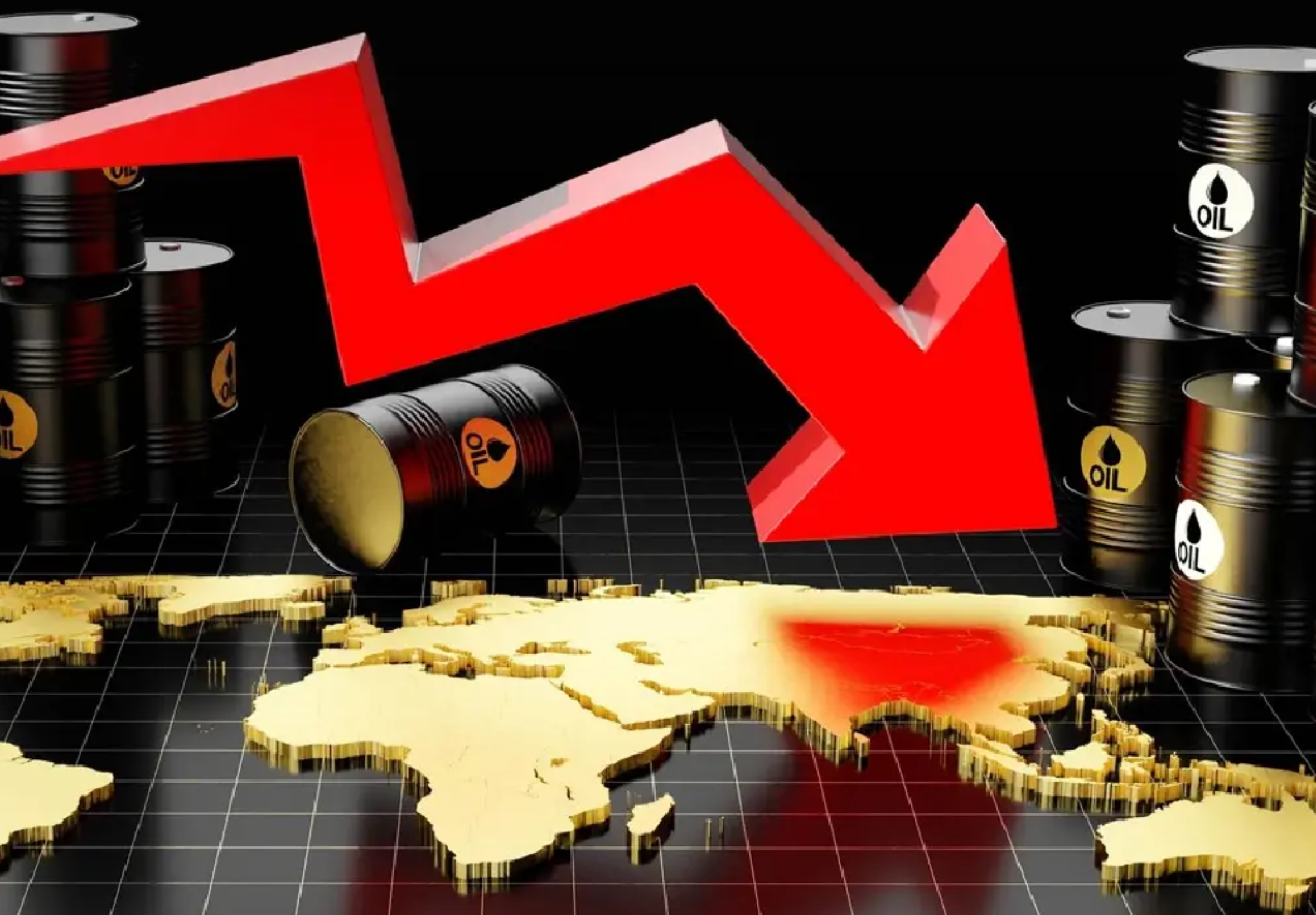

Consumer groups in Thailand have given the government seven days to overhaul the country’s energy pricing structure, saying the changes could cut fuel prices by 7 baht per litre. The proposal was submitted to Energy Minister Akanat Promphan on May 22 by the Joint Working Group to Review Public Network Proposals on Energy Price Restructuring.
Get today's headlines by email 
The groups called for five major reforms, including scrapping the import-parity fuel pricing formula, capping refining margins at no more than 1.48 baht per litre, restructuring biofuel use, regulating oil marketing margins and ending public contributions to the Oil Fuel Fund. They said the measures would make fuel prices reflect real costs and lower living expenses.
Panthep Puapongpan, chairperson of the Thailand Watch Foundation, said the latest proposals followed eight earlier demands submitted to the energy minister on April 16. He said several reforms could be implemented immediately and noted that the ministry had already accepted in principle the need to review the long-standing pricing formula.
Public groups argue that the current formula treats Thailand as though it has no domestic refining capacity by relying on import-parity pricing. One proposal would use Singapore market prices from the previous two days while removing additional charges such as freight, insurance and fuel-quality adjustment costs.
The groups also want refining margins capped using the seven-year average from 2020 to 2026. They estimate this would reduce margins by around 6.45 to 6.57 baht per litre, leaving a margin of about 1.48 to 1.60 baht per litre.
Energy academic M.L. Kornkasiwat Kasemsri said the pricing structure still included assumed costs that had remained in place for more than 30 years. He said freight, insurance and oil reserve costs should be reviewed and removed so fuel prices better reflect actual costs and provide greater transparency.
Rosana Tositrakul, chair of the consumer council’s subcommittee on public services, energy and environment, said capping refining margins would reduce what she described as excess refinery profits and return benefits to consumers through lower prices. She also proposed quarterly reviews of refining margins.
Public groups further called for an immediate end to biofuel compensation, arguing that biofuel is now more expensive than base fuel and no longer benefits farmers as intended. They also proposed separating LPG accounts from oil accounts and returning funds used for cross-subsidies within 90 days.
The Nation reported that Energy Ministry spokesman Pongpol Yodmuangcharoen said the ministry would compile all urgent proposals and submit them to the energy minister as soon as possible. He added that some measures, including a review of B100 prices, could proceed immediately, while investigations into oil-hoarding networks were continuing across more than 166 cases.

Picture courtesy of The Nation
Join the discussion? 
Already a member? 
 Adapted by ASEAN Now Nation 24 May 2026
Recommended Comments
Create an account or sign in to comment