



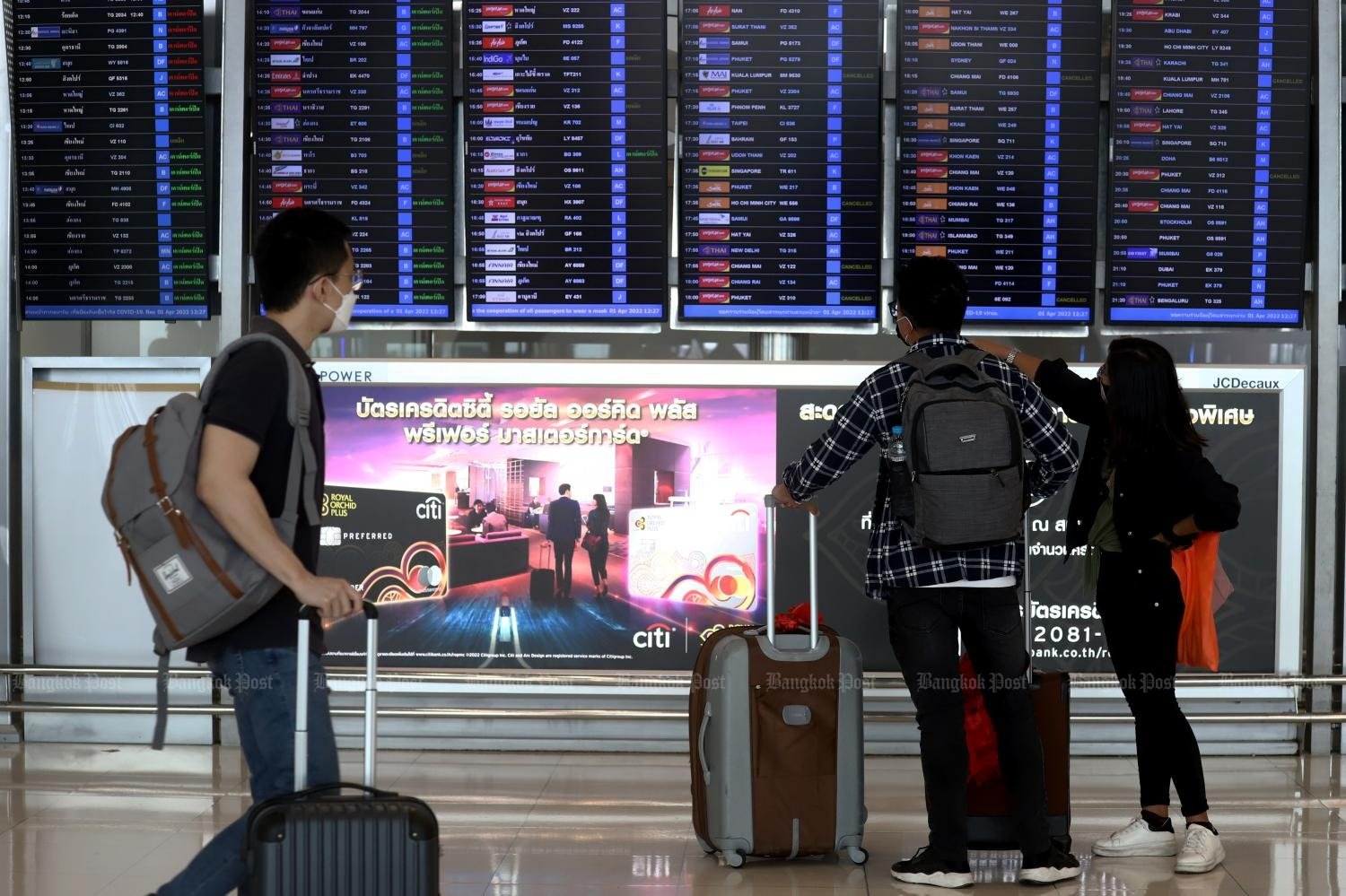

Thailand is preparing to introduce a "landing fee" for foreign tourists, set at 300 baht per person for air arrivals and 150 baht for those arriving by land or sea. The initiative aims to fund tourism-related infrastructure, environmental management, and visitor support services. This measure reflects a global trend where countries adopt levies to offset public expenses linked to high tourist numbers.
Get today's headlines by email 
The idea has been under discussion for years, gaining momentum after incidents like the Erawan Shrine bombing in 2015 and the Phuket boat disaster in 2018. These events highlighted the need for a dedicated fund for emergency assistance and tourist welfare, which was previously subsidized by central budget funds. Additionally, the recurring issue of unpaid medical bills by foreign tourists has fueled the argument for this targeted tax, reducing reliance on Thai taxpayers.
Recently, the Tourism and Sports Ministry has been pushing the proposal forward, aiming to finalize collection details for Cabinet consideration. The policy is geared towards enhancing tourism standards, safety, and long-term sector sustainability. Such fees are not unique to Thailand; countries like the UK, New Zealand, and Japan have similar levies to manage tourism's impact on their economies and infrastructure.
As part of the international framework, Thailand's proposed fee aligns with global practices where tourist taxes help balance economic benefits with public costs. Policymakers are expected to review the collection mechanism, ensuring efficient implementation.
Looking forward, the next steps involve securing government approval and establishing a collection system. This move is expected to bolster tourism safety and infrastructure, supporting one of Thailand's vital economic sectors.
Join the discussion? 
Already a member? 
 Adapted by ASEAN Now · The Nation · 03 Apr 2026
Recommended Comments
Create an account or sign in to comment