





The country will go to the polls on Sunday, 8 February, in a snap general election that could mark a turning point after more than a decade of political instability and repeated military intervention. The vote is historic because the military-appointed Senate will play no role in selecting the next prime minister, removing a key obstacle that has previously blocked reformist parties from power.
More than 53 million eligible voters will choose the 500 members of the House of Representatives, with the outcome expected to determine whether a young progressive leader can break the dominance of the royalist-military establishment. Opinion polls released last week place the opposition People’s Party ahead nationwide, with its 38-year-old prime ministerial candidate Natthaphong Ruengpanyawut the most popular choice.
The election comes amid heightened scrutiny of Thailand’s democratic credentials and ongoing regional tensions, including a border crisis with Cambodia. Its immediate impact will be to decide the composition of parliament and set the stage for the formation of the country’s fourth government in three years.
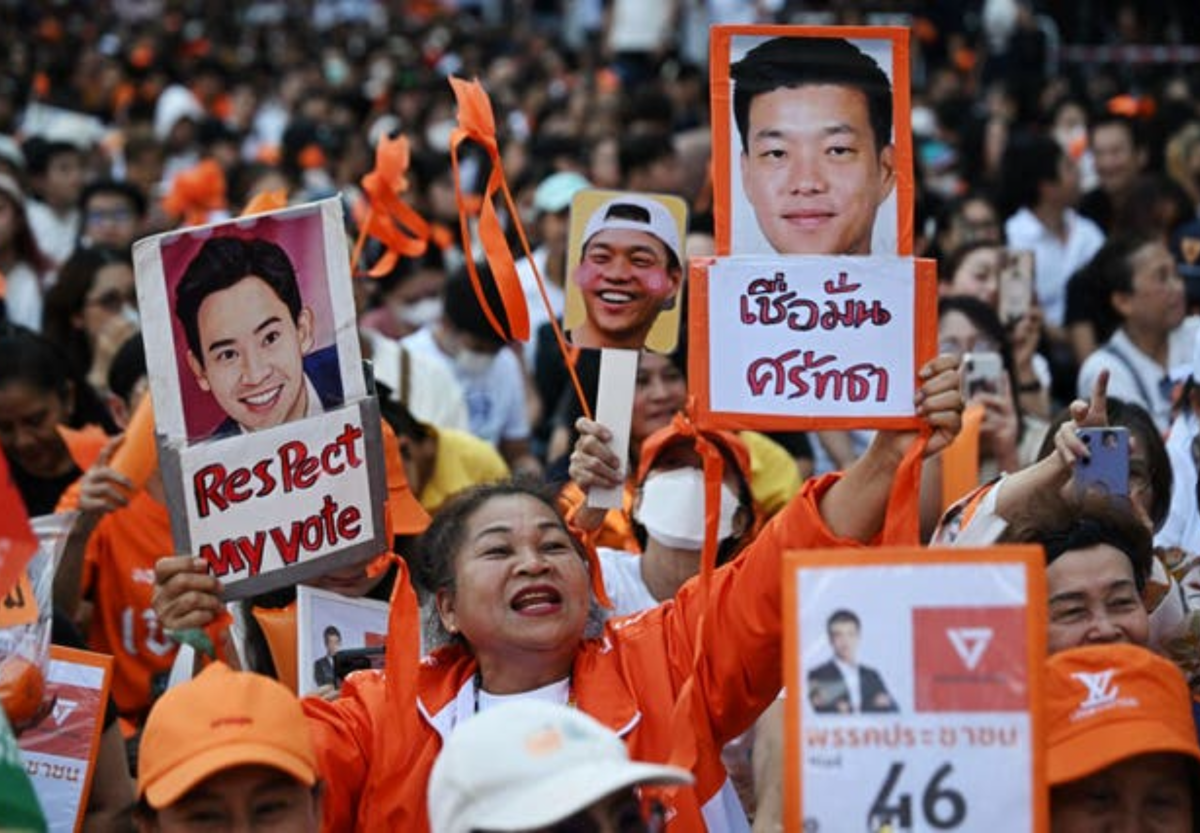
Thailand’s current political turbulence follows a long history of coups and court interventions. Since the end of absolute monarchy in 1932, the country has experienced 12 successful coups, most recently in 2014, when the military seized power and later drafted the 2017 constitution under which the country is still governed.
Since the transition back to civilian rule in 2019, Thailand has already held two elections. However, those polls were shaped by constitutional mechanisms that favoured the military and conservative establishment, including an appointed Senate that could vote alongside elected lawmakers to choose the prime minister.
That mechanism proved decisive in 2023, when the reformist Move Forward Party won the most seats but was blocked from forming a government by the Senate. The party was later dissolved by the Constitutional Court in August 2024, a decision that drew criticism from democracy advocates at home and abroad.
The current snap election was triggered on 12 December, when caretaker prime minister Anutin Charnvirakul dissolved the lower house of parliament. He acted to prevent his Bhumjaithai Party’s minority government from being removed in a potential no-confidence vote.
Anutin, 59, is Thailand’s third prime minister since 2023. He took office in September after Paetongtarn Shinawatra was removed by the courts over a scandal involving a leaked phone call with a Cambodian leader, having served for only about a year.
The political environment remains polarised, with the election widely seen as a three-way contest. The main forces are the royalist-military establishment represented by Bhumjaithai, the progressive opposition led by the People’s Party and the populist Pheu Thai Party linked to the influential Shinawatra family.
Thailand’s democratic standing has continued to decline in international assessments. In the 2025 Democracy Report by the V-Dem Institute, the country was categorised as an electoral autocracy, while Freedom House rated it “Not Free”, citing democratic reversals such as party dissolutions and court-led removals of elected leaders.
Under the electoral system, 400 seats in the House of Representatives are filled through constituency races using a first-past-the-post system, while 100 seats are allocated through proportional representation. Parties may submit up to three prime ministerial candidates.
Once the new House is convened, lawmakers will vote to select the next prime minister. A simple majority is required to win the post, but around 270 votes are considered necessary to form a stable government.
For the first time since 2019, the Senate will have no say in that decision. The veto power granted to the appointed upper house after the 2014 coup expired in 2024, removing a structural advantage long enjoyed by the military-backed establishment.
Alongside the general election, voters will also take part in a nationwide referendum on constitutional reform. The ballot will ask: “Do you approve that there should be a new constitution?” with options of “Yes”, “No” or “No opinion”. A majority “Yes” vote would give parliament a public mandate to begin drafting a new charter to replace the 2017 constitution. A majority “No” vote would leave the current military-era constitution in force.
Among the main contenders, Anutin’s Bhumjaithai Party is campaigning as a conservative and nationalist force aligned with the military. It has promised short-term economic stimulus, decentralisation of budgets to local governments, and increased spending on infrastructure and public health.
The People’s Party, formed after the dissolution of Move Forward in August 2024, has positioned itself as the primary progressive opposition. It campaigns on constitutional reform to curb the power of the military and courts, reduce the influence of large conglomerates, overhaul the bureaucracy and expand social welfare.
Its leader, Natthaphong Ruengpanyawut, is a former businessman and software engineer who ran a cloud services firm. He is the youngest leader of the opposition in Thailand’s modern political history and draws strong support from younger and urban voters through digital and grassroots campaigning.
The Pheu Thai Party is led into the election by Yodchanan Wongsawat, 46, the son of former prime minister Somchai Wongsawat and nephew of Thaksin Shinawatra. A political novice, he has described himself as “a very small guy on the shoulders of a giant”, referring to his uncle, who is currently in jail.
The Independent reported that a nationwide survey by Suan Dusit Poll at Suan Dusit University, released last Friday, showed the People’s Party leading in both party-list and constituency support. While the final outcome remains uncertain, the vote is expected to shape Thailand’s political direction and determine whether the country can move beyond years of instability.
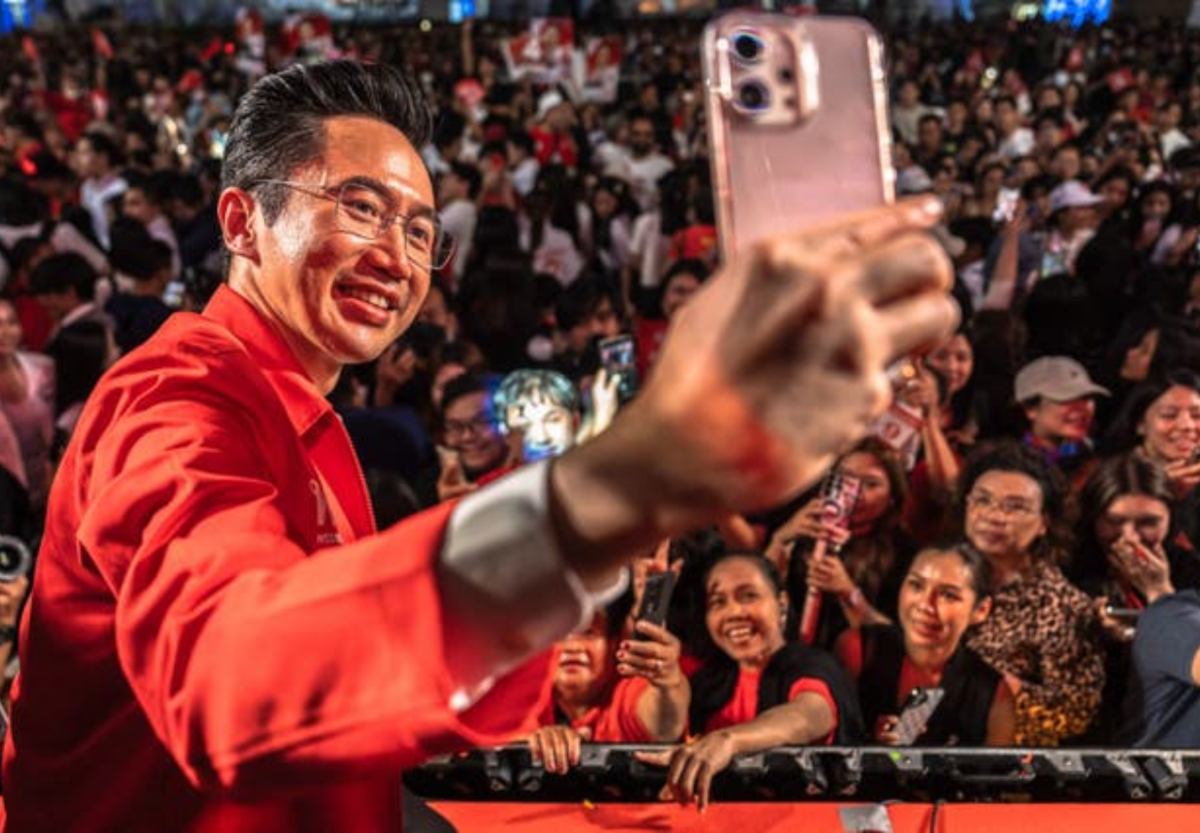
Pictures courtesy of The Independent

Key Takeaways
• Thailand votes on 8 February in a snap election without Senate involvement in choosing the prime minister.
• Opinion polls show the opposition People’s Party and its 38-year-old leader Natthaphong Ruengpanyawut in the lead.
• Voters will also decide in a referendum whether to begin drafting a new constitution to replace the 2017 charter.

Adapted by ASEAN Now from Independent 2026-02-07


-
 1
1
Recommended Comments
Create an account or sign in to comment