



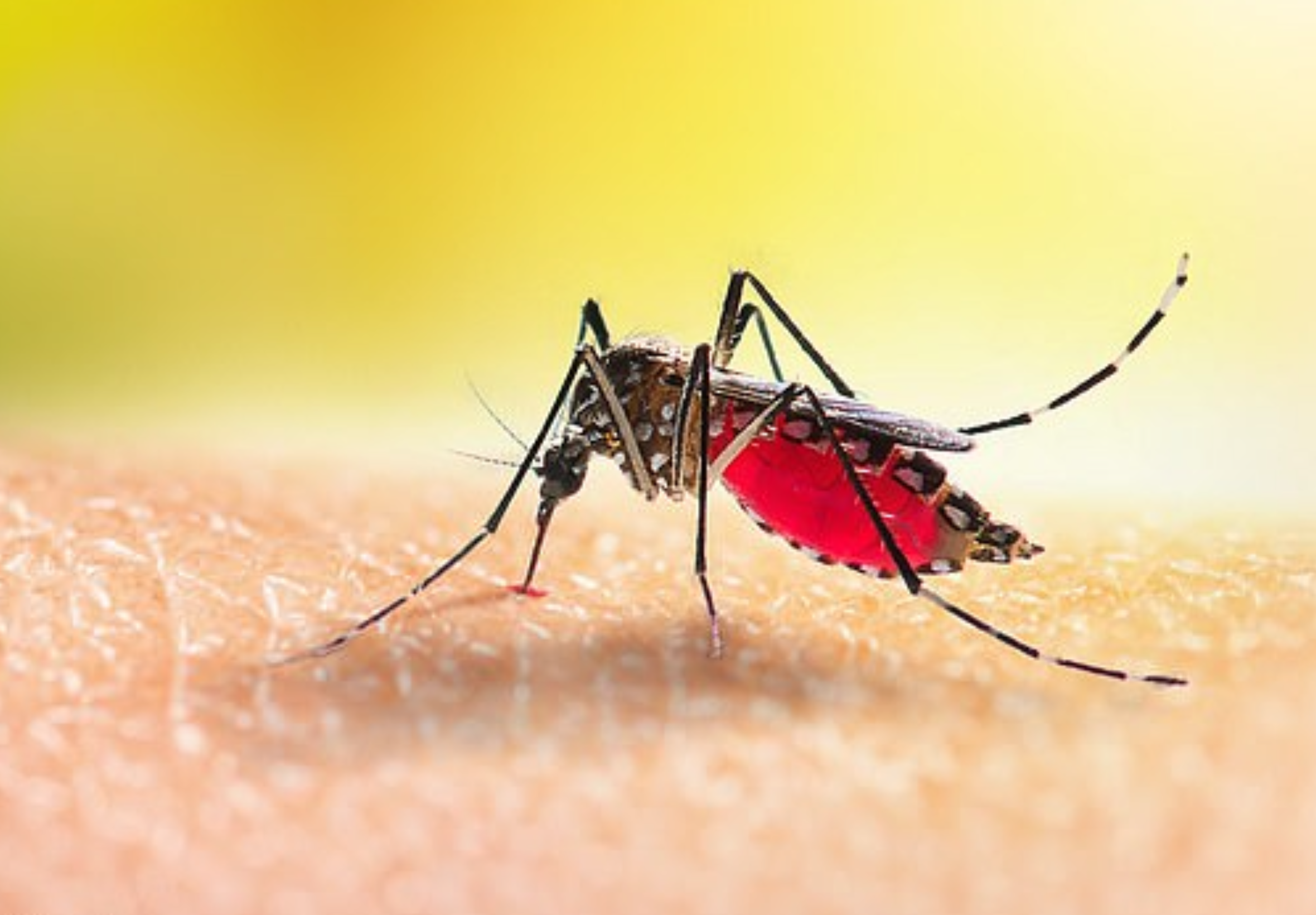

UK health officials have reported two Zika virus cases linked to travel to Thailand in the first half of 2026, as imported infections in Britain rise above last year's total.
The UK Health Security Agency (UKHSA) said nine Zika cases had been recorded in the UK so far this year, compared with seven throughout 2025. The cases are thought to have been acquired abroad, with Indonesia the most commonly reported exposure location, accounting for four cases.
Thailand was second, with two cases. Single cases were linked to Malaysia, the Maldives and Singapore.
The figures do not indicate that Zika is spreading locally in Thailand. However, they are a reminder for tourists, expats and other foreign residents that mosquito-borne illnesses remain a practical health risk in tropical areas.
Why Zika matters in Thailand
Zika is usually passed on through the bite of an infected mosquito, although it can, in rare cases, be sexually transmitted. There is currently no vaccine.
Many people infected with the virus may have mild symptoms or none at all. Symptoms can include fever, headache, sore eyes, joint swelling and rash.
The greatest concern is during pregnancy. Health officials warn that Zika infection can cause severe brain damage in developing foetuses. The UKHSA advises people who are pregnant or trying to conceive to speak to a doctor, nurse or travel clinic before planning a trip.
For foreigners living in Thailand, the same basic precautions apply beyond a short holiday: use insect repellent, cover exposed skin and use a treated mosquito net where necessary. Mosquito activity can be especially troublesome around standing water and during the early morning and late afternoon, depending on the species.
Other mosquito-borne illnesses rising
The UKHSA's latest travel-health update also highlighted chikungunya, dengue and malaria among travellers returning to Britain.
There were 59 chikungunya cases reported between January and June 2026, double the total recorded in the first half of 2024. Sri Lanka accounted for the largest number of those infections.
Dengue cases also continued to rise, reaching 34 in June alone and 137 during the first six months of 2026. Dengue can cause fever, headache, pain behind the eyes, muscle and joint pain, nausea, swollen glands and a rash. Severe dengue can involve abdominal pain, persistent vomiting, rapid breathing, and blood in vomit or stool.
Thailand's tropical climate means residents and visitors should take mosquito prevention seriously, even if they have lived in the country for years. Dr Hilary Kirkbride, consultant epidemiologist and head of travel health at UKHSA, said people who have previously visited a country do not have the same natural protection as permanent residents and should take precautions each time they travel.
She advised travellers to check TravelHealthPro for destination-specific vaccine and medication guidance, including antimalarial tablets where appropriate.
Join the discussion? 

16 July 2026
Recommended Comments
Create an account or sign in to comment