



Leaderboard
There are no members to show
Popular Content
Showing content with the highest reputation on 09/03/2026 in Article
-

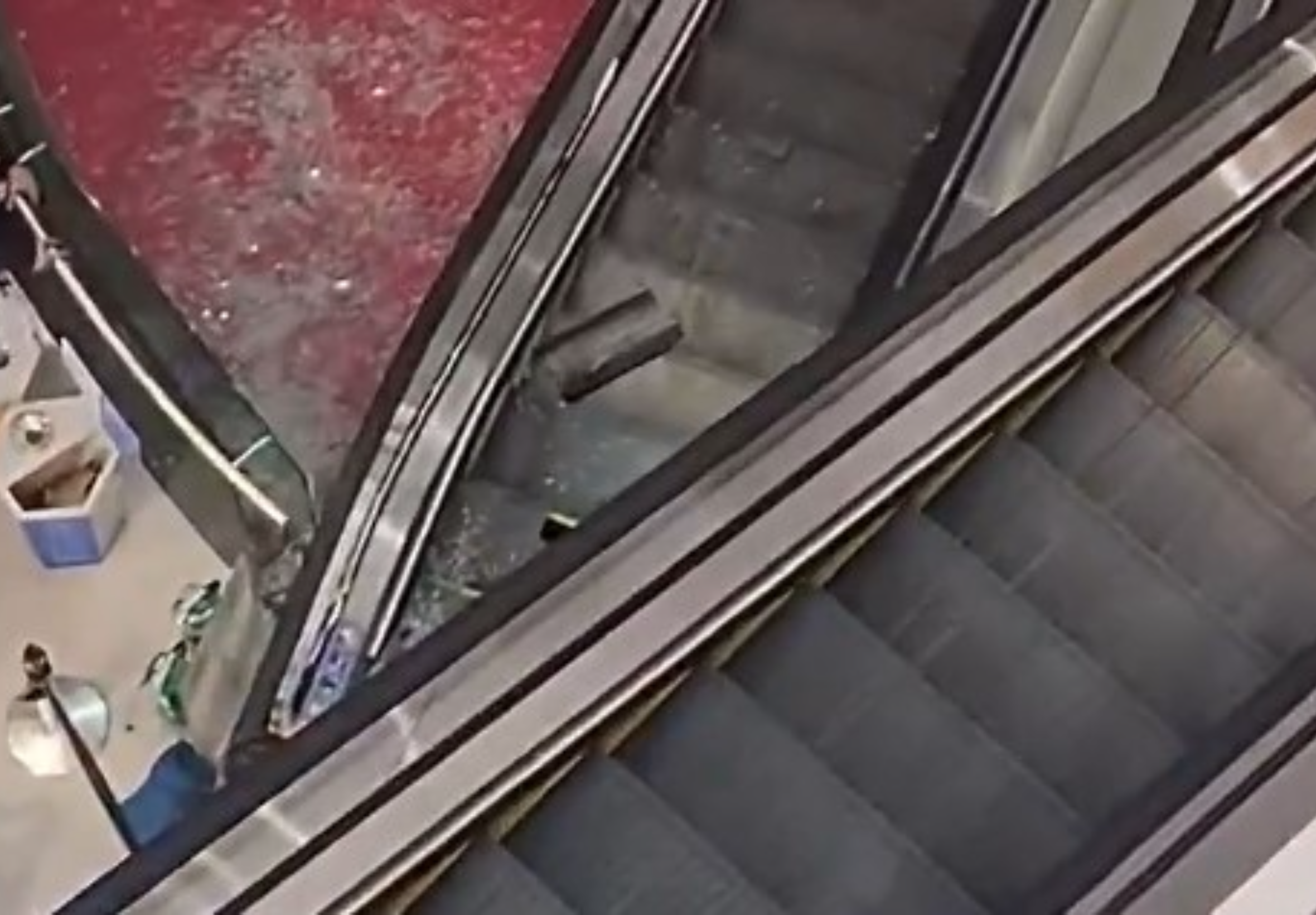 A man believed to be in his 30s has died after falling from a moving escalator inside Terminal 21 near Bangkok's Asok intersection on Monday night. Emergency services were called to the shopping centre at about 9.50pm on 31 August, following reports that a man had fallen from the fourth floor. The man was found unconscious and not breathing, with severe injuries. Police reports described the victim as aged about 30 and said his body suffered multiple fractures from the impact. Witnesses describe sudden fall Witnesses told Lumpini police that the man had been alone while travelling down the escalator from the fourth floor. They said he was around halfway down when he suddenly grabbed the handrail and fell. The sound of the impact startled shoppers nearby. The man was pronounced dead after emergency responders and police attended the scene. Lumpini police are examining the circumstances and cause of the fall. No further details about the man's identity or what may have led to the incident had been released at the time of reporting. Terminal 21 is beside major transport links Terminal 21 is close to BTS Asok station and MRT Sukhumvit station, one of Bangkok's busiest interchange areas and a regular destination for foreign residents, tourists and business visitors. The case also underlines the importance of taking care around escalators in crowded Bangkok shopping centres, particularly when carrying luggage, shopping bags or travelling with children. Join the discussion? 2 September 20261 point
 -
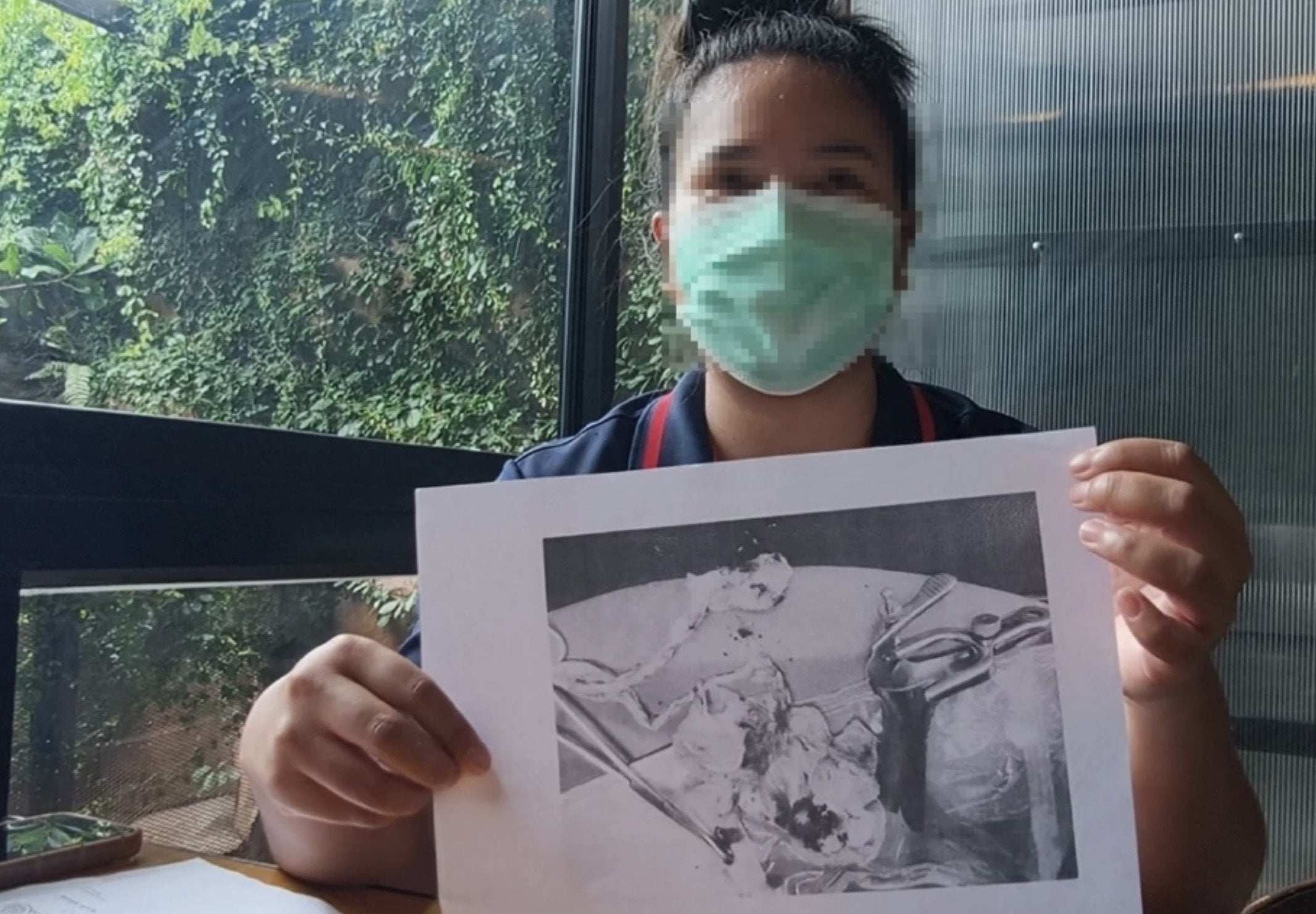 Suranaree University of Technology Hospital has apologised after one piece of gauze was left in a patient's vagina following a cervical procedure in August. The hospital said it removed the retained gauze safely on 26 August and did not charge the patient for the subsequent treatment. The case, which prompted concern after the patient reportedly had to make several trips for treatment without receiving a clear explanation, was detailed in a hospital statement issued on 31 August. The patient underwent a loop electrosurgical excision procedure, or LEEP, on 20 August after doctors found an enlarged cervix. LEEP is a procedure used to remove tissue from the cervix. Treatment and follow-up timeline The hospital said doctors inserted two types of gauze after the procedure as part of standard treatment: one tampon and one piece of Vaseline gauze. After 48 hours, on 22 August, the duty doctor removed one item and allowed the patient to go home. The operating doctor later reviewed the medical record and found that a second piece of gauze remained. The doctor then called the patient and asked her to return immediately for its removal. However, the patient had travel limitations and an appointment was arranged for the following day, 23 August. The hospital admitted the patient for further treatment and repacked the tampon with adrenaline for 48 hours. The remaining gauze was removed safely on 26 August. A different medical team handled this later course of care because the original doctor had other duties, the statement said. No additional costs were charged to the patient. Hospital accepts communication failures Suranaree University of Technology Hospital and the doctor who carried out the procedure expressed regret over what happened. They acknowledged that the patient had needed to travel back and forth several times and had not been given sufficient explanation or understanding before leaving hospital. The hospital said it would review the incident, introduce measures to prevent a repeat and use the case as a lesson for staff on the importance of patient communication, particularly when unexpected complications arise. Picture courtesy of Komchadluek Join the discussion? 2 September 20260 points
This leaderboard is set to Bangkok/GMT+07:00