



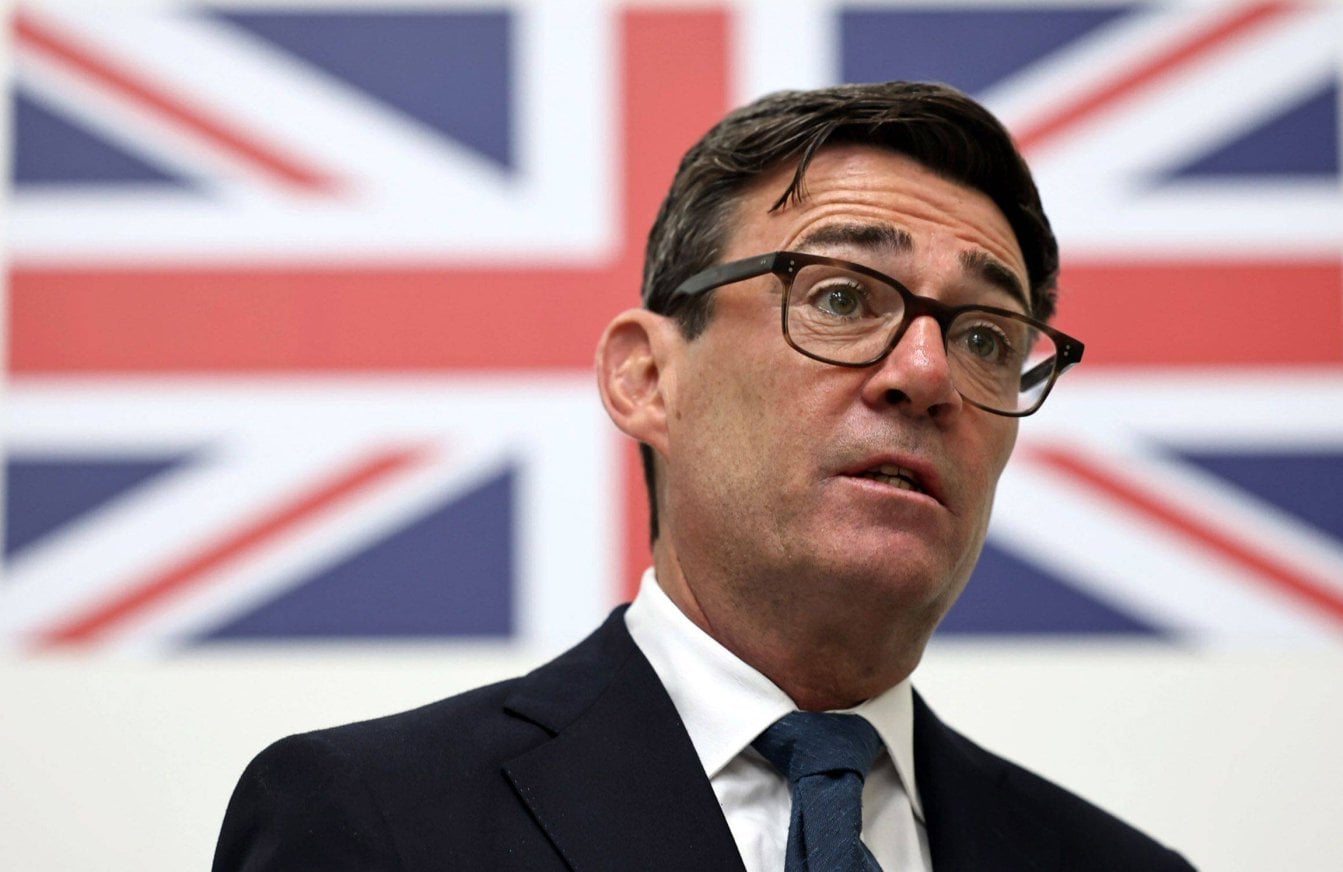

Andy Burnham’s rise to Downing Street this summer has sparked a “Burnham bounce” in Labour’s opinion ratings, but the new prime minister faces a tight political and economic challenge at his first Labour Party conference.
Burnham took over as Britain’s seventh prime minister in a decade after inheriting a country still struggling with immigration concerns, economic strain and heightened geopolitical tension linked to the war in Iran. With Reform UK only narrowly behind Labour in the polls, and the hard right pressing close as Labour meets in conference, Burnham has to show how he intends to tackle problems that his predecessor could not solve.
Pressure From Reform And Greens
Reform UK, led by Nigel Farage, is facing an additional strain after allegations about party finances. The latest case has prompted a criminal investigation into party donations. Reform denies wrongdoing and says it will cooperate with the investigation.
Despite that, the party remains a persistent threat to Labour, particularly as anti-immigration sentiment has gained traction in parts of the country. Earlier this month, demonstrations along Britain’s coastline saw hundreds of people wearing balaclavas block roads and clash with police. Burnham described the unrest as unacceptable, while also saying there were real worries about immigration across the country.
Labour is also managing pressure from the left. Burnham has had to win back some progressive voters who previously switched to the Green Party following Sir Keir Starmer’s approach to issues including net zero and the conflict in Gaza.
The Greens’ challenge will be tested next week when their leader, Zack Polanski, contests the Holborn and St Pancras seat in London. The constituency was previously held by Starmer for more than a decade.
Economy And Next Budget
Economic policy is likely to dominate discussion at conference, coming only weeks before the first budget of the Burnham government. The budget will set out the approach to taxation and spending.
In his early weeks in office, Burnham announced a package aimed at easing pressure on households. Measures included reducing bus fares in England outside London so that they are capped at £2. He also set out plans to cut business rates for pubs and music venues, and he pointed to other tax cuts directed at electricity bills.
Some Conservative figures have portrayed the proposals as limited in scale. Burnham’s plans, including commitments to build more social housing and bring essential utilities under greater public control, will still have to fit within the constraints facing the government.
Official data has also shown inflation rising, with energy costs affected by conflict in the Middle East. Burnham described the inflation figures as a concern, while also saying the economy has resilience and that the government would review wider global conditions.
Party Unity And Gaza Debate
Burnham entered Downing Street with strong parliamentary backing, securing the support of 379 of 403 Labour MPs. British media reports described a relatively upbeat mood inside the party and a reluctance to criticise the new leader, but dissent is becoming more visible.
Peter Kyle, formerly Starmer’s business secretary, said ahead of conference that the government was not focusing enough on economic growth and needed to act with more urgency. He told the BBC that he believed the government had potential and needed to treat growth as seriously as tackling social problems such as rough sleeping, a pledge Burnham made in his first speech as prime minister.
There is also political tension around immigration rules affecting social care workers. Angela Rayner, a former Labour deputy leader who resigned in 2024, criticised a planned change to visa rules that would affect foreign social care staff. Burnham’s culture secretary, Lisa Nandy, defended the prime minister, arguing that leadership changes were intended to deliver promised improvements more quickly.
Meanwhile, Labour grassroots groups are pressing for a tougher stance on the conflict in Gaza, with some calling for a ban on arms sales to Israel and for “wide-ranging” sanctions.
Early Election Question
Burnham has already ruled out calling an early general election. He told the BBC last week he was focused on the job and said there would be no election “anytime soon”. Under current rules, the next election must be held by August 2029.
A win at the ballot box would likely strengthen Burnham’s position and provide a mandate for policy changes. But not calling an early vote could invite accusations of weakness, as happened to former prime minister Gordon Brown when he avoided a widely expected election in 2007.
An election early could also place Labour’s weaker polling since the 2024 election under scrutiny, as Reform and Labour compete for support.
Join the discussion? 

29 September 2026
Recommended Comments
Create an account or sign in to comment