



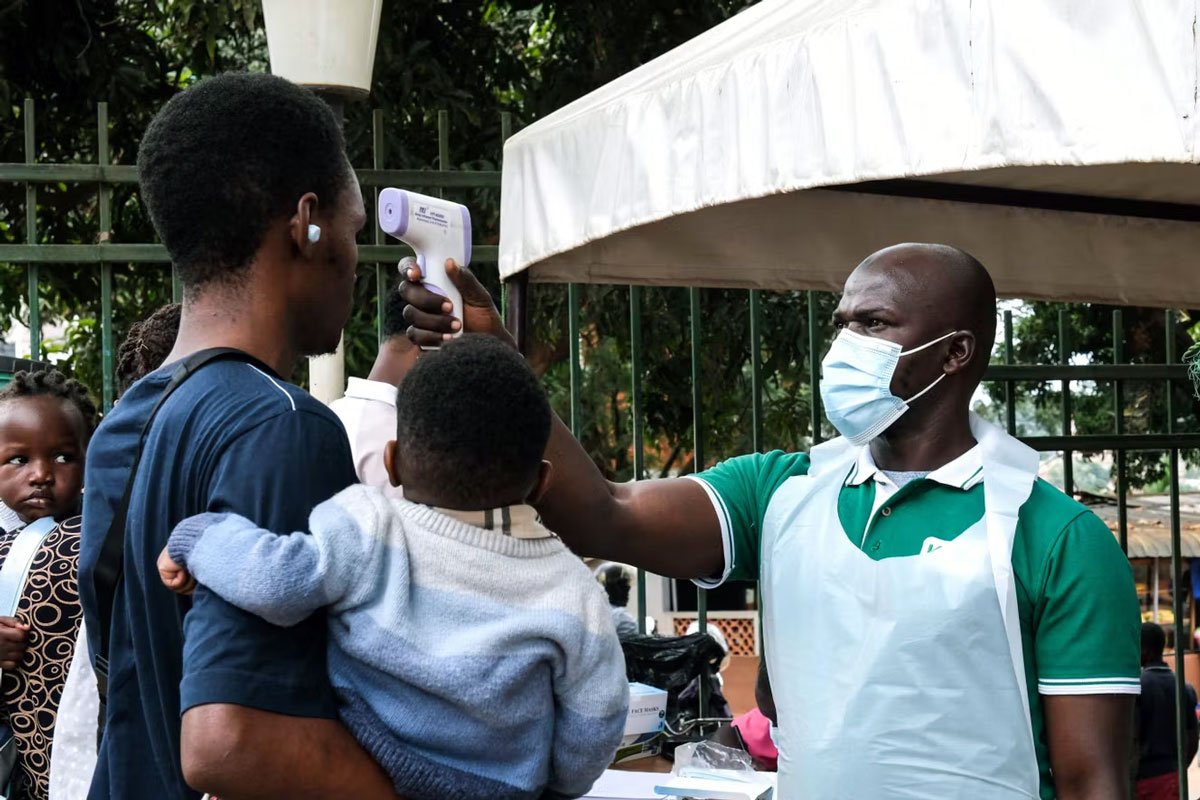

The World Health Organization (WHO) has declared an Ebola outbreak in the Democratic Republic of the Congo a public health emergency of international concern, citing concerns over potential wider spread despite currently limited confirmed cases the agency said.
Get today's headlines by email 
The agency said the situation does not meet the criteria for a pandemic emergency, but warned the outbreak could be significantly larger than currently detected and reported. It reported around 246 suspected cases and 80 deaths, alongside eight laboratory-confirmed infections across affected areas in eastern DRC.
Emergency declaration
WHO Director-General Tedros Adhanom Ghebreyesus said there are “significant uncertainties” over the true scale and geographic spread of the outbreak. The alert comes as authorities monitor transmission in the eastern province of Ituri, where health officials are trying to contain multiple clusters of infection.
Cases and spread
The outbreak has been recorded in several health zones, including Bunia, the provincial capital of Ituri, as well as the gold-mining towns of Mongwalu and Rwampara. Health authorities have also confirmed a case in Kinshasa, believed to involve a patient who had travelled from Ituri. The virus identified in the outbreak is the Bundibugyo strain of Ebola, which currently has no approved treatments or vaccines.
Regional risk
The WHO said the virus has crossed borders, with Uganda reporting two confirmed cases, including a 59-year-old man who died after testing positive. Ugandan officials said the deceased was a Congolese national whose body was returned to the DRC. A separate case has also been confirmed in Goma, an eastern city currently controlled by M23 rebels, according to AFP reports. The WHO and Africa Centres for Disease Control and Prevention have warned that high population movement and ongoing insecurity in the region increase the risk of further spread.
Africa CDC concerns about urban settings of Rwampara and Bunia and mining activities in Mongwalu increasing risk of spread. It said significant population movement between affected areas and neighbouring countries requires strong regional coordination. Ebola has no proven cure, with an average fatality rate of around 50% according to WHO. Around 15,000 people have died from Ebola across African countries over the past 50 years.
Virus and response
Bundibugyo Ebola typically begins with fever, fatigue, muscle pain and headache, before progressing to vomiting, diarrhoea and in some cases bleeding. The incubation period ranges from two to 21 days, and transmission occurs through contact with infected bodily fluids. WHO has advised affected countries to strengthen surveillance, isolate confirmed cases, and establish emergency coordination centres to improve contact tracing. The agency also urged countries not to impose border closures or travel restrictions, saying such measures are not scientifically justified. Ebola was first identified in 1976 in what is now the DRC, and this marks the country’s 17th outbreak.
Join the discussion? 
Already a member? 
 Adapted by ASEAN Now. Source 18 May 2026
-
 2
2
Recommended Comments
Create an account or sign in to comment