



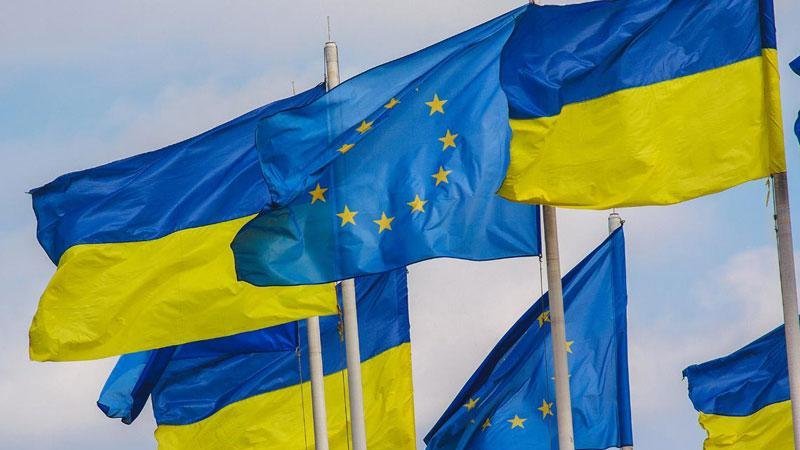

The European Union has moved forward with a €90bn ($97bn) loan package for Ukraine after oil deliveries through a key pipeline to Hungary and Slovakia resumed, ending a months-long dispute that had delayed the funding.
EU ambassadors meeting in Brussels gave preliminary approval to the financial package and a new round of sanctions against Russia on Wednesday. Final sign-off from EU governments is expected on Thursday.
The breakthrough came shortly after Ukraine confirmed it had restarted the flow of Russian oil through the Druzhba pipeline following repairs to infrastructure damaged earlier this year.
Pipeline restart breaks stalemate
The loan had originally been agreed by EU leaders last December. However, Hungary’s prime minister Viktor Orbán blocked the release of the funds in February after oil shipments through Ukraine to Hungary and Slovakia were disrupted by damage caused during Russian attacks. Budapest insisted that oil deliveries resume before it would allow the financial assistance to proceed.
Get today's headlines by email 
Ukrainian officials said repairs were completed this week, allowing the pipeline to be pressurised again. Slovakia’s economy minister Denisa Sakova said energy operator Ukrtransnaft informed authorities that the process began on Wednesday morning and that crude oil would start reaching Slovakia on Thursday.
Hungarian energy company Mol said it also expected the first shipments to arrive by Thursday.
A Ukrainian government source said the transit of oil restarted at 12:35 local time (09:35 GMT), although the volume of crude being pumped was not immediately clear.
Political change in Hungary
Orbán, who remains in office in a caretaker role after losing Hungary’s election last weekend, had signalled that he would remove his veto once deliveries resumed.
His defeat has also eased tensions between Budapest and Brussels. Hungary’s incoming leader, Péter Magyar, has pledged to improve relations with the EU after years of disputes over policy and funding.
During the election campaign, Orbán accused Ukraine of imposing an “oil blockade” on Hungary and Slovakia and alleged that EU institutions were siding with Kyiv.
Satellite imagery taken in January indicated that a major oil tank facility in Brody, western Ukraine, had been damaged, contributing to the interruption in supplies. Ukrainian officials said repair work had been complicated by ongoing Russian attacks.
Funding seen as vital for Kyiv
EU officials have described the loan as a crucial financial lifeline for Ukraine as the war with Russia continues.
According to Ukrainian deputy prime minister Taras Kachka, about two-thirds of the funding will be used to strengthen Ukraine’s defence capabilities, with the remainder allocated to broader financial assistance.
EU foreign policy chief Kaja Kallas said the approval would demonstrate continued European support for Kyiv.
“Ukraine really needs this loan and it’s also a sign that Russia cannot outlast Ukraine,” she said ahead of the meeting of EU ambassadors.
Ukrainian president Volodymyr Zelensky said Kyiv had fulfilled its commitments to the EU and welcomed the expected release of the funds.
“It is important that the European support package becomes operational swiftly,” he said, although Ukrainian media reported that the money may still take several weeks to reach the country.
New uncertainty over German supplies
In a separate development, Russia said it plans to halt oil flows from Kazakhstan through another section of the Druzhba pipeline that supplies Germany from 1 May.
Germany stopped importing Russian crude following Moscow’s full-scale invasion of Ukraine in 2022, replacing it with oil from Kazakhstan delivered through the same network.
The PCK refinery in Schwedt, which supplies fuel and heating oil to Berlin and surrounding regions, relies heavily on those shipments.
German economy minister Katherina Reiche said alternative supply routes through the ports of Gdansk and Rostock were available and expressed confidence that production could continue without disruption.
META: The EU has moved to approve a €90bn loan for Ukraine after oil deliveries through the Druzhba pipeline resumed, ending a dispute that had led Hungary to block the funding.
Join the discussion? 
Already a member? 
 Adapted by ASEAN Now. Source 23 April 2026
-
 1
1
Recommended Comments
Create an account or sign in to comment