



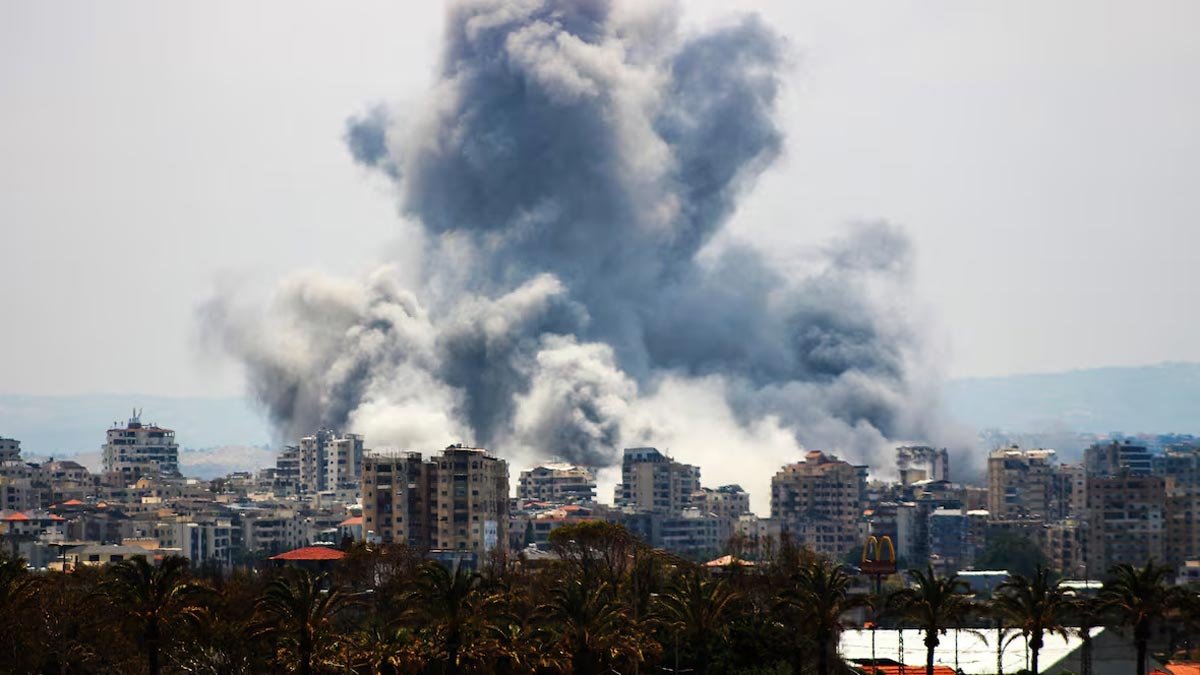

Iran has suspended negotiations with the United States, blaming Israel's military operations in Lebanon for violating a broader ceasefire arrangement and raising fears that months of diplomacy could unravel.
Get today's headlines by email 
Iranian Foreign Minister Abbas Araghchi said Tehran viewed the ceasefire as applying across all fronts, including Lebanon. He warned that any breach in Lebanon amounted to a breach of the entire agreement and held both Israel and the US responsible for the consequences.
An Iranian news agency linked to the Islamic Revolutionary Guard Corps reported that Tehran had halted participation in talks aimed at ending the blockade of the Strait of Hormuz, a key global oil shipping route.
Trump Signals Little Concern Over Pause
US President Donald Trump said Washington had not been formally notified of Iran's decision but suggested a pause in negotiations would not necessarily be unwelcome.
Speaking to NBC News, Trump said the two sides may have been talking too much and that a period of silence could be beneficial. He added that the US would maintain its blockade of Iranian ports if talks collapsed but indicated there were no immediate plans for further military escalation.
The diplomatic setback follows US strikes on Iranian radar and drone facilities over the weekend. Tehran responded by claiming it had targeted a military base in Kuwait that it said was involved in the American operation.
Lebanon Tensions Threaten Wider Conflict
Iran's move reflects growing anger over Israel's offensive in Lebanon. The situation appeared to worsen after Israel issued evacuation orders for residents in Beirut's southern suburbs.
Iran's military command warned residents in northern Israel to leave should Israel launch attacks on Beirut or the Dahieh district. Kuwait also advised citizens to remain indoors amid fears of an imminent escalation.
Iranian military officials warned that strikes on Beirut's southern suburbs would trigger retaliatory attacks against northern Israel and other military targets inside the country.
Trump said he had spoken with Israeli Prime Minister Benjamin Netanyahu and, through intermediaries, with Hezbollah representatives in an effort to secure a renewed ceasefire. He later claimed Netanyahu had agreed not to send troops into Beirut and that Hezbollah had agreed to halt attacks.
There was initially no confirmation from either Israel or Hezbollah. However, Lebanon's embassy in Washington later said both sides had accepted a reciprocal halt to attacks, including Israeli strikes on Beirut's southern suburbs.
Oil Market Concerns Grow
Iran's semi-official Tasnim news agency reported that Tehran would seek support from Yemen's Houthi movement to impose a second maritime blockade at the Bab al-Mandab Strait, another critical shipping route. The renewed tensions pushed oil prices close to $100 a barrel.
Iranian parliament speaker and chief negotiator Mohammad Bagher Ghalibaf accused Washington of failing to uphold the ceasefire through both its blockade and support for Israeli operations.
Meanwhile, French President Emmanuel Macron held discussions with Iranian President Masoud Pezeshkian, Trump and several Arab leaders, urging efforts to preserve the Lebanon ceasefire and reopen the Strait of Hormuz.
Nuclear Talks Remain Frozen
Iranian officials said discussions on the country's nuclear programme would remain on hold until issues surrounding the Strait of Hormuz were addressed.
Foreign ministry spokesperson Esmail Baghaei said no detailed nuclear negotiations were currently taking place and insisted Tehran's immediate priority was ending the conflict. He also confirmed that Iran was seeking reparations from the United States and that any future agreement would require approval from the UN Security Council.
A proposed 14-point memorandum would establish a 60-day ceasefire while negotiations over Iran's nuclear programme continue.
Despite diplomatic efforts, major disagreements remain over sanctions relief, frozen Iranian assets and broader regional security arrangements. The latest exchanges highlighted the fragility of the ceasefire and the challenges facing attempts to secure a lasting settlement.
Join the discussion? 
Already a member? 
 Adapted by ASEAN Now. Source 2 June 2026
Recommended Comments
Create an account or sign in to comment