



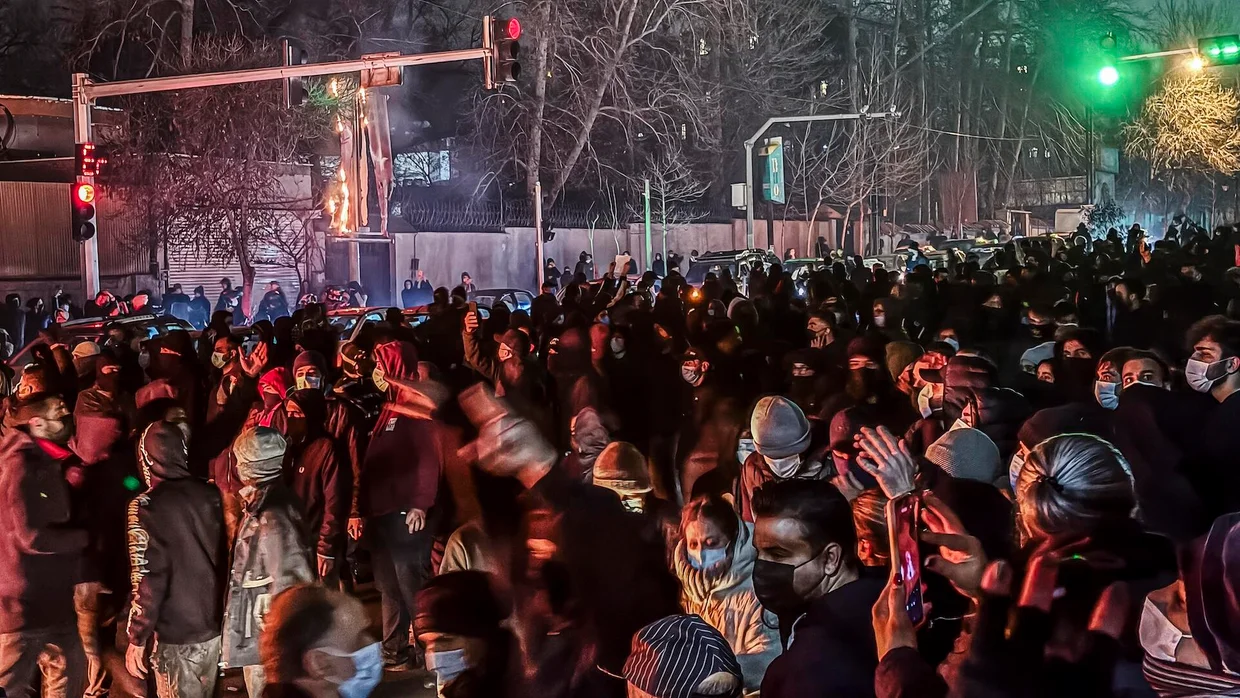

As uncertainty continues over efforts to secure a lasting agreement between the United States and Iran after 90 days of conflict, some Iranians who fled the country say they fear the Islamic Republic is emerging more repressive rather than weakened.
Get today's headlines by email 
Karvan, 22, and his younger brother Kavian left Iran on May 13 after months in hiding following their involvement in anti-government demonstrations. The brothers are now sheltering in Iraq’s Kurdistan region after abandoning their studies, relatives and friends.
“Our lives were in danger. If we had stayed, we would have faced jail and execution,” Karvan told CBS News.
Kavian said conditions deteriorated after a ceasefire between Washington and Tehran was announced earlier this year.
“During the war, the situation was chaotic, but after the ceasefire the regime became even more extreme against the people,” he said.
Protests and repression
The brothers participated in the 2022 “Woman, Life, Freedom” protests, which erupted after the death of Mahsa Amini while in police custody. Both men are members of Iran’s Kurdish minority and come from the country’s western Kurdish region, where tensions with Iran’s ruling authorities have long persisted.
They also joined demonstrations that spread across Iran earlier this year before security forces suppressed the unrest. President Donald Trump said 32,000 people were killed in the crackdown, though the figure has not been independently verified. Rights groups say tens of thousands were detained and multiple executions have taken place.
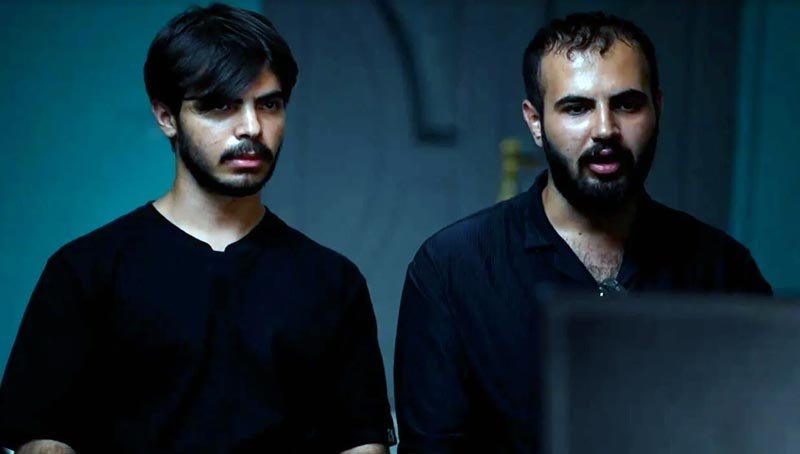
Karvan said witnessing the demonstrations gave the brothers a sense of responsibility.
“We felt the tension, and we saw how people were arrested and injured,” he said. “It gave us a feeling of purpose to participate in the demonstrations and make our voices heard.”
Kavian described confrontations between protesters and security forces, including the use of tear gas and other crowd-control measures.
Life after the ceasefire
Although indirect negotiations between the United States and Iran have continued since the April 8 ceasefire announcement, the brothers said the truce did little to improve daily life for ordinary Iranians.
“We felt that the regime started going after people again,” Karvan said. He alleged that authorities accused protesters of being Israeli spies and detained people for photographing bombed sites.
The brothers said security measures in Kurdish regions have intensified, with more checkpoints and frequent inspections of phones and identification documents.
Rights groups have also warned of a rise in arrests and executions. Zhila Mostajer, an investigator with the Hengaw Organization for Human Rights, said people risk severe punishment for speaking out against the government.
“Under such a brutal regime it is possible to be detained, tortured and even get executed just for raising your voice,” she told CBS News.
According to Hengaw, around 40,000 people were detained during protests earlier this year. While many have since been released, the organization says 31 detainees have received death sentences and 15 have already been executed.
No plans to return
Karvan said leaving Iran was painful but necessary.
“It was very hard for us, but we chose to take the risk because we are safer here,” he said.
The brothers said they do not intend to return while the Islamic Republic remains in power. They also expressed frustration that international attention often focuses more on Iran’s nuclear programme and regional tensions than on the treatment of its citizens.
“They always talk about how uranium is a danger if it is in the regime’s hands,” Karvan said. “If you truly knew how they treat their people, you would never let them enrich uranium.”
Join the discussion? 
Already a member? 
 Adapted by ASEAN Now. Source 29 May 2026
Recommended Comments
Create an account or sign in to comment