



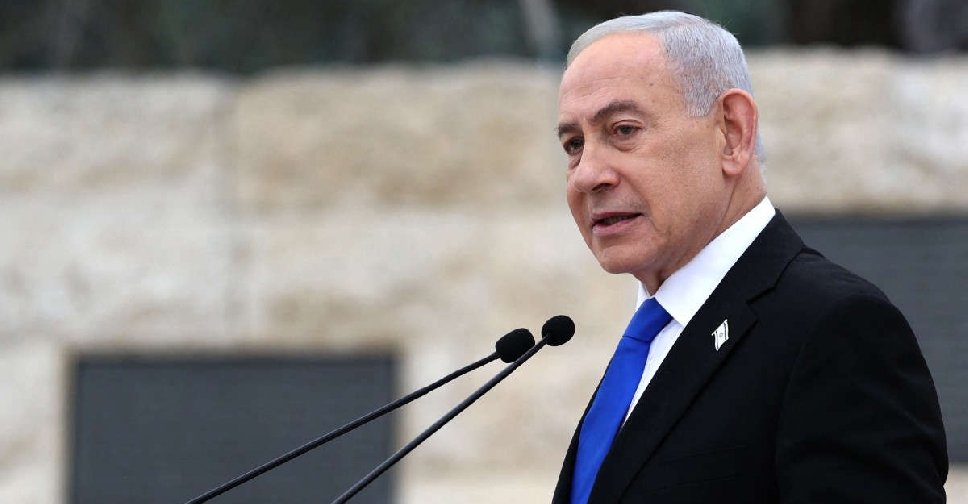

Israel launched a new wave of air strikes across Lebanon on Monday after Prime Minister Benjamin Netanyahu said the country would intensify its military campaign against Hezbollah.
Get today's headlines by email 
The Israeli military said it had targeted Hezbollah sites in the Bekaa Valley in eastern Lebanon, as well as additional locations elsewhere in the country. The strikes followed a video statement from Netanyahu, who said Israel was “at war with Hezbollah” and had instructed the military to “deal them a crushing blow”.
The escalation comes despite a 45-day ceasefire extension agreed earlier this month between Israel and Lebanon. Although the truce reduced large-scale fighting, clashes and air strikes have continued, particularly in southern Lebanon.
Fears of Wider Conflict
The latest attacks have raised concerns in Beirut that Israel’s military campaign could expand further and potentially include the Lebanese capital.
Netanyahu said Israeli operations against Hezbollah had already “eliminated over 600 terrorists” and argued that the military now needed to increase both the number and intensity of its strikes.
Since the ceasefire agreement signed on 16 April, most Israeli attacks have been concentrated in southern Lebanon, where Israeli troops remain deployed. Israel says rockets and drones have continued to be launched from the area.
The Bekaa Valley, targeted on Monday evening, is a strategic region in eastern Lebanon near the Syrian border and has long been considered a stronghold for Hezbollah.
Regional Tensions Persist
The expansion of Israel’s offensive came as Iran said any emerging peace agreement with the United States must include a complete ceasefire across all fronts in the regional conflict.
Israel’s government has resisted calls to end operations against Hezbollah. Ten Israeli soldiers have been killed since the original ceasefire was agreed, according to Israeli officials.
Lebanese authorities say more than 400 people have been killed in Israeli bombardments during the same period, including paramedics and emergency workers.
Israeli forces have also issued near-daily evacuation warnings for residents in newly targeted areas of southern Lebanon, contributing to the displacement of more than one million people.
Background to the Conflict
Lebanon became involved in the current conflict after the United States and Israel launched military action against Iran on 28 February. Hezbollah, which is backed by Iran, responded after an Israeli strike killed Iran’s supreme leader, Ayatollah Ali Khamenei.
The group fired rockets into Israel, prompting an Israeli air campaign across Lebanon and a subsequent ground invasion.
According to Lebanon’s health ministry, more than 3,000 people have been killed in Israeli attacks since the conflict began.
The Lebanese government has said it is attempting to disarm Hezbollah but argues that maintaining a ceasefire is essential to completing what it describes as a highly complex process.
Join the discussion? 
Already a member? 
 Adapted by ASEAN Now. Source 26 May 2026
Recommended Comments
Create an account or sign in to comment