




Israel and Lebanon have agreed to prolong their fragile ceasefire for another 45 days following two days of negotiations in Washington, D.C., according to the United States Department of State.
Get today's headlines by email 
State Department spokesman Tommy Pigott said the extension was intended to support wider diplomatic efforts aimed at stabilising the situation along the countries’ shared border.
“We hope these discussions will advance lasting peace between the two countries, full recognition of each other's sovereignty and territorial integrity, and establishing genuine security along their shared border,” Pigott said.
Extension agreed after Washington talks
The ceasefire was first announced on 16 April by US President Donald Trump. However, clashes between Israeli forces and the Lebanese armed group Hezbollah have continued since the truce was declared.
Despite the agreement, hostilities have persisted along the southern Lebanese border. Reports of cross-border strikes and retaliatory attacks have occurred almost daily since the ceasefire began.
On Wednesday, Lebanon’s health ministry said Israeli air strikes killed 22 people in southern Lebanon, including eight children.
Continued exchanges of fire
Israeli forces have stepped up air and artillery attacks in recent days, particularly in the south of the country. The Israeli military says it is targeting Hezbollah fighters and infrastructure.
Lebanese authorities have accused Israel of striking civilians and medical workers, an allegation the Israeli military denies.
Israel says its operations aim to establish a buffer zone in southern Lebanon that would reduce the threat of future Hezbollah attacks across the border.
Diplomatic and military talks planned
Washington said further negotiations are planned as part of efforts to stabilise the situation.
The State Department said the political track of talks would resume in June. In parallel, a separate security dialogue involving military delegations from both sides is scheduled to begin at the United States Department of Defense on 29 May.
Israel’s ambassador to the United States, Yechiel Leiter, described the discussions as “frank and constructive”.
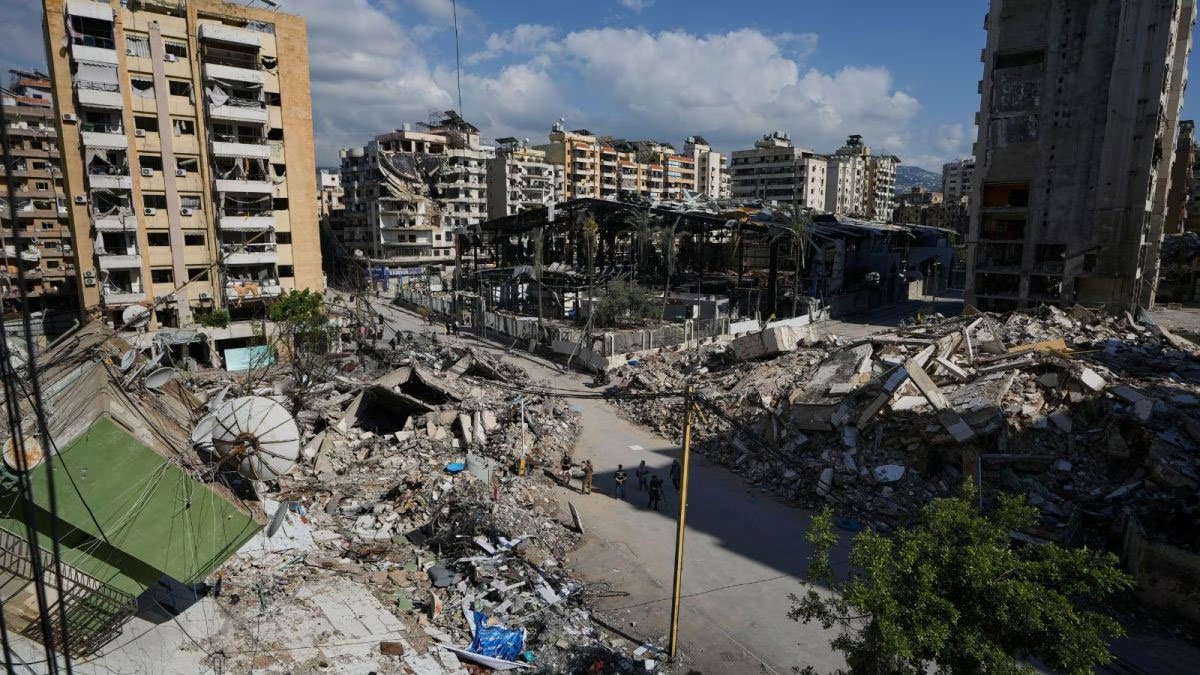
Southern Lebanon, which is largely populated by the country’s Shia community and forms Hezbollah’s main support base, has been heavily affected by the conflict. The region has been under frequent Israeli bombardment during the fighting.
Human rights groups say some destruction of villages in southern Lebanon resembles tactics used by Israeli forces in the Gaza conflict, raising concerns that some incidents could amount to war crimes. Israel rejects those accusations.
Widespread displacement and rising toll
The fighting has forced more than one million people in Lebanon from their homes, according to officials. Many displaced residents come from southern Lebanon, the Bekaa Valley in the east, and the southern suburbs of Beirut known as Dahieh, areas where Hezbollah has significant influence.
The current conflict began on 2 March, two days after the United States and Israel launched a joint attack on Iran.
Hezbollah responded by firing rockets into Israel, prompting Israeli air strikes and a ground incursion into southern Lebanon.
Lebanon’s health ministry says at least 2,896 people have been killed in the country since the conflict began. Israeli authorities report that 18 soldiers and four civilians have been killed during the same period.
Join the discussion? 
Already a member? 
 Adapted by ASEAN Now. Source 16 May 2
Recommended Comments
Create an account or sign in to comment