



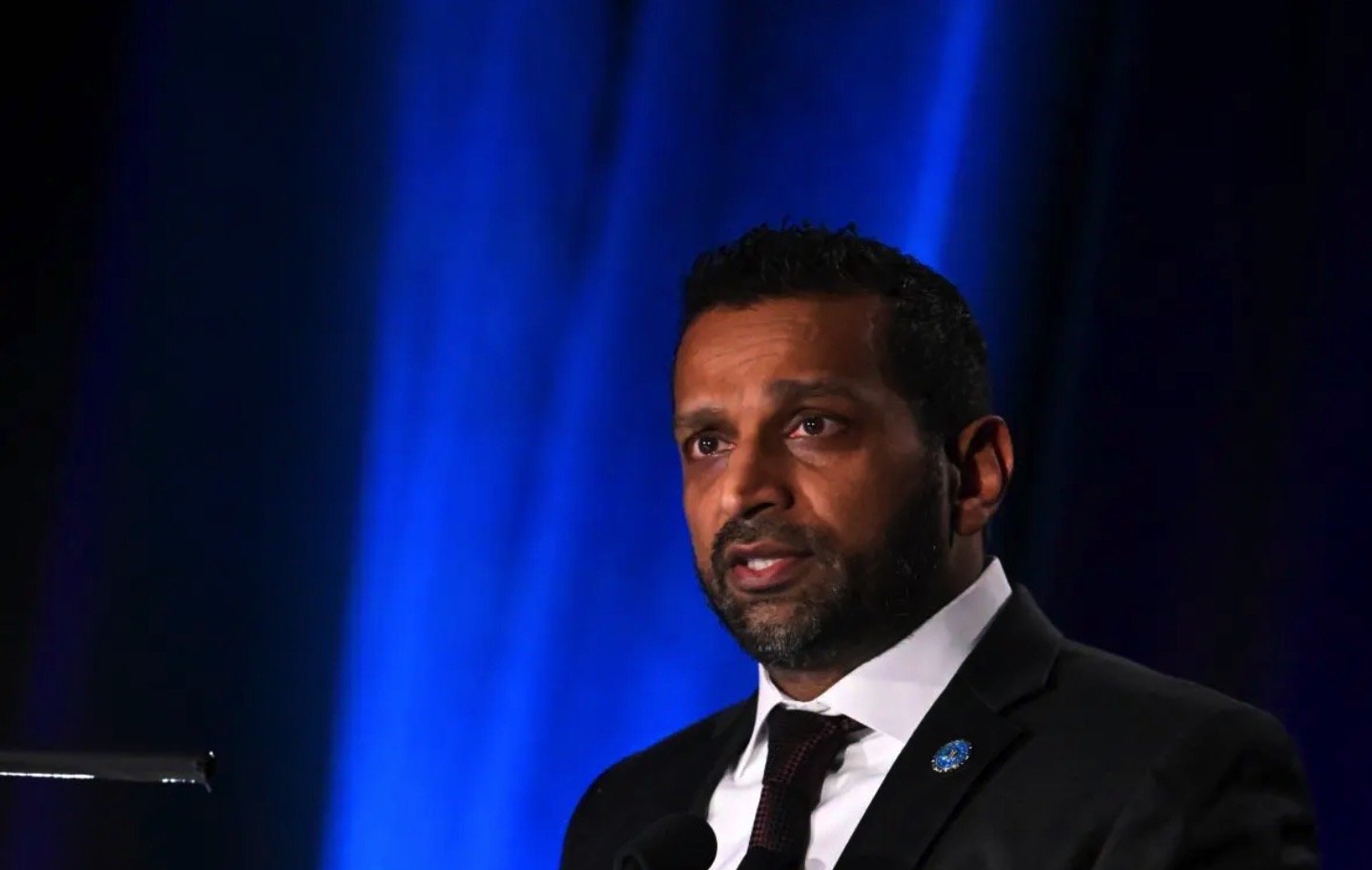

FBI Director Kash Patel has filed a $250 million defamation lawsuit against The Atlantic and reporter Sarah Fitzpatrick over an article that alleged he alarmed colleagues with heavy drinking and unexplained absences from work.
Get today's headlines by email 
The lawsuit was filed Monday in federal court in Washington, D.C., accusing the magazine and its journalist of publishing false claims that damaged Patel’s reputation and undermined his ability to lead the bureau.
The Atlantic rejected the accusations, calling the case “meritless” and saying it would defend its reporting.
Allegations at the center of the dispute
The complaint challenges several assertions contained in Fitzpatrick’s article about Patel’s conduct while serving as FBI director.
According to the lawsuit, the article falsely portrayed Patel as a habitual drinker whose behaviour raised concerns among colleagues and posed potential risks to national security. The suit says the report suggested Patel was frequently unreachable during emergencies, had violated Justice Department ethics rules and behaved erratically in ways that compromised his leadership.
Patel’s lawyers argue that the article depicted him as unfit for office and vulnerable to foreign influence, claims they say are entirely untrue.
The lawsuit also states that the story alleged incidents in which breaching equipment had to be used to open locked rooms where Patel was inside, and that alcohol influenced his public statements about criminal investigations.
Attorneys for Patel say these descriptions were part of a narrative portraying the FBI director as irresponsible and unreliable.
Claims of “actual malice”
Because Patel is a public official, the lawsuit must meet the legal standard of “actual malice,” a requirement in US defamation law that demands proof the publication either knew its claims were false or showed reckless disregard for the truth.
Patel’s legal team argues that The Atlantic ignored information that contradicted the article’s central claims. The complaint says reporters failed to take basic steps that could have refuted the allegations and demonstrated what it describes as editorial hostility toward Patel.
The lawsuit also says the magazine contacted the FBI for comment shortly before publication, giving less than two hours to respond and declining a request for additional time.
Magazine defends its reporting
In response, The Atlantic said it stands by the article and intends to contest the lawsuit.
A spokesperson for the publication said the reporting was thorough and based on extensive interviews. Fitzpatrick wrote that she spoke with more than two dozen people, including current and former FBI officials, intelligence and law-enforcement personnel, hospitality workers, political figures and former advisers.
The sources were granted anonymity because they were discussing sensitive matters and private conversations, the article said. According to Fitzpatrick’s reporting, many of them described Patel’s leadership as problematic and his behaviour as potentially creating a national-security vulnerability.
Before the story was published, Patel warned he would take legal action. He was quoted in the article telling the publication: “I’ll see you in court — bring your checkbook.”
After publication, Patel repeated the threat on social media, saying he believed meeting the legal standard for defamation would be straightforward.
Legal experts weigh the hurdles
Defamation cases against news organisations are often dismissed before reaching the evidence-gathering phase, known as discovery.
Adam Steinbaugh, a First Amendment lawyer with the Foundation for Individual Rights and Expression, suggested on social media that the complaint faces significant challenges in proving actual malice.
If the case were to proceed beyond early motions, however, both sides could be required to exchange evidence and give sworn testimony.
Veteran media lawyer Lee Levine said that process would allow attorneys for both Patel and The Atlantic to question witnesses and examine evidence related to the disputed claims.
Fitzpatrick has defended her work publicly, stating in a television interview that she stands by every word of the reporting and that the publication has strong legal representation.
CNN said it has not independently verified the incidents described in The Atlantic’s article.
Join the discussion? 
Already a member? 
 Adapted by ASEAN Now. Source 21 April 2026
Recommended Comments
Create an account or sign in to comment