



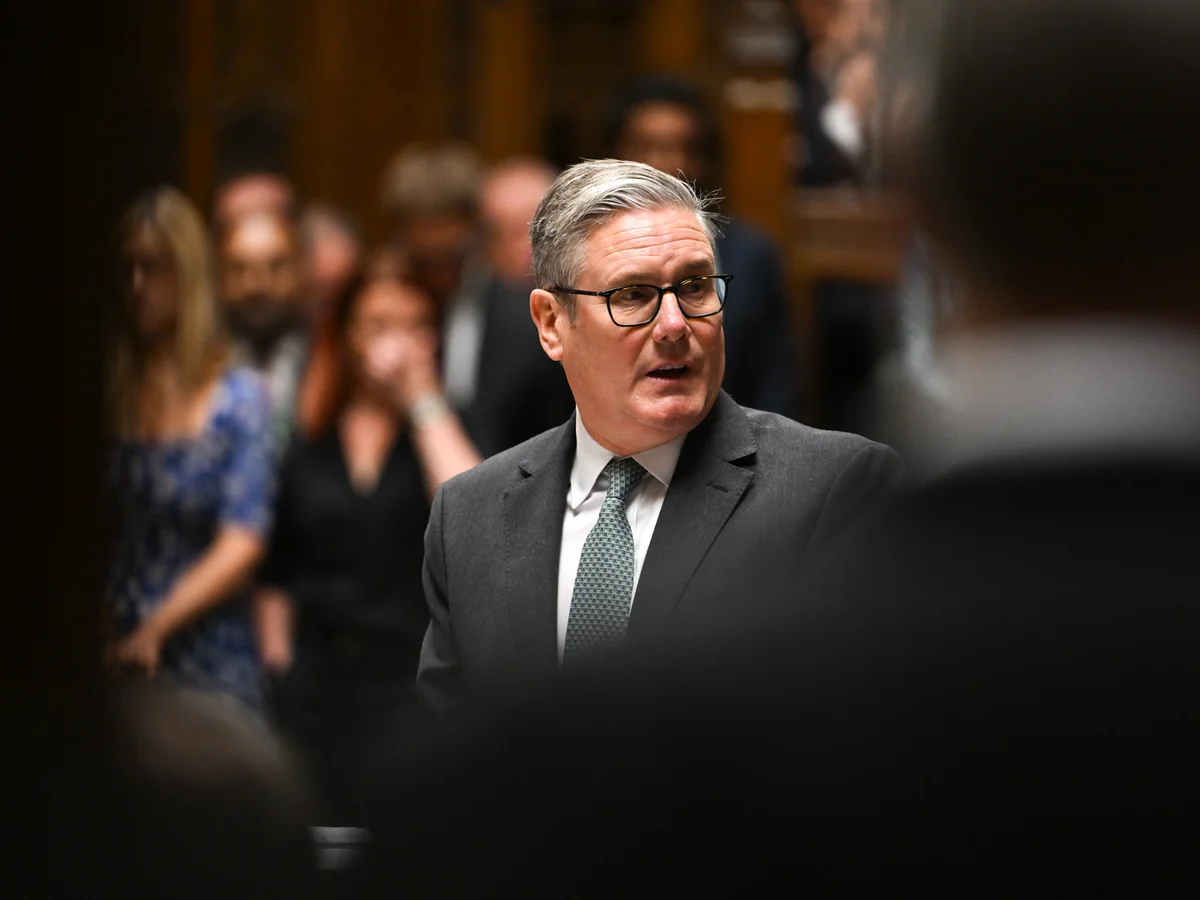

Labour MPs unhappy with the party’s direction are holding off from launching a leadership challenge against Prime Minister Keir Starmer, even as polling numbers fall and expectations grow of heavy losses in upcoming elections. The party faces a difficult electoral test, with forecasts suggesting it could lose control of Wales, shed council seats across England and struggle to make gains in Scotland.
Get today's headlines by email 
Starmer has also faced criticism over the appointment of Peter Mandelson as ambassador to the United States and the dismissal of senior civil servant Olly Robbins after a dispute over security vetting.
With elections looming, some in UK Parliament are asking why a leadership contest is not expected immediately after the anticipated losses on 8 May. While Jonathan Brash has publicly urged Starmer to resign and set a timetable for his departure, few colleagues have echoed that call openly.
No rush for a contest
Several MPs say dissatisfaction with Starmer is widespread but there is little appetite to trigger a leadership race without a clear successor.
One veteran Labour MP described the situation as politically terminal for the prime minister but said the sense that he may not lead the party into the next election had reduced the urgency for an immediate contest.
Others are wary of installing a temporary leader. Some argue that the party must ensure that any leadership contest produces someone capable of leading Labour into a general election, warning that frequent changes at the top would damage public trust.
Across Labour’s ideological factions, there appears to be agreement that there is no obvious successor currently sitting in Parliament.
A centre-left MP said members of the Parliamentary Labour Party believed the situation was “terminal” but felt that neither Wes Streeting nor Angela Rayner offered a clear solution. Some MPs have criticised Streeting’s links to Mandelson, while others question whether Rayner could win a general election.
Attention turns outside Westminster
Amid the lack of consensus in Westminster, some MPs have discussed the possibility of a candidate from outside Parliament. One name frequently mentioned is Andy Burnham, the mayor of Greater Manchester.
Burnham was blocked earlier this year from contesting a by-election in Gorton and Denton, a move some MPs now see as significant. Supporters believe he could unite different wings of the party, though any return to Westminster would require a safe seat to become available and approval from Labour’s ruling body, the Labour Party National Executive Committee.
Others argue that Burnham’s absence from Parliament may have slowed any potential leadership challenge. One MP suggested that if he had already returned to Westminster, momentum for change might have been stronger.
Cabinet manoeuvring and fraying loyalties
Attention has also turned to the cabinet, where some MPs believe senior ministers could ultimately push Starmer to step aside, echoing the internal pressure that led to the fall of Margaret Thatcher in 1990.
Several ministers have publicly distanced themselves from decisions associated with the prime minister, including the Mandelson appointment. Ed Miliband signalled disagreement with the move, while Yvette Cooper and Pat McFadden criticised attempts by Downing Street to explore an ambassadorial role for communications chief Matthew Doyle.
Starmer seeks to rebuild support
Despite the pressure, Starmer has been working to shore up support among backbenchers. He has hosted receptions and meetings with MPs at Chequers and held discussions with various parliamentary groups, including the “Red Wall” MPs representing constituencies vulnerable to the rise of the Reform UK party.
Participants say the meetings have been constructive, with MPs given the opportunity to speak frankly.
Changes within Downing Street have also eased tensions. After the departure of chief of staff Morgan McSweeney, some MPs report improved engagement with the prime minister’s office. His political director Amy Richards has been credited with broadening outreach to MPs.
However, discontent remains in parts of the parliamentary party. Some members of Labour’s women MPs group are said to be angry over recent controversies involving Doyle and are pressing for more women to be promoted to senior roles.
For now, despite deep unease and gloomy electoral expectations, Labour MPs appear reluctant to move against their leader without a clear alternative.
Join the discussion? 
Already a member? 
 Adapted by ASEAN Now. Source 23 April 2026
Recommended Comments
Create an account or sign in to comment