



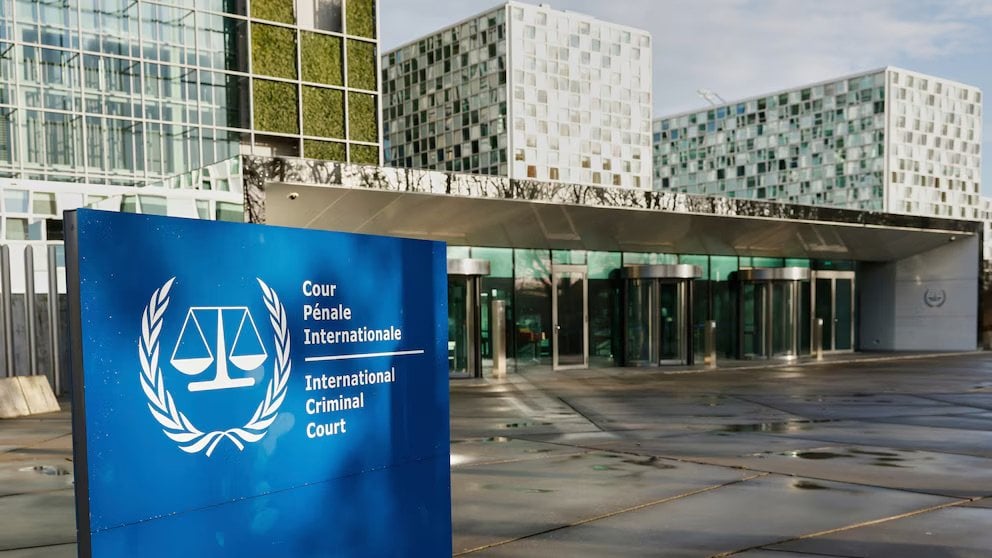

The Netherlands is making contingency plans for potentially wide-ranging United States sanctions against the International Criminal Court, officials said, in the latest escalation of Washington’s challenge to the tribunal.
Dutch officials responsible for the court’s host-country arrangements have been told the measures are due imminently and are assessing how the ICC could continue to function. Their preparations include finding ways to pay staff, protect witnesses and keep the detention facility operating, diplomatic and government officials briefed on the discussions told the Associated Press. They spoke on condition of anonymity because they were not authorised to comment publicly.
The warnings come as the US has already taken punitive steps against the ICC, sanctioning more than a dozen current and former staff members, including about half of the court’s sitting judges. US Secretary of State Marco Rubio described the action as a “sweeping campaign to dismantle the threat posed by the International Criminal Court”.
US Measures Focus on ICC Cases
The US and Israel have opposed the ICC’s arrest warrants for senior Israeli officials, including Prime Minister Benjamin Netanyahu, relating to the war in Gaza. Washington has also criticised the court’s investigations into alleged crimes by its own forces in Afghanistan.
As with Russia, China, India and Israel, the United States is among countries that have never joined the ICC. It has cited concerns about politically motivated prosecutions of its military.
The ICC currently has 125 member states. Its work includes prosecuting individuals for war crimes, crimes against humanity, genocide and the crime of aggression, acting when countries are unable or unwilling to prosecute.
Possible Disruption to Funding and Technology
Officials warned that sanctions could restrict the court’s access to financial and information technology services, and could also affect its ability to pay US-based employees. One example of the potential impact was seen after sanctions imposed in 2025 on the court’s former chief prosecutor, when he lost access to a Microsoft email account, his bank accounts were frozen and he was barred from entering the United States.
Two sources familiar with the briefings said US officials told their Dutch counterparts that sanctions could be applied as early as Monday. They also said Washington encouraged the court’s host state to withdraw from the institution.
While the sources said further sanctions are possible, US officials told the Netherlands that the exact scale and scope of the penalties had not yet been finalised, and that no announcement is expected this week. No US officials were immediately available for comment.
ICC Has Shifted Away From US Providers
The Netherlands and the ICC have been preparing for months for a scenario in which US measures would take effect. According to ICC staff members who were not authorised to speak on the record, the court earlier this year moved away from Microsoft products to a German software provider.
The tribunal has also altered its insurance and other financial arrangements, switching to companies without a United States footprint, the staff members said.
Dutch and court officials are seeking a six-month grace period before sanctions start, arguing that the institution needs time to disengage from American companies to avoid penalties for those that might breach US rules.
European Union options to reduce exposure appear limited. An EU “blocking statute” can be used to protect some European court personnel by discouraging European companies from complying with US measures. However, it is unclear whether such protections would extend directly to the ICC itself, which is an international body rather than a European one.
Some member state departures have already followed Washington’s stance. A small but growing number of countries have announced plans to leave the ICC in recent months, including Venezuela and Chad. Chad’s foreign minister, Abdoulaye Sabre Fadoul, said the United States was cited in the country’s decision to withdraw, adding that during a phone call with a US official in July, “the American side expressed its concerns regarding the functioning of this institution and requested that Chad reconsider” its membership.
Join the discussion? 

23 September 2026
Recommended Comments
Create an account or sign in to comment